
Last updated: Apr 19, 2026
Spring thunderstorms bring hail and heavy rainfall that can turn a simple roof issue into a lasting disaster in a hurry. If shingles are visibly missing, curling, or crown a soft spot, or if attic light shows through, treat it as urgent. Water intrusion can travel fast with Upper Cumberland winds and driving rain, seeping along rafters and into ceilings before a homeowner notices. Your first focus is safety: avoid stepping on a slick, water-backed roof, and keep children and pets away from damp attic spaces. If there's a strong wind, fallen branches, or a risk of collapse, evacuate the attic and call a professional for a temporary stabilization plan without delaying diagnosis.
Because storm-driven demand spikes hit the local market at once, fast tarping and leak stabilization matter before interior water damage spreads. If you can access the roof without risking injury, cover the damaged area with a heavy-duty tarp, weighted with bricks or fasteners to resist wind uplift. Secure tarps at the edges, ensuring rain can't flow under and pool onto insulation or ceilings. For especially windy days, consider multiple anchor points and edge protection to prevent wind flaps that can worsen damage. If you cannot safely cover the roof, prioritize interior mitigation: stack buckets under active leaks, place plastic sheeting across ceilings, and seal gaps from the inside where feasible to slow water intrusion until a pro arrives.
Local insurance claims depend on documented storm loss, and adjusters may ask for photos, roof specifications, and contractor damage estimates after Upper Cumberland storm events. Start documentation the moment you notice damage: date-stamped photos of all affected roof planes, attic signs of water staining, and the interior impact like warped drywall or stained ceilings. Create a simple log noting when each leak started, conditions during the storm, and any temporary repairs attempted. Gather any prior roof records, a current roof layout if available, and contact details for your preferred contractor. When you speak with an adjuster, present the timeline and photos clearly, emphasizing the storm event and how rapidly conditions deteriorated. Clear, organized documentation helps prevent delays and questions that stall a claim.
Storm-driven demand spikes can strain the local market, so rapid, credible communication with a licensed contractor is critical. Seek a storm-damage-focused contractor who can provide a written assessment quickly, including visible damage, potential hidden issues, and a plan for temporary stabilization. Ask for a scope that covers tarping, leak containment, and a transparent path to full replacement if needed. Expect questions about venting and attic insulation, as improper venting can magnify damage after a storm event. In Cookeville, early engagement reduces risk of interior moisture saturation, mold growth, and secondary damage that complicates insurance resolutions and repair timelines. Keep the contractor's written assessment handy for your insurance conversations, and request a timeline that aligns with favorable weather windows to minimize exposure and further wear on the structure.
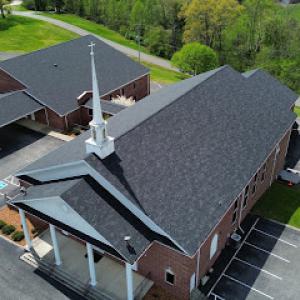
Modern Roofing Group
(931) 400-8788 modernroofing-group.com
1227 N Washington Ave Suite 202, Cookeville, Tennessee
5.0 from 262 reviews
Modern Roofing Group is a locally owned roofing company dedicated to offering the utmost in craftsmanship and service. We answer the phone, show up when we say we will, and offer the widest selection of roofing products to meet your needs. Dedicated to quality products and service, we strive to be the only roofing company you will refer for years to come!
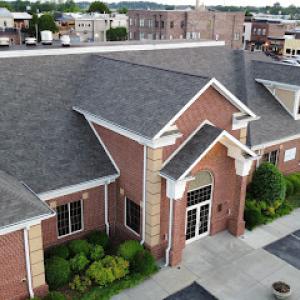
Allen's Roofing & Exteriors
(931) 526-7663 www.526roof.com
4601 TN-111, Cookeville, Tennessee
4.9 from 290 reviews
Allen's Roofing provides roofing services in the Cookeville and Crossville, TN areas.
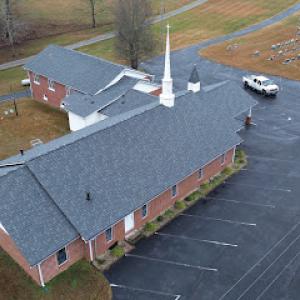
Sanchez Roofing
(931) 265-8235 sanchezroofingllc.net
215 Sycamore St, Cookeville, Tennessee
5.0 from 60 reviews
Here at Sanchez Roofing, we are a family-oriented business in the Cookeville area dedicated to provide high quality roofing services such as tear off & installing brand new shingles. We are also highly experienced in metal roofing installation & repairs. We offer free wood repairs for any type of damages when installing your brand new roof. Call us for your Free estimate today!
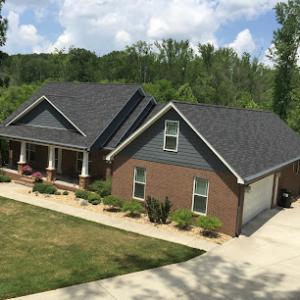
Square One Gutters & Roofing
(931) 345-9815 www.squareonegutters.com
535 W Main St, Cookeville, Tennessee
5.0 from 53 reviews
Worried about leaks, storm damage, or an aging roof that could fail at the worst time? At Square One Gutters & Roofing in Cookeville, TN, we help homeowners and business owners protect their property with dependable solutions. We are a locally owned and operated family business that brings 36 years of experience to every project. We are a trusted roofing contractor who has served the area since 1991. As a fully licensed and insured roofing company, we work with residential and commercial customers who want quality workmanship, clear communication, and reliable results. Our mission is to provide quality workmanship and customer service to maintain the highest level of professionalism, from the first call through final cleanup.
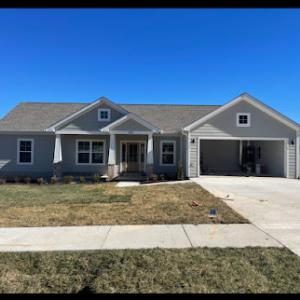
Champion Gutters, Siding & Roofing
(931) 544-7117 championgutterstn.com
1228 Meadow Rd, Cookeville, Tennessee
5.0 from 23 reviews
Gutter Installation and Repair: We specialize in seamless gutter systems tailored to your property's specific needs. From installation to maintenance and repairs, we ensure your gutters are robust and efficient, safeguarding your home from water damage and erosion. Roofing Solutions: Whether you need a roof replacement, repair, or inspection, our team of skilled professionals delivers exceptional roofing services. We work with a variety of roofing materials, including asphalt shingles, metal roofing, and more, ensuring durability and longevity for your roof. Siding Installation and Replacement: Enhance your property's curb appeal and protection with our premium siding solutions.
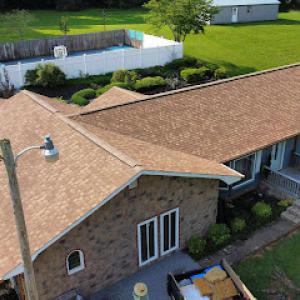
American Roofing Company
1680 S Jefferson Ave, Cookeville, Tennessee
5.0 from 23 reviews
American Roofing Company provides trusted roofing services to protect your home and investment. We offer free inspections, insurance claim assistance, and expert installation backed by decades of experience. Our certified team delivers quality craftsmanship and dependable service every time.
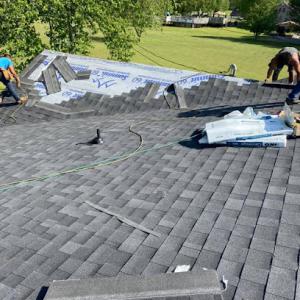
Cookeville Roofing & Construction
(931) 528-7663 cookevilleroofingandconstruction.com
1720 W Broad St, Cookeville, Tennessee
4.8 from 24 reviews
Cookeville Roofing and Construction offers full service roofing repair, roofing replacement, home additions, and home renovations. We pride ourselves on being dependable and trustworthy. Have storm damage? We offer 24/7 emergency tarps. Call us today for any of your roofing or construction needs.
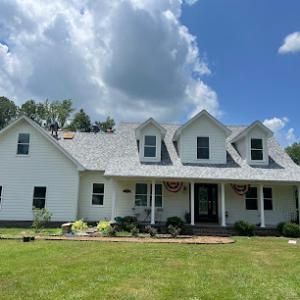
B&B Roofing & Remodeling
(931) 526-6557 bbroofingremodeling.com
118 S Dixie Ave Unit #4, Cookeville, Tennessee
4.8 from 37 reviews
B&B Roofing and Remodeling is a local, family-owned & operated Roofing company that has been serving the Upper Cumberland for over 20 Years! We pride ourselves on our quality workmanship, our commitment to open & honest communication, and taking care of our community! Ask us about our 5-Year Workmanship Guarantee! Our Services & Experience includes: - Shingle Roof Replacements & Repairs - Metal Roof Replacements & Repairs - TPO / EPDM Roof Replacements & Repairs - Chimney Encapsulation & Repairs - Storm Damage Restoration - Interior & Exterior Remodeling - Gutter, Gutter Guards, Siding, Soffit, & Fascia Replacements & Repairs - Roof Inspections - Drone Videos - And So Much More! Whatever your project may need, we'll handle it!
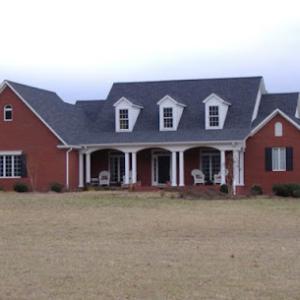
A Cut Above Roofing
(931) 537-3542 www.acutaboveroofing.com
39 W Broad St #1f, Cookeville, Tennessee
4.5 from 87 reviews
A Cut Above Roofing is currently ranked as the Upper Cumberland’s only Master Elite contractors. A Cut Above Roofing is just that! A Cut Above! As their slogan says, “We’ve Got You Covered.” Robert Smith, owner of A Cut Above Roofing, has over 40 years experience in the roofing industry. Robert, as a certified Master Elite contractor, has earned a special status that only 3% of the total roofers nationwide ever achieve. A Cut Above Roofing is passionate about providing the best roofing in the Middle Tennessee area. You will receive the highest level of service and professionalism. Contact us about your free estimate and roof replacement today!
Roof Pros TN
3212 Bayshore Dr, Cookeville, Tennessee
5.0 from 13 reviews
We're a roofing company located in Cookeville, TN. We take pride in our work, and we stand by our quality.
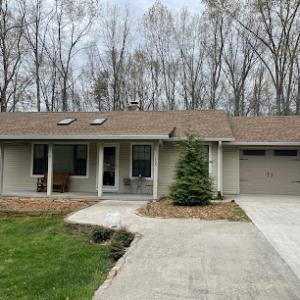
Rock Solid Roofing & Home Improvement
(931) 255-2703 rocksolidroofingtn.com
4901 Cedar Creek Circle, Cookeville, Tennessee
4.8 from 16 reviews
Rock Solid Roofing is a licensed, GAF-certified roofing company serving Cookeville and homeowners across Tennessee. We specialize in storm damage roof repair, full roof replacements, gutters, and insurance-ready inspections. With fast turnaround times, transparent quotes, and a commitment to long-lasting results, we’re the local team homeowners trust. Book your free inspection today!
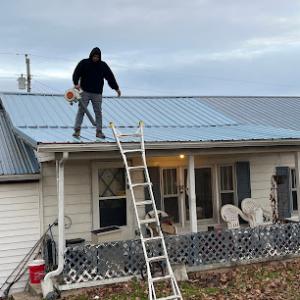
Moores Roofing
1773 Heathrow Dr, Cookeville, Tennessee
5.0 from 8 reviews
Moores Roofing is based in the heart of the Upper Cumberland in Middle Tennessee in Cookeville. We provide roofing services and minor construction to a vast area of counties from Putnam (Cookeville), Overton (Livingston), Clay (Celina), Cumberland (Crossville), Bledsoe (Pikeville), Wilson (Lebanon, Mt. Juliet), White (Sparta), Sequatchie (Dunlap), DeKalb (Smithville), Smith (Carthage), Jackson (Gainesboro), Warren (McMinnville), Pickett (Byrdstown), Davidson (Nashville), Hamilton (Chattanooga), Knox (Knoxville), Bradley (Cleveland), McMinn (Athens), and all areas within the geographic circle.
In Cookeville, full replacements are often best scheduled in spring or fall because summer heat can make installation conditions harsher and winter cold can affect sealants and adhesives. Choosing the right window reduces heat stress on crews, minimizes the risk of wind-driven debris during the tear-off, and helps ensure the new roof seals properly from day one. This is especially true for homeowners who have a full roof replacement on a tight timeline or want to avoid a mid-season rush.
Spring scheduling has to account for thunderstorm interruptions and sudden heavy rain exposure during tear-off windows. If a replacement starts in spring, plan for several weather check-ins with the contractor so temporary tarps and edge protection stay in place during a storm. Keep the yard clear of debris that could blow around and clog gutters or downspouts. It's smart to have your attic venting and underlayment choices confirmed before the first nail goes in, so a quick rain shower doesn't force rework. Expect a few drizzle days to slow the crew, but use those breaks to confirm materials and sequencing without pressuring the crew to rush.
Fall work in Cookeville can be complicated by humidity, wind, and debris buildup that affect drainage and jobsite cleanliness. Humidity influences adhesive cure times, so verify product data with the installer and plan for afternoon heat and morning dew cycles. Wind can push lightweight debris and exposed roof sections around the yard, so secure materials and cover landscaping. Debris buildup on the roof and in gutters can hinder drainage if left unmanaged; establish a daily cleanup routine and confirm the crew has a reliable method for keeping the eaves clear. Fall also tends to bring shorter daylight windows, so align scheduling with consistent daylight for safe and thorough work.
Thunderstorm exposure means that rapid response to leaks matters more than ever. Have a clear plan with the contractor for temporary leak mitigation if a storm hits during installation or after a heavy rain. Quick tarping or sealant touch-ups should be part of the initial agreement, so interior damage is minimized while waiting for a permanent fix. A dedicated call window for urgent repairs helps reduce the risk of hidden damage behind soffits or underlayment. Since storm timing is unpredictable, discuss with the contractor how they handle emergency calls and priority triage when a thunderstorm is forecast.
After a thunderstorm, document damage with photos and keep a log of dates, weather notes, and any temporary repairs performed. This record helps coordinate insurance documentation and ensures the replacement proceeds with a clear understanding of the severity and sequence of events. When the schedule aligns with dry periods, confirm delivery windows for materials that are sensitive to heat and cold so no schedule is delayed by weather-related hurdles.
Asphalt shingles and metal roofing are the dominant choices in Cookeville, reflecting the local need for practical storm resilience and broad contractor familiarity. Shingles respond well to the quick, high-volume storm cycles common around the Upper Cumberland, and they blend easily with a wide range of home styles. Metal roofing, with its toughness and quick shedding of rain and hail, is a common sight on both newer builds and meaningful retrofits, offering steadier performance during the city's spring thunderstorm spikes. For homes facing frequent wind-driven debris, metal can deliver noticeable resilience, while asphalt provides a broad, cost-effective option with straightforward repairs. The choice often comes down to local roof pitch, attic ventilation, and the ability to install under typical shoulder-season weather windows.
Cookeville also has access to higher-end materials like clay tile and slate, but their weight and cost make them a more selective fit than shingles or metal in this market. Clay tile brings standout curb appeal and excellent longevity in climates with hot summers and seasonal swings, yet it requires a solid structural backup to carry the weight and careful detailing around flashings and transitions. Slate offers similar longevity and a refined appearance, but its rigidity and higher installation complexity mean it should be paired with an experienced crew who can navigate proper underlayment, fasteners, and venting alignment. These materials earn their place in homes that have the structure to support them and that prioritize long-term durability and a distinctive architectural statement.
EPDM appears mainly where Cookeville homes or mixed-use properties have low-slope sections, while skylight penetrations and roof transitions need extra attention during replacement. For irregular roof geometries or flat-to-slope transitions, EPDM provides a reliable, weather-resistant membrane that handles thermal expansion and contraction well. When choosing EPDM, attention should be paid to edge detailing, seam integrity, and the integration with flashings around penetrations. In mixed-use buildings, the membrane can simplify maintenance and be a practical choice for sections that see persistent moisture or roof-level foot traffic.
Storm exposure shapes material performance in this market. Shingles benefit from modern granule blends that resist wind uplift, while standing-seam or metal options can minimize the number of exposed fasteners and potential leakage points. Regardless of material, proper attic ventilation helps manage moisture and temperature swings that stress roof assemblies during hot summers and cold fronts. Consider how the chosen system handles ice dam potential, especially on roof edges and overhangs, as winter thaws can create recurring concerns. A well-planned replacement accounts for venting layouts and includes compatible flashing transitions to maintain a tight envelope against driving rain.
In typical Cookeville conditions, ongoing maintenance focuses on clearing debris, inspecting for wind-blown damage after storms, and verifying flashing at valleys, chimneys, and skylights. Shingle roofs require periodic replacement of granules and occasional shingle reseating after severe hail events, while metal roofs benefit from rust protection and fastener inspections. For higher-end options, ensure the installation team coordinates structural support, weight-bearing calculations, and precise venting alignment to preserve performance through multi-season temperature fluctuations. Regular inspections after storm seasons help catch issues early and keep transitions, skylights, and penetrations sealed against the climate.
When you're budgeting after a thunderstorm season, you'll notice Cookeville prices line up with the typical ranges you'd expect for the common roof materials. Asphalt shingles sit around $350 to $550 per square, metal roofs run about $700 to $1100 per square, clay tile lands between $1200 and $2000 per square, wood shingles or shakes are roughly $500 to $900 per square, slate is commonly $1400 to $2400 per square, and EPDM rubber roofing averages about $3.50 to $7.00 per square foot. These numbers reflect the mix of labor, underlayment upgrades, and the variety of products homeowners choose when replacing a roof after a serious storm.
Local pricing can rise after major thunderstorm periods when many homeowners seek repairs and re-roofing at the same time. When crews are busy, you'll see lead times stretch and material selection influence the final bill. In Cookeville, the hunger for quick protection after a damaging event often pushes crews to secure jobs fast, which can nudge costs up by a bit, especially if temporary tarping or rapid early fixes are needed to prevent further leaks.
Costs in Cookeville also move with venting corrections flagged during inspection, roof complexity, and whether storm damage has created urgent temporary protection needs. If an inspector flags venting or attic moisture concerns, you'll likely see additional line items for corrective work. A steeper or more intricate roof, matching existing architectural details, or integrating more elaborate venting and insulation upgrades will push the square price higher. If you're weighing an upgrade to better withstand future storms, consider how thicker underlayments, improved attic ventilation, and more robust flashing can add value beyond the initial material price.
If you're facing a near-term replacement, gather three solid bids that itemize shingles, underlayment, flashing, and ventilation work. Compare not just the per-square price but the scope of included protections, warranty terms, and crew experience with storm-damaged projects. For planning purposes, assume prices may drift with storm-driven demand, and build in a contingency for expedited protection needs that could become part of an urgent temporary solution before a full replacement begins.
Get a clear picture of your project costs upfront - no commitment required.
Sanchez Roofing
(931) 265-8235 sanchezroofingllc.net
215 Sycamore St, Cookeville, Tennessee
5.0 from 60 reviews
B&B Roofing & Remodeling
(931) 526-6557 bbroofingremodeling.com
118 S Dixie Ave Unit #4, Cookeville, Tennessee
4.8 from 37 reviews
A Cut Above Roofing
(931) 537-3542 www.acutaboveroofing.com
39 W Broad St #1f, Cookeville, Tennessee
4.5 from 87 reviews
A full roof replacement in Cookeville typically requires a building permit through the City of Cookeville Building Department. If a storm-damaged roof is being rebuilt, there is no skipping step-permitting ensures that the work meets local safety and structural standards. The process can take time, so planning ahead can prevent delays that drag into the worst weather of late summer and early fall.
Cookeville's permit package generally includes documentation on the roofing materials being installed, not just a basic application. This means your contractor should be prepared to provide product specifications, underlayment details, and venting plans that align with local code expectations. Missing or incomplete material documentation can hold up the permit review, which in turn delays inspections and final approval. Have your chosen shingles, metal, or other coverings ready to reference during the permit submission.
Inspections are scheduled during and after installation in Cookeville to verify proper installation and venting before the job is fully closed out. Expect at least one interim inspection during the build and a final walkthrough that checks attic ventilation, ridge and soffit vents, and overall installation quality. If vents or exhausts are not matched to the chosen roofing system, the final sign-off won't occur. Coordinating with the contractor to ensure ventilation details are correct can save you from hold-ups and potential rework.
Know your calendar-thunderstorm seasons and rapid weather shifts can compress timelines. Confirm appointment windows well in advance and maintain clear communication with both the contractor and the Building Department. Keep a copy of all permit documents and material specs on site, and be ready to demonstrate that venting and attic calculations meet Cookeville's standards during the final inspection. A careful, documentation-driven approach reduces the risk of surprises when the job is ready to close out.
After a thunderstorm, understanding how coverage works locally helps you move from worry to action. In this area, most Tennessee insurers cover storm-related roof damage when there is a documented loss, which makes post-storm recordkeeping especially important. That means you'll want to photograph the affected areas before any temporary fixes and keep a dated log of when you noticed leaks or hail marks. Carrier rules can still vary on depreciation, repairability, and roof age, so expect some differences from one claim to the next. If a storm hits and the roof is older, be prepared for questions about remaining life, potential mitigation, and whether a full replacement will be considered.
Begin by creating a simple, time-stamped record of every issue observed inside and outside the home. Save all contractor estimates and any photos that show the severity of damage in the first 24 to 48 hours. When you file, submit clear photos of shingles, flashing, vents, and any interior staining or attic moisture. Insurers will ask for a professional assessment, so having an independent roofer's notes that describe the condition of the roof and any upstream problems can smooth the process. Expect questions about prior repairs or patches, which can influence depreciation decisions and repairability judgments.
Older roofs in this area may face stricter underwriting scrutiny even when the market remains active for storm claims rather than a withdrawal pattern. If the roof has reached or surpassed typical life expectancy, be prepared for a more detailed review of replacement necessity. Insurers may request extra documentation on how the roof was maintained, including venting and attic insulation, since both affect long-term performance after a claim.
If a repair is possible, you'll likely see a staged approach, with temporary fixes followed by permanent work. If replacement is advised, align the plan with the insurer's depreciation understanding and keep all receipts and warranty information. Clear, organized records help you navigate adjuster meetings and speed settlement, so maintain a concise file that you can share at a moment's notice.
Storm season in this area can bring fast-moving debris and active leaks that demand urgent attention. The local contractor market strongly signals quick response and cleanup as priorities, which matters when debris blocks a roof line or water finds a way into the attic. When you call, ask for a same-day or next-day inspection window and confirm how debris will be removed from the yard and gutters, not just from the roof. Look for a firm that can set up temporary containment and cover openings to reduce further water intrusion while the work is scheduled.
Re-roofing is a major local service line, so homeowners should compare how contractors handle tear-off, site protection, and post-job cleanup rather than only base price. Verify whether the crew protects landscaping, drives, and fascia with ground cloths and tarps, and whether they seal off the work area to keep dust and nails from migrating to neighbors' property. Confirm whether teardown waste is removed promptly and whether roof penetrations and venting are addressed so that the home remains weather-tight during the project. A clear plan for preventing leaks during replacement and for cleaning up after the job ends makes a big difference in a town with seasonal swings and heavy thunderstorm activity.
Long-established, family-owned, and locally owned firms all have a visible presence, giving homeowners a meaningful choice between speed, price, and local track record. When evaluating options, request references from other Cookeville-area projects that faced similar weather challenges, and check how quickly crews returned for any warranty-related touch-ups. A trusted local roofer will balance fast readiness with careful workmanship and a clean finish.
After a storm, the insurer will want to see documentation of the damage and the scope of work. Ask the contractor to provide a detailed written proposal with photos of storm damage, a clear tear-off plan, and a line-by-line summary of materials and labor. If possible, get a separate endorsement from the contractor on site conditions, including containment, protection measures, and containment of debris during cleanup, so the claim review goes smoothly.