
Last updated: Apr 19, 2026
In the Upper Cumberland, storms are less an anomaly and more a recurring test on a roof. Thunderstorms roll through with some regularity, bringing driving rain, hail potential, and quick changes in wind direction. That pattern means the roof must handle short, intense stress while accommodating long stretches of humid heat that can accelerate aging. The goal is to align maintenance and replacement work with windows when the weather is predictable enough to finish a project without weather-related setbacks.
Spring and early summer bring the wettest conditions, along with sudden gusts that stress edges, fasteners, and valleys. Asphalt shingles take the brunt of heat during the hot stretches, which can accelerate granule loss and sheet aging after repeated spring and summer storm cycles. That means after a season of thunderstorms, a roof may show accelerated wear compared to a milder, drier climate. If a roof is already near the end of its life, heavy spring storms can drive faster failure, especially on edges, hip areas, and along ridges where windborne debris and moisture intrude.
Fall brings cooler air and more stable conditions for work, but it's also the best window to catch a stretch of dry weather before the first hard freeze. A late-season storm binge can push moisture into attic spaces or create interior condensation problems if the roof isn't performing well on the underside. A company that understands the Upper Cumberland pattern will target a fall window when humidity drops and drying times improve, allowing underlayment and decking to dry fully between rain events.
Winter in this region isn't the primary roofing stressor, but freezing temps and rapid thaw cycles can complicate installation. Frost heave, dew point shifts, and occasional ice dam risk demand a cautious approach. The coldest periods should be avoided for major components, fastener work, and tear-off unless there's a guaranteed dry spell long enough to protect interior spaces and ensure flashing seals cure properly.
Mild spring and fall periods are typically the best replacement windows in Sparta because extreme summer heat and winter freezes can slow installation and affect material handling. If planning a full or partial roof replacement, aim for a multi-day stretch with dry weather forecasts, ideally with several consecutive days of moderate temperatures and low humidity. That environment helps sealants cure properly, adhesives set without rapid moisture fluctuations, and underlayment layers bed in cleanly.
When arranging crews, consider a start earlier in the day during warm springs, letting nighttime cooling reduce the day-to-day heat buildup on sheathing and shingles. In fall, take advantage of cooler days and cooler nights to allow flashing and metal work to settle without rapid expansion or contraction. If a storm system looms, have a plan to stage materials in a protected area and shield interior spaces from dust and debris rather than forcing a rushed teardown that could compromise flashing integration.
If a forecast predicts frequent severe weather over several days, or if a previously dry period is interrupted by back-to-back storms, delay non-emergency work. Rushing a tear-off in wet conditions increases the risk of decking damage, flashing misalignment, and improper shingle seating. In that climate, a careful, weather-aware plan saves both time and future headaches when the next round of storms arrives, maintaining a roof that stands up to the Upper Cumberland pattern rather than buckling under it.
In this part of the Upper Cumberland, storms arrive fast and hard, with wind-driven damage and hail testing shingles, vents, and flashing all at once. Insurance expectations have sharpened: strong photo documentation and clear material IDs after a storm are not optional. When a thunderstorm rolls through, you need to be ready to prove what happened, when it happened, and what the roof was like before the impact. The practical consequence is simple: accurate records reduce guesswork for your adjuster and speed your path to a fair claim decision. The goal is to separate what happened in the moment from slow, long-term wear caused by years of heat and sun exposure.
After a severe storm, photograph any visible damage from multiple angles while the sky is still light, so shadows don't mask details. Include the surrounding roof line, vents, skylights, and chimney caps to show overall condition. Close-ups of dented metal flashing, lifted shingles, granule loss, and broken tiles are vital, but context matters too: show nearby gutters, downspouts, and drip edges that might indicate how water is entering and planning to channel flow. Keep a dated, weather-stamped photo log starting with the day of the storm and continuing through visible changes in the roof's condition. If any hail hits are suspected, capture the size reference next to a common object (a ruler, a coin, or a yardstick) and note the approximate hail diameter in your records.
Claims reviewers in Tennessee rely on clear material identification and an honest assessment of roof age. After a storm, you should document what the roof is made of (shingle type, metal profile, tile style) and the approximate age of those materials. Create a simple ledger that logs the original installation date, any known upgrades, and observed changes since the last severe event. Distinguish between damage caused by a sudden storm and wear from heat buildup or aging. If a roof section shows aging indicators like curling, granule loss, or moss growth, note these with time stamps and photos so the adjuster can separate long-term deterioration from storm impact.
Adjusters review roof age alongside the stated cause of loss. Your file should make it easy to see when damage aligns with a recent storm versus when it corresponds to gradual heat aging. If you had a prior repair or patch, document that clearly with before-and-after photos and dates. In a state where coverage remains relatively stable, the focus is on precise inspection notes and clearly dated storm evidence. Keep a concise narrative that ties together the photos, the material IDs, and the roof's age, so the adjuster can verify how the storm affected a roof that was already under heat stress.
Immediately protect vulnerable areas to prevent further damage, then start compiling the photo log and material notes. If you notice wind-driven debris or hail denting, capture that impact as soon as it's safe. When you contact the insurer, provide the organized documentation and a straightforward description: the storm date, weather conditions, observed damage, roof material, and age. The clearer the record, the faster the claim moves through the process and the better the chance of an accurate settlement.
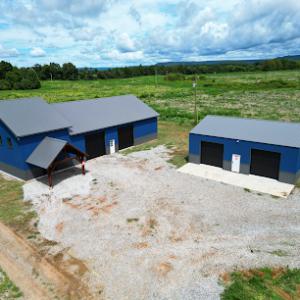
Bruck Contractors
(615) 378-8828 bruckcontractors.com
192 Bruck Dr, Sparta, Tennessee
5.0 from 16 reviews
Bruck Contractors - Middle Tennessee's trusted team for high-end metal roofing, specializing in Standing Seam and Metal Shingles installed by our in-house crew. We also build pole barns, shops, and complete turnkey builds. TN GC#82768
Rocky Point Properties
Sparta, TN
5.0 from 1 review
Family owned and operated with 20 years of experience, based out of White County, TN, Sparta area. Licensed, insured and bonded. Serving the following counties: White, DeKalb, Van Buren, Putnam and Cumberland. Our team strives to provide excellent work, great customer service and to leave the clients home clean and tidy.
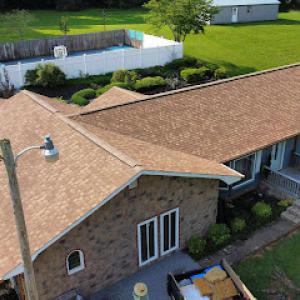
American Roofing Company
Serving
5.0 from 23 reviews
American Roofing Company provides trusted roofing services to protect your home and investment. We offer free inspections, insurance claim assistance, and expert installation backed by decades of experience. Our certified team delivers quality craftsmanship and dependable service every time.

Sanchez Roofing
(931) 265-8235 sanchezroofingllc.net
Serving
5.0 from 60 reviews
Here at Sanchez Roofing, we are a family-oriented business in the Cookeville area dedicated to provide high quality roofing services such as tear off & installing brand new shingles. We are also highly experienced in metal roofing installation & repairs. We offer free wood repairs for any type of damages when installing your brand new roof. Call us for your Free estimate today!
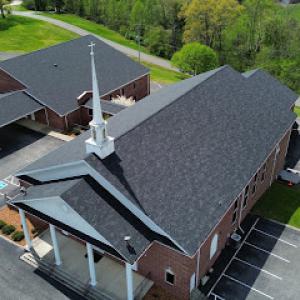
Modern Roofing Group
(931) 400-8788 modernroofing-group.com
Serving
5.0 from 262 reviews
Modern Roofing Group is a locally owned roofing company dedicated to offering the utmost in craftsmanship and service. We answer the phone, show up when we say we will, and offer the widest selection of roofing products to meet your needs. Dedicated to quality products and service, we strive to be the only roofing company you will refer for years to come!
Roof Pros TN
Serving
5.0 from 13 reviews
We're a roofing company located in Cookeville, TN. We take pride in our work, and we stand by our quality.
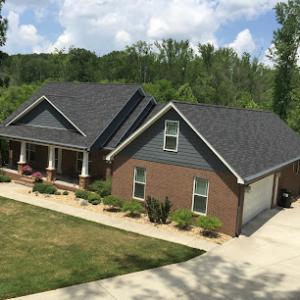
Square One Gutters & Roofing
(931) 345-9815 www.squareonegutters.com
Serving
5.0 from 53 reviews
Worried about leaks, storm damage, or an aging roof that could fail at the worst time? At Square One Gutters & Roofing in Cookeville, TN, we help homeowners and business owners protect their property with dependable solutions. We are a locally owned and operated family business that brings 36 years of experience to every project. We are a trusted roofing contractor who has served the area since 1991. As a fully licensed and insured roofing company, we work with residential and commercial customers who want quality workmanship, clear communication, and reliable results. Our mission is to provide quality workmanship and customer service to maintain the highest level of professionalism, from the first call through final cleanup.
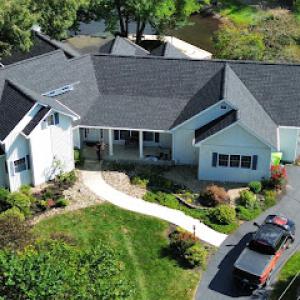
Graber Roofing & Gutters - Tennessee
www.graberroofingtennessee.com
Serving
5.0 from 119 reviews
We are a locally owned and operated company that you can trust with all of your needs. When a customer chooses us, they can be assured that they will receive fair pricing and timely service provided by an honest, dedicated and reliable crew, because our reputation depends on it. Our services include siding contracting, siding installation, and custom siding.
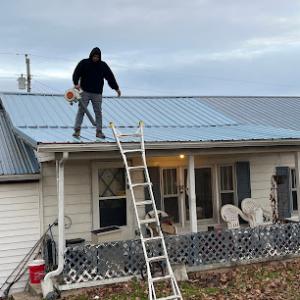
Moores Roofing
Serving
5.0 from 8 reviews
Moores Roofing is based in the heart of the Upper Cumberland in Middle Tennessee in Cookeville. We provide roofing services and minor construction to a vast area of counties from Putnam (Cookeville), Overton (Livingston), Clay (Celina), Cumberland (Crossville), Bledsoe (Pikeville), Wilson (Lebanon, Mt. Juliet), White (Sparta), Sequatchie (Dunlap), DeKalb (Smithville), Smith (Carthage), Jackson (Gainesboro), Warren (McMinnville), Pickett (Byrdstown), Davidson (Nashville), Hamilton (Chattanooga), Knox (Knoxville), Bradley (Cleveland), McMinn (Athens), and all areas within the geographic circle.
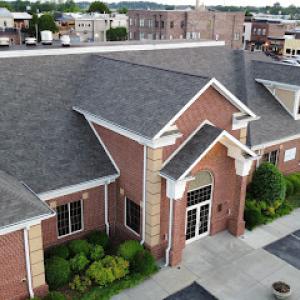
Allen's Roofing & Exteriors
(931) 526-7663 www.526roof.com
Serving
4.9 from 290 reviews
Allen's Roofing provides roofing services in the Cookeville and Crossville, TN areas.
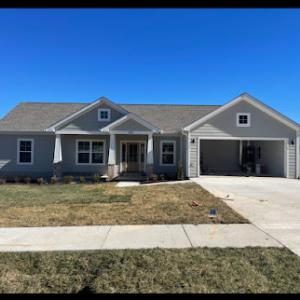
Champion Gutters, Siding & Roofing
(931) 544-7117 championgutterstn.com
Serving
5.0 from 23 reviews
Gutter Installation and Repair: We specialize in seamless gutter systems tailored to your property's specific needs. From installation to maintenance and repairs, we ensure your gutters are robust and efficient, safeguarding your home from water damage and erosion. Roofing Solutions: Whether you need a roof replacement, repair, or inspection, our team of skilled professionals delivers exceptional roofing services. We work with a variety of roofing materials, including asphalt shingles, metal roofing, and more, ensuring durability and longevity for your roof. Siding Installation and Replacement: Enhance your property's curb appeal and protection with our premium siding solutions.
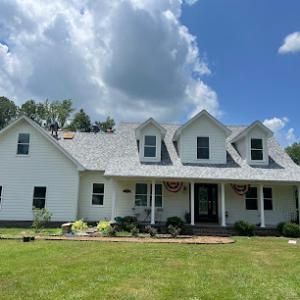
B&B Roofing & Remodeling
(931) 526-6557 bbroofingremodeling.com
Serving
4.8 from 37 reviews
B&B Roofing and Remodeling is a local, family-owned & operated Roofing company that has been serving the Upper Cumberland for over 20 Years! We pride ourselves on our quality workmanship, our commitment to open & honest communication, and taking care of our community! Ask us about our 5-Year Workmanship Guarantee! Our Services & Experience includes: - Shingle Roof Replacements & Repairs - Metal Roof Replacements & Repairs - TPO / EPDM Roof Replacements & Repairs - Chimney Encapsulation & Repairs - Storm Damage Restoration - Interior & Exterior Remodeling - Gutter, Gutter Guards, Siding, Soffit, & Fascia Replacements & Repairs - Roof Inspections - Drone Videos - And So Much More! Whatever your project may need, we'll handle it!
Asphalt shingles are a practical fit for Sparta, offering a straightforward option that fits many home styles in the area. In this climate, asphalt can be more exposed to accelerated aging during hot, humid summers. That means you'll want to pay particular attention to fasteners, roof deck ventilation, and a quality sealant over penetrations to reduce potential wind-driven leaks after summer storms. Choose architectural or thicker 3-tab shingles with a higher warranty and a nail pattern that holds up to afternoon thunderstorms and heavy rain. In addition, verify the attic has adequate ventilation and a balanced exhaust to minimize heat buildup that can speed the deterioration of the asphalt's surface granules. Regular inspections after wet winters and spring storms help catch lifted tabs or granule loss before they cause leaks. When you're evaluating a replacement or upgrade, consider how the shingle color will interact with long, sun-drenched afternoons and the humidity that can promote surface algae growth. A reflective or lighter shade can help reduce heat absorption, which in turn reduces thermal cycling and edge curling over time.
Metal roofing is especially relevant for this area because it performs well through repeated thunderstorm exposure and sheds water efficiently during wet-season events. In Sparta's Upper Cumberland climate, metal's durability against hail, strong winds, and rapid temperature shifts helps protect overhangs and eaves during storm sequences. Metal panels installed with a proper sealant or foam closure strips reduce the risk of water intrusion at panel joints, a common concern after years of freeze-thaw cycles and heavy rainfall. If you choose metal, work with a local installer who understands how to secure edges, valley transitions, and penetrations for chimneys and vents to minimize noise and potential leaks during heavy downpours. Consider a coating that resists chalking and fading, since prolonged sun exposure can dull less durable finishes. For best performance in this region, ensure the roof pitch is adequate to manage snowmelt and rain runoff, and discuss the potential for condensation control beneath the metal, especially in lofts or unvented attic spaces. Metal can be an excellent long-term choice when paired with a well-planned gutter and downspout system that channels water away from the home's foundation during the wet season.
Clay tile, concrete tile, wood shakes, and synthetic/composite products are available options, but their suitability depends heavily on structure, slope, and how they handle the area's wet winters and storm debris. Clay and concrete tiles bring distinctive aesthetics and excellent durability for dry spells, yet they require a strong, well-braced roof deck and a slope that allows for reliable drainage. In areas prone to heavy storm debris, the weight and impact resistance of tile can be a benefit, but installation must account for wind uplift and potential impact from hail. Wood shakes offer a traditional look and good insulation but may struggle with moisture in damp winters without proper treatment and maintenance. Synthetic or composite shingles provide a more uniform weather resistance and lower weight than real tile or wood, blending durability with versatility for steep or complex rooflines. When considering these options, assess the roof's pitch, the likelihood of debris accumulation, and how the material will handle sustained wet conditions and potential freeze-thaw cycles. In all cases, confirm that flashing, valley linings, and vent terminations are compatible with the chosen material to prevent moisture intrusion during the season's most volatile storms.
Sparta-area pricing runs with a clear pattern across common residential materials. Asphalt shingles sit in a practical middle ground, typically around $350-$600 per square. Metal roofs command a higher price, generally $700-$1100 per square, reflecting their durability against spring storms and hail. Clay tile and concrete tile bring premium pricing, with clay tile usually $900-$1600 per square and concrete tile $800-$1400 per square. Wood shingles or shakes run about $550-$900 per square, while synthetic or composite shingles sit in the $400-$750 per square range. These figures align with the Upper Cumberland climate where storm resilience and moisture management drive material choice.
Storm-driven demand spikes after spring thunderstorm and hail events can tighten contractor schedules in Sparta and push project pricing upward. If a hail event hits and you need a full replacement or a major repair, expect not only higher material costs but shorter lead times for crews. Planning ahead after severe spring weather helps you lock in a reasonable timeframe and reduce the risk of weather-related overruns.
Roof pitch and tear-off complexity are meaningful price shapers in this area. Homes with steeper pitches or multiple levels may require additional safety gear and longer completion windows, which translates to higher per-square costs. A full tear-off adds another layer of cost versus a roof-over or re-cover, and in storms-prone corridors, staged inspections can trigger corrections or re-inspections that extend the project timeline and influence final pricing. These factors are particularly relevant for Sparta's typical single-family home stock, where moderate to steep pitches are common.
When budgeting, use the per-square ranges above as a starting point, but plan for contingencies tied to weather-driven demand and local roof geometry. If you are comparing bids, ask how each bid accounts for tear-off, pitch, and potential re-inspection steps, and request a clear schedule that reflects typical spring and early-summer storm cycles. For most Sparta homes, a careful, staged approach to material selection-favoring options with proven storm resilience-can balance long-term reliability with upfront cost.
A full roof replacement in Sparta typically requires a permit through the local White County/Sparta building department. This isn't just a formality; it helps ensure the storm-driven wear seen on Upper Cumberland roofs is addressed with proper materials, proper underlayment, and sound flashing. Skipping the permit or rushing the job can lead to later complications, from failed inspections to weather-related setbacks that disrupt your only season of perfect working weather.
The permit application is generally submitted by either the contractor or the property owner before replacement begins. If the project is handled by a licensed contractor, that professional often takes the lead, coordinating with the building department to confirm compliance with local codes. If you choose to manage the process yourself, be prepared to assemble the same documentation and meet the same timelines. In either case, aligning the permit with your storm-resilient goals helps protect your investment against the Upper Cumberland's sudden downpours and humidity.
Inspections in Sparta are typically staged to match the critical points of a roof replacement. The first inspection occurs after tear-off, ensuring the roof deck is sound and ready for underlayment. The next inspection checks underlayment and flashing installation, where proper sealing around penetrations and eaves prevents leaks during heavy spring storms and humid summers. The final inspection occurs at completion, confirming the roof is fully installed and compliant with applicable codes. There is the potential for re-inspections if corrections are required, especially when issues arise from difficult access, unusual roof geometry, or moisture-driven damage found during early stages.
Expect the department to request details such as material types, venting plans, and ice/dams considerations that reflect Sparta's climate. Storm-driven wear often reveals hidden rot or moisture intrusion; having documentation and a clear plan for addressing these findings can smooth the review process. Timely responses to any department questions minimize delays and reduce the risk of weather windows closing before work is complete. A well-coordinated permit process also communicates to neighbors that the project is legitimate, respects local codes, and prioritizes safety in a storm-prone region.
Spring in this area brings heavy rain and occasional hail that can derail tear-off and scheduling. When a storm rolls through, crews often pause mid-day and then reassess the next available window. Your roof may need staggered days rather than a full week of work, and rain can leak into underlayment if panels or decking are exposed too long. Plan for a longer projection than you'd expect and keep a clear line of communication with the crew about reschedules caused by storms.
Summer heat adds its own set of challenges. Asphalt-based materials become harder to handle when the sun bakes on metal and shingles. Workers may slow down during peak heat hours to protect themselves and the materials, which stretches the timeline. If you're coordinating a tear-off, expect longer days and more breaks, and consider morning start times to avoid the afternoon scorch. Hydration, glare management, and sun exposure on the ladder line all influence progress in July and August.
Winter freezes and occasional sleet can delay work and affect the performance of underlayment and flashing during replacement. Frozen decking is not friendly to fasteners, and ice washouts on the roof can push work into the next day. The cold also stiffens sealants and can slow flashing integration. When a cold snap hits, crews may focus on securing vulnerable penetrations first, then resume full tear-off when conditions ease. Prepare for brief stoppages and ensure you have a plan for keeping vulnerable areas protected between sessions.
Given these seasonal patterns, use a two-pronged plan: establish a flexible window with the crew and keep windows open for weather-driven adjustments. If storms threaten, have a backup day ready and confirm access for delivery trucks on dry days. This approach minimizes weather-related delays and keeps the project moving when conditions finally cooperate.
Repeated thunderstorm exposure means shingles can lift at edges and around penetrations more easily than you'd expect. In this climate, wind-driven blows test flashing seams, step penetrations, and vent collars. When shingles peel or lift, water follows, pooling near transitions and flashing breaks. The consequence is accelerated wear, localized leaks, and the need for early resealing or replacement of damaged panels. You'll notice small lifted tabs along eaves or ridges after a bright, gusty storm, especially on roofs with older underlayment or marginal sealant. Address those lifts promptly before a leak rides into the attic.
Humid summers and wet winters amplify moisture challenges. Underlayment transitions and flashing points become critical failure sites if not properly installed or maintained. Improperly sealed valley intersections, chimney step-flashes, and vent-to-roof edges invite slow leaks that creep behind fascia boards and into attic spaces. In Sparta, a small persistent damp spot on the ceiling can signal a larger problem brewing behind the scenes. The practical takeaway is regular inspection of flashing seams after heavy rains and ensuring that underlayment overlaps are continuous and well-sealed at all transitions.
Autumn winds can load roofs with leaves and pine needles before the replacement season, hiding surface wear and clogging gutters. Debris buildup creates standing water pockets that accelerate edge rot and gutter overflow. Over time, drainage-related deterioration shows up as staining along eaves, softened ridge lines, and concentrated wear at overburdened scuppers. The caution: treat debris as a precursor to more serious damage and clear roof paths to preserve drainage efficiency.
Because Sparta's storm pattern stresses wind, moisture, and debris in concert, small flaws become critical when storms roll through. Regular, targeted inspections after peak storm periods help catch wear before it escalates. If a patchwork of small leaks or a web of hairline cracks appears near flashings, address it promptly to minimize the risk of larger, costlier failures during the next thunderstorm season.