
Last updated: Apr 19, 2026
Greeneville sits in East Tennessee, where hail and wind losses are common enough that insurers often want current roof-condition records and detailed adjuster documentation. The storms here don't just brush the ridgeline; they punch through with sudden hail strikes and gusts that topple loose shingles and loosen flashing. When a claim gets filed after a storm, the adjuster will be looking for clear, dated evidence of active aging or prior patching that can complicate or support a damage conclusion. If your roof has seen multiple events in a short span, that history can steer the determination toward storm-related damage rather than wear-and-tear.
Coverage outcomes in this market are strongly affected by roof age and evidence of prior patching, which matters for older homes common in Greene County and the Greeneville area. A roof that has been patched repeatedly or shows aging signs like curling, granule loss, or brittle underlayment tends to draw closer scrutiny after a storm. Maintain a chronological file: contractor notes, photos, and any repair invoices that clearly show the roof's condition over time. If a panel or course has been replaced, ensure the patch is properly documented with dates and the likely cause of the repair. Insurers will cross-check this against storm dates to determine whether the damage is from the event or from cumulative wear.
Spring storm activity and autumn wind events are the local seasons most likely to trigger leak calls, blown-off shingles, and claim disputes over whether damage is storm-related or wear-related. In spring, hail tends to be the stealth disruptor-small hits can compromise the shingle integrity, yet not look dramatic at first glance. Autumn gusts can peel back edges or lift shingles that have already aged. Prepare in advance: conduct a focused DIY roof health check after a storm season, capturing any lifted tabs, cracked sealants, or failed edge metal. If a leak appears, document the exact location and time of the first notice of water intrusion, and preserve any water damage within the attic or ceiling as evidence.
Because adjusters place high value on precise records, building a robust weather-damage file is critical. Take dated photos from ground level and from the attic to show both exterior damage and interior consequence. Include close-ups of nails, flashing, and edges where water would infiltrate. If a contractor has made temporary or permanent repairs, keep the work order and photos showing the roof's condition before and after. A well-organized file that traces storm dates to visible exterior damage and subsequent repairs will help an adjuster separate storm-caused issues from long-standing wear. For older homes, a prior assessment from a licensed roofer that outlines the roof's expected remaining life can also be persuasive.
One frequent pitfall is delaying roof evaluation until after a leak becomes obvious. By then, interior water damage can obscure the true onset of the problem and give the impression of rapid deterioration. Another misstep is assuming a small, cosmetic issue won't matter; in East Tennessee, even minor lift or flashing gaps can balloon after subsequent storms. If contractors or repair crews are brought in, insist on thorough documentation of all changes, including scope of work and materials used, so that the record reflects the roof's true condition and resilience. In disputes, the more precise and dated the documentation, the better your leverage to support a storm-related claim rather than attributing all damage to aging.
Start a storm-damage readiness routine: after every significant hail or wind event, climb the attic access if safe or have a professional survey the attic space for leaks, then photograph the affected areas. Keep a running log of every patch and repair with dates and contractor identifiers. If a claim has been filed, request a copy of the adjuster's initial findings and compare them against your documentation, adding any new damage you observe. When talking with insurers, present a clear narrative that ties dated storm events to observable exterior damage and to any subsequent interior water intrusion, while acknowledging known aging indicators. This disciplined approach directly influences outcomes in Greeneville's insurance landscape after hail and wind events.
The East Tennessee climate brings hot, humid days that push crews to pace carefully during full replacements. By late March through May, you'll notice crews double-checking underlayment compatibility with high humidity and ensuring sealants cure properly in the remaining cool mornings. If a storm track swings through, expect a short pause for wind or hail risk, then a careful resume to avoid premature wear on newly exposed shingles. Scheduling around the first warm-up weeks helps avoid heat-related shrinkage and drying-out problems in sealants, so you can expect steady progress when the lull between fronts arrives. Communication with the contractor should emphasize contingency windows for sudden showers, which are common and often come in quick, heavy bursts rather than prolonged downpours.
Greeneville's hot, humid summers slow installation pace and affect how crews handle shingles, sealants, and underlayment during full replacements. Heat accelerates aging in some sealants if they're applied during peak afternoon heat, so crews often start earlier and wrap up before the afternoon heat dome hits. Heavy afternoon storms can shift plans by a half-day or more, so a realistic window includes buffer days for rain delays and for resealing edge metals after a soaking rain. In practice, this means an earlier start time, staged material delivery, and a daily weather check to lock in the next day's windows. If your home has steep pitches or complex eaves, expect additional scheduling friction as crews maneuver material and equipment to stay dry. This season also tests the roof's ventilation needs; a thoughtful replacement plan lines up attic venting adjustments or add-ons to maintain dry, breathable conditions beneath the new layers.
Late spring and early fall are the sweet spots for many Greeneville replacements, but their value depends on the year's precipitation pattern. The window can tighten when late summer storms extend into early September or when a blustery front arrives with hail risk. The practical approach is to build in two or three reserved days for weather-driven delays and to stage critical tasks (like underlayment installation and nail-locking sequencing) during milder, drier hours. This approach reduces the risk of moisture entrapment and helps ensure the new layer sits flat against the deck without ripples or bubbles.
Winter freezes and occasional ice events in Greeneville can delay tear-offs and affect underlayment performance, even though winters are generally milder than in higher Appalachian elevations. Freezing temperatures slow adhesive cures and can make asphalt or synthetic underlayments less forgiving. If temperatures hover near or below freezing, crews may pause to shield materials from frost, then resume once conditions improve. Short daylight hours further constrain daily progress, so expect longer timelines if a cold snap strikes during the replacement. In practice, align the project with a few weather-friendly days in late winter or early spring for the critical phases of underlayment and membrane application, acknowledging that abrupt arctic incursions occasionally push work later into the season.
Coordinate with the contractor to map a primary replacement window and a buffer plan for weather holds. Prioritize dry, moderate days for the most sensitive steps-underlayment, sealant application, and roof-penetration work-while reserving more weather-tolerant tasks for the heart of summer. For homes with complex profiles, anticipate longer lead times and plan around hail season alerts so that the crew can protect the interior and avoid repeated rework. Keep a weather journal in a central spot so all parties can reference expected impacts on daily goals, ensuring the project advances steadily through Greeneville's unique mix of heat, rain, and frost.
Asphalt shingles remain a dominant choice locally because they fit the area's mainstream residential housing stock and lower upfront budgets, but humidity and repeated rain can shorten service life. For a typical Greeneville roof with steep pitches common on older homes, a quality asphalt system gives dependable wind resistance and a straightforward patch-and-replace pathway after hail events. Look for bundles rated for wind uplift in storms and consider architectural or laminated profiles, which tend to shed water a bit more efficiently and hide minor surface imperfections better than simple 3-tab shingles. Regular inspections after heavy rains help catch peel-back or lifted edges before moisture penetrates the underlayment. When choosing color and profile, balance curb appeal with reflective capabilities to reduce attic heat, which can accelerate aging in humid summers.
Metal roofing is especially relevant in Greeneville because it handles heavy rain well and appeals to homeowners looking for durability in a storm-prone East Tennessee setting. A standing-seam or corrugated metal system can resist wind uplift more consistently than many other options, and its fast shed of water helps minimize leaks during torrents. Installation quality matters greatly here: improper seam sealing or fastener seating can lead to issues after a hail event, so rely on installers with proven local experience and a careful inspection plan. In addition, metal roofs often reflect a portion of the summer sun, which helps with attic temperature control. If hail is a frequent concern, a protective coating or a thicker substrate could extend the roof's life, though that should be weighed against initial installation considerations and roof geometry.
Clay tile, concrete tile, wood shakes, and synthetic products are available but are more selective choices here, often limited by structural load, budget, and whether the home's style fits those materials. Clay and concrete tiles add distinct character and potential longevity, but they demand a solid underlying structure to handle the weight and a roofline that can accommodate the extra load. In neighborhoods with older framing or limited attic access, retrofitting may be needed. Wood shakes provide a rustic look and good wind performance when properly installed, but they require more maintenance and are more susceptible to moisture-related issues in humid springs. Synthetic products can mimic these materials with lighter weight and more uniform performance, yet selection should prioritize local weather durability and compatibility with existing gutters and flashing details.
Throughout Greeneville's slate of storms, aging roofs reveal their stress markers-loose shingles, worn flashing, granule loss, and softened underlayment. Regardless of material, establish a proactive maintenance cadence: annual roof inspections after winter storms, prompt gutter cleaning, and targeted hail assessments following hail seasons. A well-documented inspection history helps in insurance discussions and repairs, shaping decisions about reshingling versus overlay strategies. When choosing material, consider how it interacts with local rainfall patterns, humidity, and the tree canopy that often shelters homes here, since debris buildup can accelerate aging or conceal damage.
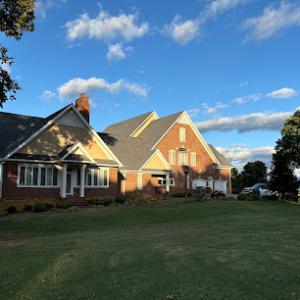
Covenant Roofing & Restoration
(423) 281-8325 mycovenantroofer.com
1302 Upland Ave, Greeneville, Tennessee
4.8 from 59 reviews
Covenant Roofing & Restoration is a locally owned roofing company proudly serving Greeneville, TN and surrounding East Tennessee communities. We specialize in roof replacement, roof repairs, storm damage restoration, and roof inspections for residential and light commercial properties. Our team installs asphalt shingle roofing (including GAF Timberline systems) and metal roofing, offering long-lasting solutions built for Tennessee weather. We also provide roof cleaning services using safe soft-wash methods to remove algae and extend roof life. From hail and wind damage assessments to insurance claim support, we focus on honest evaluations, quality workmanship, and clear communication. Free inspections and estimates are available.
Residence Roofing & Construction
Serving
4.9 from 48 reviews
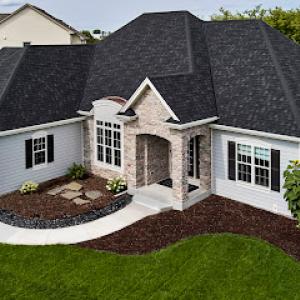
Residence Roofing and Construction is a premier Roofing Company and Restoration company servicing Kingsport, Tennessee, Johnson City, Tennessee and all the Tri-Cities of Northeast Tennessee. We pride ourselves on our stellar reputation in each community that we serve. We specialize in roof repairs, roof replacements, siding, gutters and storm damage restoration.
A Morales Roofing
(423) 946-4022 www.amoralesroofing.com
Serving
4.6 from 13 reviews
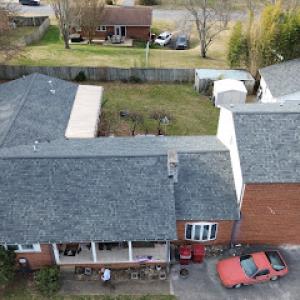
Established in 2002, A Morales Roofing is a Johnson City-based roofing contractor trusted by homeowners and businesses for over two decades. Our services encompass various roofing needs, including new installation, complete re-roofs, and all types of roofing repairs for residential properties. From traditional shingles to modern metal roofing, A Morales Roofing offers a comprehensive solution for all your roofing requirements.
Yoder's Seamless Roofing
(423) 470-8676 yodersroofs.com
Serving
5.0 from 1 review
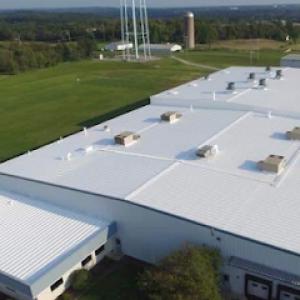
We are a certified, licensed and insured roofing company specializing in commercial roofs. Our Conklin systems offer comprehensive warranties guaranteeing leak-free, maintenance-free, energy efficient roofs.
Tennessee Rocky Top Roofing Service
Serving
5.0 from 3 reviews
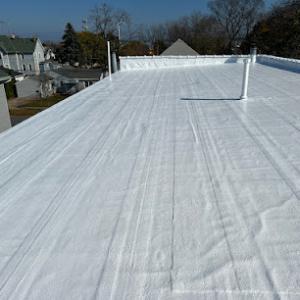
Welcome to Tennessee Rocky Top Roofing Service, Morristown T.N. #1 Commercial Roofing Professionals. No matter what time of the day or night it is, if your roof is leaking, CALL US! We will do everything we can to fix your roof in the shortest possible time. We specialize in all types of flat and low-slope roofing systems, including all. Conklin systems

Nrj Roofing
(423) 202-5532 www.nrjroofing.com
Serving
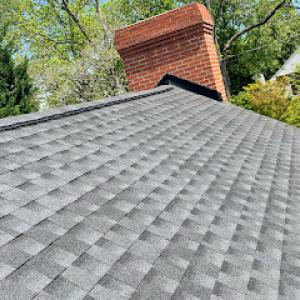
We install all asphalt shingles, all metal roofing including standing seam, and 29 gauge. We are partnered up with a company of professional rubber membrane roofing. We are partnered up with a gutter company for any gutter needs as well. We offer financing through a 3rd party and link is located on our website. We are certified by GAF Shingle Manufacture. We give free estimates.
Typical local pricing bands line up with the shapes of this town's homes and the weather you deal with year to year. For asphalt shingles, you're usually looking at about $350 to $700 per square. Metal roofing sits higher, generally $900 to $1800 per square. If you're weighing heavier materials, clay tile runs roughly $1600 to $3000 per square, and concrete tile sits around $1200 to $2800 per square. Wood shingles or shakes are typically in the $600 to $1200 per square range, while synthetic or composite shingles run about $450 to $900 per square. Those numbers reflect what a homeowner in a typical detached house here might expect to pay, and they're a practical baseline when you're getting bids after a hail or wind event.
Greeneville experiences a foothill climate with humid summers and frequent rain, but it's the hail and wind events that tighten contractor calendars. After a big storm, you'll notice more crews lining up on the curb and fewer weekends open for timely scheduling. That demand bump can push pricing a notch higher than the usual calm-period rates, especially for full replacements where multiple crews are needed or a tear-off is involved. When the phone finally rings after a storm, you may also encounter tighter turnaround times as crews juggle urgent repairs with new projects.
Two big local factors drive the cost more than you might expect. First, the pitch and complexity of a detached home here matter. A steep or multi-level roof with irregular geometry tends to push labor time up, which adds to the square-foot price. Second, there's the practical reality of moisture-related decking concerns. If a tear-off reveals damaged or rotted decking, that adds a separate line item for replacement and adds days to the project. While the roofing itself supplies the main cost, the deck condition can shift the overall bill noticeably, especially if a contractor needs to remove and replace sections of decking to ensure a solid, warrantable install.
When you're evaluating bids, expect the ranges above as your starting point, and be ready for a small premium after a hail or wind event. Ask bidders to break out costs for tearing off versus overlay, and for any decking checks or replacements that might crop up after inspection. Compare not just price, but what's included for warranty coverage, timing, and the contractor's ability to manage a storm-driven workload. In practice, a well-timed, clearly scoped bid after a major event often ends up saving you frustration and money in the long run.
In this area, a full roof replacement almost always triggers a building permit, rather than being treated as no-paperwork maintenance. The local mindset here is practical: the city expects a formal review when the entire roof is torn off and replaced, especially given East Tennessee weather patterns that include heavy rain, hail, and gusty winds. If the project scope changes midstream-such as switching roofing materials or adding structural work-the permit should be updated to reflect those changes. Treat the permit as part of the project, not an afterthought.
The local building department handles the permit from start to finish. The department reviews the planned replacement for compliance with current codes, drainage, attic ventilation, and structural considerations. After approval, the permit is issued and becomes a reference point for the work that follows. Rough inspections occur during the tear-out and early framing stage, ensuring adjacent structures, attic access, and roof deck integrity meet code expectations. A final inspection confirms everything is completed correctly and in a manner consistent with the approved plan. This process helps protect you should a future claim require documentation of proper installation.
Beginning work without a permit can create a chain of consequences that linger long after the crew leaves. Violations can surface during a neighborhood inspection or when you attempt to close out the job for resale or insurance purposes. If an inspection is delayed due to missing paperwork, you might face scheduling constraints or penalties that complicate timing, especially during storm seasons when weather windows narrow. In this town, the permit acts as the official record tying together labor, materials, and compliance with safety standards.
To streamline inspections, have the project plan, contractor licenses, and material specifications on hand. The rough inspection will verify deck condition, underlayment, and drainage systems, while the final inspection confirms full adherence to the approved plan and code. If a discrepancy arises, the department will identify the issue and request corrective action before final approval. Keep communication open with the inspector and the contractor, and maintain organized records so responses to questions are prompt and precise. The goal is a smooth process that minimizes delay and keeps the roof upgrade aligned with local requirements and East Tennessee climate demands.
Repeated wetting from frequent rainfall raises the odds of leak development around flashing details and any area with aging sealants. In East Tennessee's humid climate, your flashing around chimneys, vents, skylights, and where roofs meet vents can slowly lose their seal. Over time, that slow seep can turn into a stubborn drip during a heavy shower or after a wind-driven storm. Look for hairline staining along rafters or drywall near ceilings, and check attic hatch and soffit areas after rain for damp spots. Small, persistent leaks often originate at flashing bends or around step and counter-flashing, not the visible shingle field.
Wind-driven damage in the local storm pattern often shows up first as lifted or creased shingles, ridge damage, and water entry that may not be obvious from the ground. Storms can peel back edges where fasteners have aged or where shingles are already compromised by heat. In these cases, the damage may sit unseen under a ridge cap or along the rake edge until a larger leak develops. A simple attic inspection after a windy spell can reveal lifted fasteners, torn underlayment, or creased shingles that indicate the need for targeted repairs rather than a full replacement.
Heat and humidity in summer can accelerate visible aging on asphalt roofs in this market, making older repairs and mismatched patch areas a red flag during inspections and insurance reviews. Warped or curling shingles, granule loss, and mismatched patch material are common in roofs that endured years of sun exposure. Elevated attic temperatures can also reveal ventilations gaps or insulation shortcomings, which compound aging effects and hasten failure at valleys, near penetrations, and along the ridge. In assessments, pay close attention to how heat-related wear aligns with prior repairs and patchwork, and treat any inconsistent area as a potential warning sign.
In this East Tennessee foothill climate, storms come fast and pack hail and wind that can twist a roof without obvious bangs at first glance. Before trouble hits, assemble a simple file: date-stamped photos of the entire roof from ground level and from an attic vantage if accessible; keep invoices or receipts for recent repairs; and note any existing wear, aging signs, or prior leaks. This baseline helps counter any claim that damage happened gradually rather than in a single storm event. Keep the file in a ready-to-share folder on your phone and on a cloud drive so it's accessible when an adjuster arrives.
After a hail or wind event, walk the perimeter carefully with daylight and document structural features: shingles or tiles displaced, granule loss, metal panels dented, flashing lifted, and any interior water intrusion visible on ceilings or walls. Take close-ups of damaged areas and broader shots to show the roof's overall condition. Keep weathered records: note the storm date, duration, wind speeds if known, and the neighborhood impact. If you've already scheduled maintenance or minor repairs, photograph those sections as they stood pre-event to support causation clarity.
Insurers in this market may scrutinize whether damage is from a recent storm or long-term deterioration, so documentation of roof condition before and after an event is especially important. Recent underwriting tightening means expect more questions about roof age, material type, and maintenance history when renewing or filing claims. Maintain a consistent, dated log of any inspection findings, maintenance actions, and repair milestones to streamline conversations with adjusters.