
Last updated: Apr 19, 2026
The Holston River valley brings humid springs, heavy rain, and on-occasion hail that can punch through shingles and loosen fasteners. In this climate, insurers regularly see wind and hail claims, making roof damage documentation a routine part of the replacement process. This means you should treat each storm as a potential claim signal: document early, document often, and keep a tight paper trail. If a storm rattles your neighborhood, plan for a careful inspection as soon as weather allows, not weeks later when moisture has found new routes into the attic.
Spring storms in this area can bring heavy rain and hail that both damage shingles and delay tear-off schedules. Do not wait for a perfect sunny day to start the process. Begin with a controlled, thorough exterior and interior walk-through the day after the storm. Look for lifted, cracked, or missing shingles, dented metal edging, hail dents on vents, and moisture trails on ceilings or walls. Photograph everything from multiple angles, including close-ups of any granule loss or veneer cracks. If shingles are displaced or flashing appears compromised, mark the area clearly and schedule a temporary tarp or quick stabilization if safe to do so. Delays in repair can compound water intrusion, so act with purpose even when skies look blue.
Local claim handling commonly involves contractor estimates, photo documentation, and on-site adjuster visits before approval. Gather evidence in a coordinated package: incident date, precise locations of damage, and action taken. Keep copies of every communication with the insurer, including emails, voicemail notes, and dates you spoke with the adjuster. If a contractor has already been involved, ensure their work scope and observed damage align with your photos and your written notes. The adjuster will compare your documentation with their inspection; inconsistencies slow the process and can affect coverage determinations. A clean, dated timeline with labeled photos helps keep the claim moving.
Storm response often hinges on how quickly you can line up a contractor, an adjuster, and, if needed, an engineer or roofing inspector. Expect that tear-off schedules may be delayed by weather or by the insurer's inspection window. Communicate early with your contractor about their ability to provide detailed, itemized estimates that reflect current conditions. Confirm appointment windows with the insurer's adjuster and share the same documentation package you've prepared. A coordinated, transparent flow reduces back-and-forth and helps prevent misinterpretation of storm-related damage versus pre-existing wear.
On-site adjuster visits are a common step before approval in this area. Be prepared to walk the adjuster through the damaged zones, highlight hail impact patterns, and point out signs of moisture intrusion inside the attic or ceilings. Have your contractor present or available to discuss scope alignment. If gaps emerge between contractor estimates and the adjuster's assessment, request a written rationale and ask for a re-inspection if warranted. Maintaining an organized set of photos and notes will support a smoother, faster review and reduce post-inspection negotiation time.
Develop a simple, repeatable routine for future events: after each storm, photograph the most vulnerable roof zones, secure a temporary measure if needed, and preserve the daylight windows for potential inspections. Create a single, labeled folder for each storm event and store it with the claim documents. This discipline can prevent miscommunication and keep the replacement moving when every day counts.
Find local contractors experienced in assessing and restoring roofs after hail, wind, and severe weather events.
American Roofing Company
1074 Lynn Garden Dr Unit A, Kingsport, Tennessee
4.8 from 117 reviews
Best Roofing Exterior Contracting Services
(423) 398-5137 www.best-roofing.com
550 New Beason Well Rd, Kingsport, Tennessee
4.9 from 63 reviews
LaFerney Commercial Roofing
(800) 633-3119 www.laferney.com
2642 Sullivan Gardens Pkwy, Kingsport, Tennessee
5.0 from 17 reviews
Remnant Construction
(423) 943-4551 remnantconstructioninc.com
504 E Center St Suite B, Kingsport, Tennessee
4.9 from 71 reviews
Remnant Construction is a family-owned roofing and exterior contractor specializing in roof replacements, roof repairs, decks, porches, and siding. With over 12 years of experience, we deliver high-quality workmanship, clear communication, and project-managed jobs from start to finish. We don’t cut corners — we build exteriors that last.
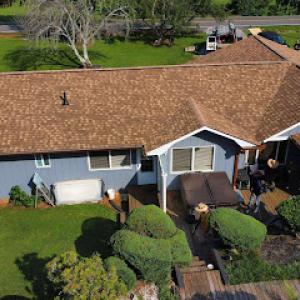
American Roofing Company
1074 Lynn Garden Dr Unit A, Kingsport, Tennessee
4.8 from 117 reviews
American Roofing Company provides trusted roofing services to protect your home and investment. We offer free inspections, insurance claim assistance, and expert installation backed by decades of experience. Our certified team delivers quality craftsmanship and dependable service every time.
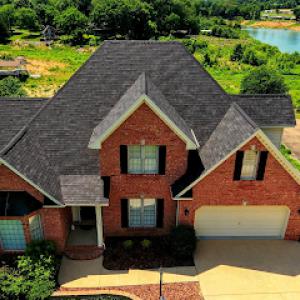
Best Roofing Exterior Contracting Services
(423) 398-5137 www.best-roofing.com
550 New Beason Well Rd, Kingsport, Tennessee
4.9 from 63 reviews
Exterior contractor specializing in residential roof replacement and repair, gutter system installation, siding, and decks in the TriCities, Tennesses and Southwest Virginia. Call today for a free roof inspection!
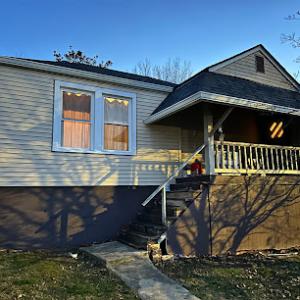
Model City Roofing
(423) 405-5432 www.modelcityroofing.com
1504 Bridgewater Ln, Kingsport, Tennessee
4.8 from 137 reviews
Model City Roofing is a top-rated roofing contractor serving Kingsport TN and the East Tennessee region, providing top-notch roofing solutions such as roof repair, shingle and metal roofing, and roof replacement for both residential and commercial properties across East Tennessee. With over 400 five-star reviews, BBB A+ ratings, and certifications like GAF and Owens Corning Platinum Preferred Contractor, our expert craftsmanship is unrivaled. We cater to all roofing needs, including roof leak repair, roof installation, and roof inspections, ensuring durability and reliability. We also offer free roofing estimates and specialize in commercial roofing. Open 24/7, contact us today or visit our website for a free in-person or online estimate!
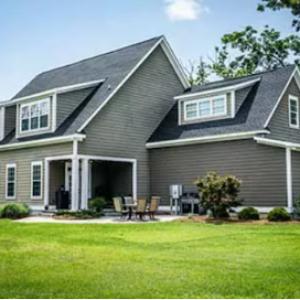
Adams Roofing & Construction
(423) 817-8561 adamsroofing.net
1644 Newbern Rd, Kingsport, Tennessee
5.0 from 25 reviews
dams Roofing & Construction is a locally owned company specializing in roof repair and installation with deep ties to Kingsport, Tennessee. As a family-operated business under the leadership of Jared and Jeremiah Adams, we are dedicated to assisting with a variety of general construction projects. Our services encompass the installation of new decks, roof repairs and installations, siding, gutters, emergency repairs and more.
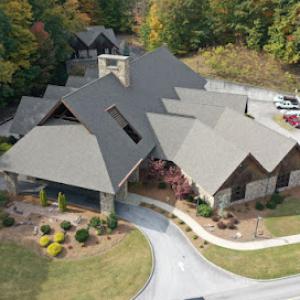
Vanderpool Roofing
(423) 392-4170 vanderpoolroofing.com
3196 E Stone Dr, Kingsport, Tennessee
4.6 from 145 reviews
Residential and commercial roofing provider servicing the Tri-Cities TN area for the last 35 years. We specialize in asphalt shingles and single-ply membrane installations.
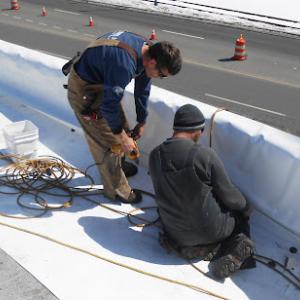
LaFerney Commercial Roofing
(800) 633-3119 www.laferney.com
2642 Sullivan Gardens Pkwy, Kingsport, Tennessee
5.0 from 17 reviews
Established in 1976, LaFerney Commercial Roofing offers over 40 years of experience in the commercial roofing industry. Along with outstanding customer satisfaction, comes both the practical and professional knowledge of materials and techniques to best meet our customer’s needs. We conduct a stringent inspection process through all phases of each roof and take pride in finding the optimal solution for every facility.
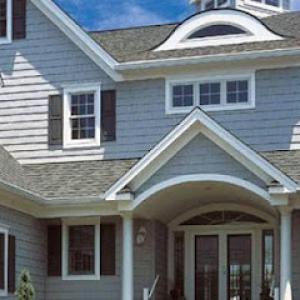
McClain Roofing & Siding
(423) 677-9846 www.mcclainroofingandsiding.com
942 Riverside Ave, Kingsport, Tennessee
4.6 from 33 reviews
McClain Roofing and Siding of Kingsport, TN, has been providing superior roofing and siding services to the Kingsport and Tri-Cities area for over 20 years. They are a preferred contractor owned and operated by Brian McClain. McClain Roofing and Sidi
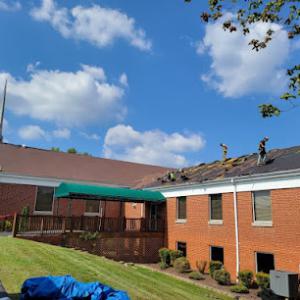
McMurray Boy's Roofing
(423) 288-6095 www.mcmurrayboysroofingtn.com
Kingsport, Tennessee
4.7 from 22 reviews
"McMurray Boy’s Roofing provides the best service and the highest quality in roofing materials. For a new roof or for re-roofing, count on McMurray Boy’s Roofing to quickly estimate and offer quality products and professional workmanship on your roof. McMurray Boy’s Roofing is a licensed and registered company with more than 38 years of experience in the roofing industry."
Cenvar Roofing - Kingsport
(423) 251-8847 www.cenvarroofing.com
136 W Main St #200, Kingsport, Tennessee
5.0 from 5 reviews
Cenvar Roofing is a trusted local roofing contractor serving homeowners in Kingsport, TN and the surrounding area. We specialize in residential roof replacements and repairs, offering high-quality materials, expert craftsmanship, and outstanding customer service. Our team is committed to making the roofing process simple and stress-free—from the first inspection to final cleanup. As part of a Tennessee-based company with deep community roots, we’re proud to deliver reliable, long-lasting roofing solutions you can count on. Schedule your free roof inspection today!
Gibson's Roofing
(423) 557-4118 www.gibsonsroofingco.com
1696 Shipley Ferry Rd, Kingsport, Tennessee
3.9 from 21 reviews
Family owned local roofing business established in 1994. We specialize in both Residential and Commercial roofing.
Escudero Roofing
920 Chadwick Dr apt 3, Kingsport, Tennessee
5.0 from 1 review
Hacemos Remodelaciones Nuevas construcciones Adiciones Y reparaciones todos los días de la semana
In Kingsport, asphalt shingles and metal roofing are the dominant practical choices for most homes. Asphalt shingles offer reliable performance for a broad range of budgets and styles, while metal roofs provide durability against wind, hail, and heavy moisture when installed with proper flashing and ventilation. Tile, slate, and copper exist on some homes, but they sit at much higher price tiers and can be less forgiving in the region's storm-prone conditions. If a high-end look is desired, consider concrete or clay tiles only after confirming structure and attic ventilation can support the weight and that local crews have adequate experience with heat and humidity during installation.
The frequent rain in this valley accelerates moisture-related aging of underlayment when leaks or flashing failures are not addressed quickly. For asphalt, choose a laminate or architectural shingle with a robust synthetic underlayment and a well-sealed starter course. Ensure valleys, dormers, and roof-to-wall transitions receive continuous flashing, and verify that step and counter-flashing are integrated with the end walls and brick or siding details. Metal roofs demand careful attention to panel seams and fastener sealants, as improper sealing can mimic leak paths in humid summers. In either system, insist on an underlayment that remains pliable in heat and humidity, and confirm attic ventilation rates are appropriate to prevent condensation that can compromise decking and insulation over time. Have a trusted local roofer show you where moisture pathways exist on your house and how the underlayment will be protected during a storm.
Hot, humid summers affect handling and cure times for some underlayments, which changes how crews schedule installs. Early-mseason or late-summer projects should allocate extra time for adhesive or sealant cure under high heat and humidity. For metal roofs, plan for slightly longer installation windows on days with extreme heat, so sealants and paints don't cure prematurely and panels don't warp during handling. Asphalt shingle projects benefit from dry, moderate days to ensure full adhesive seal and proper shingle seating; rain delays should be expected if a window is too wet. Ask contractors to lay out a clear sequence for weather- sensitive steps: roof deck inspection, underlayment installation, flashing placement, and final shingle or panel fastening, with contingency plans for sudden storms.
In this market, a well-chosen material aligned with local weather patterns lasts longer when paired with solid attic ventilation and a proven storm-response plan. Look for shingles with good wind resistance ratings and metal systems with corrosion-resistant coatings if you live near coastal or industrial exposure. For any material, a thorough inspection after hail events should be routine, focusing on flashing integrity, vent infiltration, and decking wear. A proactive homeowner can mitigate moisture intrusion by documenting damage promptly and coordinating with a roofer who understands the valley's need for rapid response and reliable recordings.
Explore specialists in steel, aluminum, and standing seam metal roofs built to last 50 years or more.
Remnant Construction
(423) 943-4551 remnantconstructioninc.com
504 E Center St Suite B, Kingsport, Tennessee
4.9 from 71 reviews
Best Roofing Exterior Contracting Services
(423) 398-5137 www.best-roofing.com
550 New Beason Well Rd, Kingsport, Tennessee
4.9 from 63 reviews
Model City Roofing
(423) 405-5432 www.modelcityroofing.com
1504 Bridgewater Ln, Kingsport, Tennessee
4.8 from 137 reviews
In this area, spring and fall are the most reliable times to replace a roof because you avoid the peak of summer heat and the slower pace that winter weather can bring. Summer heat in Kingsport can complicate material staging and underlayment cure times on exposed roof decks, so planning during shoulder seasons helps crews move efficiently without weather delays. If a full replacement is needed after a hailstorm or a sequence of strong winds, aim to schedule a replacement project when a stretch of mild, dry days is forecast, allowing crews to complete the work without repeated weather interruptions.
Age is a practical starting point, but look for a cluster of concrete indicators rather than a single worn detail.Curling or cupping shingles, especially on older homes with asphalt or composite roofing, often signals that the shingles have reached the end of their protective life. Metal roofs can show wear at seams, fasteners, or panels, while clay or concrete tiles may crack, loosen, or spall when hail has compromised the surface. In East Tennessee, moisture intrusion frequently shows up as staining on attic ceilings, musty odors, or visible condensation on rafters after rain, particularly if the attic is not well ventilated. If multiple areas exhibit granule loss, exposed fasteners, or missing shingle edges, replacement becomes a practical consideration rather than a cosmetic update.
Storm events in the Holston River valley can leave hidden damage that isn't obvious from the ground. After a heavy wind or hail event, inspect from the roof edge inward and document the results with daylight photos from inside the attic and from the exterior. Pay attention to dented or displaced flashing, damaged vent boots, and cracked or displaced ridge caps. Keep an eye out for signs of moisture that appear after a rain, such as dark patches on sheathing or damp insulation. If a claim is involved, compile a clear timeline: date of the storm, observed damage, and subsequent remediation steps. This helps with documentation and can streamline insurer reviews, especially when evaluating whether a full replacement is more durable than a patch-and-repair approach.
Winter ice and snow raise ice dam risk and can slow or halt active roofing work. If replacement is contemplated in late fall or early winter, anticipate potential delays due to snow loads, freeze-thaw cycles, or limited daylight hours. On cold days, crews may weatherize equipment differently and terminate work early to prevent roofing components from being compromised by low temperatures. If cold-season scheduling is unavoidable, plan for extra coordination with the crew to ensure proper installation sequencing, ventilation, and insulation details remain intact once milder conditions return.
Finally, consider the relationship between roof age, interior comfort, and utility bills. A replacement might be justified when an aging roof shows consistent moisture intrusion, persistent attic heat or cold transfer, or recurring hail-related damage that patches cannot fully address. In the Kingsport climate, aligning the project with spring or fall scheduling typically yields the smoothest process, the least weather-related disruption, and the most predictable performance over the next decade.
In this market you'll notice asphalt shingles come in around $350 to $700 per square, which remains the most common entry point for homeowners replacing a roof after a hail or wind event. Metal roofing tends to run higher, roughly $700 to $1,400 per square, and it's the material you'll see favored when long-term durability and wind resistance matter most. If you're exploring higher-end options, clay tile ranges from about $1,000 to $2,000 per square, concrete tile from $900 to $1,600, slate from $1,800 to $3,500, and copper from $2,500 to $5,000 per square. These figures align with the mix you'll encounter among local crews, where asphalt and metal are the backbone and the more exotic materials appear mainly on high-end or specialty homes.
Storm-driven demand spikes after hail or strong winds can tighten scheduling and push bids upward. In East Tennessee's spring hail window, you'll see roofing crews book out faster and crews sometimes need to juggle emergency repairs before the next round of weather. Expect timelines to compress and prices to tilt toward quicker, liened-start work if a major event hits your neighborhood. If you're evaluating bids in the wake of a storm, anticipate some variation tied to crew availability and the local surge in material demand. It's not unusual to see a modest bump in both scheduling and scope as contractors secure crews and encourage homeowners to finalize decisions promptly.
Higher-cost materials such as slate, tile, and copper are less common in the local contractor mix, which can limit installer availability compared with asphalt and metal. If your home is compatible with standard asphalt or metal, you'll generally have more options and faster scheduling than someone pursuing tile or slate. On a storm-damaged timeline, that difference matters: the more common, quicker-to-source materials can translate into shorter wait times and more predictable bids after a hail event. If you're set on a premium option, be prepared for longer lead times and potentially more variation between bids as specialists in those materials navigate busy periods.
Get a clear picture of your project costs upfront - no commitment required.
Model City Roofing
(423) 405-5432 www.modelcityroofing.com
1504 Bridgewater Ln, Kingsport, Tennessee
4.8 from 137 reviews
Vanderpool Roofing
(423) 392-4170 vanderpoolroofing.com
3196 E Stone Dr, Kingsport, Tennessee
4.6 from 145 reviews

In this market, Kingsport generally requires a building permit for a full roof replacement, processed through the city's Building & Code Enforcement department. The aim is not just to stamp a seal, but to ensure the project plan accounts for ventilation, debris containment, and proper venting to protect the home's structure in East Tennessee's humid climate. The permit serves as a formal record that the project is reviewed against local codes and weather considerations unique to the Holston River valley.
The review and inspection process in this area includes rough-in and final stages, not a single closeout visit. After the permit is issued, expect an initial rough-in inspection while roofing work is underway-this checks underlayment, vent placement, and any ventilation details tied to attic airflow. A final inspection follows once the roof is complete and sealed. This staged approach helps catch moisture management issues early, which is especially important given spring hail and year-round moisture in the region.
Permit review in this city covers debris containment and venting requirements specifically. Make sure the project plan includes plans for preventing debris from leaving the property and for proper venting of attic spaces. The inspector will look for lines of defense against moisture intrusion-proper attic ventilation, ridge and soffit balance, and secure containment during tear-off. If local conditions call for additional guards against wind-driven debris, those details should be included in the permit package and reflected in the on-site practices.
Permits can expire if work stops for an extended period. That means if weather or supply delays push a project into a pause, a quick check-in with the Building & Code Enforcement department is wise to avoid losing permit validity. Plan for interim milestones or temporary protections that keep the project compliant during slower phases. Keeping detailed progress logs and coordinating any extended delays with the inspector can help prevent unnecessary rework or re-approval.
Keep all communications, inspection notices, and plan revisions organized in a single folder accessible to you and your contractor. Before starting, confirm who holds the permit and who is responsible for scheduling each inspection. On inspection days, have a clear path for debris containment and venting verification so the process moves smoothly and minimizes weather-related setbacks.
Kingsport homeowners are in a regional insurance environment where wind and hail claims are common enough that adjuster roof inspections are routine. That reality shapes every step of the claim-from how you file to how quickly a settlement draft lands on your counter. Expect the adjuster to want a clear view of the roof's condition, including any attic moisture, interior staining, and ventilation impact. If your roof is older or shows mixed damage, document precisely where wind, hail, or thermal movement caused issues, not just what looks dramatic from the street. Misstated or incomplete assessments can delay a fair adjustment, and delays compound the risk of further damage during storms.
Photographic documentation is especially important in this market because insurers commonly ask for visual proof before approving repair or replacement scope. Take dated, high-resolution photos from multiple angles: the roof surface, fascia and soffits, gutters, chimney flashing, and any interior leaks visible in ceilings or attic spaces. Include close-ups of damaged shingles, granule loss, lifted edges, and rusted connectors. If a branch or hail impact left a dent or puncture, capture it clearly. Save images in a well-organized folder keyed to your claim number and date. When the adjuster arrives, provide the photo set and offer a quick tour of the problematic areas to prevent later disputes about what was seen.
Because storms can affect many homes at once in the Kingsport area, homeowners benefit from documenting damage immediately before temporary repairs begin. A rapid, truthful record lowers the chance of a claim being denied for preexisting moisture or cover-up concerns. Keep a dated log of all events, weather conditions, and any emergency steps you take-like tarping or boarding cracked shingles-so this timeline aligns with the adjuster's review. If you need temporary protection, do it in a way that preserves evidence and avoids causing interior damage; photograph the temporary fixes as you apply them. Early, honest documentation helps keep the claim moving toward a fair restoration.
In this city, fall leaf buildup is a specific seasonal concern because it can interfere with attic ventilation and trap moisture at roof edges and valleys. Gutter and vent maintenance should align with leaf fall-check intakes and exhausts before the first hard freeze. In practice, clear debris from ridge vents, soffit vents, and attic baffles, then reseal any gaps around penetrations. A simple, repeatable two-minute check after major storms helps catch blockages early.
The city's humid subtropical conditions make ventilation performance more important for drying roof assemblies after rain. After a wet spell, measure attic humidity if you have a hygrometer, and ensure soffit vents stay open while ridge or turbine vents are active. If moisture lingers in the attic, verify that attic insulation is not blocking vent paths. Keep roof edges free of wet leaves and moss, which slow drying at critical joints.
The permit review includes venting requirements, so ventilation is not just a comfort issue but part of code compliance on full replacements. When planning a replacement, spec a balanced vent system with adequate intake and exhaust-or consult a local installer who understands this valley's wind patterns and the tendency for short, intense storms. Inspect exterior louvers for rust or obstruction after storms, and ensure attic access hatches seal well to control indoor humidity during construction.
Create a seasonal checklist: clear leaves, test vents, and confirm that moisture traps at valleys are dry before covering with new underlayment. If fast-moving rain hits during a storm, document wind-driven infiltration with photos, especially around valley intersections and flashings. This history helps you, and your insurer, navigate the next claim confidently.
Low-slope roofing is a smaller specialty in the local contractor market than residential steep-slope re-roofing, so you may need to verify experience carefully. When a leak pops up on a flat or low-slope section, you're not just dealing with shingles but with the entire moisture path: how the membrane lays over penetrations, how transitions into wall flashing are terminated, and how fastener corrosion could create a slow drip. Look for crews with a documented track record on low-slope jobs that include recent storm-related repairs. Ask for photos of similar installations and notes on weathering through spring hail and heavy summer rain. If a contractor treats low-slope work as an add-on, you're likely to run into future recalls and repeat work after the next round of storms.
Skylight repair is present but not a dominant specialty locally, making flashing quality and leak tracing more important than assuming every roofer handles it regularly. When diagnosing a leak around a skylight, demand a careful water test that follows the channel of the sealant and flashing, not just a surface inspection. Check the perimeter flashing for step-back alignment, and ensure the curb flashing is continuous and properly sealed where it meets the surrounding membrane. In a wet climate, even small imperfections can become obvious once underlayment is exposed to repeated rain. If a repair requires tearing into the skylight opening, insist on a methodical tracing of the leak source before resealing, so you don't chase a phantom drip around the ceiling.
In Kingsport's moist environment, failures around penetrations and transitions tend to surface quickly. Pay close attention to edges where membranes meet vents, drains, or parapets, and where transitions from roof to wall occur. Subtle nicks in the membrane or fatigued sealant around a drainage curve can become persistent leaks after a few spring storms. Request a step-by-step plan that documents how every penetration will be sealed, how dedicated flashing will be integrated, and how the underlayment beneath is prepared to resist repeated exposure to rain. The goal is a durable seal that stays trustworthy through the next round of East Tennessee weather.
Find specialists in TPO, EPDM, and built-up flat roofing systems for residential and commercial properties.
Remnant Construction
(423) 943-4551 remnantconstructioninc.com
504 E Center St Suite B, Kingsport, Tennessee
4.9 from 71 reviews
Vanderpool Roofing
(423) 392-4170 vanderpoolroofing.com
3196 E Stone Dr, Kingsport, Tennessee
4.6 from 145 reviews
LaFerney Commercial Roofing
(800) 633-3119 www.laferney.com
2642 Sullivan Gardens Pkwy, Kingsport, Tennessee
5.0 from 17 reviews
After a storm, homeowners value a contractor who can respond fast to tarping and leak control. Look for a local company that lists 24-48 hour readiness, clear arrival windows, and a dedicated point of contact. In practice, you want a team that will arrive, assess the damage, and outline the immediate steps to stop water intrusion without waiting on a calendar.
Cleanup is a major hiring priority in this market. Ask how debris removal is handled-whether it's included in the initial visit, how disposal is managed, and if debris hauled away during the project is part of the package. A contractor who markets debris removal as part of the job often keeps crews organized and the site safer, which matters after gusty storms and hail events.
The local market features many long-established, family-owned re-roofing companies. Tenure and responsiveness matter more here than luxury-brand credentials. Seek firms with a history of steady ownership, consistently available crews, and a track record of timely storm work. These teams tend to communicate better when weather windows compress and scheduling shifts quickly.
Because East Tennessee weather can produce both wind and hail damage, your roofer should document findings thoroughly with photos and notes usable for insurance. Confirm their process for producing an intake report, a scoping list for replacements, and a line-by-line summary you can share with your claims adjuster. A reliable contractor will guide you through interim fixes, then present a clear path to a full roof restoration when the claim settles.
Ask for recent storm jobs in your area and speak with neighbors about finish quality, cleanup thoroughness, and timeliness. When you meet, observe how crews protect landscaping, fences, and gutters during work. The right Kingsport roofer keeps tarping, leak control, and debris handling coordinated so you're not chasing multiple crews after a rain.