Last updated: Apr 19, 2026
Spring storms in this part of the Appalachians bring heavy rain and hail that can puncture shingles, loosen granules, and stress vents and flashing. In East Tennessee, those bursts arrive with gusty winds that shove wet debris onto already compromised surfaces. The result is a spike in claim activity after storms, especially when hail sizes compare to baseballs and winds push trees or branches toward the roofline. This is not a distant risk-it hits homes in and around Johnson City with predictable intensity, and the window for timely response narrows quickly. When a storm hits, every hour matters for damage assessment, temporary protection, and securing a clear path to full replacement if needed.
Prior-condition photos matter more here than you might expect. A neighborly reminder: walk your roof from the ground if safe, but for accuracy you want clear close-ups of shingles, flashings, vent boots, and any hail impacts or granule loss. After a storm, insurers frequently request photo evidence and post-installation documentation tied to wind or hail coverage decisions. Post-storm documentation should capture both the roof and the surrounding areas-gutters, siding, and any visible interior signs of water intrusion that originate from the roof line. For a home in this market, a simple, methodical photo sequence saves hours of back-and-forth and can prevent a denial triggered by missing details.
East Tennessee hail and wind events drive claim activity in Johnson City, making rapid response essential. Temporary dry-in work can stop leaks from causing interior damage and help preserve structural integrity while a full plan is developed. If shingles are curling, granules are missing, or flashing shows separation after a storm, do not delay calling a trusted local roofer. A prompt on-site assessment can identify hidden damage under shingles or in the attic that isn't visible from ground level. Scheduling inspections quickly aligns with insurer expectations and reduces the risk of weather-related delays pushing a replacement timeline out weeks or even months.
Insurers serving this market often ask for certifications, photo evidence, and post-installation documentation tied to wind or hail coverage decisions. A local roofer can prepare a concise, storm-specific packet: damage photos, a clear timeline of when the damage occurred, notes on any temporary repairs, and a post-repair certificate or warranty documentation once the work is complete. Having this ready to deliver in the immediate aftermath of a storm helps move the claim along faster and minimizes the chance of second-guessing during the adjustment process. Coordinate with the insurer to determine whether a roof certification or a wind-resistance assessment is required, and obtain any necessary forms early to avoid delays.
Spring storms commonly bring heavy rain that can delay inspections, dry-in work, and full replacement scheduling. When a roof is compromised, insurers may push for a prompt dry-in to protect the home, but persistent rain can stall the project. In Johnson City, the calendar often tightens after a hail or wind event; crews that can mobilize quickly and weather conditions permitting can keep the project on track. Communicate a clear plan with your roofing team and insurer: outline the sequence of temporary protection, leak mitigation, removal of damaged materials, and installation of a durable, storm-ready roof system once conditions allow.
Keep a weather-aware checklist: after a storm, do a careful exterior review, gather photos in good lighting, and note any interior signs of leaks. Have a trusted local roofer pre-approved for emergency dry-in work to respond within 24 hours of a storm when feasible. Maintain copies of all correspondence with the insurer, including dates, claim numbers, and names of adjusters. By staying vigilant and organized, homeowners in this market can minimize risk, accelerate the claim process, and secure a roof that stands up to the next round of East Tennessee wind and hail.
Find local contractors experienced in assessing and restoring roofs after hail, wind, and severe weather events.

Redemption Roofing & Construction
(423) 740-5004 www.redemptioncrs.com
1114 Sunset Dr #1, Johnson City, Tennessee
5.0 from 185 reviews
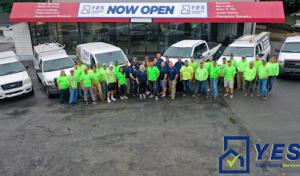
YES Roofing & Exteriors
(423) 820-3216 www.yesroofingandexteriors.com
3611 N Roan St, Johnson City, Tennessee
4.8 from 481 reviews
Pisgah Roofing & Restoration Tri-Cities TN
(423) 872-2212 pisgahroofingandrestoration.com
4704 N Roan St #4, Johnson City, Tennessee
4.7 from 138 reviews

Redemption Roofing & Construction
(423) 740-5004 www.redemptioncrs.com
1114 Sunset Dr #1, Johnson City, Tennessee
5.0 from 185 reviews
Redemption Roofing and Construction in Johnson City, TN provides expert roof replacements and full-service roofing solutions for homeowners and businesses. Our team handles tear-offs, re-roofs, and new installations using durable materials built to withstand Northeast Tennessee’s heavy rain, high winds, and seasonal storms. We also address common local challenges like aging shingles, leaks, and storm damage to keep properties safe and looking their best. Known for reliable service and attention to detail, we take pride in serving our community with professionalism and care. Redemption Roofing and Construction is licensed, insured, and trusted by Johnson City residents as experienced roofing contractors.
YES Roofing & Exteriors
(423) 820-3216 www.yesroofingandexteriors.com
3611 N Roan St, Johnson City, Tennessee
4.8 from 481 reviews
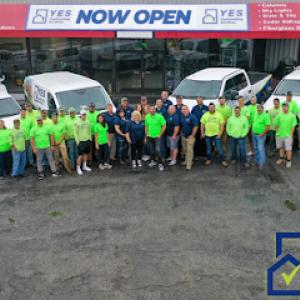
YES Roofing & Exteriors is a GAF Master Elite roofing contractor providing roof replacements, roof repairs, siding installation, seamless gutters, decks, windows, doors, and storm damage restoration throughout Tennessee, Virginia, and North Carolina. Since 1994, our licensed and insured team has delivered dependable service, premium materials, 50-year warranty options, and top-rated customer care. We offer free inspections, honest estimates, financing options, and expert workmanship backed by hundreds of 5-star reviews. Call YES Roofing & Exteriors for trusted roofing and exterior solutions for your home or business.
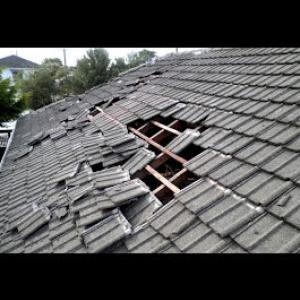
Pisgah Roofing & Restoration Tri-Cities TN
(423) 872-2212 pisgahroofingandrestoration.com
4704 N Roan St #4, Johnson City, Tennessee
4.7 from 138 reviews
The Tri-Cities region is a great place to live, but with the extreme temperature swings, property owners know the importance of expert roofing services. Established in 2016, Pisgah Roofing is one of the top roofing companies in Tennessee’s Tri-Cities of Kingsport, Johnson City, and Bristol. We can help with any roofing project in Johnson City, TN. Our team is happy to assist with roof inspections and maintenance, roof repairs, replacements, installations, storm damage, and more. We can also assist with commercial properties in Johnson City and surrounding areas! Contact us today to get a free quote!
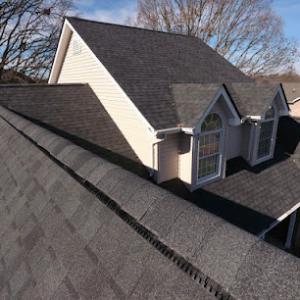
Tri-Cities Roofing
(423) 268-4240 www.tri-cities-roofing.com
1020 Sunrise Valley Dr, Johnson City, Tennessee
4.8 from 69 reviews
At Tri-Cities Roofing, we make it our ultimate goal to ensure that your roofing experience goes as seamless as possible. We understand that a business is ultimately measured by customer satisfaction, and we strive to be the best. We are set apart from our competitors by our close owner oversight, persistent communication, and insurance negotiation ensuring you're taken care of every step of the way. From inspections to full exterior remodels Tri-Cities has got you covered. We service the Tri-Cities, NE Tennessee, SW Virginia, and surrounding areas. Some of our focal points are as follows: Johnson City TN residential and flat roofing, seamless gutters, soffit and fascia, siding, and much more. Tri-Cities Roofing: Where Quality Comes First!
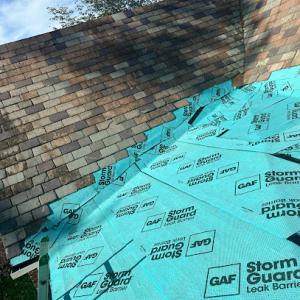
David calderon roofing
2914 Mayfield Dr, Johnson City, Tennessee
5.0 from 22 reviews
Small local roofing business starting out servicing the tricities and surrounding areas give me a call my name is David Calderon and give us chance to earn your business free estimates very professional and knowledgeable able to answer any questions you have
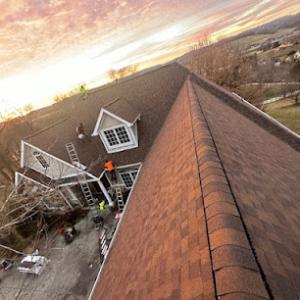
Storm Guard Roofing & Construction Of The Smokies
(423) 393-6000 www.stormguardrc.com
3105 Industrial Dr #4, Johnson City, Tennessee
4.7 from 67 reviews
Storm Guard specializes in exterior restoration for roofing, siding, windows and gutters.
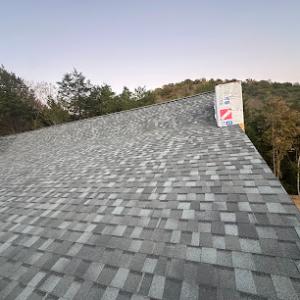
Rolando Roofing
(423) 429-4023 rolandoroofingllc.com
Johnson City, Tennessee
5.0 from 21 reviews
We are a roofing company with over 9 years of experience serving Johnson City, Tennessee, and the surrounding area. Our services include roof installation, roof repair and maintenance, fascia and soffit repair, and exterior siding. We offer 24/7 emergency service. If you are interested in any of our services, please contact us.
Mighty Dog Roofing of Johnson City
(423) 300-6042 www.mightydogroofing.com
2726 E Oakland Ave Suite 101, Johnson City, Tennessee
4.8 from 23 reviews
Mighty Dog Roofing specializes in Roofing, Storm Damage Repair, Siding and Windows. A locally owned and operated company is your choice for servicing Johnson City. Mighty Dog Roofing is the most trusted name in the roofing industry, offering state-of-the-art 25 point inspections using our GoLive and Drone Superscan technology. This technology, matched with the highest quality products and superior workmanship, allows you to have peace of mind on the most important investment you have - your home. Do you keep your roof “top of mind”? Our Mighty Watchdog Maintenance Program keeps an eye out for any issues today to avoid big repairs or replacements tomorrow.
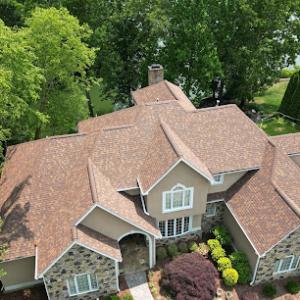
Whittington Construction Company
(423) 791-0384 www.whittingtonconstruction.com
102 Daniels Way, Johnson City, Tennessee
4.8 from 18 reviews
For over six decades, Whittington Construction Company has been Johnson City's trusted source for comprehensive construction solutions. As a fully licensed general contractor, our skilled professionals specialize in residential home building, remodeling, and roof replacements, providing exceptional results at affordable prices. With an unwavering commitment to excellence, we maintain our status as an Owens Corning Preferred Contractor, ensuring our customers receive the highest quality products and workmanship. Whether you dream of a brand-new home, a stunningly remodeled space, or a durable new roof for your existing home, Whittington Construction Company is the partner you've been searching for.
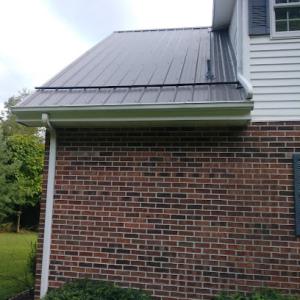
L&T Roofing & Home Improvements
150 Forest Hill Dr, Johnson City, Tennessee
4.9 from 10 reviews
L&T Roofing and Home Improvements offers professional services an an affordable price. With 20+ years in the home industry. Rather a home repair or a new project there is "NO JOB TO BIG, NO JOB TO SMALL," give us a call.

(800) 683-7480 acs-roofing.com
148 Lynn Rd, Johnson City, Tennessee
4.4 from 15 reviews
ACS Commercial Roofing solves your commercial roof repair and replacement needs. We design a commercial roofing solutions that fits our client's business needs.
HD Roofing
(423) 930-3900 www.hdroofingtn.com
Johnson City, Tennessee
5.0 from 4 reviews
At HD Roofing, we're your local roofing experts in the Tri-Cities. With a commitment to quality and years of experience, we're dedicated to protecting your home and business with top-notch roofing solutions. From repairs to replacements, trust us for all your roofing needs.
A humid subtropical climate with hot, humid summers and cool winters influences how roofs age here. In practice, that means materials must resist heat buildup, manage moisture, handle seasonal temperature swings, and stand up to hail and wind events when spring storms roll through the valley. Replacement timing and ventilation decisions are intertwined with these conditions, and insurance documentation after severe weather tends to be a recurring task for homeowners. The following aims to guide choices that perform reliably in this area.
Asphalt shingles remain a dominant local choice because they balance performance with repairability as conditions change across the seasons. In this market, asphalt shingles typically hold their integrity well with proper maintenance, and the material often reaches the midpoint of its expected life with routine inspections after storms. For longevity, prioritize architectural or higher-end bundles that provide better wind resistance and a thicker nailing zone, since wind-driven hail and rapid temperature shifts common in this area can stress the roof surface unevenly.
Metal roofing is widely supported by local contractors, a reflection of homeowner demand for durability through repeated rain, hail, and seasonal temperature swings. In practice, metal roofs shed moisture quickly, resist impact better than many composites, and can offer longer service life with minimal maintenance when installed correctly. In this market, metal shows particular strength in areas with heavy rainfall and hail exposure, and contractor familiarity helps with warranty handling and retrofit compatibility on older homes. If a metal option is pursued, ensure proper underlayment and deck preparation to maximize performance through freeze-thaw cycles.
Clay and concrete tiles offer strong wind resistance and a classic look, but their weight and installation requirements should be weighed carefully in an area with fluctuating temperatures and potential for freezing nights. For homes with appropriate structure and attic ventilation, these tiles can perform well, yet require diligent maintenance to prevent cracked or displaced tiles after hail events and seasonal settling. Wood shingles and shakes carry a distinctive aesthetic but can be more susceptible to moisture-related aging and insect pressure; they demand regular maintenance and a proactive approach to peak summer humidity and fall leaf load.
Synthetic and composite shingles provide a middle ground, combining resilience with lighter weight and ease of installation. They can handle temperature swings with less cracking and typically respond well to annual inspections after severe weather. This option can be attractive for homes needing a moderate upgrade from basic asphalt without transitioning to heavier or more maintenance-intensive materials.
Attic ventilation plays a critical role in deterring premature aging caused by heat buildup during long, humid summers. A well-ventilated attic reduces interior temperature fluctuations that transfer to roofing materials, supporting longer life and more consistent shingle performance. In Johnson City's climate, pairing adequate soffit and ridge ventilation with proper insulation helps manage condensation in winter and mitigates ice dam risk when cold snaps occur.
Replacement timing should consider how spring hail and wind seasons intersect with your current roof's age and condition. If storm events have disturbed shingles, flashing, or underlayment, scheduling an inspection soon after ensures gaps and lifted edges are addressed before water intrusion becomes evident inside the attic or ceilings. Timely repairs reduce the likelihood of cascading damage and support more predictable insurance documentation.
When hail or high winds strike, initiating a prompt leak response is essential. Start with a temporary shield over obvious penetrations and roof edge gaps to limit interior damage while arranging a professional assessment. Document every affected area with dated photos, focusing on fast-moving leaks and wind-driven debris that could affect attic ventilation pathways. Insurance documentation benefits from a clear log of storm date, meteorological conditions, and the extent of visible damage, along with professional evaluation reports that specify observed conditions, recommended repairs, and material replacements. Keeping a current, organized file of roof components, shingle types, and flashing layouts facilitates smoother claim processing and faster restoration work.
Spring in Johnson City is a double-edged season for roofs. Hail and heavy rain can expose hidden damage from last winter and create new leaks, but storms also mean crowded schedules and weather delays that push roofing work back. Start the season with a proactive inspection after the last freeze but before full thaw, focusing on slopes that shed water poorly and any random hail dents in metal flashings. If you notice shingles cupping, granule loss, or cracked seals, mark those spots and photograph them during a dry day. When a leak shows up right after a storm, respond fast: limit interior spread by placing a bucket under the drip and tarping the area if you can safely reach the roof. Document the failure with clear photos and notes, then contact your insurer promptly to establish an inspection timeline. Clear communication with your roof team helps them schedule around expected spring delays and prioritize the most urgent leaks first, especially on roofs with low-slope sections that flood quickly.
Summer heat and humidity in this area affect installation conditions more than a lot of other climates. Heat softens sealants and can expand and contract materials, making fastening and sealing trickier during peak afternoon heat. Plan work for early mornings or cooler evenings when possible, and ensure crews have shade and hydration to keep fastening consistent. Materials that expand in heat may require adjustments to nail patterns and spacing, particularly for asphalt and metal options common to local homes. If a roof is already damaged from spring hail, expect a tighter window for crew access as afternoon storms roll in. Your role is to keep the surface dry during temporary repairs and to guard against heat-related rapid drying that can compromise sealants. Document any temporary fixes with photos so the final professional job has a clear starting point, and hold the team to a steady pace that preserves ventilation and attic airflow-critical in humid months.
Fall brings wind events and leaf debris in Johnson City, increasing gutter and valley maintenance needs before winter ice and temperature swings slow roofing work. Clean gutters and downspouts before you install or repair flashing to prevent debris from compromising drainage. Pay attention to valleys and ridge lines where wind can peel back edges; a quick annual reseal or reseat can avert costly leaks once freezing temperatures arrive. Schedule a fall safety check for the attic-insulation and ventilation play a big role in preventing ice damming later. As you finish up, photograph any exposed fasteners and stressed seams so you have a reference point for spring repairs if wind damage recurs, and keep a tight checklist to avoid last-minute scrambling when winter weather closes in. In the event of a sudden leak, act quickly by draping a tarp and staging a temporary repair, then contact your contractor to confirm the best next steps before the first freeze.
Typical Johnson City pricing runs about $350-$700 per square for asphalt shingles, $700-$1200 for metal, $1100-$1800 for clay tile, $900-$1700 for concrete tile, $800-$1400 for wood shingles or shakes, and $450-$800 for synthetic or composite shingles. Those ranges reflect more than product price: they cover crew time, disposal, and basic underlayment. In this market, metal systems are frequently cited by local contractors as a good fit for the valley's humidity and wind profile, and they can shift the long-term cost picture. Clay and concrete tiles tend to dominate in high-wind, high-fire risk pockets or where a home already has a tile-ready structure, but they come with heavier deck and crane considerations. Asphalt remains the most common and often the most affordable entry point for standard Cape Cod and ranch style homes common in the area, while synthetic options try to balance weight with warranty and aesthetics.
Storm-driven demand spikes in Johnson City can push scheduling and pricing pressure higher after hail and wind events, especially for fast dry-in and full re-roofing crews. After a severe hail episode, you may see a scramble for available crews, expedited inspections, and accelerated material ordering. If your project hinges on a dry-in window before a seasonal freeze, expect the crew to prioritize speed without sacrificing code-appropriate venting and underlayment. The result is a tighter window for decisions and a premium for rush timelines. This is particularly true for metal and tile crews, which rely on specialized equipment and weather-safe handling. Plan ahead when the forecast looks unsettled, and consider getting on a preferred contractor's schedule early in the season.
Material choice matters more than usual in this market because homeowners here commonly compare standard asphalt against metal systems that are strongly represented by local contractors. Asphalt remains the baseline for cost-conscious homeowners, while metal offers longer life and better wind resistance in some neighborhoods. Tile options bring distinct looks and durability but require structural compatibility and heavier lifting gear. If replacement is being timed around insurance adjustments or storm damage documentation, your material selection can influence both coverage scope and appraisal timing. A practical approach is to align your choice with roof slope, attic ventilation, and the existing deck structure to avoid surprises during install.
Begin by confirming per-square pricing and any added costs for fast turnarounds, disposal, and underlayment upgrades. If hail damage is evident, document with clear photos and keep records of communications for insurance purposes. When considering asphalt versus metal, weigh initial costs against forecasted maintenance, wind exposure, and potential hail impact on shingles. For tile options, verify structural compatibility and crane access in your area. Finally, reserve a contingency in the 5-10% range to cover weather-related delays and material substitutions that can arise after a storm.
Get a clear picture of your project costs upfront - no commitment required.
Pisgah Roofing & Restoration Tri-Cities TN
(423) 872-2212 pisgahroofingandrestoration.com
4704 N Roan St #4, Johnson City, Tennessee
4.7 from 138 reviews
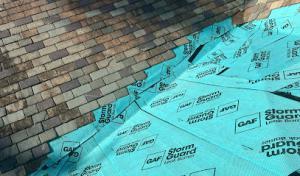
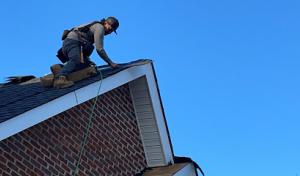
In this city, full roof replacements generally require a permit. The process is streamlined through either an online portal or the city permitting office, so you can choose the route that fits your schedule. Having the permit in hand before work starts helps prevent hold-ups when crews tear off and begin installing new material. It also establishes the official record for any future insurance or code compliance inquiries. When you submit, be prepared to provide project scope, material type, and notice of any structural work that accompanies the tear-off. A clear, accurate submittal speeds review and reduces the chance of a follow-up correction delaying your project.
Johnson City inspections are typically staged, with inspectors checking underlayment, fastening patterns, and ventilation before a final completion inspection. The staged approach means you should expect multiple touchpoints: an initial review after the roof deck and underlayment are installed, another check as the roof is being fastened, and a final walk-through once materials are in place and all systems are sealed. The emphasis on fastening patterns and ventilation reflects local climate needs-seasonal humidity and temperature swings can affect attic air flow and energy efficiency. Scheduling the intermediate inspections with your contractor and the inspector helps keep the project on track and reduces the risk of a retake.
Weather in this area can affect inspection timing, which matters when trying to move from tear-off to dry-in and final approval without delay. Spring hail and wind storms, plus humid summers and freeze-thaw cycles, mean inspections may shift around storm windows. Plan for potential rescheduling and coordinate with your roofer to avoid gaps where underlayment or ventilation sits exposed longer than necessary. Clear communication about expected inspection dates helps ensure that a dry-in is achieved promptly after the tear-off, so a rain event doesn't complicate or stall the process.
Keep a proactive line of communication with the contractor and the city inspector. Have all documentation ready: permit number, material specifications, and a sketch of attic ventilation details. Photograph or document the roof deck as it's installed to verify underlayment and deck integrity before the next stage. Ensure access to the attic and roof lines for inspections, and protect the interior from moisture during the process. If changes occur-material substitutions or scope adjustments-update the permit paperwork promptly to prevent mismatches at final inspection. A clean, well-documented project roadmap makes final approval smoother and minimizes the risk of weather-related delays derailing the schedule.
Because Johnson City sits in an East Tennessee hail and wind claim environment, homeowners benefit from keeping dated roof photos before storms and immediately after damage is found. A well-organized library of images shows the roof's condition across seasons, including shingles, flashing, vents, and skylights. When a hail event or strong gusts hit, those pre-storm photos can help prove the roof's previous state and support a fair assessment of what changed.
After damage is found, you should photograph the affected areas promptly and comprehensively. Take close-ups of hail impact marks, lifted shingles, dented metal, and damaged gutters, plus a wide shot of the entire roof line. Document the date, time, and weather conditions of each photo. Note any existing issues from prior inspections or repairs. This market places emphasis on evidence of prior condition, repair history, and completion records after replacement, so keep a clean timeline from the first notice of damage through any temporary repairs.
Local claim handling often turns on documentation quality. Gather records of any prior maintenance, contractor notes, and invoices for previous roof work. If a partial repair was done, keep those receipts and any warranties. When a full or partial replacement is pursued, insurers may request proof that wind- and hail-related damage has been addressed, including inspection reports and maintenance logs. Present a clear narrative that ties the observed damage to the event and to any recommended repairs.
Post-installation inspections or supporting paperwork may be requested by insurers in this market to maintain or confirm wind and hail-related coverage terms. After a replacement, expect documentation such as warranty papers, contractor certifications, and proof of completed scope of work. Keeping these records organized and accessible can prevent coverage gaps and speed up the claim review process.
Heavy spring rain in Johnson City tends to reveal active leak paths quickly, which is one reason emergency response is so prominent among local roofing companies. A roof that looks dry after a shower can still have compromised seams, missing flashing, or aged underlayment that lets a drop fall where it hurts most. In practical terms, that means you should treat any noticeable drip during a spring downpour as a signal to pause, document the date and location, and arrange a quick inspection. Quick action matters because water follows the path of least resistance and can punch through ceiling drywall before you notice.
Fall leaf debris is a recurring Johnson City maintenance issue that can trap moisture in valleys and around drainage paths, accelerating wear and leak risk. Leaves clog gutters and soak into shingle edges, then freeze-thaw cycles drive moisture under edge caps. If you see pooled water at a valley, or damp spots just after a windy day, don't assume it's cosmetic. Regular cleaning before heavy leaf fall helps, but when debris is present, add temporary protection during storms. A clogged system invites rot, molds, and costly interior damage if ignored for a season.
Ventilation details receive explicit inspection attention in Johnson City roof replacements, making attic airflow and moisture control a practical concern rather than just a theoretical upgrade. Poor attic venting can trap humidity in a humid Appalachian summer, inviting mold and warped decking. During replacement, confirm a balanced setup with soffit and ridge vents, plus baffles to keep insulation effective. If you notice stuffy bursts of heat in the attic or musty odors after rain, address ventilation early. Proper breathing space for the roof system slows aging and reduces the chance of hidden leaks lurking behind shingles. This is not optional for long-term durability in this climate.
Find contractors experienced in skylight installation, flashing, and leak repairs to bring natural light into your home.
Redemption Roofing & Construction
(423) 740-5004 www.redemptioncrs.com
1114 Sunset Dr #1, Johnson City, Tennessee
5.0 from 185 reviews
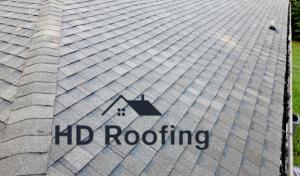
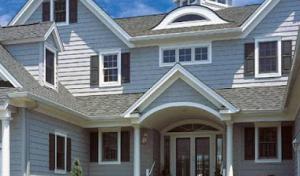
In this Appalachian valley setting, flat and low-slope sections exist primarily in older ranch-style homes and some mid-century renovations. Although steep-slope residential roofing dominates, there is still an active local specialty market for flat and low-slope systems. You'll find installers who understand the nuance of complex roof lines, parapets, and transitions where drainage matters more than in a purely flat scenario. For a Johnson City property with mixed roof geometry, a thoughtful low-slope choice can pair well with a traditional shingle roof while delivering durable rain performance during the region's heavy spring and early summer downpours.
Your area's heavy rain periods make drainage performance critical on low-slope sections. Prioritize systems that emphasize positive drainage toward gutters and downspouts, with attention to fascia and edge details to prevent standing water at seams. In practice, that means selecting membranes or built-up options that feature robust seam detailing, redundant field seams, and root-penetration resistance where landscaping abuts the roof line. In a place where leaf litter after the fall is common, consider integrated gutter and downspout designs that keep debris out of critical drainage paths. Insist on a thorough roof-penetration plan around penetrations, flashings, curbs, and any skylights to avoid slow leaks that can mimic more serious failures after storms.
There is a smaller but real local specialty presence for coatings and restoration work, indicating some owners are evaluating extension strategies instead of full replacement. If your low-slope is nearing the end of its service life, coating or resurfacing can buy time-especially if the substrate is sound and drainage is well-managed. In this market, you'll encounter systems designed to reflect UV and resist ponding while maintaining flexibility through freeze-thaw cycles. For modest extensions, vector your plan toward upgrading sealants, reinforcing fabric, and UV-stable topcoats to preserve membrane integrity, rather than replacing large sections of the roof all at once.
Find specialists in TPO, EPDM, and built-up flat roofing systems for residential and commercial properties.
Tri-Cities Roofing
(423) 268-4240 www.tri-cities-roofing.com
1020 Sunrise Valley Dr, Johnson City, Tennessee
4.8 from 69 reviews
Wyatt's Roofing & construction
(423) 440-1070 www.wyattsroofingandconstruction.com
105 Mockingbird Hill Rd, Johnson City, Tennessee
4.7 from 28 reviews