Last updated: Apr 19, 2026
Spring hail and summer thunderstorms roll through this part of East Tennessee with enough force to expose vulnerabilities in aging, historic-style roofs. A sudden hail hit can leave pockmarks, loosen shingles, or bend flashing along valleys and chimneys. After a wind event, you might notice lifted edges, granule loss, or curling shingles that weren't there a day earlier. In winter, what looked like a minor crack around a vent or flashing can become a slow leak once the next freeze-thaw cycle hits. If you see any irregularity in the roof line after a storm, treat it as urgent-small openings become large problems fast when the weather turns.
Jonesborough sits in a climate where spring hail, summer thunderstorms, and autumn wind events regularly drive urgent repair demand. Old houses with steep, heritage-style roofs present a particular challenge: flashing around chimneys, skylights, and vent stacks can fail earlier than shingles, and historic profiles often hide damage that isn't obvious from ground level. After a big storm, perform a careful top-to-bottom check: look for lifted edges, missing granules, raised fasteners, or discoloration along the ridge cap. Don't forget to inspect metal flashings and step-flashing around walls where water first tries to enter. The rough combination of humid heat and sudden cool snaps can turn a small dent or nick into a concealed leak before next storm season.
The local insurance environment is active because East Tennessee carriers closely review roof condition after wind and hail events, especially on older roofs common around Jonesborough's historic housing stock. Before you start any temporary fix, document the damage thoroughly: take high-resolution photos from multiple angles, note the date of the storm, and record any interior signs of water intrusion such as staining on ceilings or attic condensation. Keep a simple record of what you found and when you found it, focusing on areas where flashing and shingles show damage. When you file or speak with your adjuster, present the photo timeline and a clear map of affected areas. If the roof is a historic-style design, point out features that may be impacted by wind-driven rain or hail, and emphasize how the damage compromises original materials or the roof's protective stack under lingering humid conditions. Timely, organized documentation accelerates the claim review and helps ensure the right repairs are approved.
Freeze-thaw in winter can turn small storm-created openings around flashing and fasteners into interior leaks before the next storm season. Water that seeps through even tiny gaps expands as it freezes, then contracts-but the damage is already done, often showing up as hidden moisture behind ceilings or walls well after a storm has passed. If a leak is suspected, don't wait on a dry spell to inspect; inspect attic spaces for damp insulation, staining, or unusual frost patterns on metal flashing. Addressing these vulnerabilities promptly minimizes the chance of a larger, more expensive failure during the next freeze cycle. Quick, targeted action now helps preserve the historic roofline and the home's interior integrity through another East Tennessee season.
In Jonesborough, the identity as Tennessee's oldest town means many homes near the historic core feature steep, visible roof planes where material appearance matters more than in newer subdivisions. Those roofs often tell the story of architectural periods-from sturdy timber-and-mortar vibes to more ornate shapes that cap tall, narrow silhouettes. The texture, color, and edge detail of materials can be as much a part of curb appeal as the walls themselves. When planning a replacement or repair, the goal is to preserve the roof's character while counting on modern performance to withstand East Tennessee storms. That balance matters not just for weather resilience but for maintaining harmony with neighboring historic structures that define the district's streetscape.
The market supports not only asphalt and metal but also slate, wood shakes, clay tile, and concrete tile, which is unusual for a small Appalachian town and reflects older architecture and high-visibility rooflines. For steep historic styles, color and texture often outweigh the cheapest option. Slate delivers unmatched longevity and a classic look, but its weight and cost require structural confirmation and careful roof detailing. Wood shakes and shingles offer a warm, textured appearance that pairs well with timber-framed or colonial-era cues, yet they demand diligent maintenance to resist moisture and humidity. Clay and concrete tiles provide a Mediterranean or mission-inspired profile that can complement certain historic renovations, especially where the roofline is expansive and highly visible. Asphalt shingles and metal remain practical workhorses, yet even these are worth selecting with a respect for the roof's pitch, scale, and neighboring architecture. The right choice often blends modern performance with the visual language of the home's era, ensuring resilience against hail and heavy rains while preserving the roof's contribution to the home's historic character.
Jonesborough's exposure to spring hail and summer storms means aging and historic-style roofs require careful planning for damage events. When a storm hits, catalog the damage promptly with clear detail: note impact marks, missing shingles, dented metal, or displaced tiles, and photograph the surrounding roof geometry from multiple angles. For steep roofs, use a sturdy ladder setup and, if needed, a professional roof aide to capture high areas safely. Document any pre-existing issues, such as loose flashing or worn underlayment, so the record reflects both new storm effects and legacy vulnerabilities. Insurance documentation should include a thorough repair history, material type, roof age, and a maintenance log that demonstrates routine care. If a claim is considered, present a detailed scope of work that respects the roof's visible profile and historic details, ensuring the proposed repairs preserve the home's distinctive silhouette. In many historic contexts, insurers appreciate a plan that maintains architectural cues-edge detailing, cornices, and the rhythm of dormer lines-while upgrading performance against wind uplift and water intrusion. Keep contractors' assessments clear and dated, and store copies of all correspondences for quick reference during the claim process.
With steep, visible rooflines, routine inspection becomes a practical responsibility rather than a cosmetic suggestion. Twice-yearly checks after winter and before the peak storm season help catch small issues before they escalate into leaks or wind-driven damage. When evaluating replacements, prioritize compatibility with older homes: flashing transition details, ridge and hip cap finishes, and the way the new material meets parapets and chimneys. If opting for textures like slate or shakes, ensure the structural framing can bear the weight, and consider professional retrofits to protect delicate edges from moisture and hail impact. For metal or synthetic alternatives, the emphasis should be on material profile and finish stability in bright sun and variable humidity, preserving the roof's visible lines without sacrificing performance. In all cases, plan for careful integration with existing gutters, leaders, and attic ventilation so that the finished roof remains a durable, aesthetically faithful anchor of the historic streetscape.
For asphalt shingles, the typical range is about 400 to 800 USD per square. Metal roofing sits higher, generally 700 to 1600 USD per square. In this area, premium historic-compatible materials like slate and tile run much higher, with substantial bumps above those base numbers. If the house is older or has complex geometry, those base figures can drift upward quickly, even before any storm-related factors enter the picture. When budgeting, use the lower end for a straightforward, clean install and expect the higher end if the job involves extra attention to detail for the historic look, tighter rooflines, or steeper pitches common on Tennessee's oldest homes.
Older homes in town routinely require careful tear-off and decking repairs, which can add to the project once the existing layers are exposed. Flashing around chimneys, valleys, and dormers needs meticulous work to prevent leaks, especially where historic masonry and newer materials meet. Material choices to maintain a period-appropriate appearance can also push costs up: for example, clay or concrete tile and slate not only come with higher material costs but can require a heavier structure or additional underlayment and fasteners. A roofer with experience in historic preservation will also factor in extra detailing to preserve character without compromising performance. In sum, the same nominal square could end up closer to the middle-to-upper end of ranges once tear-off, decking repair, and flashing work are included, particularly on aging homes with steep or intricate rooflines.
Storm-driven scheduling surges in Northeast Tennessee can tighten labor availability after hail and wind events, affecting timing and pricing more than in calmer markets. When a hail event hits, crews flock to town, and you may face shorter windows for inspections and installations. That urgency can raise contractor bids and possibly extend lead times if crews fall behind. If a project is planned in the aftermath of a severe storm, expect potential price sensitivity to demand and a tighter schedule, not just material costs. Having a prepared plan and clear decision windows helps reduce delays and may keep costs down compared to rushing last-minute decisions after weather windows shift.
Start with the baseline ranges for your chosen material and add a contingency for tear-off, decking, and flashing work if the home is older or has complex features. For historic-style roofs, budget generously for premium materials that maintain the look, recognizing that slate and tile can push the total well above asphalt or metal equivalents. When a storm is forecast or has recently occurred, request a written schedule and a phased work plan to secure timing and avoid price spikes from last-minute demand. Keep documentation ready for insurance discussions, especially if wind or hail damage affects shingles, flashing, or attic decking. Having a clear, documented scope helps keep the project on track and supports decisions that preserve the historic roofline while delivering durable protection.
Tri-Cities Roofing
(423) 268-4240 www.tri-cities-roofing.com
Serving
4.8 from 69 reviews
At Tri-Cities Roofing, we make it our ultimate goal to ensure that your roofing experience goes as seamless as possible. We understand that a business is ultimately measured by customer satisfaction, and we strive to be the best. We are set apart from our competitors by our close owner oversight, persistent communication, and insurance negotiation ensuring you're taken care of every step of the way. From inspections to full exterior remodels Tri-Cities has got you covered. We service the Tri-Cities, NE Tennessee, SW Virginia, and surrounding areas. Some of our focal points are as follows: Johnson City TN residential and flat roofing, seamless gutters, soffit and fascia, siding, and much more. Tri-Cities Roofing: Where Quality Comes First!
Storm Guard Roofing & Construction Of The Smokies
(423) 393-6000 www.stormguardrc.com
Serving
4.7 from 67 reviews
Storm Guard specializes in exterior restoration for roofing, siding, windows and gutters.
David calderon roofing
Serving
5.0 from 22 reviews
Small local roofing business starting out servicing the tricities and surrounding areas give me a call my name is David Calderon and give us chance to earn your business free estimates very professional and knowledgeable able to answer any questions you have

Redemption Roofing & Construction
(423) 740-5004 www.redemptioncrs.com
Serving
5.0 from 185 reviews
Redemption Roofing and Construction in Johnson City, TN provides expert roof replacements and full-service roofing solutions for homeowners and businesses. Our team handles tear-offs, re-roofs, and new installations using durable materials built to withstand Northeast Tennessee’s heavy rain, high winds, and seasonal storms. We also address common local challenges like aging shingles, leaks, and storm damage to keep properties safe and looking their best. Known for reliable service and attention to detail, we take pride in serving our community with professionalism and care. Redemption Roofing and Construction is licensed, insured, and trusted by Johnson City residents as experienced roofing contractors.

YES Roofing & Exteriors
(423) 820-3216 www.yesroofingandexteriors.com
Serving
4.8 from 481 reviews
YES Roofing & Exteriors is a GAF Master Elite roofing contractor providing roof replacements, roof repairs, siding installation, seamless gutters, decks, windows, doors, and storm damage restoration throughout Tennessee, Virginia, and North Carolina. Since 1994, our licensed and insured team has delivered dependable service, premium materials, 50-year warranty options, and top-rated customer care. We offer free inspections, honest estimates, financing options, and expert workmanship backed by hundreds of 5-star reviews. Call YES Roofing & Exteriors for trusted roofing and exterior solutions for your home or business.

(800) 683-7480 acs-roofing.com
Serving
4.4 from 15 reviews
ACS Commercial Roofing solves your commercial roof repair and replacement needs. We design a commercial roofing solutions that fits our client's business needs.
Rolando Roofing
(423) 429-4023 rolandoroofingllc.com
Serving
5.0 from 21 reviews
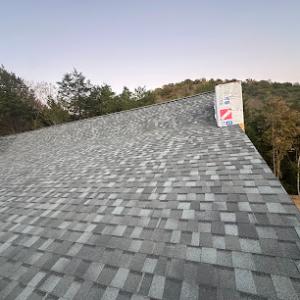
We are a roofing company with over 9 years of experience serving Johnson City, Tennessee, and the surrounding area. Our services include roof installation, roof repair and maintenance, fascia and soffit repair, and exterior siding. We offer 24/7 emergency service. If you are interested in any of our services, please contact us.
Saldana Roofing
Serving
4.9 from 49 reviews
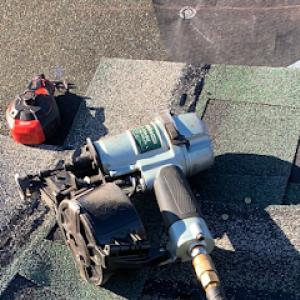
At Saldana roofing we focus on customer satisfaction and quality service.
Pisgah Roofing & Restoration Tri-Cities TN
(423) 872-2212 pisgahroofingandrestoration.com
Serving
4.7 from 138 reviews
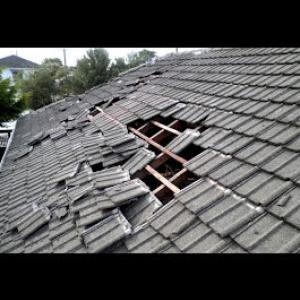
The Tri-Cities region is a great place to live, but with the extreme temperature swings, property owners know the importance of expert roofing services. Established in 2016, Pisgah Roofing is one of the top roofing companies in Tennessee’s Tri-Cities of Kingsport, Johnson City, and Bristol. We can help with any roofing project in Johnson City, TN. Our team is happy to assist with roof inspections and maintenance, roof repairs, replacements, installations, storm damage, and more. We can also assist with commercial properties in Johnson City and surrounding areas! Contact us today to get a free quote!
Mighty Dog Roofing of Johnson City
(423) 300-6042 www.mightydogroofing.com
Serving
4.8 from 23 reviews
Mighty Dog Roofing specializes in Roofing, Storm Damage Repair, Siding and Windows. A locally owned and operated company is your choice for servicing Johnson City. Mighty Dog Roofing is the most trusted name in the roofing industry, offering state-of-the-art 25 point inspections using our GoLive and Drone Superscan technology. This technology, matched with the highest quality products and superior workmanship, allows you to have peace of mind on the most important investment you have - your home. Do you keep your roof “top of mind”? Our Mighty Watchdog Maintenance Program keeps an eye out for any issues today to avoid big repairs or replacements tomorrow.
A Morales Roofing
(423) 946-4022 www.amoralesroofing.com
Serving
4.6 from 13 reviews
Established in 2002, A Morales Roofing is a Johnson City-based roofing contractor trusted by homeowners and businesses for over two decades. Our services encompass various roofing needs, including new installation, complete re-roofs, and all types of roofing repairs for residential properties. From traditional shingles to modern metal roofing, A Morales Roofing offers a comprehensive solution for all your roofing requirements.
Whittington Construction Company
(423) 791-0384 www.whittingtonconstruction.com
Serving
4.8 from 18 reviews
For over six decades, Whittington Construction Company has been Johnson City's trusted source for comprehensive construction solutions. As a fully licensed general contractor, our skilled professionals specialize in residential home building, remodeling, and roof replacements, providing exceptional results at affordable prices. With an unwavering commitment to excellence, we maintain our status as an Owens Corning Preferred Contractor, ensuring our customers receive the highest quality products and workmanship. Whether you dream of a brand-new home, a stunningly remodeled space, or a durable new roof for your existing home, Whittington Construction Company is the partner you've been searching for.
A full roof replacement in Jonesborough typically requires a building permit handled through Washington County, not just an informal contractor start date. To avoid delays, verify early that the contractor plans to obtain the permit in your name or on behalf of the project, and confirm the permit number before work begins. The county's office can advise on whether any additional approvals are needed for historic-style roofs or steep pitches.
The usual local process follows a clear sequence: permit filing by the contractor, a rough-in inspection after tear-off or during installation, and a final inspection after completion. The rough-in inspection checks that the roof deck is sound, flashing details are in place, and any venting or underlayment meets code. The final inspection confirms compliance with overall installation, ventilation, and moisture control.
County review may focus on venting, underlayment compliance, and proper disposal documentation. Venting should align with attic space needs, especially in older, steeper homes where attic ramps and soffit ventilation influence moisture management. Underlayment must be installed correctly under the chosen roofing type, with attention to wind-driven rain in storm season. Disposal documentation should show that old materials are handled responsibly, with appropriate recycling or landfill records where applicable.
Processing times can slow during busy seasonal replacement periods, so plan for a few extra days in the permit workflow. If weather or supply delays compress the schedule, check with the county about potential inspections windows and any temporary access requirements. Communicate clearly with the contractor about inspection readiness, especially near the rough-in and final inspection milestones.
Prepare to provide project details, including roof area, materials chosen, and installation plan. Keep a folder of all permit-related receipts, inspection notices, and any correspondence with the county. When applicable, have proof of contractor licensing, insurance coverage, and any required historical preservation considerations ready for review at submission or inspection time.
Jonesborough homeowners are in a regular wind-and-hail claim environment where adjusters commonly ask for date-stamped photos, contractor estimates, and damage logs. That means your preparation matters as much as the repair itself. When a storm blows through, a quick but careful record-photos from multiple angles, dated notes on where and how damage occurred, and a simple log of any temporary measures-can reduce disputes later. Expect that carriers will want to see continuity: not just a single image from the initial day, but a pattern of how damage appeared and evolved as the roof aged. If the roof is steep or historic in style, the burden for proving deterioration vs. new impact often shifts toward documenting every event and response.
In this climate, the quality of documentation can determine whether a claim moves forward smoothly or stalls. Create a dated folder that includes weather reports for the claim window, contractor written assessments, and copies of all correspondence with the insurer. Historic or aging materials frequently draw closer scrutiny, so plan to show that replacement materials or warranties meet current expectations. Preserve all receipts and scope descriptions from the contractor, and attach a concise narrative that links observed damage to specific storms. A well-organized package not only speeds the process but also helps prevent later misunderstandings about what was or wasn't damaged by a particular event.
Because storm events are common in Northeast Tennessee, documentation quality and prompt inspection matter more here than in markets with fewer claims. If an inquiry arises, arrange a timely inspection by a contractor who understands both the local weather exposure and the nuances of aging or historic roofing. Inspections should focus on wind-driven uplift, hail bruising, and any moisture intrusion behind suspected failed flashings. Delays can complicate coverage, especially on older or historic-style roofs where the line between wear and storm damage gets blurred. A proactive approach-getting a professional assessment within days of a storm-helps maintain a clear, defensible record.
Older roofs may receive heavier scrutiny from carriers in this part of Tennessee, and some claims discussions turn on whether replacement materials or warranties meet current expectations. If your roof features historic detailing or steep pitch, ensure the materials proposed for replacement match the original appearance and performance as closely as possible, while still meeting modern standards. In many cases, insurers will want a professional statement that justifies a replacement strategy in terms of long-term durability and compatibility with the home's architectural character. Being prepared with a detailed justification reduces back-and-forth and strengthens the claim's footing.
After a storm, contact your insurer with the documented package, and keep a running log of any temporary weatherproofing you implement. Maintain open lines with both the adjuster and the roofing professional, and request written confirmations of every agreement reached. If a dispute arises, rely on the organized records to illustrate the scope, cause, and sequence of damage, along with the chosen repair path. A careful, methodical approach helps prevent costly delays and protects the home's most visible and historic features during the claim process.
Connect with contractors who help homeowners navigate the claims process from damage assessment to final approval.
Storm Guard Roofing & Construction Of The Smokies
(423) 393-6000 www.stormguardrc.com
Serving
4.7 from 67 reviews

Spring in this area brings milder daytime temperatures after the cold of winter, which helps crews work without the stress of scorching heat. Scheduling in spring allows asphalt shingles and metal roofs to lay in cooler air, reducing the risk of premature drying or warping. Use this window to address flashing vulnerabilities exposed by winter ice and wind. Plan with attention to potential spring storms, and have a clear sequence for soft-fallet, underlayment checks, and attic ventilation after the long winter months. The goal is to preempt leaks before summer humidity climbs.
Summer heat in Northeast Tennessee accelerates shingle aging and can expose ventilation weaknesses during replacement planning. If a hail event or wind damage happens, avoid delaying critical components like ridge vents, soffit intakes, and roof-to-wall transitions when temperatures exceed comfort levels. Choose early-morning or late-afternoon work blocks to minimize heat exposure, and coordinate material acclimation to avoid overheating. Steel or clay materials respond differently to heat; verify manufacturer recommendations for high-heat installations. In this season, inspections should focus on sealing exposed fasteners and ensuring sealants are still pliant in humidity.
Autumn winds and winter freeze-thaw cycles make delaying repairs risky once flashing or fastener vulnerabilities exist. This is the time to complete any outstanding leak-prone repairs so the roof enters winter with solid weatherproofing. Prioritize securing vulnerable joints, verifying snow guards where applicable, and confirming flashing continuity around chimneys and dormers. If gutters are full or downspouts are blocked, address them ahead of ice cycles to prevent ice dam development. A deliberate, methodical approach now reduces winter call-backs.
Winter work is often limited by shorter daylight hours and higher moisture risk, but a well-planned partial repair can be completed on a calm, dry day. Use this season for critical, small-scale fixes rather than large, multi-day reroofs. Focus on preventing leaks from known problem areas, particularly around flashing and penetrations, while avoiding extended exposure to freezing temperatures. The priority is to keep the roof watertight until spring inspection and replacement planning can resume.
Metal roofing stands out in the Jonesborough market as a strong signal of quality and practicality. In this area, unusually high local demand for metal reflects the repeated east-facing wind gusts and the long sightlines over rural and older East Tennessee homes. A metal roof often blends well with historic-style lines when the panels are chosen with a matte or lightly textured finish that echoes traditional materials. On steep, visible runs, metal's clean lines and uniform skin can enhance curb appeal while offering a reliable shield against seasonal hail. When you're weighing options, consider how the roof's profile will read from the street and whether the chosen panel profile complements the historic rhythm of your home.
Hail is a common concern in this region, and metal roofs respond differently than asphalt shingles to pummeling impacts. In Jonesborough, metal's impact resistance and uniform resistance to wind uplift are particularly valued on long roof runs where storm exposure is strongest. To maximize protection, pick metal with a durable coating system that resists chalking and color fading after hot, humid summers. A standing-seam or through-fastened design with correctly sealed fasteners helps prevent water intrusion at seams during heavy storms. For truly historic-feel structures, flatter profiles and hidden fasteners can preserve look while delivering robust protection against the next downpour.
When documenting hail and storm damage for insurance, metal roofs generate a distinctive, well-documented record of the system's resilience and any weather-related wear at seams, fasteners, and edge details. For aging and historic-style roofs, keep detailed photos of panel patterns, fastener types, and any color-made repairs. Insurance adjusters often recognize metal's predictable performance in hail-prone years, which can streamline claims. Finally, for visually authentic upgrades, coordinate color and profile choices with the home's historic character so the metal remains a considered part of the architecture rather than an afterthought.
Explore specialists in steel, aluminum, and standing seam metal roofs built to last 50 years or more.