
Last updated: Apr 19, 2026
Spring hail storms and severe thunderstorms wash through the foothills with little warning, leaving shingle bruising, granule loss, flashing damage, and hidden leaks. On aging asphalt roofs, a single season can turn minor bruising into active leaks in a heartbeat. After a storm, walk the edges of the roof from ground level and note any lifted shingles, missing granules, or warped flashing. If you see active leaks or daylight through the attic, get to a safe spot inside the home and arrange temporary tarping or cover to limit further water intrusion. Safety matters first: avoid climbing on a roof during ongoing storms or when surfaces are slick. Time is of the essence-address obvious damage quickly, then move on to thorough documentation.
Tennessee insurers handling hail and wind claims in this area expect detailed photo documentation. Start with clear, well-lit pictures of the entire roof from ground level using a wide shot, then zoom in on suspect areas: bruised shingles, hail impact marks, lifted tabs, exposed underlayment, loose flashing around chimneys and vents, and any interior signs of water intrusion. Take photos from multiple angles, and include close-ups of any granule loss visible in gutters or on the ground. Record dates of storms and note which days brought the most intense hail or wind. After repairs are completed, photograph repaired sections to show the extent of the work and to help demonstrate that the damage was addressed promptly. Store copies of all correspondence with the insurer, contractor estimates, and any weather reports that corroborate the storm events.
The typical local housing stock often features asphalt shingles on aging roofs, which are especially vulnerable to spring hail and fall wind events. Hail can bruise shingles without leaving obvious surface damage, while wind can peel tabs on aging asphalt roofs and expose underlayment sooner than expected. If your roof is beyond a decade old, approach claim discussions with the understanding that insurers look closely at pre-storm condition and preexisting wear patterns. For metal, synthetic, or tile roofs, the damage pattern may differ: fasteners can loosen, flashing can corrode, and flashing seals around skylights or chimneys can fail, creating leaks even when the surface looks intact. In any case, thorough inspection-preferably by a licensed professional-helps separate storm-caused damage from wear and tear.
Prepare to meet the adjuster with your best documentation: a roof-wide set of photos, close-ups, and a written summary of what you observed after the storm. Be ready to explain how the damage progressed from the storm event to the present condition, and share timelines of any interior water intrusion. If an adjuster recommends a partial repair rather than a full replacement, request a professional evaluation to confirm whether hidden damage (underlayment, decking, or interior sheathing) exists and warrants broader replacement. Keep notes of every conversation, including names, dates, and what was discussed. If you encounter resistance or disagreements about coverage, enlist a local roofing contractor to provide an independent assessment that can support your claim substantiation. Time-sensitive action and precise documentation are your strongest tools to navigate the claims process effectively.
The hot, humid summers near the foothills push asphalt shingles to bake and degrade faster than in cooler regions. UV exposure from long sunny spells accelerates granule loss, making the roof more vulnerable to granule erosion, granule loss, and premature fading. In practice, this means shingles may start to curl or lose their protective coating earlier, especially on southern and western exposures where sun hits hardest. The result is a roof that reaches its practical life expectancy sooner and demands more vigilant maintenance intervals than you might expect in milder climates.
Winters in this area are typically milder than northern locales, but freeze-thaw cycles still show up in the colder years. Those cycles stress flashing details, vent penetrations, and any roof area where water has pooled or dammed near edges. The repeated freeze-thaw action can create micro-cracks in sealants and joints, which over time invites slow leaks or moisture intrusion behind the shingles. In short, that dependable Morristown rain can become a partner in crime when temperatures swing, underscoring the value of robust flashing and quality sealants that stand up to winter wakes.
Storm activity, including fast-moving thunderstorms and hail events common in this region, means roofs endure repeated impacts and wind-driven debris. Even if a storm doesn't produce obvious damage, repeated hail exposure can dull shingle granules and prematurely age the surface. Add the strong sun to the mix, and you have a climate that compounds wear quickly. A roof in Morristown often ages in more compact cycles, with shorter spans between needed inspections and proactive replacements. The practical takeaway is to align maintenance and replacement planning with weather windows-target dry, moderate spells to perform major roof work so you avoid hunting for crews in peak storm seasons.
You can mitigate some of the accelerated aging by prioritizing a thorough, staged inspection routine. After severe storms, perform a careful attic and exterior check for lift, curling, or missing granules, and don't overlook attic ventilation-adequate flow helps manage heat buildup that accelerates shingle wear. When inspecting exposed flashing, look for loose metal, corrosion, or lifted edges that can spell trouble at penetrations. If you plan a replacement, consider how sun exposure and wind patterns at your specific house affect chosen materials; some neighbors find metal options hold up better under the local sunshine, while other homes benefit from premium asphalt that resists granule loss longer.
Knowing that climate-driven aging is a constant in this area helps you schedule proactive upkeep rather than reacting after leaks appear. Establish a routine: annual roof checks with emphasis after heavy storms, quick fixes for minor issues, and a forward-looking plan that anticipates weather windows for major work. With the right timing and diligent care, a roof can weather Morristown's thunderstorm-prone climate more reliably, even as the sun keeps testing every shingle and seam.
In Morristown, asphalt shingles remain the practical default because they fit the mainstream residential stock here and work with a lower upfront budget. When a hot, humid summer gives way to thunderstorm season, you'll notice that asphalt can tolerate the typical wear and tear of local weather cycles fairly predictably. The trade-off is exposure to hail bruising and wind loss during storm spikes, which means you should look for high-quality, wind-rated bundles and a good underlayment and sealing approach. If you're balancing a repair or a reroof, this material gives you a straightforward path to restore performance without getting bogged down in specialty labor.
Metal roofing is especially relevant for this climate because it handles repeated rain events and sheds water quickly, making it attractive for homeowners prioritizing storm resilience and longevity. In areas with fast-moving storms, metal panels resist impact damage well when properly installed, and the material's lighter weight can be gentler on existing roof decks compared with heavier tile options. Look for systems with concealed fasteners or corrosion-resistant coatings, and ensure the roof deck is solid enough to support the chosen profile. If you expect frequent hail or strong wind gusts, metal can offer fewer opportunities for ongoing maintenance after a storm, provided installation quality is solid.
Clay tile, concrete tile, wood shakes, and synthetic/composite products appear in smaller numbers locally, but their weight, installation complexity, and repair logistics matter more in a market where asphalt and metal crews are more common. Clay and concrete tiles bring long life and distinctive aesthetics, yet they require a robust structural assessment and careful handling during installation and repairs. Wood shakes offer a traditional look but can be more susceptible to weathering in a humid climate and may demand more maintenance or protective treatments. Synthetic or composite shingles provide a middle ground-lighter than ceramic tiles, with feasible installation, yet you'll still want to verify UV stability and wind performance for storm seasons. When choosing beyond asphalt or metal, weigh the labor availability in your area and consider how easy it will be to source qualified installers who can address local sequence of storms and insurance documentation expectations.
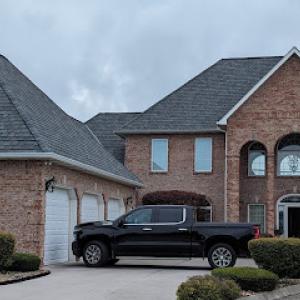
TF Building Solutions
(423) 438-9516 tfbuildingsolutions.com
1841 E Andrew Johnson Hwy, Morristown, Tennessee
4.8 from 42 reviews
TF Building Solutions delivers expert contracting services to homeowners and businesses in Morristown, TN, and the surrounding areas. With over 20 years of experience, we specialize in residential and commercial roof replacements as well as bathroom and kitchen remodels. Every project we take on is completed with precision and backed by warranties to give you peace of mind. Our company is built on the values of honesty, integrity, and humility, which guide everything we do. We’re proud to be active within the community, building long-lasting relationships with our clients and supporting local initiatives. This commitment to service ensures that we don’t just complete jobs—we create trusted partnerships that last.
Miasanmia Improvement
301 Beech St, Morristown, Tennessee
4.5 from 41 reviews
Since our founding, we’ve worked with numerous clients throughout the area. Great service begins and ends with experienced and friendly professionals, which is why we put so much consideration into selecting only the best to join our team. We complete projects efficiently and on schedule, and go above and beyond to form lasting relationships with our clients.
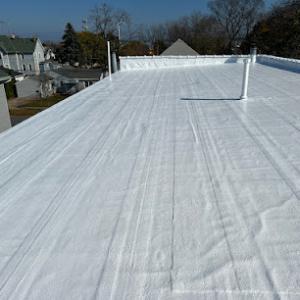
Tennessee Rocky Top Roofing Service
3812 Clyde Thomas Rd, Morristown, Tennessee
5.0 from 3 reviews
Welcome to Tennessee Rocky Top Roofing Service, Morristown T.N. #1 Commercial Roofing Professionals. No matter what time of the day or night it is, if your roof is leaking, CALL US! We will do everything we can to fix your roof in the shortest possible time. We specialize in all types of flat and low-slope roofing systems, including all. Conklin systems
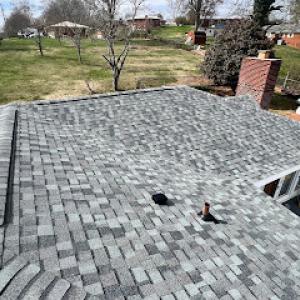
Elite Roofing & Exteriors
Morristown, Tennessee
3.7 from 6 reviews
We are a full service exterior remodel company serving all of East Tennessee
Alpha Omega Construction Group
(865) 224-5360 alpha-omegainc.com
Serving
5.0 from 9 reviews
Alpha Omega Construction Group, Inc. provides homeowners, businesses, and home builders with the quality work and craftsmanship that they deserve. Our professionals have been the most reliable choice and serve our community with industry-leading roofing, solar, siding and gutter solutions. We are a GAF Master Elite, licensed, bonded, and fully-insured residential and commercial general contracting company. We are family-owned and operated, and serve to protect.
Atech Roofing & seamless gutters
Serving
4.1 from 37 reviews
My name is Tammy Branch and me an my dad run a family owned and operated business we do 5 an 6 inch seamless gutter we work with your insurance company and help with any kind of Storm damage all of our guys are family because you're home is our number 1 priority we expect our guys to be professional courteous and explain everything we do with the homeowner we do not hire people off the streets because in this time and day you cannot trust people and your home is your investment and we take that very serious we like for our customers to be very comfortable with us we like to talk to them throughout the process of whatever they're having done where it be a roof or gutter or anything else we like to include our homeowners
Typical Morristown pricing runs about 350 to 650 USD per square for asphalt shingles. This material suits the local mix of steep and more modest pitches common on older homes and newer rebuilds after a storm. When hail is in the forecast or storms roll through, you may see bids drift toward the higher end as crews bring in more labor for tear-off and waste disposal. If your roof has a simple design with standard framing, asphalt remains the most economical path, but plan for emergency crew itineraries if a severe weather window clumps in town.
Metal roofing in the area typically lands between 600 and 1200 USD per square. The durability and wind resistance pay off in a climate that features severe thunderstorms and quick squalls, but installation can stretch with complex rooflines or mixed pitches. In neighborhoods with numerous dormers or multiple levels, expect longer staging and slightly higher overall costs. Storm-driven demand spikes after big events can tighten contractor calendars, so early scheduling matters if a hail-heavy season is on the horizon.
Clay tile ranges from 900 to 1600 USD per square. This reflects Morristown's steeper, sun-facing roofs and the occasional tile fragility in freeze-thaw cycles. The weight of tile plus required underlayment and potential replacement of damaged substrate can push bids higher after a storm. Homes with irregular roof geometry or multiple ridges may see additional costs for custom fittings and wind-rated installations, especially when crews must work carefully around existing chimneys or skylights.
Concrete tile typically runs from 800 to 1500 USD per square. In the foothills, sun exposure and seasonal temperature shifts influence common wear, so concrete can be a robust option. Expect higher quotes for homes with high-profile ridges, peaked hips, or transitions into gutters and vents that complicate tear-off and reassembly. Hail exposure can drive up material needs and labor time during a post-storm window.
Wood shingles or shakes usually fall between 600 and 1100 USD per square. The natural look is popular in older Morristown neighborhoods, but wood performs differently under hail and freeze-thaw cycles. If a storm damages the roof, anticipate longer install times and potential maintenance cycles to preserve the wood's integrity, which can nudge pricing upward.
Synthetic or composite shingles range from 800 to 1400 USD per square. This option blends durability with design flexibility, particularly on homes with varied roof lines. After severe weather, adjustments occur as crews balance rapid installation with quality control on higher-slope areas. Complex roof designs or large families of skylights can push the project toward the upper end of the range.
In Morristown, a full reroof typically requires a building permit rather than informal maintenance. The process aligns with the city's emphasis on storm resilience and proper venting, especially after severe thunderstorms and hail exposure. The roofing contractor usually pulls the permit and coordinates inspections with the city on your behalf. This arrangement helps keep the project moving through the permitting office smoothly, as inspectors are familiar with common local roof assemblies and the specific requirements for ventilation and flashing in this climate.
Expect inspections at key milestones to verify that the work aligns with the approved plan and code expectations. The first checkpoint generally occurs after tear-off and rough installation, when crews verify decking condition, underlayment, and nailing patterns. A mid-project inspection may be requested to confirm ventilation details, attic insulation, and venting adequacy, especially for homes facing hot, humid summers and freeze-thaw cycles. The final inspection focuses on full compliance with roofing, venting, and flashing requirements, ensuring the roof system is weather-tight and properly integrated with soffits, chimneys, dormers, and connections to existing walls.
Your contractor should keep the city's permit file up to date with any changes to the planned roofing system, such as switching to a different underlayment or venting approach due to attic space constraints or existing ventilation gaps. Have ready any documentation that supports a storm-damage reroof, including manufacturer specs for the chosen materials, and any wind or impact resistance ratings that apply to this climate. Clear, organized records expedite inspections and reduce the chance of delays caused by missing or unclear information.
Inspectors focus on compliance with roofing, venting, and flashing requirements, as well as the interaction of the new system with existing structures. They check that vent paths remain open, eave protection is installed correctly, and flashing at ridges, valleys, chimneys, and sidewall intersections is sealed and properly integrated. In storm-prone conditions where insurance claims may drive reroof activity, inspectors will look for workmanship that reduces future leak risk and avoids unsecured gaps that could suffer during severe thunderstorms.
After successful inspections, the city issues final approval, and the reroof can proceed to completion with any necessary cosmetic touches. If an issue is noted, address it promptly with the contractor, who coordinates corrections and re-inspection. In climate like this, a clean, code-compliant reroof improves long-term performance and helps preserve the home's envelope against ongoing weather events.
Although Morristown winters are generally mild, colder years can still produce freeze-thaw cycling that opens pathways for leaks around flashing and roof edges. When daytime sun briefly thaws surfaces and nighttime cold snaps drive freezing temperatures, tiny gaps can become channels for water to seep behind shingles or under edge trim. You'll notice that places with compromised flashing or worn sealant are especially vulnerable. If you've had storm damage earlier, those weak spots are prime places for a freeze-thaw cycle to push moisture deeper. A practical check after any thawed spell is to run a quick interior inspection near ceilings and upper walls for any damp spots or new stains that weren't there before.
Occasional ice dam conditions matter in Morristown more as an intermittent risk than a constant one, which means ventilation and attic heat control are still worth checking during reroofing. Ice can form where heat from the attic escapes and melts snow along the eaves, refreezing into a dam that backs water up under shingles. Prioritize balancing attic ventilation with insulation so that warm air doesn't accumulate and thaw regions near the soffit. A simple way to gauge this is to look for a consistent, slow melt pattern after a cold night, not a rapid, heavy runoff. If you notice icicle buildup that lingers, it's a sign to inspect intake vents and baffles.
Roofs already weakened by storm damage from earlier seasons are more vulnerable when winter moisture and refreezing hit the same problem areas. Damaged flashing, loose shingles, or dented edges can become entry points as moisture cycles through freeze-thaw. Before the deepest winter stretches, target those compromised zones with a thorough inspection: reseal any opened seams, secure loose edges, and clear debris from gutters so melting water doesn't pool at the base of the roof. In Morristown, the combination of storm wear and intermittent cold snaps means vigilance wins when the calendar hints at a hard freeze.
In Morristown, the most common failure pattern starts with storm-related shingle damage that is not obvious from the ground and later shows up as leaks or premature aging. Granule loss, hairline fractures, and loose tabs can escape quick visual checks after a thunderstorm, leaving you with hidden water intrusion that compounds with freeze-thaw cycles. The danger is real: a roof may look intact while flashing and valleys have suffered micro-damage that only shows up after a heavy rainfall or when attic condensation becomes noticeable. Keep an eye on attic signs like sudden warmth on hot days, damp insulation, or musty smells that point to concealed leaks.
Wind-lifted tabs and loosened ridge or flashing components are recurring issues after the area's severe thunderstorms and fall wind events. A fast-moving storm can peel back shingles at the edges or push against the vent pipe and chimney flashing, creating channels for water that mimic bigger problems than the visible damage suggests. If you notice lifted edges, gaps around vents, or squeaky ridges when you walk the deck after a windstorm, address them promptly. Delayed repairs tend to spread damage across larger sections of the roof, especially during the next round of gusts.
Because reroofs are inspected for venting and flashing compliance, poor detail work in those areas is especially important for homeowners to catch before final sign-off. Improperly sealed valleys, misaligned vents, or undersized drip edges can invite hidden leaks that persist long after the surface looks sound. Routine checks should include a careful look at ridge lines, exhaust fan penetrations, and error-prone transitions where roof meets wall. When those details fail, moisture finds its way into the attic and battens down the line to interior ceilings.
Morristown sits in a Tennessee insurance environment where periodic severe weather drives recurring roof claim activity. That means storm exposure is not a once-in-a-decade event but a recurring factor that inches its way into how you think about a roof purchase long after the old shingles are gone. Heat, humidity, and thunderstorm-driven hail can nudge claim activity in ways that affect how insurers view different roof systems. Understanding that context helps you align your roof replacement with expected claim realities rather than only focusing on upfront build details.
Roof age and material can affect premiums for Morristown homeowners, making replacement timing and product choice part of the insurance decision, not just the construction decision. If your roof is aging toward the point where damage from a strong storm is more likely to trigger a claim, you may want to consider options with stronger hail resistance or better wind performance. In practical terms, that may steer you toward materials with proven resilience in severe thunderstorms, while still balancing long-term maintenance expectations and local wind loads. The decision becomes a balance between upgrade quality, expected life, and how a future claim could influence your premium and eligibility for certain coverage.
For Morristown claims, homeowners should keep date-stamped storm photos, interior leak evidence, contractor findings, and adjuster communications organized from the first inspection onward. Start with clear photos taken the day of a storm, then add notes about any interior signs of water intrusion. When a contractor evaluates the roof, obtain a written assessment and keep it with the rest of the record. Track every adjuster visit and keep copies of all correspondence. This organized trail helps when conversations move from the initial inspection to settlement, and it reduces back-and-forth friction during storm season's inevitable claim activity.