
Last updated: Apr 19, 2026
Spring in this market brings the highest risk of hail and fierce thunderstorms that hammer shingles loose and drive water behind flashing. When wind gusts ride along with pelting rain, granules shed and edge units can lift, creating instant entry points for leaks. Your roof should be checked the moment the storms pass, not days later. Look for lifted shingles, dented metal flashings, and any white granule specks in gutters or yard debris. A rapid inspection after each major storm helps prevent small openings from becoming widespread damage as the season unfolds. If you notice suspect areas, address them promptly with a repair before a new round of weather arrives.
Hot, humid summers push moisture into vulnerable spots, and fall winds can re-aggravate existing damage, while winter freeze-thaw cycles irritate stubbornly open seams. A small, storm-created opening can worsen across seasons if left unchecked. Damaged flashing around chimneys, vents, or skylights, and loose or curling shingles, become higher-risk targets once heat and humidity push moisture into the roof deck. In Somerset, this means a repair today can save a much larger repair bill tomorrow. Prioritize sealing and shoring up any compromised area, then monitor for new signs of moisture intrusion after each major rain or wind event. The goal is to stop a transient leak from becoming a persistent one that soaks through insulation and accelerates rot.
Local contractor signals show an unusually strong emphasis on insurance claims and storm damage work, indicating that storm-related roof events are a primary homeowner concern. If a claim is filed after a spring event, respond quickly with documentation: photos of damage before and after, dates of weather events, and any interior signs of leakage. Insurance-ready documentation should be precise: note where shingles are missing, flashing is compromised, or soffit and fascia show water staining. Swift, clear records help settle claims faster and reduce back-and-forth delays. When a contractor arrives, expect a focused evaluation that prioritizes leak containment and proper flashing repairs to prevent recurrent losses through the rest of the year.
Begin with a same-day visual check after any storm: confirm shingles are seated, flashing is intact, and any protrusions are secure. If the roof shows signs of damage, take immediate steps to minimize interior exposure, such as temporary tarping over vulnerable sections, while arranging a professional assessment within 24 to 48 hours. Keep gutters and downspouts clear to avoid water backing up near the fascia. Maintain a running log of storm dates, observed damage, and repair steps taken. When communicating with your insurer, attach timestamped photos and a concise damage timeline to support the claim, and request a certified evaluation if the adjuster misses key details. In a neighborhood where storm events drive repairs, speed and documentation are your best protection against escalating losses.
Typical local pricing ranges run about $300-$600 per square for asphalt shingles. In a market where spring thunderstorms and year-round moisture drive repair demand, asphalt remains the everyday workhorse option due to price and availability. You'll see faster scheduling on quick-leak repairs and re-roofs when shingles are your choice. If you're weighing the timeline, expect shorter lead times for standard shingle installs compared to heavier, non-conventional systems.
Metal roofing typically lands in the $700-$1100 per square range. In this region, metal can weather moisture and temperature swings well, which makes it attractive for storm-heavy springs. Scheduling can tighten during periods of heavy storm activity, since metal jobs are often part of a backlog of storm-related work. If you're upgrading from shingles, metal may offer value over time through durability and reduced maintenance, but upfront costs skew higher.
Clay tile runs about $1000-$1800 per square. Heavier materials like clay can be appealing for long life, but they hinge on structural compatibility and local framing. In Somerset, during and after heavy spring storms, plan for potentially longer installation timelines as crews coordinate heavier shipments and ensure proper load considerations. Aesthetics and longevity are strong, but the price tag and install complexity reflect that.
Concrete tile is generally $900-$1500 per square. It shares some of clay tile's advantages in durability, yet its weight requirement can prompt extra verification during project scoping. Storm-driven demand can ripple into scheduling and pricing as contractors balance multiple re-roofing projects and emergencies. Concrete tile can be a solid middle-ground choice if you want a slate-like appearance with potentially lower material costs than natural slate.
Synthetic or composite shingles typically cost $450-$800 per square. This option often strikes a balance between cost, ease of installation, and moisture resistance. For Somerset's climate, synthetic shingles can provide reliable performance through freeze-thaw cycles and wet springs, with quicker turnaround than heavier materials. Expect competitive pricing when storm activity is moderate, and a tighter window for material supply during peak storm months.
Slate typically ranges from $1200-$2400 per square. Slate's premium status and natural performance shine in damp, variable weather, but installation is more specialized. In a storm-prone market, slate projects may find longer scheduling windows and higher labor variability due to crew availability and the need for precise handling. Consider slate if long-term durability and a distinctive look align with your home's value and your budget allows.
Costs can rise when heavier materials like clay, concrete, or slate that may trigger additional structural review or plan scrutiny during the local permit process for non-standard systems. In Somerset, storm-driven demand surges can affect scheduling and pricing because the local market shows strong concentration in re-roofing, storm work, and quick-response service.

Elite Rooftop Systems
(606) 416-5424 eliterooftopsystems.com
3471 S Hwy 27, Somerset, Kentucky
5.0 from 35 reviews
Elite Rooftop Systems stands as a premier roofing contractor, dedicated to serving the communities of Somerset, Lexington, and surrounding Kentucky areas. Specializing in both residential and commercial projects, they offer a wide range of services including roof replacements, repairs, and storm damage restoration. Their skilled team also provides expert assistance with insurance claims and utilizes modern solutions like silicone roof coatings and TPO flat roofs. With a commitment to exceptional craftsmanship, professionalism, and care, Elite Rooftop Systems ensures every project is handled with the highest level of quality, providing peace of mind and lasting results for their clients.
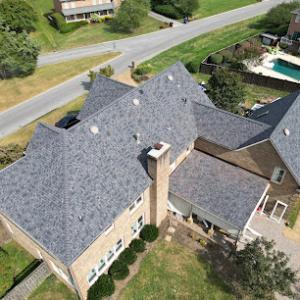
JM PRO Roofing
(606) 687-9008 sites.google.com
490 US-27, Somerset, Kentucky
4.7 from 91 reviews
We are your all in one roofing service center. We offer a variety of services including shingle installation, metal installation, repairs/additions, and many others etc. As a locally owned business, we take pride in our work and our craft. We treat every customer with the respect they deserve from start to finish. We also offer free inspection service by first come first serve basis, made by appointment. So give us a call today! We work with all insurances from little to mainstream.
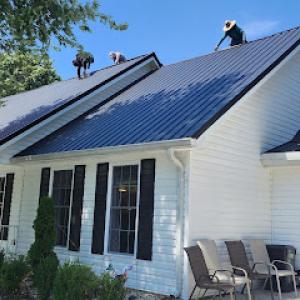
ProKing Roofing & Restoration
126 Southridge Dr, Somerset, Kentucky
5.0 from 19 reviews
ProKing Roofing and Restoration: Your trusted experts in Somerset, KY for comprehensive roofing solutions. We specialize in roof replacements, repairs, inspections, and storm damage restoration. Our skilled team handles shingle, metal, and TPO roofing for both residential and commercial properties. From gutter installations to siding repairs, we've got you covered. Serving Danville, Mt Vernon, and surrounding areas with top-notch craftsmanship. Whether it's a new construction project or insurance claim assistance, ProKing delivers quality results. Don't let leaks or storm damage compromise your property – choose ProKing for reliable, professional roofing services.
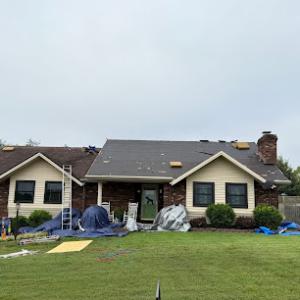
ProFinish Renovations & Roofing
(606) 875-4446 www.profinishrenovations.com
250 Whispering Oaks Dr, Somerset, Kentucky
5.0 from 12 reviews
ProFinish Renovations specializes in all phases of renovations and Roofing. With 20 years experience in the field, we take great pride in the craftsmanship we offer to customers. Whether it’s a complete remodel or handyman work you just can do any more we treat all jobs the same and customers satisfaction is always our priority!
SmartHome Roofing Somerset
(606) 214-0357 somersetroofs.com
25 MedPark Dr STE 3, Somerset, Kentucky
5.0 from 10 reviews
Having a roof over your head is essential, but having confidence in its durability and craftsmanship brings the peace of mind you need to truly enjoy your home for years to come. At SmartHome Roofing, we’re redefining the roofing industry by delivering top-quality materials, exceptional craftsmanship, and outstanding customer service—all while keeping our solutions affordable. Whether you need a new roof, restoration, insurance claim assistance, or an upgrade, we provide unmatched value and a priceless sense of security.
Big League Roofers
(606) 407-7663 bigleaguerooferssomerset.com
2216 KY-80, Somerset, Kentucky
4.8 from 16 reviews
Somerset’s premier roofing company, residential & commercial. Call 606-407-ROOF to schedule your next project.
Thoroughbred Roofing
(606) 802-6553 thoroughbred-roofing.com
434 Hidden Loop Dr, Somerset, Kentucky
4.6 from 20 reviews
Your roof is your first line of defense against the elements. It not only keeps your interior protected, but it also helps improve your home's value. If you need help with a roofing project, contact Thoroughbred Roofing. We're a trusted roofing company serving residential clients within 100 miles of Somerset, KY. From shingle and metal roof installations to rubber roofing and composites, we'll take care of all of your roofing needs.
Ark Covering & Restoration
(859) 312-8012 www.arkcoveringrestoration.com
Somerset, Kentucky
5.0 from 5 reviews
At Ark Covering & Restoration, we are a leading roofing company serving Central Kentucky, including Somerset, Lexington, Frankfort, Richmond, Danville, and Berea. Our services encompass roof replacements, storm damage restoration, and insurance claims assistance. We are dedicated to delivering high-quality workmanship and exceptional customer service. As a community-focused business, we treat every home as our own, supporting local initiatives and providing reliable, expert roofing solutions. Trust us to protect your home with our top-tier roofing services.
Triple T Roofers
(606) 271-8012 www.tttroofers.com
276 Parkers Mill Rd Suite B, Somerset, Kentucky
4.0 from 4 reviews
Welcome to Triple T Roofers, your trusted partner in roofing solutions in and around Somerset, Kentucky! At Triple T Roofers, we take immense pride in our commitment to delivering top-notch roofing services with a focus on quality, reliability, and customer satisfaction.
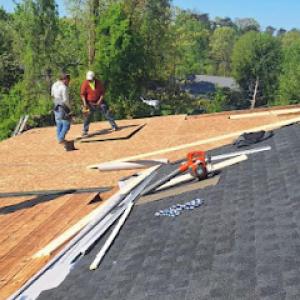
Thoroughbred Roofing & Home Design
(606) 729-0484 thoroughbredroofingky.com
Serving
4.8 from 102 reviews
At Thoroughbred Roofing & Home Design, based in Somerset, KY, we bring over 14 years of roofing excellence since 2010. Our team specializes in durable and reliable roofing Somerset solutions, including shingle and metal roofing, along with comprehensive services such as roof replacement, installation, repairs, maintenance, and inspections. As a GAF Certified Roofer and Owens Corning Certified contractor, we are committed to providing high-quality workmanship with materials from industry-leading manufacturers. Whether you’re searching for a roofing company in Somerset, KY, our team delivers reliable, durable solutions tailored to your needs. Contact us today for a free roof estimate and trusted roofing services!
Platinum Roofing & Renovation
(859) 333-3021 platinumroofing-renovation.com
Serving
4.7 from 18 reviews
Call Platinum Roofing for ALL your Roofing Needs!
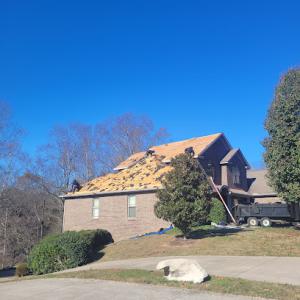
A Super Roofing Restoration
(606) 280-0752 asuperroofingrestoration.com
Serving
4.7 from 35 reviews
A Super Roofing Restoration is a trusted roofing company dedicated to providing exceptional craftsmanship and reliable service in Somerset, KY, and the surrounding areas. Specializing in a range of services, including expert roof repair and replacement, they also excel as skilled deck builders, enhancing outdoor spaces with durable and stylish designs. Their team ensures seamless gutter installation, protecting homes from water damage while improving overall functionality and curb appeal. Committed to quality and customer satisfaction, A Super Roofing Restoration delivers solutions that stand the test of time.
Asphalt shingles stay a practical fit for many Somerset homes because they're familiar, easier to install, and straightforward to repair after fast leaks. In this climate, their performance hinges on managing moisture and heat. Summer heat can accelerate aging, while humidity and heavy rainfall wash away protective layers faster than in drier regions. Repeated storm exposure, common during spring thundershowers, can lead to accelerated wear on exposed edges and in valleys. When you're considering asphalt, focus on higher-quality granules and proper attic ventilation to keep temperatures and moisture in check. Regular inspections after major storms help catch curling, missing tabs, or lifted edges before hidden leaks take hold.
Metal roofing is especially relevant in this market, where contractors frequently recommend it for homeowners seeking enhanced performance against ongoing rain, wind, and seasonal temperature swings. Metal panels are less susceptible to granular erosion and can shed water quickly, which is a real advantage after heavy downpours. In Somerset's storm-prone springs, metal's durability often translates to fewer accelerated wear cycles compared with aging asphalt. It's also advantageous for roofs with complex geometry or multiple penetrations, where a seamless or minimal-seam approach helps limit leakage paths. If choosing metal, pay attention to coating quality and edge detailing, because paint or finish wear under year-round moisture can affect appearance and long-term protection.
Tile options, including clay and concrete, along with synthetic and slate alternatives, are available locally and can deliver strong long-term performance when properly designed for the climate. However, Somerset homeowners must weigh freeze-thaw durability, since cycles around freezing can cause cracks in non-porous tiles if microcracks are present. Roof structure capacity matters too: heavier materials demand stronger framing and, in some cases, additional structural support to avoid sagging or compromised insulation. Non-standard materials may also complicate the permit review process, which can add timelines and require professional assessments. If a tile or slate choice is appealing, pair it with a thorough roof deck inspection, ensure underlayment and ventilation are optimized for moisture, and confirm the existing structure can handle the weight without sacrificing insulation performance.
Synthetic or composite shingles provide a middle ground between cost and longevity, with a design that can mimic natural products while offering improved impact resistance and moisture tolerance. In Somerset's climate, these options can resist the cycle of heat, humidity, and heavy rain more consistently than traditional organic shingles. Yet, consider their long-term behavior under freeze-thaw stress and ensure that installation details account for moisture movement, attic ventilation, and any roof deck redundancies. When evaluating synthetic choices, select a product line that explicitly notes performance in mixed temperate climates and heavy storm exposure to align with local weather patterns.
Explore specialists in steel, aluminum, and standing seam metal roofs built to last 50 years or more.
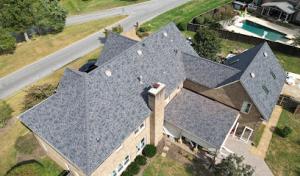
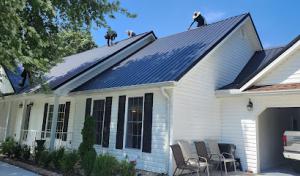
ProKing Roofing & Restoration
126 Southridge Dr, Somerset, Kentucky
5.0 from 19 reviews
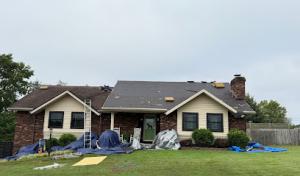
ProFinish Renovations & Roofing
(606) 875-4446 www.profinishrenovations.com
250 Whispering Oaks Dr, Somerset, Kentucky
5.0 from 12 reviews
In this area, full roof replacements are treated as formal projects rather than informal maintenance. The county building department handles the permit, and the process is designed to ensure venting, flashing, and nail patterns meet local standards. This matters because spring storm activity and year-round moisture can reveal venting or flashing gaps that a permit-driven review will catch before the final inspection closes the job. Expect the permit path to start with a clear project description and a planned sequence of work, not a casual repair ticket.
The first step is to contact the Pulaski County building department and file for a roof replacement permit. Prepare a simple scope of work, including roof type, underlayment, and any non-standard materials you intend to use. In areas with frequent storms, the reviewer may request basic details on attic ventilation, intake and exhaust vent placement, and attic access for inspection. If the project uses non-standard materials or involves any structural changes, plan review may be added, and processing times can stretch. Having drawn sketches or product data from the manufacturer helps move the review along without delays.
Inspections occur during and after the roof is installed. Expect at least a mid-project check to confirm venting adequacy, nail patterns, and flashing at chimneys, vents, and skylights. The inspector will verify that the roofing system is installed to withstand the local moisture and freeze-thaw cycles, with emphasis on proper fastening and edge detailing. A final inspection closes the permit, confirming that the roof is weather-tight and compliant with local requirements. Coordination with weather windows matters, so scheduling around potential storms can prevent delays.
Storm damage often creates urgency, but permit timelines still apply. If damage is discovered after a storm, document the conditions and communicate promptly with the building department and your contractor. Significant wind or hail reports may influence inspection timing, so plan with some flexibility. For non-standard material use or specialty flashing, allow extra time for plan review and potential revisions. In Pulaski County, a well-documented sequence and steady communication with the permit office can help you align the storm recovery window with the necessary reviews.
Keep a dedicated project file with permit numbers, inspection dates, and contractor contact information. Before tearing off the old roof, confirm materials and underlayment meet local expectations so the inspection can proceed without backtracking. If plans change, promptly update the permit records to avoid complications at the final inspection. The goal is a compliant, moisture-ready roof that stands up to spring thunderstorms and year-round Kentucky humidity.
Kentucky homeowners in Somerset generally still have access to standard roof coverage, but carriers often require prompt reporting and detailed proof that damage was caused by a specific storm event. When a thunderstorm hits and leaks follow, it pays to act quickly: identify active leaks, note dates, and start gathering visual evidence as soon as safe. Clear, dated photos of shingles, flashing, and interior water intrusion help tell the story when a claim is filed. A well-documented sequence-before-and-after shots, any temporary tarp placement, and notes on rainfall or hail timing-helps set expectations with the insurer and avoids back-and-forth delays.
Adjusters in this market may ask for roofer-prepared damage assessments, photos, and material specifications, which aligns with the strong local contractor emphasis on insurance-claim support. A professional assessment from a familiar, local roofer can translate storm damage into precise, claim-ready language for the adjuster. Be prepared to provide a roof schematic, shingle type, and an inventory of affected components. If there is visible granule loss, lifted shingles, or compromised flashing, note those specifics in the report. The faster you supply consistent documentation, the less room there is for dispute over what was damaged and when.
Some insurers use network-approved contractors, so Somerset homeowners need to confirm policy requirements before signing for a full replacement after a storm. If a network vendor is proposed, review the contract carefully for scope, timelines, and any limitations. If a non-network option is desired, obtain explicit written approval from the insurer and keep a record of all communications. In practice, the aim is to secure timely access to approved materials and proper workmanship while protecting the claim from downstream questions about substitutions or delays. Being proactive about insurer-approved pathways reduces the risk of coverage gaps during the repair or replacement process.
Connect with contractors who help homeowners navigate the claims process from damage assessment to final approval.

Elite Rooftop Systems
(606) 416-5424 eliterooftopsystems.com
3471 S Hwy 27, Somerset, Kentucky
5.0 from 35 reviews
ProKing Roofing & Restoration
126 Southridge Dr, Somerset, Kentucky
5.0 from 19 reviews
Somerset's combination of thunderstorm damage and year-round precipitation means emergency tarping matters because even minor openings can take on water quickly. A missing shingle edge, lifted flashing, or a dented valley can funnel rain into the attic within minutes, and the observed pattern here is that storms arrive fast and with intensity. Temporary protection buys critical time to prevent rafters and insulation from soaking through, reducing the chance of mold and escalating interior damage before a proper repair can be scheduled.
Winter freeze-thaw conditions in Somerset can turn an existing leak into flashing and joint failure if temporary protection is delayed. Water that seeps into seams can freeze, expand, and stress metal flashing or pipe penetrations. If you notice frost on ceilings or walls after a thaw, treat it as a sign that hidden damage may be present. The goal is to stabilize the roof edge, vent openings, and any active drips before water finds pathways into ceilings and walls.
Act quickly to protect the interior by placing a watertight tarp over the most active area, weighted down and anchored away from wind-driven slates or shingles. Clear debris from gutters so water can drain, and cover obvious cracks or gaps with a thick, waterproof membrane if accessible. Document the damage with clear photos from outside and inside, including close-ups of flashing, joints, and any sagging areas. Immediate stabilization signals to neighbors and technicians that a full replacement decision can follow once the storm risk passes.
When you can't wait, these contractors offer fast response times to stop leaks and prevent further damage.
Ark Covering & Restoration
(859) 312-8012 www.arkcoveringrestoration.com
Somerset, Kentucky
5.0 from 5 reviews
In Somerset, low-slope roofing is present but not the dominant homeowner concern, especially when compared to storm-driven steep-slope replacement work after spring deluges. For many homes, the main roof remains steep, while low-slope sections over porches, additions, or commercial-style areas carry unique challenges. The year-round moisture profile here makes thorough drainage and reliable seams a priority, even if those areas aren't the primary focus of a full-roof replacement. Recognize that the market treats low-slope work as a distinct specialty, so expect careful evaluation rather than a one-size-fits-all approach.
Because precipitation is common through every season, drainage performance on low-slope sections matters more than it does on higher pitches. When inspecting or planning work, pay close attention to transitions where low-slope areas meet steeper sections, as those junctions are common leak points during heavy spring storms. Ensure that drainage devices-gutters, downspouts, scuppers, and internal rain diverters-are sized and maintained to move water away quickly. Seams, penetrations, and flashing deserve meticulous attention: use properly mended or replaced lap seals, step flashing at offsets, and rigid, durable sealants that resist UV exposure and temperature swings. In addition, check for surface degradation from algae or mineral buildup which can reduce water shedding efficiency on prolonged wet spells. Somerset homes often have porch roofs or additions with modest slopes; give these areas extra scrutiny and consider a redundant drainage plan to handle sudden deluges.
Roof coating remains a niche signal locally, so avoid treating coatings as the default path for Somerset homeowners. If a coating is contemplated, view it as a supplementary measure rather than a primary fix. For low-slope sections, restoration options should emphasize long-term waterproofing stability over cosmetic touch-ups. Focus on proven flashing repair, membrane repair or replacement where warranted, and compatible sealants that hold up under frequent rain and temperature fluctuation. When coatings are considered, select systems designed for intermittent heavy moisture exposure and ensure proper surface prep. In practice, restoration should address underlying moisture paths first, rather than rely on surface coatings as the primary defense against leaks.
Find specialists in TPO, EPDM, and built-up flat roofing systems for residential and commercial properties.
Elite Rooftop Systems
(606) 416-5424 eliterooftopsystems.com
3471 S Hwy 27, Somerset, Kentucky
5.0 from 35 reviews
ProKing Roofing & Restoration
126 Southridge Dr, Somerset, Kentucky
5.0 from 19 reviews
Local market signals show cleanup included is one of the most common differentiators, indicating homeowners care strongly about debris handling during re-roofing. When a crew arrives, expect tarp coverage for driveways and landscaping, dust-and-debris containment, and a clear plan for collecting nails and shingle fragments. A responsible contractor will leave the yard and gutters free of waste enough to prevent punctures and trip hazards after a storm event.
Spring thunderstorms and year-round moisture drive urgency in this market. Prioritize a contractor who can schedule promptly, cover exposed areas during a rush job, and seal vulnerable flashings to slow any leaks while waiting for full replacement. Listen for practical advice on attic ventilation, underlayment choices, and proper nail patterns to reduce future seepage through freeze-thaw cycles.
The contractor mix appears more focused on residential re-roofing and storm service than on highly specialized luxury installation niches. This means workmanship emphasizes solid, durable materials, straight lines, and thorough cleanup, with straightforward warranties and service calls after hail or wind. Expect shared familiarity with common local roof lines, venting layouts, and typical square footage for a standard Somerset home.
Documentation after a storm matters for insurance and recovery. A practical approach includes a dated photo log of damage at multiple angles, weather event references, and a clear, itemized scope of work. The goal is to produce a concise, insurer-ready narrative that supports fast decisions and minimizes delays during re-roofing after a spring or summer event.