
Last updated: Apr 19, 2026
Abingdon sits in the Blue Ridge Highlands of Southwest Virginia, where elevation and mountain weather create colder winter roof conditions than many lower-elevation Virginia markets. That means every steep roof faces more freeze-thaw cycles, more wind-driven rain, and more rapid moisture shifts than a typical suburban ridge line home. The four-season pattern matters: hot summers can bake shingles, while crisp mornings in late winter bring frost that tightens and contracts roofing layers. This mix accelerates wear on older roof assemblies and makes careful sequencing and material choice essential.
Steep, older roofs routinely experience cycles where water soaks into porous joints or cracked shingles, then freezes and expands. The outcome is micro-cracking, lifted tabs, and accelerated granule loss on asphalt shingles, or warping on wood and composite products. On metal, repeated ice damming or hail impacts can bend panels or tighten fasteners. The local reality is that moisture intrusion during the shoulder seasons can linger if tear-off or re-cover work isn't executed promptly and tightly. In practical terms, a late-winter heat spike followed by a cold snap can trap moisture under flashing or underlayment, creating hidden rot or rust that only shows up after a season of use.
Spring rainfall can interrupt tear-off schedules and force longer jobs, which means longer exposure of open decks to rain and spring runoff. That moisture exposure matters on older roofs where deck boards and underlayment may already be near the end of their service life. When schedules slip, decks can sit vulnerable to soaking rains, leading to slower cure times for sealants and flashings. The goal is to finish critical waterproofing steps-particularly around valleys, chimneys, and roof-to-wall transitions-before the heaviest rains arrive. If a project must pause for weather, prioritize resealing edges and ensuring any open penetrations are properly protected.
Before a project begins, identify critical flashings and any damaged decking that could become a moisture sink under a spring storm. When feasible, keep the tear-off window compact and align it with a stretch of dry days to minimize time spent with open roof decks. For older homes with complex rooflines, request a staged plan that sequences underlayment, ice-and-water barriers, and flashing installation in tight, weather-appropriate windows. After rainfall, inspect for standing water in low areas or near penetrations; address any sags or dips that could channel water toward the deck.
Establish a regular, seasonal inspection cadence that targets missing granules, lifted shingle tabs, loose flashing, and clogged drainage. In the shoulder seasons, pay special attention to damaged sealants around chimneys and vent pipes, where freeze-thaw can exploit small gaps. Clean gutters and downspouts to reduce backed-up runoff on steep slopes, which also minimizes ice dam formation when temperatures swing. For older roofs, consider proactive sealing of joint lines and restrained flashing as part of routine maintenance, rather than waiting for a leak to appear.
When choosing materials, consider how well a product handles freeze-thaw and moisture exposure on a steep profile. Heavier, well-attached options resist wind uplift and thermal cycling better, while properly installed underlayment remains a critical buffer against moisture intrusions. In this mountain climate, the combination of seasonal moisture and strong attic ventilation becomes a key variable; adequate attic intake and exhaust help moderate roof temperatures and reduce condensation risks that feed into the interior of older assemblies.
Abingdon's distinctive skyline-with four-season weather crossing a preserved downtown-puts steep-slope roofs at the center of curb appeal and long-term performance. The mix of older housing stock and central core streets means appearance-sensitive choices matter more here than in newer subdivisions. When a roof is due for replacement, the pitch and profile you select will ripple through attic ventilation, flashing details, and even gutter routing, so plan with the street-scene in mind as much as the attic above.
Homes near the historic core often push homeowners toward slate, synthetic slate, wood-look, or higher-profile shingle choices that better match traditional architecture. That does not mean every project needs to mimic the exact historic tile; rather, it invites you to consider textures and edge details that echo neighborhood rhythms. On a steep, four-season roof, the look matters, but so does durability under freeze-thaw cycles and frequent rain. The right choice balances curb appeal with a roof that sheds snow and rain reliably, without exaggerating weight or upkeep beyond what the structure can support.
Older roof structures in this area can reveal decking, flashing, or ventilation upgrades during replacement, which affects scope more often than on newer tract homes. Expect the possible need to repair or reinforce rafters, rim boards, and the attic access path as part of a replacement. If the previous roof used heavier materials or compromised ventilation, you may encounter surprises under the sheathing. Those realities don't just add cost; they shape the schedule and the sequencing of work, especially in homes with long-standing architectural details or ornamental trim.
Steep pitch demands careful attention to flashing at joints, chimneys, and dormers. In historic districts, flashing integration with existing masonry or old wood trim must be handled with detail to prevent leaks that can travel behind cornices or decorative concerns. Attic ventilation controls condensation in deep winters and helps limit ice damming in late winter and early spring. If ventilation was never upgraded during previous replacements, consider upgrading vents or adding baffles to improve airflow without disturbing visible interior spaces.
Material choice should respect both the architectural language and practical performance. Slate and synthetic slate offer a classic cadence for steep, historic lines, but weight, underlayment compatibility, and edge details require professional assessment. Wood-look shingles can honor downtown aesthetics while providing texture and warmth, but require moisture management and potential anti-rot treatments. For many Abingdon homes, high-profile asphalt or fiber cement shingles can be tuned with ridge details and shadow lines to achieve a traditional silhouette without compromising modern water-shedding capabilities. In all cases, the goal is a roof that preserves the historic streetscape while delivering reliable protection through Abingdon's seasonal swings.
Joes Roofing
(276) 698-0967 www.joesroofingllc.com
Abingdon, VA
4.9 from 104 reviews
Protect your largest investment with our reliable roofing services. We are a locally owned and operated roofing company currently serving Bristol, VA and surrounding communities. If you want to make your roof last as long as possible, it is vital that you never put off a roof repair. Small issues with roofing become big issues in a hurry. No matter how major or minor the repair you need, we are here to help. We offer roofing contracting, roof installation, and roof repairs.
JS Construction Roofing
(276) 206-8226 jsconstructionroofing.com
1012 W Main St, Abingdon, Virginia
4.6 from 171 reviews
JS Construction Roofing is a family owned and operated business providing the highest quality roofing materials and services to Virginia, Tennessee and North Carolina homeowners and businesses since 2008
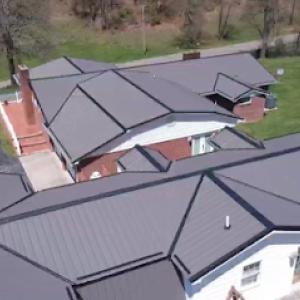
Jimmy Ball Roofing (aka…jb roofing)
(276) 698-4583 jimmyballroofing.com
Serving
4.3 from 12 reviews
The ONE & ONLY roofing contractor that installs EXPOSED FASTENER ROOFING WITHOUT EXPOSED FASTENERS!! Contact us today for all the details!
East TN Gutter Pros
(423) 957-6260 www.easttngutterpros.com
Serving
5.0 from 26 reviews
East TN Gutter Pros is your premier local source for professional gutter solutions. Specializing in 6-inch seamless K-style gutter installation, our team provides comprehensive services to keep your home protected. From expert gutter cleaning and repairs to new installations, we ensure a flawless finish. We also offer flashing replacement, fascia metal installation, and snow guard services. Committed to quality and craftsmanship, we proudly stand by our work, offering a warranty on all services and parts. As a locally-owned business, we are dedicated to serving the community with reliable, high-quality gutter care.
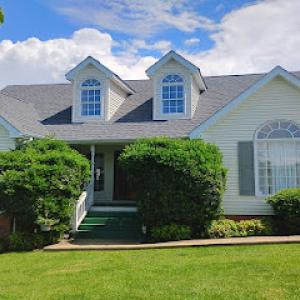
Leonard Roofing
(276) 466-2707 leonardroofingtn-va.com
Serving
4.2 from 47 reviews
Leonard Roofing has highly trained roofing professionals who are dedicated and efficient in offering the best services they can. Even though we offer outstanding services, we do not inflate our prices which are among the lowest in the Tri-Cities and SW Virginia for residential and commercial roofing. No other roofing company in the Tri-Cities and SW Virginia can match the quality of service we offer. They may make all sorts of claims, but when it comes to delivering on their promise, they may fall short. At Leonard Roofing, we’re different – we’ll tell you what we can do for you and we live up to our promise.
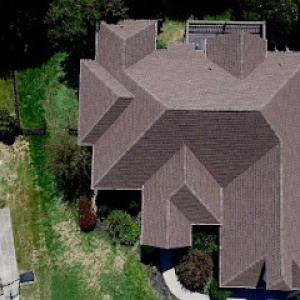
Tiger Precision Roofing
Serving
5.0 from 6 reviews
With our 10+ years of experience we take pride in protecting families with high quality roofing while building relationships at the same time. Call us today for a free estimate.
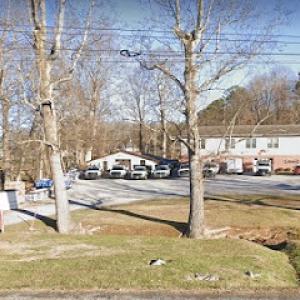
Harkleroad Todd Roofing
(423) 538-5022 www.harkleroadroofing.com
Serving
4.2 from 20 reviews
With so many roofers in Bluff City, TN, it isn’t simple to filter out the good ones. Todd Harkleroad Roofing makes it easy for you to choose. No ones cares more about your roofing system than we do. Our team understands that a new roof is a significant investment and should be protecting your property from the outdoor elements. As a family-owned and operated roofing company, our goal is for you to feel confident in your decision by making us your roofer. We strive to provide our customers with a level of professional and personal service that sets us apart in the roofing industry. Since 1979, we have installed quality roofs on homes and businesses throughout the Tri-Cities area. Contact us for a free roofing estimate today!
Summit BSR Roofing
(423) 764-2528 www.summitbsr.com
Serving
5.0 from 2 reviews
Summit BSR Roofing is a commercial/industrial roofing contracting company based in Bristol, TN with a full working branch office in Mount Holly, NC.
Kelt Roofing Company
Serving
3.7 from 3 reviews
Protect your largest investment with our reliable roofing services. We are a locally owned and operated roofing company currently serving Blountville, TN and surrounding communities. If you want to make your roof last as long as possible, it is vital that you never put off a roof repair. Small issues with roofing become big issues in a hurry. No matter how major or minor the repair you need, we are here to help. We offer roof repairs, residential roofing, and commercial roofing.
Big M Roofing & Construction
Serving
3.0 from 2 reviews
For a reliable roofing and construction company in Bristol, TN, look no further than Big M Roofing & Construction. For many years we have offered a wide variety of services including home remodeling, siding installation, roof repair and much more. We continually strive to offer our great services at rates that are affordable. For a great service in Bristol, TN, call on Big M Roofing & Construction.
Bristol Contracting Services
(423) 460-9190 bristolcontractingservices.com
Serving
1.0 from 1 review
We serve the Tri-Cities Tennessee area with top-tier roofing services, as well as other exterior contracting services. From residential to commercial roofing, siding, gutters, soffit, fascia, and much more. We cover a wide range of territory as well, but focus mostly on the Bristol, Johnson City, Kingsport, Piney Flats, and surrounding areas. We look forward to doing business with the people of our community.

In this Blue Ridge Highlands setting, the combination of freeze-thaw cycles and frequent rain drives a thoughtful approach to material selection. Steep, aging roofs on traditional homes can suffer from infiltration and edge damage if the chosen material isn't robust against quick shifts between heat, cold, and humidity. The goal is to balance resisting weathering with maintaining the architectural character that defines the area. Asphalt shingles remain a practical starting point for a wide range of homes, but they benefit from a system that accounts for spring and fall temperature swings, as well as summer heat. Look for high-quality asphalt with good granule retention and appropriate underlayment for enhanced protection against ice dams and water infiltration.
Metal roofing suits Abingdon's weather patterns particularly well. It sheds rain efficiently, resists impacts from hail, and handles temperature fluctuations without the warping that can affect older wood and some composite systems. For rural and mountain-adjacent properties, metal can be an attractive choice that blends with the landscape while offering long-term resilience. When evaluating metal, consider a profile that helps with runoff on steep pitches and an finish that minimizes heat buildup in hot summers. A coated finish can also help guard against color fading from sun exposure, preserving curb appeal on historic or character-rich homes.
Slate remains a distinctive option where architectural character carries significant weight. Its natural appearance and longevity align with the town's traditional roof profiles, making it a favored choice for many older structures. If true slate isn't feasible due to weight, structural considerations, or cost, synthetic slate provides a visually similar alternative with easier installation and typically lower maintenance needs. Either option pairs well with the mountain climate, as they resist freeze-thaw damage and shed water reliably. For properties that feature wood detailing or intricate eaves, slate or synthetic slate can preserve visual harmony while delivering durable performance in winter precipitation.
Wood shingles and shakes offer a high-heritage look that resonates with Abingdon's historic neighborhoods. They perform well when properly installed and maintained, but the combination of cold snaps and moisture requires attentive upkeep: regular sealing, monitoring for checking or splitting, and attention to ventilation in the attic to reduce condensation. If a wood option is chosen, select a species with good decay resistance and ensure a robust underlayment and proper flashing to manage rain-driven exposure on steep sections. In locations with heavier winter moisture, expect more frequent inspection intervals to catch early signs of wear.
Fiber cement shingles strike a middle ground between durability and appearance. They mimic traditional profiles while offering better resistance to freeze-thaw wear and maintenance needs than natural wood. This material suits homes that aim to retain a classic silhouette without the higher upkeep associated with wood. Look for products with proven performance under sustained wet seasons and a finish that holds color through fluctuating temperatures and sun exposure.
On steep, older roofs, the priority is a system that manages water quickly and cleanly, minimizes ice dam risk, and preserves the home's character. For roofing projects in this climate, pairing a resilient underlayment with the chosen surface material is essential, especially on segments where ice formation is likely. Inspectments after heavy rains and freeze-thaw cycles help catch early vulnerabilities before roofing issues escalate. When selecting materials, consider not only the appearance but also how the chosen option will perform under Abingdon's seasonal rhythms, ensuring long-term protection for the home's envelope.
Older roofs in this mountain climate endure four-season cycles that challenge their integrity. Freeze-thaw, rain-driven scheduling, and steep pitches mean that replacements should be timed to minimize weather conflicts and maximize installed performance. If a roof bears years of freeze-thaw cycles and frequent rain, planning a replacement around the seasonal windows below reduces disruption and helps the new materials perform as intended on Abingdon's hillside streets.
Spring and fall are typically the best replacement windows because they avoid the hottest summer conditions and the winter weather that can slow installation. In practice, that means prioritizing a mid-season start after the last frost and finishing before early winter rain and snow arrive. For older homes with tight attic spaces, a calm shoulder season reduces moisture infiltration risk and allows crews to manage ventilation and drying with fewer weather interruptions. If shingles or shakes are already showing cupping, curling, or granular loss, aim for a spring or fall push rather than pushing through a summer heat spike or late-season storm.
Winter freezes can pause roofing work or reduce installation efficiency, especially on tear-offs and detail work. If a replacement spills into cold months, expect slower nailing schedules, adhesive curing delays for synthetic or composite products, and more careful moisture control during decking removal. In conditions of repeated freeze-thaw cycles, boards may become brittle at the edges, increasing the risk of shingle blow-off during removal and reattachment. When planning a winter window, prepare for shorter workdays and potential pauses if temperatures stay below freezing for consecutive days. Communication with the crew about thawing cycles, wind exposure on exposed slopes, and the need for additional heat or tarps becomes important.
Summer heat and humidity affect crew pace and material handling, while spring storms and frequent rainfall can create scheduling delays. Heat accelerates aging of sealants and can complicate working around plastic underlayment and fasteners that are sensitive to expansion. Humidity affects drying times for certain roof underlayments and coatings, so crews may stagger completion of ridge work or vent termination. Spring storms can introduce sudden rain that halts installation on steep sections, where water intrusion risk is highest. If deadlines must align with summer, build buffers for weather delays and consider a pre-extensive inspection to confirm decking integrity before the heat rush begins.
When you shop for a roof in this four-season mountain climate, the price tags you'll encounter reflect not just the material, but how well it stands up to freeze-thaw cycles and frequent rain exposure. Provided local pricing ranges are $350 to $650 per square for asphalt shingles, $700 to $1200 for metal, $600 to $1100 for wood shingles or shakes, $1200 to $2600 for slate, $800 to $1500 for synthetic slate, and $500 to $900 for fiber cement shingles. Those ranges are a practical baseline for planning, and they can shift with the age and condition of the roof you're replacing.
Costs in Abingdon can rise on older homes where tear-off exposes decking repairs, flashing replacement, or ventilation corrections that are common on aging roof systems. If the existing roof has multiple layers or sagging decking, a full tear-off is more likely, and the labor time goes up accordingly. In cabins or historic-style houses with steep pitches and limited attic access, the crew may need extra safety gear and staging, which edges the price per square upward. Expect these adjustments to affect any material you choose, though some materials show their value more clearly when a teardown is needed.
Material choice has an outsized cost effect in Abingdon because homeowners often balance performance against the traditional appearance expected on older and historic-looking homes. Asphalt remains the most economical upfront, but it can clash with the quirkier historic textures some owners want. Wood shingles or shakes offer authenticity for early-20th-century appearances but require regular maintenance to cope with moisture and freeze-thaw cycles. Slate and synthetic slate deliver a classic, long-lasting profile for high-end historic homes, yet slate carries a substantial upfront cost, and synthetic slate attempts to mimic the look without the same maintenance burden. Fiber cement shingles land in the middle, offering decent durability and a more uniform look that still respects older architectural cues while keeping costs manageable.
Before selecting a material, inventory the roof's current condition: ensure flashing around chimneys and skylights is solid, and ask about ventilation and attic insulation-these are common sticking points on aging systems here and will influence long-term performance more than the nominal material grade. If you're weighing slate or synthetic slate against metal or fiber cement, map out the long-term maintenance expectations and the roof's visible impact on curb appeal. Because winters here sting with freeze-thaw cycles, metal and synthetic options often hold up better against moisture-driven stress, but if you want a historically faithful look, slate or wood may justify the higher price where long-term value aligns with your home's character.
In this mountain town's four-season climate, a full roof replacement typically requires a building permit before any shingles are lifted. The process helps ensure that the project aligns with local zoning, historic-area constraints, and county guidelines. Start by submitting the plans through the Washington County permits office, and be prepared for a review that looks closely at roof geometry, eave detailing, and drainage connections. The permit helps protect the steep-slope roofs common on older homes in the area, particularly when ice and wind are factors.
The local building review checks roofing plans, material types, and wind-rated products before work proceeds. Because Abingdon houses range from early 20th-century bungalows to more substantial Victorians, the reviewer pays attention to compatibility with existing fascia, underlayment choices, and flashing details. Expect questions about roof pitch, overhangs, and how new materials will perform in freeze-thaw cycles and sustained rain. If the county requires a specific underlayment or a wind-rated shingle or metal, have those specifications documented by the manufacturer and your contractor.
Homeowners should expect inspections during and after the project. The first inspection often occurs after the roof deck is exposed but before underlayment or shingles go on, verifying structural integrity and flashing. Final inspections confirm that ventilation, attic access, and wind resistance meet code. In Abingdon, plan for possible plan review backlogs; a delay at the permit office can push back work start dates. Also, some inspectors may request proof of contractor licensing, so keep current licensing and insurance documents accessible.
Coordinate with the permit office early, especially if historic details or roofing materials require approvals. Have clear sketches of venting, skylight flashing, and snow/ice shield placement to minimize back-and-forth. If the plans change mid-project, file amendments promptly to avoid non-compliance findings during inspections.
Having the right documentation on hand saves time during the busy season when storms and freeze-thaw stress aging roofs. A contractor understands scheduling quirks after long dry spells and rain-driven windows. Expect some back-and-forth about ventilation and attic insulation, but aim for a plan that keeps your steep, older roof performing through spring melt and ice.
In Virginia, roof claims commonly require photos, detailed estimates, and documentation separating new storm damage from preexisting wear, which is especially important on Abingdon's older roofs. The four-season cycle and freeze-thaw patterns here can mask subtle wear that insurers misinterpret as preexisting, so clear records help move a claim forward rather than stall it at the desk.
Wind and hail events in this region can trigger field adjuster visits and influence whether insurers approve repair versus full replacement. On older dormers and steep pitches common around town, a visibly damaged section may prompt a cautious adjuster to request alternative analyses or additional inspections. Having verifiable signs of new impact, shingle loosening, or lifted flashings documented promptly reduces guesswork that can stall decisions.
Because coverage varies by carrier and policy type, Abingdon homeowners should document roof condition before storms and keep records of prior repairs, permits, and contractor findings. Take wide-angle and close-up photos of all roof faces, attic signs of moisture, and any sagging decking. Maintain a chronological file of contractor recommendations, dates of service, and any temporary mitigations installed after a hail or wind event. If a claim is filed, this dossier helps distinguish fresh damage from long-standing wear and supports a more accurate adjustment outcome.
Expect questions about seasonal freezes, rapid thaw cycles, and how late-season storms interact with aging materials. Honest, organized documentation reduces surprises when the field adjuster arrives and clarifies whether the path forward is repair-focused or replacement-driven, especially on roofs with historic or heavier shingles more typical to our mountain town.