Last updated: Apr 19, 2026
Spring hailstorms in this area spike demand for full reroofs, and the timing of a claim can make or break your project. If a storm has ripped into your shingles or decking, the clock starts ticking on documentation, inspection results, and repair decisions. Insurers in this market scrutinize exact storm dates, photo evidence, and the timing of inspections after hail and wind events. Get organized: gather dated photos, a clear record of any leaks or attic condensation, and notes from any on-site observations. Delays can shift your claim from expedited to stalled, and in a fast-moving market, a delayed claim often means longer disruption to your home life and schedule.
In this North Texas corridor, shoulder seasons aren't decorative-they're a practical advantage. Summer heat slows install crews and can complicate underlayment and roof deck work, while spring demand can strain contractor availability after a big hail event. The result is a delicate balance: aim to align your project with a period when crews can arrive promptly, weather is manageable, and supply lines aren't overwhelmed. If your attic shows signs of moisture after a storm, you may need to accelerate certain steps to prevent further interior damage, but rushing can jeopardize proper ventilation and drainage setup. You want a reroof that stands up to the next round of hail, not a hurried patch.
After a hail event, your goal is a clean, defensible file that helps the insurer see the full scope. Start with a professional inspection soon after the storm and insist on a detailed, written scope of work that lists all affected components-shingle, flashing, underlayment, deck boards, and ventilation details. Maintenance history matters; if you have prior issues, document whether they worsened post-storm. Take wide exterior photos from multiple angles, close-ups of damaged granules or dented metal, and interior evidence of leaks. Keep a calm, precise line of communication with your insurer and your contractor, and resist the urge to accept the first offer if it doesn't reflect the full damage. A well-documented claim moves through the process more predictably, which matters when you're trying to dodge a scheduling bottleneck.
Your neighbors have likely already faced the tight scheduling window after a big hail event. When choosing a contractor, verify experience with full replacements subject to North Texas ventilation, decking, and drainage requirements. Ask for a written sequence that shows how they will coordinate with your insurer, the expected inspection timeline, and a realistic installation window that minimizes heat exposure during critical phases. Look for crews that prioritize air flow, attic ventilation balance, and a thorough sealing strategy to avert wind-driven leaks. In a market where storms drive demand, a contractor's ability to secure materials and crews quickly, while meeting Lewisville's drainage and ventilation expectations, sets apart the reliable from the rushed.
If a hail event hits, you're watching for two things: how quickly your insurer responds and how well your contractor manages the schedule between inspection, approval, and installation. A carefully staged plan reduces the risk of a weather-induced delay that stretches into the peak of storm season. Keep an eye on crew arrival windows, confirm material delivery dates, and insist on a detailed daily log during the replacement. If you sense a bottleneck forming, communicate early with your insurer and contractor to re-align timelines before temporary fixes become permanent. The goal is a solid, compliant reroof that resists the next round of hail and wind without compromising your inside comfort or the home's long-term performance.
Pineapple Roofing
(972) 795-1342 www.pineapplecontractors.com
4400 State Hwy 121 #300, Lewisville, Texas
5.0 from 169 reviews
Pineapple Contractors is a family owned and operated contracting company that is comprised of professionals with over 20 years of combined experience.
Stand Up Roofing & Construction
(940) 290-7663 www.standuproofing.com
354 Mc Donnell St Suite 6, Lewisville, Texas
5.0 from 89 reviews
Stand Up Roofing & Construction is a full-service general contractor proudly serving DFW, Houston, and surrounding areas. We specialize in residential and commercial roofing, storm restoration, and a wide range of exterior upgrades. Our team delivers expert craftsmanship, clear communication, and extreme ownership on every project—whether it's a repair, full replacement, or renovation. We don’t just build roofs—we build trust, value, and peace of mind. When it comes to protecting and enhancing your property, we’re the partner you can count on.

Tex-Line Roofing
(940) 315-9118 www.texlineroofing.com
1865 Mcgee Ln # I, Lewisville, Texas
5.0 from 69 reviews
Tex-Line Roofing and Construction is a roofing company in Lewisville, TX, with years of experience delivering residential and commercial roofing solutions. We are a fully licensed and insured company. Our founder entered the roofing industry in 2009. Under his guidance, we have become the best roofing company in the area.
Roofing company in Lewisville | Excel Construction Group
(972) 945-5700 www.excelcg.com
525 S Stemmons Fwy, Lewisville, Texas
5.0 from 101 reviews
Looking for Lewisville's most reliable roofers? Call Excel Construction Group. We've been roofing Lewisville homes and businesses for over 20 years, and we've built a reputation for high-quality roofing that is professionally installed and backed by the best warranty coverage in the industry. We've got you covered with a wide range of services, such as roof replacement, roof restoration and maintenance, and reliable repairs for roofing systems that storms have damaged. Our experienced roofing teams work quickly and efficiently to ensure that your home or business is protected by a roof that will last for years and provide reliable service and value.

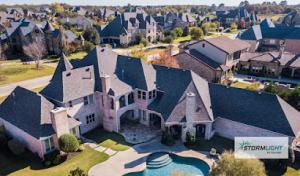
StormLight Exteriors
(214) 222-5471 stormlightroofing.com
424 E Main St Suite 202, Lewisville, Texas
5.0 from 56 reviews
At StormLight Exteriors, we are your premier choice for high-quality roofing, gutters, and siding services, specializing in both residential and commercial projects. Our expert team excels in leak diagnostics and works seamlessly with all major insurance carriers to provide top-notch storm restoration after severe North Texas wind or hail storms. We partner directly with property management companies to maintain the integrity of multifamily properties, swiftly addressing issues and minimizing tenant complaints. Trust StormLight Exteriors for superior craftsmanship and unparalleled customer service, ensuring your property remains safe and stylish. Experience the difference with our highly skilled professionals dedicated to your needs!
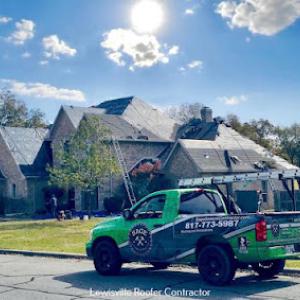
Sage Roofing & Construction
(972) 420-6500 sageroofingllc.com
826 Office Park Cir #106, Lewisville, Texas
4.8 from 227 reviews
Sage Roofing and Construction, LLC is a trusted roofing contractor based in Lewisville, TX, proudly serving homeowners and businesses throughout North Texas, including Flower Mound, Frisco, Prosper, Arlington, and surrounding communities. With more than 20 years of experience, our team specializes in residential and commercial roofing services, including roof repairs, roof replacements, storm damage restoration, and interior remodeling. We are known for delivering quality craftsmanship, dependable service, and honest communication on every project. As insurance claim specialists, we guide homeowners through the claims process after hail or storm damage. Contact Sage Roofing and Construction today to schedule a roof inspection or estimate.
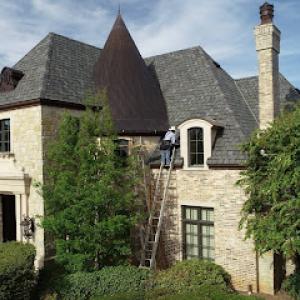
T Rock Roofing & Contracting
(469) 931-9867 dallasroofer.com
1346 Morningside Ave, Lewisville, Texas
4.8 from 194 reviews
T Rock Roofing & Contracting has been serving the Dallas / Fort Worth and surrounding areas with roofing excellence for over 70 years! Over the years, we have installed thousands of residential, commercial, and industrial roofing systems, all with our Lifetime Warranty. We operate our Dallas roofing company with good ethics and professional dependability. Our team is committed to maintaining a clutter-free work site and completing projects in a timely and respectful manner. Find out why so many people choose T Rock Roofing for all of their roofing services by contacting us today.

Rebuild Texas Roofing & Windows
117 Hillside Dr, Lewisville, Texas
4.8 from 88 reviews
If you’ve been looking for a Lewisville roofing or window contractor worth their salt, your search has ended. Rebuild Texas Roofing is a top 1% roofing company due to our unique combination of quality and value. Offering both residential and commercial roofing services in Lewisville, customers choose Rebuild Texas because of our CertainTeed ShingleMaster ranking, which indicates our industry-recognized craftsmanship and professionalism. We offer free roofing estimates, evaluations, and inspections in and around Lewisville, so don’t hesitate to get your free quote today!
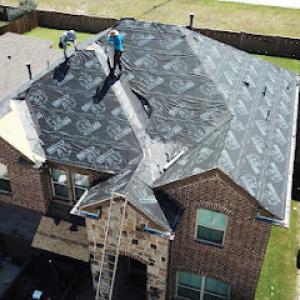
Triton Roofing & Restoration
(214) 494-9991 www.tritonroof.com
206 Elm St #107, Lewisville, Texas
4.9 from 74 reviews
We help residential owners and commercial property managers with trustworthy roofing expertise, storm damage restoration and general construction projects.
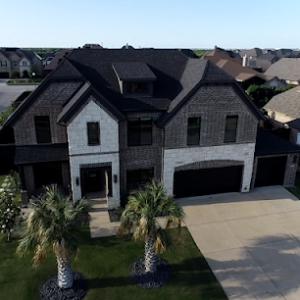
Texas Sun Roofing & Solar
(817) 501-1855 www.texas-sun.com
1501 Diamond Creek Ct, Lewisville, Texas
4.9 from 43 reviews
At Texas Sun Roofing & Solar we help customers navigate the roof replacement process as well as create energy on the roof. If your property has been impacted by storm damage, we have a team dedicated to helping you restore your home to its pre-storm condition, in most cases even improving on it. The insurance process can be tricky to say the least, it’s good to know you have an expert in your corner. If you’re exploring the world of Solar, it can be confusing and definitely not all products are created equal. Let one of our solar professionals show you the options in a non-pressuring and educational experience. That way you can make an educated decision based on what’s best for your individual needs, there is no one-size-fits-all system.
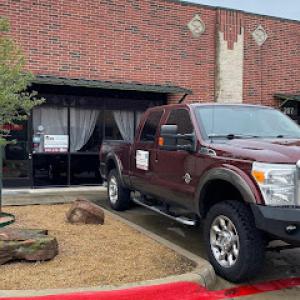
Calidad Enterprises
650 State Hwy 121 #208, Lewisville, Texas
4.9 from 58 reviews
At Calidad Enterprises we go the extra mile for all of our customers because one of the most important decisions you will make after the storm is who you will trust to repair the damage to your home. We bring knowledge of insurance support, twenty years of roofing experience, a 5-star Google Review rating, lifetime* shingle warranties, GAF certified partners, and we are a Corning Preferred North Dallas roofing contractor. We’ve earned this credibility by always going a step further for our clients and offering top-notch customer service, 24/7 availability, and a thorough knowledge of insurance support. Calidad is locally owned & operated, and has been servicing Residential & Commercial Properties in the North Dallas area for over 20 years.
DB Roofing & General Contracting
(940) 978-3610 dbroofingandgeneralcontracting.com
Lewisville, Texas
4.9 from 33 reviews
Experience the pinnacle of protection with DB Roofing & General Contracting. With over 15 years of industry-leading expertise, our team is dedicated to an unwavering commitment to excellence and superior customer satisfaction. We specialize in comprehensive roofing solutions, alongside versatile general contracting services that set us apart. Our mission is simple: to provide unmatched workmanship using only premium, high-quality materials. We pride ourselves on reliability, timeliness, and a meticulous attention to detail that ensures your peace of mind. Choosing us means choosing a partner who values professionalism and a service-minded attitude. Trust DB Roofing to safeguard your home with the durability you deserve.
In Lewisville, asphalt shingles dominate the roofing landscape, and for good reason: they're familiar, affordable, and easy to retrofit on many existing homes. North Texas heat accelerates granule loss and aging, especially on sun-exposed slopes that bear the brunt of afternoon sun. If you're evaluating a replacement after hail, asphalt can recover quickly with the right underlayment and attic ventilation. When choosing, pay attention to granule protection, a thick, multi-layer shingle line, and a sealed edge that resists uplift in strong gusts. On roofs with multiple slopes or complex geometry, a reputable roofer will prioritize careful staging to avoid exposing decking during any heavy rain window.
Metal is a meaningful local specialty option for homeowners prioritizing hail resilience and heat performance. In this climate, a standing-seam metal roof can shed hail impacts more predictably than other materials, and its reflective surface can reduce heat buildup in attic spaces when combined with proper venting. If you're choosing metal, consider a coating with high solar reflectance and a color that minimizes heat absorption in late-afternoon sun. A common trade-off is that metal behaves differently under hail: while it resists denting better than some options, careless impacts can still deform panels or flashings, so ensure the roof deck and underlayment are inspected and repaired as needed. A solid installation detail is critical-engineered fasteners, proper lock seams, and attention to attic ventilation so the space remains cooler and drier after a storm. In homes with existing tile or shingle decks, a metal retrofit may require careful assessment of the decking condition and substructure to maintain a leak-free roof line.
Clay and concrete tile are present in this market, but their weight and breakage risk after hail make deck condition and replacement logistics especially important during reroofing. Tile can offer excellent longevity and a distinctive look, yet the fasteners and underlayment must be compatible with the weight class. After a hail event, the roof should be inspected for cracked tiles, broken fasteners, and any softened decking beneath, since tile failure can cascade into leaks or decking compromise if left unaddressed. If a tile roof is on your radar, verify that the structure can support the added weight, verify attic ventilation, and plan for potential tile removal and careful reinstallation to avoid cracking during cold snaps. Logistics matter: working around dormers, chimneys, and skylights requires a crew with tile experience to prevent micro-cracks that compromise the decking and underlayment.
When hail is a concern, your emphasis should be on a roofing system that accommodates strong wind uplift, rapid drainage from storm debris, and ongoing heat management. Start with a thorough inspection of the existing deck and ventilation-poor ventilation accelerates heat buildup and can undermine new underlayment performance. If choosing asphalt, insist on a high-quality underlayment and a shingle line rated for high-wun exposure near the attic. For metal, confirm a finish that resists chalking and a panel layout that minimizes seam exposure to hail impact. For tile, ensure the deck is solid and that the installer has a proven plan for tile removal and safe reinstallation to prevent cracking. In all cases, coordinate with a roofer who can document storm conditions, map hail exposure on your roof, and align the reroof plan with the most practical replacement strategy for your home's structure and slope complexity.
In North Texas, hail events and quick follow-up storms drive sudden spikes in demand for reroofs. After a heavy hail season, crews in the Dallas-Fort Worth market shift from typical maintenance work to full replacements, and this can tighten both availability and scheduling. In Lewisville, you'll notice that replacement projects may appear on tighter calendars in the weeks immediately after a major hail event, with crews prioritizing homes that show obvious damage or that have open insurance timelines. Expect the pace to slow temporarily as crews balance storm work with regular jobs, then accelerate as permits and inspections move toward final approvals. The practical effect is that timing can influence total cost, especially if rush work or rapid material procurement becomes necessary.
Full reroof pricing here is affected by city permit requirements and by inspection-driven corrections tied to ventilation, decking, underlayment, and drainage. While every roof is unique, the overall target is to restore proper ventilation and a sound drainage path, which can reveal hidden decking or underlayment needs after hail. In Lewisville, the cycle of storm-driven demand and the need for thorough assessments means prices can vary more month-to-month, particularly when crews are juggling multiple full replacements at once. Planning ahead with a contractor who can provide a staged assessment helps prevent last-minute price jumps caused by weather delays or supply constraints.
Material costs in Lewisville vary across the provided local ranges: asphalt shingles 350-700 USD per square, metal 700-1300, clay tile 1200-2500, concrete tile 900-1800, wood shingles or shakes 600-1100, and synthetic or composite shingles 500-900. Asphalt remains the most common option for a fast, cost-conscious reroof, while metal and concrete or clay tiles offer longer lifespans but come with higher upfront prices. In a post-storm market, the material mix you choose can also influence crew availability and lead times, so alignment with your insurance timeline becomes more critical.
Hail-driven damage often triggers an insurance-led process that can shape when replacement work starts. The practical approach is to secure an assessment promptly after a storm, document hail impact on shingles, gutters, and decking, and coordinate with an adjuster to determine scope. Once the scope is clear, a reroof plan that aligns with both material choices and ventilation/underlayment needs helps avoid backtracking on work orders. If timelines compress due to high demand, building a staged plan-completing deck and underlayment early, then finalizing shingles and flashing as weather permits-can keep the project moving steadily without sacrificing quality.
Housing stock in this area often features asphalt or metal across typical suburban layouts, with some clay or concrete tile in newer or higher-end homes. After a hail season, expect to encounter underlayment or decking repairs more often than in calmer years, and prepare for drainage corrections that follow re-roofing. A neighborly approach is to prioritize crews with strong ventilation and drainage attention, ensuring the retrofit not only looks right but also drains correctly and lasts through the next North Texas storm cycle.
Don't let upfront costs delay a critical repair - these contractors offer payment plans to fit your budget.
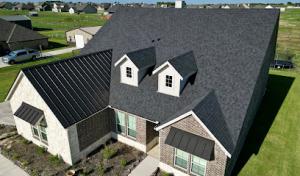

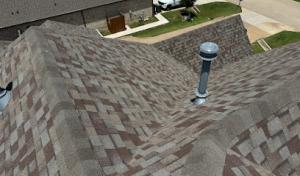
A full reroof project in this market usually triggers a permit with the city building department handling both the permit issuance and the plan review. The process is not just about the new shingles; it's about verifying that the roof system as a whole will perform well under North Texas hail exposure and the local climate. Expect the permit packet to include details on the overall roof structure, ventilation, decking, underlayment, drainage, and any required ventilation calculations. Having the plan reviewer look at the entire assembly early helps prevent delays later in the job and reduces the chance of a re-inspection due to missing elements.
In this jurisdiction, plan check attention centers on the roof's mechanical and drainage components as much as the finish material. Ventilation is scrutinized to ensure attic temperatures and humidity are controlled, which protects the decking and underlayment from premature failure. Decking integrity is evaluated for signs of prior damage or hail impact that could compromise the new system. Underlayment specification is reviewed for proper placement, seams, and wind protection, especially along eaves and hips where wind-driven rain is common. Drainage and flashing details matter as much as the choice of shingle or metal, because a properly pitched roof with sound drainage prevents water infiltration after a storm. Expect questions about attic access, soffit baffles, and proper venting pathways as part of the package.
Inspection timing typically follows a predictable rhythm: one after tear-off to confirm the old roof is fully removed and the deck is sound, and another after installation to verify the new system is installed to code and per the approved plan. Additional follow-up inspections may occur if the inspector identifies deficiencies or if adjustments are needed to meet ventilation, decking, underlayment, or drainage standards. Staying ahead of potential issues helps keep the project moving; for example, coordinated inspections make it easier to confirm that the decking is solid and that underlayment laps are properly sealed before the final roof covering goes on.
Communicate early with the roofing contractor about the plan review requirements and what documents will be needed for the permit package. Have a clear, labeled sequence for tear-off and replacement so the inspection order aligns with the work progress. If the plan reviewer flags a concern, address it promptly with the contractor, and arrange a quick follow-up inspection to avoid stalls. A well-coordinated approach reduces the chance of rework and helps ensure that the roof, when complete, meets both local expectations and the needs of a storm-prone North Texas climate.
Skylight repairs or replacements come up frequently after hail-driven damage, and the local market expects crews to coordinate flashing with the new roof deck and underlayment. Before any install, verify the skylight curb is solid, and the existing flashing integrates with the roof plane without creating a cold joint. In this climate, fasteners must seat properly and the flashing should be seated to shed water toward the seams. Plan to install matching step and head flashing that ties into the primary roof ventilation and ridge lines. If a skylight is set in a high-wall or parapet context, check for any wind-driven rain paths and seal accordingly. After installation, test water shedding with a gentle hose run along the perimeter to confirm no seepage at corners.
Chimney detailing remains a common concern on older homes with steadily aging brickwork and clay tile or asphalt backer sheets. The transition from chimney flashing to the main roof requires careful bending and sealing to avoid a gap along the mortar joint. If you have a metal chimney cap, ensure the counter-flashing seats tightly and that the base flashing overlaps the roof plane so runoff cannot pool at the joint. For slate or tile roofs, coordinate the tile course with the chimney flashing so that there is a continuous water trail away from the joint and no exposed fasteners in the critical water path. Recheck any soffit-to-flashing intersections for proper ventilation pull-through.
After a major storm, leaks centered on penetrations and transitions rather than wide-field shingle damage are common. Start outside the roof line at penetrations such as vents, skylights, and the chimney, then trace the water path inside to find the first compromised seam or step flashing. On older homes, flashings can distort with temperature swings or hail impact, creating micro-perforations that only show up during rain. When tracing leaks, test transitions with a damp appliance or hose to reproduce the exact interior flow. Document all suspect joints and plan targeted flashing repairs first, then address any surrounding deck or underlayment damage.
Find contractors experienced in skylight installation, flashing, and leak repairs to bring natural light into your home.
StormLight Exteriors
(214) 222-5471 stormlightroofing.com
424 E Main St Suite 202, Lewisville, Texas
5.0 from 56 reviews
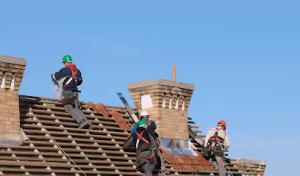
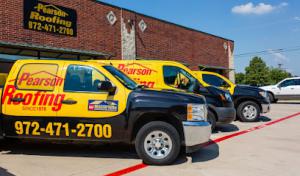
In a market with frequent post-storm activity, the contractor landscape can feel crowded after a hail event. Homeowners should be wary of crews that arrive with flashy promises but lack a steady local presence. Look for teams with documented local history, verifiable references, and a track record of full replacements rather than quick, temporary fixes. The distinction matters: long-standing operators tend to stay aligned with consistent material sourcing, proper decking assessment, and durable workmanship-key factors when an insurance-funded project transitions into a multi-year warranty review.
Cleanup-included, rapid-response service is a common sales lure in storm-driven seasons. While helpful when debris is blocking drainage or creating safety hazards, it can also mask underlying issues such as ventilation deficiencies, decking damage, or improper underlayment. Ensure the contractor's scope explicitly covers a thorough inspection of ventilation, decking, underlayment, and drainage as part of the replacement. A reliable team will not shortcut the inspection or glaze over attic venting needs to meet post-storm standards, because those elements shape how the new roof performs under future hail exposure.
Manufacturer-certified installation and warranty offerings are prevalent in this market, but terms vary between products and contractors. When insurance-funded replacements are involved, the distinction between material warranties and workmanship warranties becomes critical. Ask for written confirmation of both, with clear timelines, coverage limits, and what conditions void coverage. A careful lender of trust will require that the contractor's warranty terms align with the insurer's requirements and that any workmanship claims reference a documented, compliant installation process. This alignment helps prevent gaps that could complicate future hail-damage claims or post-storm repairs.
Lewisville is part of a high-claim North Texas environment where hail and wind are the dominant roof claim drivers. In this climate, carriers expect a clear trail of what happened and when, tied to recent hail activity. That means having a consistent set of records ready to share with the insurer or adjuster can help your claim move smoothly through the evaluation process.
Homeowners here should expect insurers and adjusters to request contractor information, date-stamped photos, and detailed damage documentation tied to recent hail activity. Prepare a trusted, licensed contractor's contact info, plus written notes on any temporary repairs. You should also collect evidence of the roof's condition before any temporary mitigation, if available, to avoid confusion over what existed prior to the storm.
Because claim handling in this region can hinge on inspection timing windows after storms, Lewisville homeowners benefit from documenting conditions before temporary repairs and again after tarping or mitigation. Take high-resolution photos from multiple angles inside and outside the attic, focusing on decking, underlayment, and visible fasteners. Keep a simple log noting dates of storms and any mitigation steps taken, so the claim timeline aligns with the insurer's review cycle.
Organize materials chronologically and by type: photos, written descriptions, contractor communications, and receipts for any temporary measures. Include a clear summary of hail events with dates, wind events when relevant, and observed impacts on shingles, vents, and flashing. If an adjuster requests a walkthrough, provide access to the full set of records you've compiled, plus notes on any areas you want the inspector to prioritize, ensuring a thorough and efficient assessment.
Connect with contractors who help homeowners navigate the claims process from damage assessment to final approval.
Pineapple Roofing
(972) 795-1342 www.pineapplecontractors.com
4400 State Hwy 121 #300, Lewisville, Texas
5.0 from 169 reviews
Stand Up Roofing & Construction
(940) 290-7663 www.standuproofing.com
354 Mc Donnell St Suite 6, Lewisville, Texas
5.0 from 89 reviews

Tex-Line Roofing
(940) 315-9118 www.texlineroofing.com
1865 Mcgee Ln # I, Lewisville, Texas
5.0 from 69 reviews