
Last updated: Apr 19, 2026
Spring thunderstorms in this area can churn through neighborhoods with little warning, leaving multiple roofs damaged at once. When a major hail event hits, a wave of claims surges into the same carriers, and the race to get a settlement can become urgent and chaotic. If you suspect shingles or metal surfaces show impact or denting, treat the next 24 to 48 hours as critical. Delays ripple into appointment backlogs and compounding weather exposure, which can worsen interior damage or accelerate underlayment deterioration.
Claim decisions in this market hinge on solid, photo-backed evidence. Before an adjuster arrives, photograph elevations to show how the roof sits with its surrounding structures, and capture soft metals, curved scrapes, and granule loss on shingles. Take close-ups of any pre-existing wear, flashing, and vent collars. Wide-angle shots of the entire roof and attic vents help an adjuster gauge overall condition. If you have drone or ladder access, include multiple elevations to illustrate slope and neighborhood context. This documentation speeds up the process, reduces back-and-forth, and helps you advocate for appropriate replacement rather than temporary repairs.
Insurers tightening in hail-prone Texas markets means claim decisions can hinge on sharper, more precise evidence and quicker response. In practical terms, that means you need to be ready to respond fast if an adjuster's first visit reveals the need for a full replacement. Delays in providing photos or missing documentation can stall approval or push you toward incremental repairs instead of a full replacement, which may not match the scale of damage you're seeing on your own. Prepare to move quickly between inspection, documentation, and decision points, especially if weather windows favor installer availability.
Plano experiences rapid replacement demand after a hail event, and the peak season can stretch installation schedules long after the initial storm passes. Even if spring or fall would typically be ideal, a major hail surge can push crews and materials into tight slots. If your roof requires significant work or full replacement, lock in a preferred contractor as soon as the initial assessments are complete. Delaying decisions in a crowded market can lead to longer waits, more exposure to weather, and more stress from evolving insurer timelines.
Right after a storm, record all observations you can - from granule sheen on shingles to dent marks on metal accessories. Create a simple, dated portfolio of images that you can share with your insurer and contractor. Reach out to an experienced local roofer the moment you see signs of damage or receive an insurance inquiry; a ready-to-go assessment can prevent days of back-and-forth. Schedule your contractor's inspection promptly so you have a clear scope aligned with what the adjuster will need to approve a full replacement rather than piecemeal fixes. If a hurricane-sized event hits a nearby neighborhood, expect a near-simultaneous flood of claims; plan your response now to stay ahead of the curve.

Imperial Roofing & Construction
(469) 871-7589 imperialroofing.net
400 Chisholm Pl # 213, Plano, Texas
5.0 from 628 reviews
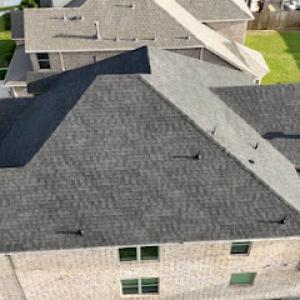
At Imperial Roofing, we set the standard for superior roofing services in Plano, TX. Specializing in both residential and commercial projects, our commitment to quality craftsmanship and material excellence is unmatched. Our skilled team is dedicated to delivering durable, aesthetically pleasing, and weather-resistant roofing solutions that stand the test of time. From meticulous installations to comprehensive repairs and maintenance, we ensure every roof is a fortress of reliability and elegance. Choose Imperial Roofing for a regal touch to your property’s crown.
Exclusive Roofing GC
(972) 266-1553 exclusiveroofinggc.com
5700 Tennyson Pkwy, Plano, Texas
5.0 from 253 reviews
At Exclusive Roofing GC, we take pride in being the leading provider of roofing services in the Dallas-Fort Worth (DFW) area. Our commitment to excellence, quality craftsmanship, and customer satisfaction sets us apart from the competition. Whether you need residential roofing, roof replacement, or roof repair, our team of experienced professionals is here to deliver top-notch services tailored to your specific needs. With years of experience and a dedication to using only the best materials, we ensure your roof is built to last. Trust Exclusive Roofing GC for reliable, efficient, and affordable roofing solutions.
Roof4You Construction
(469) 300-1208 roof4uconstruction.com
6275 W Plano Pkwy Suite 500 #544, Plano, Texas
5.0 from 174 reviews
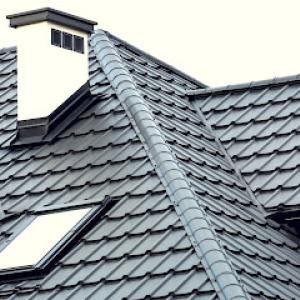
Roof4You Construction is a trusted roofing company based in Plano, TX, providing reliable roofing solutions for homes and businesses. Our experienced roofing contractors specialize in roof repair, roof replacement, and commercial roofing projects. We handle a wide range of materials, including shingles, tile, and metal roofing, ensuring each roof is built for durability and long-term performance. Whether you’re searching for “metal roofing near me” or need expert roof maintenance, Roof4You Construction delivers dependable workmanship and professional service throughout the Plano area.
RCSA Roofing & Construction
(972) 360-7891 www.rcsausa.com
1600 W Plano Pkwy Unit 44, Plano, Texas
5.0 from 135 reviews
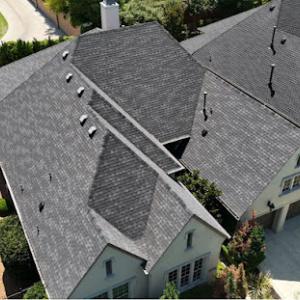
RCSA Roofing & Construction is a full-service general contracting firm based in Plano, Texas. We specialize in residential and commercial roofing, storm restoration, insurance claim assistance, and all phases of construction throughout the DFW metroplex.
Absolute Construction
(972) 596-0159 www.absoluteroofingcompany.net
605 18th St, Plano, Texas
4.9 from 673 reviews
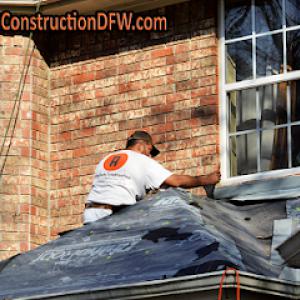
Absolute Construction has been in business since 2004. We have been servicing customers with their roof inspection, roof repair and roof installation needs in and around Plano, Texas. Our tried and true system is based on over 15 years cumulative experience shared between our amazing staff. We pride ourselves on “Excellence in Roofing.” Specializing in Residential Roofing. We provide Roof Replacement, Repairs and Preventative Maintenance Programs. We're voluntarily licensed with RCAT (Roofing Contractors Association of Texas) one of about 300 roofing companies licensed in the state of Texas.
Greenleaf Roofing
(972) 379-9109 www.greenleaf-roofing.com
1111 Jupiter Rd Suite 108-E, Plano, Texas
5.0 from 156 reviews
Local DFW Roofing company with an eye for excellence. We perform all kinds of roofing services, from mild to wild! Metal and flat work to shingles on your own home. Give us a call today for a free property inspection report.

Latinos En Roofing
(469) 947-7147 www.latinosenroofing.net
200 Chisholm Pl #230, Plano, Texas
5.0 from 195 reviews
Latinos En Roofing offers reliable roofing services in Plano, Texas, backed by a story of perseverance and growth. Founded by Amparo Sancen, whose journey began in 2006 with remodeling and roofing work in Atlanta, the business reflects hard-earned experience. After facing significant losses in 2010 due to limited resources and knowledge, Amparo shifted to subcontracting, valuing the stability it provided. Today, Latinos En Roofing stands as a testament to dedication and learning, proudly serving residential and commercial clients with integrity and craftsmanship. They are committed to helping others avoid the same pitfalls while delivering dependable roofing solutions across the Plano area.
Frog Roofing
(945) 227-8333 frogroofing.com
1110 Summit Ave #1, Plano, Texas
4.9 from 220 reviews
Frog Roofing provides superior roofing services in Plano, TX. Whether you need roofing installation services in Texas or are searching for roofing replacement companies in your local area, we are your trusted roofing contractor. Our team, with over 15 years of experience and licensed roofers, specializes in commercial and residential roofing, including maintenance, repair, installation, and replacement. At Frog Roofing, we not only believe in providing quality roofing services, but we also have a track record of meeting the expectations and requirements of our customers. Our team of experienced roofers, 1670+ satisfied clients and 100% satisfaction rate position us as the best roofing services provider. Call us to schedule a FREE inspection
Lotus Leaks & Roof Restorations
(214) 499-1898 lotusroofrestoration.com
6275 W Plano Pkwy Suite 500, Plano, Texas
4.9 from 253 reviews
Lotus Leaks & Roof Restoration is a roofing contractor in Plano TX offering both residential and commercial roofing services including new roofs, shingle replacement, and roof repair. We offer a variety of other contracting services including concrete repair, foundation repair, paving, residential and commercial painting, bathroom remodeling, kitchen remodeling, and more! Contact us today or visit our website to schedule an inspection.

Qualis Roofing & Construction
(972) 309-9074 www.qualisgc.com
820 W Spring Creek Pkwy Suite 400CC, Plano, Texas
5.0 from 125 reviews
Welcome to Qualis Roofing & Construction, your premier choice for top-quality roofing services in Plano, TX. As leading roofing experts, we specialize in roof installation, roof replacements, and 24 hour emergency roof repair services. Since our establishment in 2019, we have been committed to providing exceptional craftsmanship and unparalleled customer service to our valued clients. Whether you're in need of asphalt roof shingles installation or require immediate assistance with roofing emergency repairs, our team of skilled professionals is here to meet your needs. Contact us today to schedule your consultation and experience the Qualis Roofing & Construction difference firsthand!
Williams Brothers Roofing
(469) 402-2010 williamsroofing.online
2330 McDermott Rd, Plano, Texas
4.9 from 81 reviews
Ice Dam Removal: Eliminating ice dams to prevent leaks. Moss and Algae Cleaning: Eradicating biological growths on shingles. Roof Cleaning: Washing the roof to enhance its appearance and longevity.

Helsley Roofing Company
(972) 578-8982 helsleyroofing.com
6817 K Ave #102, Plano, Texas
5.0 from 70 reviews
Helsley Roofing Company is an honest, reputable, locally owned and operated roofing contractor serving DFW for over 30 years out of Plano, TX. We specialize in shingle roofing, metal roofing, tile roofing, slate roofing, roof repairs, gutter replacement, gutter repair, and leak repair for residential homeowners. We hold certification as a GAF Elite Contractor, Owens Corning Preferred Contractor, CertainTeed Preferred Contractor, and Tamko Pro Contractor. Additionally we maintain an "A" rating on BBB and a 5-star Google rating. If you want to experience working with a trusted, proven roofing company- call us today for your free estimate!
Hail events in North Texas can leave a dented or loosened roof surface in a hurry, and the hot, UV-intense summers accelerate aging across most materials. Asphalt shingles tend to show granule loss and curling sooner under repeated hail impacts and sun exposure, while metal roofs often resist hail better but can develop denting or loose fasteners if the panels aren't properly installed. Tile options-clay and concrete-handle impact differently: clay can crack with sharp hail strikes, and concrete tends to shrug off impacts but may suffer from cracked coatings or broken tiles if the hail is heavy. Synthetic or composite shingles mix a hail resistance profile closer to asphalt with added durability from modern formulations, yet they still rely on good installation and proper attic ventilation to keep heat from baking the underlayment. Slate offers high impact resistance in many installations but requires exacting workmanship; missteps in access or support can complicate repairs.
When choosing among materials, consider how heat affects each one over Plano summers. Asphalt shingles age quickly under UV exposure, so you may see faster granule loss and color fading. Metal roofs, while excellent at shedding heat when installed with reflective coatings, can transfer heat to attic spaces if attic insulation isn't adequate, potentially stressing underlayment and decking over time. Tile roofs-whether clay or concrete-reflectivity and thermal mass matter: clay tends to stay cooler in the heat but can be more brittle in hail, whereas concrete is generally tough but heavier, demanding a careful structural assessment. Synthetic or composite shingles offer a favorable balance of heat resistance and hail performance, but installation quality remains critical to prevent heat-soaked underlayment. Slate, while aesthetically premier and long-lasting, requires a roof deck that's prepared to support the weight and a contractor skilled in precise tile repair and matching.
Tile and slate options seen on higher-end homes can complicate repairs after hail. Matching exact tile shapes, colors, and profiles is tougher than replacing standard shingles, and access during repairs risks breaking adjacent pieces. In Plano, the need to source specific tile types quickly is common, so plan for potential delays in matching and color consistency. When a section needs replacement, deliberate handling to prevent further breakage is essential, and crews with experience in tile roofs typically route through the repair math differently than those handling shingles. If a roof uses tile or slate, you'll want a contractor who can assess the entire roof system-underlayment, flashing, and fastener pattern-because the scope often extends beyond a single damaged piece.
Begin with an inspection after a hail event to identify visible damage and hidden issues in the shingles or tiles. Prioritize materials whose heat response matches the home's attic ventilation and insulation strategy, since heat-driven aging compounds hail-related wear. If a replacement is on the table, ask for a plan that considers the local online permit and inspection flow and how the new roof will perform in extreme heat and wind. For tile or slate, request a detailed repair plan that addresses matching, potential breakage during access, and overall replacement scope to avoid surprises down the line. For asphalt, metal, or synthetic options, focus on the warranty terms related to hail impact and UV aging in a North Texas climate.
In North Texas, material pricing for Plano follows familiar ranges, but storm-driven demand can push those numbers higher during peak after-storm weeks. Asphalt shingles typically run about $350-$550 per square, metal about $900-$1500, clay tile $1000-$1800, concrete tile $900-$1600, synthetic or composite shingles $600-$1100, and slate $1200-$2500 per square. If a roof already has high-end features or specialty details, those base prices can climb quickly due to extra waste, more labor time, and careful handling of delicate finishes. Use these ranges as planning anchors, not absolute quotes, especially after a hail event when crews are in high demand.
Plano experiences frequent North Texas hail and wind, which compresses labor availability and stretches tear-off, dry-in, and final completion timelines. When storms hit, crews may shift to higher-priority insurance work, and local supply chains can tighten, widening the gap between the scheduled start date and project finish. Expect some suppliers and crews to add surge adjustments during the peak post-storm window. Those adjustments show up as higher per-square pricing or expedited-crew fees, and they can stay in effect for several weeks to months depending on the season and demand.
The mix of homes in this area matters for final math. Standard suburban shingle roofs stay closer to the bottom end of the ranges, but more complex homes with clay or concrete tile, slate, skylights, or vaulted sections increase labor time and waste. Tiles require careful removal and reinstallation to avoid cracking, while slate demands specialized handling and stronger waste-management planning. A roof with multiple angles, dormers, or a difficult-to-access attic space adds material and labor costs, and can delay dry-in if weather windows are tight.
Start with a realistic assessment of your roof's condition after a hail event and gather a few written quotes from local, established crews who understand Plano's climate and typical home stock. Ask for itemized bids that separate tear-off, disposal, underlayment, flashing, and final finish materials. Request a projected timeline that accounts for current post-storm scheduling realities and a contingency for weather. If your insurer is involved, have clear documentation on shingle types, tile choices, and any architectural details you plan to preserve or upgrade; this helps keep the replacement aligned with your plan and reduces back-and-forth during the claim process. Keep a close eye on material substitutions, as moving from tile or slate to synthetic or asphalt can shift both cost and performance expectations in this market.
Get a clear picture of your project costs upfront - no commitment required.
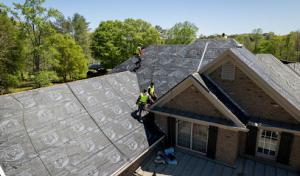
Williams Brothers Roofing
(469) 402-2010 williamsroofing.online
2330 McDermott Rd, Plano, Texas
4.9 from 81 reviews

Helsley Roofing Company
(972) 578-8982 helsleyroofing.com
6817 K Ave #102, Plano, Texas
5.0 from 70 reviews

Redbird Roofing
(972) 596-5328 www.redbirdroofingtx.com
1506 Capital Ave #150, Plano, Texas
4.9 from 55 reviews
When planning a reroof project in this area, the usual starting point is the City of Plano's online permit portal. The process is designed to be straightforward for a standard reroof, and a plan review is not typically required unless the project includes structural changes or adds new roof geometry. The key step is to submit the reroof permit application through the city's online portal, provide the contractor details, and ensure the job site address is accurate. Having pre-approved materials and a clear scope of work helps the city process the permit quickly, which matters in a market where insurance-driven timelines can move fast. The permit acts as the official authorization to begin work, and keeping it current is essential for a smooth inspection sequence.
Reroofing work in this area typically follows a two-inspection sequence: rough inspection and final inspection. The rough inspection occurs after the underlying sheathing and any structural-related steps have been prepared and before the roof covering is installed. The final inspection is conducted after the roof system is complete, including all penetrations, flashing, and ventilation. The permit must stay active during the entire project, so schedule alignment with your contractor is important. A certified inspector will verify that the installation matches the approved scope, meets local wind and fire-safety requirements, and that the roof is properly vented to handle the hot Texas summers and the potential for heavy hail exposure. Expect some coordination with utility marking if there are service penetrations or changes.
One practical requirement to avoid delays is making the permit number clearly visible on the job site. This helps inspectors verify the project without needing to track down documentation on site. Plan to display the permit number in a durable, weather-resistant manner where it is easily seen from the street. If inspections are scheduled, ensure access for the inspector, including unobstructed pathways to the roof and attic spaces as needed. Your contractor should provide a clear line of communication with the City during the process, including updates if weather interrupts a progression between rough and final inspections. A well-documented, transparent workflow reduces the chance of re-inspection fees and keeps the project on track.
In a fast-moving insurance-claim environment, timing matters. Align your permit activation with the chosen start date and confirm cancellation or extension options if there is a weather delay. Keep all receipts and documentation ready for final approval, including any material substitutions or changes approved during the process. If structural components are not part of the scope, plan for a straightforward reroof; if changes are contemplated, be prepared for a plan review that could lengthen the timeline. Staying proactive with communication between you, the contractor, and the city helps ensure the project meets code requirements and passes inspection without unnecessary delays.
Spring in Plano offers favorable roofing temperatures for material handling and fast install days, but it also brings hailstorms and severe thunderstorms that can halt work and flood contractor schedules. When planning, set a realistic milestone calendar that assumes potential weather gaps of a few days to a week. Prioritize projects that have already cleared the critical inspection checkpoints and ready-to-go material orders, so you can slip into a weather window without losing momentum. Stay in close contact with your crew about shifts and arrival times, because sudden spring downpours can turn a two-day kickoff into a week-long delay. If you can, line up late morning start times to take advantage of cooler air and lower moisture buildup on tools and ladders.
Summer is brutally hot and can shrink comfortable, safe installation windows to a handful of hours each day. The working day should begin early, with doors open and reflective coverings ready to guard against UV damage and heat-related fatigue. Plan for increased heat protection for both people and materials, including shaded staging areas and hydration protocols. In this season, material handling matters: transport and storage should minimize exposure to direct sun, and you want everything pre-cut and staged before you start a roof removal to prevent long exposure on scorching surfaces. Expect extended dry spells to speed up progress, but also anticipate sudden storms and the risk of wind-driven debris that can force crews off the roof temporarily. A well-coordinated crew, a clear sequence, and contingency time built into the schedule will keep a project moving when the clock is ticking.
Fall is often another good reroof season, but wet weather can interrupt projects and compress availability before winter cold snaps. Start with a precise weather-gates plan: identify two or three windows of high-confidence dry days, and lock the crew into a tight sequence that minimizes re-climbing and re-fassing. Dry, moderate days are ideal for final shingle alignment and sealant cures, but lingering fall humidity can affect asphalt and synthetic products differently, so your team should adjust adhesive and nail patterns accordingly. By anticipating short, wet spells, you protect the schedule from slipping into December and ensure that vulnerable materials are stored in dry, protected spots rather than left exposed in driveways or garages. Maintain clear communication with homeowners about expected pausing points and resuming times so everyone understands why a delay happens and how it will be recovered.
In this high-claim Texas insurance environment, hail and wind losses drive how policies are written and renewed, and how quickly claims move through the system. Deductibles can shift with each renewal, coverage options may tighten after sizable events, and carriers scrutinize roof age and condition more aggressively. This isn't theoretical-it's the everyday backdrop for reroof decisions after a hail season or a severe wind event.
Some insurers have adjusted underwriting in neighborhoods known for hail, which means cosmetic damage exclusions, actual cash value terms, or roof-age limitations might affect whether a full replacement is approved. If a claim surfaces after a storm, the question becomes whether the damage justifies replacement or falls within a depreciation framework. A homeowner should confirm how these terms apply to their specific policy before assuming a full roof replacement is guaranteed by the claim.
For claims tied to Plano weather, thorough documentation matters. Pre-existing conditions should be clearly described, along with the expected replacement scope. Photographs, professional assessments, and a measured inventory of damaged and undamaged components help the adjuster see the full picture. This clarity reduces back-and-forth and aligns expectations on what the insurer considers payable and what the contractor must address in the replacement scope. In practice, a well-documented file can be the difference between a smooth adjustment and prolonged negotiations.
When hail-driven damage intersects with an insurer's tightened review, the timing of decisions becomes critical. Short notice, changing coverage terms, or limited room for negotiation can impact when and how a replacement is pursued. Plainly stated: the smarter approach is to plan for a precise, documented scope from the outset, and to coordinate closely with a contractor who understands how adjusters tend to evaluate Plano homes after a major storm.
After North Texas thunderstorms, you need rapid stabilization to prevent further interior damage. In Plano, wind-driven rain can exploit even small roof penetrations, so secure tarps or plastic sheeting over exposed areas as soon as safely possible. If a ladder is required, have a helper on the ground and place a roof ladder protection to avoid shingle or membrane tearing. Prioritize areas around skylights, vents, and chimneys where a leak can escalate into attic staining within hours.
Fast tarping buys critical time while replacement crews are organized. Use 4-mil or heavier plastic and generator-grade tape to seal seams, but avoid over-tightening, which can tear under wind gusts. On gable ends and ridge lines, ensure the tarp edges are weighted down with roof bricks or sandbags to resist gusts. In busy claim periods, material shortages and insurer approvals slow progress; keep a visible tarp with a dated note so adjusters see you are actively containing risk.
Document damage with dated photos from multiple angles, including the interior ceilings near suspected leaks. Note any recent hail impact patterns and wind-driven rain entry points around penetrations. If water marks appear in ceilings or walls, pause decision-making on cosmetic issues and focus on stopping the leak. Keep a log of weather windows and contact attempts with storm-repair crews to avoid gaps in coverage and to accelerate scheduling.
If a leak threatens electrical components, insulation, or costly interior finishes, contact a local storm-response contractor immediately. In Plano, quick triage prevents minor damage from turning into structural or moisture-related issues, especially on homes with skylights or large penetration sites.
When you can't wait, these contractors offer fast response times to stop leaks and prevent further damage.
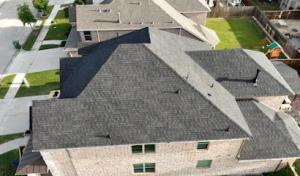
Exclusive Roofing GC
(972) 266-1553 exclusiveroofinggc.com
5700 Tennyson Pkwy, Plano, Texas
5.0 from 253 reviews

Qualis Roofing & Construction
(972) 309-9074 www.qualisgc.com
820 W Spring Creek Pkwy Suite 400CC, Plano, Texas
5.0 from 125 reviews
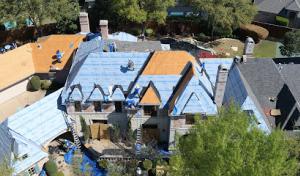
Pioneer Roofing
(469) 909-1423 www.mypioneerroofing.com
4740 14th St Suite 2A, Plano, Texas
4.9 from 117 reviews
While most residential roofing in this area uses a pitched system, there are still homes and ancillary structures with low-slope sections that require different drainage approaches and membrane detailing than the main roof. In these areas, knock-on effects from hail impact, heavy rainfall, and UV exposure can accelerate membrane wear and edge flashing deterioration. Plan for a continuous, properly lapped underlayment system that resists pooling and directs water toward the primary drainage paths. Pay attention to transitions where the low-slope surface meets steeper planes, ensuring all seams, fasteners, and drip edges are compatible with the chosen membrane and that flashing around chimneys, vents, and skylights remains continuous and watertight. In practice, you'll want a meticulous inspection of cant strips, parapets, and terminations, because small gaps here become leak points after a hail event or a high-wind season.
Plano properties often feature mixed-surface roofs, where steep-slope shingles or tile meet low-slope transitions, with multiple penetrations and flashing details. The key is to treat each transition as a dedicated junction: ensure flashing styles match the adjacent materials, lap joints are reinforced, and sealants are rated for both UV and temperature swings. Mixed surfaces demand careful attention to snow- and hail-prone edge zones, where wind uplift can lift underlayment or flashing if not properly secured. When replacing sections, match the color and profile of surrounding material as closely as possible to minimize mismatches that can trap debris and hold moisture.
If a roof supports solar panels, plan reroofing around panel removal and reinstallation. Panel racking and mounts create limited access during replacement, so scheduling should align with the anticipated roof cycle and weather windows. Consider how the removal process affects the underlying flashing and vent penetrations; a reroof should re-seal all penetrations with materials compatible with the solar mounting system. Additionally, hail-driven damage can extend to the mounting hardware or ballast, so inspect panel attachments and ensure proper corrosion protection and wind uplift resistance are maintained after reinstallation.
Find specialists in TPO, EPDM, and built-up flat roofing systems for residential and commercial properties.
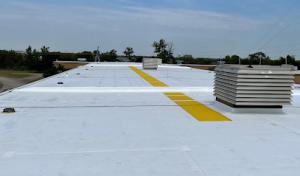
Brothers Roofing
(214) 310-0337 www.brothersroofs.com
1321 Precision Dr Ste. 100, Plano, Texas
4.9 from 147 reviews
Swan Roofing
(972) 596-8313 swanroofing.com
1321 Precision Dr #600, Plano, Texas
4.8 from 86 reviews
Texas Edge Roofing & General Contractors
(800) 502-7663 texasedgeroofing.com
Serving
5.0 from 46 reviews