Last updated: Apr 19, 2026
Fort Worth sits in the North Texas hail belt, where spring hailstorms and severe wind events are a primary trigger for roof inspections and full replacements. That means your roof lives in a hurry-up weather cycle: storms roll in, then the next wave of hail arrives, and your shingles take the hit whether you're watching for it or not. In this climate, even roofs that look decent from the ground can suffer unseen damage-shingle granules, micro-cracks, and hidden leaks that pop up after a storm passes. If you've had hail within the last season or two, you're playing catch-up with wear that accelerates quickly under the heat and sun. The urgency isn't just about spotting a dent; it's about preventing progressive water intrusion that can weaken decking and fascia and escalate repair costs.
High local claim volume means homeowners in Fort Worth often face stricter insurer documentation requirements, including detailed pre- and post-installation photos and adjuster-ready damage records. Before you file, catalog every visible issue: hail impact marks, curled or missing edges, shingle displacement, and any curb- or attic-area signs of moisture intrusion. Photograph from multiple angles, clearly date-stamped, and keep a running repair-log if you've had temporary fixes. When the adjuster arrives, your photos should tell the story of damage progression, not just a snapshot of the moment. If a contractor mentions infrared scans or deck checks, understand that insurers may expect this level of documentation to justify a full replacement rather than cosmetic repairs. Have a written summary ready that ties storm events to observed damage on the roof and in adjacent areas like gutters and soffits. In fast-moving storm seasons, delays bloom quickly; organized records can shave weeks off the process and keep your project on track amid competing claims.
Storm-driven demand surges after major North Texas weather events can quickly tighten contractor availability and push scheduling farther out across the metro area. When a large hailstorm hits, you may find multiple homeowners competing for the same crews, and reputable roofers will prioritize projects in the order of risk and documentation completeness. This is not the time to wait for "the perfect window." If you suspect damage or your insurer approves a claim, lock in a qualified contractor promptly and start the replacement timeline the moment you have an insurer-approved scope. Be prepared for a short lead time between claim approval and installation, and communicate clearly about access, debris management, and daily disruption. If a storm is forecast or just passed, expect escalation in both rate of calls and appointment wait times. Align with a local crew that understands how to coordinate with adjusters and the city's inspection cadence, so your project proceeds smoothly from weatherproofing to final finish. Remember: while the next storm is always around the corner, delaying a documented, insured replacement can elevate risk and cost in this climate. Prioritize solid, documented scope and a trusted local team who can navigate the hail-driven reality with you.
Davis Roofing Solutions
(817) 857-7663 www.davisroofingsolutions.com
901 Bonnie Brae Ave, Fort Worth, Texas
5.0 from 289 reviews
Davis Roofing Solutions is your go-to DFW roofing contractor. We specialize in insurance funded storm restoration and roof replacement services across the DFW Metroplex and all of North Texas. If you have experienced hail or wind damage or just aren’t sure about the condition of your roof, we’re here to help! Whether you have an active roof leak or just need a little maintenance, we do it all…and we even offer minor repairs and routine maintenance absolutely free. We are proud to be your premier roofers in Fort Worth and provide a superior level of service, including free upgrades and lifetime warranties, that has led us to be known as “DFW’s Most Trusted Roofing Contractor”. CALL TODAY to see how we can best serve you!

Fort Tex Metals & Roofing
(682) 313-4066 www.ftmandroofing.com
4200 S Hulen St #654, Fort Worth, Texas
5.0 from 157 reviews
The Fort Tex Metals & Roofing Team is here to serve all your storm restoration projects! We offer free online roof estimates. No project is too big or small that we can’t complete. Serving All Of Metroplex DFW!
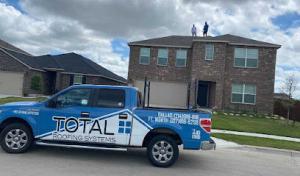
Total Roofing Systems
6013 Reef Point Ln, Fort Worth, Texas
5.0 from 139 reviews
Total Roofing Systems is a locally owned and operated roofing company built on integrity and homeowner advocacy. Each roof installation uses not only professional tools and materials by the best installers in DFW. We are insured, BBB A+ Rated, and 5-star rated on Google by homeowners just like you that trust us to protect their most valued asset.
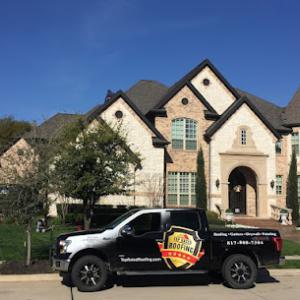
Top Rated Roofing
(817) 808-7304 www.topratedroofing.com
9812 Rio Frio Trail, Fort Worth, Texas
5.0 from 136 reviews
When it comes to protecting your home or business, call the experts at Top Rated Roofing for a service you can trust. We provide full restoration from hail damage, such as roof, gutters and windows, drywall and painting.
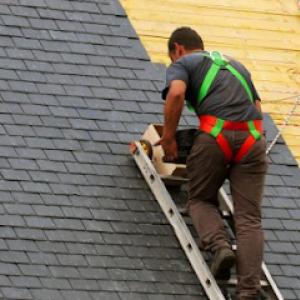
CLC Roofing
(817) 306-4567 www.fortworthroofing.net
600 W 6th St Floor 4, Suite B, Fort Worth, Texas
5.0 from 258 reviews
CLC Roofing Fort Worth is a Fort Worth roofing company that provides experts for re-roofing and repairs. We also do skylights, rain gutters.We offer professional roofing expertise for Dallas, Fort Worth and surrounding areas. Our local roofers handle residential roofing as well as commercial roofing projects. We are fully qualified to help you with roof repairs and roof replacements due to storm damage, such as damage from the recent hail and wind storms we’ve experienced in the Dallas and Fort Worth areas. We can also help you with roof leaks and the interior damage that comes along with them. We’re here to do a great job for you.
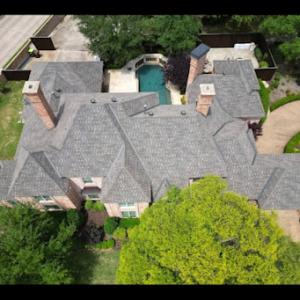
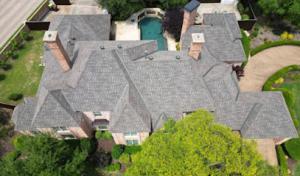
Century Roofing & Construction
(817) 330-6001 centuryroofingandconstruction.com
5840 Rendon Bloodworth Rd, Fort Worth, Texas
5.0 from 167 reviews
Looking for a reliable Fort Worth roofer? Century Roofing and Construction is the leading Roofing Contractor in Fort Worth, TX & the surrounding areas. Whether you need roof repairs, replacement, or a new installation, our experienced team provides high-quality craftsmanship and excellent customer service. We specialize in both residential and commercial roofing, handling everything from storm damage repairs to routine maintenance. Searching for roofing near me? Call us today for a free estimate and discover why we’re the preferred roofing experts in the Fort Worth area! Roofer Fort Worth TX Roofing Company Fort Worth TX Roof Repair Fort Worth TX Roofing Contractor Fort Worth TX Commercial Roofer Fort Worth TX
Park Vista Roofing
(682) 214-7533 www.parkvistaroofing.com
9500 Feather Grass Ln Suite 120 #142, Fort Worth, Texas
5.0 from 105 reviews
Residential and commercial roofing contractor that's born and raised in Fort Worth. We don't ask to see your insurance check to get a written estimate; we don't play those games! Your home is only as strong as your roof. If you have minor leaks, hail or wind damage, you need a roofing contractor who can provide the right repairs! We don't cut any corners!
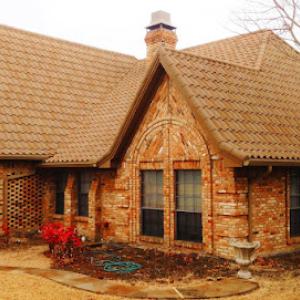
High Pointe Roofing & Construction
5751 Kroger Dr, Fort Worth, Texas
5.0 from 104 reviews
Roofing replacements. Roof Repairs. Gutter Replacements. Gutter Repairs. Construction. Exterior Construction. Roof Installers.

Top Source Contracting – Fort Worth Roofing Repair & Replacement (Residential, Commercial, Hail Repair)
(817) 832-7088 topsourcetx.com
9500 Ray White Rd Suite 200, Fort Worth, Texas
5.0 from 103 reviews
Top Source Contracting – Fort Worth Roofing Repair & Replacement offers superior residential and commercial roofing services with a focus on quality and customer satisfaction. Located at 9500 Ray White Road, Suite 200, we specialize in roof installation, roof replacement, and roof repair, including hail repair. Our expert team provides reliable roof leak repair, comprehensive roof maintenance, and emergency roof services to ensure your property remains secure. As top local roofing contractors, we deliver the best roofing service tailored to your needs. Trust us for all your local roofing services and experience unparalleled craftsmanship.
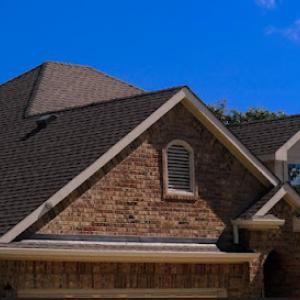
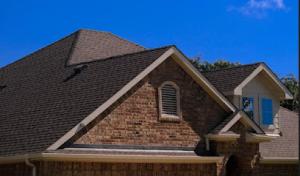
Veteran Brothers Roofing & Restoration
(817) 415-0067 veteranbros.com
5310 N Tarrant Pkwy #128, Fort Worth, Texas
5.0 from 103 reviews
Veteran Brothers Roofing & Restoration in Fort Worth, TX is a veteran-owned company serving residential and commercial clients across Dallas, Weatherford, and Arlington. We handle storm damage repairs, complete replacements, and new installations, specializing in Metal/Standing Seam, Stone Coated Steel, TPO, Asphalt Shingles, and Tile. Count on our skilled team for quality craftsmanship, superior materials, and exceptional customer service. Safeguard your property investment by choosing a trusted local roofing contractor. Free inspections and insurance claim assistance are available. Reach out today for a no-obligation quote!
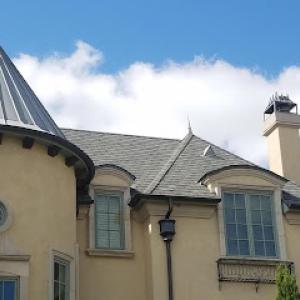
Compass Roofing
(817) 349-3129 compassroofing.com
6040 Camp Bowie Blvd # 58, Fort Worth, Texas
4.9 from 276 reviews
Looking for a team of skilled, versatile roofers in the Dallas , TX and Fort Worth, TX area? No matter your needs, Compass Roofing has you covered! We’re a customer-focused roofing company that offers a wide range of services to both residential and commercial clients in and around Dallas , TX and Fort Worth. We use only the highest quality materials in the industry and can help you determine the right roofing solution for your home or commercial building. We are also known throughout the Dallas , TX and Fort Worth area for providing the most thorough and reliable infrared camera inspections of any local roofing company.
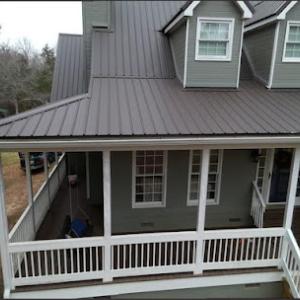
Martin & Sons Roof Repair
9332 Clifford St, Fort Worth, Texas
4.9 from 101 reviews
Tile Replacement: Replacing cracked or broken tiles on tiled roofs. Full Roof Replacement: Completely replacing the roof when repairs are no longer sufficient. Wind Lift Repairs: Restoring areas damaged by strong winds.
In this area, exposure to long, sun-intense summers accelerates thermal aging on exposed roofing surfaces, especially on darker asphalt systems common in local neighborhoods. The heat drives faster oxidation and granule wear, which can shorten a roof's effective life if preventative steps aren't taken. Metal roofs can handle heat well but may show faster expansion and contraction cycles at seams if fasteners aren't properly installed or maintained. Clay and concrete tiles resist heat better but can become brittle if underlayment and flashing aren't designed to accommodate high-summer expansion. The takeaway is that your roof should be paired with a matching underlayment, flashing, and ventilation strategy that accounts for Fort Worth's high daytime temps and strong sun.
Rapid temperature swings in North Texas can stress sealants, flashing details, and some roofing materials during installation and early service life. On any reroof or major repair, ensure the contractor sequences installation to minimize cold joints and allow sealants to cure in gradually warming conditions. Inspect flashing around chimneys, vents, and skylights for signs of micro-cracking or loosening after the first few extreme heat days or sudden cool fronts. If a roof is installed in the peak heat of summer, confirm that the chosen sealants and mastics have proven, heat-tolerant formulations and that they're applied with proper curing windows. Early service life is the time when improper detailing shows up first, so pay attention to ridge lines, step flashing, and transitions between different roof planes.
Milder shoulder seasons are often preferred in Fort Worth for planned roof replacement because extreme summer heat can slow crews and affect material handling. Scheduling work in spring or fall helps crews maintain steady pace, reduces heat-related worker downtime, and minimizes the risk of heat-related material issues such as adhesive setting errors or rapid drying of fasteners. If a summer replacement is unavoidable, plan for shaded staging areas, midday breaks, and a contingency for dew and heat-driven moisture changes that can affect asphalt shingle installation or sealant sets.
Routine inspections should emphasize sun-exposed surfaces for accelerated wear, especially on darker shingles where heat absorption is highest. After hail events or strong storms, recheck exposed granules and look for accelerated granule loss that can signal accelerated aging in hot-weather climates. Flashing joints, corner details, and vent penetrations deserve annual scrutiny, as heat and wind-driven debris can loosen fasteners or degrade sealants over time. In practice, treat Fort Worth-specific wear as a periodic audit: note what ages fastest on your roof, and address roof-to-wall interfaces and heat-exposed planes before minor issues become larger, more costly problems.
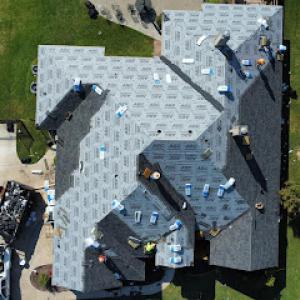
Asphalt shingles dominate much of the market here because they fit the city's broad mix of postwar subdivisions, newer master-planned housing, and storm-repair replacement work. You'll see them on most mid-century bungalows and contemporary suburbs where quick, reliable coverage matters after hail events. When choosing shingles, focus on impact resistance ratings and fairly robust wind uplift performance to stand up to spring wind bursts and summer heat. In practical terms, look for thicker bundles, reinforced underlayment, and a warranty that aligns with Fort Worth's severe storm cycles. For homeowners in typical subdivisions, this is the combination that balances familiar aesthetics with dependable service life through multiple storm seasons.
Clay and concrete tile appear on higher-end and Mediterranean-influenced homes found in parts of the market. These tile systems bring a distinct look that many local neighborhoods prize, especially where rooflines are prominent and contribute to curb appeal. Hail exposure, however, makes crack detection and replacement a local concern: tiles can crack individually even when the underlying deck remains sound, and color-matching becomes trickier after a replacement. Prioritize a qualified roofer who can verify tile integrity across the roof, ensure proper underlayment protection, and plan for careful matching and seamless transitions around chimneys, dormers, and vent pipes. If choosing tile, expect a longer replacement cycle around storm season and a need for precise color and texture coordination to maintain a cohesive appearance.
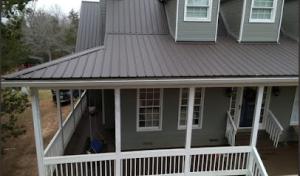
Metal roofing has a visible niche in this market because homeowners balance hail concerns, heat reflectivity, and long-term durability when comparing it to upgraded shingle systems. Metal panels can offer excellent resistance to hail and higher wind speeds, and they reflect a portion of the sun's heat, which can help in the hot months. The trade-off is a distinctive shadow line and the potential for color fading or matching adjacent surfaces if a patch becomes necessary. For homes with clay or concrete tiles nearby, metal can cap a transition zone gracefully, but ensure the installation accounts for expansion joints, flashing around roof penetrations, and proper insulation under the metal to prevent condensation issues in the attic. If aesthetics and hail resistance are your priorities, metal stands as a practical alternative to a premium shingle upgrade.
Across styles, the goal is to select a system that integrates with the home's architectural language while offering resilience under heavy hail, heat, and wind. The Fort Worth climate emphasizes rapid post-storm evaluations: look for a roof that allows quick access for inspection, straightforward replacement in compromised sections, and a method for consistent color and texture matching when repairs are needed. For Mediterranean-influenced designs, ensure eave overhangs and soffits are considered in the roof's ventilation strategy, since the combination can influence long-term performance in extreme heat. In more traditional postwar setups, the emphasis remains on proven asphalt performance with modern underlayment and shingle technology to weather the season's demands.
Explore specialists in steel, aluminum, and standing seam metal roofs built to last 50 years or more.
Total Roofing Systems
6013 Reef Point Ln, Fort Worth, Texas
5.0 from 139 reviews
Veteran Brothers Roofing & Restoration
(817) 415-0067 veteranbros.com
5310 N Tarrant Pkwy #128, Fort Worth, Texas
5.0 from 103 reviews
Mighty Dog Roofing
(817) 318-8041 www.mightydogroofing.com
2833 Crockett St #182, Fort Worth, Texas
4.9 from 103 reviews
In Fort Worth, after a hail event the local market can tighten quickly, with crews and materials in high demand across North Texas. That spike pushes lead times and can stretch scheduling by several weeks, especially for full reroofs that require high-capacity crews. Homeowners should expect that availability, not just price, will influence when a project starts. When storms rack up across the region, the most common bottleneck isn't the roof itself but getting a crew lined up and materials delivered in time to meet the project window. Planning ahead, with a realistic target start date set after the busiest weeks, helps avoid long delays once a bid is accepted.
Material choice matters sharply in this market. The local ranges reflect the immediate post-storm market: asphalt shingles typically run from 350 to 650 USD per square, while higher-end options such as slate span from 850 to 1500 USD per square. Metal roofing sits in between, commonly 600 to 1200 USD per square, and concrete or clay tiles also show wide spreads depending on surface complexity and underlayment needs. The strongest economy in a Fort Worth storm season is balanced with expected durability; asphalt shingles are quicker to install and cheaper upfront, but dense wind and hail loading can favor more impact-resistant options in the mid to high end. If the roof is large or has multiple peaks, the project cost can shift noticeably with trim, ventilation upgrades, and underlayment choices. A practical approach is to map the house as it sits, note the most exposed slopes, and discuss impact resistance ratings for the chosen material with the contractor before signing.
Timing a reroof in this market means recognizing that planning and execution extend beyond the shingle stack. Weather windows, material availability, and crew calendars all compress when a major hail event hits. If insurance timelines are part of the plan, expect document handoffs to align with storm-season activity and adjust the project calendar accordingly. Clear, proactive communication with the contractor about preferred start dates, potential weather holds, and preferred sequencing of tear-off versus new roof installation helps maintain momentum even when the North Texas sky delivers unpredictable punchy days.
Get a clear picture of your project costs upfront - no commitment required.

Fort Tex Metals & Roofing
(682) 313-4066 www.ftmandroofing.com
4200 S Hulen St #654, Fort Worth, Texas
5.0 from 157 reviews
Century Roofing & Construction
(817) 330-6001 centuryroofingandconstruction.com
5840 Rendon Bloodworth Rd, Fort Worth, Texas
5.0 from 167 reviews
Veteran Brothers Roofing & Restoration
(817) 415-0067 veteranbros.com
5310 N Tarrant Pkwy #128, Fort Worth, Texas
5.0 from 103 reviews
A full re-roof in Fort Worth commonly requires a permit issued through the City of Fort Worth Development Services. This is not optional paperwork you can skip, even if a contractor provides temporary protection or quick fixes. Permits create a formal trail that protects your home and keeps your project aligned with local code and weather risks. The timing and documentation you submit will shape how smoothly your project moves from tear-off to completion, so treat this step as essential rather than ceremonial.
Fort Worth projects typically receive an inspection after installation, and a final inspection is required before the permit can be closed out. The sequence holds steady enough to be predictable, but the exact order and focus can shift based on who is on site and the project scope. After your new roof is installed, plan for the first inspection to verify component installation, underlayment, and attachment methods. The final inspection confirms everything is properly completed and tied into the home's structural, electrical, and ventilation considerations where relevant. Because inspectors may emphasize different details, you should be prepared for questions about nailing patterns, attic ventilation, and chimney flashing, depending on your roof type and local weather-resistant needs.
The exact inspection sequence in Fort Worth can vary by inspector and project scope, so homeowners should confirm the expected process before tear-off begins. Contact your contractor and the city desk early to get a written, project-specific checklist and a rough timeline. Keep access clear for inspectors, including secure attic spaces and any necessary shutoffs. Have your contractor photograph or document key stages, especially around roof penetrations and edge details, to offer a straightforward reference for the inspectors. If a snag occurs, address it quickly and document the fix, since delays in one phase can cascade into the overall schedule.
Fort Worth homeowners are operating in a high-claim North Texas roof insurance environment shaped by repeated hail, wind, and severe storm losses. That reality colors every claim from a damaged asphalt shingle to a full roof replacement. When a hail event hits, expect more rigorous claim activity and a tighter market for coverage options. The consequence isn't just a faster timeline to decisions; some carriers may reframe policy terms in ways that change what gets covered and how much less or more your policy might pay on a roof claim.
Some carriers have tightened underwriting in high-hail parts of North Texas, which can affect roof replacement coverage options and policy terms for Fort Worth properties. That means you may encounter stricter depreciation schedules, higher deductibles for storm-related losses, or more limited options for certain roof types after a loss. The market response can feel systemic rather than personal, so it pays to understand the arc of a claim early and to align expectations with what the carrier is willing to authorize for replacement rather than repair-only outcomes.
Because adjusters in this market often expect stronger documentation, Fort Worth homeowners should keep date-stamped storm photos, inspection notes, and installation records. Photos taken at the exact time of impact, with identifiable features and dates, can make a meaningful difference when insurers compare pre- and post-storm conditions. Inspection notes should capture denting, granule loss, lifted shingles, and any interior signs of water intrusion. Installation records-manufacturer warranties, shingle type, and the date of the last full reroof-help demonstrate evidence of prior conditions and post-storm work. In practice, organized, precise documentation can shorten review times and reduce back-and-forth with adjusters, which is especially valuable when hail season peaks.
Connect with contractors who help homeowners navigate the claims process from damage assessment to final approval.
Davis Roofing Solutions
(817) 857-7663 www.davisroofingsolutions.com
901 Bonnie Brae Ave, Fort Worth, Texas
5.0 from 289 reviews
Fort Tex Metals & Roofing
(682) 313-4066 www.ftmandroofing.com
4200 S Hulen St #654, Fort Worth, Texas
5.0 from 157 reviews
Top Rated Roofing
(817) 808-7304 www.topratedroofing.com
9812 Rio Frio Trail, Fort Worth, Texas
5.0 from 136 reviews
After a spring hail event, roofs can fail in minutes, with sudden leaks that threaten ceilings and insulation. In Fort Worth, the mix of hail, high heat, and fast-moving storms means water can penetrate many entry points-especially at the edges and along ridges. If you notice active leaks, place a sturdy bucket and protect valuables, but do not climb onto a slick, waterlogged roof. Call a local roofing contractor for urgent dry-in guidance and temporary tarping. The goal is to stop ongoing water intrusion long enough to stage a safe repair, not to debate full replacement on day one.
Wind-driven storm damage often targets the ridge cap, hips, flashing, and penetrations first. After the storm, inspect and photograph these areas from multiple angles, capturing close-ups of lifted shingles, torn flashing, and any interior staining. Keep a simple storm log with dates, times, and weather notes. Immediate documentation helps a contractor assess urgency, coordinate a dry-in plan, and prepare for insurance communications. If interior water reaches insulation or drywall, note the affected rooms, square footage, and any mold concerns.
Spring and early summer rain can push permanent roofing work back, making rapid emergency tarping and interior water mitigation time-sensitive. Plan for a temporary dry-in that protects living spaces while you await a scheduled replacement window. Maintain clear access to the roof line, trim back nearby vegetation if safe, and ensure the attic is vented to manage humidity. Your goal is to stabilize the site today so that the next storm doesn't compound damage or complicate a future repair plan.
Use durable plastic or canvas, edges, and battens to secure a tarp over sections, paying attention to valleys and vents. Check tarps after every rain, and document changes with photos. Avoid tarp failure by choosing correct size and overlap, and never rely on DIY repairs beyond tarping properly.
When you can't wait, these contractors offer fast response times to stop leaks and prevent further damage.
Davis Roofing Solutions
(817) 857-7663 www.davisroofingsolutions.com
901 Bonnie Brae Ave, Fort Worth, Texas
5.0 from 289 reviews
Top Rated Roofing
(817) 808-7304 www.topratedroofing.com
9812 Rio Frio Trail, Fort Worth, Texas
5.0 from 136 reviews

Top Source Contracting – Fort Worth Roofing Repair & Replacement (Residential, Commercial, Hail Repair)
(817) 832-7088 topsourcetx.com
9500 Ray White Rd Suite 200, Fort Worth, Texas
5.0 from 103 reviews
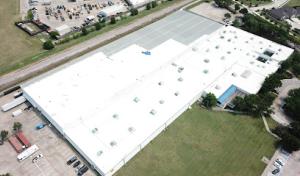
In Fort Worth, pitched residential roofs remain dominant, but the local contractor market shows meaningful demand for flat and low-slope work on additions, porches, multifamily sections, and mixed residential-commercial properties. When planning these spaces, prioritize continuous drainage and robust edge details to minimize ponding. Choose membranes with proven wind uplift resistance and ensure transitions between roof types are stitched tightly to prevent rapid deterioration at terminations and parapets.
Fort Worth homes with skylights, chimneys, and solar add-ons need closer leak-path review after hail and wind events because penetrations and transitions are common failure points in this storm market. Map potential water paths around every penetration and upgrade around flashing with color-matched, high-performance sealants and compatible flashings. Pay particular attention to the interface where low-slope systems meet existing vent pipes, skylight curbs, or HVAC curbs, since these are frequent trouble spots after heavy storms.
Strong summer sun in Fort Worth increases the importance of detailing around roof penetrations where sealants and accessory flashings can age faster than the main field roofing. Use solar-reflective coverings or resistant top coats on exposed areas and ensure edges stay protected from UV degradation. For roof add-ons, ensure that deck or porch areas have proper insulation beneath the membrane to reduce heat transfer and prevent edge blistering over time.
When coordinating flat-slope work adjacent to steeper roofs, confirm proper drainage away from adjoined flashings and ensure parapet caps are integrated with the main membrane system. For projects near satellites, vents, or electrical gear, install dedicated flashings and maintain clear lines of sight for future inspections. After major hail events, perform a targeted leak test focusing on penetrations, transitions, and any newly installed add-ons to catch issues before they extend into the interior.
Find specialists in TPO, EPDM, and built-up flat roofing systems for residential and commercial properties.
Veteran Brothers Roofing & Restoration
(817) 415-0067 veteranbros.com
5310 N Tarrant Pkwy #128, Fort Worth, Texas
5.0 from 103 reviews