Last updated: Apr 19, 2026
Hail storms in this corridor hit fast and hard, and the clock starts as soon as the skies clear. A damaged roof can go from visible trouble to hidden moisture in a matter of hours, and Allen sits in the Dallas-Fort Worth hail corridor, where spring severe weather regularly drives concentrated roof claim activity. That reality means your first 24 to 48 hours matter more than you think. A homeowner who acts with focus after the storm can protect structural integrity, limit interior damage, and streamline the insurer's review. If a wind-driven event followed by hail hit your area, treat every ripple along flashing, every granule loss, and every odd bow as a potential red flag, not a cosmetic issue.
North Texas insurers commonly expect detailed photo documentation and may closely review hail and wind claims, making early condition records especially important for homeowners. Start with the exterior: from the ground, capture wide shots of the entire roof line, then zoom in on gutters, fascia, and any projecting metalwork. Photograph broken or displaced shingles, lifted tabs, and obvious granule loss in multiple areas. Take closeups of skylights, vents, chimneys, and chimney flashing-these spots are high-risk for leaks after a storm. If you can safely access the attic, snap a few interior photos of any staining, dark spots on the underside of the roof deck, and signs of moisture around penetrations. Keep a dated record of what you observe, and compare day-to-day changes. The point is not to win a photo contest, but to provide the insurer with a clear, defendable narrative of initial conditions.
After a hail event, roof surfaces may be slick from residual moisture or debris. Wear slip-resistant footwear, avoid walking on damaged sections, and respect working gutters that hang under weight. If a tree limb is resting on the roof, do not disturb it; document with photos and arrange professional evaluation. In Allen, contractor schedules tighten across Collin County and the wider North Texas market after hail events, so setting up access for a licensed roofer as soon as possible helps avoid a longer wait when the next round of storms looms. If you have interior signs of leaks-stains on ceilings, damp insulation, or Musty odors-note the location and timing and contact a trusted contractor to perform a rapid roof integrity check, ideally within 24 hours of the storm.
Create a simple, organized file you can hand to an adjuster or contractor. Include: the storm date, a description of observed damage, and every photo with a short caption and date. Prepare a short personal summary: where on the roof the damage appears most severe, what flashing details look compromised, and whether any interior water intrusion is suspected. When possible, add a quick diagram of your roof with marked problem areas. You want the insurance review to see a well-documented, credible story, not a scattered set of images. Because inspectors often drill into the evidence, clarity in your packet accelerates decisions and minimizes back-and-forth.
Immediate outreach to a reputable, locally familiar contractor helps you navigate a tight scheduling window. In practice, you want a professional who can perform a thorough initial assessment, provide a realistic timeline, and produce a professional damage estimate promptly. In a market tuned to fast storm response, a local roofer who understands how North Texas insurers view hail and wind damage can be a decisive ally. If you suspect interior damage, seek a two-stop approach: first, confirm roof integrity; second, verify attic and ceiling conditions. A clear sequence minimizes delays when the claim moves from field observation to adjuster review and eventual repairs. This is not only about patching a roof; it's about safeguarding your home against the next wave of weather that North Texas so reliably brings.
In Allen you'll frequently encounter a range of material costs that reflect the local climate and housing stock. Asphalt shingles tend to run about $350-$700 per square, depending on the brand and warranty. Metal roofs sit higher, generally $800-$1,200 per square, with longer lifespans that many homeowners weigh against upfront cost. Clay tile pushes into the higher end at roughly $1,000-$1,800 per square, while concrete tile lands around $950-$1,500 per square. Wood shingles or shakes typically fall in the $600-$1,000 per square range, and synthetic or composite shingles are commonly $450-$900 per square. These ranges align with Allen's suburban home profiles and the more complex roof shapes you'll see in neighborhoods built during the growth boom.
Allen pricing can rise after major North Texas hail events when regional demand spikes for tear-offs, crews, and inspection scheduling. After a fierce storm season, it's not unusual to see pricing shifts for labor and materials as contractors juggle backlog and travel times across multiple neighborhoods. If you're facing a fast-turn reroof in the wake of a hailstorm, anticipate tighter schedules and potentially higher bids, especially for multi-material or multi-penetration roofs. This is not just about material cost; the total job may include additional crew hours to manage attic penetrations, skylights, and other features that demand careful, staged work.
Many Allen neighborhoods are composed of suburban homes with multi-plane rooflines, penetrations, and attached features that can increase labor time compared with simple gable roofs. Valleys, dormers, vents, chimneys, and skylights add complexity that pushes labor costs higher even if the material price stays within a stated range. In practical terms, expect a higher square-foot labor factor on these roofs, and plan for a broader window of scheduling between inspection, tear-off, and re-installation phases. If a bid breaks out labor by these features, you'll have a clearer picture of where extra hours come from and how they impact overall cost.
When documenting hail damage for an insurance claim, gather clear photos of all roof faces, penetrations, and any observed granule loss or denting. In Allen, quick documentation helps prevent delays in scheduling and reduces the chance of price drift due to escalating demand. If the insurer approves a scope that includes tear-off, the final price will reflect both material choices and the necessary labor to safely remove and replace the old roof around complex features. Returning to a multi-peak or multi-face roofline after a storm often means scheduling around crew availability, so setting expectations early about timing can save stress as the project progresses.
RE Roofing & Construction
(214) 449-5732 reroofingconstruction.com
700 Central Expy S Suit 400, Allen, Texas
5.0 from 134 reviews
We're redefining roofing excellence, committed to awe-inspiring service that goes beyond expectations. Our team, armed with 30 years of experience, delivers unmatched quality roofing services and materials at competitive prices, all while embodying professionalism and integrity. We don’t just aim to meet your needs; we’re on a relentless quest for your complete satisfaction, refusing to rest until we've exceeded your expectations. This dedication is backed by a transferable lifetime leak-free warranty, ensuring your peace of mind and trust in us for years to come. Choose us, where every shingle, nail, and interaction builds towards a roofing experience that's simply unparalleled.
Cardinal Exteriors & Roofing,LLC
(469) 247-9347 cardinalroofingtx.com
400-125, 1719 Angel Pkwy, Allen, TX
5.0 from 100 reviews
Storm restoration contractor and remodeling contractor.
New View Roofing
(469) 716-5816 newviewroofing.com
1002 Timberline Ln, Allen, Texas
5.0 from 95 reviews
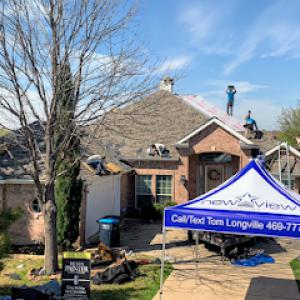
New View Roofing is a local, veteran-owned, Dallas-based roofing company serving the residents of Allen, TX. We provide full-scale residential, commercial and industrial roofing services. As a Certified GAF Master Elite® Contractor, New View Roofing has met strict business standards and undergoes regular training and recertification to keep up-to-date with the industry’s best practices. Master Elite status puts us in the top 3% of all roofing companies in the country, so you will receive the best workmanship for your project. Home and business owners in Allen know they can depend on New View for high-quality workmanship, dependable service and exceptional customer care.
JL Contractors DFW
(469) 297-3045 www.jlcontractorsdfw.com
700 Central Expy S Suit 400, Allen, Texas
5.0 from 95 reviews
JL Contractors DFW experts work with integrity and professionalism. With over 10 years combined experience in Commercial and Residential Building materials along with Storm Reconstruction. We ensure that the project is completed with the highest standards of technique and workmanship. We have built our brand on our reputation. Delighted customers are the foundation of our success. JLC aims to provide the highest level of professionalism and customer service to all of our clients. We believe in our mission to “Add Value to the Lives of Every Client, Family, and Team Member.
Summit Roof Service
906 W McDermott Dr Suite 116-137, Allen, Texas
4.9 from 104 reviews
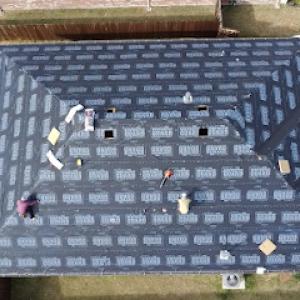
Summit Roof is a roofing service provider with more than 42 years of experience in residential roofing. Led by Mark Scamardo, a trusted roofing expert, you can rest assure your project is in safe hands. From the moment we were established, 30 years ago,Summit Roof has been committed to providing a wide range of satisfactory roofing services, including roof repair and replacement. All of our services are guaranteed to last for many years and are also backed by warranty. In addition, you will not need to worry about your family’s safety, nor will you be inconvenienced by incomplete or insufficient roofing work. Trust in Summit Roof Service Our company is a cut above the rest, and we are more than ready to prove so.
The Townsend Co Roofing & Construction
(214) 233-5359 www.thetownsendco.com
700 Central Expy S Suit 400, Allen, Texas
5.0 from 48 reviews
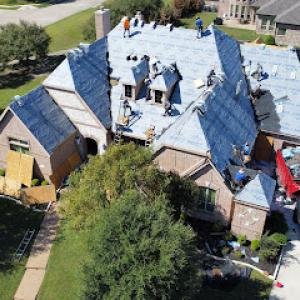
Premier Roofing Specialists in Plano, surrounding DFW cities and Houston. Veteran & Woman owned. The Townsend provides roof repair, roof replacement, gutters, fences, general contracting, and paintless hail dent repair services. We serve residential, commercial, and multi-family properties in Plano, surrounding DFW cities, and Houston. Complimentary inspections and estimates, all delivered with dedication, expertise and unmatched client experience.
Absolute Merit Roofing
(972) 543-8403 www.absolutemeritroofing.com
825 Watters Creek Blvd Building M, Suite 250, Allen, Texas
5.0 from 47 reviews
Absolute Merit Roofing provides commercial and residential roofing services.
Texas Edge Roofing & General Contractors
(800) 502-7663 texasedgeroofing.com
450 Century Pkwy Ste 250, Allen, Texas
5.0 from 46 reviews
Texas Edge Roofing & General Contractors provides high quality roofing services to the people of Texas and Oklahoma. We are proud to install or repair just about every kind of roof. Texas Edge employs skilled craftsman with the experience and training to accomplish all your roofing needs. We specialize in re roofing of existing homes and businesses as well as repairs. Among the services we provide are: Installation or repair of asphalt shingle roofs, slate roofs, shake roofs, and tile roofs. Fabricate and install custom copper roofs, flashings, and gutters. Installation or repair of flat roofs. From built-up, PVC, modified bitumen, and single ply roofs. We can evaluate your roof and provide you with a comprehensive maintenance schedule.
Storm Pros
101C N Greenville Ave #272, Allen, Texas
5.0 from 44 reviews
Storm Pros, located at 101C North Greenville Avenue #272 in Allen, Texas, is your trusted local roofing contractor, specializing in roof storm damage repair, emergency roof repair, and wood rot repair. Our skilled team also excels in residential painting, interior painting, and fence staining to protect your property. We serve Allen and its surrounding areas, offering reliable roof repair and replacement, comprehensive property inspections, and excellent customer support. With years of experience and expertise in handling insurance claims, Storm Pros is dedicated to maintaining your property's integrity and beauty. Call us now for your roofing and painting needs!
Legacy Roofing & Construction
(469) 991-7663 legacyroofingusa.com
450 Century Pkwy Ste 250, Allen, Texas
5.0 from 36 reviews
Legacy Roofing & Construction in Allen, Texas is a certified roofing company and as experts we provides residential and commercial roofing and general contracting services. Our certified roofing contractors specialize in roof repair, roof replacement, siding, gutter installation, and storm damage inspections. With years of experience in Allen and surrounding areas, we deliver reliable solutions designed for North Texas weather. Legacy Roofing focuses on quality materials, skilled workmanship, and professional service for every project, from minor repairs to full exterior remodels, ensuring property owners receive durable results they can depend on.
Springtree Restoration - Allen, TX
(972) 332-4143 www.springtreetx.com
104 S Austin Dr, Allen, Texas
4.8 from 172 reviews
Springtree Restoration is a local North Texas based company, serving both residential and commercial customers. We specialize in storm, fire, and water restoration. As a full service general contractor, every job is performed to the highest quality standards and in the most professional way. We take pride in being transparent with our customers and showing integrity in all we do.
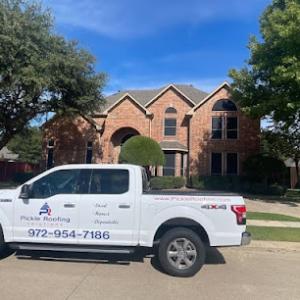
Pickle Roofing Solutions
(469) 397-4021 pickleroofing.com
1333 W McDermott Dr # 200, Allen, Texas
4.8 from 188 reviews
With decades of experience, Pickle Roofing Solutions has been a trusted choice for roofing, gutter, and siding services in Allen, TX since 2012. This locally-owned and operated company is fully licensed, insured, and certified by leading manufacturers, ensuring expert care for every project. They specialize in personalized residential and commercial solutions, prioritizing honesty and dependability to build lasting relationships with every client. Pickle Roofing is committed to delivering exceptional craftsmanship with a personal touch, making sure your home or business is well-protected.
A full roof replacement typically requires a building permit through the City of Allen Building Department. The permit process is a standard part of any full re-roof project, and it helps ensure the work meets local codes and weather-related safeguards. Weather cycles, storm-driven work, and the city's inspection backlog can stretch the timeline beyond the initial schedule. Knowing this up front helps you plan around the peak storm seasons and the typical backlog after major hail events.
In this market, the roofing contractor usually handles the permit filing rather than the homeowner. This streamlines the process and keeps communications in one place. Expect the contractor to submit plans, scheduling, and any required documentation, then coordinate with the city for inspections as the project progresses. If you prefer to review or be present for code-related items, communicate that preference early so the contractor can build it into the plan.
Inspections in this town commonly occur at several key milestones: underlayment, flashing, and final installation. An underlayment inspection checks that the roof deck is sound, dry, and properly prepared before shingles go on. The flashing inspection focuses on vulnerable details around chimneys, valleys, vents, and roof-to-wall transitions, ensuring there are no gaps that could leak. The final installation inspection verifies that the roof system, including shingles, ventilation, and all penetrations, is installed correctly and tied into the overall building envelope. Be prepared for inspectors to pause on a given stage if corrections are needed, and for scheduling to shift due to weather or backlog.
North Texas weather can push work into tight windows, and inspections don't always happen on the exact planned day. It's common to see delays caused by rain, heat-related work restrictions, or backlogged inspection queues after hail events. A practical approach is to align your expectations with your contractor: establish a fixed communication cadence for permit updates, and ask for a rough window for each inspection so you're not left waiting. If a delay arises, your contractor should be able to provide a revised timeline and adjust coordination with the city accordingly.
Keep a dedicated contact at the roofing company for permit and inspection questions, and maintain easy access to the job site for inspectors when they arrive. Have gutters and nearby landscaping cleared so inspectors can move around safely. After the final inspection, ensure any required documentation from the city, along with warranty and maintenance records, is stored in a readily accessible place for future reference. Knowing these steps can help you navigate the permit and inspection timeline with less stress during the storm-repair cycle.
Asphalt shingles dominate the local roofing landscape because they fit the area's large stock of suburban single-family homes and are widely used in North Texas storm restoration. When a hail event hits, these shingles are typically the first option homeowners consider because their installation is straightforward, repair cycles are relatively quick, and color choices blend with the common curb appeal found in Allen neighborhoods. If a fast post-storm recovery is the goal, asphalt remains the most reliable baseline to get a roof back in service without lengthy scheduling delays or weight concerns.
Metal roofing is present in the Allen market but remains a smaller specialty segment than asphalt, reflecting local demand patterns from contractor listings. Metal can offer enhanced wind resistance and a longer service life, but it also requires precise matching of roof contours and accurate fastener placement to avoid leaks after hail. For homeowners evaluating metal, the decision often centers on longer-term performance and a desire for a modern aesthetic, especially on homes with existing steel accents or a desire to stand out in a crowded suburban street.
Clay tile, concrete tile, wood shake, and synthetic products appear in Allen but are more selective choices tied to higher-end aesthetics, weight considerations, and replacement complexity in North Texas heat and hail conditions. Clay and concrete tiles bring distinctive curb appeal and long lifespans, but they demand a robust framing structure and careful installation to withstand storm-induced impacts and heavy rains. Wood shake offers a traditional texture but requires meticulous maintenance and protection from weathering. Synthetic products can mimic the look of natural tiles or shakes while reducing some weight and installation constraints, but selection often hinges on a homeowner's preferred appearance and the capability of local crews to deliver consistent hail resistance.
In this climate, the balance between cost, ease of installation, and resilience remains central. The asphalt path aligns with a fast post-storm response, straightforward replacements, and compatibility with the existing housing stock. If choosing something other than asphalt, assess how the material interacts with existing roof geometry, attic ventilation, and the potential for hail damage to offset any aesthetic advantages. For any material, prioritize sources with proven North Texas experience, documented hail performance, and the ability to coordinate timely inspections and replacements after a storm.
The combination of intense summer sun and periodic hail creates a unique stress on roofs with asphalt shingles, the most common stock in Allen. Granule loss from hot seasons exposes underlying layers to UV damage, accelerating thermal aging and reducing the roof's protective life. In some homes, you'll notice discoloration, curling edges, or a brittle feel along ridge lines after a long stretch of heat. This isn't just cosmetic; it can compromise water shedding and invite closer scrutiny during storm season. Pay attention to areas with repeated shading by trees or nearby structures, where heat buildup can be pronounced and reinforce the need for timely inspections after hail events.
When autumn winds sweep through this area, tree debris becomes a real hazard for roofs that are already stressed from summer heat. Loose leaves, branches, and even palm-sized twigs can accumulate on the roof and in eaves, where they trap moisture and can abrade shingles over time. Wind-driven debris can punch small gaps in flashing and sealants, creating channels for water infiltration during the first heavy rain. A cautious homeowner checks for lifted shingles or granules in gutters after strong gusts, and clears debris promptly to avoid hidden damage that looks fine from ground level but leaks once rain arrives.
Occasional winter freezes and sharp temperature swings add a layer of challenge to any roofing project. Cold snaps can slow adhesive cures and complicate the installation of underlayment or flashing in vulnerable transitions, while sudden warms may cause rapid expansion that stresses seals. Weak flashing or compromised seal details can become obvious only after a few days of thaw or a freeze-thaw cycle. If a roof is partially exposed or recently repaired when a cold front hits, moisture can become trapped behind new materials, potentially leading to condensation or ice dam risks in gutters and along eaves. Seek experienced guidance when planning replacement windows into winter or late autumn to avoid compromising critical seals.
Find contractors experienced in skylight installation, flashing, and leak repairs to bring natural light into your home.
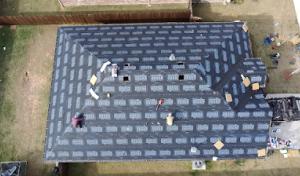
Summit Roof Service
906 W McDermott Dr Suite 116-137, Allen, Texas
4.9 from 104 reviews
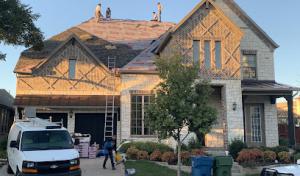
Legacy Roofing & Construction
(469) 991-7663 legacyroofingusa.com
450 Century Pkwy Ste 250, Allen, Texas
5.0 from 36 reviews
Blue Angel Roofing & General Contractors
(214) 389-2966 blueangelroofinggc.com
450 Century Pkwy Ste 250, Allen, Texas
4.7 from 54 reviews
Allen sits in a North Texas storm cycle where hail and wind drive rapid replacement decisions and aggressive claim activity. This market leaning means insurers scrutinize roof claims closely and often request detailed support throughout the process. When a storm hits, the clock starts ticking for documentation, inspections, and timely communication with the carrier. Your path to a trusted repair or replacement hinges on clear, organized records and a measured approach that avoids rushed choices.
Because coverage practices can vary by carrier and policy year in Texas, verify how your deductible, depreciation treatment, and any roof-age limitations are handled before authorizing a replacement. Some policies accelerate or reduce depreciation as a project progresses, while others require you to pay out-of-pocket for items that aren't covered by depreciation. Understanding these mechanics up front helps prevent unexpected gaps between scope and settlement, and it avoids last-minute disagreements when the adjuster reviews the file.
Pre-storm and post-storm photos are especially valuable in Allen because insurers in this market often request detailed documentation when adjusting roof claims. Keep a dated set of clear images that show the entire roof, surrounding gutters, vents, and any exterior features. When a claim arises, these photos help establish baseline conditions and support the extent of any hail or wind damage. A concise visual record can shorten the adjustment timeline and reduce back-and-forth with the carrier.
Seasonality drives crew availability and material performance in this market. In Allen, spring and fall are often preferred for planned replacement because milder temperatures are easier on crews and can help balance scheduling and material performance. If a storm hits in late spring, expect a wave of shingles and crews moving through town, which can compress your project timeline. Planning around the shoulder seasons helps you line up a trusted crew, weather windows, and material deliveries with fewer weather-related delays.
Spring brings more predictable days for shingle installations, but hail activity can spike demand quickly. After a hail event, a rapid on-site assessment helps you distinguish cosmetic issues from structural concerns, so you aren't caught in a peak-sale scramble. Expect closer coordination with your insurer and a short, intense window for inspections as the market absorbs the post-storm workload. If you're aiming for a spring start, confirm a weather buffer and align expectations with your contractor about storm cleanups and tarp protection during the first week.
Summer roof work in Allen can slow due to extreme heat exposure on North Texas rooftops, even when storm demand remains high. High daytime temperatures stress roofing crews and can affect adhesive performance and asphalt shingle aging. Plan for earlier starts, longer mid-day breaks, and flexible scheduling to dodge the worst heat. Heat also tightens supply lines for fast-tracked projects, so locking in dates well in advance helps maintain momentum through a hot spell.
After spring hail outbreaks, Allen homeowners may face longer waits for both contractors and city inspections than during calmer parts of the year. Fall can be a busy window as crews cross over from repairs to full replacements or re-roofs. Having a clear inspection and communication plan with your contractor helps you navigate the backlogs without sacrificing quality or safety.
Storms in this area drive a surge of contractor activity focused on hail restoration, insurance claims, and emergency response. Homeowners should expect many crews to market around rapid post-storm work, swell of trucks, and promise of quick fixes. This environment can tempt haste, but a rushed decision can cost you later when the work proves incomplete or improperly documented for insurance. The local scene also includes manufacturer-certified firms and warranty-oriented specialists, though they are fewer in number than the broader storm-response crowd. Understanding this mix helps you separate genuine long-term value from fast, short-term peddling.
Look for crews with visible storm-response credentials, clear project timelines, and detailed communication about next steps after a hail event. Reputable firms will offer thorough damage assessments on-site, provide written inspections, and align work plans with your insurance process rather than just promising a quick roof swap. Check whether the company has established relationships with material manufacturers and can discuss shingle or panel compatibility, warranty coverage, and long-term performance in North Texas weather. In this market, you should value endorsements from neighbors and a proven track record of completing complete, contractually sound replacements rather than scattered patches.
Be wary of temporary fixes that leave underlying damage unaddressed or contractors who pressure you to sign without a formal assessment. If a crew cannot provide a written estimate, inspection report, or material warranty details, reassess. Rapid response is essential, but not at the expense of verifiable documentation and proper layering of materials. If a contractor appears to push you toward immediate decisions without time to review evidence, pause and seek a second opinion.
Because post-storm work hinges on insurance, insist on comprehensive documentation: an itemized inspection, repair plan, and material specifications tied to your policy claims. Your best ally is a contractor who walks you through the claim process, explains what will be documented for the insurer, and keeps you informed at every stage from assessment to installation. This approach reduces surprises once the claim moves toward approval or denial.
In this market, the primary rhythm is storm-restoration shingles after hail and heavy wind, but homeowners still pursue targeted upgrades. Skylights and solar-integrated roofing show up when replacements are underway, so you'll want a contractor who can manage both the roof and the mounted systems. The city's housing stock leans toward driving performance and quick replacement cycles, so specialty segments exist alongside the dominant shingle market rather than replacing it. Expect conversations about light transmission, venting, and energy-enhanced comfort to surface during a roof replacement.
Tile roofing-and its concrete and clay forms-appears as a meaningful niche in Allen, especially on homes with older tile layouts or desert-inspired aesthetics that survived the last few storms. Metal roofing also has a steady foothold, offering durability and lightning-fast replacement timelines for certain roof profiles. When planning tile or metal, you'll benefit from a contractor who knows how to match fastened patterns, underlayment choices, and attic ventilation to the existing structure. The more complex the roof geometry, the more coordination you'll need between tile layout, penetrations, and flashing details to avoid future leaks after a hail event.
Flat-roof specialists matter in Allen primarily for select commercial properties and a narrow slice of residential areas. If a flat roof is part of a home's design-often on contemporary or multi-unit layouts-look for installers with proven success on low-slope waterproofing, drain integration, and edge detailing. For most single-family homes, flat-roof work remains a specialty path rather than the default, so verify a contractor's storm-response efficiency and warranty stance for flat sections so that repairs align with the broader shingle-driven restoration cycle.
Solar-related roofing work is present in this market, signaling a need for contractors who can coordinate a roof replacement with mounted systems. Expect to discuss panel racking, roof penetrations, wiring routes, and service clearances. A practical approach is to schedule the solar system installer and the roofing crew in parallel, with a clear sequence for flashing details and weather-tight seams at all penetrations. This coordination helps maintain performance when hail seasons return and avoids delays that leave vulnerable roof areas exposed.
Find contractors who integrate solar panels or solar shingles into your roof for long-term energy savings.
The Townsend Co Roofing & Construction
(214) 233-5359 www.thetownsendco.com
700 Central Expy S Suit 400, Allen, Texas
5.0 from 48 reviews