
Last updated: Apr 19, 2026
Arlington sits in the Dallas-Fort Worth hail corridor, where spring hail and wind events frequently trigger neighborhood-wide roof replacement demand. That pattern means a single strong storm can ripple through multiple homes, stretching crews thin and turning scheduling into a race against time. When a hail event hits, the clock starts ticking on evaluation, temporary mitigation, and the push toward a full replacement if the damage meets insurer thresholds. The risk is not just cosmetic; compromised shingles, granule loss, and flashing damage can accelerate under the Texas sun, amplifying leak potential and interior damage in a matter of days.
In this market, insurers commonly ask for detailed damage photos, repair history, and storm-date support such as wind or hail maps before approving larger claims. Your best path is to document every inch of impact: close-ups of dented shingles, granule loss in gutters, plus signs of water intrusion in attic spaces. Include a dated, weather-referenced map showing the storm footprint and confirm when you first noticed issues inside the home. Keep a concise log of previous repairs, even minor fixes, since gaps can raise questions about pre-existing conditions. A thorough packet can move an adjuster from a provisional estimate to a replacement decision faster than you might expect during peak demand.
Because Arlington roof work surges after regional storms, homeowners can face longer adjuster timelines and contractor scheduling delays during peak claim periods. If a claim is filed in the aftermath of a large storm, expect a wait for both the adjuster's inspection and the crew's availability. To minimize risk, initiate the process promptly once you suspect damage, and document every step: who you spoke with, dates of inspections, and the status of material orders. Prepare for staged inspections that align with weather windows and permit-driven milestones, recognizing that delays outside your control can bubble up quickly when many neighbors are pursuing replacements simultaneously.
Act now to shield the home from further damage while the claim unfolds. Secure loose shingles, drippings, and any exposed underlayment to prevent water intrusion. If you can't cover the roof promptly, use tarps or suitable panels to limit rain entry and avoid interior staining. Communicate clearly with the insurer about any weather-driven scheduling constraints and request written timelines for the upcoming inspections. Having a pre-qualified response plan with a trusted local contractor can shorten the time between approval and installation, reducing the window where damage can worsen.
Select a contractor familiar with the local storm patterns and the typical housing stock around town. A nearby team will understand the common roof geometries, vent placements, and how to coordinate high-volume re-roofing without creating neighborhood traffic bottlenecks. Ask for references that include storm-impacted neighborhoods and verify that crew crews are licensed, insured, and accustomed to working with insurers on large-scale claims. The quicker you align with a proven local team, the more control you keep over timing and quality during the critical replacement window.
MyPro Construction
(972) 576-6352 www.myproconstruction.com
1008 Harrison Ave, Arlington, Texas
5.0 from 179 reviews
MyPro Construction is a Professional, Ethical and Experienced construction company providing sustainable commercial, residential and specialty roofing solutions. Providing Proper Solutions is a focal point and that specifically holds us accountable to offering quality quality construction services. MyPro Construction is locally owned and operated, fully insured, and committed to providing high-quality work and a complete project cleanup.
Lonestar Roofing & Construction
(888) 421-1688 lonestarrac.com
2400 Garden Park Ct, Arlington, Texas
5.0 from 109 reviews
WE BUILD RELATIONSHIPS & ROOFS Whether you were effected by a natural disaster, storm passing through, water damage, or would like to discuss your next remodel. We are here to help you navigate through the process with finess and a consultative approach. WE SPECIALIZE IN INSURANCE CLAIMS We work with, and coordinate your project with your insurance adjuster, claims department, city codes officials, trades, and manufacturers to ensure nothing is missed and everything is completed correctly, and to spec. Lonestar Specialists provide precise, timely, and efficient work in the greater Dallas area.
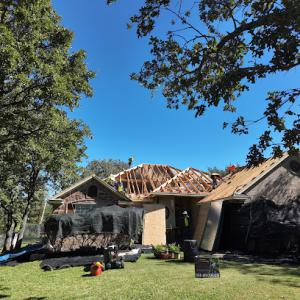
American National Roofing & Restoration
2000 E Lamar Blvd #600, Arlington, Texas
5.0 from 161 reviews
American National Roofing & Restoration, established in 2019, offers a comprehensive approach to roof repair and restoration in the Dallas-Fort Worth area. we did more than 423 roof repair & replacement in one year our expertise extends beyond roof damage, encompassing hail impact assessment and education for homeowners. The company prioritizes customer service and aims to restore a home's value after hail or other unforeseen events. flat roof , residential roof , hail and wind storm damage , insurance claim , water damage , roof repair , flat roof coating system , GAF certified ,
Pearson Roofing Inc. - Arlington
(972) 471-2700 www.pearsonroofing.com
Arlington, Texas
5.0 from 98 reviews
Roofing master elite installer also commercial roofing systems
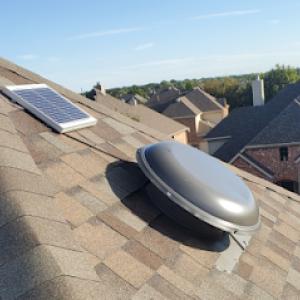
HonestRoof.com
(817) 966-2863 www.honestroof.com
3901 Arlington Highlands Blvd Ste 200, Arlington, Texas
4.9 from 178 reviews
Hottest Roofing Company in DFW! • Free Lifetime Laminated Architectural Shingle Upgrades on Every Project Sold. (Your choice between the Owens Corning “Duration” Tru/Def with Sure-Nail Technology or the GAF HDZ). • Free Attic Ventilation Upgrades on Every Project Sold. (Ridge Venting & Solar Fans) • Lifetime Leak Free Labor Warranty Guarantee • 35% Off Your Entire Project. • No Money Down/No Deposits. • You Pay Nothing Until Everything is 100% Complete. Click, Call or Text. We could have an extremely detailed roof report emailed to you within 24 hours. A+ Better Business Bureau Member. 5 Star Customer Rating. Highly Rated and Recommended. Zero Negative Customer Complaints. Let us send you a free estimate. You’ll be very glad you did.$
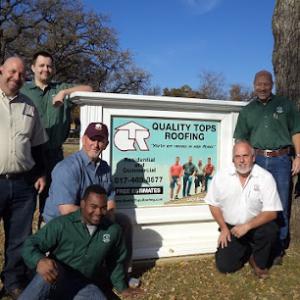
Quality Tops Roofing
(817) 469-8677 qualitytopsroofing.com
5207 W Arkansas Ln, Arlington, Texas
4.9 from 105 reviews
Welcome to Quality Tops Roofing, your trusted roofing partner in Arlington. As a leading roofing contractor, we specialize in comprehensive roof repairs and replacements, ensuring your home is protected with top-quality materials and expert craftsmanship. Our team is dedicated to providing seamless service from initial consultation to project completion, embodying integrity and professionalism in every task. Choose Quality Tops Roofing for reliable solutions tailored to your needs.
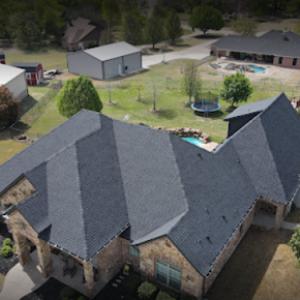
Nailed It Roofing & Construction
(682) 323-6128 www.naileditroofer.com
719 W Harris Rd Suite E20, Arlington, Texas
4.9 from 241 reviews
Nailed It Roofing and Construction is a trusted roofing company serving homeowners across the Dallas-Fort Worth area. We specialize in high-quality roof repairs, full roof replacements, storm damage restoration, gutters, siding, and exterior upgrades. Our team is known for honest assessments, excellent craftsmanship, and clear communication from start to finish. Every roof replacement comes backed by a lifetime warranty, giving your home long-term protection and lasting value. Hire an expert, not a salesman.
Qualis Roofing & Construction
(817) 380-8823 www.qualisgc.com
6020 W Pioneer Pkwy #105, Arlington, Texas
4.9 from 229 reviews
Qualis Roofing & Construction, based in Arlington, TX, is a beacon of excellence in the roofing industry. Our commitment to unparalleled quality drives us to offer exceptional tailored services for all our clients' needs, such as Roof Replacement, Emergency Repair, Storm Restoration, and Maintenance. Quality is our foundation. We employ advanced tools, techniques, and only the best industry practices, ensuring reliable results in every project. Trust Qualis Roofing & Construction to bring your vision to life, exceeding your expectations with top-tier craftsmanship.
Everest Roofing
(817) 980-3513 www.everestroofinginc.com
5308 High Trail Ct, Arlington, Texas
5.0 from 63 reviews
Everest Roofing is a local Arlington Texas Roofing and Renovation company. We specialize in new roof installations, roof replacement, roof repair, storm damage repair, gutter installation, and exterior renovation. Our customers are very important to us and we strive to be the Roofer and Contractor of Choice for Arlington, Pantego, Mansfield, Burleson, and surrounding areas. If you need assistance with your Roof, Gutters, Insurance Claim Repairs, Exterior Painting, Patio and/or Pergola Build, or other exterior renovation services please give us a call to schedule your project. Thank you for selecting Everest!
SGC Roofing & Construction
(817) 539-6892 www.sgcroofs.com
4303 S Bowen Rd #125E, Arlington, Texas
5.0 from 57 reviews
Welcome to SGC Roofing & Construction, where protection meets precision. We understand the impact of hail and wind damage on your property, and we’re here to restore and fortify your home. We aren’t your everyday roofer that just replaces roofs; we aim to be ELITE! Our promise is to give you ELITE roofing solutions paired with ELITE service!
Texas Style Roofing & Remodeling
(682) 306-9519 texasstyleroofing.com
4621 S Cooper St ste 131 #206, Arlington, Texas
5.0 from 58 reviews
Texas Style Roofing Done Texas Right
OTNT Roofing
(817) 441-0545 www.otntroofing.com
935 Plumeria Dr De, Arlington, Texas
5.0 from 56 reviews
Roofing Contractor in Arlington, Texas. Proudly serving Houston and DFW.
Asphalt shingles dominate Arlington, and that reality isn't changing soon. In this climate, the DFW summer heat accelerates granule loss, brittleness, and flashing wear compared with milder climates. That means shingles can deteriorate faster after a hail event or a few summers of intense sun. When you're weighing asphalt, look for a product with a robust granule backing and a class that matches your attic ventilation and expected hail exposure. If you already have asphalt, regular inspections after storms matter more here than in milder markets, focusing on granule loss along gutters, around downspouts, and at flashing transitions. A practical approach is to pair asphalt with a high-quality underlayment and properly sealed flashings, then plan periodic resealing and wind uplift checks as part of routine maintenance. In storm years, you'll want to verify the integrity of hips, ridges, and valleys, where heat and hail can converge to create concealed damage.
Tile and slate options appear in higher-end Arlington-area homes, but their weight and breakage risk after hail make structure and repair logistics more important here than in lighter-roof markets. Clay or concrete tiles offer durability against heat and can better resist sun wear, yet their mass demands a reinforced substrate and careful design to avoid long-term deck stress. Slate delivers excellent longevity and a refined look, but its brittleness under hail and its considerable weight can complicate repairs and replacements after a storm. For homes with tile or slate, a thorough structural assessment is essential before installation, and a plan for potential hail-induced breakage that includes prompt, coordinated repairs is worth coordinating with the insurance process. If you're evaluating options, consider synthetic或composite tiles as a middle ground-lighter than real clay or slate but with enhanced impact resistance and a more forgiving install profile. In every case, ensure proper attic ventilation, secure fasteners, and a reliable method for flashing around penetrations to prevent heat-driven deterioration.
Metal roofing is a meaningful specialty in Arlington because homeowners often compare its hail resilience and heat performance against standard shingle replacements after storm losses. Metal panels or standing-seam systems tend to shed hail better than traditional shingles, with fasteners and seals designed to resist uplift and wind-driven impacts. Heat performance is a notable advantage here: metal can reflect a portion of the sun's energy, potentially helping attic temperatures stay lower when paired with a well-insulated attic and reflective coatings. However, metal requires careful integration with existing flashing details and roof-to-wall transitions, especially on homes with multiple roof planes or complex geometry. Noise under rain can be a concern if attic insulation isn't adequate, so consider upgrading insulation and adding a solid underlayment to dampen sound and improve energy efficiency. If you're replacing after hail, metal can offer a longer-term return in performance, but require accurate assessment of roof deck condition and attachment method to ensure a seamless integration with the rest of the home's envelope.
In practice, the best choice balances expected hail exposure, roof slope, and the home's structural capacity. After a hail event, inspectors and adjusters will focus on rapid, practical decisions that align with the roof's ability to shed water, resist further damage, and maintain energy efficiency. For any option, prioritize solid underlayment, well-sealed flashing, and a plan for staged replacement if insurance-driven timelines dictate partial work. This is a city where coordinating a storm-damage timeline with the permit-plus-inspection cadence matters, so choose a roof type that not only withstands the next round of weather but also fits the home's existing structure and the anticipated repair workflow.
After a major DFW hail event, Arlington costs tend to spike as regional demand tightens labor and pushes out scheduling. If your roof needs replacement or repair, you'll notice labor crews book out weeks longer than normal, and materials can jump in price due to supply shifts. In practical terms, that means you should expect multi-slate repairs to be priced with the current regional demand in mind, not just the raw material cost. Asphalt shingles commonly run from 350 to 550 USD per square, while metal roofing sits higher, from 600 to 1000. Clay tile and concrete tile bring broader ranges-800 to 1500 for clay and 600 to 1100 for concrete-reflecting both material durability and the specialty skills required. Synthetic or composite shingles sit between 450 and 800, and slate can push from 900 to 2000 per square. Those numbers can move appreciably after a hail event, especially if your home has unique roof geometry or multiple penetrations that raise labor time.
In this market, material choice matters sharply. A homeowner who picks asphalt shingles can weather the post-storm period with relatively lower material exposure, but you'll still face higher bids if crews are scarce. If durability and hail resistance are priorities, metal, slate, or tile options shift the long-term cost picture. Metal tends to hold up well under Texas sun and hail, yet the upfront price is higher. Tile options-clay or concrete-offer strong hail resistance and a longer lifespan, but installation is labor-intensive and sensitive to pitch and roof shape. Synthetic or composite shingles provide a balance of cost and hail performance, often appealing when scheduling windows are compressed. Slate delivers exceptional longevity but carries a premium price and specialized installation needs. In Arlington, the mix of hip-and-valley roofs and complex ridges means crews may charge a premium for careful, thorough work to avoid future leaks.
Project timing affects pricing in Arlington because spring and fall are preferred installation windows, aligning with cooler weather and fewer rain delays. Extreme summer heat and rain delays can reduce crew efficiency and complicate access, sometimes delaying work or forcing faster, less meticulous progress to meet a deadline. If you're coordinating an insurance-driven replacement, you may find insurers prefer a window that avoids the peak heat of July and August, which helps both your crew's pace and the quality of any sealant or adhesive work. Planning ahead for a spring or fall start can help stabilize both scheduling and material pricing, even in a post-storm market. If you must proceed in peak season, expect tighter calendars and potentially higher totals due to labor bottlenecks and expedited material ordering.
Get a clear picture of your project costs upfront - no commitment required.
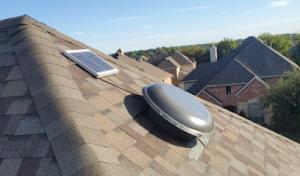
HonestRoof.com
(817) 966-2863 www.honestroof.com
3901 Arlington Highlands Blvd Ste 200, Arlington, Texas
4.9 from 178 reviews
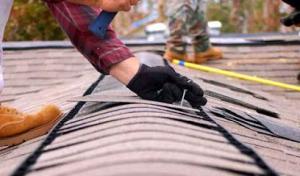
NetRoofing.net
(817) 523-9373 www.netroofing.net
1914 E Abram St, Arlington, Texas
4.9 from 68 reviews

Frazier Roofs & Gutters
(817) 677-6664 www.frazierservices.com
208 Willis Ave, Arlington, Texas
4.8 from 309 reviews
A full roof replacement in Arlington typically requires a permit issued through the City of Arlington Building Inspections department. The permit process is the backbone that keeps a project aligned with local codes and the city's safety standards, especially after hail events that can trigger insurance-driven replacements. Before tearing off the old roof, you or your contractor should confirm that the permit is opened in the city system, with all required project details recorded. The permit acts as the formal authorization to proceed and a record that the work is being performed under current code requirements.
Arlington commonly uses milestone inspections that can include underlayment installation, completed roof installation, and a final inspection for code compliance. Each milestone is designed to verify critical steps meet the city's standards before moving forward. Underlayment inspection confirms the correct type and installation pattern, fastener schedules, and proper flashing details. A completed roof inspection checks that the roofing system sits correctly on the structure, that ventilation and attic details align with code, and that all penetrations are properly sealed. The final inspection ensures the entire project complies with wind resistance, fire ratings, and drainage requirements. Understanding these staged checks helps coordinate material deliveries and labor, reducing the risk of rework.
Many homeowners rely on their roofer to pull the permit and coordinate inspection scheduling, but the final city sign-off still matters before considering the job complete. Plan with the contractor to align the inspection calendar with weather windows, especially after hail storms when quick replacement becomes common. Inspections usually require access to the attic, roof surface, and sometimes interior spaces around penetrations for flashing and vent work. Have clear documentation ready: the permit number, approved plans, and any engineering or wind-reinforcement details if the project includes upgraded assemblies. If a setback occurs, such as a weather delay or a missing inspection slot, the city may require re-inspection or additional notes from the contractor. Keep a contact method handy for the Building Inspections office, and maintain a visible on-site sign-off sheet so everyone knows when the city has stamped each milestone. This practice helps ensure that the project progresses smoothly and that insurance-driven timelines don't collide with regulatory steps.
When hail damage is suspected, prompt communication with the roofer about permit status can accelerate approvals. If a temporary cover is used, ensure it remains intact and accessible for inspection if needed. After each milestone reaches compliance, request written confirmation from the city or your contractor, and store these records for insurance documentation and future reference. Finally, remember that a final sign-off confirms not just completion, but adherence to Arlington's prevailing codes, which is essential for long-term performance and peace of mind.
In Arlington, prolonged summer heat can age shingles faster and increase movement at flashing details around penetrations and roof edges. That accelerated wear shows up as granular loss on the shingle surface, waviness along valley and rake lines, and a tendency for small leaks to show up around vents, chimneys, and skylights after heat spikes. The consequence isn't dramatic failure overnight, but loose edges and marginal sealants can become chronic trouble spots after a few hot seasons. If you notice cupping shingles or increased looseness at nails and step flashing, treat it as a warning sign rather than a one-off issue.
Seasonal wind events in the DFW area commonly expose weakly sealed shingle tabs and vulnerable ridge, hip, and flashing details even when hail is not severe. High gusts can peel back tab joints and stress sealants at overlaps, especially on older roofs or those with mixed or mismatched materials. Ridge cap shingles are a frequent weak point, as bending and wind-driven lift expose underlayment and fasteners to the elements. If your roof sees frequent windy days, perform targeted checks after storms, focusing on the transitions where two planes meet and where the roof meets the wall line.
Spring and fall rainfall in Arlington can interrupt tear-off and dry-in schedules, making temporary waterproofing and sequencing especially important during active weather windows. Delays push shingles and underlayment into variable conditions, increasing the risk of wind-driven exposure and moisture infiltration between system layers. When storms roll in during a teardown, secure tarps and maintain drip edge protection to limit water intrusion. Planning for a window with calm weather and clear drying days reduces the chance of moisture locking under new materials and complicating future repairs.
Closely track heat and wind cycles in your neighborhood, and set up routine post-storm roof checks focusing on flashing around penetrations and along the ridge lines. If you notice lifted tabs, damaged sealant, or exposed underlayment, address the issue promptly to prevent small leaks from turning into larger, harder-to-repair problems. Remember that even when the market looks quiet, Arlington's combination of sun, wind, and sudden rain can accelerate the timeline of wear on vulnerable details.
Arlington homeowners are in a high-claim DFW insurance environment where carriers often scrutinize storm documentation more closely than in lower-loss regions. That reality means the small details matter, and the adjuster's job is to separate storm-related change from every-day wear. When a hail event or severe storm hits, the path from damage to payout grows more predictable if you have solid records. Without careful documentation, you risk delays, partial settlements, or disputes that can drag out a replacement the family depends on.
Because some insurers periodically reassess coverage in the Dallas-Fort Worth market, roof age, prior repairs, and material choice can affect renewal conversations after a claim. Start by date-stamped photos taken from multiple angles as soon as you can after a storm, plus after any repair work. Save prior invoices and any maintenance records, and keep a simple timeline of weather events tied to visible changes on the roof. If you've had previous repairs, note the contractor, materials used, and warranty terms. Store everything both in a physical file and a cloud backup so a file isn't left in a single spot. Clear, legible copies beat memory when the adjuster arrives.
Homeowners in Arlington should keep date-stamped photos, prior invoices, and maintenance records because adjuster review can depend on proving storm-related change rather than long-term wear. When you present a coherent storm narrative with verifiable dates and concrete evidence, the conversation with the adjuster shifts toward the actual hail or wind impact rather than speculative aging. This clarity can shape the sequence of inspections, replacements, and the pace of the project, especially when coordinating insurance-driven timelines.
In Arlington, contractor demand for flat or low-slope roof work reflects the mix of residential additions, porches, and commercial-style roof sections found locally. When evaluating a low-slope area, check for consistent drainage and signs of membrane wear after hail seasons. Focus on edge detailing where transitions meet steeper portions, and assess the condition of parapets and drip edges. Because these roofs can conceal flashings, plan a careful inspection that includes probing seams and flashing joints, especially around parapet walls and skylight curbs.
Skylight-related roofing work is common enough that leak tracing around curbs and flashing deserves separate attention during inspections. Look for lifted flashing, degraded sealant, and condensation between the skylight and curb framing. Pay attention to the top sealant bead and the condition of the curb flashing at interior walls. In climatically hot summers, heat cycling can cause pliable membranes to crack; ensure the counterflashing remains sealed and that sealants have not become brittle. If a skylight is aging, replacement with a model designed for lower profiles and improved curb flashing may reduce future leaks.
Roof coatings exist as a niche service in this market rather than a dominant one, suggesting they are more often considered for select low-slope applications than for standard neighborhood re-roofs. If coatings are contemplated, pair them with a professional assessment of substrate condition, bridge any small leaks before coating, and verify compatibility with existing membrane systems. Coatings can extend life on certain low-slope sections, but do not replace failed substrate or compromised flashing.
Set a targeted inspection cadence after hail-season peaks and before heavy summer heat spikes. For low-slope and skylight areas, prioritize flashings, edge seals, and curb integrity. Document any patch work with timestamped photos to support future insurance discussions, and coordinate any suspected leaks with exterior envelope improvements to prevent recurring damage.
Find specialists in TPO, EPDM, and built-up flat roofing systems for residential and commercial properties.
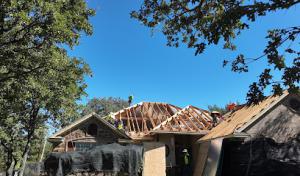
American National Roofing & Restoration
2000 E Lamar Blvd #600, Arlington, Texas
5.0 from 161 reviews
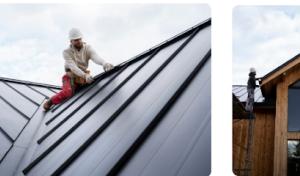
Rivera Brothers Roofing
(469) 409-5050 riveraroofing.site
1513 Mignon Dr, Arlington, Texas
4.9 from 55 reviews
Texas Republic Roofing
(817) 717-7710 www.txrroofing.com
3630 W Pioneer Pkwy #125, Arlington, Texas
5.0 from 36 reviews