
Last updated: Apr 19, 2026
Tropical storms and hurricanes don't wait for a calendar to cooperate. The Gulf coastline creates high wind and heavy rain events that slam roofs in the June through November window. When planning a full replacement, you must account for the risk of wind-driven debris, driven rain, and rapid weather shifts that can compromise tear-off integrity and the dry-in phase. In this climate, a successful replacement hinges on choosing materials and detailing that hold up under repeated assault from sun, humidity, and Florida-strength storms sliding into the region.
Late-spring and early-fall thunderstorms are not rare disruptions, even when there isn't a named storm nearby. Those pop-up systems can halt or slow the tear-off process, interrupting the dry-in that keeps underlayment and insulation from moisture damage. Your plan should include buffer days for weather cancellations and an accelerated sequence for the dry-in when the sky is clear. If you're aiming for a fall installation, lock in a contractor with a proven track record of weather-managed schedules and a plan for rapid work once a window opens.
In a Gulf-influenced climate, the right roof choice is not just about style but structural behavior under wind loads and continuous humidity. Metal and concrete tile systems can offer strong wind resistance when installed with appropriate fasteners, underlayment, and edge detailing. Concrete tile, for example, performs well against salt-laden air and high winds when the substrate is solid and the fasteners are corrosion-resistant. Clay and concrete tiles bring long-term durability, but installation quality matters most in storm-prone zones. Asphalt shingles can be a practical option, yet they rely heavily on a precise mechanical attachment and weatherproof underlayment to handle heavy seasonal rains and rapid temperature swings.
Your goal is to minimize exposure time where the roof sits open to the elements. Plan for a full replacement during a reliably dry stretch, ideally in a season when the inland humidity dips enough to allow a true dry-in without repeated night-time leaks. If the fall-through-spring window offers a solid stretch of dry days, align with a contractor who can commit to a tight, continuous sequence: roof tear-off, inspection of the sheathing, installation of a high-quality underlayment, and a complete securement plan, followed by a prompt, thorough finish. A well-coordinated crew reduces the risk of wind uplift and water intrusion as the new roof takes shape.
Make sure the contractor flags storm-season contingency steps: protective tarping for partial tear-offs, rapid-dry-in checks after any rain event, and a plan to reinforce vulnerable edges during a storm watch. In a region where the clock can shift with a tropical disturbance, clarity on who is responsible for moisture control during intermittent rain can spare you costly delays and stress. You deserve a plan that treats the hurricane season as the real deadline, not a vague calendar.
The dominant local roof mix includes asphalt shingles, metal roofing, clay tile, concrete tile, wood shingles or shakes, and fiber cement shingles rather than a single-material market. That variety matters because each system ages differently under the strong sun and persistent humidity. When planning a full roof replacement, consider how tropical storm exposure and year-round moisture interact with your chosen material. The right choice balances long-term resistance to wind and water with the ability to shed heat and resist fading in the intense sun.
Brownsville's strong sun accelerates surface aging, color fade, and moisture-related wear, and the impact varies by roof type. Asphalt shingles may fade and curl sooner under sustained UV exposure, while metal panels can hold color well but require attention to fastener corrosion and panel seams in a humid-air environment. Clay and concrete tiles resist fading and stand up well to salt air, but brittle tile can crack with hurricane-driven impacts or ground movement. Wood shingles and shakes offer a natural look but demand strict moisture management and regular maintenance to prevent rot. Fiber cement presents a middle path, often resisting moisture while maintaining a broad color range. The key is selecting a system that tolerates both direct sun and high humidity without compromising wind resilience.
Hurricane-season wind performance should guide the replacement strategy. In this market, tile and metal are especially relevant because local contractor specialization is stronger in those systems than in inland Texas cities. Tile systems, when properly installed with closed-cut or batten-supported configurations and correct underlayment, can provide robust wind performance and long service life if fasteners and integration with eaves, hips, and ridges are done to spec. Metal roofs excel at wind deflection and rapid shedding, but require precise seam outcomes and corrosion protection in humid coastal air. Asphalt shingles can be configured for higher wind resistance with impact-resistant overlays and high-wind seals, yet their wind performance can degrade more quickly in harsh UV exposure. Fiber cement and concrete tiles offer durable options but must be chosen and installed to minimize brittle breakage under flying debris and to maintain dependable fastener engagement.
Tile and metal are especially relevant because local contractor specialization is stronger in those systems in this market. A well-installed tile roof with proper underlayment and flashing details provides good long-term wind performance and heat resistance, but it is critical that the installation matches the roof geometry and local climate demands. Metal roofing benefits from precise panel alignment, proper drainage, and corrosion-resistant coatings suitable for coastal humidity. If choosing metal, emphasize a coating system designed for marine environments and verify that fasteners, clips, and sealants are rated for high heat and salt exposure. If tile is chosen, prioritize a system with a proven wind uplift rating and an experienced crew familiar with local substrate conditions.
Work with a contractor who can map a replacement plan that aligns with Brownsville's climate realities and the city's diverse roof stock. Prioritize a system that forwards wind resilience without sacrificing heat management and moisture control. For tile or metal, request a detailed wind uplift calculation, flashing plan, and an articulation of maintenance steps that address humidity-driven wear. For asphalt or fiber cement, lean on products with superior UV stability and proven moisture performance, paired with a resilient underlayment and high-quality sealants. In every case, ensure the chosen system integrates effectively with attic insulation and ventilation to manage heat buildup and humidity infiltration over the life of the roof.
The coastal Texas insurance landscape brings a higher incidence of wind and hail claims, and roof documentation matters more than in inland markets. That means when a post-storm check arrives in your mailbox, you will be compared not just to your patchwork repairs but to a full, auditable record of what your roof looked like before the event, what was damaged, and what a professional replacement would entail. In Brownsville, carriers expect clear, organized evidence to justify a storm-related replacement, and a lack of thorough documentation can stall or complicate the process.
Insurers may ask for prior roof warranties, contractor photos, and replacement estimates before approving or pricing a claim in this region. Warranties show you had a planned, covered system rather than a quick fix; contractor photos document the roof's condition and the extent of damage from the storm. Replacement estimates help the insurer understand what a proper, code-compliant installation would cost in the current market. Expect questions about the age of the roof, any pre-existing issues, and whether fast-tracked repairs might undermine long-term performance. Being prepared with a complete file reduces back-and-forth and potential delays.
Some carriers in coastal Texas apply higher deductibles or wind-related requirements for new roofs, which can directly affect material choice and timing. A wind-conscious selection isn't just about meeting code-it's about reducing the chance of recurring damage in frequent storm seasons. For example, choosing a system known for wind uplift resistance and ensuring proper attachment to coastal-grade sheathing can influence how quickly a claim moves through the process and how your coverage applies at payout. If a carrier signals higher wind-related criteria, you'll want to align your material decision with those expectations to avoid later disputes.
Keep a dated record of storm timelines, visible roof conditions before and after the event, and any temporary repairs you've performed to prevent further damage. Photograph all angles, including attic signs of water intrusion or moisture, and keep a copy of contractor estimates and warranties. When talking with your insurer, present a cohesive narrative: the storm impact, the documented pre-event state, and a plan for replacement that restores the roof to a durable, wind-resilient condition. A well-organized file isn't a guarantee of approval, but it does reduce ambiguity and supports a fair review.
After a storm, contact your insurer promptly to understand claim requirements and timelines. If you hire a contractor, choose one who understands coastal wind performance and can produce thorough documentation-photos, measurements, and an itemized replacement plan that aligns with the insurer's expectations. Schedule a pre-claim inspection if your policy allows, so you have an independent professional assessment to cross-check against the insurer's findings. In this climate, patience paired with precise records can prevent missteps that complicate or delay a legitimate wind-damage claim.
Connect with contractors who help homeowners navigate the claims process from damage assessment to final approval.
CA Roofing
(956) 866-0271 www.caroofingsolutions.com
118 W St Charles St, Brownsville, Texas
4.9 from 220 reviews
Pride Roofing Xperts
(956) 291-3440 prideroofingxperts.com
2815 Central Blvd E, Brownsville, Texas
5.0 from 124 reviews
McAllen Valley Roofing
(956) 431-0251 www.brownsville-roofing.com
2114 El Cauce St, Brownsville, Texas
5.0 from 45 reviews
CA Roofing
(956) 866-0271 www.caroofingsolutions.com
118 W St Charles St, Brownsville, Texas
4.9 from 220 reviews
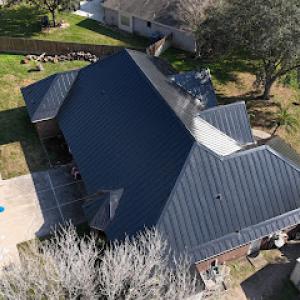
At CA Roofing Solutions, we prioritize safety and adhere to industry standards, providing you with peace of mind knowing that your roofing project is in capable hands. Our goal is not just to meet but exceed your expectations, creating roofs that not only protect your investment but also enhance the overall appeal of your property.
Pride Roofing Xperts
(956) 291-3440 prideroofingxperts.com
2815 Central Blvd E, Brownsville, Texas
5.0 from 124 reviews
Pride Roofing Xperts delivers top-tier roofing solutions for both residential and commercial properties. We offer roof inspections, full replacements, leak repairs, storm damage restoration, and emergency services to protect what matters most. We use only high-quality, industry-leading materials backed by a 50-year manufacturer warranty, and we stand by our craftsmanship with a 10-year labor warranty. Our estimating process is fast and reliable, so you can get a quote without the wait. We also work closely with insurance companies to help reduce your out-of-pocket expenses and make the repair process easier. At Pride Roofing Xperts, we are committed to protecting your home or business from the elements while enhancing its appearance. Vis...
McAllen Valley Roofing
(956) 431-0251 www.brownsville-roofing.com
2114 El Cauce St, Brownsville, Texas
5.0 from 45 reviews
McAllen Valley Roofing is a top-rated roofing contractor in Brownsville, Texas offering quality residential roofing and commercial roofing services. With over 30 years of combined experience, we have built a trusted reputation by taking pride in our work. Our superior craftsmanship and design truly set us apart from any other Brownsville roofing company. We can repair and install all types of roofing systems and materials, including asphalt shingles, tile roofs, metal roofs, low-slope/flat roofs, and more. Whether your old roof can be repaired, or if it’s time to re-roof, you can always expect an honest evaluation. To get a free roofing estimate, call McAllen Valley Roofing today. Serving Brownsville & surrounding areas.
Owen Roofing Company
(956) 546-6638 www.owenroofingco.com
2685 N Coria St Suite C3, Brownsville, Texas
4.7 from 107 reviews
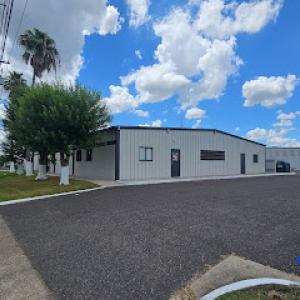
Owen Roofing Company in Brownsville, TX, is your go-to roofing expert for residential and commercial needs. With over 40 years of experience, our certified team delivers top-notch roof installations, repairs, and maintenance using high-quality materials. Committed to our local community, we prioritize customer satisfaction through transparent communication and prompt service. We specialize in composition shingles, tile, standing seam metal roofs, and low-slope TPO roofing. Choose Owen Roofing Company for reliable, affordable, and skillful roofing solutions in Brownsville and across the RGV. Your property is our priority.
Longhorn Roofing
(956) 479-1060 www.getlonghorn.com
5660 Knights Bridge, Brownsville, Texas
5.0 from 15 reviews
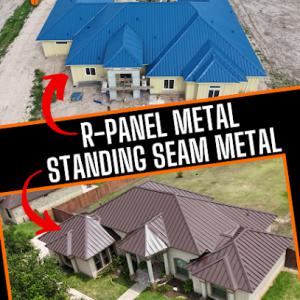
Welcome to Longhorn Roofing! We specialize in roofing, seamless gutter systems, and spray foam insulation for residential and commercial properties. With expert craftsmanship and top-quality materials, we ensure lasting durability and energy efficiency. Contact us today for all your roofing and insulation needs! Done right every shingle time!
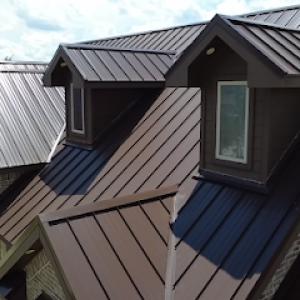
Shield Multiservices RGV
(956) 622-6601 www.shieldmultiservices.com
2900 Central Blvd SUITE X, Brownsville, Texas
5.0 from 14 reviews
Metal & Shingles Roofing
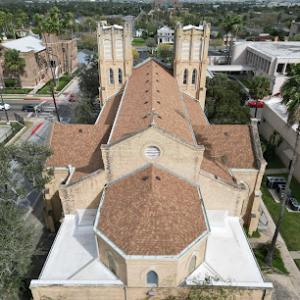
XYZ Roofing & Restorations Brownsville
(956) 230-2259 xyzrestorations.com
222 Frontage Rd 83, Suite 100, Brownsville, Texas
5.0 from 12 reviews
Need roofing near you in Brownsville, TX? XYZ Roofing and Restorations delivers fast leak repairs, storm-damage restoration, and quality roof replacements for homes and businesses. Free inspections, honest estimates, and guidance with insurance claims. Certified, licensed & insured installer for Owens Corning shingles, metal roofs, and TPO/flat systems. Budget-friendly financing. Proudly serving Brownsville, San Benito, Los Fresnos and surrounding Rio Grande Valley areas.
Roofing A-1 & Construction
(956) 443-6621 www.roofinga-1andconstructioncorp.com
3431 Burton Dr, Brownsville, Texas
4.9 from 15 reviews
Re-roof, new roof, metal roof, patio roof, remodeling, concrete, Drive way, interior paint, exterior paint, top-coating, roof washing etc.
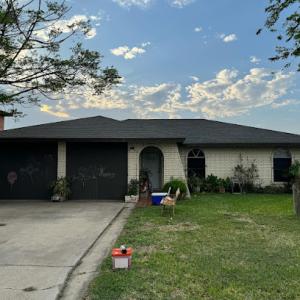
Silva Roofing & Construction
(956) 336-2816 roofcontractorservice.com
3801 Boca Chica Blvd apto 13, Brownsville, Texas
5.0 from 9 reviews
Silva Roofing & Construction, based in Brownsville, TX, is a premier roofing company dedicated to providing high-quality roofing solutions and construction services. With years of expertise in the industry, we specialize in all aspects of roofing, from installations to repairs, catering to both residential and commercial clients. Our team of skilled professionals is committed to delivering excellence in craftsmanship, using top-of-the-line materials and innovative techniques to ensure durable and aesthetically pleasing results. Customer satisfaction is our priority, and we strive to exceed expectations with every project, earning trust through reliability, integrity, and superior service.
Pardo Roofing & Restoration
(956) 803-2203 pardoroofing.com
11 Mangrove Cir, Brownsville, Texas
4.0 from 24 reviews
Pardo Roofing & Restoration, Specializes In: RESIDENTIAL: New Roof, Roof Replacement or Roof Repair COMPOSITON SHINGLE (fiberglass, asphalt, ceramic granules) METAL (standing seam with concealed fasteners) COATED STEEL (class 4 - lightweight stone coated steel) CLAY, TILE, or SLATE COMMERCIAL: New Roof, Roof Replacement, Repairs or Maintenance METAL (standing seam with concealed fasteners) TERMOPLASTIC PVC & TPO MEMBRANES THERMOSET EPDM MODIFIED BITUMEN (mod - bit or MB) BUILT UP ROOFING SYSTEM RESIDENTIAL OR COMMERCIAL "WE GOT YOU COVERED" Insurance Claims, Quality Work, Prompt Service, Licensed Windstorm Inspections, Insured and Bonded for your Protection, Free Estimates, Financing Available.

Repara Tu Techo
(956) 505-8888 www.reparatutecho.com
302 Kings Hwy Suite 109 B, Brownsville, Texas
5.0 from 4 reviews
We specialize in roof repair claims on your residence or your business. We will assess the condition of your roof and assist you with your insurance claim. We have 0% interest rate finance options. Replace your roof for as little as $500.00.
Camcar Construction Group
5641 Grande Blvd, Brownsville, Texas
3.9 from 7 reviews
Don't Pay for a Roof Replacement Out-of-Pocket OUR TEAM IN BROWNSVILLE, TX CAN HELP WITH YOUR ROOF INSURANCE CLAIM A damaged roof isn't cheap, but depending on your policy, your insurance company might completely cover the costs of a full roof replacement. You'll need to file a roof insurance claim detailing the extent of the damage and the estimated roof replacement costs, but don't worry - Camcar Construction Group of Brownsville, TX can help you out. Our owner will draw on over four years of experience to help you navigate the claims process. If your roof insurance claim was denied, we can help you appeal it. Contact us today to schedule a roof inspection.
Prices for a full roof replacement here span a broad range reflecting the city's mix of tile, metal, and shingle roofs. Local replacement pricing spans from about 320-700 USD per square for asphalt shingles up to about 1500-3000 USD per square for clay tile. Concrete tile sits in the middle, typically around 1400-2900 USD per square, while metal systems hover higher, generally 750-1600 USD per square. This spread is a direct result of the peninsula climate, the prevalence of heavier roof assemblies, and the variety of substrates you'll encounter on existing homes.
Costs can rise after tropical weather events when demand surges for emergency dry-in, repairs, and full replacements across the city. If a storm hits and crews are pulled into quick-turn projects, you'll see accelerated timelines and material shortages that push quotes higher. Planning for a retrofit in the off-season helps stabilize both scheduling and pricing, but if you survive a storm season with residual damage, expect adjustments to spike in short windows.
Brownsville's popularity of heavier systems like clay and concrete tile can increase project complexity compared with markets dominated only by basic shingles. Heavier roofs require stronger rafters or reinforcements, sometimes more precise underlayment and drainage considerations, and longer install times. The result is not just higher material costs but amplified labor logistics, especially when removing and disposing of existing roofs and coordinating multiple trades. If you're weighing a switch to heavier tile, set aside extra time and budget for structural assessment and potential deck modifications to support the load.
When calculating, treat the per-square costs as a baseline and add a contingency for surge pricing during active storm seasons. Compare long-term maintenance expectations between asphalt, metal, and tile: heavier systems often offer longer lifespans but require higher upfront investment and more careful installation. In this market, the right contractor will detail not only material costs but the added robustness a given option provides against the Gulf's wind and humidity.
Don't let upfront costs delay a critical repair - these contractors offer payment plans to fit your budget.
CA Roofing
(956) 866-0271 www.caroofingsolutions.com
118 W St Charles St, Brownsville, Texas
4.9 from 220 reviews
Owen Roofing Company
(956) 546-6638 www.owenroofingco.com
2685 N Coria St Suite C3, Brownsville, Texas
4.7 from 107 reviews
XYZ Roofing & Restorations Brownsville
(956) 230-2259 xyzrestorations.com
222 Frontage Rd 83, Suite 100, Brownsville, Texas
5.0 from 12 reviews
Before lifting any tile, metal, or shingle off the roof, you should expect a building permit to be required through the City of Brownsville Building Department for a full re-roof. The process is designed to ensure the new roof ties into existing systems safely, particularly in a climate with high humidity and heavy storm exposure. Start by checking whether your project qualifies as a full roof replacement rather than a repair, and verify whether any adjacent structures (carports, porches, or accessory buildings) require separate permits. Submittals typically include roof plan details, material specifications, and a statement of compliance with local wind and venting standards. While the paper trail can feel meticulous, it helps prevent missteps once a storm season hits.
Plan review timing can vary, and inspection scheduling may be affected by weather, which matters in a city with frequent thunderstorm interruptions. A typical sequence starts with plan submission, followed by plan review, then issuance of permits, and finally the actual replacement work. In peak storm months, review and permit issuance might experience temporary slowdowns, so it's wise to factor in potential delays when coordinating contractors and material delivery. If your contractor operates near the edge of a weather window, they should secure a contingency plan for rain days, tarping, and temporary sheltering to minimize exposure to humidity and wind-driven debris.
Inspections commonly occur after roof removal and again after installation, with venting checks included in the process. The post-removal inspection focuses on how the substrate and underlayment are prepared, ensuring the decking is sound and clean of debris before the new layers go on. The post-installation inspection verifies that the new roof is fully fastened, that alignment and flashing meet local code, and that ventilation is adequate for attic spaces given the hot, humid climate. Venting checks are critical here; improper attic ventilation can trap heat and moisture, accelerating wear on shingles, tiles, or metal panels, and can affect long-term performance in the Gulf climate.
Coordinate closely with your chosen roofing contractor to align permit application with the planned replacement schedule. Ask for a written checklist of required venting and flashing details that will be reviewed during inspections, and confirm who will be present for each inspection submittal. If a weather delay occurs, request interim protective measures from the contractor-such as temporary tarping and weather-rated sealants-to safeguard interior spaces and reduce moisture penetration. Finally, keep all permit numbers, inspection tickets, and contractor contact information accessible, since the Building Department may request updates or clarifications as the project progresses.
In Brownsville, flat and low-slope roofs show meaningful demand for replacements, especially on residential additions and some commercial storefronts. The hot, humid lower-Valley climate means ponding-prone sections need special attention, because standing water accelerates wear and can loosen seam seals during hurricane season. A practical approach balances robust waterproofing with materials that resist UV, humidity, and wind loads.
For a full replacement on low-slope surfaces, the choice of membrane and deck protection drives long-term performance. Consider reinforced single-ply systems or modified bitumen with heat-welded seams for reliable rain resistance and wind uplift resistance. In this climate, edge details matter: curb flashings, parapets, and penetrations must have continuous sealant protection and proper termination at coping to avoid water tracking along fasteners or joints. If a redesign includes additional roof area, ensure the drain layout minimizes ponding after storms and that slope calculations account for local rainfall patterns.
Roof coatings appear as a smaller but active specialty locally, suggesting restoration is part of the decision set for some low-slope roofs. Elastomeric or silicone coatings can extend life on some aged membranes, provided the substrate is sound and prepared properly. Surface prep, coating thickness, and cure conditions are crucial, especially before hurricane-season winds can stress sealed seams. Coatings work best as a preventative measure or as a mid-life refresh when full replacement isn't immediately necessary.
Regular inspections after heavy rain and wind events catch early signs of blistering, pooling, or seam separation. Schedule a once-annual check of flat sections, focusing on drainage points, edge metals, and flashings. In hot months, verify that reflective coatings or membranes maintain their performance under intense sun exposure, and address microcracks or chalking promptly to prevent water intrusion during tropical storm bursts.
Find specialists in TPO, EPDM, and built-up flat roofing systems for residential and commercial properties.
McAllen Valley Roofing
(956) 431-0251 www.brownsville-roofing.com
2114 El Cauce St, Brownsville, Texas
5.0 from 45 reviews
Owen Roofing Company
(956) 546-6638 www.owenroofingco.com
2685 N Coria St Suite C3, Brownsville, Texas
4.7 from 107 reviews
XYZ Roofing & Restorations Brownsville
(956) 230-2259 xyzrestorations.com
222 Frontage Rd 83, Suite 100, Brownsville, Texas
5.0 from 12 reviews
In this climate, warm-month termite and pest activity is a more relevant concern than in drier Texas markets, especially where wood roof or trim components are present. The combination of heat and steady humidity keeps insects active for longer stretches, increasing chances of unseen damage before it's visible from the ground. Wood components that sit close to edges, eaves, or exposed fasteners are especially inviting to termites and other wood-boring pests. If a roof includes wood shingle or shake elements, the risk isn't just cosmetic-pests can undermine structural integrity over time.
High humidity in the lower Rio Grande Valley makes wood-based roof components more vulnerable to moisture-related deterioration if ventilation and detailing are poor. Moisture can linger in cedar shakes, fir plywood, or wood trim, promoting rot, mold, and fungal growth that accelerates decay. Poor attic venting or inadequate flashing around chimneys, hips, and valleys can trap damp air against wood sheathing, creating microhabitats where pests thrive. If the roof uses more vulnerable wood textures, issues may remain hidden until a heavy wind or storm exposes leaks and swelling.
Because wood shingles and shakes are present in the local material mix, homeowners need to weigh pest exposure more seriously here than in cooler or less humid regions. Wood products respond to both sun and rain with greater variability, and pests can exploit any cracks or gaps along seams and nail lines. When a roof replacement involves wood elements, it's prudent to address potential pest access points-ridge lines, soffits, and vent openings-in tandem with the new layer. The combination of active termites and persistent humidity means minor gaps can become active breaches quickly.
Focus on proper detailing to reduce moisture paths: close-cut joints, solid drip edge, and well-sealed fascia. Ensure adequate attic ventilation to balance moisture buildup, and schedule regular inspections after hurricane season for signs of chewing, staining, or softening wood. If wood shingles or shakes are retained, consider treatments or protective finishes that resist moisture uptake while maintaining breathability, and plan for more frequent maintenance cycles than with non-wood roofing.