
Last updated: Apr 19, 2026
San Benito sits in Cameron County in the Lower Rio Grande Valley, so Gulf hurricane season from June through November is a primary driver of roof damage, work delays, and contractor demand spikes. The area experiences tropical-storm wind exposure and heavy rain bands that can pummel roofs in a single afternoon. When the radar shows a tropical system forming in the Gulf, you should treat your roof as a critical first line of defense. A wind-rated reroof or reinforced patch before the peak storms can mean the difference between a minor setback and a full roof failure. Trust a crew that understands the local wind patterns, roof line failures, and the way long, humid heat can soften underlayment or shingles. If a storm is threatening, prioritize securing vulnerable edges, loose flashing, and chimney stacks to prevent rapid wind-driven leaks.
The immediate post-storm window is tight, and rain attacks can move faster than you expect. A fast dry-in and controlled leak strategy saves interior spaces and limits secondary damage. After the rain stops, perform a quick, careful inspection for active leaks around hips, ridges, and skylights. If water is entering through a vent boot or deteriorated seal, apply a temporary tarping or heavy-duty plastic with secure fasteners to create a dry zone while scheduling a proper repair. In this climate, temporary measures should be installed with a mind toward the next wind gust-strong tape, heavy plastic, and weighted edges that won't blow loose in gusts. Keep a log of every leak area, timestamped photos, and a simple map of affected rooms. This documentation makes insurance questions faster to answer and helps crews prioritize the most critical zones first when storms back up the line.
Local demand shifts with storm activity, and crews tend to be booked solid after regional weather events when many reroofs and repairs are requested at once. Understand that permitting review times, material deliveries, and crew travel can all stretch during peak season. If a storm warning is issued, plan for a phased approach: stabilize leaks immediately, then schedule a more comprehensive repair or reroof as soon as a crew can arrive. Proactively securing a preferred contractor and outlining your roof's weak points before a storm hits can shorten downtime and prevent costly vacation delays to your project timeline. Keep an updated contact list for emergency roofing teams who can respond quickly after a downpour or wind burst.
Insurance-ready documentation matters when a roof sustains wind and rain damage during storm season. Gather recent roof photos, existing roof plans or materials if available, and notes on prior repairs. After a weather event damages the roof, compile a dated sequence of evidence: exterior damage (e.g., lifted shingles, damaged flashing), interior leakage points, and any mold or water intrusion. A clearly labeled photo log and a simple roof map help an adjuster assess the scope accurately and minimize back-and-forth. When scheduling repairs, share the storm narrative with your insurer-wind exposure, the time window of the event, and the immediate mitigation steps taken. This approach reduces delays and supports timely claim processing.
Bright, hot days and strong Gulf winds aren't going away. Choose roofing systems and underlayments that perform well under long, humid heat and heavy rain bands, with wind-rated fasteners and durable flashing. Favor materials and assemblies known for rapid re-seal capability after wind-driven uplift, and coordinate with a local crew who understands how southern exposure and shade patterns affect edge temperatures and temperature-related expansion. With the right preparation, you'll limit storm-season surprises and keep a dry home through the heart of the season.
McAllen Valley Roofing
(956) 431-0300 www.harlingenroofing.com
San Benito, Texas
5.0 from 34 reviews
McAllen Valley Roofing is a top-rated roofing contractor in Harlingen, Texas offering quality residential roofing and commercial roofing services. With over 30 years of combined experience, we have built a trusted reputation by taking pride in our work. Our superior craftsmanship and design truly set us apart from any other Harlingen roofing company. We can repair and install all types of roofing systems and materials, including asphalt shingles, tile roofs, metal roofs, low-slope/flat roofs, and more. Whether your old roof can reasonably be repaired, or if it’s time to re-roof, you can always expect an honest evaluation. To get a no-obligation roofing estimate, call McAllen Valley Roofing today.
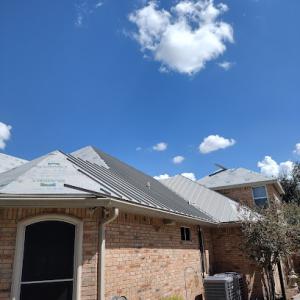
Roofing Solutions Co. RGV
(956) 893-2362 www.rgvroofing.net
162 E Stenger St suite b, San Benito, Texas
5.0 from 7 reviews
Roofing problems such as leaks, improper ventilation and much more will develop overtime at both residential and commercial buildings. Natural wear and tear is one cause where regular routine maintenance is needed. With such a wide arrow of problems, you need roofers that can provide you solutions that can trust and rely on to repair or replace your damaged roofs. We here at ROOFING SOLUTIONS RGV strive to provide the best in customer service along with an excellence of quality work. We provide this excellence in service to all locations within the Rio Grande Valley. Our goal and motto, which we firmly stand behind, is “Integrity, Trust and Quality!”
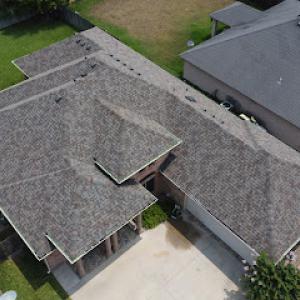
Castillo Roofing
(956) 264-2477 www.castillotx.com
Serving
4.9 from 163 reviews
Castillo Roofing provides quality roofing services for the Rio Grande Valley. Our experienced team will guide you through the process of choosing the right roof system. We provide in house insurance claims support and same day 0% Financing Approval on new roofs. Proudly serving Harlingen, McAllen, South Padre Island, and Brownsville. Contact us today for a free inspection report!

Honest Abe Roofing Rio Grande Valley
(956) 253-4271 honestaberoofing.com
Serving
4.8 from 95 reviews
Honest Abe Roofing has been installing, repairing, and maintaining residential roofs since 2007. It is our goal to bring a customer service focus to the roofing industry. We are aware that we are providing a very important and necessary service to many homes, so we work incredibly hard to provide the best possible roofing at the most competitive pricing. All of our customers are very important to us, and we want to give them a perfect roof to protect their home and keep them comfortable. Each of our professionals is fully certified and has passed extensive background checks and drug tests, so you can rest easy knowing you have a completely reliable team of experts working on your home.
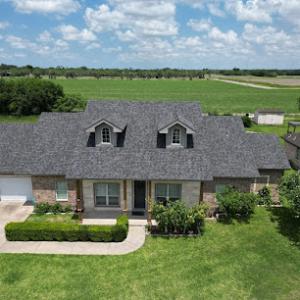
XYZ Roofing & Restorations Harlingen
(956) 230-2259 xyzrestorations.com
Serving
5.0 from 162 reviews
XYZ Roofing and Restorations is a locally trusted roofing company in Harlingen, TX, providing same-day roof repair, roof replacement, and 24/7 emergency roofing. We’re hail & storm-damage specialists offering free roof inspections, photo reports, and insurance-claim assistance. Owens Corning Platinum Preferred; licensed & insured crews installing shingle, metal, and flat/TPO systems for homes and businesses. Financing available. Serving Harlingen, San Benito, Los Fresnos, Weslaco, Brownsville and nearby RGV communities.
RCJ Roofing & Construction
(956) 535-0117 rcjroofingcontractors.com
Serving
5.0 from 36 reviews
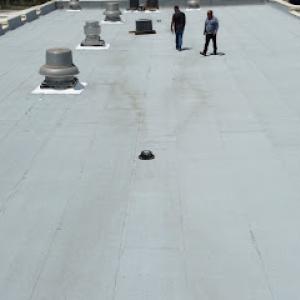
RCJ Roofing & Construction is a commerial roofing contractor serving the Rio Grande Valley, including Mcallen, Harlingen, Brownsville, Weslaco, Mission & Edinburg. We specialize in commercial roof replacements and commercial roof repairs, featuring commercial flat roof systems such as TPO, Modified bitumen, silicone roof coatings, standing seam metal roofs. We work with commercial property managers, school districts, churches, industrial facilities, warehouses & retail centers. In addition to roofing, we provide select commercial remodeling & renovations services for existing facilities, delivering professional project management, safety compliance, and reliable scheduling to finish your project on time and on budget.
F1 Roofing & Remodeling Zero Down Payment
Serving
4.8 from 72 reviews
Roofing & Remodeling Financing. (956) 369-4918 Google Guaranteed . Zero Down Payment A+ Better Business Bureau Company.(956) 369-4918

Texas Roofing & Construction
Serving
5.0 from 73 reviews
Elite Roofing & Construction is Texas's leading Roofing & Home repair company. Call us today for a FREE Roofing inspection.
Texas Platinum Roofing & Restoration
(956) 564-9006 txplatinumroofingrestoration.com
Serving
4.2 from 33 reviews
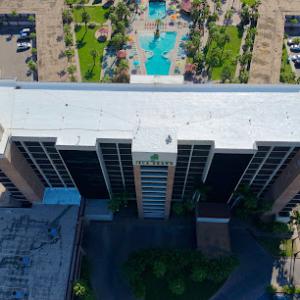
At Texas Platinum Roofing & Restoration, we are a family-owned business that takes pride in giving the best service and dedication to complete customer satisfaction, we don't stop short when your expectations are on the line. We are licensed, bonded, certified and Owens Corning Preferred Contractor and roofing company serving all of the Rio Grande Valley. We can complete any roof service for your residential or commercial property. Including leaks, roof repair and, roof replacement. We also offer insurance claim assistance. Texas Platinum Roofing & Restoration also specializes in exterior services like siding, windows, and gutters. We excel at making sure your home looks the way you want it, and more!
Monarch Roofing & Construction LLC. Veteran owned & operated.
(956) 403-9722 www.monarchroofingconstruction.com
Serving
5.0 from 23 reviews
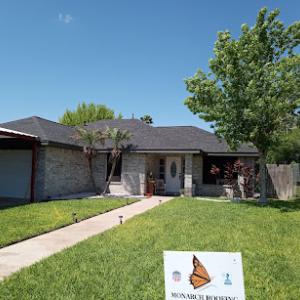
Monarch Roofing specializes in roofing. From residential to commercial and everything in between. We are a local veteran own and operated business.
Alien Roofing
(956) 201-7900 www.alienroofingtx.com
Serving
5.0 from 13 reviews
Alien Roofing, located at 7575 N Expressway 77 #83, Olmito, TX 78575, is a licensed and experienced roofing contractor offering high-quality roofing solutions for both residential and commercial clients. Their services include shingle, tile, metal, and TPO roofing systems, with a focus on delivering exceptional craftsmanship and customer satisfaction. With over eight years of industry experience, Alien Roofing is a trusted provider in the region. They also collaborate with other roofing companies, offering specialized metal roofing services to enhance their capabilities. The company provides free estimates to help clients find tailored solutions for their roofing needs. For inquiries or to schedule a free estimate, visit their websit...
McAllen Valley Roofing
(956) 431-0251 www.brownsville-roofing.com
Serving
5.0 from 45 reviews
McAllen Valley Roofing is a top-rated roofing contractor in Brownsville, Texas offering quality residential roofing and commercial roofing services. With over 30 years of combined experience, we have built a trusted reputation by taking pride in our work. Our superior craftsmanship and design truly set us apart from any other Brownsville roofing company. We can repair and install all types of roofing systems and materials, including asphalt shingles, tile roofs, metal roofs, low-slope/flat roofs, and more. Whether your old roof can be repaired, or if it’s time to re-roof, you can always expect an honest evaluation. To get a free roofing estimate, call McAllen Valley Roofing today. Serving Brownsville & surrounding areas.
A full reroof in this area typically requires a permit through the City of San Benito Building Department. Before any shingles come off, you'll want to check in with the department to confirm the exact scope that triggers permitting for your home and to obtain the permit packet. In practice, the process moves through a simple intake, plan review if needed, and then issuance of the permit once the department is satisfied you have the correct materials, fasteners, and installation approach. Expect that the department will want to see a project address, a clear timeline, and contact information for the licensed contractor you plan to use. Submitting accurate project details early helps prevent delays when weather and wind conditions intensify along the Gulf.
South Texas wind exposure drives the need for wind-resistance documentation as part of the reroof approval and inspection process. The city may require you to show that the chosen roofing system and fastener pattern meet local wind criteria, as well as that the installation method aligns with the manufacturer's wind specs for our climate. Have your contractor provide a written statement or stamped documentation indicating the wind-rated design, including the attachment method, underlayment, and any engineered components if applicable. If your home has a hip roof, flat sections, or eaves with overhangs common to the area, expect the reviewing official to scrutinize how those features are secured against uplift. The documentation you submit should reflect the actual product you will install and the fastening pattern you intend to use, not a generic spec. In practice, this means coordinating with the contractor to collect the manufacturer's data for your chosen roof system, then attaching that data to your permit package so inspections can proceed without back-and-forth delays.
The department may inspect work at several stages rather than only at the end. Typical stages include an initial rough-in or deck inspection, a mid-progress check on underlayment and fasteners, and a final inspection once the roof is complete but before the site is cleared. Having inspections staged helps catch wind-resistance concerns early, particularly around deck preparation, nailing patterns, and edge details where uplift risks are greatest. During these inspections, you should have your contractor's notes ready, plus any deviations from the original plan clearly documented. If a weather event interrupts progress, contact the building department promptly to reschedule inspections, as waiting too long can complicate permit compliance and trigger re-inspection fees.
Storm-season in this region demands not only a solid permit path but rapid response if a leak occurs before the reroof is completed. If you experience a leak during reroofing, implement emergency containment to keep water from spreading into living spaces. Take photos of the affected areas and document times, weather conditions, and the extent of interior damage. This documentation can support any insurance claim and helps the contractor prioritize repairs to protect interior finishes. When coordinating with your contractor, request a written plan for immediate temporary measures if leaks recur between stages, including tarps or sealant applications that comply with safety guidelines and local code requirements. Keep the Building Department informed of any urgent weather-driven setbacks and follow up to ensure inspections resume as soon as conditions allow.
Storm seasons in this part of the coast bring a pace that can overwhelm calm estimates. San Benito homeowners are in a coastal Texas insurance environment where wind and hail claim activity is frequent enough that documentation quality affects claim outcomes. When a storm passes, the first item insurers scrutinize is the sequence and clarity of what happened to your roof. A loose shingle or a hairline crack can become a larger damage narrative if the photos don't clearly show location, extent, and progression. Your roof's condition before a storm isn't just a retrospective detail-it shapes how an adjuster judges the severity of new damage versus preexisting wear. If you've lived through a hot, humid month with heavy rain, you've seen how moisture can creep into cornices and edges where tiles or shingles overhang. That creeping moisture can complicate post-storm assessments if there aren't clear photos documenting what was present beforehand.
Insurers commonly request thorough damage photos after storms in this region, and adjuster availability can tighten during peak storm periods affecting the Lower Rio Grande Valley. Take high-resolution images from multiple angles of every affected area: the roof surface, fascia, gutters, and any interior signs of water intrusion near ceilings and walls. Include dates on the images if possible, and keep a simple log noting the time of day and weather conditions when the damage was observed. Document the surrounding context-drainage patterns, nearby trees with leaning or cracked limbs, and any off-angle light that might exaggerate or hide issues. If you have existing photos from before the last storm, compare them side by side with fresh shots to illustrate what changed. In this climate, where wind-driven rain can create micro-damages that worsen with each passing shower, a clear before-and-after record becomes a powerful, non-emotional narrative.
Adjuster availability can tighten during peak storm periods, and the window to present a coherent claim narrows when many households seek help at once. Plan ahead by organizing a simple file: your policy, the storm date, a written description of what you observed, and the photos. When an adjuster does arrive, you want to present a concise story: where the damage is, how it could affect the attic or interior, and what immediate risks you're managing-such as active leaks in a room or near electrical fixtures. If you're coordinating a replacement or repairs, don't rely on memory alone; reference the photos and notes from the moment the storm ended. In practice, that means keeping digital copies accessible from your phone and a spare USB or cloud backup in case your primary device is damaged during a wind event.
Coverage terms and credits can change after major storm events in coastal Texas, so roof condition records before and after storms matter more here than in lower-claim inland markets. Your pre-storm condition helps define what counts as storm-induced damage versus normal wear and tear. After a event, the post-storm record helps illustrate remediation needs and the urgency of repairs to prevent further damage. If you've recently upgraded venting, patched a leak, or replaced worn flashing, note those changes with dates and accompanying photos; insurers may weigh these improvements when assessing risk and coverage. This careful documentation becomes a practical shield against misunderstandings that can slow a settlement or lead to gaps in coverage.
After a storm, act quickly but deliberately. If leaks are visible, place containers to catch water and document the interior impact with photos that show ceiling stains, water trails, and mold-prone areas. Contact your insurer promptly to report the claim, and request an itemized list of what documentation they need-this reduces back-and-forth. When arranging emergency repairs to prevent further damage, save receipts and note the scope of work; insurers will review whether emergency fixes were reasonable given the storm's severity. Finally, keep a personal log of dates, conversations, and key statements from adjusters. In this coastal environment, staying organized isn't just bureaucratic-it can meaningfully influence the path to a fair, timely resolution.
Connect with contractors who help homeowners navigate the claims process from damage assessment to final approval.
XYZ Roofing & Restorations Harlingen
(956) 230-2259 xyzrestorations.com
Serving
5.0 from 162 reviews
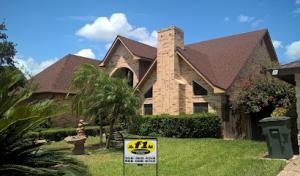
San Benito's residential roofscape features asphalt shingles, metal roofing, clay tile, concrete tile, wood shingles or shakes, and synthetic or composite shingles. In this mix, the heat, high humidity, and sudden rain bursts shape how materials age more than any freeze-thaw cycle. Asphalt shingles handle the heat when paired with proper nailing and ventilation, but they can soften under extreme afternoon sun and benefit from reflective granules and adequate attic venting to reduce heat load. Metal keeps its shine and sheds rain quickly, but coastal humidity invites condensation risks and the need for precise panel laps and fasteners to prevent wind-driven leaks during storm spikes. Clay and concrete tiles resist heat well and offer long life, yet the weight requires solid roof framing and careful underlayment to manage heat gain through tile-stacking patterns and to deter moisture wicking at edges. Wood shingles or shakes deliver a classic look but require diligent maintenance against moisture intrusion and fungal growth in humid pockets. Synthetic or composite shingles aim to balance heat tolerance with moisture resilience, yet proper installation and ventilation remain crucial to prevent heat buildup beneath the surface layer.
In this market, moisture management is often more critical than freeze-thaw concerns. Roof systems must shed rain rapidly and guard against dew-driven leakage during the humid season. Roofing choices should emphasize extended underlayment life, vented attic space, and well-sealed penetrations for maximum durability. For metal and tile options, ensure a robust wind-aware installation, including corrosion-resistant fasteners and correct flashing at hips, valleys, and chimneys. Tile roofs benefit from ridge ventilation and circularly cut feathered edges to prevent water infiltration at joints. For asphalt and synthetic shingles, pairing with a high-quality underlayment and reflective coating can reduce heat load and extend the panel's life in a sun-drenched climate.
Storm-season wind damage is a practical concern; choose roofs with proven wind resistance and ensure fast, professional temporary leak control when a storm hits. If a leak is detected, protect the interior immediately with clean tarps and targeted sealing around penetrations. Document damage with photos and keep a clear record of all affected areas and any temporary repairs for insurance purposes. A quick, organized approach helps minimize secondary damage and simplifies claims processing while repairs are coordinated.
Metal and tile remain especially relevant here, matching the strong local contractor presence in metal roofing and the established use of clay and concrete tile in the region. When evaluating options, prioritize installers who can demonstrate blade-edge flashing accuracy, moisture barrier continuity, and wind-rated fastener patterns suited to your home's exposure. This ensures a roof that stands up to heat, humidity, and the season's demanding rainfall.
When you're budgeting a roof in this Gulf-adjacent climate, use these ranges per square as your baseline: asphalt shingles 320 to 640, metal 800 to 1500, clay tile 1100 to 2100, concrete tile 900 to 1700, wood shingles or shakes 650 to 1100, and synthetic or composite shingles 600 to 1100. In San Benito, costs can rise after tropical storms because regional demand surges affect labor availability, inspection timing, and material lead times. That means you should build a contingency into schedule and cash flow for storm-season windows when crews and materials are harder to lock in.
Material choice matters more here than in milder markets because wind-resistance documentation and heavy-rain scheduling risk interact with local weather patterns. Metal and tile systems are popular for their durability in gusty winds and long-term performance, but they come with distinct pricing dynamics once storm season starts. Clay and concrete tiles offer excellent wind resistance, yet their weight and installation constraints can push total project pricing beyond the base material cost. Asphalt remains the most flexible mid-range option if fatigue and fast response time after leaks are priorities, but it can require more frequent maintenance in wet springs.
Storm activity drives more than material costs. After a storm, lead times lengthen for supplies, and crews may prioritize emergency leak control over cosmetic refinishing. If you're reroofing after a wind event, expect some premium for expedited scheduling and for additional inspections to confirm wind damage remediation details. Documentation that tracks wind-rated components, fasteners, underlayment, and fastening patterns is helpful for insurance considerations, which can influence the overall project scope.
Start with a material decision aligned to your home's exposure and roof geometry, then lock in a price range with a reputable local contractor who understands how tropical-season dynamics can affect delivery timelines. Request written confirmation of wind-resistance ratings, warranty terms, and lead-time estimates that reflect potential post-storm demand fluctuations. Finally, set aside a contingency for weather-driven delays and rapid-access fixes that may be needed as summer storms roll in.
Don't let upfront costs delay a critical repair - these contractors offer payment plans to fit your budget.
XYZ Roofing & Restorations Harlingen
(956) 230-2259 xyzrestorations.com
Serving
5.0 from 162 reviews
In this city, the local contractor market shows meaningful flat-roof specialization, a match for the mix of residential additions, porch covers, and commercial buildings that rely on low-slope assemblies. That specialization can help with rapid inspections and targeted repairs after wind-driven events, but it also shapes how appointments are scheduled and how warranties are handled.
Spring rains and humid conditions in South Texas increase moisture risk during replacement on low-slope sections, where dry-in timing is especially important. When planning a reroof or a midlife repair, expect short weather windows and an emphasis on sealing the deck promptly. Ask for a clear water-management plan that includes temporary coverings and a defined sequence for installing underlayment, flashing, and the final surface.
Emergency leak control becomes a practical priority when a storm hits. Keep a simple kit on hand: heavy-duty plastic, sealant patches, and a few sandbags or bags of gravel to shore up a temporary drip. For active leaks, place catchments on the interior ceiling, protect any attic insulation, and communicate promptly with the contractor about securing a rapid dry-in once weather allows. Flat roofs tend to reveal issues quickly after wind-driven rain, so a fast response matters.
Because many contractors serve both residential and commercial customers, homeowners with mixed-slope homes or detached structures are more likely to encounter flat-roof repair and coating options locally. If a detached garage, patio cover, or pool cabana has a flat or low-slope surface, consider a single point of contact for inspections and repairs to avoid mixed messaging across projects. Flat-roof coatings can be a practical stopgap when performed by experienced hands with appropriate surface prep.
Insurance documentation is a routine yet critical part of the process after wind damage or leaks. Request a written assessment that identifies moisture exposure, before-and-after photos, and a clear record of repairs and coatings applied. Having organized notes and dates helps streamline claims and avoid disputes when a swift, temporary fix is needed to prevent interior damage.
Find specialists in TPO, EPDM, and built-up flat roofing systems for residential and commercial properties.
McAllen Valley Roofing
(956) 431-0300 www.harlingenroofing.com
San Benito, Texas
5.0 from 34 reviews
XYZ Roofing & Restorations Harlingen
(956) 230-2259 xyzrestorations.com
Serving
5.0 from 162 reviews
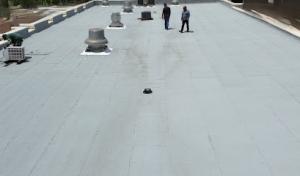
Spring rains in the San Benito area can extend replacement timelines by increasing tear-off and dry-in moisture risk. When planning, expect occasional delays if crews encounter wet conditions and higher humidity that slow decking inspection, roofing underlayment, and nailer installation. This phase still needs to proceed methodically, especially on older homes where decking may show hidden damage behind peeling paint or warped plywood. Align scheduling with dryer spells but keep a realistic buffer for sudden showers that pop up in late spring.
Extreme summer heat and humidity in South Texas affect installation conditions and crew productivity, which can influence start times and daily work windows. Heat-tight menus-shingle mats, sealant work, and tarping-need extra planning, so jobs often start earlier or pause during peak heat to protect materials and workers. If your property has limited shade access, discuss portable cooling and sun protection with the contractor. Expect slower progress on the hottest days, and confirm backup plans for mid-afternoon heat spikes.
June through November overlaps Gulf hurricane season, so homeowners in San Benito often face a tradeoff between urgent storm repairs and longer scheduling queues. If a storm threat looms, crews may shift toward emergency leak control rather than a full reroof, then resume tear-off once weather calms. When a storm passes, rapid tarp and temporary seal solutions can buy critical time. Coordinate with your contractor to establish a prioritized sequence: immediate leak mitigation, then full reroof in the most favorable window available.
Begin with a pre-inspection to identify hidden water damage and warped decking that could complicate tear-off. Schedule a dry-in plan that emphasizes moisture management, especially after spring rains and during humid spells. Maintain clear communication with the crew about preferred start times within the allowed window, and confirm contingency steps for rain delays, heat days, and potential storm redeployments.
After a storm passes, the local market prioritizes quick response, affordability, and cleanup. You'll notice many crews shifting focus from flashy new designs to rapid repair and mass reroofing where debris has piled up. In practice, expect contractors to emphasize getting you dry fast, then sorting out the permanent fix. Plan for a contractor who can mobilize quickly, protect your interior, and stage a reliable cleanup while they assess roof health.
Reroofing is more common here than niche new-construction work. Many homeowners end up with replacement or repair work rather than custom architectural solutions. That doesn't mean you should skip quality checks, but it does mean you'll likely encounter firms that offer straightforward, broad-stroke options. Ask how they handle widespread wind and rain damage, and whether they can tie new materials to existing underlayment and flashings without prolonged downtime.
Only a smaller share of local firms signal manufacturer certification or long-established tenure. Warranty terms and documentation should be reviewed carefully rather than assumed. Look for clear coverage on wind rating compatibility, material integrity, and workmanship. If a contractor's credentials aren't transparent, press for written guarantees that align with the storm-season reality you've faced.
Emergency leak control is not a luxury here; it is a practical necessity. Ensure the roofer provides a written plan for tarping, leak containment, and rapid water removal, with a timeline you can rely on. When dealing with insurance, demand a detailed scope of work, including how storm debris will be removed and how repairs tie into your policy coverage. Misunderstandings on what's covered can cost you days of exposure and wasted resources.
Ask for recent local references and proof of quick-response performance. Prioritize contractors who can demonstrate efficient debris cleanup, accessible communication, and clear, written repair or replacement steps. If a firm pitches durability without a straightforward plan for post-storm contingencies, proceed with caution. In this market, clarity and speed-not bravado-protect your home.