
Last updated: Apr 19, 2026
Hot, humid conditions and relentless sun in this Lower Rio Grande Valley area take a toll on asphalt shingles faster than in milder Texas markets. You'll notice more cupping, cracking, and color fading on roofs that are just a few years old, and granules washing down gutters becomes a seasonal frustration rather than a rare annoyance. This rapid aging means minor wear can become major leaks quickly, especially after a sequence of back-to-back sunny days followed by a heavy storm. If your shingles look chalky or brittle, or you're seeing more frequent granule loss in the gutters, treat it as a warning sign rather than a cosmetic issue.
Spring hail and windy conditions are a recurring local trigger for roof inspections and spot repairs. After a hail event, inspect the entire surface from ground level with binoculars or a ladder, focusing on damaged edges, lifted tabs, or dented shingles. Wind-driven debris can peel back corner tabs or loosen sealants, creating vulnerable gaps that invite water intrusion. If shingles are curling, edges are lifted, or you hear hail bounce more loudly on the roof than normal, arrange a professional inspection promptly. In Mercedes, the risk isn't only obvious leaks-shingle damage from hail can hide under granule loss, accelerating moisture penetration during the next heavy rain. Don't wait for a leak to appear; address even small bruising or blown-back tabs before a summer storm hits.
Hurricane season brings heavy rain and wind exposure, even if a home isn't directly on the coast. Rubble from nearby storms, persistent gusts, and sudden downpours can stress seams, flashings, and roof penetrations. The most at-risk areas are valleys around chimneys, vent pipes, and where the roof deck meets walls. After a heavy rain, perform a quick check around penetrations for signs of moisture intrusion indoors, such as discoloration on ceilings or damp attic insulation. If leaks appear, explore temporary measures to divert water away from the affected area and schedule a professional assessment as soon as possible. Proactive sealing of flashing joints and replacing aging sealants can prevent a single storm from turning into a soaked ceiling and damaged attic insulation.
Create a simple storm-response routine: after each significant storm, walk the roof line from the ground with a pair of binoculars, looking for lifted tabs, lifted edges, or curling shingles. If any damage is evident, call a local roofer who understands the unique Mercedes climate and the way heat accelerates aging. In between storms, keep gutters and downspouts clear so water can shed quickly, and trim trees so branches don't strike the roof in windy conditions. Inside the attic, inspect for signs of moisture or light leaking through at the joints after a rain, particularly near vents and chimneys. Early detection is your best defense against interior damage and escalating repair costs.
Document storms and hail events with dated photos, noting any observed shingle damage, lifted edges, or granule loss. Keep a running file of weather advisories, including wind speeds and rainfall amounts from local sources, and record dates of any paid repairs or temporary tarping. When filing a claim after a storm, provide a clear timeline of how the damage progressed, supported by your photos and dates. A simple, organized set of images and notes can streamline the claims process and help ensure you're addressing the most critical vulnerabilities first. Remember, a proactive inspection after a major event is not just prudent-it's essential for validating the condition of the roof before and after weather spikes.
Roof claims in this part of Texas come with a built-in expectation of thorough documentation. Hail and wind losses are frequent enough that insurers anticipate a detailed photo trail and precise, line-by-line estimates. The Gulf-facing storms can create visible hail damage on shingles, gutters, and flashing, but some wear shows up as heat-aged granules and warping that isn't always obvious from ground level. In practice, the carrier may push back if the photos look dated or if the estimate lumps multiple issues into one line item. Expect reviewers to check your roof's current condition against the roof's age and the storm date, and prepare for questions about preexisting wear that might be harder to quantify from a single angle.
Homeowners in this market may encounter tighter coverage terms and deductible scrutiny because the Texas insurance environment has adjusted in higher-risk storm regions. That means two things: first, the insurer will scrutinize whether the damage could be cosmetic or incidental, second, the scope of replacement versus repair will be under closer review. A large portion of the decision hinges on how convincingly the documentation ties the loss to a single storm event rather than ongoing wear. If the photos don't clearly show the path of damage from a recent storm, or if the line items seem ambiguous, the adjustment process can stretch longer and require more back-and-forth. In this climate, accuracy in reporting isn't just helpful-it's essential to avoid delays or partial denial.
Before-and-after photos provide undeniable context, especially for roof sections exposed to sun and high heat that age quickly. Each replacement scope should read as a separate line item with explicit the scope of work: shingles replaced, decking inspected, flashing replaced, drip edge, and any underlayment work. The goal is to create a transparent map from the storm event to the completed repair. Keep inspection records showing prompt post-storm checks, noting any changes between initial assessment and final replacement. If you can document a clear sequence-storm occurrence, first inspection, photos, estimate revision, and final installation-that sequence becomes your strongest narrative for the insurer.
Post-storm inspection timing is not a cosmetic concern in this area. Claims are often better when inspections occur within days of a storm, not weeks. The more immediate the documentation, the less room there is for disputes about what happened when. When coordinating with a contractor, request a weather-backed calendar that aligns each photo with the exact date and a corresponding note about what each image proves. For homeowners, keeping a small, dated binder or digital folder of storm-related photos-showing rooftop conditions from multiple angles-will pay dividends when the adjuster reviews the file.
Choose a contractor who understands the rhythm of Mercedes storms and the expectations of local adjusters. A clear, itemized scope helps keep conversations on track and reduces back-and-forth over whether a certain roof section qualifies for replacement. When you file, present a cohesive package: storm date, post-storm photos, a detailed scope, and a proposed schedule for repairs. If the insurer asks for supplementary documentation, respond promptly with precise references to the photos and line items. In this climate, honesty about damage scope, paired with meticulous records, can spare you multiple rounds of revision and keep the project moving toward completion.
Connect with contractors who help homeowners navigate the claims process from damage assessment to final approval.
Monarch Roofing & Construction LLC. Veteran owned & operated.
(956) 403-9722 www.monarchroofingconstruction.com
Serving
5.0 from 23 reviews
RGV Property Solutions
(956) 667-9142 www.rgvpropertysolutions.com
Serving
5.0 from 32 reviews
RGV Landscaping & Lawn Care Management stands tall as a pillar of excellence in the realm of landscaping and lawn care services for homes and businesses alike. From Brownsville to McAllen-Edinburg-Mission, we cater to the diverse landscapes of South Texas. Founded in 2021, we have steadily grown our repertoire of services to encompass general contracting, concrete and lighting installations, meticulous pressure washing, commercial cleaning, and the expertise to design and execute sprinkler systems that enhance your outdoor oasis.
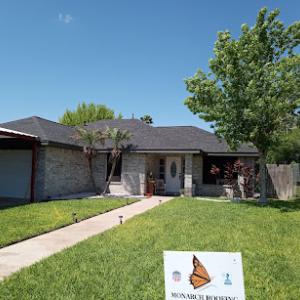
Monarch Roofing & Construction LLC. Veteran owned & operated.
(956) 403-9722 www.monarchroofingconstruction.com
Serving
5.0 from 23 reviews
Monarch Roofing specializes in roofing. From residential to commercial and everything in between. We are a local veteran own and operated business.
Texas Contractors
Serving
5.0 from 12 reviews
Texas Contractors, Inc. is a veteran-owned roofing and fence contractor serving Harlingen, McAllen, and the Rio Grande Valley. Deal directly with the owner—from the first estimate to the final inspection—for honest service and expert results. We specialize in residential roof replacement and custom privacy fencing built to withstand South Texas heat and wind. As a local owner-operator, I take personal responsibility for every project, ensuring quality workmanship without the middleman. We offer flexible home improvement financing through HFS Financial to fit your budget. We also accept PayPal and all major credit cards. Call today for a free, no-obligation estimate from a local pro you can trust.

Texas Roofing & Construction
Serving
5.0 from 73 reviews
Elite Roofing & Construction is Texas's leading Roofing & Home repair company. Call us today for a FREE Roofing inspection.

Bison Roofing
(956) 467-0084 www.bisonroofing.net
Serving
4.9 from 347 reviews
Bison Roofing, a family-owned business proudly operating in the Rio Grande Valley since 2004, consistently delivers craftsmanship of the highest standard in roofing installations and maintenance. Comprised of a team of certified experts committed to excellence, they specialize in repairs, replacements, and metal roofing, guaranteeing the highest level of customer satisfaction. Bison Roofing has earned recognition as one of the highest-rated contractors, setting the benchmark for integrity and exceptional service in McAllen, Texas, and the surrounding communities. The Rio Grande Valley's Best Roofing Company!
Builders Edge
(956) 821-5669 www.buildersedgetx.com
Serving
5.0 from 14 reviews
Builders Edge is privately owned and operated right here in McAllen, so our focus and priority will always be our family and communities of the Rio Grande Valley. Builders Edge - "Roofing Done Right"
Roof Improvement
Serving
5.0 from 3 reviews
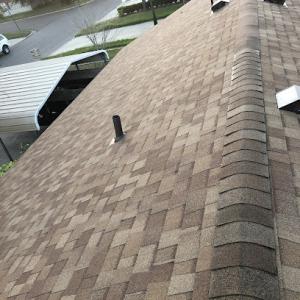
We are a company dedicated in helping homeowners improve the quality of their roofs by installing the highest and affordable roofing material available in the market. We have pride In what we do and WE MAKE IT RIGHT!!
RCJ Roofing & Construction
(956) 535-0117 rcjroofingcontractors.com
Serving
5.0 from 36 reviews
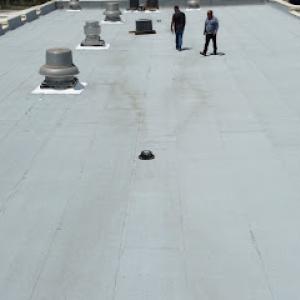
RCJ Roofing & Construction is a commerial roofing contractor serving the Rio Grande Valley, including Mcallen, Harlingen, Brownsville, Weslaco, Mission & Edinburg. We specialize in commercial roof replacements and commercial roof repairs, featuring commercial flat roof systems such as TPO, Modified bitumen, silicone roof coatings, standing seam metal roofs. We work with commercial property managers, school districts, churches, industrial facilities, warehouses & retail centers. In addition to roofing, we provide select commercial remodeling & renovations services for existing facilities, delivering professional project management, safety compliance, and reliable scheduling to finish your project on time and on budget.
Castillo Roofing
(956) 264-2477 www.castillotx.com
Serving
4.9 from 163 reviews
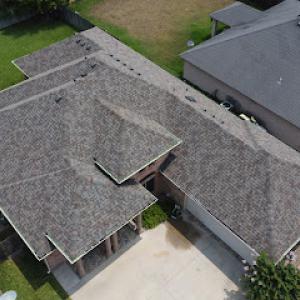
Castillo Roofing provides quality roofing services for the Rio Grande Valley. Our experienced team will guide you through the process of choosing the right roof system. We provide in house insurance claims support and same day 0% Financing Approval on new roofs. Proudly serving Harlingen, McAllen, South Padre Island, and Brownsville. Contact us today for a free inspection report!
XYZ Roofing & Restorations Harlingen
(956) 230-2259 xyzrestorations.com
Serving
5.0 from 162 reviews
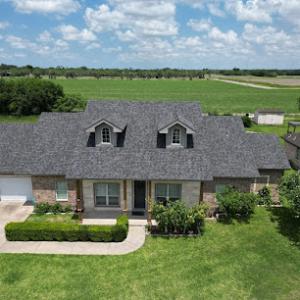
XYZ Roofing and Restorations is a locally trusted roofing company in Harlingen, TX, providing same-day roof repair, roof replacement, and 24/7 emergency roofing. We’re hail & storm-damage specialists offering free roof inspections, photo reports, and insurance-claim assistance. Owens Corning Platinum Preferred; licensed & insured crews installing shingle, metal, and flat/TPO systems for homes and businesses. Financing available. Serving Harlingen, San Benito, Los Fresnos, Weslaco, Brownsville and nearby RGV communities.

Marva Roofing
(956) 217-9989 marvaroofing.com
Serving
4.8 from 172 reviews
Established in 2013, Marva Roofing has become a trusted name in the Rio Grande Valley. Specializing in residential and commercial roofing, this expert team also offers comprehensive siding and gutter services. They provide a full range of solutions, including asphalt shingle and metal roofing, as well as essential roof repair. Marva Roofing is dedicated to delivering quality craftsmanship and building lasting relationships, ensuring every home and business receives superior care and exceptional results.
Above Quality Roofing
(956) 578-7427 www.abovequalityroofing.com
Serving
4.9 from 51 reviews
Above Quality Roofing has provided exceptional service in San Juan since 2009. Their team of skilled professionals specializes in comprehensive roofing solutions, including new installations, repairs, and maintenance. They also offer a variety of services to enhance and protect your home, from expert painting and gutter services to reliable waterproofing and water damage restoration. With a commitment to quality and a customer-focused approach, Above Quality Roofing ensures your project is handled with professionalism and care, providing a seamless and satisfying experience from start to finish.
Asphalt shingles are common in Mercedes but are especially vulnerable here to UV exposure, heat buildup, and adhesive degradation during long South Texas summers. When these shingles age, you may notice curling, granule loss, and faster wear around edges exposed to afternoon sun. If you choose asphalt, look for cool-reeflected or infrared-rated variants and consider extra adhesive or sealant around fasteners in the southern exposure. Regular inspections after storm season help catch curling or lifted tabs before leaks form, and venting near attic spaces matters to slow heat transfer to the roof deck.
Metal roofing has strong local relevance in Mercedes, where reflective performance and storm resilience appeal to homeowners dealing with heat and seasonal wind. A light-colored or reflective finish reduces heat buildup, which translates to lower attic temperatures and less thermal expansion stress on the roofing system. Metal panels should be properly sealed at joints and overhangs to shed heavy rain without pooling. In high-widelity setups, confirm that fasteners use non-corrosive materials and that the roof has adequate edge detailing to resist wind-driven debris during hurricane-season storms.
Clay and concrete tile fit the regional architectural mix in South Texas but require attention to structural load and storm-securement details during replacement. Clay tile brings a classic look and excellent durability in heat, but its weight demands a strong deck and proper support framing. If replacing, ensure the substrate can handle the load and that battens or a solid substrate are correctly installed to prevent tile cracks from sun-induced expansion. During storms, confirm securement of ridge and hip caps to prevent shingle-like movement from gusts.
Concrete tile shares many benefits with clay, including heat resistance and a long service life, yet it also carries substantial weight. The structural assessment should verify that the existing trusses and decking are rated for the added load and that fasteners are corrosion-resistant. Replacement planning should include a careful layout to minimize breakage risk during installation, with attention to underlayment compatibility and proper nailing patterns to hold up against quick pressurization from gusts and hail.
Regardless of material choice, you want fast and clear documentation of any hail impacts or wind damage, especially after storm season. Keep a dated, photo-backed record of roof condition and repairs, as insurers and adjusters often request timely images and notes. For all materials, prioritize a high-quality underlayment and ensure attic ventilation remains adequate to temper heat buildup. Seasonal checks should focus on fastener integrity, sealant condition, and the health of ridge lines where wind uplift risk is highest.
In this area, cost swings often ride the waves of hail and wind events. After a major storm, replacement demand spikes quickly, and schedules can tighten as crews are pulled toward urgent repair work or insurance-Damage claim projects. That means a project that might normally book a couple of weeks out can stretch into several weeks, especially for longer runs of roof coverage or intricate transitions around vents, chimneys, and attic access. If a hail event hits, expect labor availability to become a bottleneck, which can push mid-range projects toward the higher end of the spectrum for both materials and labor. Planning a replacement for the tail end of the storm season or after a large event can help avoid price spikes from rushed scheduling.
Tile and metal options command higher installation costs here, not solely because of material price but due to the climate's sun exposure and seasonal storm risk. Metal roofing tends to run higher per square when specialty detailing is required for wind uplift and for color and coating longevity under strong sun. Tile (both clay and concrete) often presents the steepest labor challenge: extended install times, careful setting, and precise underlayment to manage heat expansion and storm-driven debris. Asphalt shingles remain a solid value, but heat aging in the Lower Rio Grande Valley accelerates wear, which can shorten service life compared to cooler climates and lead to more frequent replacements. For Mercedes, a typical range you'll see is roughly 350 to 650 USD per square for asphalt, 800 to 1600 for metal, 1200 to 3000 for clay tile, 1000 to 2300 for concrete tile, 400 to 1000 for wood shingles/shakes, and 600 to 1400 for synthetic or composite shingles. Material choice influences not just upfront price but long-term performance against sun exposure and storm debris.
Cooler fall timing is often more favorable for a full replacement because the brutal summer heat can complicate installation conditions and contribute to worker fatigue. Scheduling in late September through November can help crews maintain steady pace and reduce heat-related delays, which translates into fewer contingency days and potentially lower premiums on labor. If a hail event has caused localized damage, ask about staged work to spread labor across a few weeks without compromising the roof's exposure to weather, while keeping the project on track for winter-caliber performance. When evaluating bids, compare not only price per square but also crew experience with heat-aware installation, underlayment choice, and warranty terms that address sun exposure and wind resistance.
Don't let upfront costs delay a critical repair - these contractors offer payment plans to fit your budget.
XYZ Roofing & Restorations Harlingen
(956) 230-2259 xyzrestorations.com
Serving
5.0 from 162 reviews
A full roof replacement in Mercedes typically requires a building permit filed with the local building department. The process starts when you or your contractor submits the project plans, roof type, and scope of work for review. The permit ensures the work meets local codes, weather-related requirements, and safety standards suited to the Lower Rio Grande Valley climate. In practice, that means your permit application will be checked for proper sheathing, underlayment, fastener methods, and appropriate ventilation. Keeping the paperwork organized and submitting any required site plans or manufacturer specifications ahead of time can help prevent delays once the project begins.
Mercedes commonly uses at least two inspection points for reroofing: one after tear-off and underlayment and another at final completion. The first inspection confirms that the deck is solid, the underlayment is correctly installed, and any venting or condensation control measures are in place before the new shingles go on. The second inspection verifies that the entire roof system-including flashing, drip edges, fasteners, and attic ventilation-meets code and manufacturer requirements. Planning for these inspections in the project calendar helps keep the schedule on track and reduces the risk of rework.
Unusual roof types or nonstandard assemblies in Mercedes may trigger additional documentation requests or plan review, which can extend processing time. If the project involves unique materials, custom flashing details, or complex transitions (such as odd roof pitches, solar integrations, or unusual vent configurations), prepare to provide extra product data, installation details, and unit-by-unit specifications. It helps if the contractor includes stamped drawings or a note from the manufacturer outlining approved installation methods for the climate and wind loads common here. Being proactive with these documents can smooth the permit path and minimize hold-ups during inspections.
Coordinate the permit milestones with the chosen contractor so that tear-off, underlayment, and shingle installation align with the inspection windows. If the weather in the hurricane season or hot mid-summer days presses, having a firm plan for staging materials and securing the site around inspections reduces the chance of weather-related delays. Request a copy of all submitted permit documents and inspection approvals for your records, and keep note of any conditions tied to the permit. In case a referral or plan review is needed for nonstandard components, ask the building department for a clear timeline and any additional fees so you can anticipate the total duration of the permit process.
In Mercedes, heavy rain during Gulf storm periods makes ponding and edge-detail failures more consequential on low-slope roof areas. The heat and humidity accelerate aging of membranes and flashing, so drainage paths and edge terminations must stay reliable year after year. Although pitched residential roofs dominate, some homes, additions, patios, and commercial-style structures use low-slope sections that require different drainage and waterproofing strategies. On these sites, you'll want an approach that prioritizes uninterrupted slope, robust edge details, and a continuous waterproof layer beneath any surface coating or finish.
Roof coatings appear in the local contractor mix but are a niche solution rather than the dominant residential replacement path. They can extend life on a select low-slope area or top an existing membrane with a reflective layer to reduce heat gain, but they do not replace a primary waterproofing system in high-stress zones. If a coating is considered, use it as a mid-life maintenance step rather than a first-line replacement for a failed or aging membrane. Ensure surface prep is thorough and the coating system is compatible with the underlying substrate and climate-driven expansion and contraction.
For low-slope sections, prioritize a continuous, properly lapped membrane system with integrated drainage channels and clearly defined scuppers or interior drains. Your installer should verify deck slope, curb transitions, and penetration seals are solid, since penetrations and terminations are common failure points after Gulf-season storms. Edge flashing must be high-quality, corrosion-resistant, and properly terminated into walls and parapets. Consider fleece-backed or reinforced membranes in areas with higher wind exposure and potential hail impact, and plan for a durable, field-verified punk-free seam process to reduce surprise leaks after heavy rains.
After major storms, inspect low-slope areas for signs of ponding, blistering, or hairline leaks around penetrations. Keep drainage outlets clear and verify that surrounding landscaping does not redirect water toward the roof edge. Schedule periodic inspections that target edge details, flashing joints, and the condition of any coatings or membranes, adjusting maintenance plans as aging or climate exposure dictates.
Find specialists in TPO, EPDM, and built-up flat roofing systems for residential and commercial properties.
XYZ Roofing & Restorations Harlingen
(956) 230-2259 xyzrestorations.com
Serving
5.0 from 162 reviews

In Mercedes, cooler fall months are typically the preferred replacement window because extreme summer heat can stress both crews and asphalt-based materials. The heat accelerates aging of shingles, signaling that a late-summer to early-fall replacement helps minimize heat-related workmanship issues and material warp. This timing also aligns with the end of the peak storm season enough to avoid a rushed job during back-to-back weather events. Plan ahead so a dry spell can carry the project from tear-off through to final sealing without chasing late-season heat or humidity.
Scheduling before the peak of hurricane season is especially relevant because unfinished or aging roofs face added risk from summer and fall storms. A roof with exposed decking, damaged flashings, or missing shingles can deteriorate quickly when hit by heavy winds or hail. In Mercedes, that exposure is not hypothetical-it's a practical concern that can turn into repeated repairs. If recent storms have peeled back edges or caused interior leaks near the ceiling line, treat those signs as red flags that a replacement window should be explored sooner rather than later.
Milder winter temperature swings in Mercedes still create flashing and fastener movement over time, even without the freeze-thaw cycles seen farther north. That movement can loosen previous penetrations, cause new leaks, and reduce the lifespan of underlayment and flashing details. When planning, consider roof materials that tolerate heat and humidity well, and discuss with the contractor how they will address flashing around chimneys, vents, and skylights to withstand late-season temperature shifts.
Assess the roof for curling, cupping, or widespread granule loss, and note any exposed decking after wind events. If multiple sections exhibit damage or aging-especially near vulnerable eaves and valleys-start the replacement conversation early with your contractor. Keep the window flexible enough to accommodate weather forecasts and storm predictions without forcing a rushed job.
The strong sun and high humidity in this area mean roof condition ages quickly and panels sit on a surface that's already under heavy sun exposure. Before adding solar, ensure the roof is in solid shape and free from active leaks, because reroofing after panel installation is considerably more disruptive. A well-vented, fully sealed roof helps protect the attic and the solar system from heat buildup and moisture issues that can shorten panel life or reduce efficiency.
Asphalt shingles, metal, and tile each interact differently with solar attachments. Asphalt can be easier to retrofit with racking, but sun exposure accelerates wear; a robust underlayment and proper sealing at penetrations are essential. Metal roofs often provide excellent mounting stability and fewer penetrations, but need careful seam and fastener planning to avoid heat stress around mounts. Tile systems, including clay and concrete, offer durability but require skilled mounting to preserve roof integrity and to prevent cracked tiles from micro-leaks around solar penetrations. In this city, choosing a roof type with a simple, clean surface and a proven track record for long-term dryness and wind resistance supports easier, safer solar integration.
The contractor signal for solar-integrated roofing exists but remains limited compared with mainstream reroofing and storm repair work. When planning, align a roof evaluation with a solar proposal so that the mounting plan can be designed around the roof's current geometry and any anticipated future repairs. If a reroof is likely within the next few years due to heat aging or storm wear, coordinate with the solar installer to avoid multiple penetrations and to choose a layout that minimizes future removal work. In this market, a staged approach-address the roof first, then attach solar-often leads to smoother installation and more reliable performance over time.
Before a solar consultation, inspect for curling shingles, loose seams, and signs of moisture or hail impact. Note attic insulation and ventilation; efficient cooling reduces panel heat gain and can improve system output. Ask the installer for a shading assessment that considers typical afternoon sun and the potential impact of nearby structures or tall trees. In this climate, a thoughtful combination of material selection and precise mounting details is key to a durable, long-lasting solar-ready roof.
Find contractors who integrate solar panels or solar shingles into your roof for long-term energy savings.


Mercury-bright sun and sudden Gulf storm bursts mean leaks can appear overnight after a storm. Homeowners in this market often judge contractors by how fast they can diagnose a roof issue, arrange temporary protection, and schedule a follow-up fix. When you call, notice whether the team can provide a clear next-step plan, not just a generic apology for the weather. A contractor that sticks to a realistic timeline, communicates delays, and documents details of what's needed will save you unnecessary stress when the next storm rolls in.
Cleanup is a visible hiring factor, and many local crews advertise it as part of the service. After reroofing, you should expect a tidy worksite with debris hauled away and scraps stored safely until disposal. If the crew leaves nails or waste around the property, that's a red flag. Ask for a written commitment on cleanup standards and verify they include debris removal in the post-work walkthrough. The best teams treat cleanup like a part of the warranty, not an afterthought.
The market features both long-established firms and smaller family or veteran-owned operators. Homeowners often compare responsiveness and reroofing experience rather than simply the company's age. A contractor with steady local references, a proven track record repairing storm- or heat-aged roofs, and a plan for dealing with the season's heat stress will serve you better than the loudest marketing. Look for a balance of hands-on supervision and steady crews who won't leave you with half-finished or poorly protected roofs.
Ask who will be on site every day, what steps protect your landscaping and driveway, and how they handle temporary protection during heavy rains. Request examples of recent storm repairs and contact two clients for firsthand feedback. If something feels off about communication or accountability, keep looking. Reliability in this climate isn't optional-it's the difference between peace of mind and repeat calls.