
Last updated: Apr 19, 2026
Humble sits in the greater Houston storm belt where spring hail, severe thunderstorms, and June-through-November tropical weather all affect roofing decisions in the same market. The combination of persistent moisture, gusty winds, and rapid weather shifts makes roofs a predictable target for damage after Gulf Coast events. That means the difference between a smooth claim and a drawn-out, stressful process often hinges on timely documentation, solid measurements, and fast protection while awaiting a full reroof. In practice, this means acting as if every storm could shift the plan at a moment's notice, while keeping the punch list focused on the most actionable items for your insurer and your contractor.
The local insurance environment is shaped by elevated hail and wind claim activity across the Houston area, so carriers often want prompt photo documentation and detailed roof condition records before approving replacement. If a storm has rolled through, you should start with a high-resolution photo log captured from safe ground and, if possible, from the attic hatch or upper windows to show moisture intrusion and attic ventilation conditions. Make a simple timeline: when the storm hit, what roofing components showed damage, and what you observed in the days that followed. Keep a copy of a basic roof condition note from your phone or notebook, listing visible issues such as lifted shingles, missing granules, dented vents, cracked flashing, and any signs of water entry in ceilings or walls. For Humble homeowners, this is not a luxury step-it is a practical prerequisite to move from assessment to actual replacement authorization. If your insurer requests, grant access for an adjuster to review the roof and the attic, and provide copies of any prior claim or maintenance records to establish a baseline.
Because weather can shift quickly during Gulf-season storms, Humble homeowners often need immediate temporary protection before a full reroof can be scheduled. The aim is to keep rain out and additional wind-driven damage from compounding the problem. Use sturdy, code-compliant tarps or roof-liners that cover damaged areas and extend over to intact portions to prevent leaks. Secure these materials firmly with weather-rated fasteners, and document the covering with photos and dates so the insurer sees proactive steps were taken. Do not rely on tarps alone for long; set a realistic plan with your contractor for a rapid assessment and a scheduled reroof, but ensure temporary protection remains in place until the work is fully completed. Timeliness matters because insurers in this corridor routinely process claims faster when they observe prompt mitigation.
In this market, communication efficiency can shave weeks off the claim timeline. When talking with the insurer, present the documented condition notes, the storm date(s), and the temporary protection steps you've implemented. Be ready to share a concise list of damaged components and any signs of latent moisture that could threaten interior spaces if left untreated. If a contractor is engaged, request a written scope of work tied to a professional roof assessment, including the expected sequence of repairs and a realistic schedule. Ask the contractor to photograph the site before starting and to continue documenting progress as the reroof unfolds. Having a clear, photo-backed narrative helps expedite approvals and reduces back-and-forth.
Once the claim is filed, maintain a steady cadence of updates with the insurer so nothing slips through the cracks during Gulf-events. Maintain the temporary cover and monitor for new damage during subsequent storms. If a second storm comes through during the claim window, repeat the documentation and protection steps, updating the adjuster with fresh photos and notes. In this corridor, a proactive, documented approach can keep a roof replacement moving steadily toward completion, minimizing both leakage risk and the stress that accompanies storm-related damage.
Find local contractors experienced in assessing and restoring roofs after hail, wind, and severe weather events.
Ramirez Roofing & Siding
(713) 907-5051 www.ramirezroofing.net
14831 Aspen Chase Ln, Humble, Texas
4.9 from 91 reviews

Kirsch Roofing
(281) 465-2139 www.kirschroofing.com
Humble, TX
5.0 from 60 reviews
Kirsch Roofing provides roofing services to the Kingwood, TX area.
Ramirez Roofing & Siding
(713) 907-5051 www.ramirezroofing.net
14831 Aspen Chase Ln, Humble, Texas
4.9 from 91 reviews
We are the greater Houston area's most trusted roofing and siding company since 1991.

FSR Services
(281) 984-5032 www.fsrservices.com
7018 Bender Rd, Humble, Texas
4.7 from 80 reviews
FSR Services in Humble, TX specializes in professional roof replacement and restoration designed to protect homes from Texas’s unpredictable weather and frequent storm damage. Serving homeowners throughout the Greater Houston area, our skilled roofing team handles everything from full roof replacements to storm repairs with precision and care. In a region where heavy rain, heat, and high humidity can quickly wear down roofing systems, we focus on lasting solutions built for local conditions. As trusted roofing contractors in Humble, FSR Services delivers expert workmanship backed by integrity, reliability, and a commitment to every customer’s peace of mind.
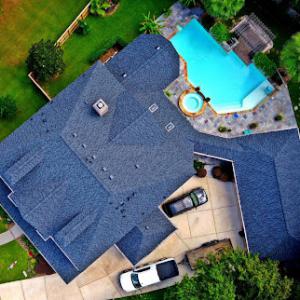
K & J Integrity Roofing
(832) 644-5642 www.kjintegrityroofing.com
4719 Atascocita Road, Humble, Texas
4.9 from 32 reviews
K & J Integrity Roofing is a leading roofing and general contracting company offering a myriad of services in Humble, TX, and the surrounding areas. With over 20 years of combined experience in the industry, you can expect nothing but the best! We specialize in roof replacement, roof repair, and gutter installation, ensuring your home is well-protected. Don’t settle for less than the best and work with tried and true roofing professionals, work with K & J Integrity Roofing!
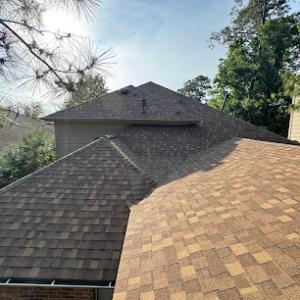
F. Dennis Roofing & Son's
(346) 341-5081 fdennissonsroofing.wixsite.com
Humble, Texas
4.8 from 23 reviews
Serving the Greater Houston and the Surrounding areas since 1965!
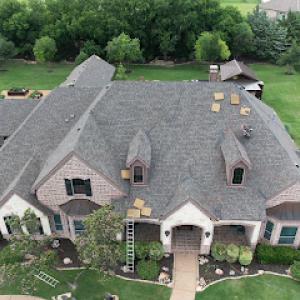
Storm Force Roofing + Construction - Houston
(817) 813-8887 www.stormforcehouston.com
11818 Manasses Springs Ln, Humble, Texas
4.8 from 10 reviews
Storm Force Roofing + Construction offers an extensive range of services to meet diverse client needs, including Commercial General Contracting, Residential Roofing, Commercial Roofing, Interior Construction, and Exterior Construction. Our mission is to deliver superior craftsmanship and exceptional customer service to every project we undertake. At Storm Force Roofing, we provide an all-encompassing service portfolio that covers everything from roof inspections to damage restoration. Whether it's residential, commercial, interior, exterior, or new construction, you are covered under one roof.
American Storm Roofing
(832) 258-6626 americanstormroofing.com
2115 Farm to Market 1960 Rd E Unit 1, Humble, Texas
4.5 from 8 reviews
We are a Houston Based Roofing and Construction company with 17 years in business. We have an A+ Rating with the Better Business Bureau and build to the highest standards in the country. Call us today for a free inspection and honest assessment of your roof.
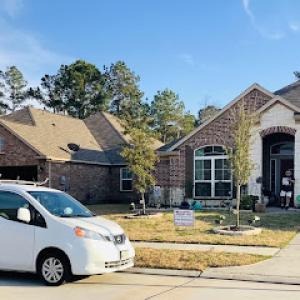
Roof Fix Houston (North)
(713) 904-3904 rooffixhouston.com
2115 Farm to Market 1960 Rd E Suite 6, Humble, Texas
5.0 from 2 reviews
Roof Fix Houston is a reputable roofing company based in Houston, Texas, specializing in professional roof repair, installation, and maintenance services. With a dedicated team of experienced roofers, they strive to provide high-quality solutions to meet the unique needs of residential and commercial clients in the Houston area.

Tikra Roofing
1714 Rotary Dr, Humble, Texas
5.0 from 1 review
Tikra Roofing - Your Commercial Roofing Experts At Tikra Roofing, we specialize in new construction and reroofing for commercial properties. With 25+ years of experience, our skilled team delivers top-quality roofing solutions. We prioritize durability, efficiency, and customer satisfaction. Contact us today for your roofing needs!"
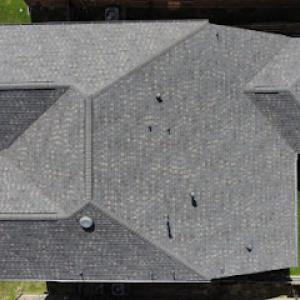
American Frontier Roofing
(832) 374-1378 americanfrontierroof.com
Serving
5.0 from 72 reviews
American Frontier Roofing is a reputable Houston-based company that empowers you to take control of your roofing project. We provide excellent roofing services and prioritize customer satisfaction. Our experienced team has over 20 years of experience and strives to exceed your expectations.
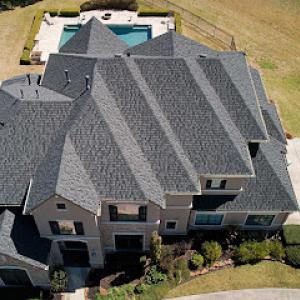
Redemption Roofing
(281) 713-4332 www.redemptionroofing.com
Serving
5.0 from 31 reviews
Redemption Roofing is a Roofing Contractor that offers a full range of roofing services including roof repair, new roof installation, and roof damage assessment. We serve residential and commercial clients in the greater Kingwood area and surrounding area of Houston. Redemption Roofing has more than 35+ combined years of experience in the Texas market. Your roof acts as a protection from the elements for you, your family, and your property. The right roofing type and style helps to determine the look of your property and its value. Schedule a FREE Inspection today.
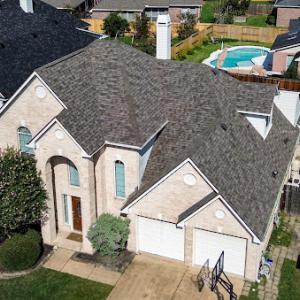
Beyond Roofing
(832) 217-4244 www.beyondroofingcompany.com
Serving
5.0 from 59 reviews
Beyond Roofing specializes in roof replacements and repairs in the Greater Houston area. We are locally owned and operated, and believe in honest, personalized services for every client. Our BBB accreditation, Owens Corning preferred contractor status, and 5.0-star Google rating reflect our commitment to customer satisfaction, which is of utmost importance to us. We specialize in asphalt shingle roofs, metal roofs, flat roofs/TPO roofs. Our services also include storm damage restoration, roof inspections, gutters, remodels & more. Contact us for a fast assessment and estimate.
In Humble, spring and early summer are high-risk periods for hail and severe storms, which often create sudden inspection and replacement demand spikes. If a hail event hits, you should plan for a rapid roof check within 24 to 72 hours to identify any missing granules, dented metal, or other hidden damage that can lead to leaks later. After a storm, document damage with clear photos from multiple angles, including attic signs like damp insulation or ceiling staining. Storage for your records should be organized and ready for quick sharing with your insurer or a contractor. This is the window when many roofs start showing wear, so prompt action keeps the rest of the season from compounding issues.
Extended dry periods in late spring and fall can create better installation windows locally, but summer rain can interrupt tear-off and drying schedules. If you're coordinating work, align the schedule with the best dry spells you can find, typically mid-morning to mid-afternoon windows when localized showers are less likely. Communicate with the crew about tarping and wind protection, since Humble's humidity can mask small leaks that become visible during a storm surge. If a roof needs shingles or underlayment replaced, finish the core work before the next heavy rain, and plan for a short drying period after any roof deck exposure to avoid premature shingle aging.
Hurricane season from June through November means even roofs that survive spring hail may still face later wind-driven rain exposure in the same year. Prepare proactively: inspect edges, flashing, and transitions around chimneys and skylights before June, and reinforce vulnerable areas if you've had prior wind events. After a storm, prioritize reseal of flashing and attic ventilation checks to prevent moisture buildup. If a contractor spots underlying deck rot or compromised baffles, address those issues promptly, because moisture in Humble can travel quickly through gaps and lead to interior damage. Keep gutters clean and downspouts directing water away from the foundation to reduce wind-driven water intrusion around the roofline.
Create a simple, repeatable process for storm documentation: capture exterior condition, interior signs, and attic moisture in a consistent format, then share with your insurer and chosen contractor within 48 hours of a storm. Maintain a ready-to-go list of preferred contractors who understand local humidity, hail patterns, and typical shingle wear from Gulf Coast exposure. When a storm hits, you want to move from assessment to temporary mitigation-tarping, debris removal, and leak stopping-within the same day, so longer-term repairs can follow the next dry spell. This approach minimizes time the roof is exposed to Humble's storms and supports a smoother claim and repair path.
In this northeast Houston corridor, heat and humidity are year-round teammates with sudden Gulf storms. UV aging accelerates composite and asphalt surfaces, while thunderstorms bring rapid moisture cycling that tests underlayments and ventilation. A roof system in Humble must rely on a well-sealed, moisture-taired assembly: robust underlayment, strategically placed vents, and a roof deck that can breathe without letting water penetrate during long monsoon seasons. The local pattern-heavy humidity, occasional tropical downpours, and strong wind gusts-means you should plan for reliable airflow in the attic, continuous ventilation along eaves and ridge lines, and sealants that stand up to repeated exposure. The result is a roof that resists warping, cupping, and moisture intrusion even after many Gulf Coast storms.
Asphalt shingles remain the dominant budget option, and that practicality matters here where storm frequency and heat tax roofing systems. In Humble, prolonged sun exposure and storm cycling can shorten service life versus milder climates, so the longevity of an asphalt roof depends on how well the system handles heat, venting, and wind-driven moisture. A key move is selecting architectural or laminated shingles with a thicker nailing zone and a stout starter course, paired with a high-quality underlayment and an effective attic ventilation plan. Consider upgrading drip edge and ridge venting to cut heat buildup at the deck and reduce the risk of accelerated granule loss from sun and storm exposure. Regular inspections after hail events or severe storms help catch crown separations or lifted shingles before moisture wicks underlayment.
Tile options-clay or concrete-offer long life but demand careful attention to moisture and fastening, especially in windy, humid conditions. In Humble, where trapped moisture can linger under tiles, the choice of underlayment and proper deck preparation is critical. Metal roofs handle heat well and shed rain quickly, yet improper underlayment or inadequate ventilation can trap condensation beneath panels and lead to fastened-fastener corrosion or panel oil-canning in heat. For both tile and metal, the installation details matter more than the material itself: continuous ventilation, sealed penetrations, and a robust sealant strategy around vents, chimneys, and skylights.
Wood shingles or shakes can offer a natural look, but the humid climate elevates moisture risk and fungal concerns without a high-grade, properly installed ventilation and decay-resistant substrate. Synthetic or composite shingles mimic traditional looks while often delivering improved dimensional stability in heat, which can help with wind uplift resistance and longer service life under frequent storms. In Humble, the best performance comes from products with proven UV stability and a moisture-friendly underlayment system that discourages condensation and provides a reliable barrier against wind-driven rain.
Regardless of material, attention to ventilation and underlayment is the anchor of all durable roof systems here. Ensure attic spaces are adequately vented, with a balanced intake and exhaust path to prevent heat buildup and moisture condensation at the decking. Wind-rated fasteners and properly flashed penetrations reduce storm-related leaks, while integrated moisture barriers at eaves and valleys guard against repeated exposure to Gulf Coast humidity. In a market shaped by storm documentation and rapid leak response, choosing a system that prioritizes moisture control and resilient fasteners pays dividends across the life of the roof.
In Humble's humid environment, inspections commonly focus on decking condition, underlayment, flashing, and ventilation because moisture management failures can be as important as visible shingle damage. A roof may look fine from the street while the plywood sheathing has softened, cupped, or darkened from repeated moisture exposure. When humidity hangs in the attic, you can miss mold, mildew, or wood rot that quietly undermines structural integrity. Prioritize checking for soft spots, edge lifted sheets, and paint or drywall blistering in the attic, which often signals hidden leaks or chronic condensation. Moisture that lingers invites fast deterioration, so treat any suspect area as a potential red flag rather than a cosmetic issue.
Wind-driven rain during Gulf storms can expose weak flashing details around penetrations and roof transitions that might not leak during ordinary showers. Those small, often overlooked gaps around vent pipes, skylights, chimneys, and valleys can become whole-house leak paths when driven by gusty Gulf winds. The Humble storm pattern tends to push rain under shingles at the corners and along transitions where different materials meet. If you notice staining near a vent or dampness around a chimney chase after a storm, assume flashing integrity needs testing. The fix often requires resealing, re-flashing, or even replacing flashing sleeves or step flashing where corrosion or lifting has occurred.
Repeated wet-dry cycles in the Houston area can turn small storm damage into decking and attic moisture problems if repairs are delayed. A minor, quick drip from a windy shower can dry to reveal a compromised sheet or decayed edge board days later, especially in older homes with mid-century decking or imperfect ventilation. Delays let moisture migrate from the roof deck into the attic, promoting warped plywood, stained insulation, or even attic condensation that collects on joists. Vigilance matters: promptly address even small drips, uneven rafters, or soft spots around the eaves. Timely drying and repair help prevent accelerated wear and deeper structural issues.
When a Gulf event hits, document the damage immediately with photos showing flashing, penetrations, and any decking concerns. Keep a simple running log of dates, what leaked, and where. You'll thank yourself later if a adjuster arrives after a storm, because clear, dated evidence speeds response and helps prevent lingering moisture problems. If an inspection reveals moisture in the attic or on the decking, treat it as a priority issue rather than a cosmetic fix. Quick, targeted repairs-especially to underlayment and flashing-can halt small problems from turning into widespread rot and mold, preserving home comfort and resilience long after the storm passes.
Find contractors experienced in skylight installation, flashing, and leak repairs to bring natural light into your home.
Ramirez Roofing & Siding
(713) 907-5051 www.ramirezroofing.net
14831 Aspen Chase Ln, Humble, Texas
4.9 from 91 reviews
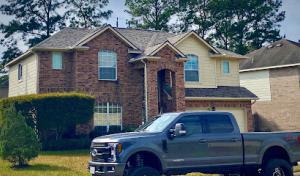
Typical Humble-area material pricing runs about $320-$600 per square for asphalt shingles, $650-$1100 for metal, $900-$1600 for clay tile, $650-$1200 for concrete tile, $600-$1000 for wood shingles or shakes, and $550-$900 for synthetic or composite shingles. These ranges reflect standard installations across older neighborhoods and newer mid-rise roof lines alike. When a Gulf Coast storm hits, those numbers can shift quickly, so expect quotes to land toward the higher end if crews are juggling multiple roof jobs at once.
In the storm season window, the broader Houston labor market gets crowded with reroof demand at the same time. That crowding drives a noticeable uptick in both material availability and labor rates. In practical terms, if a hail event or strong winds comes through, you may see bids come in higher than the "quiet-season" averages, and scheduling may push back by days or weeks. Planning for a faster response helps, but be prepared for the realities of a stressed market.
Local reroof pricing is also affected by whether storm damage extends below the surface into decking, since inspections commonly evaluate decking and underlayment rather than just the finished roof covering. If decking shows damage or deteriorates after a wind-driven intrusion, repairs will add to the total cost. A thorough inspection can save you surprises: some claims end up covering underlayment and deck repairs in addition to the new roof coverings.
1) Get two or three written assessments after a storm, ensuring each includes decking and underlayment inspection notes.
2) Confirm whether the replacement scope includes underlayment or only the surface shingles, and ask for a breakdown of material vs. labor.
3) Ask for a storm-resilient specification-think upgraded underlayment, better ventilation, and fast-drying subfloor considerations-without inflating the price unnecessarily.
4) Have the contractor outline a staged payment plan tied to weather-safe milestones, not just calendar dates.
5) Verify that expected lead times align with your urgency to restore integrity and minimize interior moisture risk.
If you're staring at a roof that shows hail impact or wind damage and your decking inspection is clear, you'll still face the normal pricing bands but with tighter competition for timely scheduling. If decking is compromised, expect a larger portion of the budget to cover structural repairs. In Humble, those decisions often hinge on rapidly securing accurate evaluations and coordinating with insurers to document storm-related conditions.
Don't let upfront costs delay a critical repair - these contractors offer payment plans to fit your budget.
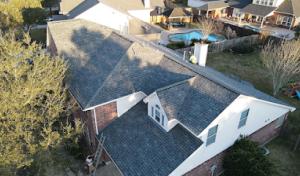
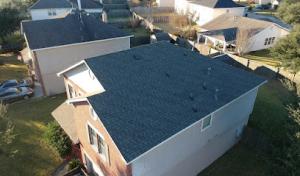
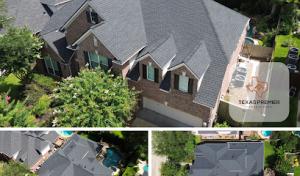
A full reroof in Humble commonly requires a permit through the City of Humble building department rather than being treated as purely informal maintenance. This ensures that the project meets current storm-resilience standards and local construction rules. Planning ahead for the permit helps prevent delays that can crop up after storms or insurance-driven timelines.
In this jurisdiction, the roofing contractor typically handles the permit application and coordinates inspection scheduling as part of the reroof process. Your contractor should confirm when filings are submitted, keep you posted on approval progress, and arrange the required inspections with the building department. This coordination helps keep the project on track, especially when storm season compresses timelines.
Humble inspections generally review decking, underlayment, flashing, ventilation, and the final roof installation for compliance with current code. Decking integrity, proper underlayment installation, correct flashing details around penetrations, and balanced attic ventilation all factor into whether a roof passes inspection. The final installation is checked for adherence to approved plans and material compatibility with local weather patterns, including wind and hail considerations.
Plan for multiple inspection milestones and have the project accessible for the inspector to review decking and underlayment before covering with shingles or tiles. Keep a file of permit approvals, inspection notices, and any corrective work requested by the inspector. If storm damage prompted the reroof, gather documentation such as photos, contractor notes, and insurance correspondence to support scheduling and any expedited inspections. Clear communication between you, the contractor, and the building department smooths the process after Gulf Coast weather events.
The storm-heavy realities of the northeast Houston corridor mean insurers see more large claims, and that reality pushes up documentation expectations. Hail and hurricane-season wind events can lead to rapid shifts in how a claim is reviewed, so you should be prepared for a thorough file from the start. When a roof is damaged, the insurer may request evidence of the loss and the condition of the roof before the event, so gather your records early and keep them organized in a single place. The goal is to show a clear chain of events from the storm to the claim decision, not to improvise once the adjuster arrives.
Some carriers in the region have tightened wind and hail terms in certain neighborhoods, which can affect whether a Humble homeowner pursues repair, replacement, or a policy review before storm season. This means you cannot assume a single path for all properties. If your neighborhood has recently seen stricter wind or hail criteria, you may face stricter damage thresholds or different approval timelines. In those cases, a proactive approach matters: consider a pre-storm policy check, an interior moisture survey after a storm, and a candid assessment of whether repair or replacement better protects your home in the long run. Do not delay decisions when a claim looks close to a trigger point.
Prompt date-stamped photos, interior leak records, and contractor condition reports are especially important locally because insurers may ask for more support before approving replacement. Take clear, dated photos of any exterior and interior damage as soon as it's safe to do so, and keep a detailed diary of when leaks appeared and how they progressed. If possible, have a licensed contractor perform an upfront condition report that notes roof age, material, flashing, and visible wear. These steps are practical in this market, where timely, well-documented evidence can influence the speed and outcome of a claim.
In the storm-prone market that surrounds this area, the value of a warranty hinges on more than material grade. Warranty coverage can hinge on installation details that withstand repeated wind uplift and ongoing moisture exposure. If a roof system is not fastened and sealed to resist typical Gulf Coast wind events, even premium materials may fail early. Look for language that clearly ties coverage to performance under high winds, prolonged humidity, and hail cycles. A warranty that addresses impressed fasteners, proper underlayment venting, and drip-edge integrity will hold up longer in Humble's climate. In practice, ask for specific installation statements or checklists that the manufacturer requires for full coverage after a storm event.
Because many local homeowners replace roofs after weather events rather than on a fixed schedule, workmanship and manufacturer-backed coverage can become a deciding factor between similar bids. A robust warranty package should include both material defect protection and workmanship coverage for a reasonable period post-install. Pay attention to the service network the contractor maintains for claims, since post-storm demand can overwhelm less prepared outfits. The right policy will outline what constitutes a claim, what the contractor must do to honor it, and the expected response time after a reported issue. In practice, request a written description of how workmanship failures are identified and remedied, especially around penetrations, flashing, and valley details.
The local contractor pool includes a meaningful share of manufacturer-certified firms, which matters more in a market where reroofing volume is high and post-storm competition is intense. Manufacturer certification often means the crews are trained to exacting standards for that brand, with allowed installation methods that preserve warranty eligibility. When interviewing, prioritize those firms and verify current certification status, not just past branding. Ask for certification numbers and the latest re-certification dates. In Humble's environment, this alignment between product and installer reduces the friction between a smooth post-storm claim and a timely repair.
Keep clear records of the exact product names, serials, and installation dates tied to the warranty. Photograph critical milestones: deck condition, flashing, and any deviations noted during the early post-install period. After a Gulf Coast weather event, detailed documentation accelerates claims and helps the contractor coordinate with the insurer. Confirm that your chosen installer provides a written warranty certificate and a ready-made claim checklist tailored to the brand and local conditions.