
Last updated: Apr 19, 2026
Charlottesville sits east of the Blue Ridge in a foothill setting, where four distinct seasons drive wider temperature swings than coastal Virginia markets. That seasonal rhythm pushes homeowners to think about roof systems that can handle rapid shifts between heat, humidity, freezing nights, and occasional winter precipitation. In practical terms, that means prioritizing systems with good thermal performance and solid performance in high wind events that often sweep across the foothills. The local mix of older in-town housing stock and visible historic architecture means many homes rely on steep slopes and finish materials that not only shed rain and snow efficiently but also respect the town's character. When planning a reroof, consider how a chosen system will age against sun exposure from long summer days and winter sun reflecting off nearby stone facades and taller downtown blocks. The goal is a roof that preserves energy efficiency, reduces thermal stress on decking, and keeps the building envelope dry through the season's swings.
Historic-architecture neighborhoods bring a preference for materials that align with traditional aesthetics and durability. Slate, copper, and other premium steep-slope systems have sustained interest because they deliver long service life and a distinctive profile that complements brick, stone, and ornamental trim common in Charlottesville's streetscapes. Slate can complement both early-20th-century bungalows and more ornate elevations, while copper accents on cupolas, dormers, or fascia details tie into the town's timeless look. For those with metal reroofs, standing-seam or through-fastened copper options can offer both weather resistance and architectural continuity with historic forms. Clay and concrete tiles also find a niche on select homes where roof geometry supports their weight and where the design language calls for Mediterranean or Mission-inspired silhouettes. The local condition, however, makes it essential to evaluate roof slopes, framing capacity, and attic ventilation before committing to heavier systems. In many Charlottesville neighborhoods, reroofing projects benefit from choosing a material that preserves curb appeal while performing well on storm runoff and wind resistance.
With four seasons in close sequence, shingles or panels should be inspected for signs of weathering that might accelerate failure. In spring, after the last freezes, check for cracked coatings or lifted shingles caused by freeze-thaw cycles. In late summer, heat buildup can stress underlayment and fasteners, particularly on steeper pitches where sun exposure is most intense. Autumn inspections should focus on fallen leaves and debris in valleys, which can trap moisture and promote rot if not cleared. If a roof is approaching or exceeding two decades in a climate like this, it's prudent to assess the decking and underlayment condition along with the surface materials. For historic homes, making a phased plan can help preserve architectural features while upgrading performance. This may mean keeping a visually compatible but functionally robust premium option for the main field roof while reserving copper or slate trim for decorative accents. The goal is to balance immediate weather resistance with long-term maintenance cycles that fit Charlottesville's calendar and your property's design language.
Regular maintenance matters more in this climate, where leaf fall, moss growth on shaded slopes, and mineral deposits from rain can affect performance over time. Clean gutters and valleys at least biannually, and pay attention to flashing around chimneys, dormers, and skylights. For historic materials, such as slate or copper, small protective steps-like re-pointing with compatible sealants and inspecting for any loose pieces after severe storms-can extend life without compromising appearance. When choosing a replacement path, consider how each option will weather the city's seasonal tempo. A well-timed reroof-not just a replacement-can minimize interior disruption during peak storm seasons and preserve the home's distinctive silhouette. If a premium system is considered, ensure the installation team has experience matching the home's architectural cues, including detailing around ridges, valleys, and parapets that are common on Charlottesville's vintage streetscapes.
Charlottesville's compact, walkable neighborhoods often mean close-proximity roofs, mature trees, and tight access for equipment. When planning work, evaluate how delivery of materials and staging area will affect neighboring properties and street curb appeal. For steep slopes and historic facades, a crew with experience in precision flashing, weathertight detailing, and careful scaffold management can protect fragile trim while delivering a clean, integrated look. The objective is a reroof that not only withstands the city's four-season regime but also preserves the charm and architectural integrity that define the local streetscape.
Slate roofs and copper details are not just decorative; they are anchors of the city's historic neighborhoods and institutional architecture around the University area and the historic core. When a tile or metal roof is preserved, it preserves years of craftsmanship and the look that neighbors expect on era-appropriate homes. Slate provides natural longevity and a muted, refined palette that blends with brick and façade stonework. Copper accents-dormers, gutters, rotted-edge flashings-develop a patina over time that reinforces a sense of place. In practice, this means decisions about slate versus alternatives carry weight beyond a single roof line, influencing the surrounding streetscape and the home's resale narrative.
Milder spring and fall conditions are a practical window for major work, especially for historic homes with multiple layers or delicate detailing. The spring thaw can reveal water ingress, so scheduling a thorough inspection early in the season helps catch moisture paths that slip past worn flashings. Fall work benefits from stable temperatures that support adhesive and sealant performance while avoiding the wet heat of late summer. The region's winter freeze risk means rushing a replacement isn't wise; allowing a thoughtful, staged approach-often with careful removal and selective reinstallation-protects original fabric. In short, plan for a timing sequence that respects both the climate and the craftsmanship required for slate or copper.
In this market, matching matters more than elsewhere because homeowners frequently confront the choice between preserving original slate or copper details and transitioning to asphalt or standing-seam metal. When original materials are still present, the decision often hinges on the integrity of the substrate and the ability to replicate the existing profile. If replacement is necessary, the goal is to align new material with the building's character-whether that means coordinating with a slate roof to maintain a consistent silhouette or preserving copper cornice work so it ages in harmony with the rest of the architecture. Faux or interpretive options should be weighed against long-term performance and compatibility with historic trims, gutters, and flashing.
Historic districts and clustered neighborhoods foster a collective expectation of continuity. Roofing teams should map out a plan that minimizes visible transitions between old and new, especially on corner lots or principal façades. When copper is present, it is not merely a feature; it guides how surrounding metalwork is treated. Proper detailing at hips, valleys, and penetrations prevents leaks and reduces maintenance while keeping the roof looking coherent from the sidewalk.
Begin with a full condition assessment of slate edges, copper seams, and flashings. Identify any areas where original fasteners show signs of corrosion or where slate is delaminating. Prioritize preserving the most visible, defining sections first, and plan any replacement in a way that preserves the home's historical rhythm. If matching is not feasible, aim for a compatible alternative that respects the roof's scale, texture, and color, ensuring the overall character remains true to the house's lineage.

Sentry Exteriors
(434) 987-7880 www.sentryexteriors.com
Charlottesville, VA
5.0 from 148 reviews
Sentry Exteriors is your go-to expert for seamless gutters, gutter guards, gutter cleaning, gutter repair, and roofing services in Charlottesville, Ruckersville, Palmyra, Harrisonburg, Culpeper, Crozet, Waynesboro, Louisa, Orange, Stanardsville, and Elkton, VA. With nearly three decades of installation experience, we specialize in providing top-quality seamless gutter systems and roofing solutions that enhance the durability and appearance of your home. Our reliable gutter guards protect your home from debris and reduce the need for frequent gutter cleaning. Trust Sentry Exteriors to keep your home’s gutters and roof in top condition, providing dependable service throughout Central Virginia
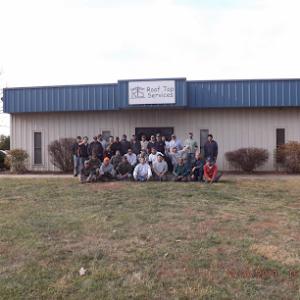
Roof Top Services
(434) 975-2051 www.rooftopservicesva.com
4090 Dickerson Rd, Charlottesville, Virginia
5.0 from 82 reviews
Roof Top Services is a full-service roofing contractor serving Charlottesville and the Central Virginia area for 20 years. Our first priority is customer service and top-quality work.
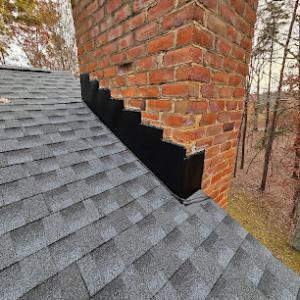
Apex Roofing
(434) 443-7663 apexroofingva.com
1132 E Market St Unit 5, Charlottesville, Virginia
4.8 from 78 reviews
Apex Roofing is a trusted local roofing company serving central Virginia with high-quality residential and commercial roofing solutions. We specialize in roof repairs, roof replacements, new roof installations, storm damage restoration, and custom metal roofing. We are Master Elite® Certified, allowing us to offer 25-year workmanship warranties for added peace of mind. For commercial properties, we are Mule-Hide Certified, providing 20-year warranties on qualifying commercial roofing systems. Our team also installs custom metal roofs, delivering long-lasting performance and standout curb appeal. As a licensed and insured roofing contractor, we’re committed to honest inspections, skilled craftsmanship, and dependable service.
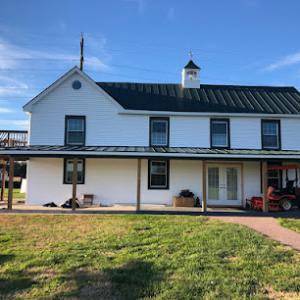
Vanguard Roofing Charlottesville
(434) 484-2372 vanguardroofingva.com
3445 Seminole Trail, Charlottesville, Virginia
5.0 from 25 reviews
At Vanguard Roofing Charlottesville, our skilled and accredited installers stand ready to enhance the elegance and protection of your property with our premium residential or commercial roofing and gutter systems. We are dedicated to providing exceptional roof replacement and new installation services, with a commitment to quality that enhances the value and beauty of your home or business. Contact us for a free estimate; together, we'll craft a solution tailored to your specific needs and desires, leaving you with a stunning and secure structure.
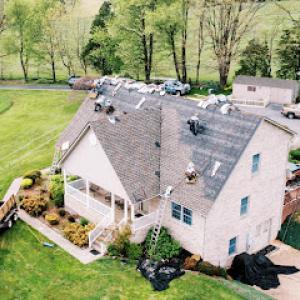
Valley Roofing & Exteriors
969 2nd St SE Suite 303, Charlottesville, Virginia
5.0 from 19 reviews
Valley Roofing & Exteriors delivers high-quality exterior remodeling services that last a lifetime. From roofing, gutters and skylights to windows, doors, sunrooms and siding, our range of services protect your property and investment. We proudly serve residential and commercial customers living in Charlottesville, Harrisonburg, Staunton, Stuarts Draft and throughout the Shenandoah Valley. When it’s time to tackle your next exterior remodeling project, make it last a lifetime with Valley Roofing & Exteriors.

RETEX Roofing & Exteriors Charlottesville
(434) 423-5245 www.retexcharlottesville.com
969 2nd St SE, Charlottesville, Virginia
5.0 from 13 reviews
Family-owned company serving Charlottesville and surrounding communities and offering roofing, siding, window, and gutter services.
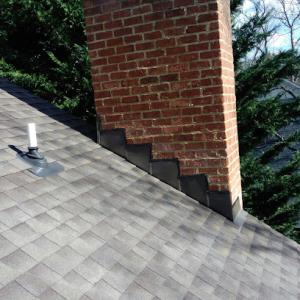
Home Solutions Roofing & General Contractor
4917 Seminole Trail, Charlottesville, Virginia
4.8 from 19 reviews
We provide services on all types of Roofing metal Roof, Roof replacement, Roof repair and gutter cleaning. (434)-465-1388
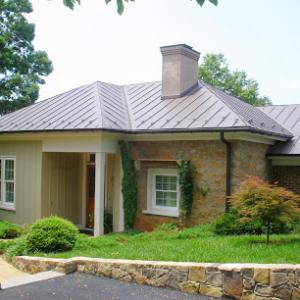
Blue Ridge Roofing
(434) 979-0501 www.blueridgeroofing.net
1009 Linden Ave, Charlottesville, Virginia
4.8 from 18 reviews
We are a full service roof, gutter, and metal fabrication company.
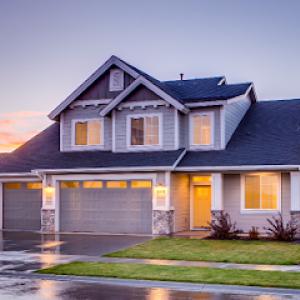
Superior Roofing
(434) 284-3981 superiorroofingva.com
684 Berkmar Cir, Charlottesville, Virginia
4.0 from 80 reviews
Superior Roofing is the leading Roofing Contractor in Charlottesville, VA & the surrounding areas. We proudly offer Residential Roof Replacement, Repair, Metal Roofing, Asphalt Roofs & more in Charlottesville, VA! Get in touch with us for all your roofing needs! At Superior Roofing, LLC, success isn’t measured by the number of roofs we’ve installed or repaired. It’s about the satisfaction of every customer who has entrusted us with their home or business. Our commitment to your best interest is unwavering, as we utilize top-quality materials, cutting-edge techniques, and the industry’s most skilled craftsmen. Hire A Team Of Roofers In Charlottesville VA You Can Trust. Schedule Your Free Roof Inspection Today!
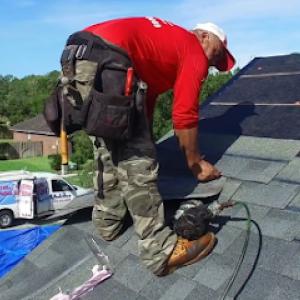
Charlottesville Roofers
(434) 216-5180 www.charlottesvilleroofing.com
Charlottesville, VA
4.7 from 11 reviews
For all your roofing commercial and residential roofing needs in the Charlottesville, VA area! When your home needs a new roof, roof replacement or roof leak repair, you need the most trustworthy and superior service you can find. And you don’t have to look far. At Charlottesville Roofing, we guarantee 100% satisfaction with the quality and aesthetic of our work. You will not only feel completely safe and protected by our expert craftsmanship, you will bring a whole look life to the look and feel of your home. We service Charlottesville and all the surrounding areas such as Earlysville, Batesville, Boonesville, Palmyra, Gordonsville and more.

W A Lynch Roofing
(434) 295-9194 lynchroofing.com
1234 River Rd, Charlottesville, Virginia
4.1 from 32 reviews
A Tradition of Roofing Excellence for 75 years.
Melvin T. Morgan Roofing
(434) 546-6119 melvintmorgan.com
106 South Street West Suite 218, Charlottesville, Virginia
5.0 from 5 reviews
Melvin T. Morgan Roofing is a leading roofing contractor located in Charlotteville, Virginia. We perform residential roofing projects. We also do commercial flat roofs, metal roofs and shingle roofs. If you are looking for a quality Charlottesville roofer, then call Melvin T Morgan Roofing or go to our website listed here.
Spring in Charlottesville brings storm activity and gusty winds that commonly test shingle sealing, ridge caps, flashing edges, and older slate fasteners. If your roof is nearing the end of its current life, a mid-spring inspection can reveal wind-stripped granules, loose ridge materials, or corroded flashing that whisked away to the gutters during a nor'easter-like gust. For homes with historic slate or metal where fasteners have aged, expect periodic re-fastening or targeted flashing work to prevent wind-driven leaks between roof planes. A practical plan is to schedule minor repairs before the biggest spring blowouts and, when feasible, preempt potential failure points around chimneys and dormers before the season's more volatile weather arrives. If you own a steep roof with visible slate fastener wear, consider conservative treatment options that minimize disruption to historic fabric while preserving water shedding.
Hot, humid summer conditions in Central Virginia can affect crew pace, underlayment exposure timing, and handling of heat-sensitive roofing materials during installation. In the height of July, synthetic underlayment can deteriorate more quickly if left exposed on steep slopes, while certain metal or tile components may expand or contract noticeably under daily sun. Plan for morning or late-afternoon work windows to reduce heat stress on crews and to protect adhesives and sealants from premature aging. For historic-metal or slate roofs, heat-induced movement or scuffing during installation can create long-term access points for moisture if edges and fasteners aren't properly finished. Expect brief pauses on the hottest days to safeguard working conditions and material performance, and keep the job site organized so tools don't become heat-exposed hazards when the sun shifts.
Winter freeze-thaw cycles and occasional snow or ice in Charlottesville raise the risk of moisture intrusion at valleys, eaves, and flashing transitions on older steep roofs. The combination of frozen seams and warming afternoons often pushes water into previously protected corners if flashing isn't continuously maintained. On steep surfaces with historic slate, failed or corroded fasteners can allow ice channels to widen, inviting hidden leaks that only show up after a thaw. The season also tests roof-bottom connections where gutters interface with fascia, making proper sealing and debris-free valleys critical. To minimize surprises, ensure de-icing strategy aligns with roof shape and material: slate and metal, though durable, benefit from renewed sealants and careful scrutiny of valley metal and drip edge during winter checks. If a heavy snow load is anticipated, plan for a professional assessment of snow guards and ridge components to avoid stress-induced failures when snow shifts to runoff. In this climate, small problems can become costly bids on a cold morning, so early detection and targeted fixes matter more than ever.
Charlottesville's mature tree canopy means autumn leaf accumulation is a practical roof issue, especially in older neighborhoods with shaded homes and complex rooflines. When leaves pile up on a sloped section or spill into cedar shake profiles, they trap heat and moisture against the surface. In blend-and-clay roofs common around the University and Downtown, this becomes most noticeable during the early fall lull when winds drop and debris sits long enough to begin the damp cycle. Plan a quick sweep of obvious accumulations after peak leaf drop and before storms, focusing on valleys, hips, and low-slope transitions where debris tends to linger.
Leaf buildup can hold moisture at valleys and behind chimneys, a bigger concern on slate, tile, and lower-slope transition areas common on older local homes. Slate and tile roofs in particular can become pockets of slow-moisture if leaves block drainage paths. Behind chimneys and near dormers, sap debris can create micro-climates that encourage moss or algae growth. For slate or tile, inspect carefully around the side elevations that shade most of the day; moisture retention there can creep into fasteners and underlayment when seasonal rains arrive.
Seasonal shade and debris make attic ventilation and drainage performance more important locally during the fall-to-winter transition. Reduced airflow pairs with cooler overnight temperatures to condense moisture on the underside of roof decks, especially in shaded parts of the roof. Confirm attic vents and soffit openings are clear, with no blockages from fallen leaves or batten remnants. Ensure attic insulation still aligns with the baffle or vent layout; a tight seal around penetrations reduces cold, damp drafts that can accumulate on the roof deck. In areas with complex rooflines, consider a targeted check of any flat or near-flat sections that might draft moisture toward drip edges.
Older homes with varied materials benefit from a fall check before the first hard freezes. Start near the highest eave lines and work down the slope, paying particular attention to areas where shingles or tiles abut vertical walls. If gutters exist, remove leaf clogs to prevent backed-up water from spilling into valleys. For stone- or masonry-adjacent roofs, inspect flashing behind chimneys and where dormers meet the main plane; even small gaps can allow water to creep into the deck during spring thaw and early winter storms. Keeping a simple seasonal checklist-clear debris, verify ventilation, inspect drainage outlets-helps prevent moisture-related issues as the season shifts.
Concrete tile costs range from about 800 to 1300 per square, while clay tile sits around 900 to 1500 per square. In neighborhoods with visible historic detailing, these materials can be a natural fit where the look matters as much as the roof's performance. For homes with steep pitches, dormers, or ornamental chimneys, expect labor and detailing to push up overall costs beyond the basic material price. Concrete tiles tend to be a steadier choice when a historic color and long lifespan are priorities, but clay tile's lighter, authentic look can be appealing on traditional facades. Both require careful flashing and substrate checks to handle four-season foothill weather and freeze-thaw cycles.
Asphalt shingles are the most common and typically run from about 350 to 600 per square. They're often the default choice for in-town homes facing ongoing visibility and color-matching considerations with existing architectural details. In Charlottesville, older homes with intricate rooflines may need additional flashing, hip and valley work, or upgrades to match siding and trim, which can push costs upward from the base. If a project prioritizes speed and cost efficiency while preserving curb appeal, asphalt remains a practical baseline.
Metal roofs range roughly from 600 to 1100 per square. They are well-suited to four-season cycles and foothill winds, with better resistance to seasonal rain and hail. On historic or high-visibility houses, metal often requires careful color and profile selection to harmonize with architectural character. Steep pitches or complex layouts common to Charlottesville in-town homes can add fabrication and installation complexity, raising the final price within that range.
Slate clocks in from about 1100 to 1800 per square, and copper from roughly 1500 to 2600 per square. These premium options are frequently selected for historic districts where authenticity and longevity are priorities. Sourcing matching slate or copper in Charlottesville can add lead times and labor intensity, especially when flashings, valleys, and dormers must be integrated with existing detail work. Expect higher bids when the roof is visible from streets and courtyards, aligning with the city's architectural character.
A full reroof in Charlottesville typically requires a building permit through the City of Charlottesville. This isn't optional for most homes, and missing it can derail your project, trigger fines, or require costly changes mid-project. The permit ensures the work aligns with the unique foothill climate, historic housing considerations, and city-specific drainage and venting requirements.
Local inspections generally include an in-process underlayment or installation check and a final inspection after completion. An inspector will verify that underlayment, fasteners, and flashing are installed to code before the upper material goes on, and that the finished roof meets wind, fire, and slope requirements for Charlottesville's four-season weather. Plan for access to the attic or roof line during the underlayment stage, and ensure documentation is ready for the final walk-through.
Start the permit process early, especially if your roof is tied to historic neighborhood covenants or University-adjacent blocks. Expect a plan review that may require detailing attic ventilation, eave protection, and drip edge. Once approved, a permit card will specify inspection windows; scheduling promptly helps avoid weather delays in fall or spring when storms are more common. If changes are requested by the city, respond quickly to keep the reroof on track.
Contact the City of Charlottesville's Building Services or Permit Center to confirm whether your address requires a full reroof permit and to retrieve the latest inspection checklist. Your contractor should verify permit numbers on all paperwork and provide notice for each inspection phase. It helps to coordinate with a contractor experienced in historic-home roofs and shown adherence to city codes, as delays often stem from missed submittals or incomplete documentation.
Charlottesville homeowners operate in a normal Virginia wind and hail claim environment, not an extreme-catastrophe coastal market. That means adjusters often focus on roof age and overall condition rather than spectacular storm footage. The aim is to determine whether the roof is still within its expected life and whether any damage is clearly storm-related or simply pre-existing wear. Expect insurers to request timelines and documentation that tie a claim to a specific event.
When a claim is filed, insurers may ask for photos, contractor estimates, and documentation of the existing roof's age. On-site adjuster visits are common, but some carriers review submitted images remotely. In Charlottesville, where many homes feature premium materials on older structures, robust documentation helps the process move smoothly. Prepare a concise record showing flashing details, skylights, valleys, and penetrations, plus close-ups of any metal or slate components. Include a dated property condition report if available, and note prior repairs or known weaknesses.
Because the area has many older roofs and premium materials, you should clearly document pre-existing wear before a storm claim is filed. Focus on flashing integrity around chimneys and vents, the condition of slate or metal trim, and any corrosion on metal components. Photos taken from multiple angles under good lighting reduce ambiguity about the roof's prior state. If you have previous contractor notes or inspection reports, collect them as well to establish a baseline for comparison.
During review, expect questions about the storm event specifics, including timing, wind direction, and hail impacts. Be ready to provide a summary of observed post-storm damage and contrasting signs of pre-existing wear. If the adjuster visits, accompany them to point out flashing details and any subtle wear that could affect coverage decisions. Clear, well-organized documentation often speeds the determination and helps ensure the claim reflects actual needs.