Last updated: Apr 19, 2026
Woodbridge roofs are exposed to spring thunderstorm rain, autumn tropical-storm remnants, and winter snow or ice events rather than a single dominant hazard season. That mix means you're never truly off-season for damage. A quick hail bruise in March can turn into a leak by May if a seal or flashing was compromised, and a late October wind burst can pry shingles loose after a mild summer. The pattern here favors rapid escalation: storms arrive with little warning, and humidity plus attic heat can push small gaps into serious moisture problems in a matter of days. The practical implication is simple - treat any new staining, damp attic smell, or damp ceiling spot as urgent, not cosmetic.
When a strong thunderstorm rolls through, you're looking for more than a drip. A true Woodbridge storm shock often shows as loosened shingles, lifted edge tabs, or granule loss along eaves and valleys. Flashing around chimneys, skylights, and vent pipes is especially vulnerable in this climate, where rapid heat in the attic can force expansion and contraction that widens preexisting weaknesses. After a storm, do a focused exterior check from the ground: look for lifted tabs, torn underlayment edges, or mineral granules in gutters. Inside, inspect ceilings and upper walls for new brown spots or sudden moisture trails. Do not wait if you see active dripping or standing water; that's a red flag for interior damage already forming behind the wall.
The area's hot, humid summers can turn minor storm-created shingle or flashing damage into interior moisture problems quickly if repairs are delayed. A small, early leak can saturate decking and insulation, inviting mold growth and wood rot that compounds repair complexity and cost later. In practice, that means a timely diagnosis after any storm is essential. If you don't catch and address a problem within days, you may be facing a larger replacement decision sooner than you think, especially when a later wind event reopens the same fault line or reveals new failure at a previously undamaged seam.
Because many local contractors market storm damage, emergency repair, and insurance-claim help, homeowners commonly enter the roofing process after a weather event rather than through planned replacement alone. That dynamic can be a double-edged sword: it speeds initial stabilization but can complicate the long-term decision about full replacement versus patchwork. Your best course is to separate the urgent stabilization from the strategic plan. Get a professional assessment after a storm, and insist on a clear, written scope that differentiates temporary emergency fixes from permanent repairs or a full replacement. If there's any doubt about warranty coverage or the extent of damage, seek a second opinion quickly-timely, expert eyes reduce the risk of over- or under-repair.
Keep a storm-response kit ready: a ladder, gloves, roofing cement for temporary stops, and a plan to secure valuables if a leak worsens. After a storm, document damage with photos, note dates, and keep records of all communications with your insurer and contractor. If you observe active water intrusion, prioritize securing the interior to minimize further damage and immediately contact a trusted local roofer who can perform a verified assessment and provide a written repair timeline. The goal is to stabilize first, then decide on the most durable, appropriate course for your roof long term.
Asphalt shingles dominate the local market, but the neighborhood mix also includes metal, tile (clay and concrete), synthetic/composite shingles, and slate. That variety creates a wide spread in replacement pricing, especially on homes with steeper pitches or limited access for crews and equipment. In practical terms, a standard asphalt reroof is the baseline you'll compare others against, with metal and tile delivering distinct benefits but at higher installed costs. The overlap among these options matters when storm season tightens schedules and drives up material and labor availability across Prince William County and nearby Northern Virginia markets.
In Woodbridge, typical installed costs per square (one square equals 100 square feet) vary by material. Asphalt shingles generally run from about 350 to 700 per square. Metal roofing tends to shift higher, roughly 600 to 1,100 per square, reflecting the need for specialized installation and longer deck considerations. Clay tile sits in the 900 to 1,600 per square range, while concrete tile can span 1,000 to 1,500 per square due to weight and scaffold requirements. Synthetic/composite shingles offer a middle ground, around 420 to 760 per square. Slate, the premium option, commonly falls between 1,100 and 2,400 per square. These ranges assume standard exposure and typical deck, without unusual roof geometry or extensive waterproofing overhauls.
Storm season and tropical remnants can compress contractor schedules across the county and into the Northern Virginia labor pool. When a major event hits, late cold snaps, or heavy rain cycles, crews shift toward urgent repairs and insurer-driven projects, pushing lead times and sometimes material availability. In practical terms, this means that even if a project starts with a certain price estimate, the final bill can be higher if crews are scarce or if suppliers are prioritizing storm restoration work. It's common to see price pressure on high-demand materials during peak spring and late summer storm windows, and local crews may time estimates to reflect expected delays or expedited timelines when a rainout chance looms.
Homes with slate, clay tile, or concrete tile require more deck reinforcement, coordinated flashing details, and careful handling during material offload and staging. The added complexity elevates labor time and sometimes necessitates crane or specialized equipment, which translates to higher installation costs. In contrast, standard asphalt reroofs are more forgiving for typical Woodbridge properties, with quicker turnaround and fewer staging challenges. If the roof deck isn't built to support heavy tile or slate, expect extra structure work to be factored into the overall project scope and price.
Begin with a materials preference that matches local weather patterns and tree cover. If storm response and insurance-driven timelines are critical, ask for a clearly itemized, staged schedule that accounts for potential delays and material lead times. For heavier materials, request a pre-installation assessment of the roof deck and flashing plan to prevent late-stage surprises. When budgeting, build in a cushion for price shifts during peak storm season and consider prioritizing a replacement plan that aligns with insurer timing or available contractor slots across Prince William County. A solid plan in spring or early summer can reduce the risk of supply bottlenecks when storms loom.
Green Oak Exteriors
(703) 337-3767 www.greenoakexteriors.com
3120 Ps Business Center Dr, Woodbridge, Virginia
5.0 from 406 reviews
Green Oak Exteriors, located in Woodbridge, VA, specializes in exterior home improvements, delivering high-quality craftsmanship and exceptional customer service. Our team is committed to enhancing the beauty and functionality of your property with expert solutions tailored to your needs. Trust Green Oak Exteriors for reliable, professional exterior services that increase your home's curb appeal and value. Contact us today to experience superior service and outstanding results.
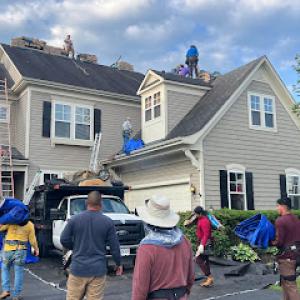
Top Dog Home Pro
(866) 826-8347 www.tdhomepro.com
1051-B Cannons Ct, Woodbridge, Virginia
5.0 from 105 reviews
Top Dog Home Pro is a responsive, honest, reliable, affordable, and professional residential roofing company located in Northern Virginia. We offer roof replacements, roof repairs, gutter installation, and gutter guard installation. We guarantee an unsurpassed level of quality, performance, and efficiency for each and every project completed. We partner with leading producers such as ProVia, CertainTeed, Alside and Raindrop® to ensure our customers always receive the most modern, innovative, and superior quality materials. With over 15+ years of roofing experience - Luke Mitchell - the Owner-Operator of Top Dog Home Pro is here to serve all of Prince William County, Fairfax County, Stafford County, and more with the best roofing services.
Elite Roofing Specialties
(571) 364-4094 eliteroofingva.net
5826 Ruxton Dr, Woodbridge, Virginia
5.0 from 83 reviews
Roof, Gutters & Siding Replacement and Repairs
The Woodbridge Roofing Company
(571) 570-7930 woodbridgeroofers.com
3508 Castle Hill Dr, Woodbridge, Virginia
4.9 from 34 reviews
The Woodbridge Roofing Company strives to become the leading roofing contractor in Woodbridge, VA, and nearby areas. We are offering high-quality roofing services at fair prices.
V&M Builders & Contractors
(571) 239-1586 vmbuilderscontractors.com
Woodbridge, Virginia
5.0 from 21 reviews
V&M Builders and Contractors is a trusted construction company that specializes in roofing and siding. We have years of experience and have successfully served many clients. Our team provides high-quality solutions for storm damage, flat roofs, chimney repairs, shingle repairs, roof maintenance, siding installation and repair, attic inspections, gutter cleaning and repair, roof inspections, gutter additions and replacements, metal roof installations, and general roof repairs. We pay attention to detail and are committed to customer satisfaction. We can help with small repairs or new roofs. Contact us today for all your roofing and siding needs!
RR Home Improvement
(703) 897-8827 www.rrhomeimprovementllc.com
16229 Chase Eagle Ln, Woodbridge, Virginia
4.9 from 9 reviews
RR Home Improvement, owned and operated by Roy Rivas, brings over 20 years of experience in providing exceptional home renovation services to clients within a 30-mile radius of Woodbridge, VA. Specializing in kitchen remodeling, bathroom renovations, basement finishing, roofing, and flooring, we deliver expert craftsmanship and personalized service tailored to your vision. As a family-owned business, RR Home Improvement is built on a foundation of honesty, integrity, and attention to detail. Whether you’re transforming your kitchen, upgrading your bathroom, finishing your basement, or enhancing your home with durable flooring or reliable roofing, we ensure every project meets the highest standards of quality.
Roofers of Woodbridge
(571) 579-9792 roofersofwoodbridge.com
3843 Ogilvie Ct, Woodbridge, Virginia
5.0 from 3 reviews
We are a growing team of seasoned construction business professionals that specializes in roof installation and roof repairs.
Advantage Home Improvements
2324 W Longview Dr, Woodbridge, Virginia
4.3 from 6 reviews
Over 40 years experience in Roofing, Siding and Gutters and Downspouts.

V&M Builders & Contractors
Woodbridge, VA
5.0 from 2 reviews
V&M Builders and Contractors is a well-known roofing contractor in Woodbridge, VA. Call us and we will provide you with a reliable service that will exceed your expectations!
Raul Roofing Deck & Fences
Serving
5.0 from 3 reviews
Raul Roofing Decks & Fences Llc /Raul Commercial Improvement "Raul Roofing System is specialized based on the right materials to make our customers feel happy. Also, the company itself with jobs accomplished. Final Update we know hiring documented and u documented people. Please feel free and contact us at the number below."
All American Contractors
(540) 661-2658 allamericancontractorsllc.com
Serving
5.0 from 9 reviews
Roofing, Siding, Windows, all Exterior and Interior remodeling
Everlast Construction
(571) 409-1757 everlastconstructionllc.com
Serving
5.0 from 8 reviews
Hail/Wind Damage Restoration Expert
In this storm-prone neighborhood, a full roof replacement requires an actual permit handled through the local Prince William County permitting process rather than being treated as permit-free maintenance. The roof is a critical system for resisting spring downpours, summer heat, and tropical-remnant winds, so the county keeps a close eye on how the job is executed from day one. For reroofs, the roofing contractor typically handles the permit on the homeowner's behalf, which helps keep timing aligned with weather windows and inspection scheduling.
In practice, contractors in this area regularly submit the permit paperwork, plans, and any required notices directly to Prince William County. The homeowner benefits by not having to chase forms or schedules, but you should verify your contract specifies that the contractor will file and pull the permit before work starts. This confirmation helps prevent a delay if a storm pops up and crews are ready to begin immediately after approval. Expect the contract to include plan details such as roof deck attachment methods, flashing materials, ventilation strategy, and any structural notes that affect the permit review.
The permit in this jurisdiction is not just a formality; it anchors the reroof to code requirements specific to the county and the Potomac-adjacent climate. The focus areas during review center on flashing at penetrations, secure roof deck attachment, and adequate ventilation. Shingle choice or panel type does matter for local weather resistance, but the permit review will verify that fastening patterns, underlayment, and drip edges meet code. If the project includes any skylights, chimneys, or venting upgrades, those details are included in the permit scope and inspected in the field.
Before work begins, the contractor submits the permit package, which typically includes a scope of work, product selections, and installation methods. Once submitted, allow the county time to review; plan for a short window where weather cooperates to avoid rework. Upon approval, a permit is issued, and the crew can begin tearing down and replacing the roof. In this climate, a tight sequence helps control exposure to moisture and wind-driven debris, so coordination between removal, underlayment, and final surface installation matters. The permit card or confirmation should be posted on-site where it is visible to inspectors.
After the reroof is installed, the post-completion inspection concentrates on flashing nuances around roof penetrations, the adequacy of ventilation components, and how securely the roof decking is fastened. The inspector will look for proper installation of drip edges and valley flashing to prevent leaks during spring downpours and tropical remnants. If any ventilation baffles or exhausts appear undersized or improperly sealed, the inspector may require adjustments before acknowledging code compliance. Expect a concise checklist from the inspector, with sign-off only after those elements meet the county's standards.
Coordinate with your contractor to confirm the permit submission timeline and the anticipated inspection date. When the permit is issued, verify the address and scope on the permit card, and keep a copy accessible at home. If a storm window or emergency roof tarping becomes necessary before the project starts, document the situation and communicate promptly with the contractor so the permit review remains current and the project proceeds without unnecessary delays. In this region, the permit and inspection process is a gatekeeper for a durable, code-compliant reroof that stands up to Woodbridge' storm pattern.
Virginia's insurance climate is relatively steady, but homeowners in this area still see claim activity spike after wind events, hail strikes, and tropical-storm remnants that sweep through the Potomac corridor. A single severe downpour can expose aging shingles or overlooked flashing, turning a minor leak into a claim-worthy situation. In practice, carriers keep a close eye on terrain-trees, roof lines shadowed by maples and oaks, and the way storm wind gusts hit ridge vents and valleys. Expect higher scrutiny after a surge of claims following a heavy spring or late-summer storm.
Insurers serving this market commonly ask for roof age and prior replacement history, plus detailed contractor estimates to justify the claim. Some carriers in this region apply depreciation or impose shingle requirements that can influence whether full replacement value is paid or a reduced payout is issued. The neighborhood habit of established homes with multi-decade roofs means carriers frequently request evidence of upgrades, material type, and installation methods to verify durability claims. Anticipate questions about previous repairs and the condition of gutters, vents, and flashing that connect roof planes to interior spaces.
When a storm damages the roof, your best move is quick, organized documentation: photos of impact points, close-ups of missing granules, and records of any interior signs of leakage. Coordinate with the adjuster and bring in a local, trusted contractor who can provide a detailed, itemized estimate reflecting Woodbridge climate realities and the standards of regional manufacturers. Ask for a clear explanation of any depreciation or shingle requirements, and request a separate line item for temporary leak mitigation if immediate tarps or patches are needed. Maintain regular communication with your insurer throughout the process to avoid surprises at settlement.
Connect with contractors who help homeowners navigate the claims process from damage assessment to final approval.
Green Oak Exteriors
(703) 337-3767 www.greenoakexteriors.com
3120 Ps Business Center Dr, Woodbridge, Virginia
5.0 from 406 reviews
Top Dog Home Pro
(866) 826-8347 www.tdhomepro.com
1051-B Cannons Ct, Woodbridge, Virginia
5.0 from 105 reviews
Elite Roofing Specialties
(571) 364-4094 eliteroofingva.net
5826 Ruxton Dr, Woodbridge, Virginia
5.0 from 83 reviews
Asphalt shingles remain the default choice in Woodbridge because they fit the area's dominant residential reroofing market and broad contractor availability. For homeowners facing spring downpours and summer heat, asphalt offers a straightforward balance of ease of installation, local maintenance familiarity, and repair practicality. In neighborhoods with heavy tree canopy, you'll appreciate the quick patch possibilities when branches or hail stress occur. When choosing asphalt, aim for higher wind resistance ratings and ensure a robust underlayment and proper attic ventilation to counter humidity-driven moisture issues common in the Mid-Atlantic climate.
Metal roofing has a meaningful local specialist presence, making it a realistic upgrade option for homeowners prioritizing wind resistance and longevity in Woodbridge's storm-prone climate. Metal panels typically shed rain quickly and resist wind uplift well, which matters during tropical-remnant wind events. If you're weighing metal, verify that the roof deck and flashing details are designed to handle any potential ice dam or heavy rain scenarios, and confirm that color and coating choices hold up in direct sun and humid air. Professional installation matters here: correct fastener spacing, seam treatment, and attic venting influence long-term performance under local conditions.
Slate, clay tile, concrete tile, and synthetic/composite roofs appear in the local material mix, but their suitability depends heavily on structural load, flashing detail quality, and the contractor's familiarity with these less-common systems in Woodbridge. Clay and concrete tiles bring distinctive aesthetics and long lifespans, yet they demand a stronger roof structure and careful load planning to handle weight and potential wind-driven debris. Slate offers elegance and resilience but requires exacting workmanship for flashing transitions and alignment. Synthetic/composite shingles provide a middle ground, combining some weight advantages with more install flexibility, yet still require skilled installation to manage potential moisture intrusion and flashing integrity. When considering these options, partner with a contractor who can assess roof framing, attic ventilation, and drainage to prevent leaks in this humid environment.
Storm damage history in this region makes rapid leak detection and timely restoration crucial. Choose a roof type that your local contractor can reliably diagnose and repair, with an emphasis on flashing quality around chimneys, vent stacks, and transitions to walls. If insurance-driven replacement timing is a factor, prioritize systems with proven performance in high-wind events and consistent flushing of moisture away from the deck. In Woodbridge, the interplay between mature trees, humidity, and summer storms means you should lean toward materials that your trusted local rip-and-repair teams are comfortable handling, including ensuring that the chosen system integrates well with existing gutters, drip edges, and attic ventilation.
Explore specialists in steel, aluminum, and standing seam metal roofs built to last 50 years or more.
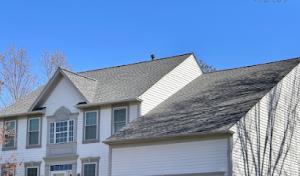
The Woodbridge Roofing Company
(571) 570-7930 woodbridgeroofers.com
3508 Castle Hill Dr, Woodbridge, Virginia
4.9 from 34 reviews
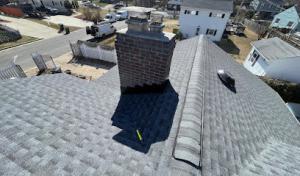
V&M Builders & Contractors
(571) 239-1586 vmbuilderscontractors.com
Woodbridge, Virginia
5.0 from 21 reviews
Spring in Woodbridge brings frequent rain and storms that can interrupt tear-off and dry-in schedules. If a hail or wind event damages the shingles, immediate leak control matters more than a perfect weather window. In practice, that means you prioritize temporary tarps and prompt follow-up with your adjuster and contractor. A replacement decision often hinges on observed shingle loss, sustained granule exposure, and the pace of water intrusion rather than a calendar date. Weather delays happen, so plan for a window that accommodates back-to-back storms and variable drying conditions.
Summer replacement work in Woodbridge is affected by heat and humidity, which can shorten safe daily work windows for crews. In the peak of July and August, crews may schedule earlier starts or shorter shifts to protect asphalt or fascia from heat damage and to keep fasteners and sealants performing as designed. If a storm aftermath creates a severe loss in multiple areas, execution may stretch into late summer, but expect occasional productivity dips during heat waves. Build flexibility into the schedule and communicate with the contractor about preferred daily targets and safe, compliant practices.
Autumn can be productive for reroofing in Woodbridge, but wind events and tropical remnants can still disrupt installation timing before winter cold arrives. Transitional weeks with intermittent gusts can push tear-off into spare days, extending project duration. Check forecast-informed milestones with your contractor and insist on securing underlayment and flashing details before the first big cold snap. A well-timed autumn roof replacement often aligns with steady crews, tolerable temperatures, and fewer intrusive rain events, reducing the risk of immediate rework after winter.
Get a clear picture of your project costs upfront - no commitment required.
Green Oak Exteriors
(703) 337-3767 www.greenoakexteriors.com
3120 Ps Business Center Dr, Woodbridge, Virginia
5.0 from 406 reviews

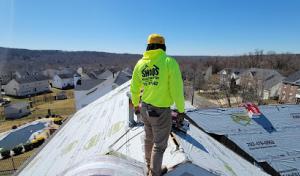
Shaq's Restoration Services
(703) 479-0062 www.shaqsrestorationservices.com
Serving
5.0 from 126 reviews
In Woodbridge's frequent wet-weather cycles, skylights and chimneys show wear first. The combination of heavy tree cover and constant humidity makes flashing around these penetrations a common failure point before the rest of the roof shows obvious trouble from ground level. Pay attention to any signs of condensation on interior ceilings near skylights, and inspect chimney-to-flashing joints after each major rain event. A small drip can be a symptom of compromised sealant or warped flashing, not just a failing shingle run.
Where walls meet the roof line, especially along high-traffic eaves and near dormers, flashing needs to negotiate tight transitions. Woodbridge homes with mature trees endure more leaf infiltration and accelerated wear at these junctions. Look for subtle staining or musty smells in attics after storms, and don't assume a roof leak is only a shingle issue. Valleys and wall penetrations that channel water into the structure are common pathways for moisture intrusion during spring downpours.
Failures at skylights, wall intersections, and chimney flashing often become visible before field shingle failure is evident from the yard. That means proactive inspection after heavy rains is worth it. If you notice uneven shingles near penetrations, loose flashing, or a persistent damp spot along interior ceilings in those zones, treat it as a priority. Addressing these points quickly can prevent widespread interior damage and more intrusive repairs later on.
Create a simple after-storm check routine focused on penetrations: skylights, chimneys, penetrations through the wall line, and valley flashings. Keep an eye on exterior transitions for any lifting, rust, or torn sealant. A careful, timely response to moisture at these spots can save significant interior disruption and preserve roof integrity through Woodbridge's humid, storm-prone seasons.
Find contractors experienced in skylight installation, flashing, and leak repairs to bring natural light into your home.
Green Oak Exteriors
(703) 337-3767 www.greenoakexteriors.com
3120 Ps Business Center Dr, Woodbridge, Virginia
5.0 from 406 reviews
Top Dog Home Pro
(866) 826-8347 www.tdhomepro.com
1051-B Cannons Ct, Woodbridge, Virginia
5.0 from 105 reviews
Elite Roofing Specialties
(571) 364-4094 eliteroofingva.net
5826 Ruxton Dr, Woodbridge, Virginia
5.0 from 83 reviews
While Woodbridge is primarily a pitched-roof reroofing market, enough contractors advertise flat-roof work to make low-slope porch, addition, and attached sections a real local issue. Those low-slope areas age differently than the main shingle roof and often show up as leaks even when the rest of the roof looks solid. In a neighborhood with heavy tree cover and spring downpours, these sections can become repeat trouble spots if ignored during replacement planning.
Low-slope transitions between the main pitched roof and porch or addition are the most frequent leak points. They live at the joints where roof planes meet, where flashing can fail, or where membrane detailing wasn't carried through from the main roof. In Woodbridge, summer heat and tropical remnant winds can accelerate wear on slope transitions, so a separated scope line in the estimate helps ensure the right materials and detailing are included from the start.
When planning a replacement, identify every low-slope section on the plans and mark their boundaries clearly. Each area should have its own material specification and details for flashing, edge metal, and flashing terminations. If the porch or addition uses a different membrane, specify that membrane for its slope, and ensure the installation sequence preserves continuous drainage away from interior walls. Align the leak-prone transitions with the main roof schedule so there's no gap where water can sit and penetrate.
Expect specialists to quote compatible low-slope membranes, drip edges, and step-flashed intersections tailored to transitions from steep pitches to flatter planes. In practice, the best approach is to treat the low-slope section as its own mini-roof, with its own set of detailing requirements, even when the visible main roof surfaces are being replaced. This reduces the chance of a small but persistent leak after the project wraps.
Find specialists in TPO, EPDM, and built-up flat roofing systems for residential and commercial properties.
Green Oak Exteriors
(703) 337-3767 www.greenoakexteriors.com
3120 Ps Business Center Dr, Woodbridge, Virginia
5.0 from 406 reviews
The Woodbridge Roofing Company
(571) 570-7930 woodbridgeroofers.com
3508 Castle Hill Dr, Woodbridge, Virginia
4.9 from 34 reviews
V&M Builders & Contractors
(571) 239-1586 vmbuilderscontractors.com
Woodbridge, Virginia
5.0 from 21 reviews
A smaller but real segment of Woodbridge contractors advertises solar-roofing coordination, making panel removal and reinstall planning relevant for some reroofs. When a storm claim or aging roof forces replacement before the solar system's expected service life ends, coordinating the two projects becomes essential to limit downtime and protect the warranty on both systems. The mid-Atlantic humidity, mature tree canopy, and frequent spring downpours can push repairs into tighter timelines, so having a plan for solar work alongside the roof reduces surprises.
In practice, you'll want to identify whether panels are mounted on racking or integrated into a ballast setup, as this changes removal and reinstallation steps. If panels are roof-mounted on rails, the crew should schedule panel removal early in the project and verify clearance for roof access, vent openings, and fascia work. If the system is aging or nearing its expected life, you may consider coordinating a panel refresh or re-locating in tandem with the roof replacement so the roof's integrity isn't compromised by a hurried electrical teardown.
Permit and inspection sequencing in Woodbridge can become more complicated when roofing work and rooftop solar equipment are tied together on the same project. Expect the solar installer to provide framing or mounting details that the roofer must match, and plan for staged inspections that verify both roof integrity and electrical safety. Clear communication between the roofing contractor and the solar installer helps keep the project on track, especially during storm-season windows when delays are most costly.
Find contractors who integrate solar panels or solar shingles into your roof for long-term energy savings.