
Last updated: Apr 19, 2026
The local climate pattern-a cycle of cold, wet winters and hot, humid summers-places repeated moisture stress on shingles, flashing, and roof penetrations. In southern Prince George's County, that means the same spots take a beating year after year: sealants dry out, nails loosen, and flashing around chimneys, vents, and skylights can begin to lift. The result is a higher propensity for hidden leaks that sneak in along rakes, eaves, and roof edges during the mid-winter thaw or a rapid spring shower. For homes with a mix of pitched roofs and low-slope sections, that stress concentrates where valleys and transitions meet walls and gutters. The practical response is constant vigilance: treat every warm spell as an opportunity to inspect for hairline cracks, rust spots on flashing, and granule loss on shingles, especially on older or heavily shaded roofs where moisture lingers.
To protect against creeping moisture, focus on sealing around penetrations and at roof-to-wall junctions. Look for hairline cracks in sealants, loose screws, or corrosion on metal step and counter-flashing. Ice dam risk is not the only winter threat-melting snow can backwash along the eaves, freezing at the soffits and gutters if heat escapes from the attic. A simple upgrade like re-bleeding vulnerable flashing joints and resealing attic penetrations can prevent thermostat-triggered freeze-thaw damage that compounds through the season. Remember that shaded, mature neighborhoods with heavy tree cover tend to retain moisture longer, so those sections deserve extra attention during and after wet periods.
Spring storms arrive with little warning and can hammer shingles, gutters, and edge details. Hail is a practical concern in this part of Maryland, capable of denting metal flashings and dislodging granules from asphalt or synthetic shingles. When a storm rolls through, the first move is a quick exterior scan: look for dented valleys, torn or missing shingles, and displaced flashing around vents, skylights, and chimneys. Do not wait for interior signs-water can travel fast along framing and into attic spaces. If you notice damaged edges or creases in shingles, schedule a leak detection check as soon as the weather breaks, because even small compromises in the upper layers can translate to significant interior risk with the next heavy rain.
Develop a straightforward post-storm repair plan: identify the most exposed roof areas (valleys, hips, roof-to-wall interfaces), secure temporary coverings if leaks are apparent, and document all affected spots with photos. A neighborly, rapid-respond approach helps prevent moisture from migrating to insulation or ceiling contents in ceiling cavities. In Fort Washington's wind-prone springs, ensure that any temporary tarp or patch is fastened securely to withstand gusts and avoid wind-driven damage that can re-open a patch. Keep a reliable local contractor list ready, with a note on preferred materials for your roof style, so repairs can proceed quickly during busy seasons.
Autumn leaf buildup is a standout risk in mature suburban blocks where trees stand tall and drop heavy loads. Clogged valleys and gutters hold moisture against roof edges and flashing, especially near dormers and at fascia lines. When leaves accumulate, they trap dampness along the drip edge and valley pans, accelerating rot and corroding flashing at a faster pace. The result is a slower drain, increased standing water, and the potential for moisture to wick back into roof edges and into attic spaces. The best defense is proactive maintenance: schedule a fall clean-out of gutters and downspouts, plus a focused inspection of the valley blads and edges to ensure no debris remains that could trap moisture. For roofs with low-slope sections, ensure that flashing along transitions remains continuous and free of clogs, as standing water in these areas creates repeated moisture exposure through the wet season.
In this climate, timing matters. Post-storm and post-leaf cleanup windows are critical to prevent minor issues from becoming major leaks during the wet months that follow. Use immediate visual checks after heavy rain or wind events, and set a reminder for a full seasonal inspection before winter cold sets in. A targeted, local approach keeps roofs resilient through Fort Washington's unique blend of weather, trees, and housing styles.
As a homeowner in this Potomac-facing pocket, you know the pattern: humid springs, wet winters, summer storms, and a canopy of mature trees that drop debris onto pitched and low-slope roofs. The material you choose should handle rapid changes in moisture, occasional hail, and the way shade and heat affect expansion and contraction. Asphalt shingles remain the practical backbone for most Fort Washington homes because they align with common suburban roof forms and neighborhood expectations. When a homeowner considers other options, it helps to understand how each choice behaves in this climate and what installation details matter most in this market.
In this area, asphalt shingles fit most roofs because they strike a balance between installation ease, weather resistance, and affordability. For many neighborhoods, these shingles pair well with the typical gable or hip roof shapes that dominate the suburban landscape. A key advantage is the relative simplicity of flashing and sealing around chimneys, vents, and valleys on roofs that aren't overly complex. In Fort Washington's conditions, the goal is to select a shingle with good impact resistance and a stout fiberglass mat, then couple it with a solid underlayment and a ventilated attic to minimize moisture buildup. Proper attic ventilation is especially important in humid seasons to reduce the risk of accelerated roof deck decay under the shingles. If a two-layer approach is ever considered, ensure the existing deck can handle the added weight and that the roof sheathing is in solid condition, since long-term leak prevention hinges on a sound base.
Metal roofing is present in the market and can offer excellent longevity and a clean, modern look on newer or higher-end homes. In this region, the decision hinges on expansion calculations, detailing, and noise management during heavier rainstorms. Metal panels expand and contract with heat, so precise panel alignment, correct fastener spacing, and proper sealant choices are non-negotiable. Homes with overhanging trees should consider the impact of branches and debris against exposed edges, which can abrade finishes or trap moisture at fasteners. Noise during summer downpours is another factor to plan for-if the attic space is not well insulated and sealed, rain can be perceptible inside the living areas. A lightweight underlayment that accommodates movement plus robust sealants around penetrations will help prevent leaks where panels meet roof-to-wall transitions. For many Fort Washington houses, metal can be a good fit on modern additions or re-roofs where the roof geometry supports clean panel runs and where the homeowners are prepared for close attention to edge details and insulation continuity.
Wood shakes, clay tile, concrete tile, and synthetic products appear in the market, but humid conditions and freeze-thaw cycles demand careful installation and higher-quality underlayment. Wood shakes are aesthetically pleasing but require meticulous sealing and consistent maintenance to avoid moisture intrusion and rot in shaded, damp corners. Clay and concrete tiles bring excellent longevity and a distinctive profile but are heavier and demand a reinforced structure, precise underlayment, and careful integration with drainage and gutters to prevent water backing up on low-slope sections. Synthetic products can mimic tile or shake while offering lighter weight and lower maintenance, yet installation quality remains crucial-especially around hips, valleys, and vent penetrations. In all cases, the underlayment design should provide a continuous moisture barrier and accommodate the regional freeze-thaw cycles. The combination of humidity, tree cover, and storm-driven runoff means attention to wrap-and-flash detailing around chimneys and roof-to-wall transitions is essential to minimize leak risk.
When evaluating materials, look for a system that pairs well with the neighborhood's roof lines and seasonal weather. Emphasis should be placed on ventilation and a durable underlayment to counter moisture buildup and rapid weather shifts. For low-slope sections or transitions, ensure the chosen material is compatible with an effective mechanically fastened or adhered membrane system, as these areas tend to be more susceptible to leaks during heavy rain events. The most resilient choices for this climate combine robust installation details with proven performance under humid summers and frequent rain, and they respect the urban-suburban character of Fort Washington's roofing stock.
A full re-roof in Fort Washington normally requires a building permit through Prince George's County rather than a city-run permitting office. This reflects how the county governs roofing work over a broad swath of suburban housing stock in the area, where many homes have moderate to steep pitches and mature tree cover that interact with storm-driven leaks. Knowing this upfront helps scheduling and avoids delays once the project is underway.
Applications are typically submitted through the county's ePermit system by the contractor or homeowner, with fees paid as part of that process. In practice, the contractor often handles the electronic submission, uploads the project plans, and coordinates with the county inspector for the scheduled work. If a homeowner applies directly, ensure that the project description clearly states a roof replacement with attention to flashing details, ventilation, and attic hatch or penetrations. Keep a copy of the submission confirmation and any plan notes in the project folder for quick reference during inspections.
Expect to provide a site plan showing the roof scope, approximate square footage, and any new penetrations for vents, skylights, or exhausts. For homes with trees nearby, note any concerns about branch proximity to the roof edge or chimney, since inspector focus will include proper clearance and debris protection. Material specs and installation details should align with local code expectations, especially concerning underlayment, fasteners, and ventilation per the county's adopted standards. Having these details ready saves time when the county requests clarifications during the build.
County inspections occur during construction and a final inspection is required to verify items such as flashing, ventilation, and overall code compliance. The inspector may visit after roof sheathing is in place and before shingles go on, then again after installation to verify eave details, drip edge, ridge vent, and proper sealing around penetrations. In Fort Washington's tree-heavy neighborhoods, inspectors will specifically check for adequate attic ventilation to reduce moisture buildup, which is a common contributor to leaks after wet winters and spring storms.
Coordinate with the contractor to schedule inspections in the expected sequence so weather windows don't cause unnecessary delays. Keep the permit on-site or accessible at the worksite, and ensure the contractor provides the notice of inspection as required by the county system. If a modification to the plan arises-such as a change in underlayment or venting layout-update the ePermit record promptly to avoid a re-inspection. This local process helps ensure that storm-driven leak prevention is built into the project from the start and that flashing, ventilation, and code compliance are verified before the final sign-off.
Costs here are best understood per square (one square = 100 square feet). Asphalt shingles sit at the lower end of the market, while tile systems sit at the upper end. In Fort Washington, expect per-square ranges to align with the broad market: Asphalt Shingles typically run about 350-650 USD per square, metal 700-1200, clay 1000-1800, concrete 800-1800, wood 500-900, and synthetic/composite 600-1100. This framing helps you compare bids without getting tangled in footwork or abstract numbers. When a contractor quotes a fully installed roof, translate the quoted "per square" price into the total by multiplying the number of squares on your home.
Costs in this area can rise when storm demand compresses contractor schedules in spring or after severe weather events in the broader Prince George's County market. In practical terms, that means if a storm hits and crews get booked up, you'll see longer wait times and higher labor components. If you're planning a re-roof, aim to align work with calmer windows, but be prepared for price adjustments if a major event reshuffles schedules. The same weather dynamics influence disposal fees and the need for extra debris handling after a storm-leak scenario, so expect potential fluctuations beyond material price alone.
Homes with complex rooflines, low-slope add-ons, skylights, or heavier materials tend to push labor and disposal costs above a simple suburban gable re-roof. In Fort Washington, crews must navigate mature tree canopies, frequent wind-driven debris, and occasional high humidity that can affect installation speed. That combination often translates to higher sits-and-works time, more sealing detail, and, ultimately, larger total project numbers. If a bid notes multiple penetrations or unusual drainage arrangements, plan for a proportional lift in the total, even when the per-square material price remains within the typical range.
JMI Residential Roofing LCC
8008 Vernon Dr, Fort Washington, Maryland
5.0 from 2 reviews
we offer roofing services siding and gutters

Jet Renovation
(301) 312-0661 www.jetrenovation.com
Serving
5.0 from 233 reviews
Our company, Jet Renovation, is locally owned and operated, proudly serving Maryland, Virginia, and Washington, DC. Since our founding in 2010, we’ve been committed to providing high-quality, reliable, and reasonably priced services. Our dedication to excellence has earned us a strong reputation within the community, thanks to our focus on top-notch materials and skilled workmanship that ensure outstanding results for our customers.
Home Matters Exterior Remodel
(301) 850-1572 www.homemattersremodel.com
Serving
5.0 from 15 reviews
Family Owned and Operated We believe in the people we work with and work for. We measure our own teams with not only the pride they take in their work and results, but the measure of respect and integrity they have for each other, our clients, and the project at hand.
First Class Exteriors & Home Remodeling
(240) 419-8717 firstclassext.com
Serving
5.0 from 15 reviews
At First Class Exteriors, we ensure that our exterior contractors, serving the DMV ( DC, MD, VA) area neighborhoods across the mid-Atlantic, are the absolute best in delivering top-tier roofing and exterior services. We have more than 15 years of combined experience within the industry to our credit. Our team are fully trained, certified professionals, as First Class Exteriors is a fully Licensed, Bonded & Insured contractor who treats you, the homeowner with first class experience.
AROCON Roofing VA
(571) 688-5393 www.aroconllc.com
Serving
4.9 from 256 reviews
At AROCON Roofing and Construction in Alexandria, VA, we offer a comprehensive range of home improvement services with a focus on superior craftsmanship and exceptional customer care. Our expertise includes roofing, gutters, siding, windows, and doors. From routine maintenance to major repairs, our skilled team ensures your home is well-protected. As an Owens Corning Platinum Preferred Contractor, we provide lifetime warranties on both materials and workmanship. We pride ourselves on timely project completion and outstanding service. Contact us for a free consultation to experience our unmatched quality.
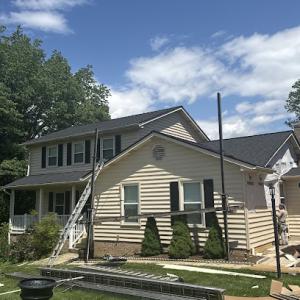
StormProof Exteriors
(410) 934-4923 stormproofext.com
Serving
5.0 from 54 reviews
StormProof Exteriors is the fastest growing exterior remodeling contractor servicing Maryland and Virginia. With the knowledge acquired from over 20 years in the industry, StormProof Exteriors guarantees each customer the best roofing, siding, and gutter solutions available. Specializes in hassle-free insurance claim resolutions.
Hyper Roofing
(703) 952-5216 hyperroofing.com
Serving
5.0 from 35 reviews
Hyper Roofing is a premier roofing contractor in Alexandria, VA, established in 2021. Renowned for exceptional craftsmanship and reliable service, we specialize in residential and commercial roofing solutions, including installations, repairs, and maintenance. Our team is committed to using top-quality materials and innovative techniques to ensure lasting results. Trust Hyper Roofing for expertise, integrity, and a dedication to exceeding customer expectations. Your roof, our priority!
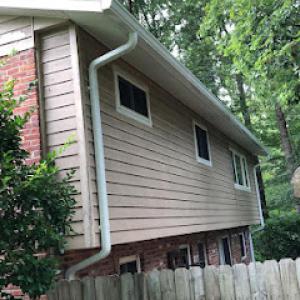
Mangandid contractor
Serving
5.0 from 8 reviews
•GAF Master Elite Contractor •life Time guarantee •Family Owned & Operated • Free Estimate •Emergency calls •Rofing repairs

Rapid Roofing & Remodeling
(301) 266-1393 www.rapidroofingandremodeling.com
Serving
4.9 from 161 reviews
Rapid Roofing & Remodeling is a family owned business specializing in Roofing, Gutters, Windows & Siding in the DMV area. We offer flexible financing and affordable pricing. Call Today for a FREE Roof Estimate. If you are looking for a roofing contractor you have come to the right place.
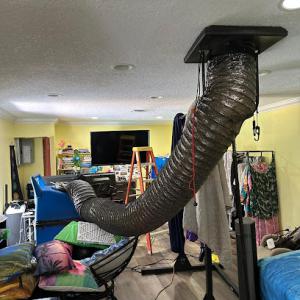
TC Dryer Vent & Air Duct Cleaning
Serving
4.9 from 47 reviews
TC Dryer Vent & Air Duct Cleaning And Repair is a trusted and professional company offering comprehensive chimney sweep and repair services in the Clinton area. With a commitment to exceptional customer service and quality workmanship, we are the go-to experts for all your chimney needs. Our highly skilled team specializes in chimney sweep cleaning for residential and commercial properties. In addition to chimney sweep cleaning, we offer a wide range of chimney repair services. Our expertise covers chimney cap installation.
Impact Roofing & Renovations
(703) 329-2959 impactroofing.solutions
Serving
5.0 from 142 reviews
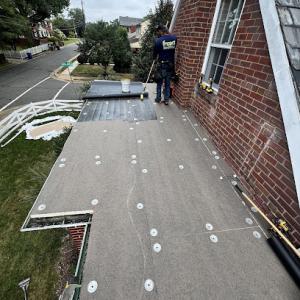
Locally owned roofing contractor with expertise in traditional shingle roofs, as well as TPO, metal, slate and cedar. We have a goal to help reduce the 10 million tons of shingles that end up in land fills every year by educating homeowners on natural products and on the importance of a quality install to increase the longevity of your roof.
CS1 Remodeling
(301) 873-6514 www.cs1remodeling.com
Serving
4.8 from 190 reviews
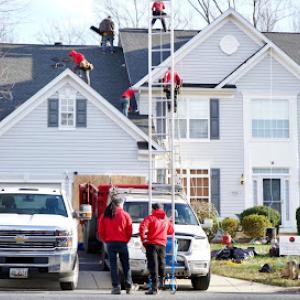
CS1 Remodeling is a full-service construction company specializing Roofing, Gutters, Windows, and Home Remodeling/Renovations in the DMV area. Our mission is to satisfy our client’s home renovation needs through excellent service and quality work.
Storm-driven claims are a real possibility in this southern Prince George's County area, where humid Mid-Atlantic weather keeps roofs under pressure without the headline-level intensity of major hurricane markets. Wind and hail claims show up with enough frequency to matter, but the claims climate remains manageable if approached with solid documentation and a plan. In practice, insurers here expect you to show a clear picture of the roof's condition before and after events, along with a believable record of what happened and who did the work. Fort Washington sits in that tiered environment where reasonable expectations meet practical scrutiny, and where the right documentation can influence how smoothly a claim moves through the system.
After a local storm, insurers will often ask for photos, prior claim history, and contractor documentation. That makes pre-repair documentation especially important. Take time to photograph the roof from multiple angles, focusing on prevailing weak spots like valleys, chimney flashings, and any prior patches. Keep a simple file of recent maintenance notes, contractor visits, and any previous claims so you can quickly assemble a complete history if questions arise. If a contractor has previously worked on the roof, gather their notes, approval stamps, and any installation details that attest to workmanship. In neighborhoods with mature trees, flare-ups from wind-driven branches can be a common trigger for leaks; photos from before a storm can help separate age-related issues from new damage when claims are filed.
Older roofs or certain roof types may face tighter underwriting scrutiny, so proof of code-compliant installation can matter during claims. If a roof has seen multiple repairs, or if a nonstandard material is present, insurers may request additional evidence of proper installation and modern underlayment. In communities with mixed roofing-shingles paired with low-slope sections or transitional areas-the insurer will scrutinize flashing details and drip edge conditions. Having accessible records of the original installation, alongside any upgrades or resealing work, helps support the claim and reduces back-and-forth during the adjustment process.
When a storm hits, document immediately, then act quickly to prevent further damage. If you notice leaks, make temporary, non-invasive measures to limit interior exposure and keep receipts for any temporary fixes. Contact the insurer promptly to initiate the claim, and provide the organized documentation package you've prepared. In neighborhoods with active tree cover, prompt response to lodged leaks and careful communication about the cause of damage can mean faster, fairer adjustments and fewer surprises when the check arrives. Fort Washington residents should view this process not as a hassle but as a structured pathway to protecting both the home and the policy.
Connect with contractors who help homeowners navigate the claims process from damage assessment to final approval.
First Class Exteriors & Home Remodeling
(240) 419-8717 firstclassext.com
Serving
5.0 from 15 reviews
Many homes in this area have additions, porch covers, or rear sections that create low-slope transitions even when the main roof remains steep. In the damp heat and with mature trees overhead, water lingers longer along those edges during wet winters and spring showers. Flashing details there do more of the waterproofing work, yet they are also the most vulnerable part of the roof system when storms arrive. If a transition pool of water sits on a flat or gentle surface, tiny leaks grow into noticeable drips before a field shingle shows wear. Regular close-ups after heavy rain help spot loose flashing, clogged gutters, or shifting roof lines early.
Skylights are a meaningful local service category, and in this climate their curbs, flashing, and surrounding shingles often become leak points before the field shingles fail. A failing curb seal or cracked flashing around a skylight can ruin a ceiling long before you notice any shingle damage. In neighborhoods shaded by tall oaks, the extra corners and valleys around skylights collect debris and moisture, accelerating wear. Plan for professional resealing or flashing upgrades when you see condensation, mold smell, or staining near the skylight.
When storms hit, keep a plan ready: a list of trusted local roofers, a ladder, and a way to cover a vulnerable area temporarily. After a heavy rain, walk the attic if accessible and look for telltale dampness or sunlight through flashing seams. Inspect transition zones first, then skylight bases, and note any movement in gutters or downspouts. Timely caulking, flashing reseal, or a targeted patch can stop a small leak from turning into a costly interior problem.
Low-slope zones deserve a twice-yearly check, especially after winter thaws and spring storms. Look for softened wood, peeling paint near the roofline, or staining on ceilings under the transitions. Because tree cover blocks sun, algae and moss creep in more easily, which hides slow leaks. Address suspected leaks promptly rather than waiting for a visible drip. In winter, pay special attention to gutter flow and any ice backup along these edges. Probe after storms saves surprises.
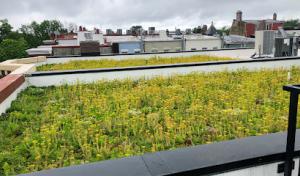
Find specialists in TPO, EPDM, and built-up flat roofing systems for residential and commercial properties.
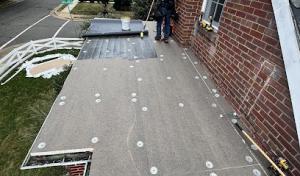
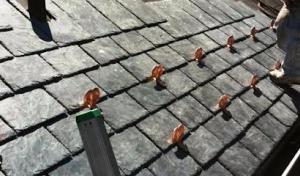
Spring and fall are the windows that align best with Fort Washington's climate and home stock. Moderate temperatures reduce the stress on shingles and underlayment, and the rainfall pattern during these seasons tends to be less disruptive than mid-winter storms or the peak of summer downpours. If a full replacement is planned, these shoulder seasons help crews keep waste and debris out of mature trees and sensitive landscaping while minimizing heat-related fatigue on the crew and softening of roofing materials.
Summer installation can be doable, but heat and humidity introduce its own challenges. In late morning and afternoon sun, decking and underlayment can become difficult to manage, and high humidity can slow application and sealing details. For homes with extensive tree cover, shade gaps may help, but heat still stresses crew safety and shortens daily work windows. When scheduling in the heat, consider early-start days, extra on-site water for cooling, and realistic expectations for material handling, especially around long eaves and low-slope sections where moisture control matters most in storm-prone months.
Winter work is possible but freeze-thaw conditions in this region can complicate sealing, flashing work, and leak diagnosis. Snow and ice add risk to footing and ladder stability, and if temperatures sit near freezing, some sealants and asphalt products don't cure properly. The challenge of identifying and tracing leaks increases when damp, cloudy days become the norm. If a winter replacement is necessary, plan for warm-up periods, use of interior moisture barriers during installation, and a contingency for scheduling adjustments around cold snaps and Nor'easter-style events.
Storm-driven leaks require a clear plan for fast protection and temporary fixes while a full replacement is scheduled. In a neighborhood with mature trees and Potomac breezes, verify that ladders and tarps stay secure after a heavy rain, and align replacement timelines with forecast windows to reduce storm exposure. In the aftermath of a damaging event, prioritize secure covering, quick flashing checks, and accessible ways to evaluate attic and ceiling conditions to prevent additional interior damage while the project progresses.
In this area, storm-driven leaks and rapid cleanup are the baseline expectations after a heavy rain or a quick spring squall. The mix of mature tree canopy and suburban pitched roofs means you want a crew that can quickly pinpoint a leak, seal it, and keep yard debris to a minimum while they work. Look for firms with a track record of stabilizing leaks fast and cleaning up after a storm, since neighborhood standards here reward fast response and tidy job sites.
Because the work is permitted through Prince George's County, homeowners should prioritize contractors who routinely handle county eSubmit processes and arrange follow-up inspections smoothly. A practical choice is a locally rooted outfit that can show recent approval receipts, clear communication on scheduling, and a named supervisor who remains on-site during the job. Long-established, family-owned firms often balance stability with hands-on accountability, while manufacturer-certified crews carry warranty backing you can rely on for years of service.
Start with a quick on-site check, asking for recent projects in nearby neighborhoods with similar roof styles. Confirm that the crew brings a dedicated project lead, a clean safety record, and a plan for storm cleanup, including tarping and debris containment. Check references for responsiveness after a storm and for how well they protect landscaping and adjacent homes. Finally, ensure the agreement outlines a realistic timeline, clear cleanup expectations, and a straightforward process for post-work follow-up so issues, if any, are addressed without delay.