Roofing in Virginia
Last updated: Feb 28, 2026
Here in Virginia, the view from your front porch changes with the seasons—from the heat of a July afternoon to the brisk winds that sweep off the Chesapeake, and from sudden thunderstorms to snow flurries inland. Our roofs keep up with this variety, and the best choices balance curb appeal, long-term durability, and cost. Coastal counties face salty air, higher humidity, and stronger uplift from tropical storms, while inland neighborhoods contend with rapid temperature swings and occasional ice. Salt spray and wind-driven rain can accelerate wear on fasteners and shingles, so choosing a wind- and moisture-resistant system pays off in the long run. Understanding that mix is the first step in keeping your roof reliable and affordable year after year.
On this page you'll find practical, Virginia-specific guidance. You'll see how local climate shapes recommendations, from materials that stand up to humidity and heat to designs that shed water quickly after a heavy rain. We'll touch on popular Virginia roof styles and how regional architecture influences choices—from brick-columned Colonial Revival homes to Craftsman bungalows and modern updates. You'll also get a clear picture of typical costs here, along with the permits and local regulations you'll likely encounter. And because Virginia homeowners deal with a spectrum of problems—from wind-driven damage to moss growth and ice damming—you'll find solutions that fit our conditions and pocketbooks.
All advice here is tailored to Virginia's conditions and backed by local resources—trusted installers, building codes, weather data, and a network of suppliers who know our seasons. We'll also help you decide when it's time to hire a professional. Think of this as tips from a knowledgeable neighbor who also happens to be a roofing pro: practical, honest, and easy to act on. We're here to help you plan for the next storm, budget for upgrades, and spot issues before they become costly repairs.
Now, let's start with a quick look at how Virginia's climate shapes roof design and maintenance, so you'll know what to watch for as the seasons turn.
Local Climate & Its Impact on Roofs
Virginia's Seasonal Rhythm and What It Means for Your Roof
Virginia experiences hot, humid summers and cold, occasionally snowy winters, with a wide range of weather hazards across the state. This mix stresses roofing systems differently from region to region—from the coast to the mountains. Expect:
- UV exposure and heat during summer that can accelerate shingle aging and reduce asphalt longevity.
- Freeze-thaw cycles in winter that push and pull at flashings, joints, and attic insulation.
- Humidity and shade that promote algae, moss, and mildew on shaded slopes.
Key caution: coastal and southeastern areas face higher salt exposure and wind-driven rain during storms; inland and mountainous areas see more freeze-thaw cycles and ice-related issues. For local storm alerts and seasonal patterns, rely on warnings from the National Weather Service at and follow hurricane guidance at
Snow, Ice, and Ice Dams
Winters in Virginia can bring freezing rain, sleet, or snow, which can form ice dams along eaves if attic insulation is inadequate. Ice dams push water under shingles and rotted decking, leading to leaks inside the attic and ceilings. Mitigation:
- Improve attic insulation and air sealing to minimize warm attic air reaching the roof deck.
- Ensure soffit vents and ridge vents provide continuous ventilation.
- Remove heavy snow buildup from roofs with care, avoiding personal injury or damage to shingles.
Warnings: ice dams are a common winter hazard in many Virginia homes. For winter safety tips, refer to .'>https://www.vaemergency.gov/.
Hail and Wind Impacts Across Regions
Hail is variable but can occur in Virginia, especially during severe spring and summer storms. Wind can cause shingles to lift or panels to loosen, particularly on older roofs or those with inadequate fasteners. Consider:
- In hail-prone areas, using impact-resistant shingles or durable metal options can reduce damage.
- Regular inspections after hail events to assess missing granules, cracks, or flashing damage.
Material choice matters, but a well-sealed roof with proper flashing and a solid attic ventilation strategy is critical wherever you live in Virginia. Official storm and hazard guidance can be found at https://www.weather.gov/ and the hurricane safety pages above.
Roofing Materials Considerations for Virginia Climate
- Asphalt shingles: Cost-effective and versatile, but UV exposure and heat can shorten life in sunny, humid regions; ensure proper installation and ventilation.
- Metal roofs: Excellent wind resistance and longevity; coastal areas benefit from corrosion-resistant finishes, but salt exposure warrants maintenance and coatings.
- Slate or tile: Durable in many conditions but heavier; require structural assessment and allow for attic ventilation to prevent heat buildup.
- Wood shakes: Aesthetic value but higher maintenance in humid climates; susceptibility to rot if ventilation and drainage aren't ideal.
Tips:
- Choose materials with good wind uplift ratings and moisture resistance.
- Plan for adequate attic insulation and a well-ventilated roof system to handle Virginia's seasonal extremes.
- In coastal or humid areas, select finishes that resist algae, mildew, and corrosion.
Warnings: regional differences mean your home's microclimate (coastal vs. inland, valley vs. mountains) will influence material performance. For official guidance on building practices and weather readiness, consult VA emergency resources at https://www.vaemergency.gov/ and general weather safety at https://www.weather.gov/.
Practical Steps for Virginia Homeowners
1. Inspect after major storms for damaged shingles, flashing, and gutters.
2. Improve attic insulation and ensure continuous roof ventilation to reduce ice dam risk and heat buildup.
3. Clean gutters and downspouts regularly; ensure proper drainage away from the house.
4. Trim trees and manage debris to prevent roof impact and gutter blockages.
5. Choose materials with appropriate wind resistance and corrosion/UV protection for your location.
6. Schedule professional roof inspections that consider seasonal Virginia hazards and local building codes; verify contractor licensing and insurance.
7. Keep a storm preparedness plan handy and stay current with forecasts on https://www.weather.gov/ and VA emergency resources at https://www.vaemergency.gov/.'>https://www.vaemergency.gov/.
Recommended Roofing Materials for Virginia
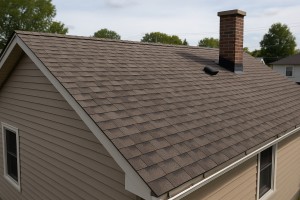
- The workhorse of Virginia roofs. Affordable, easy to source, and widely installed across urban and rural neighborhoods.
- Variants: 3-tab for budget and architectural (laminated) for a heavier, more dimensional appearance.
- Lifespan: roughly 20–30 years for standard shingles; architectural types can reach 30–50 years with proper maintenance.
- Weather fit: good all-around performance in Virginia's mixed climate; wind resistance improves with proper installation and higher wind-rated products (look for shingles rated for at least 130 mph).
- Extra perks: algae-resistant options help with Virginia's humid summers; sealed systems and high-quality underlayment reduce leaks during heavy storms.
- Quick take: Pros — cost-effective, easy to repair, broad color choices. Cons — shorter lifespan than metal or slate; performance hinges on quality installation.
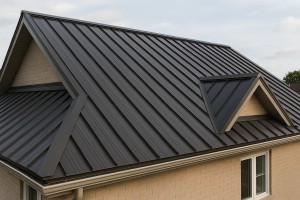
- Excellent durability and wind resistance, a strong choice for Virginia's storm-prone weather.
- Materials and profiles: steel or aluminum; standing-seam or exposed-fastener styles; many coatings (galvalume, Kynar finishes) boost longevity and appearance.
- Lifespan: 40–70+ years with proper care; lightweight and fast to install when compared to heavier materials.
- Weather fit: superb hail resistance, drought-tolerant, and reflective options reduce cooling costs in hot summers.
- Considerations: higher upfront cost; noise can be louder in rain without adequate attic insulation; some denting potential with very large hail.
- Quick take: Pros — longevity, energy savings, excellent wind performance. Cons — higher initial cost; may require specialized installers.
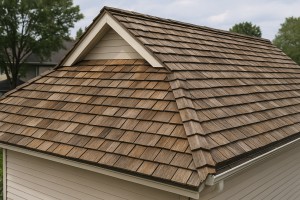
- Aesthetic appeal that can elevate historic or cottage-style homes common in Virginia.
- Maintenance: needs regular treatment to resist rot, mildew, and insects in humid summers; fire restrictions can apply depending on locale.
- Lifespan: typically 25–40 years for shakes with proper maintenance; treated options can last longer.
- Weather fit: performs well in dry, sheltered locations but sensitive to moisture and freeze-thaw cycles.
- Quick take: Pros — natural look, good insulation. Cons — higher maintenance, fire risk, more costly.
Slate and Tile
- Slate: premium, timeless look with extraordinary longevity (often 100+ years) and excellent fire resistance.
- Tile (concrete or clay): durable, cools well in heat, and offers distinct regional character.
- Weight and structure: both are heavy; require a structurally sound deck and professional installation.
- Weather fit: highly resistant to wind and fire; clay/concrete tile is more forgiving in heat than slate but can crack in severe freeze-thaw cycles.
- Quick take: Pros — longevity, premium aesthetics, excellent fire resistance. Cons — very high cost, requires reinforced roof structure, limited installers.
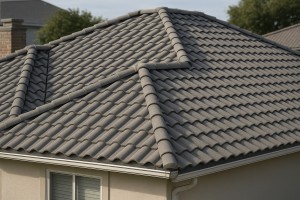
- A practical alternative to clay tile, with good durability and a broad range of colors.
- Weight is substantial but typically less than natural slate; still requires a strong deck.
- Quick take: Pros — durable, moderate weight, good wind resistance. Cons — cost and installation complexity.
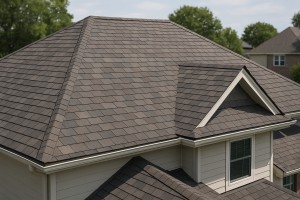
- Engineered to mimic shingles, shakes, or slate with durable polymers or rubber blends.
- Benefits: strong hail resistance, low maintenance, uniform appearance, often better for coastal Virginia (salt spray resistance).
- Weight and installation: generally lighter and easier to work with than natural materials.
- Quick take: Pros — resilient, low maintenance. Cons — sometimes higher upfront price; check warranty details.
Choosing the Right Material: A Simple 5-Step Plan
1. Confirm roof structure can handle the material's weight and installation method.
2. Match material to Virginia's climate: humidity, heat, winter moisture, and storm risk.
3. Check local codes and HOA rules for allowed materials and wind uplift requirements.
4. Compare energy performance and warranties; consider cool roof options and algae resistance.
5. Set a realistic budget and select a contractor experienced with your chosen material.
Local Climate and Installation Tips
- Prioritize attic ventilation and a high-quality underlayment to combat moisture and ice dam risk.
- In eastern and coastal Virginia, choose materials with strong wind uplift ratings and corrosion-resistant fasteners/coatings.
- For shaded, humid areas, algae-resistant shingles or coatings reduce staining and maintenance needs.
- Early inspection after severe storms helps identify wind-related uplift or damage before it worsens.
Popular Roof Styles & Architectural Trends in Virginia
Classic Virginia roof styles
- Colonial: Symmetry, dormers, and either hip or gable shapes. Works well with brick façades and formal streetscapes.
- Cape Cod: Steep pitch, small footprint, and practical dormers; popular in older coastal and Piedmont neighborhoods.
- Georgian: Bold, balanced forms with hip roofs and cinematic radiuses around chimneys; pairs with brick exteriors.
- Federal: Shallow-pitched, sometimes with decorative dormers; elegant lines for urban and historic districts.
- Saltbox and Flemish-influenced lapses: Long rear slopes and asymmetry that suit hillside lots and rural settings.
- Hip roofs: Great wind resistance, common on Colonial and Georgian homes; stable in coastal storms.
- Gable roofs: Simple construction and good attic ventilation; can be paired with dormers for added light.
- Mixed styles: A blend (hip + gable dormers) often seen in older neighborhoods and new builds aiming for historic charm.
- Flat or low-slope sections: Found on modern additions or commercial-adjacent homes; require careful drainage and quality underlayment.
Materials & color palettes favored in Virginia
- Asphalt shingles (architectural/ Laminates): The backbone of most Virginia roofs—affordable, durable, easy to color-match.
- Standing-seam metal: Increased popularity in coastal and sun-exposed areas for longevity and wind resistance.
- Slate, composite slate, and fiber-cement shingles: Historic districts or high-end homes appreciate the classic look without the weight of true slate.
- Color trends: Earth tones, charcoal greys, and muted greens; lighter shades for hot-summer reflectivity, darker hues for deep, traditional aesthetics.
Solar-ready & energy-efficiency trends
- Solar-ready roofs: Attachment systems and wiring paths planned during installation; reduces later retrofit hassle.
- Cool roofs: Lighter shingle colors or reflective metal to lower attic temperatures and cooling costs.
- Attic ventilation improvements: Ridge and soffit venting combined with proper insulation to curb moisture and energy loss.
- Air-sealing and insulation: Virginia homeowners increasingly pair roof upgrades with tight attic envelopes for better comfort.
Modern & hybrid trends across Virginia homes
- Standing-seam metal with traditional detailing: Combines durability with a clean look that fits both historic and contemporary styles.
- Mixed materials: Exposed timber rafter tails, fiber-cement siding, and shingles on the same home for visual interest.
- Low-slope and contemporary lines: Seen in new builds and modern remodels, often paired with skylights or roof terraces.
- Roof dormers and skylights: Add usable space and daylight to attics; require careful flashing in humid climates to prevent leaks.
Durability considerations by Virginia regions
- Coastal Virginia: Prioritize wind uplift resistance, corrosion-proof fasteners, and robust underlayment; salt air can affect metal finishes.
- Piedmont and inland: Focus on insulation, ventilation, and moisture management to combat humidity and temperature swings.
- Hills and mountains: Slope choices that shed heavy rain and snow, and durable materials that resist freeze-thaw cycles.
Practical upgrades for Virginia homeowners (step-by-step)
1. Step 1: Assess wind and weather exposure for your neighborhood (coastal vs inland) to choose wind-rated underlayment and fasteners.
2. Step 2: Improve attic ventilation and insulation to maximize energy efficiency and extend roof life.
3. Step 3: Select roofing material with an eye on longevity, maintenance, and weight—architectural asphalt for value, metal for longevity, or slate/composite for historic look.
4. Step 4: Plan for solar readiness or skylight integration if desired, coordinating with roofing to minimize penetrations and leaks.
5. Step 5: Ensure proper flashing and drainage around dormers, chimneys, and vents; schedule seasonal inspections to catch wind-driven damage early.
Average Roofing Costs in Virginia
Quick price snapshot by material
- Asphalt shingles: Installed $4.50–$7.50 per sq ft; about $450–$750 per square. A typical 1,500–2,000 sq ft roof runs roughly $6,750–$15,000, depending on pitch, tear-off needs, and accessories.
- Metal roofing: $6.50–$12.50 per sq ft; about $650–$1,250 per square. For a 1,500–2,000 sq ft roof, expect roughly $9,750–$25,000.
- Cedar shake: $6–$9 per sq ft; about $600–$900 per square. A 1,500–2,000 sq ft roof often falls in the $9,000–$18,000 range.
- Clay/concrete tile: $10–$18 per sq ft; $1,000–$1,800 per square. For 1,500–2,000 sq ft, typical estimates are $15,000–$36,000.
- Slate: $15–$30 per sq ft; $1,500–$3,000 per square. A 1,500–2,000 sq ft roof can run $22,500–$60,000.
- Flat roofs (EPDM/TPO): $5–$9 per sq ft; $500–$900 per square. A 1,500–2,000 sq ft flat roof typically costs $7,500–$18,000.
Regional variations across Virginia
- Northern Virginia (DC metro): higher labor rates and more complex roofs can push prices 10–25% above statewide averages, especially for steep or multi-dormer homes.
- Tidewater and Hampton Roads: coastal exposure increases wind-rated or corrosion-resistant needs; prices tend to be at the higher end of inland ranges for certain materials.
- Rural western Virginia: bids may be more competitive, but travel and access can affect pricing; older homes may need extra membrane or flashing work.
- Common constraints: peak-season demand, contractor availability, and local permit processes can add time and cost.
Architectural style and local considerations
- Roof pitch and complexity: steep slopes, hips, dormers, and multiple ridges raise labor hours and safety requirements.
- Dormers and skylights: flashing, trim, and additional waste raise costs by roughly 10–20%.
- Chimneys, gutters, and vents: extra flashing and sealing increase labor and material needs.
- Local codes and wind provisions: Virginia code provisions for wind speeds vary by ZIP, so ensure the chosen shingles have the right wind rating.
- Historic or neighborhood rules: some areas require material textures or profiles to match existing aesthetics, which can affect choices and price.
Material choices and long-term value
- Asphalt: lowest upfront cost with solid durability when vented and maintained properly; widely available.
- Metal: longer life, lighter weight on many structures, potential attic cooling savings; higher initial investment.
- Cedar: natural look and good insulation, but requires ongoing maintenance and treatments.
- Tile/slate: highly durable but heavy; may demand structural assessments and more expensive installation.
- Local accessibility: VA projects near rail lines or busy corridors may face supply or scheduling quirks; factor in lead times.
Quick estimating steps (for homeowners)
1. Measure roof area and tally major features (dormers, skylights, chimneys, vents).
2. Pick a material and note tear-off or disposal needs; determine if decked roof decks exist.
3. Gather 3 written bids that break out labor, materials, tear-off, disposal, and permits.
4. Add a contingency (3–10%) for weather delays, hidden damage, or unplanned flashing work.
Permits & Local Regulations
Do you need a permit?
In Virginia, reroofing almost always requires a building permit from your local jurisdiction. The permit ensures your installation meets current code requirements for decking, underlayment, nailing patterns, ventilation, and wind uplift. Some very small, cosmetic repairs might be exempt in certain areas, but treat a full roof replacement as permit-required to stay compliant and protected.
Who issues permits in Virginia?
Permits are issued by your city or county building department, not a state agency. Some places offer online applications; others require an in-person visit. If you live in an unincorporated area, start with the county's building division. If you're unsure, a quick call or a check of the local government website will point you to the right office.
What documents are usually needed?
- Completed permit application with project address, owner and contractor information.
- A description of work and scope (roof type, materials, underlayment, ventilation, flashing, chimney work).
- Signed contract or owner authorization if you're applying as the homeowner.
- Contractor license number and proof of liability insurance; workers' comp if applicable.
- Any required HOA or neighborhood approvals.
- When changes affect structure or wind loads, you may need engineered drawings or wind-load calculations.
Licensing, insurance, and contractor checks
- Virginia licenses roofing work through DPOR. Verify the contractor holds a valid license and is in good standing.
- Use DPOR's license lookup to confirm status and license type; request the license number from the contractor.
- Ask for a current certificate of liability insurance and workers' compensation; name yourself as certificate holder.
- Check references and review past projects. Ensure the contractor follows safety and waste-disposal rules.
- If you plan to do the work yourself as the property owner, confirm with your local building department whether owner-occupant exemptions apply; many jurisdictions still require a permit and inspections even if you work on your own home.
Step-by-step permit process
1. Check local permit requirements for reroofing with the city or county building department.
2. Gather required information: address, scope of work, contractor details, insurance, HOA approvals if needed.
3. Submit the permit application and pay any applicable fees.
4. If plan review is required, wait for approval before starting work; receive permit and inspection schedule.
5. Schedule and complete required inspections at designated milestones during the project.
6. Obtain final inspection approval and close the permit.
Inspections and approvals
- Inspections are scheduled through the building department and can include roof sheathing/ventilation, underlayment and nailing, flashing and vent details, and a final roof inspection.
- Have materials on site for the inspector to verify (shingles, underlayment, nails, ventilation, flashing).
- If an issue is flagged, address it before the final inspection to avoid delays or rework.
Wind and code considerations in Virginia
- Virginia follows the Uniform Statewide Building Code with local amendments. Coastal and some Tidewater counties may impose higher wind-resistance requirements, so check whether your area requires enhanced fasteners, underlayment, or specific shingle ratings.
- If you're near the coast, plan for wind-rated products and proper installation practices to meet local uplift expectations.
HOA and neighborhood rules
- Check HOA covenants and architectural guidelines before starting. Some HOAs require approval for materials, colors, or warranty terms; have any approvals documented and ready for permit submission if needed.
Timeline tips
- Permits can take about 1–3 weeks in busy seasons; expedited reviews may be available in some jurisdictions.
- Inspections are typically scheduled within 1–3 business days of request; keep access clear and ready for inspectors to minimize delays.
Common Roofing Problems in Virginia & Solutions
Aging shingles and wear from Virginia's climate
- What to look for: curling edges, missing granules, dark streaks, or shingles that lie flat against the deck.
- Why it happens: prolonged sun exposure, heat cycling, and seasonal temperature swings accelerate wear in Virginia.
- Solutions:
1) Have a pro inspect to determine repair vs. replacement needs.
2) Consider a full roof replacement with weather-rated shingles and proper underlayment.
3) Schedule regular maintenance: clear debris, reseal flashing, and address minor lifts before they billow.
4) Plan for long-term value: choose shingles with good hail resistance if you're in storm-prone areas.
Wind and storm damage (coast, Tidewater, and northern Va)
- Signs: lifted or curled shingles, cracked flashing, loose gutters, or exposed decking.
- Why it happens: strong wind gusts, microbursts, and nor'easters can rip fasteners and seals.
- Solutions:
1) Document damage with photos, then contact your insurer and a trusted roofer for an assessment.
2) Temporarily tarp or cover exposed areas to prevent rain intrusion.
3) Repair promptly—re-secure loose fasteners and replace damaged shingles, flashing, or underlayment.
4) Consider wind-rated components and proper nailing patterns during replacement.
Ice damming and winter leaks (northern VA and mountainous areas)
- Signs: water stains along eaves, damp insulation, icicles that grow along the rake edge.
- Why it happens: heat loss through the attic melts snow at the top, which refreezes at the colder eaves.
- Solutions:
1) Improve attic insulation and air sealing to keep warmth from escaping.
2) Ensure adequate soffit and ridge ventilation for balanced airflow.
3) Use heat cables only where appropriate and per code in regions that allow them.
4) Safely remove excess snow from the roof after storms to reduce dam buildup.
Moss, algae, and vegetation growth
- Signs: green or black streaks, softening shingles, or moss lifting shingles.
- Why it happens: humid summers, shade from trees, and accumulated debris.
- Solutions:
1) Gentle, low-pressure or soft wash to remove growth (avoid high-pressure damage).
2) Trim overhanging branches to reduce shade and debris accumulation.
3) Consider zinc or copper strips near the ridge to inhibit regrowth.
4) Improve drainage and ensure gutters guide water away from the roofline.
Attic ventilation and insulation problems
- Signs: attic feels hot in summer, colder in winter, musty smells, or condensation on underside of decking.
- Why it happens: improper balance of intake and exhaust vents plus insufficient insulation.
- Solutions:
1) Have a pro audit vent balance and insulation levels.
2) Add or upgrade soffit vents, ridge vents, or powered vents as needed.
3) Seal gaps between living space and attic to reduce heat transfer.
4) Target R-value improvements for year-round moisture control.
Gutter and downspout issues
- Signs: overflowing water, fascia rot, paint blistering near the eaves.
- Why it happens: clogging from leaves, misalignment, and insufficient slope.
- Solutions:
1) Clean gutters and downspouts at least twice a year, plus after heavy storms.
2) Rehang or reseal misaligned sections; ensure proper pitch for drainage.
3) Install guards if desired, but maintain clearance for debris.
4) Direct downspouts away from the foundation to prevent basement leaks.
Flashing around chimneys, vents, and skylights
- Signs: staining along seams, rust, or peeling paint near roof penetrations.
- Why it happens: deterioration of sealant and flashing with age and weather exposure.
- Solutions:
1) Inspect and replace corroded or cracked flashing; reseal with compatible sealants.
2) Reflash around problematic areas using step and counter flashing techniques.
3) Recaulk penetrations and re-seal skylights or vents as needed.
4) When replacing, choose professional installation to ensure leak-proof integration.
Leaks from roof penetrations or improper installations
- Signs: localized attic staining, damp insulation, or daylight visible in attic.
- Why it happens: poor workmanship, insufficient sealants, or improper flashing at penetrations.
- Solutions:
1) Have a roofer re-flash and reseal penetrations with correct flashing details.
2) Replace damaged deck or underlayment and inspect for hidden rot.
3) If prior DIY repairs failed, revert to professional assessment and proper installation standards.
4) Use code-approved materials and warranty-backed products for future reliability.
Maintenance & Repair Tips for Virginia
General maintenance essentials
- Clean gutters and downspouts at least twice a year (spring and fall). Remove leaves, pine needles, and debris to prevent water backup and fascia rot.
- Inspect attic ventilation and insulation. Proper airflow and enough insulation help prevent ice dams in winter and keep the roof structure in good shape during Virginia's hot summers.
- Check flashing around chimneys, vents, skylights, and dormers. Look for cracks, gaps, or lifted edges and reseal or replace as needed to stop leaks.
- Look for shingles that are curling, cracking, or missing granules. A quick ground-level or binocular check after storms can catch problems before they worsen.
- Watch for moss or algae, especially on shaded north-facing slopes and in humid seasons. Treat affected areas and consider zinc or copper strips along the ridge to slow growth.
- Trim trees and branches that overhang the roof or rub against shingles. This reduces impact risk during storms and limits debris buildup.
- Schedule a professional roof inspection after strong storms, hurricanes, or hail events. A pro can spot issues you might miss and advise on timely repairs.
Seasonal checks
Spring
- Inspect after winter storms for wind damage or lifted shingles. Tighten loose nails and reseal any flashing gaps.
- Rinse gutters and downspouts; check for blockages from seeds or debris.
- Check interior ceilings and walls for signs of leaks after heavy rains.
Summer
- Verify attic ventilation remains unobstructed as heat climbs. Ensure soffit and ridge vents are clear of dust and pests.
- Keep gutters clear from summer tree debris and prune overhanging limbs to minimize future gutter clogs.
- Look for signs of pressure or heat damage on roof edges if you notice excessive heat in attic space.
Fall
- Do a thorough roof and gutter sweep before winter. Remove loose debris that could clog outlets or valleys.
- Inspect flashing around chimneys and vents; reseal cracks and consider upgrading deteriorated seals.
- Check insulation in the attic; aim for a level that reduces heat transfer to the roof during cold snaps.
- Plan a professional inspection if you spot widespread granule loss or widespread shingle wear.
Winter
- If you encounter ice dams, safely remove snow from the roof apex with a roof rake from the ground; avoid walking on a slick roof.
- Ensure interior attic temps are steady to limit further ice dam development; keep heat sources evenly distributed in the attic.
- Avoid climbing on a snow-covered roof; call a pro for any needed repairs that require access on icy surfaces.
Virginia-specific issues and fixes
- Wind-driven damage: Virginia's coastal and inland storms can lift edges or blow off shingles. After a storm, look for loose, curled, or missing shingles and reseal or replace as needed.
- Humidity and algae: Algae staining is common in humid summers. Pressure wash lightly from the ground or use algaecide-approved treatments; consider zinc strips to slow regrowth.
- Ice dam risk: Northern Virginia and mountain areas see occasional ice dams. Improve attic insulation and ventilation to minimize meltwater backing up under shingles.
- Hail exposure: Hail can dent metal gutters or damage asphalt shingles. Inspect after hail events and replace damaged shingles or flashing promptly.
Quick DIY repair steps (temporary patches)
1. Locate the damaged area from ground level; avoid climbing on wet or icy roofs.
2. If a shingle is damaged but not fully detached, lift the edge gently and slide a patch piece under it from the same shingle sheet.
3. Apply a bead of asphalt roofing cement under the edge of the patch and along the edges to seal.
4. Nail the patch with roofing nails, keeping nail heads below the shingle surface; seal over the nail heads with more cement.
5. Clean the area and press firmly to ensure a tight seal; monitor for changes after the next heavy rain.
When to call a pro
- Extensive shingle damage, widespread curling, or several shingles missing after a storm.
- Damaged flashing around chimneys, vents, or skylights that leaks persist after a patch.
- Signs of structural damage, sagging, or persistent moisture in the attic.
- Uncertain or unsafe roof conditions, especially if the slope is steep or weather is hazardous.
When to Repair vs. Replace
Virginia climate context
Virginia swings between hot, humid summers and cold, wet winters. Coastal regions face stronger winds and occasional hurricanes, while inland areas see ice damming and heavy spring rains. This mix influences roof health: heat can accelerate shingle wear, moisture accelerates decking rot, and wind damage can create persistent leaks. Understanding how Virginia's weather affects your roof helps you choose repair or replacement with confidence.
Age and lifespan considerations
- Asphalt shingles: 15–30 years, depending on quality, installation, and maintenance. Heat and sun in Virginia shorten life in exposed areas.
- Metal roofs: 40–70 years with proper maintenance; good wind resistance, but flashing and fasteners must be inspected regularly.
- Slate or clay tiles: 50–100 years with high durability but costly repairs and heavier decking requirements.
- If your roof is approaching or running past its expected life for its material, replacement often becomes more cost-effective than ongoing patchwork in the long term.
Damage type and extent
- Localized issues: Leaks around a vent, chimney flashing, or a small area of missing shingles may be repair-friendly.
- Moderate damage: Several shingles lifted or curled, minor flashing wear, or isolated leaks could be repairable if the rest of the roof is healthy.
- Widespread damage: Large sections with missing shingles, widespread granule loss, or multiple leaks indicate the underlying roof deck or structure may be compromised.
- Deck and structure: Any sign of deck rot, structural sagging, or significant moisture intrusion points toward replacement as the safer, longer-term fix.
Repair viability and cost perspective
- Short-term repairs: When damage is isolated and the roof is relatively young, repairs are usually cost-effective.
- Recurrent issues: If you're repairing the same area year after year, replacement may offer better value and fewer headaches.
- Hidden costs: Replacing damaged decking or flashing can dramatically raise repair costs; widespread wet decking often justifies a full replacement.
- Insurance and warranties: If a storm caused damage, verify what your policy covers and how long warranties on shingles and labor apply. A replacement may unlock stronger warranty protections.
When replacement starts to look right
- Age window: If the roof is past half its expected life for the material, replacement becomes a practical option.
- Frequent, escalating leaks: Recurrent leaks across multiple areas suggest the roof's integrity is compromised beyond simple fixes.
- Energy concerns: A worn roof often leaks conditioned air and loses insulation efficiency, increasing heating and cooling costs.
- Aesthetic and resale: If you plan to stay in the home long-term, a new roof can boost curb appeal and value, especially in high-wind or flood-prone Virginia neighborhoods.
Virginia-specific factors to weigh
- Wind uplift: Coastal and some northern Virginia zones demand wind-rated shingles and proper installation, else repairs won't hold up to seasonal storms.
- Flashing and chimney seals: Salt air, rain, and freeze-thaw cycles can accelerate flashing deterioration; persistent flashing issues favor replacement rather than piecemeal fixes.
- Ventilation and insulation: A roof that's aged but the attic is poorly ventilated will continue to suffer ice damming and moisture problems; improving ventilation during replacement can pay off in durability.
- Local codes and rebates: Some replacements may align with updated building codes or insulation rebates; check current Virginia requirements.
Step-by-step decision guide
1) Inspect visually and document damage (leaks, curling, missing shingles, deck issues).
2) Have a licensed contractor assess roof decking condition and ventilation.
3) Get two to three written repair estimates and compare to a full replacement quote.
4) Weigh age, warranty, and future maintenance costs against replacement viability.
5) Decide based on long-term value: repairs for localized, early-stage issues; replacement for widespread damage, aging, or recurring problems.
When to Hire a Professional
- Active leaks, dripping ceilings, or visible mold in the attic.
- Missing or severely curled shingles after a storm or strong winds.
- Damaged flashing around chimneys, vents, dormers, or skylights.
- Soft spots, bounce, or sagging areas on the roof deck.
Virginia weather and timing
- Virginia faces a mix of Nor'easters, heavy rain, summer hail, and occasional hurricane remnants along the coast. After any significant storm, have a pro inspect for hidden damage.
- Don't delay more than a few weeks after a damaging event. Hidden damage (water intrusion, compromised underlayment, or ventilation issues) can lead to attic mold, insulation loss, and higher repair costs down the line.
- If you're planning a roof replacement before winter, a professional can ensure proper ventilation and insulation to prevent ice damming and moisture problems in colder months.
Virginia-specific issues to watch
- Humidity and shade can accelerate moss, algae, and shingle wear on older roofs; a pro can assess ventilation and treatment needs.
- Ice damming is possible in Northern Virginia winters; an expert can evaluate insulation, attic vents, and present a plan to minimize ice buildup.
- Coastal and Tidewater areas see higher wind exposure and salt spray; flashing, sealants, and wind-rated shingles deserve close attention.
- Trees near your roof are common in Virginia; assess risk from branches during storms, and confirm professional pruning or tree maintenance if needed before work.
When to call for a full roof inspection
- After a major storm, even if you don't see obvious damage from the ground.
- If you're buying or selling a home in Virginia; a licensed professional can identify issues that affect value and closing.
- When signs of aging appear (curled edges, granule loss, or frequent leaks) and you're unsure if repair or replacement is cost-effective.
How to evaluate a contractor in Virginia
- License and legality: ask for the license number and verify it with the Virginia DPOR (Department of Professional and Occupational Regulation) or the state Contractors Board. Confirm the contractor is authorized to perform roofing work and that their license is current.
- Insurance: obtain current certificates of general liability and workers' compensation. Verify that the insurer covers subcontractors if they're used.
- Local presence: prefer a contractor with a local Virginia address and a track record in your county or city. Be wary of “storm-chaser” outfits that move from location to location.
- References and portfolio: request at least 3 Virginia-based references and photos from comparable projects. Contact references and, if possible, visit a current job site.
- Written, detailed bid: ensure the estimate lists scope of work, materials (brand, grade, color), removal of existing roofing, disposal, drainage, flashing, insulation, ventilation, and cleanup. Include warranty terms for both materials and workmanship.
- Warranties: confirm manufacturer warranties on shingles or other materials and a workmanship warranty from the contractor. Clarify what is covered and for how long.
- Permits and inspections: verify who pulls permits, coordinates inspections, and handles any required county or city approvals.
- Subcontractors: ask if they use subcontractors, and require that subcontractors be insured and listed on the contract.
- Payment terms and schedule: avoid paying in full upfront. Use a milestone-based payment plan linked to completed work and inspections.
- Communication and timeline: get a clear start date, expected duration, and how you'll be updated if weather or supply delays occur.
The contractor hiring steps (Virginia-friendly)
1) Gather referrals, then confirm licenses and insurance specific to roofing in Virginia.
2) Interview 3–4 contractors; ask about storm-chaser risks and local project experience.
3) Check licensing status online, and verify that the license covers roofing work in your county.
4) Review written bids carefully; compare materials, warranties, and permit handling.
5) Check references and inspect recent Virginia projects.
6) Read the contract carefully; ensure permit responsibilities, exclusions, and warranty details are explicit.
7) Confirm start date, project plan, and debris disposal arrangements before signing.
Putting A Lid On It: Roof Maintenance, Repair, and Replacement in Virginia
Virginia's climate is a mix of hot, humid summers, sudden thunderstorms, and variable winter weather. That combination tests shingles, flashing, and attic ventilation differently from climatically milder regions. Regular maintenance helps prevent leaks, controls energy use, and extends roof life in ways that save money in the long run.
By staying proactive—inspecting after storms, cleaning gutters, and addressing issues early—you reduce the chance of costly surprises when a Virginia storm rolls through. The goal is a roof that protects your home reliably, year after year, with minimal disruption to your daily life.
Seasonal Care for Virginia Roofs
- After major storms: inspect for lifted shingles, damaged flashing, and loose gutters.
- Spring and fall: clean gutters and downspouts; trim overhanging branches that can rub or drop debris.
- Summer: check attic ventilation and insulation; watch for heat-induced wear and compromised shingles.
- Winter: look for signs of ice dams in higher elevations and ensure the attic is sealed and vented to reduce condensation and moisture costs.
Common Challenges in Virginia Roofing
- Wind and hail can lift shingles and damage flashing, especially on exposed ridges.
- Humidity encourages moss, algae, and rot in shaded areas or on older roofs.
- Coastal areas bring salt exposure that can corrode metal flashing and fasteners; inland keep an eye on flashing seals and coatings.
- Freeze-thaw cycles and occasional snow can stress roof edges; ensure proper drainage and clearance.
Quick Maintenance Checklist
- Inspect your roof 2 times a year and after major storms.
- Clean gutters and downspouts; ensure proper drainage away from the foundation.
- Look for curling, cupped, or missing shingles and damaged flashing around chimneys and vents.
- Verify attic insulation and ensure proper attic ventilation to reduce condensation and energy loss.
- Clear branches, debris, and standing water that can cause wear.
When to Repair or Replace
- Call a pro if you notice active leaks, widespread shingle damage, or sagging.
- Asphalt shingles typically last 15–30 years depending on quality and climate; metal roofs can last 40–70 years; other materials vary by type.
- If repairs would exceed a substantial portion of the roof area or frequent repairs are needed, replacement may be more economical and safer.
Finding a Qualified Professional
- Seek licensed, insured pros with local references and clear written estimates.
- Ask about warranties, and whether they address ventilation, underlayment, and decking.
- Request a thorough inspection report that explains needs and options.
A warm, community-minded send-off
With thoughtful, regular care and timely professional input when needed, you can enjoy a resilient, attractive Virginia roof for decades to come. You're part of a neighborhood that values sturdy homes, reliable comfort, and a shared respect for good workmanship. Here's to roofs that protect your family, enhance curb appeal, and stand up to Virginia's seasons—you've got this.
