
Last updated: Apr 19, 2026
Northern Virginia wind and hail events generate frequent weather-driven claims, and adjusters scrutinize roof age, storm damage patterning, and mitigation details closely. In this patchwork of historic rowhouses, the rooflines can hide damage behind chimneys, dormers, and tight eaves. The quick onset of wind-driven lifting, hail bruising, and flashing failures against slate-adjacent profiles means problems can start small and spread fast, especially when the roofing layers beneath are already fatigued from decades of exposure to humidity and temperature swings. The stakes are high because leaks can travel along roof planes into attic spaces, then into finished rooms and masonry joints, sometimes without immediate exterior signs.
Older housing stock in this area makes your claim stronger when you bring clear, dated, photo-heavy evidence. Take wide-angle shots of entire roof sections from ground level, plus close-ups of lifted tabs, missing granules, bruised or dented hail-affected areas, and deteriorated flashing at chimneys, skylights, and valleys. Capture attic and ceiling interior spots where moisture shows up-stains, warped boards, and visible mold or rust-because adjusters assess not only the damage but the water path that leads to interior losses. In tight alleyways and close-set rowhomes, use rooftop vantage points where possible and safe, but never compromise on safety. A well-organized album that maps each photo to a date, weather event, and rough location on the roof helps the adjuster see the pattern rather than isolated blemishes. Expect questions about wind direction, hail size, and how long the attic has carried moisture since the last rain.
Older housing stock means storm damage is layered onto pre-existing wear, making it important to separate fresh wind-lifted tabs, hail bruising, and flashing failures from long-term aging. Note how the wind may have peeled back tabs on certain planes while other sections show loose granules from years of sun and humidity. Document where fascia, drip edge, and valley flashing have degraded independently of the immediate storm impact. If the roof shows signs of prior leaks, create a simple timeline: when the last major repair occurred, what was addressed, and how the current event adds new stress. This clarity helps avoid disputes about pre-existing conditions and focuses the claim on what the storm actually changed.
Large regional storm periods can tighten coverage availability and slow claim handling, which matters in Alexandria because many homes are close-set and leaks can quickly affect masonry walls, finished attics, and neighboring attached structures. When storms stack, expect backlogs and tighter interpretation of policy language. Respond quickly to the insurer's requests for documentation or contractor inspections, and keep a running log of conversations, dates, and names. If a first inspection misses the true extent of hidden damage, request a re-inspection with a more detailed roof assessment and interior moisture checks. Your goal is to keep the claim moving while ensuring the damage profile reflects both immediate storm effects and subsequent water infiltration pathways.
Immediate steps matter. If you suspect flashing or roof edge damage, place temporary, non-penetrating coverings to slow water intrusion in a way that won't create further harm. Clear clogged gutters near the affected area to prevent water from pooling and seeping into walls and ceilings. Save all receipts for temporary repairs and document any danger areas you or your family encountered during the event. Communicate regularly with your insurance appointed adjuster, providing the organized photo set and your repair log. In older homes, a careful, documented approach reduces the risk of misattributing damage and helps ensure the claim reflects the storm's true impact on both the roof structure and the adjacent living spaces.
Find local contractors experienced in assessing and restoring roofs after hail, wind, and severe weather events.
Impact Roofing & Renovations
(703) 329-2959 impactroofing.solutions
5940 Craft Rd, Alexandria, Virginia
5.0 from 142 reviews
AROCON Roofing VA
(571) 688-5393 www.aroconllc.com
950 N Washington St, Alexandria, Virginia
4.9 from 256 reviews
Blue Tower Construction
(571) 228-6974 www.bluetowerroofs.com
7714 Bartley Way, Alexandria, Virginia
5.0 from 83 reviews
Impact Roofing & Renovations
(703) 329-2959 impactroofing.solutions
5940 Craft Rd, Alexandria, Virginia
5.0 from 142 reviews
Locally owned roofing contractor with expertise in traditional shingle roofs, as well as TPO, metal, slate and cedar. We have a goal to help reduce the 10 million tons of shingles that end up in land fills every year by educating homeowners on natural products and on the importance of a quality install to increase the longevity of your roof.
AROCON Roofing VA
(571) 688-5393 www.aroconllc.com
950 N Washington St, Alexandria, Virginia
4.9 from 256 reviews
At AROCON Roofing and Construction in Alexandria, VA, we offer a comprehensive range of home improvement services with a focus on superior craftsmanship and exceptional customer care. Our expertise includes roofing, gutters, siding, windows, and doors. From routine maintenance to major repairs, our skilled team ensures your home is well-protected. As an Owens Corning Platinum Preferred Contractor, we provide lifetime warranties on both materials and workmanship. We pride ourselves on timely project completion and outstanding service. Contact us for a free consultation to experience our unmatched quality.
Blue Tower Construction
(571) 228-6974 www.bluetowerroofs.com
7714 Bartley Way, Alexandria, Virginia
5.0 from 83 reviews
Our ultimate goal is to create a long-lasting relationships with our customers by exceeding their expectations and attaining their trust through outstanding service. The foundation of our company starts with integrity, professionalism and superior customer service. By accomplishing these core values, we have the greatest opportunity of creating long-term relationships with our customers. We simply do what we say we will do. We provide Roofing repair & installation, Siding Repair & Installation, & gutters services. We also specialize in insurance claims.
StormProof Exteriors
(410) 934-4923 stormproofext.com
2000 Duke St Suite 300, Alexandria, Virginia
5.0 from 54 reviews
StormProof Exteriors is the fastest growing exterior remodeling contractor servicing Maryland and Virginia. With the knowledge acquired from over 20 years in the industry, StormProof Exteriors guarantees each customer the best roofing, siding, and gutter solutions available. Specializes in hassle-free insurance claim resolutions.
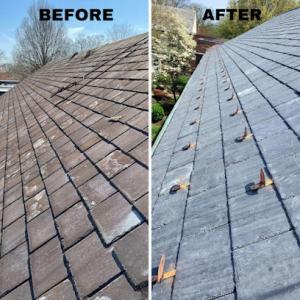
Springfield Roofing
(703) 354-3229 springfieldroofing.com
5605A General Washington Dr, Alexandria, Virginia
4.9 from 204 reviews
Get quality craftmanship from Springfield Roofing & Sheetmetal. We have over 25 years of experience as your local roofing contractors. We also have experience as siding contractors and gutter contractors. Whether your need quick roofing repairs from a leak or need a roof replacement, we have got you covered. We can even install vinyl siding or wood siding, to get the look you desire for your home. We install aluminum, copper, galvanized, and stainless-steel gutters and downspouts. Contact us today and let’s get you started on improving your home!
Lyons Contracting
(703) 299-8888 lyonscontracting.com
4930 A Eisenhower Ave, Alexandria, Virginia
4.9 from 169 reviews
Lyons Contracting is a leading roofing company dedicated to providing exceptional service and craftsmanship. With our extensive industry expertise, we specialize in a diverse range of roofing solutions customized to meet the unique needs of our clients. From precise roof installations and replacements to effective repairs and ongoing maintenance, we prioritize excellence in every project we handle. Using only the best quality materials and hiring skilled professionals, we uphold our commitment to superior workmanship and customer satisfaction. Whether it's residential or commercial properties, we ensure that each roof we work on not only meets but exceeds expectations, offering long-lasting and dependable solutions.
Hyper Roofing
(703) 952-5216 hyperroofing.com
2461 Eisenhower Ave #4, Alexandria, Virginia
5.0 from 35 reviews
Hyper Roofing is a premier roofing contractor in Alexandria, VA, established in 2021. Renowned for exceptional craftsmanship and reliable service, we specialize in residential and commercial roofing solutions, including installations, repairs, and maintenance. Our team is committed to using top-quality materials and innovative techniques to ensure lasting results. Trust Hyper Roofing for expertise, integrity, and a dedication to exceeding customer expectations. Your roof, our priority!
GoTech Roofing
(703) 417-9200 gotechroofing.com
7420 Heatherfield Ln, Alexandria, Virginia
4.9 from 39 reviews
"Founded by Julian Stevens over a decade ago, GoTech Roofing has established itself as the Number 1 Provider of Roofing Services in Northern Virginia. We provide roof repair and roof replacement services with a real focus on customer satisfaction. We are a Virginia Class A Contractor and fully insured with Workman's Compensation and Liability Insurance. GoTech Roofing provides each and every client with an incomparable roofing experience through our outstanding customer service and exceptional quality. With our GoTech Proprietary Customer Service-Oriented Roofing Process you can skip the headaches, schedule delays, lack of contractor communication, cost increases, and nonsense – we handle every roofing project detail from start to finish."
First Class Exteriors & Home Remodeling
(240) 419-8717 firstclassext.com
7909 Eagle Ave, Alexandria, Virginia
5.0 from 15 reviews
At First Class Exteriors, we ensure that our exterior contractors, serving the DMV ( DC, MD, VA) area neighborhoods across the mid-Atlantic, are the absolute best in delivering top-tier roofing and exterior services. We have more than 15 years of combined experience within the industry to our credit. Our team are fully trained, certified professionals, as First Class Exteriors is a fully Licensed, Bonded & Insured contractor who treats you, the homeowner with first class experience.
ASA Contracting
(571) 400-9534 www.asacontractinghome.com
5680 King Centre Dr suite # 600, Alexandria, Virginia
4.5 from 17 reviews
ASA Contracting is a Contractor located in Alexandria, VA. We offer Painting, Gutter Services, Power Washing, Roof Repairing, Gate Repair, Exterior Painting, Interior Painting, Deck Painting, Deck Maintenance, Flooring, and other Remodeling Services. The foundation of this commitment was over a decade of industry experience, covering the ins and outs of roofing, construction, project management and more. With this knowledge, our team is able to effectively solve problems, prevent errors from occurring and communicate clearly, always keeping our clients and partners informed. We recognize the value of family as a business owned and operated by women.
Britts Roofing
(703) 836-0854 www.brittsroofingalexandria.com
Alexandria, Virginia
4.6 from 12 reviews
Since 1985, Britts Roofing is a Class A Contractor in Old Town Alexandria. We maintain and repair Copper, Tin, Slate Roofs; Flat Roofs Specialists including all Paint & Coatings. A Green Company, Historic Roof Preservation. Call Now.
Alexandria Roofing
(703) 354-3531 alexandriaroofing.com
601 King St #400, Alexandria, Virginia
4.0 from 16 reviews
We pride ourselves in providing customer support that goes above and beyond. Family owned business since 1989. Contact us for a free estimate. We specialize in shingle, flat, imitation slate, metal, slate roofs, and repairs.
In historic rowhouse clusters, leak paths rarely follow a single straight line. Party-wall transitions, parapets, chimneys, and rear additions all kiss the same roof deck, creating hidden seams where moisture sneaks in. The result is a web of potential entry points that behaves differently than a stand-alone suburban roof. You may notice water showing up far from the obvious throughline, or at low spots where multiple roof planes meet. When storm-driven rain pounds a tight city roof, salt air and humidity can accelerate deterioration around flashings, vents, and mortar joints. Expect that detection will require stepping back from a single leak sighting and tracing through the attic and concealed areas to locate the true origin.
Tight lot lines and alley access in older parts of town complicate even basic tear-off work. Debris handling gets heavier when a contractor must navigate constrained spaces, and material deliveries can stall if a truck cannot back into a shared alley. If a leak is suspected near a party wall or at a dormer on a narrow rowhouse, the crews may need to shift heavy equipment across adjacent properties or use smaller, more labor-intensive methods. The consequences of restricted access aren't just delays; gaps in staging can leave portions of the roof vulnerable to wind-driven rain during a storm or after a heavy downpour while work is in progress. Plan for careful coordination with neighbors and consider temporary protection on exposed areas if a repair window is prolonged.
Homes in this area often feature multiple additions and various roof ages stacked over time. A leak may trace to a historical roof section while newer porches, dormers, or low-slope additions create their own vulnerabilities. Transitions between shingles, metal flashings, and flat sections can be the first place moisture finds a path inward. A thorough investigation should include inspection of all transitions across old and new work-chimney flashings, step flashings where a new dormer abuts an existing plane, and the joints where porch roofs meet the main envelope. Expect to follow moisture up from the attic through concealed channels, rather than addressing a single obvious drip line.
Storm damage can overwhelm a homeowner when rain returns through unseen seams, especially after a season of high humidity. When documenting, photograph each suspect zone-parapets, chimneys, and rear additions-from multiple angles and note the direction of water intrusion during a storm. Keeping a simple timeline of when the leak first appeared, what weather preceded it, and any subsequent rainfall helps when communicating with an insurer or adjuster. In neighborhoods where leaks travel along hidden routes, dry-in efforts and temporary coverings should be documented as part of the response to minimize further interior damage before a permanent fix is implemented. A careful, methodical approach reduces the risk of missed problem areas and unexpected costs down the line.
Find specialists in TPO, EPDM, and built-up flat roofing systems for residential and commercial properties.
Impact Roofing & Renovations
(703) 329-2959 impactroofing.solutions
5940 Craft Rd, Alexandria, Virginia
5.0 from 142 reviews
Springfield Roofing
(703) 354-3229 springfieldroofing.com
5605A General Washington Dr, Alexandria, Virginia
4.9 from 204 reviews
Lyons Contracting
(703) 299-8888 lyonscontracting.com
4930 A Eisenhower Ave, Alexandria, Virginia
4.9 from 169 reviews
Asphalt shingles remain the default in this city's broad housing stock. They fit the varied rooflines you'll see on narrow rowhouses and wider principal roofs alike, and they align with typical cost expectations in the market. In hot summers, ventilation and proper attic airflow become critical to prevent premature buckling or curling, especially on roofs that absorb a lot of heat. When you're re-roofing after a storm, make sure the fasteners are secured to solid sheathing and that ridge and fascia details are sealed against wind-driven rain. A strong underlayment and a well-ventilated soffit system help keep moisture out of the attic during heavy humid months. If you live in a two-story row of homes with close-proximity eaves, confirm that the roof deck is flat and free of loose nails before laying new shingles to avoid interruptions from deck irregularities.
Metal roofing is a practical option for homeowners who want longer service life and easier shedding of rain and leaf debris, particularly on steeper roofs or on older homes where repeated asphalt replacement would be undesirable. In these cases, metal can offer superior performance during heavy storms and a quicker installation window, which matters when the storm season is active. Ensure the roof is properly tied into the existing drainage and that penetrations are sealed with corrosion-resistant flashings. On older framing, confirm the structure can handle the added weight and that the fastener pattern minimizes the risk of leaks at corners and around chimneys. Aesthetics matter in older neighborhoods, so coordinate profiles and colors with nearby homes to maintain the visual rhythm of your block.
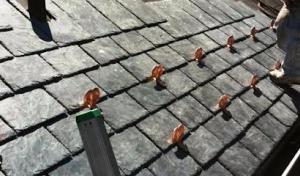
Tile, wood shake, and synthetic products appear in pockets of the city's diverse architecture. Tile can provide long life, but it brings notable weight; verify that the existing framing supports the load and that the deck is in sound condition. In areas with historic or visible rooflines, choose a style and color that harmonizes with neighboring homes to respect the neighborhood character. Wood shakes offer a classic look, yet require meticulous maintenance to resist moisture damage in high-humidity environments; consider a treated or rot-resistant option and plan for periodic resealing. Synthetic shingles mimic the appearance of natural products while often delivering lower maintenance and easier installation, which can be appealing on older rooftops where framing and ventilation details demand careful compatibility checks. In all cases, verify that ventilation and flashing are upgraded to modern standards so that storms don't overwhelm the roof's defenses. If a steep pitch is present, ensure the chosen material and installation method address wind uplift and debris shedding without compromising the historic sightlines of nearby structures.
After a storm, prioritize quick inspection of flashings around chimneys, skylights, and valleys. Look for lifted shingles or tiles and signs of water intrusion in the attic. For older homes with mixed materials, coordinate replacement choices to avoid mismatched weights and thermal behavior. Documentation of the roof's condition, including photos and notes on any pre-existing issues, will help when discussing repairs with an insurer. When choosing materials, consider how the roof will shed debris and withstand freeze-thaw cycles while preserving the character of surrounding homes.
In dense older blocks and rowhouse layouts the roof is often hard to reach, with limited driveway space and narrow alley access. Tear-off crews must protect sidewalks, landscaping, and adjacent attached homes, which adds time and equipment needs. Expect higher daily labor because multiple small sections must be staged rather than one simple sweep. This is a real Alexandria reality that adds hours to a project and nudges the bottom line upward. Access often dictates the sequence of work, so crews may rotate through several short shifts rather than a single continuous block, increasing supervision and mobilization costs.
The mix of dormers, chimneys, skylights, and low-slope rear sections common to this city means more penetrations to seal and more specialty work around valleys and vents. Labor intensity rises when roof edges follow awkward lines instead of a flat gable. A straightforward slope in a suburban outer area will not map directly to these properties, so expect extra crew hours and higher waste handling costs. Penetration-heavy roofs also demand careful flashing, step-fsituations around chimneys, and protected finishes to avoid gutters or brickwork damage, all of which adds to material waste and productivity downtime.
Regional storm surges in demand across Northern Virginia can push scheduling and pricing upward after hail and wind events, especially for repair-first emergency work that later converts to full replacement. If a storm hits, the shop may be juggling multiple urgent calls, which can compress lead times and raise material and labor rates. In these conditions, crews prioritize safety and speed, which can elevate waste disposal fees and necessitate additional protective measures for porches, rails, and delicate architectural details.
Material selection directly changes cost pressure. Asphalt shingles remain most common, but if heavier or more durable options like clay, concrete tile, or metal are used, handling, equipment, and waste disposal become larger line items. In this local market, shale and slate neighbors are rare but influence financing conversations and long-term performance expectations. Weight, wind resistance, and required underlayment or decking enhancements further shape installation time and crane or elevator needs for higher elevations or tight stair access.
Protecting sidewalks and managing gutters across several adjacent homes requires precise scheduling. Weather windows narrow in spring and fall, so plan for staged deliveries and potential contingency days to avoid damage during wind-driven rain events. Communication with neighboring homeowners matters, since a single unfixed access obstruction can stall an entire project. Centrally coordinating material deliveries, dumpster placement, and crane or hoist logistics reduces on-site delays and protects the street from wear during a multi-property tear-off.
Get a clear picture of your project costs upfront - no commitment required.
Alexandria Roofing
(703) 354-3531 alexandriaroofing.com
601 King St #400, Alexandria, Virginia
4.0 from 16 reviews
In this city, most re-roofs require a building permit filed through the City of Alexandria's Building Division. Contractors typically submit through the city's online permit portal rather than relying on paper filing, so you should expect digital documentation, timestamped approvals, and a clear trail of permit conditions. Knowing how the portal operates helps you track progress and respond quickly to any missing items the inspector might request.
The permit package usually includes siding or sheathing details, a plan view of the roof, underlayment specifications, ventilation details, and fastener patterns. The city's emphasis is on ensuring the entire system works together-underlayment, ventilation, and fastener spacing must align with both manufacturer instructions and local wind requirements. A contractor who can demonstrate clear alignment between product data sheets and the permit submission tends to progress more smoothly through the review process. Expect periodic updates or requests for clarifications via the online portal, and keep copies of all submittals and receipts in your records.
Field inspections commonly occur after tear-off and again after full installation. That structure means the project timetable is closely tied to city inspection availability, which can vary with weather and the permitting workload. On the tear-off stage, inspectors verify that the roof deck is sound, that any damaged sheathing is addressed, and that ventilation components are in place before new materials go down. After installation, the focus shifts to whether the installed system complies with underlayment, fastener patterns, and wind-resistance requirements. Scheduling should account for possible delays if inspections are not available on the exact day anticipated, and some neighborhoods may experience longer lead times due to historic districts or tight street access.
Inspectors zero in on underlayment class, attic ventilation adequacy, and the pattern of fasteners for the chosen roofing material. Wind-related installation requirements are a particular point of scrutiny, given local exposure to seasonal storms. The contractor must satisfy both manufacturer instructions and city review without compromise. If a discrepancy appears between product guidelines and city expectations, expect a revision request or an additional inspection pass to verify compliance.
Coordinate early with the contractor to align the schedule with the permit timeline and inspection windows. Keep a file of permit approvals, submittals, and correspondence in case a field issue requires rapid resolution. Before the project starts, confirm that the chosen ventilation strategy and underlayment meet both the manufacturer's installation instructions and the city's wind and fastening criteria, so the installation can move through inspections with minimal back-and-forth.
After a storm hits, every angle of the roof matters. In this city's weather-claim market, you should photograph and record each slope, metal accessory, and interior stain the moment rain stops. A few seconds of delay can let evidence fade or be blamed on pre-existing wear. Tarp setups, even temporary, should be noted and dated. If a leak appears in the attic or along a chimney chase, capture it from multiple times of day and with a ruler or tape measure for scale. The goal is to build a mirror of the roof's condition that won't blur with time or repairs.
Insurers in this region often align contractor scopes with adjuster findings, so you benefit from line-item estimates and date-stamped photos that clearly separate storm-created openings from maintenance issues. Keep copies of every sketch, material spec, and note of the work as you discuss repairs. When you retry a small patch or a larger reroof, insist on a side-by-side comparison of what the contractor plans to replace versus what the adjuster recorded as damaged. The more detail you preserve-down to flashing color and fastener type-the less room there is for disputes about what was caused by the storm versus what was already failing.
Coverage decisions can hinge on roof age and mitigation details, so permit records and inspection sign-offs play a pivotal role in proving a roof was recently and properly installed. Collect wiring and attic ventilation notes, shingle or tile batch numbers, and any recent professional inspection reports. Store these with the storm photos in a dated folder. In a neighborhood with slate-adjacent roofs and dense rows, this paper trail helps demonstrate that a well-maintained, properly installed roof with sound ventilation was in place prior to the damage, reducing questions about long-term neglect.
Spring in Alexandria brings storm-driven scheduling spikes, so homeowners often compete for inspections, tarping, and replacement slots after regional wind and hail events. When a contractor arrives, expect a tight window to assess wind damage, flashing gaps, and any shingle uplift on cascade roofs that feed into narrow rowhouse lines. Prioritize a staged plan: first get tarping and temporary weatherproofing in place, then document damage with photos from multiple angles, and finally schedule a targeted timing for full replacement if needed. In narrow streets, crews may need access by alley or shared driveways, so clear a path ahead and confirm any neighbor coordination. Keep a log of any leaks or damp spots that appear after a storm that could inform the adjuster's notes.
Summer heat and frequent showers in Northern Virginia can slow installation pace and affect how crews handle shingles, sealants, and exposed decking during the workday. Plan for mid-morning starts to avoid the worst heat and to keep adhesive products from sagging in the heat. In older Alexandria rowhouses, ensure attic and under-deck ventilation is evaluated during interim work, since humid conditions can worsen condensation and obscure moisture behind stucco or brick façades. Have a clear plan for daily shutdowns during pop-up storms, and ask the crew to cover any exposed decking with breathable tarps to minimize sun damage and wind-driven debris between workdays.
Fall leaf drop from Alexandria's mature tree canopy can clog valleys and gutters, while winter freeze-thaw cycles can worsen small flashing and shingle failures before full replacement is possible. Schedule a fall inspection to clear debris from valleys, downspouts, and roof edge metal so water has a clean path to drainage. If temporary repairs are needed, request flexible sealing methods that resist wind-driven rain without trapping moisture beneath shingles. As temperatures drop, ensure crews verify attic ventilation and flashing integrity to prevent ice dams and accelerated wear once winter sets in.
In Alexandria, warranty value depends heavily on whether ventilation, underlayment, and fastening pass city inspection as well as manufacturer requirements. A complete package that meets the inspector's eye and the manufacturer's specs tends to yield longer, more defensible coverage after storms. If any of these elements are weak or unverified, the warranty is more fragile and harder to leverage when a claim arises.
Older homes with additions and mixed roof geometries make workmanship details more important than brochure-level material promises, especially around chimneys, skylights, and low-slope transitions. Pay close attention to flashing adequacy, transition details, and how the contractor integrates new material with existing structures. Poorly executed transitions often become the first leak points after heavy rain or seasonal humidity.
Because the local market includes many long-established contractors, homeowners can reasonably compare not just price but cleanup standards, response speed, and whether the installer can support warranty issues after storm seasons. Ask for a detailed post-installation contact plan, clear timelines for addressing damage, and documented follow-up visits. A dependable crew should offer a written warranty summary, including what is and isn't covered and how service requests are handled during peak storm months.
Prior to signing, request a walkthrough focused on ventilation paths, underlayment type, and fastening patterns visible at eaves and ridges. Confirm flashing around chimneys and skylights is continuous and properly sealed. Ensure the installer commits to a moisture barrier and proper attic ventilation plan that aligns with the roof geometry, and that any repairs to old sections are coordinated so the final roof looks cohesive and behaves as a single system.
Storm damage on older row houses with chimneys and low-slope sections can escalate fast in this climate. In practice, the right local roofer spots leaks quickly, differentiates between flashing, venting, and deck failures, and can set up a temporary containment that prevents water from migrating into neighboring homes. Prioritize contractors who arrive with a plan for rapid tarp deployment, safe debris handling, and targeted repair that buys you time while a longer-term solution is developed.
When your roofline runs tight against a neighbor, or when a rear addition creates an irregular surface, the best crews bring hands-on familiarity with chimney flashing, crickets, and staggered eaves. Look for a roofer who can walk the roof with you and point out potential trouble spots specific to older construction, such as slate-adjacent textures, vent stack seals, and low-slope transitions. A capable crew will document every exposure and propose discrete fixes that respect the existing architecture rather than a one-size-fits-all replacement.
Prepare for a detailed, house-specific assessment that supports your insurer's review. A good contractor will deliver a written scope with clear line items for flashing, underlayment, and any penetrations around chimneys or dormers, plus a realistic repair timeline. Expect to produce or confirm photos of the damage, dated with a concise narrative, so the insurer can correlate it to the on-site findings. The right roofer will coordinate this documentation, ensuring it matches the insurer's expectations and your home's particular roof geometry.
Alexandria neighborhoods demand careful debris management and neighbor courtesy. Require a plan for debris containment, protective barriers along driveways, and daily cleanup during work; this reduces disruption and protects adjacent homes. Emergency leak response capacity should be verifiable, with a crew available for tarping or quick fixes within 24 hours after notice, and an on-call path for after-hours leaks.
Ask for local references who own similar homes and can speak to performance over time on older roof assemblies and chimneys. Verify warranties and whether the contractor will stand behind repairs that address the unique nuances of Alexandria's housing stock.
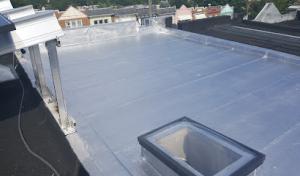
In this market, skylights sit in a web of flashing that often folds around dormers, rear additions, and porch transitions. Older homes with a main pitched roof and lower-slope sections tend to develop leaks first at those transition points, where differing materials and roof planes meet. A skylight isn't just a hole in the roof; it sits inside a layered system that must seal against wind-driven rain, humidity, and temperature swings. If the flashing around a skylight isn't integrated with the surrounding lower-slope area, you will see more frequent, stubborn leaks after heavy storms or rapid freeze-thaw cycles.
When replacement or significant repair is planned, treat the mixed-slope zones as one water-management system rather than isolated repairs. A skylight near a rear addition or dormer should be evaluated alongside the entire transition to the main roof deck. Look for mismatched materials, shifting fasteners, or degraded sealant that can push water toward the flashing rather than away from it. In practice, this means documenting how water travels across the roof surface during a monitored rain test and tracing it to any weak links at transitions. The goal is to create continuous drainage with staggered overlaps that minimize pressure points at corners and joints.
If a leak suggests a skylight issue, prioritize a full assessment of the surrounding low-slope area first. Confirm that the skylight's curb height aligns with the slope of the adjacent roof so runoff doesn't pool at the base. Insist on inspecting the flashing membrane where the skylight meets the lower slope and any dormer or porch connections. Even when only one element shows damage, plan repairs in a way that preserves the integrity of the entire water path. A thoughtful reflash or coordinated replacement of the skylight with the adjacent transitions can prevent repeated repairs and preserve the roof's overall performance.
Find contractors experienced in skylight installation, flashing, and leak repairs to bring natural light into your home.
AROCON Roofing VA
(571) 688-5393 www.aroconllc.com
950 N Washington St, Alexandria, Virginia
4.9 from 256 reviews
Springfield Roofing
(703) 354-3229 springfieldroofing.com
5605A General Washington Dr, Alexandria, Virginia
4.9 from 204 reviews
Lyons Contracting
(703) 299-8888 lyonscontracting.com
4930 A Eisenhower Ave, Alexandria, Virginia
4.9 from 169 reviews
In this city, Alexandria sits within the Northern Virginia weather pattern of hot humid summers, cold winters, and periodic severe storms, creating year-round roofing stress rather than a single dominant season. Humidity can accelerate moisture intrusion in older roof assemblies, while winter cools can drive freeze-thaw cycles that crack flashing and joints. Heavy summer storms, hail, and wind gusts test brick moldings, eave boards, and valley metal, so a roof that seems fine after a dry spell may still be vulnerable to hidden damage. Expect rapid changes in conditions to influence how quickly leaks appear after a storm and how soon repairs should be addressed.
The city blends dense historic neighborhoods with older housing stock and newer pockets that may have modern sheathing and different venting needs. Rooflines vary sharply within a small geographic area: slate-adjacent profiles, steep pitches on rowhouses, and occasional flat or low-slope sections in older commercial-adjacent blocks. This mix means that what works on one block may not be suitable next door. Materials used in historic districts often reveal their age through curling shakes, sunken tiles, or cedar deterioration, while newer pockets may display different wear patterns tied to local tree cover and fall leaf debris.
When a storm hits, start with safety and map out where water enters the home. Photograph interior and exterior damage before any tarping or temporary fixes, then keep a running log of dates, times, and weather conditions. Leaks in older roofs can travel along torogenous paths, so check attic spaces for staining, condensation, and unusual warmth around flashing. For insurance-backed repairs, compile a thorough history: the roof's age, prior repairs, visible damage, and any contractor recommendations. If a claim is plausible, present clear evidence of wind or impact damage, including close-up photos of missing shingles, lifted edge metal, and compromised underlayment.
Create an organized folder of roof-related documents and photos, refreshed after significant weather events. Maintain a simple annual checklist for attic ventilation, flashing seals, and signs of moisture intrusion, especially around valleys and chimneys. When suspicions arise, err on the side of documenting early and engaging a trusted local roofer who can interpret how the mix of historic and newer components affects repair strategy. A well-kept record helps streamline conversations with insurers and accelerates decisions about evaluation, repair, or replacement.