
Last updated: Apr 19, 2026
Spring thunderstorms roll through with quick downpours and gusty bursts that can catch unprepared roofs off guard. In Mechanicsville, heavy rainfall events cluster around late spring with sudden shifts in wind, increasing the risk of shingle lift, flashing issues, and exposed nail heads. As summer heat settles in, humid days can slow dry-out after a storm and mask minor leaks until a storm recharges the air. Come fall, tropical-system wind and rain can arrive with little warning, turning a routine roof inspection into an emergency repair scenario as shingles peel back or fascia boards loosen under sharp, gusty gusts. Projects stalled by wet weather are a common pattern here, and that interruption often compounds water intrusion from previously unnoticed damage. Being aware of these cycles helps homeowners anticipate when vulnerabilities are most likely to surface and act fast when storms hit.
In this market, wind-driven damage commonly appears as lifted shingles, blown-off edge rows, and torn underlayment along rakes and eaves. Hail can show up as irregular divots or pitting on smoother surfaces, sometimes hiding behind debris until a thorough inspection is done. Because humidity can disguise moisture, leaks may not be obvious until after several hours of steady rain or when cool air meets a still-wet attic. Contractors often see a surge in calls after a heavy downpour that follows a long dry spell, when existing micro-damage finally leaks. In fall, wind gusts from tropical systems can cause rapid onset leaks in valleys, around chimneys, and along joints where sealants have aged. This pattern-wind-driven damage followed by delayed moisture-is especially common in established Mechanicsville homes with asphalt shingles and occasional higher-end systems like metal, slate, or tile.
Virginia insurers in this region commonly handle wind, hail, and storm-related roof claims, and claim activity can spike after regional weather events. A key reality: insurers often request prior photos and detailed damage documentation for wind and hail losses. Without solid before-and-after records, coverage decisions can hinge on what existed prior to the storm. Keeping date-stamped roof condition records before storm season is a practical safeguard. This means capturing current condition, noting any pre-existing flaws, and organizing a simple timeline of past repairs and maintenance. When a claim is filed, those records become a critical reference to prove what occurred as a direct result of a storm versus pre-existing wear.
Create a simple, dated photo log of all major roof features: shingles, flashing around chimneys and vents, valleys, gutters, and fascia. Include wide-angle shots of the entire roof and close-ups of suspected weak points. Store copies in cloud storage and on a local device, with a clearly labeled folder by date. After each significant thunderstorm, snap photos of any new signs of damage and note the storm's date, intensity, and duration. If visible damage is found, document with a time-stamped note describing how it could affect interior spaces-especially ceilings, attic spaces, and upper walls. A running ledger of maintenance tasks and professional inspections builds credibility for any insurance review.
During storm seasons, perform a rapid, proactive inspection in dry weather, focusing on weak points like roof-to-wall junctions, skylights, and vent penetrations. After a storm, inspect promptly once safe to do so; document findings thoroughly and contact a qualified local roofer to assess hidden damage. Signaling urgency to insurers early can prevent delays in claims processing and ensure that necessary repairs are scheduled before secondary damage compounds the problem. For homeowners with higher-end systems, recognize that complex roof assemblies may mask issues under a storm's wake; schedule targeted inspections of metal, tile, or slate components that can fail quietly under wind-driven water intrusion.
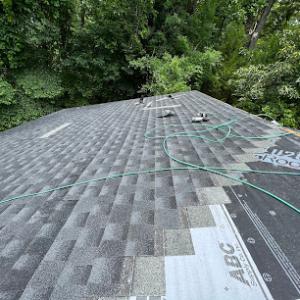
Hanover Homes & Roofing
(804) 813-0491 www.hanoverhomesandroofing.com
10479 Quail Haven Ln, Mechanicsville, Virginia
4.9 from 46 reviews
Hanover Homes and Roofing is a locally owned, fully licensed and insured Class A roofing contractor you can trust. We take pride in serving our community with honest advice, quality workmanship, and crews who show up on time and treat your property with respect. We handle roof repairs, full replacements, and new construction roofing, working with shingle, EPDM, and TPO systems for both residential and commercial properties. From single-family homes to apartment buildings and offices, we build roofs that are made to last. We also offer gutter replacement to help protect your home from water damage. If your roof has been damaged by a storm, we walk you through the insurance process and can handle all associated repairs, not just roofing.
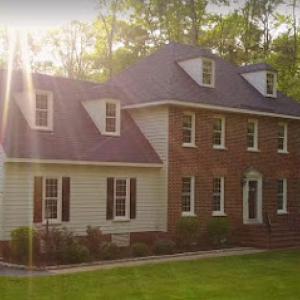
Martin Roofing Company
8005 Creighton Pkwy Ste C, #707, Mechanicsville, Virginia
4.3 from 4 reviews
Central Virginia’s custom roofing specialists. From preparation to clean-up, we perform all work to perfection and our superior quality workmanship is guaranteed. Family owned and operated. We specialize in handling residential and commercial projects. Our years of experience enables us to provide you with options and solutions to any roofing problem. We can act as both a subcontractor or as the prime contractor on re-roofing or renovation projects. It’s easier making a decision on your roof when you have a staff who knows the business. We’ll answer your questions in layman terms, and solve all your roofing needs quickly and professionally.
Woodel Roof Systems
(804) 800-5959 www.woodelrs.com
Serving
5.0 from 81 reviews
Welcome to Woodel Roof Systems! We're a roofing company that has served homeowners and businesses in and near Ashland, VA, since 2020. With 39 years of experience under our belt, we draw from our expertise to provide you with effective roofing solutions. We pride ourselves on being members of the Virginia Association of Roofing Professionals. Our team always prioritizes quality over quantity so you can rest easy knowing that your property will be treated with the utmost care.
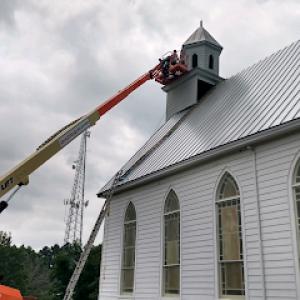
DeShazo & Son Roofing
(804) 262-1177 www.deshazoandsonroofing.com
Serving
4.9 from 157 reviews
DeShazo and Son Roofing, Inc. has served Henrico County, VA, and the greater Richmond area for over 60 years, specializing in expert roofing services. As a Class A contractor, we handle residential and commercial projects of any scale with professionalism and care. Our experienced team focuses on delivering quality workmanship, ensuring your satisfaction with every job. We proudly offer asphalt shingle services in Henrico County, VA, providing durable and reliable roofing options tailored to your needs. We source all materials and contractors locally, supporting our community while delivering exceptional results. Contact DeShazo and Son Roofing for trusted asphalt shingle roofing expertise in Henrico County, VA.
Skyfall Exteriors
(804) 773-1624 www.skyfallexteriors.com
Serving
4.9 from 45 reviews
We are a family-owned roofing company with over a decade of industry expertise. Since 2018, we've proudly served homeowners across a wide range of communities across the Richmond area. Guided by our core values of quality, integrity, and a customer-first approach, our dedication has earned us the loyalty and trust of our clients. Our commitment to excellence ensures that every project is completed with the highest standards of craftsmanship and attention to detail. With integrity at the heart of everything we do, our team of certified professionals is devoted to restoring your home to a better condition than before while providing a smooth and stress-free experience from start to finish.
Erie Home
Serving
4.8 from 234 reviews
Since 1976, Erie Home has manufactured, supplied, and installed the best-performing roofing on the market. By providing ironclad warranties and convenient financing, we ensure that every homeowner we work with receives top quality service and value for their homes and properties. Erie Home professionals are the roofing company of choice in the greater Richmond, VA area. Whether you need roof inspections or roof damage repair services, Erie Home has been the go-to roofing contractor for nearly 50 years because of our attention to detail and dedication to making sure our customers are satisfied with their results. Contact us today for a quote and see why we're the trusted roofing company Richmond counts on.

Hermitage Roofing
(804) 203-2827 hermitageroofing.com
Serving
4.6 from 69 reviews
Hermitage Roofing, Inc provides commercial roofing, roof installations, roof repairs, and specialty roof repairs to the Central Virginia area!
4 Seasons Roofing
Serving
4.8 from 63 reviews
4 Seasons Roofing, LLC is a locally owned and operated roofing company proudly serving Richmond, Glen Allen, Henrico County, and the surrounding communities. We provide expert roof repairs, complete roof replacements, storm and wind damage restoration, leak detection, flashing repairs, gutter solutions, and preventative maintenance. Our team is committed to fast, reliable service, clear communication, and top-quality workmanship on every project. Whether you need an emergency repair, a full reroof, or a professional inspection, you can count on 4 Seasons Roofing, LLC for honest recommendations, fair pricing, and long-lasting results.
Mighty Dog Roofing of Richmond
(804) 376-8955 www.mightydogroofing.com
Serving
4.9 from 107 reviews
When it comes to your home’s exterior, Mighty Dog Roofing delivers top-of-the-line services matched with the neighborly customer care our clients have come to love. Our team of skilled experts will conduct a free, detailed inspection of your home, treating it as our own. Whether your home needs a simple repair or a full roof replacement, expect to receive the transparent guidance you deserve. Whatever the case, our team will work to meet your safety and budget needs. We take pride in operating with quality materials, hiring skilled roofers, and providing our customers with a high-quality experience. See for yourself; our reviews say it all. Schedule your free, home inspection today!
IBC Roofing
Serving
4.9 from 77 reviews
At IBC Roofing Richmond, we take pride in offering world-class roofing solutions to both residential and commercial customers throughout the Richmond area. We are prepared to handle just about anything your roof might need, and we offer service that is both fast and completely focused on quality for a job done right.
Richmond VA Roofing
(804) 621-5404 www.richmondvaroofing.com
Serving
5.0 from 63 reviews
Richmond VA Roofing is a new roof, roof replacement and roof repair contractor for the greater Richmond VA area. We also serve the surrounding areas such as Chesterfield, Powhatan, Henrico, Mechanicsville, Petersburg and more. With Richmond VA Roofing's knowledge, experience, and expertise in roofing, we will meet the needs of all of our clients. We take pride in our work, and strive for perfection on each roof. We accurately complete each job with ultimate care and excellent customer service. Our roofing services will keep your home or office looking new for years to come. Even if you are looking to repair your current roof, Richmond VA Roofing will be there to complete the task!
Old Dominion Roofing & Construction
(804) 225-7164 www.olddominionroofing.com
Serving
4.5 from 11 reviews
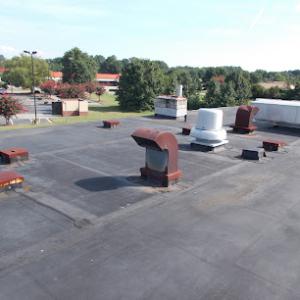
Specializing in all types of low sloped roof repairs PVC, TPO, EPDM, Standing Seam Metal and Built-Up Roofing. Call for a free quote today!
Spring in Hanover County brings a welcome break from the heat, but it also carries its own challenges for roofing in Mechanicsville. The period when the air is a bit cooler and the humidity is rising often provides the most favorable conditions for installation work. Dry days are essential for shingle adhesion and for accurate decking inspection after the long winter. If a project starts in early spring, crews typically benefit from longer daylight hours and more predictable temperatures, which helps with sealing and nail setting. Plan ahead to target mid-spring or late April through May when the risk of a sudden cold snap has begun to lessen and the ground has dried out after late winter moisture. This window allows crews to complete tear-offs, sheathing checks, and initial reroofing without the heavy heat that can complicate material handling.
In Mechanicsville, spring thunderstorms can arrive quickly, sometimes forcing a pause in work to protect exposed decking. Heavy rainfall, gusty winds, and sudden temperature shifts can slow tear-off schedules and push back shingle installation timelines. If crews must halt mid-project, decking exposure may occur for longer than expected, which increases the risk of moisture intrusion and wood damage. To minimize disruption, homeowners should align with the crew on a staged plan: prioritize decking inspection and underlayment installation during dryer windows, then schedule the final shingle laydown for a stretch forecasted to be drier. Having a small, weather-ready storage area on site helps protect materials during a sudden rain event, and keeping a backup plan for an extra day or two can help maintain momentum when weather delays are unavoidable.
Summer heat and humidity can slow handling and drying times, particularly for organic materials or lighter underlayments. In humid, thunderstorm-prone climates, asphalt or metal installations may require more frequent pauses to prevent heat-related material distortion or worker fatigue. If a summer project is unavoidable, plan for early mornings and late afternoons as core installation periods, with a mid-day pause to avoid the peak heat. This approach reduces the risk of asphalt shingles softening or curling in extreme heat and helps maintain consistent fastening across the roof plane. Expect potential minor delays tied to heat advisories, and coordinate with a local crew who understands how humidity can affect nail guns and fastener setting.
Fall can still be disrupted by tropical-system wind and rain reaching central Virginia, so homeowners booking in Mechanicsville often need schedule flexibility even during the preferred season. Early autumn often yields stable conditions, but the tail end of hurricane season can bring unseasonal gusts and wet days. The best practice is to target mid-September through October for the bulk of the work, with contingency dates set aside for post-tropical storms or quick cold snaps. Early fall weather tends to be ideal for tear-off and underlayment work, while final shingle installation benefits from the cooler, more predictable daytime temperatures. Communicate clearly with the crew about preferred windows and potential rain dates, so the project can shift smoothly without sacrificing quality or warranty considerations.
In all seasons, accurate timing hinges on clear, proactive communication with the roofing crew and a realistic on-site plan. Track weather forecasts with a local eye on the upcoming 7-10 days, and build in buffer days for decking checks after removal. If a storm threatens, designate a weather-appropriate plan for safeguarding interior spaces and for securing loose materials. For established suburban homes in the area, coordinating with neighbors about access and any temporary protective measures can prevent small delays from becoming bigger ones. The goal is to maintain steady progress through mechanicsville's seasonal rhythm while protecting the deck and ensuring a solid, weather-resilient install.
Asphalt shingles dominate the local skyline, offering a reliable balance of performance and cost for typical Mechanicsville homes. In a climate with hot, humid summers and quick thunderstorms, shingle systems are appreciated for straightforward flashing details and ease of replacement. When choosing asphalt, look for UV-resistant coatings and a granule blend that tolerates driving rain and wind uplift. Ensure proper attic ventilation to control moisture buildup under the deck, which helps prevent premature shingle aging and ice-damming risk in shoulder seasons.
Metal roofing is increasingly common on established suburban properties and newer builds alike. It handles heavy rain and hail well and can provide a long service life with minimal maintenance. In humid conditions, corrosion-resistant finishes and proper edge detailing matter greatly. For Mechanicsville homes, metal works well when installed over solid decking with well-sealed flashing, especially around chimneys and high-contrast wall connections. Metal's reflective surface can also reduce heat transfer into the attic, aiding cooling costs but requiring careful ventilation to avoid condensation issues in the attic space.
Slate offers a premium look and excellent longevity, which suits some of Mechanicsville's higher-end neighborhoods. Heavier weight means structural considerations are essential, often paired with reinforced decking and, at times, specialized fasteners. Slate performs well in stormy weather if joints are carefully sealed and underlayment is properly installed to manage moisture. Because replacement can involve skilled labor, plan for precision installation and coordinated bids from experienced slate crews to keep flashing details watertight.
Clay tile brings Mediterranean character to select homes while delivering robust weather resistance. This material's weight, however, dictates structural compatibility and careful load distribution. In humid summers and storm-prone springs, proper underlayment and flashing around penetrations are crucial to prevent moisture intrusion. Clay tile roofs benefit from ventilation strategies that offset thermal expansion and contraction, helping to preserve both tile integrity and attic health.
Concrete tile sits between clay and slate in weight and offers good durability against moisture and wind. It handles the local climate well when installed with a thoughtful drainage plan and high-quality flashing. As with clay, the trade-off is structural support and the need for skilled installation to ensure proper alignment and sealant performance around penetrations and vents.
Wood shakes provide natural warmth but demand meticulous maintenance in humidity-heavy environments. Regular inspection of shake orientation, vented soffits, and flashings reduces moisture buildup and warping risk. In areas with intense storms, ensure fasteners and sealants are treated for weather exposure, and consider periodic treatment to resist mold and rot.
Across every roof type, attic ventilation is central in Mechanicsville's climate. A well-ventilated attic helps manage moisture from humid summers and storm-driven humidity, protecting decking, underlayment, and roof penetrations from hidden moisture damage. Proper moisture management supports longer roof life, clearer attic spaces, and a more reliable storm response after severe weather.
In Mechanicsville, replacement costs aren't one-size-fits-all because the local material mix ranges from common asphalt shingles to specialty slate and tile systems. Asphalt shingles remain the workhorse for most homes, but established suburban properties with older layouts may lean toward wood shakes, clay or concrete tiles, or even metal or slate. Each material has its own installation method, crew requirements, and accessory needs (underlayment, flashing details, ridge vents), which translates into noticeably different per-square price ranges. For example, asphalt shingles typically run lower on the spectrum, while slate and high-end tile push pricing upward. When budgeting, start by identifying the current roof's material family and then compare your contractor's line-item quotes for underlayment, flashing, ventilation, and ancillary components. Local crews specializing in specific materials can help avoid cascading costs from ad hoc substitutions or last-minute changes.
Storm-driven demand surges in this region can push pricing and scheduling tighter after wind and hail events, especially when many homeowners seek reroofing at once. In real terms, a busy week after a hail event may shrink contractor calendars, increase material lead times, and compress on-site decision windows. Expect faster timelines to skew higher due to overtime, expedited material delivery, or the need to secure temporary accommodations for homeowners during teardown and reinstallation. If you're timing a roof replacement after a storm, build a buffer into your plan for contractor availability and material backorders. You'll likely see a broader spread in quotes during peak demand periods; the spread tends to shrink once the surge subsides and crews re-balance their work. Stay in active communication with your chosen contractor about expected start dates, weather contingencies, and payment milestones to avoid budget creep.
The project scope expands beyond the shingles themselves once underlayment, flashing, ventilation, and final inspection are factored in. In this climate, proper underlayment choice matters for humidity resistance, and flashing around chimneys, vents, and dormers must be meticulously integrated to deter wind-driven water intrusion. Ventilation considerations-roof and soffit balance, intake and exhaust-drive small but meaningful cost adjustments and can affect long-term energy performance. Different materials require different crews: asphalt can be quicker and simpler, while metal, clay, or slate demand specialized labor and longer installation windows. Ask for a line-item breakdown that shows material costs, waste disposal, and any required temporary protective measures during heavy storm months. That transparency helps you compare bids fairly and manage expectations for total project cost.
Get a clear picture of your project costs upfront - no commitment required.
Old Dominion Roofing & Construction
(804) 225-7164 www.olddominionroofing.com
Serving
4.5 from 11 reviews
In this area, reroof projects operate under the rules of Hanover County's Building Department. The homeowner should expect that a full reroof typically requires a building permit issued through the county, and the process is designed to ensure safety, drainage, and proper venting are addressed before roofing materials go on. The roofing contractor usually pulls the permit for the homeowner on a reroof project in this jurisdiction, which places a lot of responsibility on the contractor to initiate the paperwork promptly and keep you informed about any additional county requirements. If the contractor misses a step, that delay can hold up your project or complicate the final inspections. Being proactive about confirming permit approval before materials arrive can save you from unexpected hold times.
Once the permit is filed, the county focuses on key safety and code compliance elements that affect your roof for years to come. Expect scrutiny of underlayment, flashing details around chimneys and skylights, and proper ventilation to prevent moisture buildup in hot, humid summers. In Hanover County, the permit process emphasizes these areas because they directly influence performance during storm events, which Mechanicsville experiences with regular thunderstorms. If you notice gaps in flashing or questionable underlayment, address them before the project advances. The permit acts as a formal record that those specifics meet county standards.
Inspections in Hanover County occur during and after installation to verify the critical components are in place. The early inspection typically checks that the roof deck is sound, underlayment is correctly installed, and starter and edge details align with code expectations. A mid-project check may focus on protective measures around penetrations and adequate ventilation, ensuring that attic space remains properly vented to avoid heat buildup and moisture damage. The final inspection is essential for project closeout; only after the inspector signs off can the county close the permit and the project be considered complete. Delays in scheduling or correcting issues identified during inspections can extend timelines and complicate documentation for resale, so plan accordingly.
Because the permit governs so many weather-related concerns, coordinate closely with the contractor to align scheduling with inspection windows. If a storm pileup pushes work into the inspection period, you risk weather-related setbacks that can affect venting and flashing configuration. Keep copies of permit-related correspondence and inspector notices, and ensure the contractor provides you with a clear outline of inspection milestones. A well-documented process not only smooths the workflow but also strengthens defenses against moisture intrusion during the humid Richmond-area thunderstorm season. Remember, the permit and inspections are not bureaucratic hurdles; they are safeguards that help your reroof withstand Mechanicsville's distinctive climate.
In this part of Hanover County, wind and hail storms show up with enough frequency to influence how insurers view a roof's condition after severe weather. Claims aren't rare here, and adjusters are tuned to scrutinize storms that travel through the humid thunderstorm pattern you experience most summers. That means your roof is already under a spotlight the moment a storm passes, not weeks later when the memory of the event fades.
Adjusters handling regional wind and hail losses often want thorough damage assessment reports. The more detail you provide, the smoother the process can move, especially when the storm timeline is fresh and memories are sharp. Contractors who bring clear, professional documentation-photos, diagrams, and dated notes-tend to help you establish a credible narrative for what happened, when, and how it progressed.
Because insurers may ask for prior roof photos and maintenance history in this market, homeowners should document both storm damage and pre-loss roof condition. Take a reliable set of current photographs after any significant wind or hail event, and keep a simple log of maintenance or repairs performed in the past several years. If you've kept roof records, share them with the contractor and your adjuster to build a coherent story that supports legitimate claims.
When you file, prioritize a move-by-move, timestamped record of the damage: photos from multiple angles, weather notes from the day, and a professional assessment that matches those observations. In this climate, a well-documented roof history can be the difference between a straightforward settlement and a drawn-out dispute. A cautious, organized approach protects you from being caught off guard as the storm season rolls through the area.
In a humid, storm-prone climate like Hanover County, the two most consequential performance points are flashing and ventilation. Mechanicsville roofs that skimp on properly sealed flashing around chimneys, skylights, vents, and where roof planes meet walls are prone to early leaks after heavy rain or a thunderstorm. Ventilation that isn't sufficient or properly baffled can trap heat and moisture, accelerating shingle deterioration and causing ice-dam-like issues during rapid temperature swings.
Storm-driven wind and driving rain magnify the risk at penetrations. Leaks often begin at valley intersections, rake edges, and around exhaust vents if not sealed with durable, climate-appropriate materials. The humid Commonweath climate makes flashing joints and sealants age faster when exposed to frequent deluges. In Mechanicsville, transition zones such as eaves to soffits and under overhangs deserve extra attention, because moisture intrusion tends to creep in where ventilation pathways cross the roof deck.
The local contractor market shows meaningful demand for skylight and chimney-related roof work, indicating penetrations and tied-in components are recurring homeowner concerns. Poorly tied-in flashing around a chimney or skylight can channel water laterally across the roof deck, pooling at joints and along fastener lines. Regular inspection of these features is essential, especially after late-summer thunderstorms when wind-driven rain can exploit marginal sealants and shallow flashing pitches.
Look for stained patches along interior ceilings beneath suspected penetrations after storms, soft decking near valleys, and curling or cupping shingles at transition zones. In this market, a proactive homeowner checks for rust on metal flashings and pin-sized leaks around vent boots after heavy downpours. If flashing or ventilation components show aging or damage, address them promptly to prevent escalating water intrusion during the next storm season.
Find contractors experienced in skylight installation, flashing, and leak repairs to bring natural light into your home.
Hanover Homes & Roofing
(804) 813-0491 www.hanoverhomesandroofing.com
10479 Quail Haven Ln, Mechanicsville, Virginia
4.9 from 46 reviews
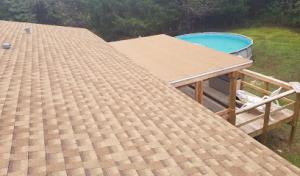
In this area, the local market leans toward reroofing rather than niche new construction. Homeowners commonly hire for replacement, repair response, and storm follow-up work after humid thunderstorm seasons. When a storm hits, the priority is a quick, reliable evaluation of the roof's condition and a plan that minimizes exposure to leaks during the waiting period. Contractors that can mobilize promptly, identify the most critical damage (penetrations, flashing concerns, sagging edges), and outline a pragmatic approach tend to rise to the top.
For rapid decisions after a storm, solid documentation matters. Take clear photos of affected sections, interior signs of water intrusion, and any visible hail impacts on flashing or shingles. Keep a simple time-stamped log of leak occurrences, attic condensation, and outside debris. A contractor-ready packet with photos and a short timeline helps establish need and scope, especially when weather windows limit access. In communities with established, long-standing firms and family-owned operators, being able to show a concise record often translates into smoother expedites and fewer back-and-forths.
In Mechanicsville, quick response and affordability are strong signals from contractors. Look for crews that can schedule rapid inspections, provide clear next steps, and commit to a transparent follow-up plan. Reputation matters: post-job cleanliness and reliability are valued, so choose companies that emphasize cleanup as part of the project and can reference local projects. A locally familiar team can navigate common storm-related issues, such as delayed materials due to weather and coordinating debris containment, without losing momentum on the repair.
Cleanup is a practical expectation in this market. Homeowners favor firms that leave the area spotless, dispose of debris properly, and offer a straightforward warranty stance. Family-operated teams often deliver the blend of personal accountability and consistent follow-through that makes long-term homeowners comfortable with repairs, replacements, and any needed follow-up after the storm season ends.