
Last updated: Apr 19, 2026
Waynesboro sits at the base of the Blue Ridge where mountain-driven weather changes can bring fast shifts from heat and humidity to wind-driven rain. Those swings push shingles, flashing, and sealants through repeated cycles of expansion and contraction. The result shows up as hairline leaks around vent boots, lifted shingles along eaves, and exposed nail heads after a long winter. Leaf debris from hardwoods and maples clogs gutters and valleys, increasing runoff pressure and promoting moss or algae growth in shaded sections. When storms arrive with fast winds, the edges of the roof take the brunt, and fragile flashings around chimneys or skylights can loosen. A practical telltale on roofs facing strong afternoon sun is consistent granule loss on the upper slopes, especially after a dry, windy day.
The combination of hot summers, cold winters, and moderate rainfall creates a rhythm of stress that repeats year after year. In summer heat, shingles and sealants warm and expand; in late autumn and winter, cold snaps cause contraction and possible micro-cracks in underlayment or nail corrosion. With this cycle, flashing around vents, skylights, and chimneys deserves annual attention, not just during a break-fix storm. A simple, proactive habit is to perform a mid-year exterior check after the hottest months. Look for lifted edges, loose nails, or dried-out sealant around joints. In late fall, before leaves accumulate, do a loose inspection and clear gutters and downspouts so snowmelt can drain freely. After winter storms, recheck for wind-driven misalignments and any thaw-refreeze damage on exposed ridges. If moss or dark staining appears on shaded sections, treat those areas to slow moisture retention that can accelerate rot.
Late spring through early fall is typically the best replacement window in Waynesboro because winter freeze-thaw and fall leaf season complicate tear-off and dry-in timing. Plan roof work for a stretch of dry weather with moderate humidity and enough daylight to complete a safe tear-off, proper dry-in, and clean-up in one visit when possible. If a winter project is unavoidable, aim for extended dry spells, use ample tarping, and schedule with flexible arrival and cure times to accommodate shorter daylight hours and higher wind risk along the ridge. When arranging work, clarify the sequence: remove existing material, inspect the deck, replace damaged underlayment, reseal flashing joints, and complete a moisture barrier check before installing the new surface.
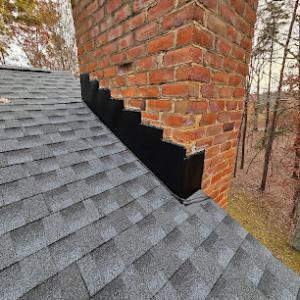
After a heavy wind or rain event, walk the perimeter along the eaves with a ladder only if safe, checking for lifted shingles, exposed nails, or gaps at the drip edge. Inspect vent boots and flashing around chimneys and skylights for separation or cracking. In loose, shaded, or wooded sections, look for moss growth or discoloration that signals moisture retention; address these areas to prevent further deterioration. Before the next storm season, confirm that attic insulation and attic ventilation are balanced, so temperature swings don't exaggerate condensation or ice dam risk on the roof edge. Simple, periodic upkeep keeps the mountain-driven cycles from accelerating wear and helps extend the life of the chosen roofing material.
Spring storms in Waynesboro bring the city's most important roof-loss pattern: wind and hail damage layered on top of existing age-related wear. The Blue Ridge winds whip across the South River gap, and hail often lands with enough force to bruise shingles, loosen granules, and crack edge flashing. That combination can masquerade as long-term deterioration if the storm impact isn't clearly visible and dated. You'll see more loss where roofs are already nearing the end of their life, but the result-leak paths, accelerated granule shedding, and lifted shingles-appears quickly after a hail event. Treat every spring storm as a potential trigger for legitimate claim damage, and prepare to separate fresh impact from the aging baseline.
Virginia insurers commonly review storm claims with adjuster inspection and may question whether damage is recent storm loss or long-term deterioration, making date-stamped photos especially important. The adjuster will look for fresh impact marks, newly lifted tabs, torn flashing, and new granule loss that aligns with a recent event rather than signs of years of sun and moisture. In practice, that means you need a meticulous before-and-after trail: clear photos of shingles with identifiable landmarks, local weather reports for the exact storm date, and videos showing rooftop damage from angles that highlight fresh impacts. Without solid timestamps, a claim can stall or be denied on the basis of pre-existing wear.
Because Waynesboro roofs also see freeze-thaw cracking and summer heat aging, homeowners need documentation that separates sudden storm damage from pre-existing shingle granule loss, brittle tabs, or old flashing issues. Freeze-thaw cycles can widen microcracks that look like new damage to an untrained eye, while summer heat can accelerate granule shedding that imitates wind-related loss. Collect a layered evidence set: granular comparisons from multiple angles, close-ups of edges and flashing, a dated roof-line video, and neighborhood weather notes for the event window. Label every image with the exact date and location, and keep the originals in a safe, accessible place.
Start by conducting a careful after-storm walk-around, noting any lifted shingles, dented gutters, or damaged vents. If you suspect storm damage, contact a local roofer who understands the terrain and climate stresses here, not just a national outfit. Ask for a detailed inspection report that distinguishes new impact from pre-existing wear, with annotated photos. When you're filing with insurance, present the timestamped documentation first, then add supplementary material that corroborates the storm date and severity. Acting quickly with precise records can stop the claim from getting tangled in a battle over what's new versus what's old, and protect the integrity of the roof for seasons to come.
Quality Enterprise
(540) 949-0566 www.qualityenterpriseinc.com
65 Whippoorwill Way, Waynesboro, Virginia
4.8 from 60 reviews
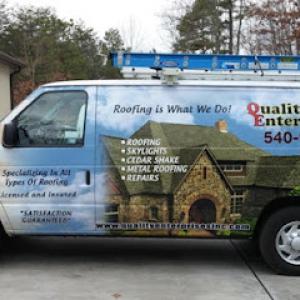
Roofing services in Waynesboro, Staunton, Fishersville, Crozet, Ivy and Charlottesville, Virginia You ask a lot of your roof. You ask it to stand out in the wind, rain and sun, 24 hours a day, 7 days a week, 365 days a year. You ask it to protect your family and possessions from the elements, no questions asked. Is your roof doing everything you ask it to? If the answer is no, it's time to call Quality Enterprises.

Baber Enterprises Roofing & More - Waynesboro
(540) 712-3512 www.baberenterprises.com
421 W Main St Suite 202, Waynesboro, Virginia
5.0 from 1 review
Baber Enterprises Roofing and More - Waynesboro is your go-to destination for comprehensive roofing solutions in Waynesboro, VA. Our team of expert shingle roofers is dedicated to providing top-notch residential roof repair, ensuring your home stays protected from the elements. As a leading commercial roofing company, we specialize in delivering durable roofing solutions for businesses while offering an extensive range of roofer supply options. Our skilled metal roofing contractors bring expertise and quality craftsmanship to every project, whether it's a metal roof installation or a roof repair. Trust us with your rain gutter needs and experience the excellence of our roofing contractors, who are committed to perfection in every job.
Valley Roofing & Exteriors
Serving
5.0 from 48 reviews
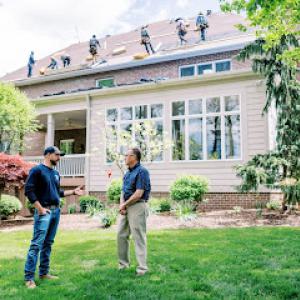
A roofing contractor you can trust. Valley Roofing & Exteriors is one of the most highly-certified, widely respected roofing companies in Stuarts Draft, Staunton, Waynesboro and throughout the Shenandoah Valley. We hold the highest GAF contractor certification and our professional team delivers superior installation and high-quality roofing materials, like metal roofing, asphalt shingles, copper, and more to homeowners and businesses across Central Virginia. We offer all types of home exterior services as well, including skylights, siding, guttering, roof repair, sunrooms, decks, porches and more. Choose Valley Roofing & Exteriors—We Make It Last A Lifetime.
Hi-Tech Siding
(540) 649-7436 hitechsidingandroofing.com
Serving
4.7 from 23 reviews
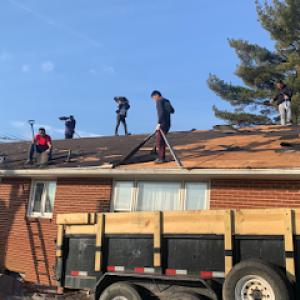
Roofing, siding, gutter or any exterior needs
Pitch Perfect Roofing
(540) 383-2351 www.pitchperfectroofingva.com
Serving
4.9 from 23 reviews
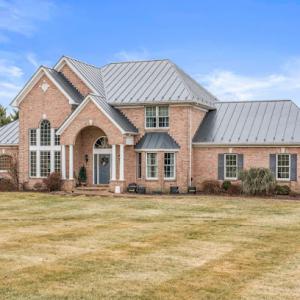
We Do Roofing Right. From replacing a few shingles to installing a new roof, Pitch Perfect Roofing is a roofing company that gets the job done on time and within budget. If your home or business is ready for a roof replacement or a new construction project, Pitch Perfect Roofing has you covered. Our experienced team can help with: - Residential & Commercial Roofing - Roof Installation - Roof Repair - Roof Painting - Roof Inspections - Siding Installation - Vinyl Siding - Hardie Plank - Cedar Siding - Metal Siding - Gutter Installation & Cleaning - and more! Contact us to schedule a free consultation in Harrisonburg, Staunton, Waynesboro and beyond.
Holloway Roofing
(540) 924-1553 www.hollowayroofingva.com
Serving
5.0 from 978 reviews
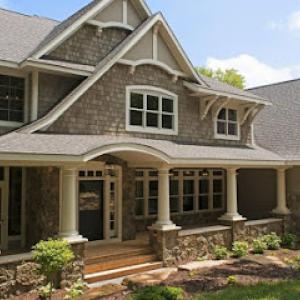
Your search for a reliable and affordable roofer ends with Holloway Roofing. Backed by 20+ years of experience, our licensed and insured roofing professionals are prepared to take on any service that comes our way, big and small. Equipped with state-of-the-art tools and technologies, we offer a comprehensive range of services, including roof repairs, roof installations, roof inspections, gutter services, and more. We have extensive experience working with all different types of roofing systems such as shingle roofs, metal roofs, flat roofs, cedar shake roofs, and copper roofs. As a proud recipient of the GAF President’s Club Award, we consistently adhere to the highest standards of service and never compromise on quality or safety

Sentry Exteriors
(434) 987-7880 www.sentryexteriors.com
Serving
5.0 from 148 reviews
Sentry Exteriors is your go-to expert for seamless gutters, gutter guards, gutter cleaning, gutter repair, and roofing services in Charlottesville, Ruckersville, Palmyra, Harrisonburg, Culpeper, Crozet, Waynesboro, Louisa, Orange, Stanardsville, and Elkton, VA. With nearly three decades of installation experience, we specialize in providing top-quality seamless gutter systems and roofing solutions that enhance the durability and appearance of your home. Our reliable gutter guards protect your home from debris and reduce the need for frequent gutter cleaning. Trust Sentry Exteriors to keep your home’s gutters and roof in top condition, providing dependable service throughout Central Virginia
Baker Roofing Company
(540) 442-7663 bakerroofing.com
Serving
4.8 from 13 reviews
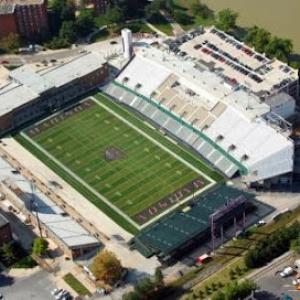
Baker Roofing Company, established in 1915, is a full service building envelope contractor recognized as one of the nation's leading roofing companies. Our team provides expert roof replacement and roof repair for commercial buildings and institutions. We are an experienced roofing contractor that will be around to stand behind our work for years to come.
Burns Builders Roofing
(540) 607-6911 burnsbuildersinc.com
Serving
4.7 from 52 reviews
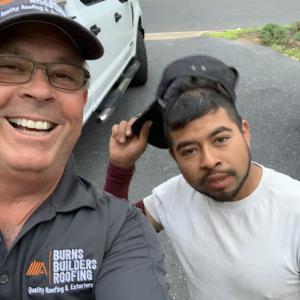
Burns Builders Roofing is a professional roofing contractor and construction company that provides residential clients with superior roofing and gutter installation services. Owner Bruce Burns holds the highest license contractor class, Class A #270515297. With many years of combined experience, Bruce and his team provide quality work to all customers, and we look forward to serving you next! Need a new roof? We offer high quality GAF shingles and a 50 year warranty as well as many different financing options. We serve the surrounding areas of Harrisonburg, Waynesboro, Staunton, Bridgewater, Grottoes and all of Rockingham and Augusta Counties! Licensed and insured - let us get you covered today!
Highest Roofing & Exteriors
(540) 560-9727 www.highestroofing.com
Serving
5.0 from 147 reviews
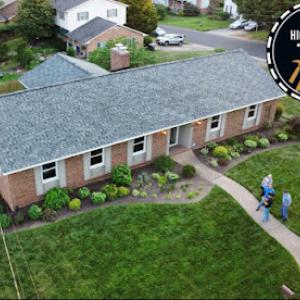
Highest Roofing & Exteriors is a leading professional roofing, siding, & contractor in the Harrisonburg, Virginia & surrounding areas. If you need experts in shingle roofs, metal roofing, roof repairs, vinyl siding or gutters, look no further. Our trained professional team is ready to install a new roof, new gutter system or new siding that will look great or repair any damages while adding incredible value to your home in the Harrisonburg, Virginia and surrounding areas. We use the highest-quality materials, customizable to fit your aesthetic, and we guarantee your satisfaction.
Apex Roofing
(434) 443-7663 apexroofingva.com
Serving
4.8 from 78 reviews
Apex Roofing is a trusted local roofing company serving central Virginia with high-quality residential and commercial roofing solutions. We specialize in roof repairs, roof replacements, new roof installations, storm damage restoration, and custom metal roofing. We are Master Elite® Certified, allowing us to offer 25-year workmanship warranties for added peace of mind. For commercial properties, we are Mule-Hide Certified, providing 20-year warranties on qualifying commercial roofing systems. Our team also installs custom metal roofs, delivering long-lasting performance and standout curb appeal. As a licensed and insured roofing contractor, we’re committed to honest inspections, skilled craftsmanship, and dependable service.
Wilfong Roofing
Serving
5.0 from 4 reviews
Wilfong Roofing is a family owned and operated business that has been serving Staunton and the surrounding areas for more than 30 years. We offer complete shingle and standing seam metal roofing at affordable prices. Need a repair? Give us a call, because no job is too small! Also ask About Our Written Guarantee on all work.
Asphalt shingles are the common backbone for many homes on the east side of the Blue Ridge. In this setting, summer heat and humidity can shorten the life of lower-grade products and underlayment, so you want a shingle that pairs a solid granule mix with a durable, weather-ready underlayment. If your roof faces strong sun or sees leaf debris from the surrounding hills, a mid-range or higher shingle with good moisture resistance and dimensional performance will hold up better through the freeze-thaw cycles and storm runoff that shape maintenance needs here. Look for shingles with asphalt compatibility for low-profile wind resistance and a sturdy fastening system to keep tabs on edge lift during gusty summer storms.
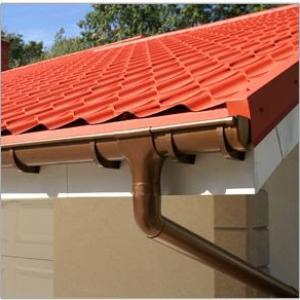
Metal stands out in the Blue Ridge foothill setting because it sheds rain, leaf debris, and snow more effectively on the steeper pitches common around this area. If your home features a roof with noticeable slope or a design that puts metal panels in visible sightlines, a properly installed metal roof can outperform other systems during the wet months and rapid temperature swings. Consider panels with a corrosion-resistant coating and a seamless flashing plan where roof-to-wall transitions meet the prevailing wind paths. Metal performs well with the seasonal leaf load and reduces runoff-related concerns, but fastening and accessory choices matter for long-term reliability in this climate.
Clay tile and concrete tile are favored on distinctive homes or those aiming for a refined curb appeal. In this region, their weight demands careful structural assessment and precise fastener layouts to accommodate freeze-thaw exposure and storm-driven moisture. Clay tends to be more brittle under extreme cold and rapid temperature changes, while concrete offers a broader color range and strong hail resistance. Wood shakes and synthetic products bring character, but moisture management becomes critical in this climate: shakes dry out and rehydrate seasonally, and synthetic materials rely on fiber blends and coatings that hold up against moisture and UV exposure. If choosing these routes, ensure proper attic ventilation, an upgraded underlayment system, and a sealing strategy that guards against ice dam formation and wind-driven leaks in exposed eaves.
Wood shakes bring a classic look that can elevate a home's presence along mountain-adjacent streets. However, in a place with freeze-thaw cycles and storm exposure, the installation detail-like proper nailing patterns, spacer gaps, and solid flashing-plays a bigger role in performance than on flatter city lots. Synthetic products attempt to combine the warmth of wood with improved moisture resistance, but they still require attention to airflow, condensation control, and suitable fasteners to resist wind uplift and freeze-thaw movement. If you lean toward shakes or synthetics, partner with a contractor who understands how the material behaves through hot summers and cold snaps, and who can tailor underlayment and ventilation to this specific climate.
Your home's architectural language-whether it leans traditional, craftsman, or modern-will influence the best roof choice in this terrain. The right system balances curb appeal with enduring protection against storm runoff, leaf debris, and seasonal weight shifts. Whichever path you pick, a well-executed installation that respects slope, moisture pathways, and edge detail will pay dividends in longevity and performance through the area's distinctive weather patterns.
Waynesboro's tree cover and proximity to the Blue Ridge make fall leaf accumulation a real roofing issue, especially in valleys, gutters, and behind chimneys. The mix of tall stands of oaks, maples, and hickories combined with mountain-driven winds means leaves don't just drift away after peak leaf drop; they settle, mat up, and cling to roof edges. In this setting, debris can create a moisture trap at the vulnerable points where shingles meet the flashing, the ridge, and the drip edge. Over weeks, that trapped moisture seeps into tiny gaps, accelerating wear and inviting moss or mildew in shady corners. The result is a subtle but steady erosion of the roof's protective line if the buildup isn't addressed promptly.
Intermittent fall rain in this shoulder season adds another layer of risk. Leaves collect into mats that can hold moisture along shingle edges and at vent penetrations or behind the chimney chase. As rain falls, the mat acts like a sponge, slowing drainage and increasing the chance of water backing up under shingle tabs. The longer that moisture sits, the greater the potential for edge curling and faster deterioration of sealants and lightweight starter courses. In practical terms, the roof isn't just shedding leaves; it's contending with a temporary pool that can undermine roof performance before you even notice the trouble.
Homes near wooded slopes and established neighborhoods are more likely to see gutter overflow and fascia rot from repeated debris blockage. When gutters clog, water backs up and leaks over the fascia boards, accelerating rot and inviting insect activity. Fascia rot can travel behind the gutter line, compromising the trim that keeps the roof deck dry. If leaves are allowed to linger behind vent stacks or under the chimney flashing, their decomposition creates acids and organic matter that can corrode fasteners and slow down sealing projects. The consequence is not just aesthetic decay; it can reduce the roof's ability to shed water during heavy autumn storms and freezing events.
Targeted seasonal checks help prevent widespread trouble. Start by clearing the gutters and downspouts before leaves reach a mats-like density, especially in homes perched near slopes or with multiple overhanging branches. Inspect behind chimneys and around vent penetrations for compacted leaf piles that trap moisture. After local storms, perform a quick sweep of the edges and flashing lines where debris tends to collect. Consider installing gutter guards or upgraded mesh where leaf loading is heavy, but be prepared for routine maintenance to keep them effective through peak leaf years. In persistently shaded fronts and valleys, pay extra attention to the roof edge zones, as dampness can linger longer there, quietly accelerating edge wear.
A full re-roof in Waynesboro typically requires a building permit through the City of Waynesboro Building Inspection Department. This means you'll need to submit plans or an overview of the work, and the project must be reviewed for code compliance before any shingles come off or new decking goes on. Scheduling the permit early helps prevent delays once you're ready to start, especially given the town's mix of older framing and newer additions. The permit process also creates a record for future maintenance or resale, which is worth having in hand when a home's roof is part of its story.
Roofing projects are generally reviewed with an inspection after decking or underlayment and another inspection at completion. The first inspection focuses on the substrate, underlayment type, and alignment with local wind and freeze-thaw considerations, ensuring the roof's base will perform well through the area's storm runoff and leaf debris. The final inspection confirms that the finished surface, flashing, penetrations, and chimney or vent terminations are properly installed and sealed. If your project involves vents, skylights, or additional roof penetrations, expect a brief follow-up check to verify flashings and drainage details meet code expectations.
Because of the climate and distinctive local housing stock, fastening patterns, underlayment choices, and venting can be pivotal for a durable result. Coordinate with your contractor to align material selections with anticipated weather cycles, especially to avoid extended exposure of the decking during the permitting window. Make sure the contractor is prepared to present any required contractor licenses and material specifications during the permit review, and be ready to arrange access for the inspectors during the two inspection milestones. Finally, note that permit fees in Waynesboro are site-specific and vary with project scope, so homeowners should expect the final permit cost to depend on the exact job rather than a flat citywide roofing fee.
Typical local ranges are about $400-$800 per square for asphalt shingles. In Waynesboro, costs can climb on steeper pitches or where access is tight due to hillside lots and mature trees. When spring storms spike demand, price pressure can push estimates upward. You'll often see installers charge a bit more if staging space is limited or if debris management becomes a bigger job.
Metal projects run roughly $700-$1100 per square here. Steep roofs or narrow driveways that complicate crane or ladder access can add a notch to the bill. On foothill properties with tight yards, expect extra handling and protection costs for wind-prone exposures. After storm events, metal roof replacements or upgrades can see noticeable price bumps because of demand.
Clay tile typically lands in the $900-$1800 per square range. In this market, hillside homes with uneven terrain and long runouts tend to require more labor and careful transport of fragile tiles, driving prices higher. Access challenges and the need for tile-specific installers also contribute to variability. Spring storm surges can add to timeline and cost considerations.
Concrete tile is usually about $800-$1500 per square. Steeper slopes and limited staging areas in older neighborhoods raise costs, as does working around mature trees that limit workspace. If a project sits in a narrow lot, expect crews to dedicate time to meticulous placement and extra cleanup, especially after severe weather cycles.
Wood shingles or shakes average $600-$1100 per square. In hillside and canopy-heavy blocks, labor intensity rises because of ladder setups, moisture-sensitive materials, and heightened debris control. Spring rainfall and wind events can intensify staging needs and crew time.
Synthetic or composite shingles run roughly $550-$950 per square. Access constraints and the need for precise underlayment and fasteners on variable slopes can influence final pricing. After busy spring periods, material costs and scheduling pressures may push quotes higher. If a site has tight staging or irregular access, expect modest increases.
Freeze-thaw cycles in winter and early spring commonly show up first at flashing transitions, exposed fasteners, and shingle tabs that have already lost flexibility. In screeched mornings or nights that swing from frigid to near-spring warmth, you'll notice hairline cracks that widen with each cycle. Pay special attention to metal edge flashings around chimneys, skylights, and pipe penetrations, where ice build-up can pry seams apart. If a section of flashing shows bubbling, loose tabs, or rusted nail heads, that's your cue to inspect beyond the surface before a small leak becomes a ceiling stain.
Summer heat and humidity in the area accelerate asphalt aging and can expose ventilation or underlayment weaknesses sooner than homeowners expect. Shingle shingles can become brittle and lose their flexibility, making them more vulnerable to wind uplift during afternoon storms. Vent stacks, ridge vents, and attic vents deserve a closer look after hotter months, because compromised ventilation traps heat and moisture, speeding deterioration of underlayment and deck.
After spring wind events, the most important distinction is whether lifted shingles and ridge damage are isolated storm hits or signs of broader fastening and age problems. A few lifted tabs may be reparable, but widespread lifting, curling, or cracked ridge caps often signals aging fasteners, corroded metal, or compromised deck integrity. If you notice granule loss accumulating in gutters after a windy spell, that's typically more than cosmetic-it's a red flag that the roofing system is nearing a renewal point. Regular checks along ridges, transitions, and eaves keep small issues from becoming costly surprises.