
Last updated: Apr 19, 2026
Spring hail and heavy rain are a named local project risk in Fredericksburg and can both damage roofs and delay active replacements. When a storm hits, shingles can shed granules, gutters clog, and flashing misalign, creating hidden pathways for water that only show up after a few hours of rain. The coil of weather in this area-mixed seasonal heat, sudden downpours, and the occasional severe gust-means a single storm can trigger multiple issues on an older roof or one with brittle vent boots. If an active replacement is underway, the project can stall or be rerouted by weather, making proactive stabilization all the more essential to prevent interior leaks.
After a storm, your first job is to prevent further water intrusion. If you have signs of active leaking-darkened ceilings, musty air, or dripping from the attic-address those as a priority. In most Fredericksburg neighborhoods, the fastest path to relief is a quick, temporary tarping or board-up to stop active flow. However, do not seal up or cover damage in a way that masks the interior signs of impact before evidence is documented. Temporary repairs can complicate insurance claims if they obscure patterns inspectors rely on to assess damage. The balance is urgent protection without erasing the visibility of where and how the storm hit.
Insurers in this market often ask for photos and scope documentation, so storm evidence should be collected before any temporary repairs obscure damage patterns. Take wide and close-up photos of roof surfaces, gutters, and vent penetrations from multiple angles. Capture interior signs of water intrusion in ceilings and walls, including timestamps and dates for when the storm occurred. If you can, record video walking the roof line and attic, noting any displaced or dented components. Save weather reports for the date of the storm and note any hail size estimates from local weather services. The goal is a clear, chronological trail that shows pre-storm conditions, the event itself, and immediate post-storm indicators.
Temporary stabilization is a staple in the Fredericksburg market, where storm-damage specialists are readily available. If a professional advises tarping or quick sealing, use licensed contractors who can document the steps and preserve evidence for your claim. Avoid anything that permanently alters the roof structure or hides damage patterns without a recorded, professional assessment. If you must proceed with a temporary measure, photograph the setup and the area it covers before and after, so the record remains intact for the adjuster.
In this local context, look for contractors who emphasize leak stabilization and rapid response. A true storm-damage specialist will arrive with a plan not just for the leak, but for documenting the scope of damage for insurance and for scheduling an efficient full-replacement if needed. Prioritize responders who can coordinate a measured inspection, provide a written scope, and deliver temporary protection that does not compromise documentation. Ask for before-and-after galleries of similar Fredericksburg projects, references from neighbors, and a project timeline that fits a spring schedule where storms can interrupt progress.
Because insurers here often request photos and documented scopes, you should begin compiling storm evidence the moment you can safely access the roof. After the initial stabilization, request a professional assessment that yields a written scope, annotated photos, and a clear narrative of the damage path. Share this package with your insurer promptly to prevent delays. If an adjuster visits, accompany them with your documentation packet and a concise explanation of where and how the storm affected roofing components, flashing, underlayment, and interior ceilings.
Once the storm is behind you and the weather cooperates, coordinate an inspection that confirms the integrity of the roof deck, underlayment, and flashing. In Fredericksburg, the combination of four-season humidity and spring storm activity means a timely, thoroughly documented replacement often remains the most reliable path to a durable, leak-free roof. Your goal is to have a clear, insured-backed plan that aligns weather windows with the necessary underlayment and final inspections, ensuring the project progresses without unexpected delays.
9Hammers
(540) 308-8440 9hammershomeimprovement.com
130 Falcon Dr, Fredericksburg, Virginia
5.0 from 212 reviews
Since 2009, 9Hammers has been the leading provider of building and exterior renovations in Fredericksburg Virginia. Our expert craftsmanship covers a wide range of services including residential and commercial roofing, gutters, custom decks, porches, fences, vinyl siding, and window and door installation. We pride ourselves on quality, using top-tier materials, and our certifications like GAF Master Elite and Timbertech ensure impeccable standards. With 25-year workmanship warranties, we guarantee peace of mind for every homeowner.
Retex Roofing & Exteriors
(540) 579-5610 www.retexfredericksburg.com
1320 Central Park Blvd Ste 200, Fredericksburg, Virginia
5.0 from 109 reviews
Retex Roofing & Exteriors is a family-owned and operated residential home exterior business in Fredericksburg, VA & surrounding areas. We offer top-quality services and unmatched customer service with a focus on education, clarity of communication, and meticulous attention to detail. Our professional and experienced team of Fredericksburg exterior experts is at your disposal for roof replacement, roof repair, shingle roofing, metal roofing, window replacement, siding replacement, and gutter replacement services. We offer complimentary estimates for all of our services. Give us a call or visit our website to learn more about how we may be able to help you with your next home exterior project.
Columbia Contracting
(540) 446-0361 columbiacontractingllc.com
6312 Hot Spring Ln, Fredericksburg, Virginia
4.9 from 226 reviews
Columbia Contracting is a trusted roofing, siding, decking, gutter, window, and door contractor serving Fredericksburg, Spotsylvania, Stafford, King George, Culpeper, Orange, and Louisa County, VA. As an Owens Corning Platinum Preferred Contractor, we deliver expert roof replacements and repairs that meet the highest standards of quality and durability. We install premium siding from CertainTeed, Mastic, and James Hardie, build custom TimberTech decks, and offer long-lasting ProVia windows and doors. Known for reliability, craftsmanship, and attention to detail, Columbia Contracting provides exterior solutions that protect and enhance your home. Call today to schedule your free consultation.
Roof Maxx of Fredericksburg, VA
Fredericksburg, VA
5.0 from 77 reviews
Roof Maxx® is a scientifically formulated, and 100% safe, plant-based roof rejuvenating spray treatment that was developed by the world’s largest private research and development company.

Roofs Fast
ZZ, 10940 Patriot Hwy, Fredericksburg, Virginia
5.0 from 71 reviews
We like to think of our company as a roofing company with years of experience building homes, dedicated to providing outstanding customer service. When we take on a new client, we treat them like we would our own family. We are honest, ethical, experienced, and will give you the best service before, during and after we start work. To us, we're not just a roofing company local to Fredericksburg, VA-- we're a service company first and foremost. We have decades worth of experience building homes, and we will be taking that knowledge with us to every roof we work on. We'd be thrilled to start with yours.
Monster Roofing & Siding
(540) 220-5528 www.monsterroofingllc.com
207 Wallace Ln, Fredericksburg, Virginia
4.9 from 146 reviews
Monster Roofing and Siding is Family Veteran Owned and Operated company. We pride ourselves on delivering high quality materials and with a professional installation. Our job is to educate our customers on what you get for your money, being very transparent throughout the process and answering any questions before, during and after we leave your house.
M&D Roofing & Renovations
(540) 215-1737 www.mdroofingrenovations.com
12 Little St, Fredericksburg, Virginia
4.9 from 79 reviews
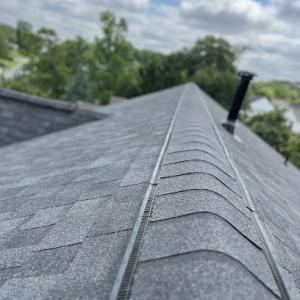
M&D Roofing and Renovations provides storm damage repairs, roof replacements, roof repair services, roof installations, siding, gutter installs and repairs, 24 hour emergency roof repairs to the Falmouth, Virginia area
Robinson's Roofing & Repair - A Christian Owned Company
(540) 234-2389 www.robinsonsroofingva.com
3713 Andover Ln, Fredericksburg, Virginia
4.9 from 100 reviews
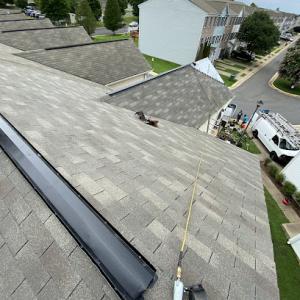
Robinson's Roofing and Repair - A Christian Owned Company provides roofing, gutters, siding, and windows to the Northeastern Virginia area.
Veterans Choice Roofing
(540) 627-5801 vetschoiceroofing.com
5127 Park Dr A, Fredericksburg, Virginia
4.9 from 75 reviews
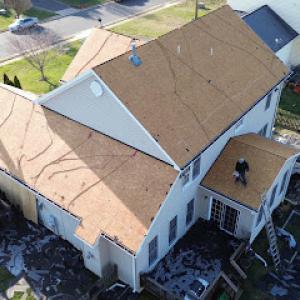
At Veterans Choice Roofing, we provide comprehensive roofing solutions, ensuring your home is protected with top-notch materials and expert installation. Our siding services enhance your home’s energy efficiency, weather protection, and curb appeal with a variety of durable and stylish options. Additionally, our gutter services ensure proper water management to safeguard your home’s foundation and landscaping.
Mike's Roofing
(540) 287-3580 mikesroofingva.com
905 Charles St, Fredericksburg, Virginia
4.9 from 38 reviews
Since 1998, Mike's Roofing has been the trusted choice for homeowners in the Fredericksburg area, providing exceptional roofing services. As a premier roofing contractor, they specialize in expert repairs, full installations, and diligent maintenance. The team at Mike's Roofing is committed to using high-quality materials and professional craftsmanship on every project, ensuring lasting protection and a beautiful finish for your home. With decades of experience, they are dedicated to delivering reliable solutions that secure your most important asset.
River Oakes Roofing
(703) 798-5465 www.river-oakes.com
75 Ferry Rd, Fredericksburg, Virginia
5.0 from 31 reviews
River Oaks Roofing provides residential and light commercial roof repairs, roof maintenance, roof replacement, and roof installations to the Fredericksburg, VA area.
Shark Construction
(540) 203-9029 www.sharkconstructionllc.com
9 Cardinal Dr, Fredericksburg, Virginia
5.0 from 31 reviews
If you’re looking to upgrade your home’s exterior, trust the pros at Shark Construction. We provide top-tier property exterior services in Fredericksburg, VA and beyond.
In Fredericksburg, spring and fall are the most favorable installation windows because the city's hot summers and cold winters affect replacement timing. The shoulder seasons offer milder temperatures, steadier humidity, and fewer extreme weather events that can interrupt work. If you're planning a full roof replacement, target a start date in late March to early May or from late September through early November. Those periods keep tarps and underlayment from baking in heat or freezing on the deck, and they give crews a more predictable pace for shingle delivery and nail patterns.
Spring brings frequent storm interruptions in this area, so you want a plan that accounts for sudden downpours and wind-driven debris. Before work begins, schedule a brief storm window check with your contractor to confirm weather buffer days and on-site protection for siding and landscaping. After a heavy spring rain, inspect the roof surface for lifts or gaps and record any damage you notice immediately to keep the project on track. Clarify with the crew how they handle temporary leak mitigation and dry-in steps if a storm arrives mid-project. In this climate, the ability to mobilize quickly after a downpour minimizes progress losses and helps maintain the integrity of the underlayment and decking.
Summer heat and humidity in Fredericksburg can slow installation pace and affect material handling on the roof deck. Hot days can soften asphalt shingles at the laps and increase wear on workers' safety gear, while humidity can complicate adhesive or sealant timelines. Plan for longer staging periods, midday pauses, and shaded storage or roof access when possible. Scheduling a start earlier in the day and allowing for afternoon wind shifts helps keep the crew productive without compromising workmanship. If you expect a heat spike, confirm with the contractor how they pace installation to protect shingles, underlayment, and ventilation details.
Winter freezes with occasional snow and ice can pause tear-offs or extend dry-in timelines in Fredericksburg. Frost, frozen nails, and slick surfaces slow crews and can extend the window for decking restoration and vent installation. Encourage proactive winter checks that address ice dam risk and ensure attic ventilation remains functional during a cold snap. If a winter interruption occurs, use the pause to finalize interior insulation or attic sealing, so when spring arrives, the project can resume without backtracking on dry-in steps or insulation compatibility. Planning for potential delays helps keep the project aligned with forecasted weather patterns and reduces the chance of weather-related setbacks.
Asphalt shingles dominate the typical Fredericksburg roofscape, and that reality comes with a practical advantage: a robust network of material-specific contractors who know the local climate and common house styles. When spring storms roll through, asphalt is straightforward to inspect for wind uplift, wind-driven leaks, and hail impacts, and local crews tend to respond quickly. These shingles are well suited to the four-season pattern here, provided they're paired with a solid underlayment and properly sealed edges. Maintenance tends to be visual and interval-based-check for lifted tabs after heavy rain, and keep an eye on flashing around chimneys and vent stacks. If a storm does cause damage, you'll likely find a nearby contractor who can walk you through temporary tarping, leak mitigation, and a reliable path to permanent repair.
Metal is the other dominant material in the area, supported by a strong cadre of specialists who understand rapid storm response and long-term performance. Metal roofs can shed rain and resist debris striking from gusts typical in spring squalls. They also tend to hold up well against the heat of Virginia summers and the freeze-thaw cycles that occasionally follow. Homeowners choosing metal should plan for accurate seam sealing, attic ventilation compatibility, and compatible underlayment to prevent condensation events in cooler months. The local market's concentration of metal installers means a smoother appointment window for assessments after a storm, plus typically faster service for repairs and re-sealing work.
Clay and concrete tiles are visible across retirement districts, historic neighborhoods, and newer builds alike. They bring distinctive curb appeal but require careful installation and structural support to cope with wind-driven debris and heavy storm loads. In Fredericksburg, tile installations tend to be less common in the newer, lighter structures and more prevalent on homes designed with broader roof planes. Tile roofs can be excellent in dry spells, but during flash storms they rely on precise underlayment and robust slope calculations to prevent seepage at fast-moving joints. If choosing tile, expect to engage specialists who understand the weight implications and the need for reinforced decking and compatible fasteners. Tile is less represented in the local contractor signal, so plan for an earnest search and a thorough vetting of tile experience.
Wood shingles and shakes offer distinctive texture and historical charm, but they demand ongoing maintenance and more frequent attention to moisture-related issues. In this climate, wood reacts to humidity and stormy springs with potential for surface checks and faster wear along exposed edges. For homes with significant roof mass or steep pitches, wood can be a good match, but it requires a reliable maintenance plan and a local crew familiar with treating or replacing wood elements when damage appears. The signal for wood specialists is not as dense as for asphalt or metal, so expect a targeted search and careful verification of wood-specific installation practices.
Synthetic and composite shingles bring a balance of resilience and versatility, often mimicking the look of more traditional materials while offering enhanced resistance to wind and impact. In neighborhoods where contractor options include a mix of shingle and metal crews, synthetic options can be a practical compromise, delivering consistent performance with simpler installation compared to tile. The local market shows solid availability, making these a reasonable consideration for storm resilience without sacrificing curb appeal. When evaluating these products, ensure compatibility with existing ventilation, flashing details, and the anticipated underlayment system to maintain leak protection through variable Fredericksburg springs.
In this market, the cost to replace a roof depends heavily on material choice. Asphalt shingles run about 350 to 650 per square, a common range for typical Fredericksburg homes. Metal roofing sits higher, roughly 700 to 1200 per square. If clay tile is on the shortlist, expect 900 to 1600 per square, while concrete tile typically lands between 850 and 1500 per square. Wood shingles or shakes come in around 600 to 1000 per square, and synthetic or composite shingles generally range from 500 to 900 per square. These figures reflect local labor and material availability, not nationwide averages.
Spring storm activity can push costs up, especially when homeowners are trying to secure the city's preferred installation windows. When moisture, wind, or hail compresses the supply chain, contractors may raise bids to cover tighter scheduling and weather-related delays. If a storm creates urgent leaks or interior damage, the project becomes time-sensitive, and scheduling flexibility can influence both price and completion speed.
In this market, there are noticeably more asphalt and metal specialists than tile specialists, which can affect labor availability and pricing for tile options. If clay or concrete tile is chosen, expect potential scheduling delays during peak seasons and higher labor costs due to limited local crews skilled in those systems. This dynamic matters most when spring remakes collide with the tradition of fall installations.
Plan for some mismatch between ideal weather windows and contractor availability. If you can align replacements with the off-peak season in late spring or early fall, pricing tends to stabilize and scheduling becomes easier. For a storm-affected year, build a cushion of 10-15% above material estimates to cover expedited ordering, temporary repairs, and the priority slots that reputable crews reserve for urgent leaks.
These ranges reflect local market realities, including labor availability and seasonal demand, so use them to ground conversations with contractors during estimates.
Get a clear picture of your project costs upfront - no commitment required.
Retex Roofing & Exteriors
(540) 579-5610 www.retexfredericksburg.com
1320 Central Park Blvd Ste 200, Fredericksburg, Virginia
5.0 from 109 reviews
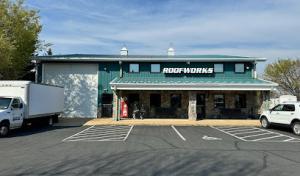
Roof Works of Virginia
(540) 786-4552 www.roofworksofva.com
12108 Chewning Ln, Fredericksburg, Virginia
4.4 from 48 reviews
Top Quality Exteriors
(301) 945-7167 topqualitymd.com
40 Timberidge Dr, Fredericksburg, Virginia
5.0 from 6 reviews
A full roof replacement in Fredericksburg typically requires a building permit through the City of Fredericksburg Department of Planning and Building. This isn't a formality to gloss over, especially when spring storms have already tested shingles and flashing. The permit process ensures that materials, underlayment, and installation methods meet code and local requirements, which helps protect your home if another leak or wind event comes through. Expect to coordinate between your contractor, the permit office, and potentially your insurer if documentation is requested after a claim. Skipping or rushing this step can leave you with compliance issues, higher risk of future remediation, and a longer repair timeline.
Fredericksburg commonly requires inspection after underlayment is installed and again upon completion of the roofing work. These inspections are not merely bureaucratic hurdles; they catch issues that could become leaks or wind-driven failures later. If an inspector flags something, your contractor will need to address it before the final sign-off. This means timing your tear-off and re-roof around inspection windows can help avoid repeated visits and additional delays. Prepare for the possibility of adjustments to fasteners, nailing patterns, or flashing details if the inspector requests changes to the installation.
Permit processing times in Fredericksburg can vary with department workload, so scheduling can be affected even before tear-off begins. Weather, spring storm interruptions, and the city's seasonal workload can push timelines, especially during peak construction months. Plan with a buffer for approvals, inspections, and potential re-inspections, and coordinate closely with your contractor to align material deliveries and crew availability with expected permit milestones. If a claim has been filed for storm-related damage, have documentation ready to illustrate the scope of work to the permitting office; timely, organized submissions help keep the project on track and reduce the risk of delays that linger into the humid months.
Spring storms sweep through this area with surprising bite, and insurers commonly require documentation of roof condition and replacement scope, with photos or adjustments requested to support claims. The visible nature of storm-related work in this market means every shingle displaced, every patch, and every step of the replacement can be scrutinized. A well-documented file reduces back-and-forth and helps insurers see the full story of damage, not just the most dramatic snapshot.
Clear records, estimates, and damage photos are especially important in Fredericksburg because storm-related roof work is a visible part of the local contractor market. A concise before-and-after photo log, paired with a written note of weather events and dates, makes the claim easier to evaluate. Photos should show attic signs of leakage, water staining, and any exterior damage, plus the extent of roof decking or underlayment concerns that an adjuster would need to verify. Keep copies of correspondence, adjuster notes, and any endorsements or rider details that affect scope.
Homeowners in this area can reduce claim disputes by matching contractor scopes to the documented damage before replacement begins. Start with a thorough inspection checklist: current roof condition, attic moisture indicators, and a staged plan that aligns proposed repairs with observed damage. Organize packets by event, noting dates of storms and subsequent repairs. Store digital copies in a cloud folder with labeled thumbnails and a dated continuity log, so you can retrieve the exact image when an adjuster requests clarification.
Coordinate closely with a contractor who understands how local storm patterns impact shingle wear and flashing details. Request that the contractor provide a written scope anchored to the documented damage, including underlayment and any deck exposure. When submitting claims, attach your organized file alongside the estimate so the insurer can verify alignment between observed damage and the repair plan, reducing the chance of disputes and delays.
Connect with contractors who help homeowners navigate the claims process from damage assessment to final approval.
9Hammers
(540) 308-8440 9hammershomeimprovement.com
130 Falcon Dr, Fredericksburg, Virginia
5.0 from 212 reviews
Retex Roofing & Exteriors
(540) 579-5610 www.retexfredericksburg.com
1320 Central Park Blvd Ste 200, Fredericksburg, Virginia
5.0 from 109 reviews
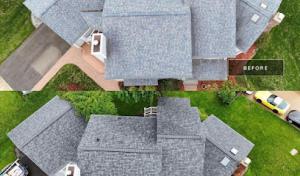
Columbia Contracting
(540) 446-0361 columbiacontractingllc.com
6312 Hot Spring Ln, Fredericksburg, Virginia
4.9 from 226 reviews
Skylight work shows meaningful prevalence among local roofing contractors, making it a recurring repair category rather than a fringe specialty. In this market, skylights often move from simple glazing to more complex issues with flashing and curb sealing. When a leak report comes in, expect multiple failure modes: deteriorated shingle-to-flash transition, aging sealants around the curb, and compounded wear from seasonal temperature swings. A practical approach is to treat skylight assemblies as a system: inspect the curb, flashing, and surrounding shingles together rather than chasing a single cracked seal.
Frequent rainfall means flashing around skylights and other penetrations is a practical leak-prevention concern. The most common weak point is where the curb meets the roofing surface and where step flashing intersects the skylight flange. If you notice staining on ceiling drywall near a skylight after a rain, the first diagnostic step is to check both the interior ceiling caulk and the exterior flashing joints for gaps or loose fasteners. Replace or reseal with compatible flashing materials, ensuring a continuous water path from the skylight edge to the shingles. Pay special attention to nail pops or fasteners that may have backed out over time, which can create micro-paths for moisture.
Autumn winds in Fredericksburg can complicate debris management and ventilation-related roof work, which matters when repairs involve openings and flashing transitions. Leaves, twigs, and pine needles can clog vents and obscure flashing ends during preliminary work. Clear the surrounding area before starting any intrusion repairs. When removing or reinstalling flashing, maintain proper vent ventilation paths to avoid moisture buildup behind the curb. In windy conditions, temporary barriers or protective coverings help keep debris out of newly opened spaces and prevent recontamination of the work site.
Begin with a careful exterior inspection of the skylight curb and the surrounding roof plane. If flashing shows gaps or deformation, remove compromised sections and reseal with high-quality, weather-appropriate compounds and flashing tape in a continuous lap over all joints. Reinstall shingles neatly with proper nailing patterns to avoid new leaks at the transition. Finally, confirm interior dryness by monitoring after a controlled rainfall or using a hose test aimed at the skylight area, ensuring the path from the edge of the skylight to the flashing remains watertight.
Find contractors experienced in skylight installation, flashing, and leak repairs to bring natural light into your home.
9Hammers
(540) 308-8440 9hammershomeimprovement.com
130 Falcon Dr, Fredericksburg, Virginia
5.0 from 212 reviews
Retex Roofing & Exteriors
(540) 579-5610 www.retexfredericksburg.com
1320 Central Park Blvd Ste 200, Fredericksburg, Virginia
5.0 from 109 reviews
Columbia Contracting
(540) 446-0361 columbiacontractingllc.com
6312 Hot Spring Ln, Fredericksburg, Virginia
4.9 from 226 reviews
Warranty-backed contractors in this area maintain a meaningful presence, but the field remains most strongly defined by re-roofing, cleanup, and rapid response after spring storms rather than premium certification alone. When a storm hits, homeowners look for crews that can mobilize quickly, cover the space safely, and leave the site broom-clean by the end of the day. That practical performance matters as much as any written warranty, because the next shower can arrive unexpectedly and a tidy, well-sealed roof matters for the rest of the season.
In this market, there is value in partnering with firms that routinely manage full replacements and efficient cap-off work. Look for crews that bring organized staging, clear communication about timing, and a plan to minimize disruption to the rest of the house. A strong emphasis on thorough cleanup, tarp management, and debris containment is not ornamental-it's essential for homeowners who juggle busy spring schedules and adjacent outdoor spaces. Warranties should come from teams that stand behind their workmanship with accessible follow-up support after inspections.
Long-established and family-owned firms are well represented, and that lineage matters in an area where follow-up service after storms and inspections can be important. These firms often provide steady, predictable service routes, familiar crews, and a track record of honoring commitments through multiple seasons. When evaluating warranty terms, prioritize contractors known for consistent post-installation service, clear on-site practices, and a local network that can handle inspection-driven touch-ups without delay.
A reliable warranty is most meaningful when paired with teams that understand common Fredericksburg housing layouts, aging underlayment needs, and the seasonal humidity cycle. Ask for case studies from nearby neighborhoods, request a detailed onsite plan for rain-avoidance during work, and confirm a dedicated contact who will oversee the project from start to finish.