
Last updated: Apr 19, 2026
In this city, the cool, wet winters and relatively dry summers shape every roofing plan. Tear-off exposure during the wet season can line up with rain for days on end, and that means a higher risk of water intrusion if the new roof isn't protected and dried in properly. The hillside and wooded neighborhoods amplify moisture patterns, so shading and air flow around the house matter as much as the material chosen. When planning a re-roof, you're sizing the project against a calendar where the elements are unpredictable and the clock is ticking on sealants, underlayment, and flashing details. Bellingham's climate makes timing more consequential than in drier Washington cities, where rain is less likely to interrupt work or compromise curing.
If you're starting a re-roof, a dry-in plan takes center stage. A dry-in means the roof deck is protected, the underlayment is properly lapped, and the flashing around penetrations is resealed so interior spaces stay out of the weather during the critical curing period. In Bellingham, that dry-in phase becomes your anchor for the entire job. Spring and autumn storms are well known for interrupting active roofing work, so your schedule should include buffers for unexpected downpours and shortened workdays. A practical approach is to identify a core window with reliably dry days, then build a contingency around it for unforeseen rain events. The goal is to keep roof assemblies dry long enough for sealants and adhesive products to cure without washing away or failing.
Warm, drier summer stretches provide the longest workable installation windows, but even then heat introduces its own constraints. Sealants and adhesives can break down or cure too quickly in extreme heat, so you'll still need to stagger installation steps, check material temperatures, and plan for mid-day pauses when the surface gets hot. In contrast, the wet season demands you maximize every dry day and protect both the interior and the newly laid layers during any residual moisture. The best practice is to align material handling with humidity and temperatures; for example, plan likely dry periods for deck protection and for flashings to be reseated, then schedule the more sensitive curing operations for morning or late afternoon when temperatures are cooler and rainfall risk is lower. This balance keeps the assembly stable through the early curing stage.
Begin with a two-step forecast: identify the most reliable two to three-week window in late spring or early fall when the weather pattern typically yields dry spells, then map out a backup plan for potential rain delays. Talk to the roofing crew about the exact sequence they'll follow-tear-off, deck evaluation, underlayment installation, flashing around vents and skylights, and then the final roof cover. Require that critical flashing transitions and seam work occur on dry days with doors and windows sealed to minimize interior exposure. Build in a buffer for potential slippage-knots in the schedule should be absorbed by an extended dry-in period rather than rushing through the curing stage. Each day of wet weather should be treated as a separate risk to sealant performance, so plan to pause operations until a dry window reopens.
When a storm rolls in, you must maintain continuity where possible. Temporary coverings for exposed ridge and field seams help prevent water intrusion while the crew waits for a break in the weather. Interior protection matters just as much in hillside homes where moisture can channel through soffits and gables. Keep tarps secured against wind-driven rain and ensure any penetrations are tightly sealed to avoid backflow of moisture into attic spaces. As you progress, verify that ventilation details stay aligned with the new roof system to prevent condensation build-up in the attic, which can occur under prolonged wet conditions. The local climate makes timely communication with your crew essential so that everyone understands the dry-in milestones and the readiness checks needed before moving from deck protection to full shingle or metal installation.
In this climate, winter rains paired with gusty winds are the primary trigger for active leaks and emergency callouts, not hail-driven failures as seen inland. The weather pattern matters: persistent rain raises the chance that small defects become active, especially along edges, penetrations, and transitions around chimneys or skylights. When damp sets in, shallow gaps can drip and spread moisture behind siding and under flashing, turning a minor nuisance into a doorstep emergency. The risk period is not a single storm but the sustained wet sequence that follows the first big blow or an extended rain event. Plan replacements and repairs to align with dry spells, because the longer the roof sits wet, the more difficult sealants and flashing become to cure and complete without compromise.
Localized claim activity tends to track heavy rainfall and wind events, so after a major rain or wind period you should expect leaks to surface in different spots than during dry months. If a storm hits and a leak appears, move quickly to trace the water path rather than chasing the visible drip alone. Start at the highest, most exposed penetration and work downward along potential drainage routes. Document every affected area with photos and a short note on where the water enters and where it travels inside the attic or ceilings. This attention to post-storm documentation helps a contractor reproduce the failure during dry-season testing and informs the necessary flashing or venting fixes before the next wet spell. Remember that damp conditions can hide failure routes behind trim, under roof sheathing, or along eave lines, so a careful, patient assessment is essential.
Because the wet season leaves the cooler months damp most of the time, small flashing or penetration defects can stay wet longer and become harder to ignore once the rainy period sets in. A tiny lift in a metal seam, a hairline crack in a sealant bead, or a barely separated shingle edge can become a leak path only after sustained moisture exposure. In practice, this means you should address seemingly minor issues promptly, before the next storm cycle, and treat lingering damp as a warning signal rather than a nuisance. A prudent approach is to schedule targeted flashing and vent checks during dry spells and season transitions, when sealants cure best and metal and roofing substrates are more stable. Waiting for a complete failure risks widespread interior damage, higher repair complexity, and a longer restoration window. Prioritize areas around penetrations, valleys, and transition points between roof planes, especially where trees and hillside moisture can funnel additional rain onto the roof surface. Maintaining vigilance through mid-season checks and documenting recurrent problem spots will help distinguish true deterioration from temporary wet-season nuisance, guiding timely, focused fixes.
Find local contractors experienced in assessing and restoring roofs after hail, wind, and severe weather events.
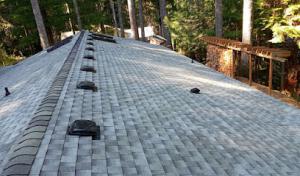
Cruz Roofing Contractor
(360) 922-2317 cruzroofingcontractorwa.com
Bellingham, Washington
5.0 from 26 reviews
Mt Baker Roofing
(360) 733-0191 www.mtbakerroofing.com
928 Thomas Rd, Bellingham, Washington
4.6 from 66 reviews
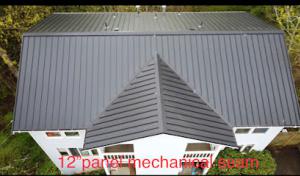
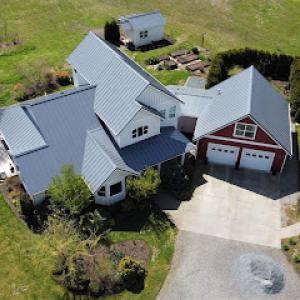
Skyline Roofing & Construction
(360) 398-6119 bellinghamskyline.com
1516 Mt Baker Hwy, Bellingham, Washington
5.0 from 50 reviews
Full service roofing company in Bellingham Washington. We specialize in metal roofing, composition asphalt roofing and TPO.
Cruz Roofing Contractor
(360) 922-2317 cruzroofingcontractorwa.com
Bellingham, Washington
5.0 from 26 reviews
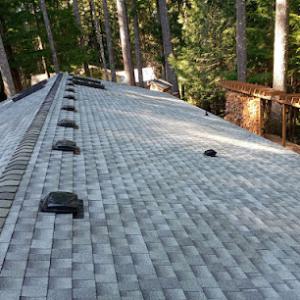
Cruz Roofing Contractor is a business that offers Roofing Services like Composition Shingle, Metal, TPO, Skylight Replacement, and all kinds of Roof Repair in Bellingham, WA. Contact us for free estimates.
Mountaintop Metal Roofing
(360) 837-7027 www.mountaintopmetalroofing.com
2219 Rimland Dr Suite 301, Bellingham, Washington
5.0 from 23 reviews
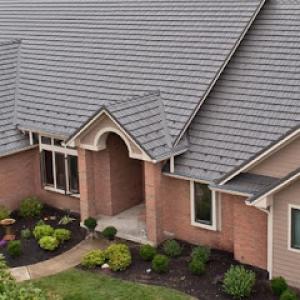
From Bellingham to Everett, we’ve got you covered. As your local metal roofing contractor, we provide professional, worry-free metal roofing installations and standard-setting customer support. If your roof is made up of materials unable to withstand the rigors of the PNW seasons, you could be looking at years of worrisome maintenance and upkeep. Why put yourself through all that — year after wet and blustery year? Protect your home with lifetime PermaLock aluminum shingles featuring Fluoroceram, a Premium Kynar 500 coating system. Consider our high-quality aluminum cedar shakes, a durable standing seam metal roof, or aluminum shingles — available in two finishes and hundreds of colors.
Mt Baker Roofing
(360) 733-0191 www.mtbakerroofing.com
928 Thomas Rd, Bellingham, Washington
4.6 from 66 reviews
Established in 1983, Mt Baker Roofing is a Bellingham and Whatcom County roofing contractor specializing in new construction, re-roofing, and commercial roofing. Our experienced, factory certified, crews work year round to install only the highest quality roofing and gutters products.
Topside Roofing & Siding
(360) 752-2220 www.topsideroofing.com
161 E Horton Rd, Bellingham, Washington
4.5 from 93 reviews
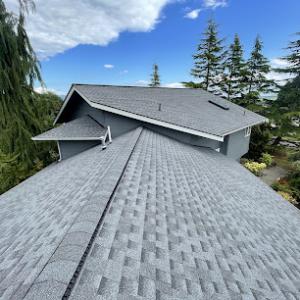
For over 35 years, Topside Roofing & Siding has served Whatcom, Skagit, and San Juan Counties with trusted roofing and siding solutions. As Whatcom County’s only GAF Master Elite® Contractor, we provide exclusive GAF warranties other companies cannot offer. Our dedication to craftsmanship, reliability, and customer satisfaction has earned us GAF’s President’s Club Award every year since 2014 and recognition as Best of the Northwest since 2017. Our team specializes in roof replacements and installations, roof repairs, siding installation, and exterior upgrades, always prioritizing customer satisfaction, safety, and long-lasting results. Our office is open Monday-Friday 8:30 am - 4:30 pm. We also are available 24/7 for emergency repairs.
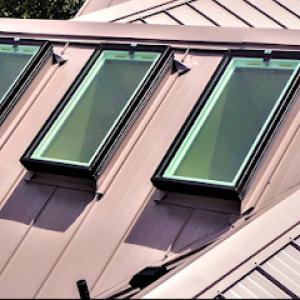
RVM All Metal
(360) 224-4052 rvmallmetalroofing.com
1313 E Maple St, Bellingham, Washington
4.3 from 44 reviews
RVM All Metal is a local, family-owned and operated business serving the community since 2014. With a commitment to quality Craftmanship and personalized service we specialize in installing long lasting leak free Metal roofs and Siding . Our team of skilled professionals take pride on exceeding customer expectations and provide you with a 10 Year Guarantee on Craftmanship on all our installations. We service Whatcom-Skagit and Island Counties.
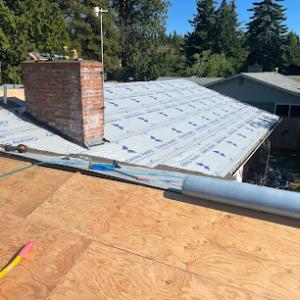
Villalta Roofing
(360) 728-0070 villaltaroofingllcwa.com
2136 Zephyr Pl, Bellingham, Washington
5.0 from 7 reviews
🏠 Villalta Roofing – Built on Trust & Quality 🛠️ Villalta Roofing was founded 14 years ago under the values of professionalism 🤝, diligence, and integrity 🧱 in the city of Bellingham, WA. Our team is locally known for its: ✅ Professionalism 💰 Cost-effectiveness 🏗️ High-quality finishes 🌟 Exceptional customer service. Thanks to the referrals from our amazing clients 🙌, our company grew from the ground up. They confidently recommend us to their families, friends, and co-workers 👷 because they know we deliver outstanding results—every time.
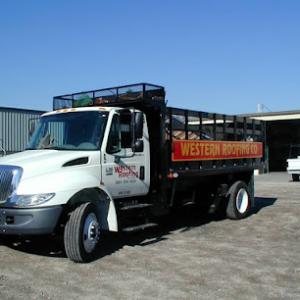
Western Roofing
(360) 734-1830 www.westernroof.com
3705 Iron Gate Rd, Bellingham, Washington
4.3 from 21 reviews
All types of roofing, residential & commercial

Nolasco Contractor Service
(360) 200-7645 nolascocontractorsvc.com
Bellingham, Washington
5.0 from 5 reviews
Nolasco Contractor Service provides quality roofing services in the Bellingham, WA area! We have 11+ years of experience. Do not hesitate to contact us right now!
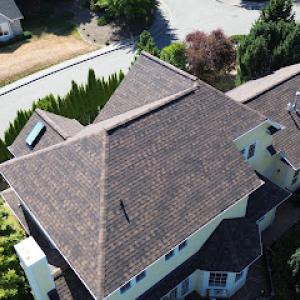
Joostens Roofing
(360) 815-7663 joostensroofing.com
3876 Hannegan Rd, Bellingham, Washington
3.9 from 19 reviews
Joostens Roofing is a family-owned and operated roofing company that prides itself on offering customers friendly, honest and affordable roofing services. We are known for our excellent work and customer satisfaction. We have become one of the largest and most respected roofing companies in Whatcom and Skagit County.
Quality NW Roofing
(360) 820-8081 qualitynwroof.com
508 20th St, Bellingham, Washington
5.0 from 4 reviews
We offer the highest quality service of roof installations and repairs.

Land Roofing
4135 Landon Ave, Bellingham, Washington
4.4 from 7 reviews
Roofing business that has been serving our local community for over 30 years doing roof replacements, repairs, cleaning, skylights and much more. We are more than happy to take your call and schedule you for a free estimate. We pride ourselves on giving fair and reasonable estimates based on each job.
In this climate, the long wet season from the bay and hillside microclimates means that roof assemblies must stay dry during installation and sealants need steady cure times. Ventilation and flashing aren't afterthoughts-they're the line between a long-lived roof and repeated repairs. The most important practical takeaway is to plan around the months when rain is most likely to interrupt work and cure processes. A dry installation window allows underlayment and sealants to set fully, while proper ventilation keeps the attic and roof deck from accumulating condensation during the first months of service.
Asphalt shingles are a dominant choice because they fit the large re-roofing market and generally lower entry cost. Yet in a wet coastal climate, ventilation and flashing quality become critical. When choosing asphalt, prioritize a high-quality flashing package and ensure the attic is adequately vented to prevent from-the-inside moisture buildup that can compromise the fasteners and decking. If a roof has complex features-turrets, valleys, or attached decks-select specialty shingles with enhanced sealing and consider extra drip-edge detailing to channel runoff away from the fascia during heavy rains. For a straight-forward shingle job, the focus should be on a meticulous installation sequence that keeps decking dry and closed up before the wet season.
Metal roofing is especially relevant in this rainy climate because it sheds water efficiently, which is one reason metal specialists are notably active in this market. The installation emphasis here is on precision flashing at joints, penetrations, and transitions to maintain a continuous water barrier. Metal roofs respond well to long, steady rains, but the fasteners and sealants at edges and around skylights must be carefully matched to seasonal humidity. Ventilation remains important, particularly with metal decks that can conduct heat and moisture differently than traditional decking. If installed correctly with proper underlayment and backer materials, metal can offer robust performance through multiple wet seasons.
Cedar shakes remain part of the local material mix, but the humidity and frequent rainfall in cooler months create added maintenance and moisture-management concerns. Cedar is more susceptible to mold and rot when moisture sits on the surface or penetrates seams. Ensure a well-sealed underlayment, robust ventilation, and careful flashing around chimneys and skylines. If choosing cedar, consider a slower, more staged replacement schedule that allows for thorough sealing and moisture control measures, and plan for more frequent inspections after heavy rains.
EPDM is locally relevant for low-slope sections and additions, reflecting an active flat-roof service market. Concrete tile and synthetic slate sit at higher cost bands and require careful structural assessment and installation planning; their sealing needs and weight considerations demand precise framing and flashing. For all three, confirm compatibility with the existing drainage plan and ensure that flashing details integrate with any adjacent steep-slope sections to prevent slow leaks during the wet months.
In this market, asphalt shingles stay the baseline for budgeting. The active re-roofing scene means metal, cedar shakes, synthetic slate, and tile climb quickly in price because of installation complexity and material handling on Bellingham homes. Typical asphalt projects land in the low-to-mid range per square, while non-asphalt options often push higher, especially when mixed roof lines or steeper pitches are involved. For low-slope sections, EPDM becomes the preferred unit of measure, so plan on square-foot calculations rather than a simple square count when the roof isn't a uniform steep slope.
Bellingham cost planning has to account for weather-related scheduling inefficiency, since rain delays and moisture protection can add labor pressure during much of the year. When showers linger, crews need tarps, fast-dry sealants, and protected work areas, all of which add days and costs. Because the wet-season window can squeeze labor and material logistics, a project that starts late spring or early fall may end up with a tighter schedule than a dry-season replacement, even if the math on materials looks straightforward. If a project runs into colder, damper months, expect additional protective measures and potential scheduling buffers.
Asphalt remains the reference point for budgeting accuracy, with a broad spread that can fit many Bellingham rooflines. Metal roofing, cedar shakes, synthetic slate, and concrete tile all rise in price quickly once you factor in fasteners, underlayment, specialized flashing, and the additional workmanship required to achieve a weather-tight seal on a hillside, wooded lot, or complex roof geometry. Concrete tile and cedar, in particular, demand careful installation to manage expansion, contraction, and moisture movement, which translates to higher labor hours and careful coordination with roof penetrations and flashing details.
Low-slope sections in Bellingham homes can shift pricing into square-foot EPDM calculations instead of square-based steep-slope pricing, which matters on mixed-roof homes. If a home blends a traditional pitched area with a flatter section, anticipate a hybrid approach in the bid: separate line items for EPDM or other low-slope membranes alongside steep-slope materials, plus breakouts for flashing, edge details, and transitions. This realism helps align bids with the actual install demands and helps avoid surprises once the crew is on site.
Don't let upfront costs delay a critical repair - these contractors offer payment plans to fit your budget.
Mountaintop Metal Roofing
(360) 837-7027 www.mountaintopmetalroofing.com
2219 Rimland Dr Suite 301, Bellingham, Washington
5.0 from 23 reviews
Full roof replacements in Bellingham typically require a building permit through the City of Bellingham. The local workflow is not just a sticker on the job site; it governs how and when you can actually begin and finish work. The city's approach emphasizes dry work for flashing and sealant details, and that emphasis means the permit and review steps matter as much as the weather window you're trying to protect. Getting through plan review and securing inspections can be the deciding factor between a smooth spring start and a springtime delay, especially when the wet season looms.
The local process includes submitting project details for plan review, paying permit fees, and scheduling inspections during and after the work. Plan reviewers will look closely at flashing transitions, ventilation details, and how the replacement sits within existing structural constraints. Expect to provide roof assembly information, attic ventilation strategy, and any changes to roof decking or support structures. Plan review isn't a box to check off; it's a detailed assessment that can influence the sequencing of your project, including when weather holds are permissible.
Bellingham inspections are used to verify structural, ventilation, and flashing work rather than only confirming that new roofing was installed. Inspectors verify that the structure can handle the new weight, that ventilation paths remain unobstructed and effective, and that flashing around penetrations and at perimeters is correctly integrated with the rest of the building envelope. If details don't line up with approved plans, shutters on the project can be delayed, and rework may be required to satisfy the inspector. This emphasis helps avoid moisture problems later, but it also means a misstep in the submittal or during installation can ripple into the schedule.
A local quirk for homeowners is that plan review timing and inspection scheduling with the Building Department can affect project start dates. In practice, weather can't be the sole constraint; you must align your contractor's timeline with approved plans and available inspection slots. If a permit lags in review or if an inspection window is missed, you can face unexpected delays that stretch through the wet season. Planning ahead with the city early and coordinating tight, documented communication between contractor and inspector is essential to keep the project on track.
When you're approaching a replacement, map out the permit submission milestones in parallel with your weather window. Build in buffer time for plan review, potential rework, and the scheduling cadence of inspections. Concrete terms like "dry-in" stages hinge on permit readiness; without that readiness, even a minor delay in approval can cascade into project postponement through the peak moisture months. Keep your project team aligned with the Building Department and have a clear point of contact to minimize back-and-forth that slows progress.
In this coastal-influenced climate, wind and heavy rainfall events can trigger localized claim activity even when the overall market feels stable. Insurers expect clear records that separate pre-existing wear from storm-related damage, which is especially important on aging roofs. A strong file helps avoid disputes when a claim is filed after a wet season or a windy stretch.
Keep a well-organized set of records that includes recent inspection notes, dated photographs, and repair invoices. Photos should capture attic ventilation, flashing details, and any pre-existing wear visible on the roof deck, intersections, and penetrations. When a storm hits, add images showing new damage, but also document the overall roof condition to demonstrate trends rather than one-off events.
Create a simple timeline: pre-storm condition, the storm event, and post-storm condition. Store copies of contractor estimates and scope of work, with notes on materials and installation dates. On an older roof, emphasize any upgrades or remedial work that improves water management, such as improved flashing or vent sealing, and save receipts for those improvements. Local insurers often review these specifics closely during underwriting or renewal.
Older roofs attract closer attention during policy reviews, especially after severe weather. Maintain a folder that shows regular maintenance, non-destructive repairs, and any aging-related replacements. If an inspection reveals wear that is not tied to a recent event, document neutral timelines and correlate findings with historical weather patterns. Organized records can streamline renewals and reduce questions about the roof's condition.
Assign a dedicated space (digital or physical) for roof history, update it after each storm season, and share relevant notes with your insurer when requested. For homeowners with aging roofs, proactive documentation can support smoother claims handling and reduce friction during renewal discussions.
In this town, homes with mixed roof geometry often expose a hidden rhythm: low-slope sections that age differently from adjacent shingle areas. Drainage patterns and membrane performance become the controlling issue, so what looks like a seamless transition can hide a slow, steady path to leaks. If a low-slope stretch sits near a valley or a dormer, expect the slope to dictate how long a sealant and flashing will stay reliable through the wet months. This is where a careful inspection of membrane continuity and edge details saves headaches later.
The local contractor market shows meaningful demand for both flat-roof and skylight work, signaling that leak-prone penetrations remain a real local service need. Pay attention to how flat joints connect to steeper surfaces, and how geotextile, if present, interacts with deck drainage. In Bellingham's wet-season pattern, a minor seam or misaligned flashing can become a major leak after several sustained rain events. If you notice any waviness, blisters, or trapped water near transitions, flag them early with your roofer.
Skylight flashing details are less forgiving once repeated rain begins. The combination of frequent moisture exposure and aging sealants can creep into small gaps that widen quickly under pressure from wind-driven rain. Even with a well-installed skylight, the surrounding flashing should be scrutinized for movement, corrosion, or missing fasteners. If you suspect a compromised flashing or a tired sealant around a skylight, treat it as urgent rather than optional, because a single leak can run along framing and cause unseen damage before it's fully visible.
Find specialists in TPO, EPDM, and built-up flat roofing systems for residential and commercial properties.
Skyline Roofing & Construction
(360) 398-6119 bellinghamskyline.com
1516 Mt Baker Hwy, Bellingham, Washington
5.0 from 50 reviews
Cruz Roofing Contractor
(360) 922-2317 cruzroofingcontractorwa.com
Bellingham, Washington
5.0 from 26 reviews
Western Roofing
(360) 734-1830 www.westernroof.com
3705 Iron Gate Rd, Bellingham, Washington
4.3 from 21 reviews
In Bellingham, replacements are often squeezed into narrow dry-weather windows, so workmanship around flashing and dry-in sequencing matters a lot. A reputable contractor should walk you through how step-by-step the dry-in will progress: from tarp protection and temporary weather barriers to secure flashing at valleys, penetrations, and chimneys. Expect a clear plan for how each detail stays dry long enough for sealants to set and for the roof to shed moisture during the wet season.
The local contractor market places a steady emphasis on warranty offerings, and that matters here where moisture-related callbacks can expose installation weaknesses quickly. Look for a workmanship warranty that covers mis-seating, improper flashing, and failure to seal penetrations. Confirm how long the warranty lasts, what triggers a claim, and whether they will repair or replace failed components without disrupting the rest of the roof system. A robust warranty pairs with a documented dry-in sequence to reduce post-completion callbacks.
Homeowners should pay close attention to how a contractor handles cleanup and weather protection, since those are common local hiring priorities. The crew should thoroughly remove debris, protect landscaping, and seal off the job site to prevent wind-driven debris and moisture intrusion in the days after installation. Request a final walkthrough focused on ensuring all penetrations are properly sealed, all fasteners are corrosion-resistant, and gutters and downspouts are unobstructed. A careful finish reduces the risk of early wear and keeps the warranty valid.
Ask for written verification of all installed components, flashing details, and any sealant products used, along with care instructions tailored to the season. In this market, clear documentation helps a homeowner verify that the project will hold up under Bellingham's damp climate and hillside moisture patterns.