
Last updated: Apr 19, 2026
Bothell's Puget Sound climate delivers long, damp winters and sustained humidity that keep roof surfaces damp for extended periods. This isn't a nuisance-it's a persistent condition that accelerates wear, softens underlayment, and invites unseen problems. When shingles stay wet, granules can loosen, nails loosen, and the risk of leaks climbs, especially on older or flatter sections of roofs. The wet season also means debris from tall, tree-lined streets accumulates more quickly in valleys and eaves, creating micro-dams that trap moisture. If moisture lingers, it's easier for ice dams to form once temperatures dip, even if the overall climate stays mild. The consequence is not just aesthetic; the structure beneath the shingles is the real target.
Moss thrives in Bothell's shaded, wooded neighborhoods where roofs stay damp and sun struggles to reach the surface after a rain. Moss isn't just a cosmetic issue-its roots can lift shingles, hold extra moisture against the roof, and slow drying times after every rainfall. On steeper sections common to Bothell's hillside homes, moss can become a traction hazard for maintenance crews and a sign of ongoing moisture retention, which can accelerate granule loss and underlayment wear. Even when the rest of the roof looks intact, moss pockets signal sustained dampness and microhabitats for rot in hidden spaces. Vigilant cleaning and targeted treatment become essential to preserve the deck and flashing integrity.
During the heart of winter rain, the roof deck moisture level can rise enough to delay tear-off and replacement scheduling. In Bothell, where rain can spill over multiple days, many projects stall because crews cannot safely strip or re-deck when the roof isn't properly dry. This delay can compound timing issues for shingles that have reached their service window, or for underlayment that begins to fail in prolonged wet conditions. The practical effect for homeowners is a push-pull: you want timely replacement, but you cannot force dry conditions. Understanding this pattern helps you set realistic expectations with contractors and plan for staggered work windows that respect the local climate realities.
Start by inspecting shaded roof sections for moss and seeking areas where moisture lingers after rain events. Use a soft, plastic roof cleaner to gently remove surface moss without scratching shingles, and apply a moss-deterrent treatment following manufacturer instructions. Clear leaf litter and pine needles from valleys and near flashing to reduce moisture traps. Check gutters and downspouts for clogs after heavy rains, ensuring proper drainage away from the foundation. If you have accessibility to higher sections, perform seasonally safe probes of the flashing seals at chimneys, skylights, and ridge caps to detect early signs of water intrusion. Consider reapplying zinc or copper strips along the ridge line as a seasonal preventive measure, coordinating with a trusted local roofer to avoid damage to fragile shingles.
Set a recurring maintenance cadence keyed to Bothell's wet cycle: fall prep before the heavy rains, mid-winter checks after persistent wet spells, and late-winter inspections as the ground begins to dry. Treat moss proactively in shaded zones, and do not tolerate sustained dampness on any portion of the roof-address it before it compounds into rot or structural concerns. Maintain a simple log of rainfall periods, observed moisture pockets, and any creeping moss patches so that when spring arrives, you and your roofer can distinguish normal seasonal moisture from red flags. In this climate, guardrails are not just for safety-they're a signal that moisture control and timely intervention are the true anchors of a durable, leak-resistant roof.
Late spring through early fall is typically the best replacement window in Bothell because drier conditions allow faster dry-in and installation. If a reroof is planned during this period, coordinate tear-off to begin after a series of dry days that reduce mud and moisture exposure on underlayment. In practice, that means scheduling tear-off for a stretch of two to three weeks of solid sun or light rain with no heavy downpours, and keeping crews focused on a steady, methodical sequence from ridge to eave. Spring storms can interrupt tear-off and underlayment sequencing, so build in buffer days and have a plan B for staging materials and equipment on higher, moss-prone slopes where wind-driven debris is more common. If the forecast shows a spell of dry days, lock the team in for those windows and avoid starting during the wettest portions of spring.
Moss and moisture are persistent concerns on the steep residential roofs that define many neighborhoods here. Before any tear-off or underlayment work begins, have the roof carefully cleared of moss using a non-abrasive approach that won't damage shingles or tiles. Treat the roof with a moss-inhibition solution after the initial clearing to slow regrowth during the dry-in phase. On Bothell slopes, practiced crews protect surrounding landscaping by laying down tarps and using low-pressure applications to minimize runoff. The goal is to preserve the substrate while creating a clean surface for underlayment and flashing, since moss residues can trap moisture and compromise leak prevention if not removed.
During a typical Bothell reroof, the underlayment choice matters as much as the visible shingles. High-quality synthetic underlayment with good breathability helps manage moisture and reduces the risk of leaks in long wet seasons. Pay special attention to valleys, penetrations, and roof-to-wall connections, where moss-dampened surfaces tend to breach sealants first. Make sure flashing around chimneys, skylights, and vent stacks is install-sealed with corrosion-resistant metal and appropriate sealants that tolerate repeated wetting and drying cycles. In wooded foothill neighborhoods, keep drip edges and gutter lines clear to prevent standing water that can back up under the eaves during heavy rain events.
A well-ventilated attic reduces condensation pressure that can drive leaks into small gaps during Bothell's transition seasons. Assess soffit and ridge vent performance, especially on steeper slopes where moss roofs can trap more moisture. Proper attic sealing helps prevent warm, moist air from meeting cold roof surfaces and creating interior condensation that mimics external leaks. If insulation levels are modest, consider upgrading to minimize interior moisture swings that stress the roof's dry-in.
Dry summer periods in Bothell usually improve production speed, but local temperature swings can still affect roofing material handling and installation timing. Plan for cooler evening work when materials expand or contract less, and ensure crews have shaded staging zones to prevent heat-related fatigue. Maintain a steady pace that respects material acclimation, especially on longer runs that cross days with large temperature differences. Keep a close eye on fastener timing and sealant cure, because rapid drying or cooling can influence seal integrity between shingles and flashing.
Get a clear picture of your project costs upfront - no commitment required.
Silverlining Roof
(425) 209-9805 silverliningroof.com
10609 Beardslee Blvd, Bothell, Washington
5.0 from 353 reviews

Brixton & Windsor Roofing
(206) 888-3948 brixtonwindsorroofing.com
22722 29th Dr SE UNIT 100, Bothell, Washington
5.0 from 67 reviews
VBC Roof & Gutter
(425) 666-8380 vbcroofconstruction.com
16561 124th Ave NE, Bothell, Washington
5.0 from 60 reviews
Silverlining Roof
(425) 209-9805 silverliningroof.com
10609 Beardslee Blvd, Bothell, Washington
5.0 from 353 reviews
BBB Accredited A- rated Family-owned company specializing in roofing replacement, install and repairs for residential and commercial project’s. ✔️ Eco-friendly ✔️ Free in-home estimate ✔️ Locally-owned & operated ✔️ 100% financing ✔️ Workmanship guarantee We offer financing Do you want to turn your large home project into an affordable monthly payment? Now with our Financing opportunity it will allow you to make your home improvements come true! With 19 years' experience in the market, our professionals are on hand to ensure you get the highest performance your roof can achieve, by means of optimized features and functionality.

Brixton & Windsor Roofing
(206) 888-3948 brixtonwindsorroofing.com
22722 29th Dr SE UNIT 100, Bothell, Washington
5.0 from 67 reviews
Roofing Contractor serving Bothell and the surrounding area. Experienced and Customer Service oriented. Providing Roof Replacement, Repairs and Maintenance.
VBC Roof & Gutter
(425) 666-8380 vbcroofconstruction.com
16561 124th Ave NE, Bothell, Washington
5.0 from 60 reviews
At VBC Roof & Gutter, we provide complete exterior home services to keep your property protected and looking its best. Our team specializes in roof replacement, roof repair, and roof cleaning services, including moss removal and maintenance. We also offer gutter installation, gutter cleaning, and siding installation to improve your home’s appearance and function. Need interior work? We handle carpentry services and professional tile installation for kitchens, bathrooms, and floors. Contact VBC Roof & Gutter today for a free estimate and let us help you upgrade and protect your home!
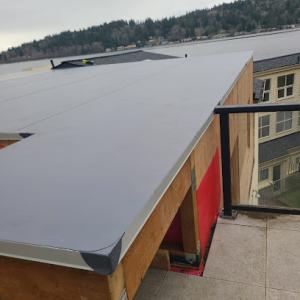
Sky Roofing Renovations
(206) 853-1210 skyroofingrenovationsllc.com
Bothell, Washington
5.0 from 58 reviews
Protect your largest investment with our reliable roofing services. We are a locally owned and operated roofing company currently serving Bothell, WA and surrounding communities. If you want to make your roof last as long as possible, it is vital that you never put off a roof repair. Small issues with roofing become big issues in a hurry. No matter how major or minor the repair you need, we are here to help. We offer roofing contracting, roof installation, and roofing repair.
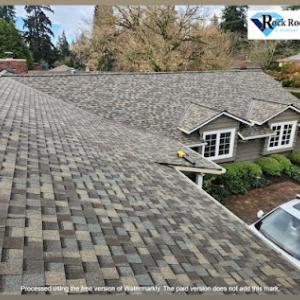
Rock Roofing | Trusted Residential & Multi-Family Roofing Experts
(425) 486-8683 www.rockroofing.com
17210 Bothell Way NE Suite A, Bothell, Washington
4.8 from 73 reviews
Established in 1998, Rock Roofing has been a trusted name in roofing solutions for over two decades. We are committed to providing top-tier services for both residential and multi-family properties. Our licensed and insured team specializes in installations, repairs, and maintenance, delivering tailored solutions with unmatched quality and durability. With a proven track record of reliability and excellence, we prioritize customer satisfaction, ensuring every project is completed on time and within budget. Whether you're upgrading your home or expanding your business, Rock Roofing is your dependable partner for long-lasting, professional results.
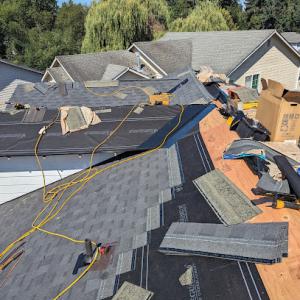
All Access Roofing & Gutter
(206) 775-0246 www.allaccessroofingandgutter.com
1626 175th Pl SE, Bothell, Washington
5.0 from 26 reviews
Since 2014, All Access Roofing & Gutter has been Bothell's steadfast guardian, ensuring homes are safe and secure. We specialize in residential roofing and gutter solutions, providing comprehensive services to shield your home from the elements. Whether it's detailed repairs, complete replacements, or meticulous cleanings, All Access Roofing & Gutter offers a robust defense, bringing homeowners unparalleled peace of mind. Entrust your home to the neighborhood experts who truly care.
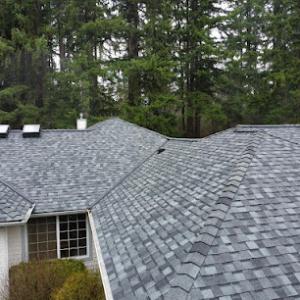
Suruka House
(425) 236-3462 surukahousecare.com
9406 NE 149th Ct O103, Bothell, Washington
4.9 from 38 reviews
At Suruka House Care, we pride ourselves on being the best roofing company for your home repairs in Washington. Your satisfaction is our top priority – if you’re not happy, we’re not done. We won’t stop until your roof is perfect, and if something goes wrong, we’ll be back within 48 hours to make it right. From roof repairs to gutters, we’ve got you covered. As GAF-certified contractors, we offer the Silver Pledge, including a 50-year material defect warranty and a 10-year labor warranty. We also provide free roof inspections, estimates, drone inspections, and help with insurance claims. With us, you’ll experience seamless communication and total dedication every step of the way.

Smart Choice Roofing
(425) 209-1877 www.smartchoiceroofing.us
12033 Woodinville Dr #66, Bothell, Washington
5.0 from 23 reviews
As a homeowner, taking care of all your property’s maintenance can be overwhelming and time-consuming. One thing you can count on us for is your roof. Your property’s roof protects your home and family from the outside elements. Whether you need a roof leak fixed or it’s time for a roof replacement, ensure you’ve made the right choice with Smart Choice Roofing We provide our roofing services in Bothell, Washington, and surrounding areas to our many valued customers. Our vast knowledge and expertise provide you with the best roofing system for your project. Get in contact with us for a free quote. When you hire us, you’ve made the smart choice for your roofing contractor. Your home will thank you for it!
True Roofing NW
(206) 687-6191 trueroofingnw.com
1805 186th Pl SE Apt H101, Bothell, Washington
5.0 from 19 reviews
At True Roofing, we provide professional and affordable roof repair, roof replacement, and roof installation services throughout Bothell and surrounding areas. Our experienced roofing team uses high-quality materials and proven techniques to ensure your home stays safe, durable, and energy-efficient. Whether you need a small leak fixed or a full roof replacement, we’re committed to delivering outstanding craftsmanship and long-lasting results. Licensed and insured, we proudly serve homeowners and businesses with integrity, reliability, and attention to detail.

Squatch Roofing
(425) 371-4275 www.squatchroofing.com
Serving
5.0 from 135 reviews
Squatch Roofing is a locally trusted roofing company serving homeowners across the Pacific Northwest. We specialize in roof replacements, roof repairs, and storm damage solutions built to handle the region’s toughest weather. Our team is known for straightforward communication, quality craftsmanship, and doing the job right the first time. Whether you need a quick repair or a full roof install, Squatch Roofing delivers dependable protection and long-lasting results.
Elite Gold Contractors
(206) 823-4805 elitegoldcontractors.com
Serving
4.9 from 237 reviews
Elite Gold Contractor, LLC is a family owned and operated company. Throughout our 10 in business, we have completed quality work on a consistent basis for property owners, property managers, and general contractors. We specializes in roofing and gutters installation, repairs and protection for residential and commercial properties. We are a highly skilled team that works closely with you to ensure that you receive exactly what you want. We walk you through the process from beginning to end, answering questions and meeting the goals of each and every client. Our commitment to our clients is to have complete client satisfaction and provide our clients with the highest quality of service. We pride ourselves on delivering the best unique exp

Titan Roofing
(206) 591-4015 theroofingtitan.com
Serving
5.0 from 130 reviews
Titan Roofing serves King and Snohomish counties with roof replacement, repair, cleaning, gutters, and TPO/PVC flat roofing. We prioritize accurate timelines, consistent updates, and quality workmanship. Financing options are available, and new installations include manufacturer-backed material and workmanship warranties. Book your inspection or get a quote today!
A full reroof in Bothell typically requires a building permit issued through the City of Bothell Development Services. The process is designed to ensure that the project meets local drainage, setback, and mechanical requirements, as well as fire safety standards for steep roofs common in wooded hillside neighborhoods. Before any nails go into a new roof, you should confirm that your plan identifies the roof assembly, underlayment, venting, flashing details, and the sequence of material installation. That plan serves as the foundation for the permit package and helps avoid backtracking once work starts.
Reroof projects generally go through plan review before work proceeds under permit. The plan review step is your early opportunity to catch issues that could trigger delays later, such as changes to roof ventilation, moss mitigation measures, or required drip edges and valley flashing details tailored to Bothell's wet climate. Expect a back-and-forth period where a plan reviewer may request clarifications or specify additional details, particularly for steep-slope roofs or areas with mature canopy that affects rain exposure. Having a complete, well-documented package reduces the chance of rework during inspections.
Inspections in Bothell are commonly scheduled after underlayment and flashing are installed and again at final completion. The timing is important because it aligns with the critical stages of the roof assembly: decking condition, underlayment zoning, flashing around chimneys and skylights, and proper nail pattern adherence. Weather windows matter here; wet season work can push inspections later in the calendar as rain and mud complicate access or compliance with staging requirements. Plan for possible delays if an inspection backlog exists or a weather hold is needed before the next inspection window.
City-managed reroof permits in Bothell often involve staged inspections that correspond to the project's progress. This means you may obtain an initial partial approval to proceed with certain activities, followed by subsequent approvals as work advances. Coordinating with the permit inspector and your contractor to keep the sequence tight helps minimize downtime between stages. Keep utility lines clear from staging areas and ensure safe access for the inspector to the eaves, hips, and ridges where moss and moisture are most prevalent.
Because Bothell roofs encounter persistent moss and moisture issues, documentation for flashing adequacy, moss mitigation measures, and proper drainage becomes part of the plan review and inspection conversation. If moss removal or treatment is required before underlayment, make sure the chosen method complies with local practices and environmental guidelines. Clear notes in the plan about moss control, gutter protection, and debris management can smooth both the permit review and the inspection process, preventing surprises when the city checks work against the approved plan.
Asphalt shingles remain a common sight on Bothell rooftops, and their accessibility fits many mid-range home styles found on the hillsides. In this climate, humidity and persistent moss pressure can push shingles to lift or degrade faster if ventilation and drainage aren't up to par. You'll want to pair asphalt with a robust underlayment and a vented ridge system to chase moisture toward the soffits and away from the attic. Choose shingle profiles with good dimensional stability, and consider installing a breathable underlayment that seals against leaks while still allowing moisture to escape. Regular inspection after the wet season helps catch granule loss or cupping before leaks develop.
Bothell homes show a broader material mix than some nearby suburbs-clay tile, concrete tile, slate, synthetic/composite shingles, and fiber cement shingles all appear in local neighborhoods. Each material has its own moisture and moss dynamics. Clay and concrete tiles, for example, can tolerate wet conditions but rely heavily on solid substrate and careful flashing at penetrations. Slate brings longevity but can be brittle around cold snaps or freeze-thaw cycles if installed with improper fasteners. Synthetic or composite shingles offer mildew resistance and lighter weight, yet still need solid ventilation and an effective underlayment. Fiber cement sits between durability and weight, with flashing integrity being crucial where the roof meets dormers or chimneys.
Wet-season constraints make underlayment and flashing performance a top priority, regardless of material. In Bothell, decking should be dry and clean during installation, and fasteners must be chosen to resist corrosion in a damp climate. Pay special attention to transitions-chimneys, vents, skylights, and valley intersections-where moss tends to accumulate and seepage can start. A continuous eave and rake edge detailing helps shed water quickly, while sealed or taped joints in underlayment prevent slow leaks that moss can exploit. For steeper roofs, consider additional stepping or secondary drainage measures to ensure water doesn't back up into eaves during heavy rains.
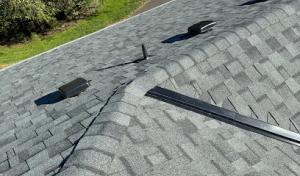
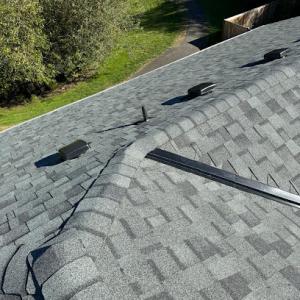
Moss thrives on shaded, moist surfaces typical of Bothell's wooded hillsides. A well-ventilated attic reduces condensation that feeds moss growth on the underside of the roof sheathing. On every material type, ensure continuous soffit intake with adequate ridge or soffit exhaust. Consider zinc or copper strip installations near ridge lines to deter moss colonization along the roof plane, and schedule proactive moss removals before severe growth takes hold. Regular inspections after storms, plus prompt treatment of any flashing or seam issues, keeps moisture from creeping under the surface and compromising the roof's long-term performance.
In Bothell, the typical cost landscape for roof replacements reflects a mix of common residential styles and the region's damp climate. Asphalt shingles run roughly from $400 to $750 per square, which is a practical baseline for steep hillside homes with acceptable drip edge and underlayment. If you're considering clay tile, expect about $700 to $1300 per square, a choice that brings durability and a distinct look but adds weight and installation complexity on insured, moss-prone roofs. Concrete tile sits in the $650 to $1150 per square range, offering solid longevity with a heavier structure requirement. Synthetic or composite shingles are usually quoted around $480 to $800 per square, presenting a mid-range option that can handle Bothell's wet days while staying lighter on structural demands. Slate is a premium path, typically $1500 to $3000 per square, and is best reserved for homes with the roof structure already engineered for its weight and its need for meticulous maintenance. Fiber cement shingles sit between asphalt and tile, at about $450 to $850 per square, delivering a durable, moisture-resistant choice without the heavy weight of tile. These ranges reflect the long wet season's impact on labor, material handling, and the extra time crews may need to address underlayment and moss-prone surfaces.
Wet-weather delays are a real factor here. When it rains, crews pause to protect exposed decking and to ensure fasteners and underlayment aren't compromised by moisture. That pause time translates to longer projects and can push labor charges higher, especially on steeper, wooded lots where access is constrained. Staging the work around rain events isn't just about scheduling; it's about maintaining roof integrity as you move from underlayment to shingles and final flashing. If you're choosing a higher-end or heavier material, you'll notice the effect more-tile and slate require careful sequencing and more time on site in wet conditions, which nudges overall project labor costs.
Because Bothell roofs endure frequent dampness and moss pressure, selecting a material with good moisture resistance and integrated algae/algae-resistant features matters. Synthetic shingles and fiber cement offer a favorable balance of moisture performance and install ease in this climate, while asphalt provides a cost-conscious entry point with solid resale value. When budgeting, anticipate not just the sticker price per square but the extra time required during wet periods and the potential need for enhanced underlayment or moss-preventive treatments as part of the replacement plan.
Don't let upfront costs delay a critical repair - these contractors offer payment plans to fit your budget.
Silverlining Roof
(425) 209-9805 silverliningroof.com
10609 Beardslee Blvd, Bothell, Washington
5.0 from 353 reviews

Bothell homeowners facing storm-related roof issues often need clear documentation of wind or hail damage for Washington insurers. Photos from multiple angles, timestamps after the event, and notes on date of discovery help separate storm damage from later wear. Keep receipts for temporary repairs, such as tarping or board-over, since insurers may evaluate those costs against the claim. If a leak appears during rain, make temporary protections safe and documented before calling in a contractor for a thorough assessment.
Washington carriers commonly ask for a detailed contractor scope of work and estimate, which is especially important when storm leaks or blown-off roofing components complicate the claim. A written scope should describe each affected area, rapid-penetration risks, and the sequence of repairs. Avoid vague language; include measurements, materials, and fastening methods typical for local slopes and shingle choices. Request a copy of the insurer's claim form and depreciation schedule early so you can review what the carrier expects for approval.
Recent insurer tightening on aging roofs and some materials makes pre-approval and accurate depreciation more important for homeowners considering a claim. Have a trusted local contractor assess overall roof condition, note any underlying issues (moss, moisture intrusion, or deck rot), and document pre-existing concerns. If possible, time repairs to align with staged inspections, and keep records organized in a single file to streamline the claims process when wind or hail is involved.
After the initial claim handshake, the process often hinges on staged inspections coordinated with the insurer. Expect a structural and moisture-focused assessment, especially on steep, moss-prone roofs. Document every visit, note changes since the storm, and photograph skylights, vents, and flashings. Improved inspector access helps prevent delays and unexpected depreciation later, for a smoother processing.
Find local contractors experienced in assessing and restoring roofs after hail, wind, and severe weather events.
Silverlining Roof
(425) 209-9805 silverliningroof.com
10609 Beardslee Blvd, Bothell, Washington
5.0 from 353 reviews
Brixton & Windsor Roofing
(206) 888-3948 brixtonwindsorroofing.com
22722 29th Dr SE UNIT 100, Bothell, Washington
5.0 from 67 reviews
VBC Roof & Gutter
(425) 666-8380 vbcroofconstruction.com
16561 124th Ave NE, Bothell, Washington
5.0 from 60 reviews
In Bothell, reroof inspections consistently zero in on underlayment integrity and flashing transitions, especially around penetrations. The long wet season heightens the risk that a minor lapse in these details becomes a major leak later. When planning or rehearsing a dry-in, double-check that underlayment around skylight flanges and chimney bases is continuous without gaps, punctures, or misaligned seams. If flashing is metal, look for loose fasteners, lifted edges, or corrosion that could trap moisture. A small misstep here can create a persistent drip that works its way through the deck and into living spaces.
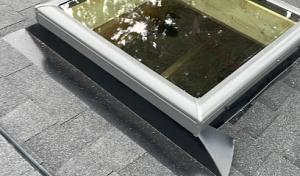
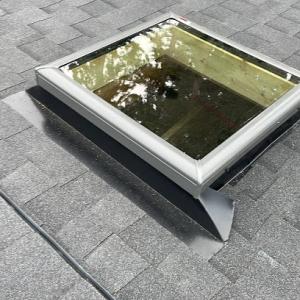
Skylights become high-attention points because prolonged moisture exposure can exploit flashing defects and seal failures. In practice, ensure flat stock around skylight curb is properly integrated with the base flashing and that step flashing transitions smoothly onto the field of the roof. Do not rely on the surrounding shingles alone to shed water; verify that the skylight curb is flashed with continuous sealant and that any kvick-seal or caulk joints remain supple after winter cycles. A single cracked seal or poorly seated curb will manifest as a creeping moisture trail across ceiling drywall.
Chimney intersections concentrate moisture risk because mortar joints and flashing can degrade under winter rains. Inspect the chimney cricket, if present, and ensure counter-flashing sits above the roofing material without gaps. Pay attention to the transition from shingle to metal flashing; even tiny misalignments invite trapped moisture and eventual leaks into the attic or soffit lines. Regular checks after heavy rains can catch slow leaks before they become stains or mold.
Weather delays in Bothell can leave partially completed roof transitions vulnerable if dry-in sequencing is not handled carefully. Plan critical steps-underlayment, flashing, and skylight seals-in a logical order, and avoid long stretches with exposed decking. If a dry spell breaks, reassess all penetrations before applying final roofing material, since lingering moisture can compromise adhesive bonds and sealants.
Find contractors experienced in skylight installation, flashing, and leak repairs to bring natural light into your home.
Silverlining Roof
(425) 209-9805 silverliningroof.com
10609 Beardslee Blvd, Bothell, Washington
5.0 from 353 reviews
Brixton & Windsor Roofing
(206) 888-3948 brixtonwindsorroofing.com
22722 29th Dr SE UNIT 100, Bothell, Washington
5.0 from 67 reviews
Sky Roofing Renovations
(206) 853-1210 skyroofingrenovationsllc.com
Bothell, Washington
5.0 from 58 reviews
In Bothell, choosing the right contractor means prioritizing reliability during active replacement work. The local market shows strong demand for reroofing, quick response, and thorough cleanup, so you want a crew that treats timely communication and site tidiness as non-negotiables. Look for crews that can clearly outline a realistic schedule, buffer for wet weather, and a plan to protect landscaping on steep, moss-prone roofs common in the hillside neighborhoods.
Residential work dominates the Bothell scene, so prioritize firms that regularly handle occupied-home reroofs. An experienced crew will coordinate around home life, protect interior rooms with drop cloths, and minimize dust on HOA-approved staging days. You'll find family-owned and locally rooted outfits alongside manufacturer-certified firms; both bring value-tenure can signal steady crews and consistent quality, while certification often aligns with updated installation methods and warranty support. Assess whether a candidate can pair traditional workmanship with modern moisture-control details suited to the Puget Sound climate.
Start with references from recent projects on similar roof ages and pitches, especially on wooded properties with moss challenges. Ask about their storm response times, on-site containment, and post-job cleanup standards. Inquire how they handle the staged inspections common to Bothell reroofs, including weather windows, temporary roof protection, and moisture management during the replacement. Request a clear point of contact for questions during the job and a written plan for dealing with moss-prone areas and ventilation checks after installation.
Obtain multiple bids from firms with visible Bothell presence or regional reps, then compare responsiveness, proposed crew size for your roof area, and the level of on-site supervision. Favor contractors who present a concise project timeline, a methodical rain plan, and documented moss-prevention steps-ensuring your new roof stays dry through Bothell's long wet season. Ensure the contract specifies cleanup standards and debris disposal to keep your yard free of moss and debris after every storm.
When a reroof project runs through Bothell's typical workflow, the final city inspection becomes a key milestone. Your closeout paperwork should be aligned with the permit sign-off so the inspector's notes and the contractor's confirmations match what's recorded in the file. This alignment helps avoid delays in warranty claims later on and keeps the project from drifting into mismatched documentation. Make sure the roofing crew returns with all certificate stamps, inspection approvals, and any required code-supplement forms ready for the last walkthrough. If discrepancies arise during the inspection, address them promptly and keep a clean trail of revised drawings and signed confirmations for the warranty record.
In the damp climate that defines this area, warranty value hinges on how well flashing, underlayment, and ventilation were installed and verified during the inspected phases. Look for clear notes that flashing around chimneys, vent stacks, and roof penetrations was completed to code and tested for leaks. Underlayment should be continuous and properly integrated at seams, valleys, and transitions to prevent moisture ingress on a long wet season. Ventilation details matter as well: ridge and soffit airflow should be balanced to control condensation and moisture buildup inside the roof assembly. If the contractor can demonstrate during the final inspection that these components met the expected standards, the warranty is more likely to deliver its full protective value when a leak or moisture issue is later claimed.
Manufacturer-backed warranty options sit prominently in the Bothell contractor market, and the documentation trail matters. Ensure that product registrations, installation manuals, and any required proof-of-purchase or batch information are filed and linked to the project file. Registration often extends coverage beyond the contractor's term and can affect transferability when the home changes hands. At project completion, confirm that the exact model, color, and installation details are recorded, along with the installer's credentials and the dates of installation. This documentation makes it easier to substantiate claim eligibility if moisture or performance questions arise down the line.