Last updated: Apr 19, 2026
Lynden's roofing calendar is heavily constrained by wet winters and frequent precipitation, so tear-off windows are narrower than in drier inland Washington markets. If you're planning a full roof replacement or significant roof work, you must secure a precise, weather-driven schedule now and commit to it. A single long rain spell can derail an otherwise solid plan, forcing you into a narrow dry spell that may not align with your crew's availability. Build a contingency into the plan for unexpected rain weeks, and treat any proposed tear-off as a weather-sensitive project with a hard start date and a hard end date.
Spring rain and thaw cycles in this county can interrupt underlayment exposure and push projects into later dry periods. When the ground stays damp and the days are still cool, underlayment must be covered promptly to avoid water infiltration behind the new roof deck. If you're mid-tear-off, schedule the installation of underlayment and sheathing to follow immediately behind the removal crew, not a day or two later. Delays at this stage compound moisture risk and increase the chance of weather-driven roto-scheduling issues. Plan for additional handoffs between trades to keep the deck dry and ready for the next stage as soon as a dry window appears.
Dry summer weather in Lynden usually allows faster installation, but fall wind events can make staging and temporary dry-in riskier on open residential lots. The longer you wait into autumn, the more exposed your project becomes to gusts that can lift tarps, loosen materials, or complicate staging. If a late dry spell emerges, you'll want crews staged and ready to push through to completion before late-fall wind patterns pick up. Conversely, if a project extends into the shoulder season, expect the risk of blowing dust, debris, and wind-driven moisture to complicate everything from underlayment to final sealing. Have a robust wind-staging plan and secure materials early to prevent weather from derailing progress.
Lock in a narrow but dependable dry window that aligns with the crew's schedule, and treat it as the critical path for the project. Ensure that weather monitoring is continuous in the weeks leading up to the start, with a built-in backup plan for a week or two of alternative dates if rain pushes you off the original slot. On site, minimize underlayment exposure time by coordinating a tight sequence: teardown, underlayment, decking, and then cladding in swift, weather-aware succession. For open lots, stage tarps and wind breaks strategically to reduce rain intrusion and wind-driven damage during any temporary dry-in steps. Finally, communicate clearly with neighbors and the crew about the potential for last-minute shifts, because Lynden's wet season can turn a planned window into a scramble overnight.
In the damp, frequent-wetting climate that shapes Lynden's housing stock, asphalt shingles and metal roofing fit the dominant replacement market because they handle repeated wetting better than more maintenance-heavy systems when detailed correctly. Asphalt shingles provide a forgiving curb appeal and a straightforward installation path, especially on standard 3/12 to 5/12 pitches common on many local homes. When you're selecting asphalt, choose a high-venting underlayment and ensure proper sealing at eaves and penetrations to limit capillary moisture intrusion during heavy rains. Metal roofing offers excellent wind resistance and rapid shed of moisture, which reduces prolonged wetting on the roof deck. If you opt for metal, pay attention to the ridge and seam details and to a water-tight membrane at transitions to gutters and skylights. The key is proper detailing: high quality underlayment, factory-applied coatings suited to damp climates, and a thoughtful layout that minimizes exposed fasteners and potential water pockets.
Wood shingles and shakes remain relevant in this region but need closer attention to moss, moisture retention, and weathering in Lynden's damp conditions. If a wood option is important for aesthetics, choose cedar with a high-grade underlayment and aggressive ridge ventilation. Moss growth is a frequent issue here, so plan for a longer-term maintenance cycle that includes annual inspections, moss abatement, and deck-level drainage that prevents pooled moisture near the eaves. Treatments that are compatible with local rain patterns can extend the life of wood products, but expect more frequent refinishing intervals and potential premature color fade if surfaces stay wet for extended periods. Installation should emphasize a solid, continuous underlayment and drip edges that channel water away from eave overhangs, along with careful onboarding of flashings at dormers, chimneys, and transitions to walls.
Clay and concrete tile are available in the market but their higher weight and installation complexity can raise project scope compared with the more common asphalt and metal systems used around Lynden. Tile brings durability and a distinctive look, yet the added dead load requires a structural review and potentially upgrades to support rafter spacing and roof framing. Installation precision matters here: ensure a solid substrate, proper nailing patterns, and a moisture barrier beneath the tile to prevent wicking. In damp conditions, tile roofs can be susceptible to moss and leaf debris filling valleys, so valley clearance and periodic cleaning become more important. Given the weight and complexity, tile is typically a longer-term upgrade choice that should be matched with existing framing and local wind considerations.
Timing matters more than high heat resistance in this setting. Plan replacements or major repairs to complete before the heart of the long wet season, ensuring gutters, downspouts, and flashing are fully integrated with the new roofing assembly. If a full replacement cannot be scheduled ahead of the wet months, prioritize increases in underlayment and flashings, along with a staged approach that protects the deck while work continues. For asphalt and metal, a well-sequenced job with careful venting, ventilation, and moisture barriers will minimize the risk of moisture intrusion during the work window. For wood and tile projects, align installation with dryer spells within the season and ensure a robust moisture management plan is in place post-install to deter moss establishment and water-backed rot. In any material choice, the goal is a tight, well-drained roof that sheds moisture efficiently and remains resilient through repeated wetting and wind exposure.
In a place with long, wet winters and wind sweeping across open farmland, shingles aging from sun exposure aren't the biggest worry. The heavy moisture exposure makes flashing details, roof penetrations, and ventilation-related condensation more consequential. Small defects in valleys, around chimneys, or at vent collars can linger in damp air and slowly corrode seams. If a roof edge or step flash isn't tucked and sealed with care, you're inviting micro-leaks that travel along roof planes before they find your attic. The clock isn't just about what's visible from the ground; it's about how consistently moisture can reach those hidden seams during weeks of sustained rain.
The local climate treats underlayment as a first line of defense against moisture migration. A misstep here-that layer's coverage, overlap, or attachment-can compromise the whole system long before a visible problem appears on the surface. In practice, that means the way underlayment interacts with flashing, fasteners, and penetrations is what determines whether a leak becomes a stubborn interior issue after a storm. A roof that looks sound from the street may still show signs of slow seepage if the underlayment wasn't installed with attention to the patterns of rain and wind that sweep through the area. In Lynden, the sequence you want is airtight at the roof deck, with a forgiving yet robust finish that can weather repeated wet seasons without flaking or lifting.
Skylight areas deserve extra scrutiny because repeated rain exposure can turn small flashing defects into persistent interior leaks. The junctions where the skylight meets the roof are prime spots for condensation to pool and migrate, especially when attic ventilation isn't moving air effectively. If a skylight seal or curb seems even slightly degraded after a season, treat it as a warning sign rather than a cosmetic issue. In turn, ensure the surrounding roof plane isn't carrying a cascade effect from a faulty skylight flashing-small leaks here can become larger headaches in a hurry when moisture sits against insulation and interior drywall.
Ventilation is the hidden line of defense against interior moisture buildup. Poor intake or exhaust can create condensation that drips into attic spaces, then down through nailed-through areas not designed to handle wet conditions. In a landscape where long wet periods are the norm, you want a ventilation plan that keeps attic temperatures closer to the exterior during winter and reduces the chance of warm, moist air meeting cold decking. If your attic feels damp after storms, or you notice frost along roof seams inside the attic in the morning, the system is signaling a problem that needs correction before a leak becomes a larger issue.
Given the climate realities, regular, targeted checks on flashing joints, penetrations, underlayment integrity, and attic ventilation become a practical routine. After heavy rains, inspect around chimneys, dormers, skylights, and vent stacks for any peeling sealant or loose flashings. If a suspect area is found, address it promptly rather than postponing until it's obvious a leak has formed. A careful eye on these points can prevent small rewards from turning into costly repairs after the next wet season.
Find contractors experienced in skylight installation, flashing, and leak repairs to bring natural light into your home.
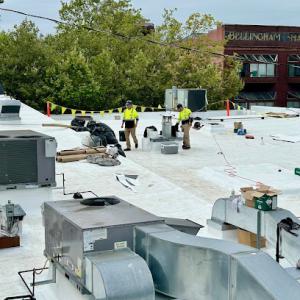
SRS Roofing
(360) 220-8059 www.srsroofing.com
7133 WA-539, Lynden, Washington
5.0 from 57 reviews
SRS Roofing tackles all your residential and commercial roofing needs. We provide expert solutions for repairs, replacements, leaks, and ongoing maintenance, ensuring your property stays protected. Full roof replacements, insurance repairs and emergency leak response, residential or commercial, we take care of it all. Based in Whatcom County on the Guide, between Bellingham and Lynden, we are ready to serve you anywhere in Washington state.
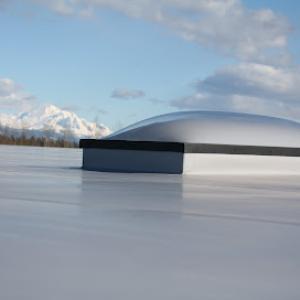
Hytech Roofing
(360) 354-4335 hytechroofing.com
7381 WA-539, Lynden, Washington
5.0 from 8 reviews
Your building’s envelope is protecting one of your biggest assets. You want to make sure the contractor you choose is a trusted partner who is going to resolve problems, show up on time, and stay within your budget. Since 1952, Hytech Roofing has been a trusted partner installing roofing and siding on commercial projects all over the Northwest. Hytech Roofing offers a full range of commercial and industrial roofing and siding services from inspection, testing, and maintenance, to full replacement and new construction. Whether the project is rather routine, or highly unusual, our years of experience ensure exceptional results every time. We provide commercial roofing and siding in Whatcom, Skagit, Island, Snohomish, and King counties.
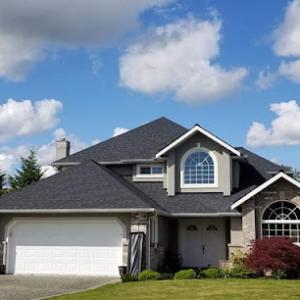
Bulletproof Roofing
275 W Bartlett Rd, Lynden, Washington
5.0 from 4 reviews
Roofing Contractor, new construction, remodel, and repair. Serving Whatcom County
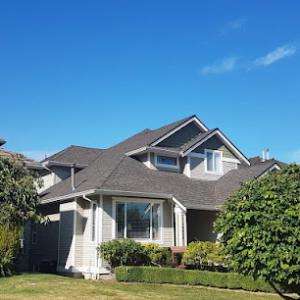
Wilway Roofing & Contracting
(604) 302-5389 wilwayroofing.com
Serving
5.0 from 19 reviews
Wilway Roofing and Contracting is a full-service roofing company that specializes in residential and commercial roofing services. Our mission is to provide high-quality roofing services at a fair price and to build a reputation as the go-to roofing company in our market. Products and Services: - Roof repair and maintenance services for residential and commercial properties. - New roof installations for residential and commercial properties. - Roof inspections and assessments. - Roof replacement services. - And gutter services.
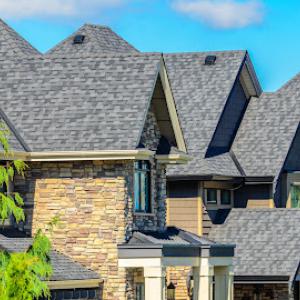
Clearbrook Roofing
(604) 854-1012 www.clearbrookroofing.com
Serving
4.9 from 28 reviews
Clearbrook Roofing offers professional roofing services in the Lower Mainland and Fraser Valley, including areas like Abbotsford, Chilliwack, Mission, Langley, and Surrey. They provide both residential and commercial roofing solutions, emphasizing quality, timely delivery, and budget adherence. With over 30 years in the industry and a longstanding membership with the Better Business Bureau since 1990, We are licensed, insured, and WCB covered, ensuring reliable and guaranteed workmanship.
Modren Roofing
(604) 300-7684 www.modrenroofing.ca
Serving
5.0 from 24 reviews
We specialize in high-quality roofing repair and installation services, offering reliable solutions for both residential and commercial properties. With years of experience in the industry, our skilled team is committed to providing top-notch workmanship, ensuring your roof is durable, secure, and aesthetically pleasing. Whether you need a small repair or a complete roof installation, we work with you every step of the way to deliver the best results. We use premium materials and the latest techniques to ensure long-lasting protection for your home or business. Trust Modren Roofing for all your roofing needs—your satisfaction and peace of mind are our top priorities.
Roofing Horse
(604) 338-9555 www.roofinghorse.com
Serving
5.0 from 46 reviews
Roofing Horse is based in Abbotsford, we specialize in sloped roofing, focusing on shingles - fibreglass, wood, metal, and environmentally friendly options. We proudly serve our local community and are willing to travel for projects. At Roofing Horse, we value every client and go the extra mile to ensure satisfaction, knowing that most of our business comes from referrals. Our guiding principles are simple: Do What It Takes, Replicate Success, and Take Responsibility.
Direct Roofing - Fraser Valley Residential & Commercial Roofing Contractor
(778) 552-7663 directroofing.ca
Serving
4.3 from 54 reviews
For over a decade Direct Roofing & Contracting has been Lower Mainland & Fraser Valley's most trusted resource for quality roofing. We offer the finest craftsmanship available and our trained roofers are highly skilled and competent. We extend professional and courteous service and offer a thorough free consultation and estimate to ensure the job gets done right. We strive to use only the highest quality, affordable materials so that we can extend you the greatest value possible. We offer a number of comprehensive services for your business' or home's roofing. Our roofers can repair or replace your roof and we also provide new roofing for construction projects...
Repp Industries Roofing
Serving
4.9 from 10 reviews
Residential And Commercial Roofing Experts
Fly Guys Roofing
(360) 317-5027 www.flyguysroof.com
Serving
4.8 from 106 reviews
Fly Guys Roofing is a local small roofing business that services Bellingham and greater Whatcom county. Our mission is to maintain the historic buildings and homes of this wonderful community, who have graciously supported our growth and success. We pride ourselves on using only the highest-grade materials, which allows us to guarantee our work for 5 years!
Skyline Roofing & Construction
(360) 398-6119 bellinghamskyline.com
Serving
5.0 from 50 reviews
Full service roofing company in Bellingham Washington. We specialize in metal roofing, composition asphalt roofing and TPO.
Whatcom Roofing
(360) 733-2182 www.whatcomroofing.com
Serving
4.7 from 50 reviews
Residential re-roof experts in Whatcom County since 1974. We install Shingles, Metal and TPO flat roof membranes at prices you can afford. Quality work and timely too. Call or email for a free roof quote today!
In Lynden, roof replacement dollars are as much about timing as they are about materials. The wet season compresses scheduling, so crews usually work to fit a series of shorter dry windows and protect the home carefully during rain. This means you may see a tighter delivery clock on delivery of materials, staging, and completion dates compared to drier parts of the year. Factor weather-driven pacing into your budget and your homeowner expectations.
Material choice has a wide impact on price, with the local market showing a broad spread. Asphalt shingles run roughly 350 to 750 USD per square, offering the most budget-friendly option for steady protection through wet winters. Metal roofing runs 700 to 1200 per square and tends to pay back on longer lifespans and stronger moisture resistance in exposed Lynden settings. Synthetic or composite shingles sit around 500 to 900 per square, blending durability with reasonable upfront cost. Wood shingles or shakes typically fall in the 700 to 1100 per square range, prized for appearance but requiring more maintenance in wet weather. Concrete tile ranges from 900 to 1600 per square, while clay tile can drift from 1100 to 2500 per square, reflecting their longer installation time and heavier weight. Your choice will influence not only upfront cost but also long-term maintenance needs, moisture management, and wind performance in open farmland corridors.
Moisture management drives replacement timing. Long wet seasons mean longer exposure of underlayment and decking if a delay or weather gap crops up. In Lynden, you'll want a contingency plan for rain bands that can stall progress and potentially extend the project into shoulder months. Expect crews to sequence underlayment and flashing work tightly around dry spells to minimize the risk of water intrusion, and to coordinate with material delivery to prevent weather-related damage on exposed roofs.
Practical steps: compare bids with clearly defined dry-window guarantees, verify underlayment and drip-edge quality, and choose a system that harmonizes with the home's structure and local moisture patterns. Consider how each option's installation time and maintenance schedule align with Lynden's wet-season realities.
Get a clear picture of your project costs upfront - no commitment required.
Direct Roofing - Fraser Valley Residential & Commercial Roofing Contractor
(778) 552-7663 directroofing.ca
Serving
4.3 from 54 reviews
A full re-roof in Lynden generally requires a building permit through the City of Lynden or Whatcom County, depending on jurisdiction. The exact authority can hinge on property lines, zoning, and whether any structure accessory to the primary residence is involved. Before scheduling tear-off, contact the local building department to confirm whether a Lynden permit, a county permit, or both apply to your project. Expect the permitting office to ask about roof height, materials, and any ventilation or insulation upgrades you're planning. This step helps align your project with the region's moisture controls and seasonal timing, especially given the long wet season.
Inspections are typically scheduled after tear-off and again after installation. In Lynden, the focus is on moisture management from the ground up-inspectors will verify that underlayment is continuous and properly secured, flashing around intersections and chimneys is integrated, and proper ventilation is maintained to prevent condensation and ice-related issues during wet months. The final inspection covers the installed roof finish, ensuring fasteners, sealants, and edge details meet local codes and manufacturer requirements. Planning these inspections into your schedule helps prevent weather-driven delays and keeps the project moving through Lynden's damp climate.
Homeowners should expect plan review attention to local wind-uplift and venting compliance before work is finalized. Whatcom County and the City of Lynden emphasize secure connections that resist uplift from prevailing Northwest winds. The plan review will scrutinize how rafter ties, nail patterns, and edge detailing perform under typical wind exposure across open farmland and waterfront-adjacent stretches. Venting configuration matters too: improper venting can trap moisture and compromise roof longevity in a long wet season. Have your contractor present a venting strategy that aligns with both code and the underlayment choice, ensuring attic space remains dry and ventilated throughout the year.
Coordinate with the permitting office early to avoid weather-driven hold-ups. Weather in this corner of Whatcom County tends to extend the wet season, so confirm timelines that allow for a tear-off window during a drier spell and a provisional plan for interior moisture protection if rain rolls in during the project. Ensure the contractor's crew is prepared for inspection recaps-post-tear-off and post-installation-so any minor adjustments can be addressed promptly. Keeping inspections on track reduces the risk of moisture-related setbacks and helps the finished roof perform reliably through Lynden's characteristic damp winters.
Washington insurers commonly want roof age, condition photos, and a clear scope of work before approving or underwriting roof-related decisions in markets like Lynden. The local pattern is practical: policies hinge on tangible evidence rather than projections. When the weather keeps signaling moisture on wood and asphalt alike, a strong documentation trail becomes the first line of defense against delayed claims or denied repairs. Without this, a small leak can become a larger dispute during a renewal cycle or a wind-driven event.
Because Lynden sees wind and rain-driven roof issues more often than catastrophic coastal surge events, documentation of leaks, flashing damage, and decking condition is especially important. Take recent photos after storms and before any temporary fixes, showing the roof from multiple angles, gutters, and attic access points. Include close-ups of cracked flashing, missing sealant, and any sagging sections. A dated, annotated photo log helps when carriers request proof of ongoing moisture concerns or frozen-to-thawed cycle damage that can compromise deck integrity. Clear, consistent images paired with a simple written note for each item create a credible history.
Some Washington carriers have tightened coverage around wind or hail exposure, which can push homeowners to replace aging roofs before visible failure becomes severe. Build a concise scope of work that outlines targeted repairs or replacement plans, with emphasis on compromised decking, membrane failures, or flashing replacements. Keep a local, dated record of all communications with the insurer and contractor, including estimates, inspection reports, and post-work checks. When a claim is filed, provide the insurer with the full package: age notes, condition photos, and a precise scope of work. A thorough, organized file reduces guesswork and eases the path through the approvals that shield the home through the long wet season.
Connect with contractors who help homeowners navigate the claims process from damage assessment to final approval.
In this climate, low-slope roof sections face longer periods of standing moisture during the wet season, especially where farm-open exposures meet compact residential blocks. Flat or near-flat edges adjacent to pitched roofs can trap runoff and create slow-drying spots. The mix of residential and commercial-style structures means some homes have flatter transitions that require extra attention to drainage, membrane detailing, and edge protection. When planning a re-roof, focus on how the low-slope areas tie into existing pitched sections and neighboring structures to avoid moisture pockets that linger after each rain.
Careful drainage is essential. Start with a precise assessment of slope in the low-slope zones, ensuring a consistent 2 percent or greater where feasible to promote gravity flow toward interior drains or gutters. For older homes with compromised transitions, add a secondary drainage path or temporary diverter during installation to prevent water from pooling on the surface during heavy rain events. Membrane details should extend over flashing and into wall plenums with a continuous seal, avoiding interruptions at step-down corners where water can leak through. In areas where wind exposure across open farmland impacts the roofline, secure all edge metal and flashings with corrosion-resistant fasteners and verify that sealants remain flexible through freeze-thaw cycles.
Flat or low-slope tie-ins next to pitched roof areas can become problem spots when re-roofing older homes and additions. Pay particular attention to the transition zone where the flat section meets the slope. Ensure proper counterflashing and a seamless membrane transition that overlaps the drip edge and fascia. Where parapets or skylight penetrations exist, build in robust terminations and test water paths with a controlled rain test after installation. The goal is a continuous, unbroken surface that sheds water quickly rather than allowing it to travel along the underside of the overlay into concealed bays.
Long, wet seasons demand a replacement schedule that prioritizes moisture management at the outset. Plan to complete the low-slope portion early in the project window, with a quality inspection of flashings and seams before the rainy period intensifies. If the structure includes older additions, schedule tie-in work adjacent to the main roof after securing a clean, dry surface. A careful sequence reduces moisture intrusion and provides an opportunity to verify drainage paths under typical Lynden weather exposure.
Find specialists in TPO, EPDM, and built-up flat roofing systems for residential and commercial properties.
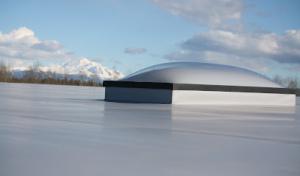
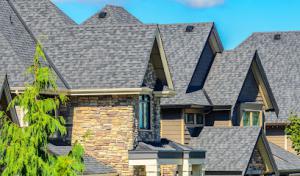
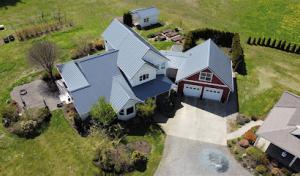
In Lynden, long wet winters and steady wind exposure across open farmland put a premium on moisture control and reliable flashing. Any roof system with added penetrations will feel the moisture cycle more quickly, so planning around penetrations is not an afterthought-it's a key part of a durable roof. The local emphasis on flashing and final roof finish means that planning should occur well before a re-roof is considered closed out, with a clear path to long-term performance.
Before committing to solar that requires roof penetrations, you should align the roof's age and replacement timing. If the roof is nearing the end of its service life, postpone panel installation until a full replacement can be completed in a single, cohesive project. This reduces the risk of re-opening flashing details after installation and helps avoid the need to remove and reinstall panels. When evaluating a roof that will carry solar, map out the service life of the foundation materials (sheathing, underlayment, and finish) and match that timeline to your solar goals so the roof isn't compromised by premature work.
Penetrations are the weakest link in a moisture-heavy climate but are also the most controllable with careful detailing. In a wet climate like this, ensure flashing is continuous and properly integrated with the chosen roof finish. For pitched roofs, consider mechanically attaching high-quality flashing around penetrations and using sealants that hold up in repeated freeze-thaw cycles and wet winters. Edge penetrations (like skylights or vents) should have enhanced flashings, with generous overlap into the underlayment and solid integration with the final roof finish. Plan ahead for herbicide-free, debris-free valleys and tool around any potential wind-driven water paths near ridge lines.
Coordinate solar installation timing with roof replacement so both projects move forward as a single effort, reducing the likelihood of flashing vulnerabilities or rework. If a roof must be replaced after solar is already in place, ensure that the contractor documents all flashing transitions and sealant strategies, and that any re-roof work preserves the integrity of the penetrations. In wet seasons, schedule penetrations during periods of dry weather if possible, and ensure temporary measures do not leave gaps that allow moisture intrusion before the final finish is installed.
The local inspection emphasis on flashing and final roof finish makes penetration planning especially important before a re-roof is closed out. After installation, insist on a thorough final inspection that focuses on flashing continuity, sealant integrity, and compatibility between penetrations and the chosen roof finish. A well-sealed system now reduces the risk of moisture issues once winter returns.
Find contractors who integrate solar panels or solar shingles into your roof for long-term energy savings.