
Last updated: Apr 19, 2026
In a place where winter rain never truly disappears and the Puget Sound air keeps roofs damp for months, your roof ages in slow, moisture-driven steps. The wet-season pattern in this area pushes replacement planning into late spring through early fall, because winter rainfall raises dry-in and scheduling risks. If you wait for a dry, sunny window that barely exists, you may end up with more leak exposure and faster deterioration. The window you're aiming for is a solid, consecutive stretch of dry days with daytime temperatures above freezing and nights that stay cool enough to prevent rapid moisture buildup on fresh underlayment. Plan ahead and map a 6-8 week dry-in target so crews can complete installation before the next heavy rain spell.
Persistent moss and algae growth are a recurring roof-life issue in this environment, especially on shaded roof planes that stay damp for long periods. Moss acts like a sponge, holding moisture against shingles and underlayment, accelerating rot and reducing insulation value. In practice, that means shaded eaves, north-facing slopes, and tree-adjacent sections will require closer monitoring and more proactive maintenance. If you notice dark streaks, spongy feel underfoot, or a green-blue sheen on shingles after a wet season, treat it as a warning sign rather than normal wear. Address it before a reroof decision is made, because removing moss after it has penetrated the surface won't repair the damage or fully restore moisture resistance.
Occasional freeze-thaw cycles in the cool season can worsen moisture-related wear after water intrusion or moss buildup has already compromised the roof surface. Freeze-thaw stress expands and contracts moisture trapped in shingles and underlayment, which can loosen fasteners, crack flashing, and open pathways for water intrusion. If a roof shows signs of moisture ingress during the winter, that damage will continue to worsen once temps swing below freezing again. The critical timing insight is this: a reroof selection should be made during the dry-season window when the roof deck is dry, substructure is stable, and there's no risk of new moisture compromising the dry-in, fasteners, or ventilation plan.
To act decisively, schedule an inspection after the tail end of the wet season and before the first sustained dry spell of spring. Have a licensed roofer perform a thorough moisture survey-checking decking integrity, flashing, underlayment, gutter systems, and moss-related damage on shaded planes. If repair windows are feasible, weigh a full reroof only when the deck and framing are dry and properly ventilated, because moisture-laden decks can trap humidity and compromise new materials. For those facing a moss-prone roof, plan a moss remediation and protective treatment as part of the pre-roof preparation. A properly timed reroof that aligns with Lynnwood's wet-season realities reduces the risk of premature aging, leaks, and accelerated wear from recurring dampness.
Asphalt shingles are a dominant reroof choice in this area because they fit the large stock of pitched residential roofs and are widely offered by local contractors. In practice, this means a straightforward path to availability, color options, and compatibility with typical attic ventilation layouts found on Lynnwood homes. When moisture pressure from long wet seasons is a concern, asphalt shingles with a sealed or laminated core can keep wind-driven rain from infiltrating the roof deck for a reasonable lifespan. If you own a traditional gable or hip roof, asphalt remains a predictable, serviceable option that local crews know how to install well with the regional climate in mind.
Metal roofing has a meaningful local specialist presence, reflecting homeowner interest in longer-life systems that shed water efficiently in the region's rainy climate. For roofs that see frequent dampness, metal can offer robust performance and faster shedding of standing moisture. The trade-off is weight, fastener detail, and flashing compatibility with existing gutters and soffits. In practice, metal works best on homes with a straightforward slope and a roof plane that can be insulated and vented to prevent condensation issues in colder months. If a roof already shows signs of moisture-related aging-soft spots, persistent moss growth, or uneven decking-metal can be a credible long-term upgrade, provided the structure can support it and the local installer has the right details for connections near ridges, penetrations, and valleys.
EPDM and TPO matter locally for Lynnwood's low-slope and flat-roof segments, where standing water control, seam quality, and drainage details are more critical than on steep-slope homes. These membranes excel at long-term waterproofing, but their success hinges on meticulous edge detailing, drainage design, and regular seam inspection. For non-pitched sections, choosing a system with proven field and seam warranties from a reputable local installer helps ensure performance through repeated cycles of rain and freeze-thaw. If a flat or low-slope roof is already in place, consider a coating or membrane update to restore water-tightness and extend the roof's service life without the upheaval of a full re-cover.
When evaluating roof types, start with the roof's slope and the readiness of the underlying decking. Steeply pitched roofs with solid decking and good attic ventilation are prime candidates for asphalt or metal, depending on aesthetic goals and long-term maintenance plans. For any option, insist on a thorough moisture assessment of the sheathing, rafters, and flashing details. In the wet season, leaks often present first at penetrations, valleys, and edges-areas where local crews emphasize proper sealing and flashing continuity.
For low-slope segments, prioritize a proven membrane system with strong seam integrity and a tested edge detail. Roofs that feature moss-prone exposure should include pre-installation mold and moss mitigation steps, a durable underlayment, and a plan for ongoing maintenance to reduce moisture infiltration between cycles of rain.
Because moisture-driven aging accelerates in Lynnwood's long rainy season, consider reroof timing that optimizes dry windows and allows for thorough venting and attic preparation before the wet season returns. The best candidates for reroofing are those with aging shingles, recurrent moss pressure, or hints of decking wear, where replacement now reduces the risk of water intrusion during the next heavy winter. If the roof shows consistent moisture staining, deck softness, or recurring leaks near penetrations, planning a re-cover with attention to drainage and flashing upgrades can prevent costly repairs down the line.
In summary, asphalt shingles fit the typical Lynnwood pitched-roof stock and contractor ecosystem; metal roofing serves those seeking longer-term performance and efficient water shedding; EPDM and TPO address the needs of low-slope or flat sections where drainage and seam integrity drive performance. The right choice aligns with roof slope, decking condition, and a plan that keeps moisture from compromising the deck through the region's persistent wet season.
In the Puget Sound region, moisture never truly leaves the building envelope, and Lynnwood's long, wet winters stress attic ventilation and eave details more than you might expect. City inspections for reroofs may review attic ventilation, eave protection, and proper venting, making these details more than just contractor preferences. If the attic isn't vented to manage moisture, you'll see accelerated aging near penetrations and along eaves long before you notice widespread shingle wear elsewhere. Before any reroof, verify that soffit vents, ridge vents, and any attic baffles are clean, unobstructed, and properly matched to the roof line. A lack of balanced airflow can drive condensation, mold risk, and accelerated shingle deterioration right at the edges and around penetrations.
Skylight work is notably prevalent in the Lynnwood market, which makes flashing transitions around skylights a locally important repair and replacement concern. The combination of frequent rain and the weight of standing water at skylight transitions invites slow leaks that can mimic interior water marks far from the source. Pay special attention to the curb or curbless skylight flashing, the intersection with roof-to-flash, and any aging or split sealant around the glass. In a wet season, even small gaps become channels for infiltration. If you're replacing a skylight or rerouting flashing, insist on a continuous weather seal that covers the top and sides, plus trimmed metal flashing that extends a bit over the shingle line to direct water outward rather than toward the roof deck.
Vents for plumbing, bathrooms, and mechanicals are frequent leak culprits in Lynnwood, especially where roof decks are aging. In wet climates, sealant failures around penetrations are common and can propagate through the surrounding shingle courses. Inspect collars, boot flanges, and the surrounding roofing material for cracks, corrosion, or lifting edges. When reroofing, you want new underlayment to extend fully around each penetration, and flashing that transitions cleanly from the vent to the roof plane with a continuous seal. Edge details matter just as much as the centerline; a small edge lift can become a lane forRunoff under shingles during a downpour, eventually showing up as a telltale damp spot lower on the wall.
In Lynnwood's rain-heavy winters, failures often show up first at penetrations and edge details rather than as obvious field shingle loss. Eave protection, if skipped or poorly installed, becomes a flood gate for moisture into the attic and wall assemblies. Ensure the eaves have a robust underlayment, a solid drip edge, and properly sealed transitions where gutters meet the roof. Any sign of granular loss near the edge, curling shingles at the eave, or rusting metal around soffit vents should prompt a closer look. A careful reroof plan prioritizes these edge interactions to keep moisture from spiraling into the home's interior.
Find contractors experienced in skylight installation, flashing, and leak repairs to bring natural light into your home.
Hernandez & Sons Roofing
(425) 332-1500 hernandezsonsroofing.com
4208 198th St SW #106, Lynnwood, Washington
4.9 from 74 reviews
Krown Homes
(206) 391-6767 www.krownhome.com
19301 70th Ave W, Lynnwood, Washington
4.9 from 58 reviews
When you're budgeting a replacement, keep the local price signals in mind. The typical ranges this area sees start with asphalt shingles at about $430 to $900 per square, metal around $800 to $1,500 per square, clay tile from roughly $1,200 to $2,800 per square, and synthetic or composite shingles in the $520 to $900 per square band. For low-slope membrane options, EPDM runs about $4 to $8 per square foot, while TPO sits closer to $5 to $9 per square foot. These figures reflect how the project stacks up in a Northwest climate where moisture management and detail work around openings commands real attention.
In Lynnwood, costs can rise when wet-season scheduling compresses work into the drier months, increasing competition for crews during the preferred late spring to early fall reroof window. That tighter market tends to push labor hours higher and can squeeze scheduling into a shorter calendar, which translates to higher bids and, occasionally, expedited material delivery fees. If you're aiming for a fall or early spring start, expect some premium adjustments as crews balance weather risk with the normal demand spike that follows a long wet spell.
Material choice affects labor intensity locally: low-slope membrane systems, heavier tile assemblies, and rain-management detailing around vents, eaves, and skylights can all move Lynnwood projects toward the upper end of the range. A tile roof, for example, demands careful staging and extra time for ventilation and underlayment work, while synthetic or composite shingles may shave a bit of labor heft without sacrificing performance in our damp climate. EPDM and TPO, while common for flat or low-slope sections, bring their own installation quirks that can shift the overall cost picture versus a standard pitched asphalt path.
Start by confirming your roof's square footage and your preferred material line, then factor in the moisture-management details your home requires-venting around attic spaces, eave edge flashing, and any skylight or chimney detailing. Because the wet-season pattern makes timing important, coordinate with local roofers on a firm window before the next rainy stretch. If you can, schedule in the late spring to early fall and build in a contingency for weather delays, since those are common in this market and directly influence both schedule and final cost.
Elite Gold Contractors
(206) 823-4805 elitegoldcontractors.com
626 199th Pl SW, Lynnwood, Washington
4.9 from 237 reviews
Elite Gold Contractor, LLC is a family owned and operated company. Throughout our 10 in business, we have completed quality work on a consistent basis for property owners, property managers, and general contractors. We specializes in roofing and gutters installation, repairs and protection for residential and commercial properties. We are a highly skilled team that works closely with you to ensure that you receive exactly what you want. We walk you through the process from beginning to end, answering questions and meeting the goals of each and every client. Our commitment to our clients is to have complete client satisfaction and provide our clients with the highest quality of service. We pride ourselves on delivering the best unique exp
Hernandez & Sons Roofing
(425) 332-1500 hernandezsonsroofing.com
4208 198th St SW #106, Lynnwood, Washington
4.9 from 74 reviews
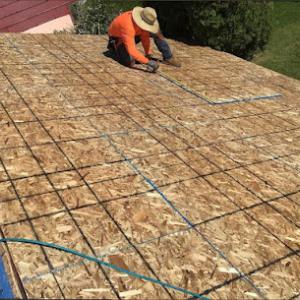
At Hernandez & Sons Roofing, we prioritize quality, customer satisfaction, and tailored solutions to meet your roofing needs.
Skilled Roofing
(425) 737-7760 skilledroofingllc.com
3327 Fender Dr A, Lynnwood, Washington
5.0 from 64 reviews
We are a family-owned business that offers personalized roofing services that treat your home with the care and respect you deserve. Our expertise, commitment to quality and dedication have earned us the trust of homeowners and made us the most trusted roofing company serving North King & Snohomish counties with a 100% customer satisfaction.
Krown Homes
(206) 391-6767 www.krownhome.com
19301 70th Ave W, Lynnwood, Washington
4.9 from 58 reviews
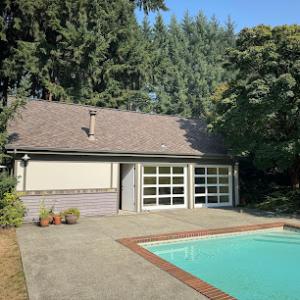
Krown Homes is a family-owned roofing contractor serving Snohomish County and surrounding areas. As a GAF Master Elite® Contractor (a distinction held by less than 2% nationwide), we provide expert roof replacement, repair, and gutter services. Our crew is fast, efficient, and leaves every site spotless. Whether it’s storm damage, leaks, or full replacements, we deliver quality you can trust, backed by lifetime warranties. Call today for your free roof estimate.
Blitz Roofing
(425) 900-4828 roofbyblitz.com
1520 151st Pl SW, Lynnwood, Washington
5.0 from 36 reviews
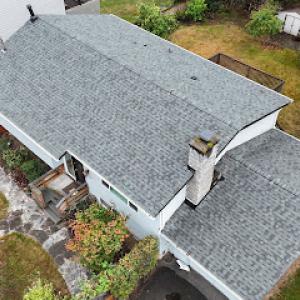
At Blitz Roofing, we understand the stress of roofing issues. Whether it's leaks threatening your home or an aged roof affecting curb appeal, our experienced team is here to help. We use only the highest quality materials, ensuring every project meets our standards for durability and excellence. Don't let roofing concerns weigh you down. Choose Blitz Roofing for solutions that secure your home and enhance its aesthetic value, potentially boosting its market worth. Our commitment includes transparent pricing and professional advice. Contact us today for a FREE estimate and start your journey towards a safe and attractive home. With Blitz Roofing, your roof is in expert hands.
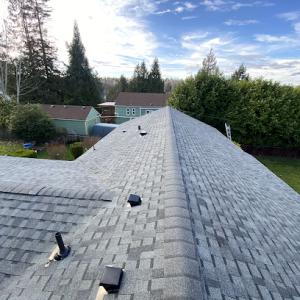
Sierra Exteriors
(206) 661-0452 sierraexteriorsnw.com
Lynnwood, Washington
4.9 from 29 reviews
Sierra Exteriors is a Lynnwood based roofing company, siding installation, and gutter company. We are experts at finding the exterior solutions our clients are looking for. Sierra Exteriors also works hard to ensure that our customers are completely satisfied and have peace of mind knowing their homes will be secure for the years to come. Sierra Exteriors has completed hundreds of roofing, siding, and gutter installation jobs all over the Snohomish county, King county, and surrounding areas. Our roofing contractors take a lot of pride in their work, we always appreciate it when our customers value our craftsmanship as much as we do!
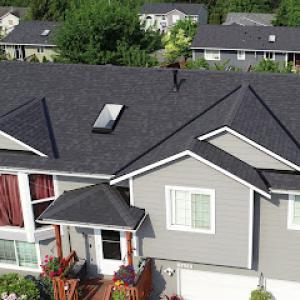
Master Hand Construction
(425) 595-0331 masterhandconstruction.com
Serving
4.8 from 21 reviews
At Master Hand Construction, we understand that a damaged roof can be a major source of stress and inconvenience for property owners. That's why we're dedicated to providing reliable roof repair services for both commercial and residential clients. Our team is committed to providing exceptional customer service, and we work hard to ensure that each client is fully satisfied with the work we've done. Contact us today for a free estimate. keep your roof in top condition, protecting your property for years to come.
Crown Roofing
(425) 712-7663 www.crownroof.com
Serving
4.8 from 33 reviews
Since 1999, Crown Roofing has been providing professional residential roofing in Edmonds, Lynnwood and the surrounding areas. Our commitment to the highest standards of quality is what sets us apart form all of the other local roofing companies. Our family owned and operated company offers a personalized re-roofing experience that is designed to ensure that your project exceeds your expectations.
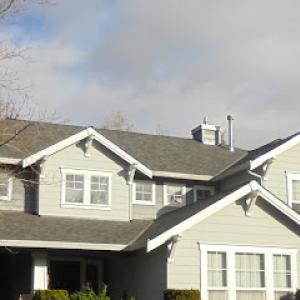
North Creek Roofing
(425) 371-2948 www.northcreekroofing.com
Serving
4.8 from 380 reviews
North Creek Roofing is proud to have built its reputation as one of the most trustworthy residential roofing contractors in the area. With a tradition of quality roofing and customer service since 1996 you can always count on North Creek Roofing to deliver high quality service and meet or even exceed your expectations. At North Creek Roofing you are more than just a customer to us you're our neighbor! Specializing in re-roofs, repairs, roof cleanings, gutters, and more, we are the roofing company ready to serve you. With our years of experience and tens of thousands of satisfied customers North Creek Roofing truly is “A Name You Can Trust”.
Blue & Blue Roofing
(206) 367-2601 blueandblueroofing.com
Serving
5.0 from 217 reviews
Residential Roofing, Repairs, Skylights Services, Composition Roofing, Torch Down Roofing, CertainTeed, Roof Ventilation
All Access Roofing & Gutter
(206) 775-0246 www.allaccessroofingandgutter.com
Serving
5.0 from 26 reviews
Since 2014, All Access Roofing & Gutter has been Bothell's steadfast guardian, ensuring homes are safe and secure. We specialize in residential roofing and gutter solutions, providing comprehensive services to shield your home from the elements. Whether it's detailed repairs, complete replacements, or meticulous cleanings, All Access Roofing & Gutter offers a robust defense, bringing homeowners unparalleled peace of mind. Entrust your home to the neighborhood experts who truly care.

Masters Roofing
(425) 338-1215 www.masterswa.com
Serving
4.8 from 63 reviews
Masters Roofing provides professional roofing services in Mill Creek, WA, specializing in roof repair, replacement, and installation for residential and commercial properties. Serving homeowners throughout Mill Creek and nearby communities in Snohomish County, our experienced roofing contractors use high-quality materials to ensure lasting protection and performance. Whether you need storm damage repair, new roof installation, or maintenance, Masters Roofing delivers dependable solutions tailored to Washington’s climate. Contact us today for expert roofing services in Mill Creek, WA.
Reroof projects in Lynnwood generally require a building permit from the City of Lynnwood rather than being treated as permit-free maintenance. The permit process is designed to ensure moisture management details are addressed before and during installation, given the region's rainy season and moss pressure. Permits are typically processed through the city's online portal, which streamlines document submission and status tracking. Before tearing off old roofing, it is wise to confirm the scope with the permit app and to keep communication clear with the contractor about required documentation, inspections, and any plan revisions. Understanding these steps early helps avoid delays that can push a reroof into peak wet periods.
All permit applications and related updates flow through the City of Lynnwood's online system. Access to drawings, weather considerations, and material choices should be uploaded as part of the plan review. Once a permit is issued, schedule windows open for the installation phase and a final inspection. If the project encounters weather-related pauses, use the portal messaging to extend inspection windows or request interim check-ins. Keeping a detailed log of daily conditions, especially during underlayment and ventilation work, supports smoother inspections later.
Lynnwood inspectors expect insight into moisture control milestones. During installation, inspections commonly occur at an underlayment stage, and again at final completion. The underlayment check is not a courtesy; it actively confirms that rain protection, leak barriers, and flashing details are correctly integrated before shingles or other coverings go on. Attic ventilation, eave protection, and proper venting are also scrutinized, so scope these elements before tear-off begins. In practice, this means confirming that soffit and ridge vents align with the roof's design, that eaves have the required drip edge and ice-dam protection, and that the attic space is adequately vented to reduce condensation risks during the wet months. Having a plan for moisture management, including moss mitigation measures and fast-drying components where needed, helps the inspection sequence go smoothly.
Coordinate with the contractor to align the tear-off schedule with a forecasted dry window, as extended rain can complicate the underlayment stage and ventilation checks. Keep a ready set of project records, including permit numbers, inspection notices, and any revision notes, so the inspector can quickly verify compliance without delaying the installation. Remember that accurate, pre-scoped details on underlayment, ventilation, and eave protection reduce the risk of rework and keep the project aligned with Lynnwood's moisture-forward climate realities.
Weather-driven roof claims are common in this area after winter rain events and occasional hail, so the quality of your documentation can directly affect claim outcomes. After a storm, you want to capture the roof's condition promptly and clearly: date-stamped photos from multiple angles, views of eaves and penetrations, and any interior signs of moisture intrusion. A homeowner who surveys the attic for signs of roof leaks-dark spots, mold, or stained sheathing-can provide insurers with a fuller picture. In Lynnwood, the contrast between long, soaking rains and freezing pockets means weaknesses show up differently than in drier climates, so photographs that reveal moss buildup, loose shingles, or compromised flashing are particularly valuable.
Insurers serving this region often expect a detailed estimate from a licensed contractor, with a clear distinction between storm-related damage and long-term wear such as moss-deteriorated shingles or sagging fascia. When you present a claim, separate sections for immediate storm damage and ongoing moisture management help adjusters assess urgency and scope. The better you align your files with these expectations, the less room there is for dispute about what caused the damage. In this climate, where moisture exposure persists into late winter and early spring, insurers may scrutinize how the claim accounts for ongoing moisture risks beyond the initial impact.
Because adjusters may scrutinize replacement values and warranty language, it helps to have contractor scopes that clearly describe moisture damage, affected components, and code-related ventilation or eave work. A scope that spells out damaged roof deck, underlayment, and ventilation improvements demonstrates a thoughtful approach to both immediate remediation and long-term performance. Moss-related deterioration, exposed ridges, and flashing at valleys or chimneys should be itemized with notes about how moisture will be managed to prevent recurrence. If you can show that the plan addresses both repair and ongoing moisture control, it supports a smoother claim process and a more durable roof result.
Connect with contractors who help homeowners navigate the claims process from damage assessment to final approval.
Hernandez & Sons Roofing
(425) 332-1500 hernandezsonsroofing.com
4208 198th St SW #106, Lynnwood, Washington
4.9 from 74 reviews

In this market, reroof projects dominate over niche new-construction work, so homeowners in Lynnwood are usually comparing tear-off capabilities, dry-in speed, and cleanup practices. Focus on contractors who regularly perform full tear-offs and can demonstrate a tight wind and moisture seal during the roof install. If a crew stalls at the dry-in stage or leaves the site littered with debris, that signals a pattern you'll want to avoid for a wet season reroof. Seek firms with schedules that align to the rainy months and a track record of completing projects in consecutive days rather than lingering through multiple weather events.
Quick response when leaks are active is a strong indicator of a contractor who can contain moisture exposure and minimize disruption. In Lynnwood, the ability to mobilize, tarp vulnerable areas, and establish a clean work zone quickly matters as much as the actual roof work. Cleanup should be thorough and immediate at the end of each day, not left to accumulate. Ask for a written promise of daily cleanup and a defined plan for protecting landscaping and driveways from debris and nails. If the contractor cannot offer a clear rapid-response plan during rain, keep searching.
The local contractor mix includes long-established firms, family-owned companies, and manufacturer-certified installers, which matters when comparing workmanship support and warranty follow-through. A seasoned firm with a stable crew is more likely to sustain quality across the tear-off, dry-in, and final sealing stages. Manufacturer-certified installers tend to bring updated installation standards and stronger warranty alignment with shingle or metal products you choose. When discussing warranties, confirm who handles post-install service, who represents labor coverage, and how claims are processed if moisture-related issues emerge in the first few winters.
Request a site visit from at least three contractors who can assess tear-off scope and moisture-prone problem areas (eaves, dormers, valleys). Have them describe their tear-off method, how they protect interior spaces during winter rain, and their cleanup protocol for each workday. Check recent client references with moisture concerns similar to yours and verify workmanship support timelines. Ensure the agreement specifies dry-in milestones, anticipated weather contingencies, and a clear sequence from removal to final sealant and protection.