
Last updated: Apr 19, 2026
Ferndale sits in Whatcom County's marine-influenced northwest Washington climate, where frequent rain and moderate temperatures keep roof surfaces damp for long stretches rather than drying quickly after storms. Those damp cycles aren't brief. They linger, especially on shaded slopes and north-facing panels, turning roof faces into living ecosystems where moisture becomes the default state rather than the exception. The city's roofing season follows Pacific Northwest moisture patterns, with late spring through early fall offering the clearest window for replacement. Winter and shoulder seasons bring persistent wet spells that can extend long enough to expose decking and underlayment to prolonged wetting, elevating the risk of hidden rot and structural damage if a roof leak starts. In this climate, the risk story isn't dramatic heat or hail; it's moisture, moss growth, flashing stress from repeated rain events, and moisture intrusion during those extended wet periods.
Moss and algae love Ferndale's damp air and cool temperatures, and the roof surface becomes a high-maintenance battlefront. Moss can lift shingles, trap moisture against underlayment, and create micro-habitats that accelerate decay along hip and ridge lines where runoff slows. Algae contributes to dark staining that hides underlying granule loss and early shingle aging, signaling trouble that won't fix itself with a simple rain shear. The recurring rain cycles also stress flashing, especially around chimneys, vents, and skylights. When granules loosen or flashing seals degrade, water finds its way into seams and nail heads, a problem that worsens with each successive wet spell. In Ferndale, the moss-driven maintenance cycle is not a nuisance; it's a structural concern that grows with every prolonged wet stretch.
During extended wet periods, a small drip can become a larger problem before the next rain window. Leaks often hide behind dormers, under overhangs, or along eave lines where runoff velocity slows and moisture lingers. Repeated moisture exposure weakens decking and underlayment, turning what started as a minor seep into a corrugated path of deterioration. Flashing around vents, skylights, and chimneys bears the brunt of these cycles; once flashing seals are compromised, interior staining, warped panels, and attic condensation accumulate quickly. In a small Whatcom market with fast leak response demanded between rain windows, the window for a proper diagnosis and repair narrows as storms move in. A delayed fix compounds damage and can complicate any required reroofing, especially if decking quality is compromised.
Inspect ridge lines and around penetrations after the heaviest rains to spot loose flashing or pulled sealant. Look for dark staining along eaves and gutters, which signals ongoing moisture intrusion. Keep tree limbs trimmed away from the roof edge to reduce leaf litter and moss-harboring debris that traps moisture at the surface. Prioritize moss control on shaded sections and north-facing slopes where dampness persists. If a leak is detected, target quick-response sealing at ingress points-temporarily, but robustly-until a longer-term repair can be scheduled between rain windows. Clean gutters so water flows freely; slow drainage forces moisture onto vulnerable eave edges and may intrude into underlayment. When planning a major project, align replacement timing with the dry windows in late spring to early fall, ensuring decking and underlayment can dry between cycles and the roof can be installed to resist the next wet spell.
A proactive, season-by-season approach matters here. In late spring, preempt moss remediation and flashing inspection become a priority to reduce carryover into the wet months. Throughout the extended wet period, routine inspections after rains help catch moisture intrusion before it spreads. By fall, focus on sealing and ensuring proper drainage, so the first winter storms don't exploit any lingering vulnerabilities. In a climate where dampness is the constant condition and quick-drying is rare, maintaining a moss-conscious, moisture-aware roof care routine isn't optional-it's essential for preserving decking integrity and minimizing leak risk through Ferndale's unique wet season.
The dominant materials in Ferndale include asphalt shingles, metal roofing, clay tile, concrete tile, wood shingles or shakes, and synthetic or composite shingles, so homeowners are choosing among moisture-sensitive systems rather than a single default roof type. Your decision should hinge on how each option handles Ferndale's long wet season, where shade and moss are persistent factors. Think in terms of moisture management, moss resistance, and how quickly you need to respond to leaks between rain windows.
Asphalt shingles are common here because they handle rain well and are easier to repair on short notice. They resist driving rains when installed with a proper underlayment and correct attic ventilation, but they aren't moss-proof. In shady, damp spots, annual cleaning of visually mossy areas and a careful inspection after the wet season are essential. If you choose asphalt, look for a higher-quality 30-year or longer warranty shingle and ensure the fasteners are kept corrosion-resistant to withstand the damp air. A careful installation that includes a solid underlayment and drip edge matters more in this market than in drier regions.
Metal roofing sheds water efficiently in a rain-heavy market, which matters when rapid leak response is needed between rain windows. In Ferndale, metal can be an excellent choice where you want a long-lasting, low-maintenance option. However, volatile attachment details and proper sealants around penetrations are crucial, especially where moss and debris collect at joints. If you opt for metal, plan for regular checks of seam sealing and ensure ventilated eaves so condensation doesn't linger in the attic or inside the home.
Clay tile and concrete tile offer long lifespans under the right conditions, but heavier systems demand solid structural support and careful attachment details. In a jurisdiction that reviews reroof plans and inspections, you'll want a structure assessment to confirm framing can carry the weight, plus precise fastener placement to resist wind-driven moisture intrusion. For clay tile, shading and moss growth can still threaten long-term performance, so consider underlayment and periodic moss control along the ridges and hips. Concrete tile shares similar needs, with attention to sealants at flashings and penetrations.
Wood shingles and shakes bring authentic texture but demand close attention to moisture. Persistent dampness encourages moss and rot, especially where roofs stay shaded. If you choose wood, prioritize species and grade that resist decay, ensure ample ventilation, and commit to annual cleaning and moss control. Expect more frequent maintenance in Ferndale's climate to protect the roof's lifespan.
Synthetic or composite shingles can balance moisture resilience with lower maintenance than natural wood. Look for products with good moisture resistance and proven performance in damp climates. While they handle moss better than wood in many cases, regular inspections after the wet season remain essential to catch early signs of moisture intrusion or edge lifting.
Regardless of material, prioritize proper underlayment, a solid ventilation plan, and prompt moss management. In climates with extended wet seasons, you'll gain the most protection by scheduling mid-winter checks and preparing a quick-response plan for leaks during the shoulder rain windows. Keep an eye on shaded roof sections where moss thrives, and invest in a simple maintenance routine that addresses debris and moisture buildup before it escalates.
Ferndale reroof scheduling is unusually sensitive to weather because heavy rain and winter storms can delay tear-off, dry-in, and final completion more than in drier inland markets. That means you'll want a tight, windowed plan that aligns with extended dry spells when possible. Start by identifying the upcoming dry period in early spring or late summer, then map target milestones: tear-off, sheathing inspection, underlayment, and shingle install. Build a contingency buffer of a few days for unexpected rain, but resist pushing into stretches with forecasted heavy rain weeks out. When you see a forecast promising a solid multi-day dry spell, lock in contractors and order materials with staggered delivery to avoid work stoppages. Quick, decisive decisions during the dry interval save more time than pushing through marginally damp days.
Prolonged damp springs and falls in northwest Washington encourage moss and algae growth, so waiting too long outside the drier season can turn a routine replacement into a leak-control project. Before the tear-off, have a moisture check plan: confirm attic ventilation is adequate, run a quick micro-blower test in the attic to spot trapped humidity, and verify that the roof deck shows no hidden rot. If moss is actively growing on existing shingles, plan a moss-safe cleaning window that precedes underlayment installation. This helps reduce slip hazards on steep slopes and lowers the chance of moisture seeping under replaced materials during the critical dry-in phase. In practice, schedule the moss management step as part of the tear-off sequence so the deck remains dry for the new underlayment and starter course.
Autumn wind and rainfall in the Ferndale area place added stress on ridges and flashings, making pre-fall inspections especially important before the wettest stretch of the year. Conduct a thorough ridge cap and flashing inspection after the tear-off but before installing new shingles. Pay attention to ventilation near the ridge line, as poor flow can trap moisture under fresh work during the first cold, wet snaps. If any ridge or flashing deficiencies are found, address them early in the dry window rather than after the first heavy storm. This preemptive step helps prevent rapid leak development when the rains arrive and reduces the likelihood of a mid-season repair domino effect.
Block out the best forecasted dry days in the near term and communicate a tight, non-negotiable timetable with the contractor. Ensure crews have sequencing clear: teardown, deck inspection, underlayment, starter strip, field shingles, ridge caps, and final clearance. Confirm that weather-tracking will trigger a temporary hold if rain exceeds a chosen threshold, and that protection measures are in place for delicate interior spaces during active tear-off. With careful timing, you minimize moisture ingress risk and maintain momentum through Ferndale's challenging shoulder seasons.

Fly Guys Roofing
(360) 317-5027 www.flyguysroof.com
1863 Main St STE 106, Ferndale, Washington
4.8 from 106 reviews
Fly Guys Roofing is a local small roofing business that services Bellingham and greater Whatcom county. Our mission is to maintain the historic buildings and homes of this wonderful community, who have graciously supported our growth and success. We pride ourselves on using only the highest-grade materials, which allows us to guarantee our work for 5 years!
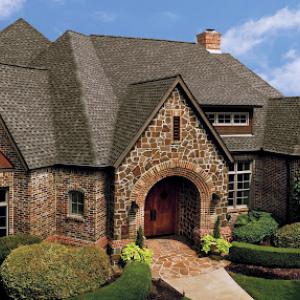
Whatcom Roofing
(360) 733-2182 www.whatcomroofing.com
5703 4th Ave, Ferndale, Washington
4.7 from 50 reviews
Residential re-roof experts in Whatcom County since 1974. We install Shingles, Metal and TPO flat roof membranes at prices you can afford. Quality work and timely too. Call or email for a free roof quote today!
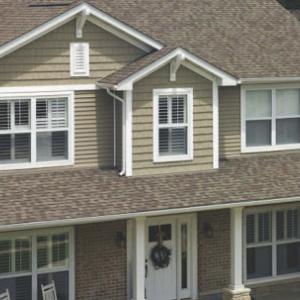
Rainshield Roofing & Construction
6067 Portal Way, Ferndale, Washington
4.3 from 41 reviews
Rainshield Roofing is your first choice for quality roofing, siding, weatherization, and decking services in Whatcom, Skagit, and Island Counties. Trusted locally with over 5000 roofs installed and over 1000 homes weatherized.
Mt Baker Roofing
(360) 733-0191 www.mtbakerroofing.com
Serving
4.6 from 66 reviews
Established in 1983, Mt Baker Roofing is a Bellingham and Whatcom County roofing contractor specializing in new construction, re-roofing, and commercial roofing. Our experienced, factory certified, crews work year round to install only the highest quality roofing and gutters products.
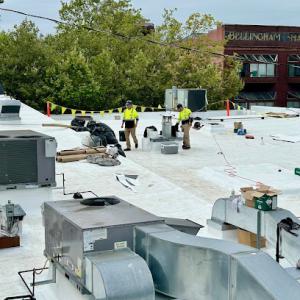
SRS Roofing
(360) 220-8059 www.srsroofing.com
Serving
5.0 from 57 reviews
SRS Roofing tackles all your residential and commercial roofing needs. We provide expert solutions for repairs, replacements, leaks, and ongoing maintenance, ensuring your property stays protected. Full roof replacements, insurance repairs and emergency leak response, residential or commercial, we take care of it all. Based in Whatcom County on the Guide, between Bellingham and Lynden, we are ready to serve you anywhere in Washington state.
Topside Roofing & Siding
(360) 752-2220 www.topsideroofing.com
Serving
4.5 from 93 reviews
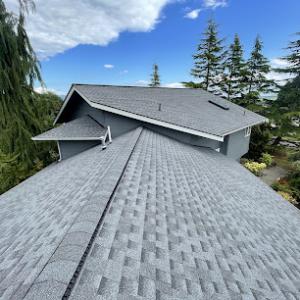
For over 35 years, Topside Roofing & Siding has served Whatcom, Skagit, and San Juan Counties with trusted roofing and siding solutions. As Whatcom County’s only GAF Master Elite® Contractor, we provide exclusive GAF warranties other companies cannot offer. Our dedication to craftsmanship, reliability, and customer satisfaction has earned us GAF’s President’s Club Award every year since 2014 and recognition as Best of the Northwest since 2017. Our team specializes in roof replacements and installations, roof repairs, siding installation, and exterior upgrades, always prioritizing customer satisfaction, safety, and long-lasting results. Our office is open Monday-Friday 8:30 am - 4:30 pm. We also are available 24/7 for emergency repairs.
Hytech Roofing
(360) 354-4335 hytechroofing.com
Serving
5.0 from 8 reviews
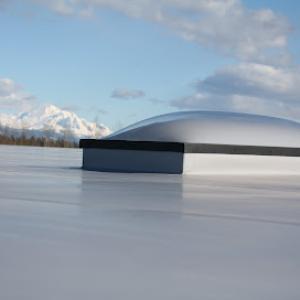
Your building’s envelope is protecting one of your biggest assets. You want to make sure the contractor you choose is a trusted partner who is going to resolve problems, show up on time, and stay within your budget. Since 1952, Hytech Roofing has been a trusted partner installing roofing and siding on commercial projects all over the Northwest. Hytech Roofing offers a full range of commercial and industrial roofing and siding services from inspection, testing, and maintenance, to full replacement and new construction. Whether the project is rather routine, or highly unusual, our years of experience ensure exceptional results every time. We provide commercial roofing and siding in Whatcom, Skagit, Island, Snohomish, and King counties.
Skyline Roofing & Construction
(360) 398-6119 bellinghamskyline.com
Serving
5.0 from 50 reviews
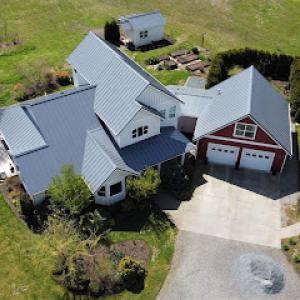
Full service roofing company in Bellingham Washington. We specialize in metal roofing, composition asphalt roofing and TPO.
Cruz Roofing Contractor
(360) 922-2317 cruzroofingcontractorwa.com
Serving
5.0 from 26 reviews
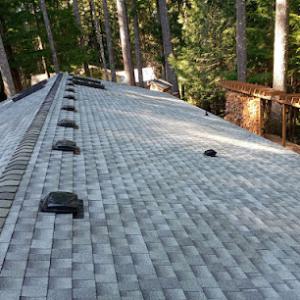
Cruz Roofing Contractor is a business that offers Roofing Services like Composition Shingle, Metal, TPO, Skylight Replacement, and all kinds of Roof Repair in Bellingham, WA. Contact us for free estimates.
Mountaintop Metal Roofing
(360) 837-7027 www.mountaintopmetalroofing.com
Serving
5.0 from 23 reviews
From Bellingham to Everett, we’ve got you covered. As your local metal roofing contractor, we provide professional, worry-free metal roofing installations and standard-setting customer support. If your roof is made up of materials unable to withstand the rigors of the PNW seasons, you could be looking at years of worrisome maintenance and upkeep. Why put yourself through all that — year after wet and blustery year? Protect your home with lifetime PermaLock aluminum shingles featuring Fluoroceram, a Premium Kynar 500 coating system. Consider our high-quality aluminum cedar shakes, a durable standing seam metal roof, or aluminum shingles — available in two finishes and hundreds of colors.
Bulletproof Roofing
Serving
5.0 from 4 reviews
Roofing Contractor, new construction, remodel, and repair. Serving Whatcom County
RVM All Metal
(360) 224-4052 rvmallmetalroofing.com
Serving
4.3 from 44 reviews
RVM All Metal is a local, family-owned and operated business serving the community since 2014. With a commitment to quality Craftmanship and personalized service we specialize in installing long lasting leak free Metal roofs and Siding . Our team of skilled professionals take pride on exceeding customer expectations and provide you with a 10 Year Guarantee on Craftmanship on all our installations. We service Whatcom-Skagit and Island Counties.
Before any full reroof goes up, you must secure a building permit through the City of Ferndale Building Department. This is not something that gets handled on the side or after the fact; the city expects a formal application with project details. The permit process helps ensure that the reroof stands up to Ferndale's wet, moss-prone climate and the local wind expectations. A rushed, "do it quick" approach can bite you later when a required inspection flags a missing or inadequate element. Plan for the city to review the plan rather than accepting a quick one-page note from a contractor, especially for a roof with significant slope or complex flashing.
Ferndale's process unfolds in two main stages. First, the plan review assesses your proposed flashing layout, underlayment type, and attachment methods to verify they meet local standards for moisture management and wind uplift. This step helps catch issues early, when adjustments are easier and cheaper. After the plan is approved, the project moves to on-site inspections during progress and again at final completion. Expect inspectors to verify that the underlayment is correctly installed, flashing is continuous and properly sealed at transitions, and roof fasteners or attachments meet the expected wind loads for your neighborhood. Delays can arise if the plan lacks clarity or if weather pushes rain windows into the inspection schedule, but the city prioritizes safety and long-term durability over speed.
In a market like Ferndale, minor timing delays are common, driven by department backlog and wet weather windows. The inspection cadence hinges on keeping the roof dry enough to work through the underlayment stage and then to finish with a thorough final inspection. Because the focus is on moisture control, moss mitigation, and reliable leak resistance, the city checks assume a complete, well-sealed underlayment and properly secured flashing to meet wind uplift expectations. Schedule with the understanding that inspections can take longer when rain interrupts the work plan, and be prepared to coordinate access for inspectors during critical milestones.
Typical Ferndale pricing runs about 350 to 650 USD per square for asphalt shingles. In the local market, moisture and moss pressure can drive cost up when additional moisture barriers or deck repairs are uncovered during tear-off. Expect a tighter schedule when rain windows are short, which can push labor time and fuel costs for crews between showers. Maintenance-oriented homes often see higher underlayment needs after the old layer is removed, particularly if the deck shows signs of prior moisture damage. In practice, asphalt remains the most budget-conscious option, but real-world timing and the need to dry-in quickly can nudge a project toward the higher end of the range.
Metal roofing typically runs from 700 to 1300 USD per square in Ferndale. Weather-driven delays and the need for rapid dry-in between rain events commonly push bids upward, especially for steeper pitches or complex roof lines. Metal performs well against moss and moisture, but preparation work-such as replacing rust-prone fasteners or upgrading overhang flashing-can add to the cost if the existing structure has aged components. If long wet-season conditions linger, crews may price expedited timelines with a premium to secure a window of dry weather for installation.
Clay tile projects in Ferndale usually fall between 900 and 1600 USD per square. The extended wet season magnifies the risk of broken tiles in transit and during removal, which raises both material and labor costs. Tile roofs demand accurate substrate preparation, and any deck repairs needed after tear-off can significantly influence totals. Moss-prone climates increase the frequency of cleaning and maintenance routines, which, while not always included in the initial bid, can become a recurring annual expense.
Concrete tile costs commonly range from 900 to 1800 USD per square. The same moisture-heavy conditions that stress other roofing systems also affect concrete tile trajectories: heavier weight, potential structure reinforcement, and longer drying times can add days to the project. In practice, the durability against moss and moisture makes concrete tile a solid long-term choice, but the higher upfront price reflects the extended labor and handling requirements when rain intervals compress work windows.
Wood shingles or shakes typically run 550 to 1000 USD per square. Ferndale's wet season accelerates wear on underlayment and flashing, and wood components may require more frequent treatment or moss control. The combination of moisture exposure and slower drying times often translates to longer installation periods and higher seasonal labor fees. Budget accordingly for potential preservation work on the substrate to keep wood shingles performing well under persistent dampness.
Synthetic or composite shingles generally cost 450 to 800 USD per square. These materials can handle Ferndale's moisture-heavy climate more predictably, but the long wet season still influences scheduling and the quickness of tear-off and dry-in. If moisture-related deck repairs are identified, or if underlayment updates are needed, costs can trend toward the higher end of the range, mirroring the impact seen with other systems when weather constraints tighten project timelines.
Don't let upfront costs delay a critical repair - these contractors offer payment plans to fit your budget.
Rainshield Roofing & Construction
6067 Portal Way, Ferndale, Washington
4.3 from 41 reviews
Mountaintop Metal Roofing
(360) 837-7027 www.mountaintopmetalroofing.com
Serving
5.0 from 23 reviews
The weather pattern in this part of the Northwest shapes how losses show up on roofs. In Washington, roofing claim activity commonly follows storms, heavy rainfall, and wind events, which fits Ferndale's local loss pattern more than the hail-driven cycles seen in other regions. That means many problems emerge from moisture over time rather than dramatic, one-shot impacts. A sustained wet season leaves roofs with more persistent wear, more moss, and more hidden leaks than a flashy weather event would suggest. Knowing this helps you set expectations when you file or respond to an adjuster.
When an adjuster finally arrives, expect questions that drill into photo documentation, roof age, and underlayment details, especially where repeated moisture exposure has already spent wear on the system. The insurer will want to see a clear timeline of conditions: what was in place before the last storm, what happened during the event, and what you found after the rain eased. Because local damage often involves leaks and flashing issues rather than dramatic impact marks, the more you can document conditions before and after storms, the better your chance of a fair assessment.
Leaks that creep along flashing seams, wind-driven rain entering gutter lines, and moss-laden shingles are typical here, even when there are no obvious punctures or impact scars. Document the roof surfaces with wide shots to show flashing and transitions, then close-ups of any seams, joints, and moss accumulation. Create a simple storm log noting dates, rainfall intensity, and adhesion of moss or shingles. When you have a rain window, snap photos from multiple elevations, and include interior photos of staining or attic condensation to strengthen the record.
During the wet season, fast leak response matters more than cosmetic fixes. If water begins to pool, place temporary measures to minimize interior damage and arrange a prompt inspection. Keep gutters clear and ensure downspouts drain away from the foundation. Maintain a regular moss-management routine, since dense moss can hide soft spots and trap moisture. If a storm just ended, document the roof promptly while conditions are fresh, then file your claim with a clear photo trail and a concise storm log to support your case.
Connect with contractors who help homeowners navigate the claims process from damage assessment to final approval.
Whatcom Roofing
(360) 733-2182 www.whatcomroofing.com
5703 4th Ave, Ferndale, Washington
4.7 from 50 reviews
In Ferndale's rain-heavy environment, moisture management matters more than ever. The long wet season keeps roofs damp for weeks, which makes every penetration and transition point a potential leak source if flashing or underlayment show wear. This section focuses on practical steps you can take to reduce leak risk between rain windows, especially when a quick repair window is needed.
Roof penetrations and transitions tend to fail first under repeated wetting cycles. Skylights, chimneys, vent pipes, and low-slope sections are the usual suspects. Skylight heads and curb flashings often develop slow seepage without obvious drama, while chimneys can weep where mortar joints are aged or flashing is degraded. Low-slope areas, including transitional junctions between roof planes and flat or near-flat sections, demand extra attention because water moves slowly and ponding can highlight weaknesses quickly during Ferndale's wet stretches.
Flashing integrity is the first line of defense. Inspect flashing joints around skylights and chimneys for lifted metal, nail pops, or loose caulk after heavy rains. In extended wet weather, underlayment wears faster around penetrations, so check for exposed seams, wrinkled sheets, or dried-out sealant. When resealing, choose materials compatible with your roof type and climate, and apply from back to front to prevent overspray from affecting adjacent surfaces. For low-slope areas, ensure a continuous waterproof barrier is maintained and that any field seams receive proper termination to the drip edge.
Homeowners should plan visual checks after the most intense rain events, especially near skylights and chimneys. If a drip is noticed indoors, locate the nearest penetration and address it promptly, prioritizing flashing and sealant rather than replacing large roof sections. Flat-roof work is a common specialty in the local contractor pool, so leverage expert attention for transitions and edge details, not just full-roof replacements. Extended wet weather can reveal weaknesses sooner, so proactive detection and timely repairs pay off when rain lingers.
Find contractors experienced in skylight installation, flashing, and leak repairs to bring natural light into your home.

Fly Guys Roofing
(360) 317-5027 www.flyguysroof.com
1863 Main St STE 106, Ferndale, Washington
4.8 from 106 reviews
Whatcom Roofing
(360) 733-2182 www.whatcomroofing.com
5703 4th Ave, Ferndale, Washington
4.7 from 50 reviews
Rainshield Roofing & Construction
6067 Portal Way, Ferndale, Washington
4.3 from 41 reviews
In a market shaped by extended wet seasons and moss-prone conditions, Ferndale homeowners primarily hire for reroofing when the existing roof has reached the point where leaks or widespread moss damage threaten interior comfort. Jobs focus on dependable material replacement and a fresh, watertight deck that can stand up to the next rainy window. Contractors that win here are those who blend solid, weathered know-how with efficient project flow, minimizing exposure time to the next downpour while delivering a durable, once-in-a-generation solution.
Cleanup is a strong selling point locally because many roofs have accumulated moss and debris over several seasons. Homeowners expect a crew that can clear saturated shingles, remove moss without harming surrounding siding or landscaping, and leave the area safe for the next rain event. The right contractor sticks to a tight cleanup plan, uses tarps and containment to protect driveways and yards, and checks gutters and downspouts as part of the service to prevent quick re-soaking after a project.
Leaks during Ferndale's wet spells create urgent matters for families and small businesses alike. The demand profile favors contractors who offer rapid response, triage visits, and temporary weatherproofing while a full repair is scheduled. Expect a realistic assessment of roof failure points, a focus on sealing critical leaks, and communication that keeps homeowners informed between rain windows so the solution can progress without unnecessary delays.
The market includes long-established contractors whose staying power matters. A solid track record translates to reliable warranty follow-through, predictable scheduling, and practical patience when navigating weather-driven delays. Homeowners value a straightforward approach: proven workmanship, clear timelines, and a steady crew that can handle both reroofing and post-storm cleanup with consistency.