
Last updated: Apr 19, 2026
Anacortes sits on Fidalgo Island under a marine west coast climate, where ocean-influenced humidity and frequent rain keep roofs damp longer than inland Skagit County neighborhoods. The mild temperatures there allow moss and algae to persist through much of the year, rather than being knocked back by harsh freezes or scorching heat. That combination means your roof spends more days damp, which invites growth, moisture intrusion, and accelerated deterioration if not managed. Plan for year-round moisture management, not a single seasonal push.
Moss isn't just a green carpet on shingles; it acts like a sponge, holding moisture against your roofing surface. In this climate, moss can take hold in shaded spots, valleys, and along eaves where lingering dampness is common. Left unchecked, moss slows drying, loosens granules, and hides underlying issues like cracked flashing or clogged gutters. You'll notice more rapid wear on corners, under overhangs, and where downspouts pour onto the roof edge. Addressing moss early-before it embeds itself in the roof structure-protects the roof deck and reduces the chance of leaks.
Coastal winds push rain under weaker seals and around penetrations, making flashing, valleys, roof-to-wall transitions, and penetrations higher-risk failure points than sun-exposed field shingles alone. In Anacortes, a small seam or joint can become a leak hotspot after a winter storm or a vigorous spring wind event. If you've got multiple roof planes meeting at valleys, or where money-saving but flawed retrofits exist, the risk compounds. Pay special attention to any flashing that looks brittle, loose, or corroded, and inspect after storms when wind-driven rain has been most intense.
Combat moss and moisture with a two-step approach: prevent and remove. Prevention starts with regular surface cleaning to remove loose moss and debris from the roof surface, followed by addressing shade issues where possible. Removing moss as soon as it appears reduces moisture retention and minimizes damage to shingles or tiles. When removing moss, use non-abrasive methods that won't scratch or damage the roofing material, and rinse thoroughly to avoid leaving behind residue that can fuel regrowth. Keep gutters and downspouts clear so water drains properly, preventing ponding that invites moss and rot at the eaves.
Durable, moisture-resilient materials become more valuable in this setting. Metal roofs and synthetic/composite shingles tend to resist moss buildup and tolerate damp environments better than some traditional products, but they still require proper flashing and ventilation to avoid moisture trapping at transitions. If you're considering tiles or slate, understand that weight and edge details demand solid structural support and meticulous flashing-any weakness can magnify from the salt-air and wind-driven rain. In all cases, ensure the roof system breathes; proper underlayment and ventilation reduce condensation beneath the surface and prolong the life of the outer materials.
After each major rain event, walk the roof edge and look for lifted flashing, loose fasteners, or granular loss along the rake and eave lines. Inspect valleys for debris buildup, and verify that moss-prone zones-shaded corners, near mature trees, or close to the garden-show minimal growth. If moisture damage is suspected, don't delay diagnosis; catching hidden leaks at the roof line can stop water from wicking into the attic and framing. In this climate, proactive, frequent checks outperform reactive repairs.
In Anacortes, the coastal exposure shapes what roofs hold up best year after year. Asphalt shingles and metal roofing are the dominant options because they balance performance with repairability after wind-driven rain and salt-air moisture. Asphalt holds up well enough to be resealed or replaced in sections without major overhauls, and metal offers excellent wind resistance and rapid shedding of moisture. Both choices respond well to the frequent spray from salt-laden air and the moss-friendly climate inland from the shoreline.
Heavier materials like clay tile, concrete tile, and slate pose extra questions for framing and fasteners. Coastal wind can punish poorly secured systems, so if opting for a heavy roof, ensure the structure can handle the load and that wind-rated fasteners and connectors are used throughout. In practical terms, that means confirming attic cross-members or a reroofing plan accounts for surcharge loads and upgrading to corrosion-resistant hardware. If the existing structure isn't up to spec, consider reducing risk with a lighter, local-friendly alternative rather than forcing a heavy tile choice into a marginal frame.
Moss thrives where moisture sits, and the Fidalgo Island climate provides plenty of it. Synthetic or composite shingles are a popular middle ground here because they mimic premium looks without the moisture sensitivity of some natural materials. When selecting any roof system, plan for ongoing moss management: micro-cleaning regimes, edge clearance to prevent debris accumulation, and a reliable drainage path to keep water moving away from the eaves. A roof with good integrated moss resistance and a straightforward cleaning protocol will hold its appearance longer under salt-air exposure.
On a windy coast, every edge detail matters. Ensure flashing around chimneys, vents, skylights, and the ridge is continuous and corrosion-resistant. Asphalt shingles benefit from proper nailing patterns and sealant in the nailing zone, while metal roofs rely on seam integrity and seam sealants that withstand salt spray. Edge and ridge venting should balance moisture removal with rain penetration control. In areas prone to wind-driven rain, consider higher-seal options and extra fastener counts at overhangs and hips to reduce lift risk during storms.
When planning installation or reroofing, coordinate with a crew familiar with coastal weather patterns. Scheduling around the damp, cool months can minimize shrinkage, warping, or sealant failure. For asphalt or synthetic options, insist on a moisture-smart underlayment designed for wet climates and a drip edge that directs water away from the fascia. For metal, request a well-sealed installation with solid underlayment and appropriate fastener spacing to resist uplift. The goal is a roof system that dries quickly after rain, resists moss growth, and remains stable through salt-air cycles.
Winter storms in Anacortes bring heavy rain and coastal winds that can open up ridge, flashing, and edge details even when shingles are not fully blown off. The salt spray and moisture paired with gusty wind push water into joints you may not see from ground level. When a storm hits, nearby rooftops reveal weak spots fast: where shingles meet the ridge, along edge details, around vent flashings, and at any cracked or lifted flashing. Those gaps become funnels for rain, and water can track from the roof into the attic or over the interior ceiling in just a few hours. The risk is not just a leak inside but hidden rot and accelerated moss growth once moisture sits on a surface that never fully dries.
Shoulder seasons in spring and autumn often have enough rain to delay full replacement, so temporary tarping and rapid leak response matter more here than in drier Washington markets. You cannot rely on a long window of dry weather to complete a roof project when the forecast tightens. If a storm arrives before a full, proper seal or shingle replacement is finished, a quick tarping job can buy critical time. Keep sturdy, waterproof tarps and heavy-duty fasteners on hand, and arrange for a professional to install a temporary cover over exposed ridges, vents, and edge areas, especially along eaves where wind-driven rain can funnel under roofing. The goal is to keep water out long enough to permit a safe, thorough fix when the weather eases.
Homes near exposed shoreline areas and higher bluffs can see more wind pressure than sheltered neighborhoods, making localized storm damage uneven across the city. A single block may ride out a storm with minimal trouble, while a corner property with an exposed gable or a low-slope section shows a dozen small gaps that drain onto a ceiling below. In such cases, immediate triage matters: identify active drips, seal exterior penetrations, and secure any loose edging material before it worsens. Pay attention to chimney crickets, vent stacks, and dormer edges, as these features tend to collect moisture and become focal points for leaks when wind holds rain against the roof for extended periods.
Practical steps for homeowners start with proactive inspection after a storm that brings heavy rain or sustained wind. Look for lifted shingles, damaged edge shingles, and disturbed ridge cap. If a leak appears, place a temporary tarp over the affected area, prioritizing the most vulnerable edges and flashing details, then contact a local roofer who understands the coastal environment and the need for rapid, durable resealing. In Anacortes, the combination of sea air, wind-driven rain, and varied shoreline exposure creates a playing field where small edge failures can cascade into bigger water problems fast-address them with urgency, not delay.
Find local contractors experienced in assessing and restoring roofs after hail, wind, and severe weather events.
Four Seasons Roofing
Anacortes, Washington
5.0 from 38 reviews
Four Seasons Roofing is a premier roofing contractor located in Oak Harbor Washington. We are fully licensed and insured with over 42 years of experience in the industry. We are family owned and operated, and our services include residential roofing, roof repairs, roof installations, re-roofing and tear offs. Our team here at Four Season Roofing we pride ourselves on our attention to detail and quality workmanship. We hand nail every roof and never use hand guns to ensure a excellent job. Call us today for a free quote!
Silver Hammer Roof
(360) 708-2875 silverhammerroofcowhidbeyisland.com
2005 11th St, Anacortes, Washington
4.1 from 8 reviews
At Silver Hammer Roof, we take pride in protecting the homes and businesses of Oak Harbor, WA, and surrounding areas as a small roof specialist. Our team of experienced professionals is dedicated to providing top-quality roofing services, excellent customer service, and expert craftsmanship. Trust us to keep your roof strong and secure for many seasons to come.
Skagit Roofing
(360) 329-9918 www.skagitroofing.net
Serving
4.9 from 149 reviews
Skagit Roofing in Bow, WA delivers customized roofing solutions using top-rated products like Malarkey, Pabco, Certainteed, and IKO. With over 7,000 homes roofed, their highly trained staff and certified crews take pride in offering beautiful, long-lasting roofs tailored to each client's needs. They listen closely to customers, providing aesthetic, cost-effective solutions with free estimates, transparent pricing, and projects completed on time and on budget.

Boss Roofing
(360) 588-4108 www.bossroofingwa.com
Serving
5.0 from 6 reviews
Boss Roofing, led by the seasoned professionals Gerardo & Jamie Garcia, is your premier roofing partner serving Burlington, WA, and its neighboring areas within a 25-mile radius. With over two decades of industry expertise, we stand as a beacon of excellence in the roofing domain. Our specialized services encompass Roofing, Roof Repair, Roof Installation, Roof Replacement, and Commercial Roofing, all executed with meticulous attention to detail. Recognized for our unwavering commitment to quality, our 20 years of experience reflect in every project we undertake. Our team, comprised of knowledgeable experts, ensures a seamless roofing journey from start to finish.
Done Right Roofing & Construction
(360) 632-9233 www.donerightroofingwa.com
Serving
5.0 from 34 reviews
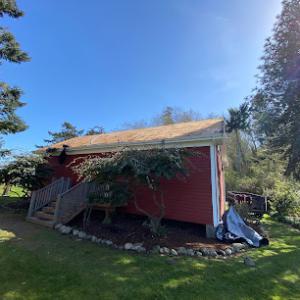
Roofing contractor based on Whidbey island. With over 15 years combined experience. Re-roofs, new construction, composition shingle, metal, and flat roofs, Seamless Gutters.
AMR Roofing & Construction
(425) 359-8417 www.amrroofingandconstruction.com
Serving
4.9 from 24 reviews
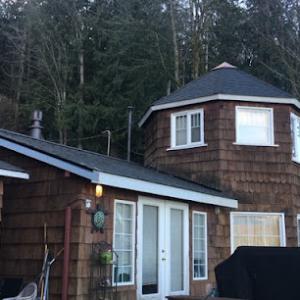
AMR Roofing specializes in metal roofing, composition roofing, Single-Ply TPO PVC Roofing, and commercial roofing installation. We also specialize in siding installation. We take pride in our work and use new and updated products to insure quality construction work for your home or business. The owner Vince Quillen has been installing roofs and working in construction for over 32 years and has been a licensed contractor for over 24 yrs.
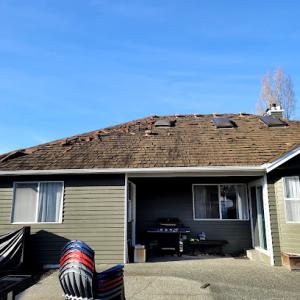
Crystal Clean Roofing
(360) 920-7397 www.crystalcleanroof.com
Serving
5.0 from 19 reviews
Welcome to Crystal Clean Roofing inc, your trusted roofing experts! Our commitment to quality and customer satisfaction sets us apart in the roofing industry. With a team of experienced professionals, we specialize in delivering top-notch roofing services that include installation, maintenance, and repair for residential and commercial properties.
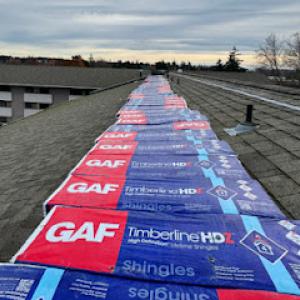
Wind Proof Roofing
(360) 840-5554 www.windproofroofing.com
Serving
4.6 from 34 reviews
Wind Proof Roofing provides gutter installation, roof repair, siding and roofing installation to the Oak Harbor, WA area.
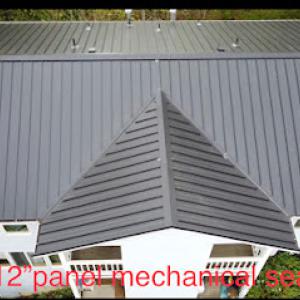
Roy Metal Roofing
(360) 488-1743 www.roymetalroofing.com
Serving
4.8 from 39 reviews
We do metal roof, siding, new construction, reroof, and roof repairs. Small details make a big difference.
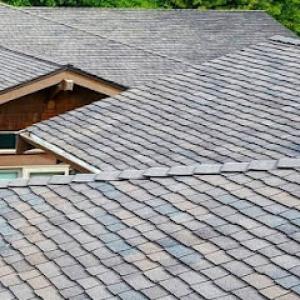
Peaks Northwest Roofing 🐐
(360) 333-8463 www.peaksnw.com
Serving
4.8 from 85 reviews
Licensed - Bonded - Insured - Certified. We are a PABCO Preferred PRO and Malarkey Emerald Premium Certified Roofing Contractor. Multiple time winner of the "President's Club" roofing award, we have over 30 years of experience serving Skagit, Whatcom, Island, San Juan and Snohomish with pride. We offer free estimates and Lifetime Warranty Roof systems. Asphalt composition and metal roofing experts. Financing options available!
Ideal Roofing
(360) 755-3377 idealroofingwa.com
Serving
5.0 from 17 reviews
Ideal Roofing is a family owned company with over 15 years of roofing experience. No job is too big or too small. We pride ourselves in customer service and making sure getting your new roof is as painless as possible. We specialize in residential and commercial roofing. We install composition shingles, metal roofing, TPO, and even DaVinci Roofing products. Making your roof beautiful and functional again is our top priority.
A & G Roofing
(360) 842-6892 agroofingcontractor.com
Serving
5.0 from 12 reviews
With A&G Roofing, you can rest assured you are working with a roofing company you can trust. From roof installation to leak repairs, we are the experts in Mount Vernon, WA. We have over 25 years of experience, and always strive to exceed our customers' expectations. Whether it's installing a new roof or fixing an old one, our duty is to ensure that the structure over your head does its job. For more information, including free quotes, contact us today!
In Anacortes, the late spring through early fall period is the practical window for a reroof. Lower moisture during this stretch helps with tear-off conditions, deck drying, and installation quality, especially when salt-air exposure and moss-friendly moisture are common. This timing avoids the persistent marine humidity that can linger into early fall and keeps crews on a more predictable schedule before the wet season reasserts itself.
Autumn and spring often bring enough rain interruptions to stretch project timelines even when temperatures are otherwise workable. If a roof must be replaced during these seasons, plan for additional days and contingency weather windows. Early fall can still be workable, but late-season storms, wind-driven rain, and higher humidity can complicate flashing seating and underlayment performance. A conservative schedule helps ensure proper moisture control and long-term integrity.
Rare frost events can affect boundary details and flashing performance during colder spells, so marginal-weather installs carry more risk than the mild climate might suggest. Even light freezes can cause condensation concerns behind underlayment and create micro-movements at drip edge or roof-to-wall transitions. If winter or near-freezing nights are anticipated, it's wise to adjust fastening schedules and avoid peak cold snaps to maintain sealant and membrane reliability.
When planning, start with a realistic forecast window that prioritizes consecutive dry days rather than just warm days. Factor in coastal wind patterns and the likelihood of wind-driven rain that can complicate deck preparation or scaffold setup. Discuss with the contractor how they handle moss-prone areas, drainage movement, and ridge vent considerations during shoulder-season starts, since moisture management is a core concern here. If the project transitions from spring into early summer, ensure the crew can maintain a steady pace to avoid moisture re-accumulation in the roof deck. Finally, set expectations for temporary protection and tarping during any unplanned rain gaps to minimize water intrusion and preserve sheathing condition until permanent installation can proceed.
Get a clear picture of your project costs upfront - no commitment required.
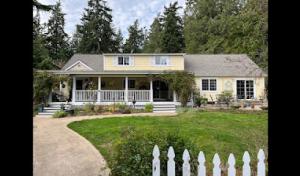

If the roof is being replaced in this coastal northwest community, moisture and salt air show up in more ways than one. Local reroof pricing often reflects hidden deck rot uncovered only after old roofing is stripped, especially on older homes or decks with marginal ventilation. In practical terms, this means the base price may be higher than inland areas because crews routinely uncover soft framing, add extra flashing, and restore proper drainage to prevent future leaks.
Coastal leak points drive labor costs up as well. Homes with skylights, chimney transitions, or complex series of hips and valleys demand more flashing, waterproofing, and meticulous detailing. You'll typically see higher line items for underlayment choices, venting, and sealants that hold up against salt-driven corrosion and persistent moisture. Material choices still matter, but the biggest delta often sits in the labor needed to protect transitions and to verify that climate-driven moisture won't haunt the deck and soffits after rain events.
Asphalt shingles are the most common entry point for reroofs here, with a practical range that aligns with the local risk profile. Metal roofing commands higher upfront costs but can pay off over time with resilience against wind and salt spray. Tile options (clay or concrete) bring premium pricing and demand careful detailing to manage coastal rain and moss exposure. Synthetic or composite shingles offer a balance, pairing better moisture resistance with a lower weight. Slate remains the premium choice, favored for durability but carrying a substantially higher installed price.
A quick look at typical ranges per square (1 square = 100 square feet) helps set expectations:
Summer installation windows tend to be the most favorable for contractors, but that season also sees higher competition and tighter scheduling in this harbor-front area. If a project is rushed to meet dry-season timelines, lead times can extend and costs can rise due to expedited logistics and limited crews. When planning, expect some fluctuation in both pricing and availability, and factor in a buffer for unexpected moisture-related deck work or additional flashing during the project.
Don't let upfront costs delay a critical repair - these contractors offer payment plans to fit your budget.
Mountaintop Metal Roofing
(360) 837-7027 www.mountaintopmetalroofing.com
Serving
5.0 from 23 reviews
Reroof projects in the City of Anacortes generally require a building permit rather than being treated as informal maintenance. This means your plan should be reviewed and approved prior to work starting, giving the city a chance to confirm that the project complies with local code, setbacks, and drainage considerations. The permit process helps ensure that water management in this marine environment-where moss growth and wind-driven rain are common-meets current standards and that temporary hazards during installation are identified.
Before any roofing work begins, expect to submit documentation that clearly outlines the project scope, the total roof area, and the roofing materials selected for the job. The city uses these details to review how the reroof will affect ventilation, moisture control, and drainage on a site-by-site basis. In practice, this means detailing any changes to underlayment, flashing around penetrations, and fastener patterns, as well as notes on moss mitigation measures and how the chosen materials perform in salt-air conditions. Providing precise measurements and material specifications helps prevent delays and aligns the project with Anacortes's specific climate considerations.
City inspections commonly occur both during installation and after completion, with emphasis placed on venting, flashing, and fastening rather than solely a final visual check. Inspectors will verify attic ventilation or soffit and ridge arrangements, the integrity of flashing around chimneys and skylights, and the attachment method along eaves and rakes. They will also assess how the roof system handles moisture from the salt air and how well it accommodates moss prevention strategies. Understanding that these inspections can influence scheduling and sequencing will help keep the project moving smoothly.
Coordinate closely with the roofing contractor to align timing with the permit review and inspection windows. Have the contractor perform accurate roof area calculations and provide a clear materials list to minimize back-and-forth. Prepare access routes for inspectors and ensure that on-site safety measures are in place, especially for elevated work over damp, moss-prone surfaces. Clarify expectations for ventilation changes or additions and confirm that all flashing details and underlayment are specified to address the unique marine exposure of this region.
When a coastal rain event or a windy afternoon rattles your shingles, having thorough documentation helps prevent delays. Washington insurers serving coastal-influenced markets may ask Anacortes homeowners for roof age records, prior claim history, and photo documentation before approving major roof claims. Keep a dated folder of photos showing the overall roof, any damaged areas, and the interior evidence of moisture near ceilings or walls. Clear, timestamped images from multiple angles make a big difference.
Because Anacortes damage is often driven by rain intrusion and wind-lifted details rather than dramatic catastrophic loss, careful photo and scope documentation is especially important. Photo logs should include close-ups of flashing, penetrations, and moss-laden sections to illustrate how moisture moves across the roof line. Track prior repairs and note any staining, algae, or moss that could complicate an adjuster's assessment. A claim that misreads long-term wear as new damage can stall or reduce recovery.
Adjusters may want verification of storm-related damage versus long-term moisture wear, which can be harder to separate on older roofs with moss, staining, or prior patching. Be ready to provide maintenance records, service notes, and professional opinions from local roofers who understand salt-air effects. If the claim hinges on wind-lifted shingles, collect wind reports and photos showing missing or displaced pieces in the same storm event.
Avoid rapid, uncoordinated patching that hides the full scope of damage. Insurers value a clear, honest timeline of events, the roof's age, and the moisture pathways visible on the surface and interior. A calm, precise presentation reduces back-and-forth and helps the adjuster see the true cause of loss rather than a composite of wear and weather. In all cases, keep your records organized and review them with a trusted local roofer before you open a claim.
Connect with contractors who help homeowners navigate the claims process from damage assessment to final approval.
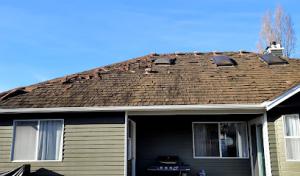
Flat and low-slope sections are a meaningful local service category in Anacortes, where standing moisture and slow drying can expose drainage and membrane weaknesses. In this climate, salt air and persistent marine drizzle keep these areas damp longer than the rest of the roof, so the risk of early membrane failure or ponding that promotes moss growth is higher. Look for water pockets after rain, soft spots, or areas where granules wash away and dark, damp streaks linger. Regular inspection after winter storms and during the shoulder seasons helps catch issues before leaks trace through to attic spaces.
Skylight work is unusually prevalent in the local contractor mix, making curb flashing and surrounding roof transitions a notable concern for Anacortes homeowners. Skylights are frequently the first points where wind-driven rain finds its way under flashing details, especially when aging sealant and corrosion have worn the metal or fabric membrane. Pay attention to rust spots, lifted flashing, or any motion indicating a loose fit. If you notice staining or damp ceiling patches near a skylight, check both the curb detail and the flashing. Replacing failing sealants and refreshing flashing during a controlled dry season is more reliable than chasing leaks after a storm.
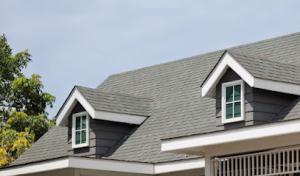
Mixed roof designs with steep main slopes and low-slope additions are especially vulnerable in a rainy marine climate because water behavior changes sharply at transitions. Where a steep plane meets a flat deck, water can ride under shingles or membrane laps and then pool at transitional corners or along edge penetrations. This is a common pattern near dormers, back porches, or sunrooms added later. Regularly inspect transition zones for algae or moss buildup, loose fasteners, and gaps in trim or flashing. If moisture sits along a seam for more than a day after rain, treat it as a warning sign and plan targeted maintenance-otherwise the issue can worsen through another wet season.
Find specialists in TPO, EPDM, and built-up flat roofing systems for residential and commercial properties.
Silver Hammer Roof
(360) 708-2875 silverhammerroofcowhidbeyisland.com
2005 11th St, Anacortes, Washington
4.1 from 8 reviews
Done Right Roofing & Construction
(360) 632-9233 www.donerightroofingwa.com
Serving
5.0 from 34 reviews
AMR Roofing & Construction
(425) 359-8417 www.amrroofingandconstruction.com
Serving
4.9 from 24 reviews
In this market, reroofing is more common than new construction, so you want a crew that can handle full tear-off and rigorous dry-in work in wet conditions. Look for contractors who document past projects where the old roof was fully removed, the deck inspected, and a weather-ready roof installed promptly to minimize exposure to rain. Ask for recent local jobs and check that their methods accommodate salt-air moisture and moss-prone substrates without skipping steps.
Quick response time matters in wet weather windows, and cleanup speaks to leak containment and site control during rain. Seek a crew that communicates two key benchmarks: a realistic start date within the season's rainy corridors and a post-work cleanup habit that includes tarping, debris containment, and a thorough haul-off. A neighborhood-friendly crew communicates weather plans in advance and adheres to a clear daily wrap-up routine so driveways stay clear and dry.
Long-standing contractors are common in this market, and that depth of experience supports better risk management when salt air and wind-driven rain complicate installations. Favor firms with a documented warranty history, and confirm how they handle warranty work on roofs installed here in Anacortes. Local familiarity with permitting nuances, substrate quirks, and moss considerations often translates into fewer call-backs.
Ask who will be on-site day-to-day, not just the estimator. Stable crews reduce miscommunication and help maintain consistent workmanship through the wet season. Check references for crews that stayed on projects from tear-off through dry-in, and for neighbors who can vouch for how a roof performed after the first winter storms.