
Last updated: Apr 19, 2026
Renton homeowners commonly schedule full replacement from late spring through early fall because the city's year-round rainfall and pronounced wet season reduce safe tear-off windows. That seasonal pattern isn't just a preference-it's a practical constraint shaped by hillside and valley drainage differences that influence how moisture moves on a roof and into attics. If you're aiming to minimize weather-related delays and keep the project on track, plan your reroof around these macro windows. In practice, that means aiming for a tighter, more predictable schedule when the chances of consecutive rain days are lower and drying conditions stay favorable for shingle adhesion and underlayment performance. Early planning with your contractor should explicitly lock in a preferred window and build in a cushion for the inevitable late or early season shower.
Persistent spring moisture in the area raises concern about wet roof decking during tear-off and underlayment installation, which can delay same-day dry-in decisions. If the roof deck carries moisture from recent rains, fasteners may not seat properly, and underlayment could lose its ability to lay flat, creating a ripple effect through the entire reroof. The practical takeaway is to schedule tear-off only when the forecast shows a solid stretch of dry days, and to have a contingency for a shorter dry-in period if a mid-project moisture spike occurs. A prudent approach is to coordinate contingencies with the crew-prepare for possible temporary sheltering of exposed decking and a staged dry-in plan that avoids leaving roofing components exposed during a wetter spell. Your contractor should verify deck moisture with a simple meter and, if needed, delay stripping until decking moisture dips to acceptable levels.
Renton's hillside and valley drainage differences mean that even short shifts in wind direction or localized downpours can drastically affect exposed work. Autumn wind-and-rain events in the south Lake Washington corridor can interrupt exposed work and make short-duration weather windows especially valuable for reroof crews. In practice, this translates to two actionable steps. First, aim to compress the critical phases of tear-off and installation into the driest consecutive days available in the chosen window, rather than spreading work across a broad, uncertain period. Second, lay out a plan that prioritizes immediate weather-proofing after tear-off, so the roof deck and underlayment can begin to dry quickly if a brief shower passes through. Your project timeline should include staged milestones: strip, dry-in, then final shingle installation-minimizing the time spent with an exposed roof deck between tasks.
A practical schedule hinges on two factors: moisture control and crew efficiency. Start with a pre-tear-off air-quality and moisture check to prevent surprises in attic spaces and ensure ventilation pathways remain usable. If the deck moisture is marginal, consider delaying or interrupting the tear-off until a dry spell arrives and communicate a clear plan with the crew about what constitutes an acceptable moisture threshold for proceeding with underlayment. When you're within the dry-season window, coordinate with the crew to maximize consecutive dry days, and create a backup plan for rapid response to a sudden weather shift-such as tarp coverage and a temporary windbreak to shield underlayment while still allowing ventilation. In tighter windows, prioritize a quick, methodical tear-off that avoids lengthy exposure times and reduces the risk of wind-driven moisture intrusion.
Rely on precise, short-range forecasts rather than broad predictions when making day-to-day decisions. The goal is to minimize the number of days with interrupted work due to rain and to avoid extended periods of exposed decking. On-site protocols should include daily moisture checks, a quick-deck drying assessment, and a clearly defined dry-in target. If a weather window opens, the crew should have a rapid setup routine to secure the underlayment and flashing, then proceed to install shingles with attention to seal integrity. When a dry-in cannot be achieved within the window, communicate promptly with the homeowner and adjust the schedule accordingly, rather than forcing an overextended workday that risks improper installation.
Set expectations with the reroof crew about moisture management and scheduling constraints. Ensure that everyone knows the acceptable moisture level for starting underlayment and the criteria for pausing work if a sudden rainfall threatens the exposed structure. A transparent plan protects both the roof's long-term performance and the homeowner's time. In this climate, timing isn't just about price or materials-it's about managing moisture, honoring the stability of the roof deck, and leveraging the narrow dry windows that the Renton area reliably produces during the late spring to early fall pattern.
In this market, leak calls often center on flashing transitions that stay exposed to repeated rainfall rather than one-off dry-climate heat failures. You'll notice leaks along skylight banks, at chimney jams, and where roof planes meet wall assemblies become suspects after a storm that lasts more than a day. The recurring moisture exposure weakens sealants and metal flashings, so a tiny drip at a curb can signal detailing that's already aged and stretched. Pay attention to any discoloration or stained insulation in the attic near these transitions, especially after a sustained rain event. Quick action is essential because a small telltale drip can evolve into a broader leak if the flashing isn't addressed before next round of storms.
Skylights are a meaningful local service category, reflecting how repeated moisture exposure around curbs and flashing details becomes a homeowner concern in this market. Look for signs of water tracking along the curb, games of light and shadow at the glass during rain, and any dampness along the interior framing. The most vulnerable points are where the skylight curb meets the roof deck, where sealants age and metal crimping or flashing can degrade with seasonal cycles. If a skylight shows condensation on the interior pane after a storm or a gentle seep around the trim, treat it as a red flag. Timely resealing or curb flashing repair not only stops the current leak but prevents a cascade into insulation and drywall, which can soak up moisture quickly in this climate.
Because workable days are shortened by winter storms and frequent rain, small leaks in Renton are often tarped first and permanently repaired when conditions allow. If a roof deck shows active seepage during a wet spell, covering the affected area with a sturdy, well-secured tarp buys critical time. The tarp should extend beyond the leak area to reduce wind flapping, and edges must be weighted or fastened to resist gusts. When a temporary fix is in place, plan the permanent repair for a dry window, prioritizing flashing pans, curb details around skylights, and any vulnerable transitions where moisture is known to collect. During this waiting period, maintain a close eye on the attic ventilation; proper airflow helps slow moisture intrusion and minimizes wood swelling that can complicate a later repair.
Find contractors experienced in skylight installation, flashing, and leak repairs to bring natural light into your home.

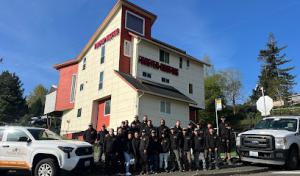
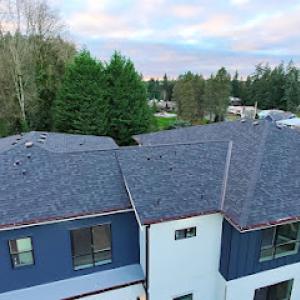
Rocket Roof Pros
(206) 350-7663 www.rocketroofpros.com
1900 S Puget Dr STE 203, Renton, Washington
5.0 from 27 reviews
We named ourselves Rocket Roof Pros because we believe a roof replacement shouldn’t drag on for weeks. Our crew is built for speed, but we never compromise on the quality of the install. At Rocket Roof Pros, we focus on two things: quality installs and fast turnaround. We’re fully licensed, insured, and dedicated to making sure your roof is built to last. If you need a reliable crew for a repair or a new roof, reach out for a free inspection. We’d be happy to take a look.
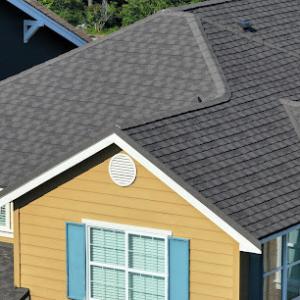
Erie Home
1000 SW 34th St suite a Suite A, Renton, Washington
4.5 from 117 reviews
Since 1976, Erie Home has manufactured, supplied, and installed the best-performing roofing on the market. By providing ironclad warranties and convenient financing, we ensure that every homeowner we work with receives top quality service and value for their homes and properties. Erie Home professionals are the roofing company of choice in the greater Renton, WA area. Whether you need roof inspections or roof damage repair services, Erie Home has been the go-to roofing contractor for nearly 50 years because of our attention to detail and dedication to making sure our customers are satisfied with their results. Contact us today for a quote and see why we're the trusted roofing company Renton counts on.
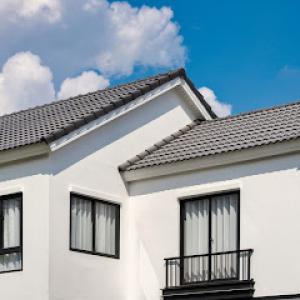
Alpine Roofing
(425) 271-8426 www.alpineroofcleaning.com
17271 SE Petrovitsky Rd, Renton, Washington
4.1 from 15 reviews
Specializing in Roof Cleaning, Gutter Replacement, Minor Roof Repairs. Also offer Pressure Washing for Cement. Call Us Today!

Valentine Roofing
(206) 558-0611 valentineroof.com
Serving
4.7 from 1357 reviews
Valentine Roofing has earned the reputation of being the best residential & multifamily roofing services in Seattle, western Washington & Puget Sound area. They provide professional roof replacement, roof repair, roof cleaning, siding, gutters, and much more. They pride themselves in delivering the Valentine Experience — seamless communication, meticulous cleanup, and going the extra mile for customers. With its local Tukwila, WA office, its service area ranges from Skagit County in the north to Thurston County in the south. Their local roofers specialize in the installation of composite roofing, PVC roofing & metal roofing options. Whether you have a flat roof, a steep-slope roof, or a roof somewhere in between, Valentine has you covered.
North OG Roofing
(206) 249-1586 www.northroofingog.com
Serving
4.9 from 38 reviews
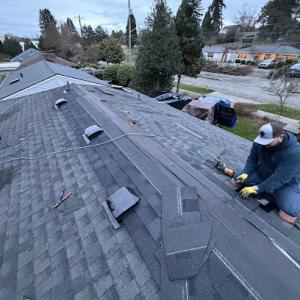
With over ten years of roofing experience in the Pacific Northwest, Carlos Olmos, Zackary Herndon and their team understand what it takes to prepare homes for life in the Puget Sound. Specializing in roofing, roof repairs, roof replacement, roof installation, roof inspection, roofing services, local roofers, roofing contractors, emergency repair roofing, licensed bonded, repairs, gutters, and weatherizing . Customer service is a top priority. North Roofing wants to help clients understand what the full needs are before the job begins, with complimentary quotes. Working within a variety of budgets and projects, Carlos and his team will walk through the process with humble and honest feedback on each project. Established since 2002.
Forever Roofing
(206) 261-3683 www.foreverroofing.net
Serving
4.9 from 453 reviews
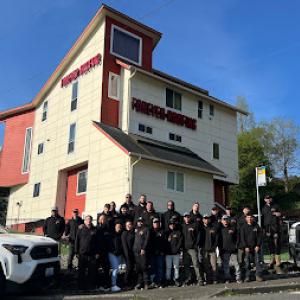
Since 2013, Forever Roofing has been a trusted leader in exterior home improvements, delivering quality craftsmanship and exceptional service. As a family-owned and operated business, they specialize in a comprehensive range of residential and commercial services, including expert roofing, siding, and window installations. Their team of skilled professionals is dedicated to using high-quality materials to ensure durable, lasting results. Committed to customer satisfaction, Forever Roofing provides a supportive and transparent experience from the initial consultation to project completion, making them a premier choice for enhancing the beauty and resilience of any property.
Three Tree Roofing
(206) 312-7663 www.threetreeroofing.com
Serving
4.9 from 207 reviews
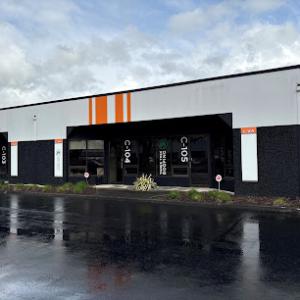
Three Tree Roofing is proud to be a roofing company in Kent, providing homeowners and businesses with reliable solutions that keep properties safe and comfortable. From the start to full roof replacements, our team focuses on quality workmanship and honest communication every step of the way. We understand the challenges roofs face in the Northwest climate and use durable materials designed to last through heavy rain, wind, and moss growth. Whether you are considering a new installation, upgrading to metal, or looking for dependable maintenance, we take care of the details so you can have peace of mind. With friendly service and a commitment to doing the job right, we make sure every project delivers long-term protection and value.
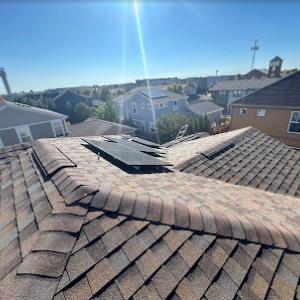
Eco Roof Cleaning Renton
(206) 704-5019 ecoroofingnw.com
Serving
5.0 from 81 reviews
Eco Roof Cleaning Renton is your local expert in eco-friendly roof and gutter maintenance. We specialize in roof cleaning, moss removal, roof treatment, gutter cleaning, and minor roof repairs using environmentally safe methods that protect your home and the planet. Based in Renton, WA, our team is committed to quality workmanship, outstanding customer service, and long-lasting results. Whether you're dealing with moss buildup or clogged gutters, we help homeowners maintain the value, safety, and beauty of their homes—without harsh chemicals. Call now for a free estimate and experience the Eco difference.
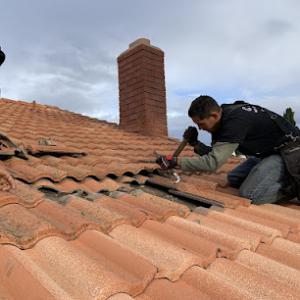
Coleman Roofing Pros
(253) 313-7290 colemanroofkent.com
Serving
5.0 from 47 reviews
Coleman Roofing Pros offers expert roofing services in Kent for both residential and commercial properties. Whether you need leak repairs, roof inspections, or a complete replacement, our skilled team delivers high-quality results using durable materials and proven techniques. We handle shingle, flat, and metal roofing systems with precision and care. Count on Coleman for reliable service and long-lasting roof protection.
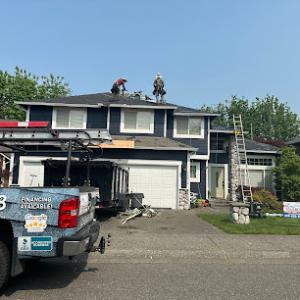
True Blue Roofing & Siding
(253) 655-9898 trueblueroofs.com
Serving
4.8 from 277 reviews
True Blue Roofing was established because we wanted to offer a fair price for a quality product. Our reputation goes before us. Most of our customers are referrals. We don’t have to spend tons of money on marketing and advertisements. So, our costs compared to the big roofing companies are less expensive and our prices are very fair. And with that fair price, we don’t compromise on the quality of what we do. All of our roofers have been roofing for years and are great at what they do. All roofers are certified and trained by the product manufacturer. At True Blue Roofing we install certified roofs with a guaranteed product and a guaranteed labor warranty.
Team Roofing Northwest
(253) 277-4643 www.teamroofingnw.com
Serving
4.7 from 76 reviews
We are a locally owned and operated company that values honesty and integrity, treating your home as if it were our own. We believe in respect and transparency, ensuring you receive desired results reliably and on time. Our competitive pricing and meticulous attention to detail set us apart. Our commitment to excellence, thoroughness, and integrity offers a refreshing change from the standard. We look forward to building lasting relationships and guarantee your satisfaction. We are helpful, patient, courteous, successful, and goal-oriented. We work together. We are a team!
Old School Roofing
Serving
4.9 from 37 reviews
No matter what time you need service, we take calls 24 hours a day, seven days a week. Our roofing company is fully licensed, bonded and insured so you know your project is in good hands. We're GAF Certified Installers and recycle all materials. We also use local materials and professionals for all of our jobs, making our work more affordable for you. You'll never have to worry about how to replace a roof again after our work is done. Call us today for a free estimate in Oak Harbor, WA or a surrounding area at (360) 632-6046!
Asphalt shingles are the backbone of the local reroof market, aligning well with broad affordability expectations and the practical realities of a long, wet season. They install quickly, tolerate occasional foot traffic during inspection and maintenance, and come in storm-friendly profiles that shed rain efficiently when tucked under snow guards or drip edges. For hillside and valley neighborhoods, consider architectural or three-tab styles with a bit more surface seam detail to help resist wind-driven rain and flying debris. In Western Washington conditions, a quality asphalt roof often includes a suitable underlayment and a durable starter strip to minimize moisture intrusion at eaves and rakes.
Metal is a strong local category because it delivers fast water shedding, low maintenance, and extended service life, which can matter when every rainstorm tests roof penetrations and flashing details. In Renton, where heavy rains and shifting soils are common, metal can perform well if the installation emphasizes proper flashing at valleys, chimneys, and vent penetrations, plus a robust rafter or deck attachment. While the upfront cost is higher, metal roofs respond well to the wet climate and can reduce the risk of interior moisture issues during the peak wet season. When choosing profiles, look for standing-seam designs that minimize exposed fasteners and coordinate with the home's architectural lines for a cohesive street appeal.
Tile and stone-like options, including clay tile, concrete tile, slate, and synthetic or composite alternatives, appear in the market but require closer attention to structure, detailing, and moisture performance in Western Washington conditions. Clay and concrete tiles demand a sturdy substrate and precise underlayment to handle prolonged wet periods, especially on slopes where drainage concentrates runoff. Slate and cedar-style products bring timeless aesthetics but need careful flashing around transitions, vents, and skylights to prevent moisture penetration in winter weather. Synthetic or composite shingles can mimic the look of natural materials while offering lighter weights and improved moisture resistance, yet they still rely on robust installation practices and compatible underlayment to manage the damp climate effectively.
Regardless of material choice, the structure must support the roof's weight and the local moisture regime. In Renton's wet season, pay close attention to attic venting, insulation, and the seamless integration of underlayment with fascia and drip edge. Valley and hip configurations demand meticulous valley flashing to handle sustained rainfall without leaks. The best outcomes come from matching the roof system to existing sheathing and deck conditions, ensuring that moisture control is integrated into the design from day one and not retrofitted after the first heavy rainstorm.
When you plan a reroof in this market, the focus shifts from "just install new" to managing moisture, staging, and the tight weather windows that come with Renton's long wet season. The cost picture isn't only about material price per square; tear-off, disposal, cleanup, and moisture-related deck protection often drive the bottom line more than the sticker price of new shingles. You'll want to gauge how many dry days you can realistically mobilize in a given week, and pair that with the anticipated equipment, crew access, and the need to protect interior spaces from rain intrusion during a multi-day cycle.
Asphalt Shingles
Typical cost range: 350 to 700 USD per square. In Renton, you'll see this option favored for its balance of initial outlay and ease of installation under short, dry windows. The wet season can compress scheduling and push labor into the few dry days of each week, which means more cycles of tear-off and plastic containment. Expect costs to climb if you need full tear-off, extensive underlayment refresh, or added deck moisture protection. A straightforward asphalt reroof in a typical residential roofline may stay near the lower end when you're replacing like-for-like, but any extra moisture control or cleanup requirements can tilt the total upward quickly.
Metal Roofing
Typical cost range: 900 to 1800 USD per square. Metal tends to hold up well in damp climates, but the Renton reality is that long rain spells demand careful sequencing and higher staging costs. If you're replacing existing metal or converting from shingles, anticipate higher deck protection needs and potential temporary weatherproofing measures that extend project duration. The durability of metal can justify the upfront expense, but you'll still pay more for the labor time spent keeping the work zone dry, especially on steep slopes or hillside lots where drainage and runoff demand more containment.
Clay and Concrete Tile
Clay: 1200 to 2500 USD per square. Concrete: 1000 to 1800 USD per square. These heavy systems require stronger framing and precise underlayment, so the moisture management approach is more involved. In Renton, longer periods of sustained rain increase the likelihood of staged work and site protection costs. The heavier tiles demand careful crane or crew coordination and often more extensive removal and disposal logistics, which elevates both labor hours and staging materials when rain interrupts progress.
Synthetic/Composite Shingles
Typical cost range: 600 to 1200 USD per square. These can be appealing when you need quicker turnaround and better moisture resistance in wet weather. Yet even with synthetic options, the Renton reality is that tear-off, cleanup, and deck protection add meaningful cost as crews pause for rain or resecure tarps and containment after a storm. Expect a slightly higher premium if you're coordinating a full tear-off and moisture seal across multiple slopes or complex rooflines.
Slate
Typical cost range: 1500 to 3000 USD per square. Slate roofs bring long-term durability but require meticulous handling and a coordinated crew to manage weight and drainage. The wet season intensifies staging and protection needs here as well, with higher disposal and cleanup costs if an accidental break occurs during removal. In Renton, the benefit of slate's longevity often comes with a premium for the extra logistics needed to keep the job site dry and compliant during intermittent rain.
Across all materials, plan for extended staging and protection costs when rain interrupts progress. Coordination with crews to maximize dry windows, plus careful debris containment and moisture barrier work, will shape the final price more than the raw material sticker price alone. The typical range above reflects the material choice, but your final outlay in Renton will hinge on how much tear-off, waste handling, and deck protection your project requires to stay dry through a season that spends more time wet than dry.
Get a clear picture of your project costs upfront - no commitment required.
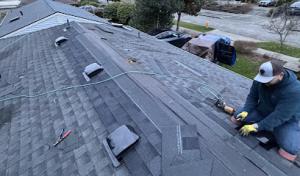
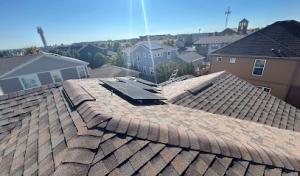
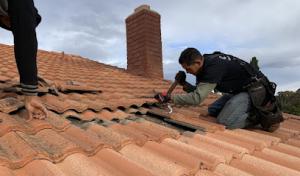
In Renton, a building permit is typically required for a full reroof through the City of Renton Building Department. This process helps ensure that moisture control, ventilation, underlayment, and flashing details meet local code expectations, which is especially important given the long wet season and hillside drainage patterns. Before any work begins, verify that a full reroof is being pursued under a permit rather than a simple repair permit, and confirm whether existing fascia, soffits, or drainage connections need updates as part of the reroof scope.
Plan review and permit issuance commonly take about 1-2 weeks, depending on workload. Some minor projects may be handled administratively, but a full reroof generally follows the standard review path. Gather clear project plans that identify roof type, underlayment, venting strategy, flashing details, and material choices. Include any site-specific concerns-such as slope, valley drainage, or nearby structures-that affect moisture management. Submitting a complete package early helps avoid delays caused by missing information or clarifications.
Renton experiences a long wet season, so scheduling the reroof to align with dry windows is critical. Permit processing can be a bottleneck if rain-driven damage or moisture management details are not anticipated. Plan for potential weather-related postponements and coordinate with the contractor to lock in weather-safe milestones. The permit timeline can intersect with weather windows, so building in buffer days for inspections during stretches of rain is a practical safeguard.
Inspections are generally performed at milestones such as underlayment or rough-in and final completion, rather than solely at the end of the job. This staged approach helps catch moisture control or ventilation issues early, reducing the chance of internal damage or dwelling disruption during prolonged wet periods. After underlayment or rough-in approval, maintain a clean, accessible work area around the roof line, protect interior spaces from moisture intrusion, and keep documentation ready for the final inspection. On the final walkthrough, ensure all penetrations, vent flashing, and drainage connections meet the permit's approved plan.
Keep the permit and inspection schedule visible to all stakeholders. If a weather-driven setback occurs, communicate promptly with the Building Department and request a temporary re-inspection slot if needed. A well-coordinated plan that anticipates inspection milestones minimizes downtime and helps keep moisture control and hillside drainage considerations at the forefront throughout the project. Remember to have updated contact information and project scope available during each inspection.
In the Renton and broader Western Washington insurance environment, carriers often expect clear photo documentation, contractor scope notes, and timing records for leak and storm-related claims. When the roof has endured repeated moisture exposure rather than a single dramatic event, the sequence matters just as much as the repair itself. Gather pictures that show how water moves across the surface, the exact points where staining appears, and any intrusion into attic spaces after each rain event. Keep a simple log that notes dates, rainfall amounts if available, and when the first signs of trouble showed up.
Because damage here is frequently tied to ongoing moisture exposure, not a one-time blow, the quality of documentation can influence an adjustment as much as the work performed. Insurers will want to see a clear story: what failed, how moisture progressed, and how the repair plan stops further exposure. Include close-ups of flashing, underlayment, and any repeated leaks, along with aerial or property-line context if available. A well-lit, dated photo series that demonstrates a before-and-after trajectory can be invaluable when moisture cycles through a hillside or valley drainage pattern.
Insurers serving this region may require licensed roofing professionals for adjustments and repair scopes, especially when wet-weather deterioration and storm damage overlap. This isn't about gatekeeping; it's about ensuring the repair actually addresses the root moisture issue and not just a surface symptom. Expect questions about remediation steps, how long the roof will be protected from further exposure during work, and what moisture-control measures are in place to prevent escalation during a wet season. Clear, professional notes from the contractor, aligned with the photos, help moves claims forward without unnecessary back-and-forth.
Connect with contractors who help homeowners navigate the claims process from damage assessment to final approval.
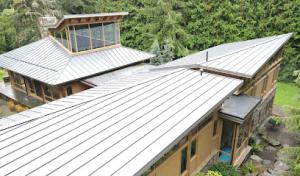
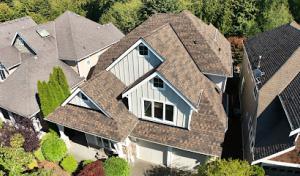
Flat and low-slope roofing is an active local specialty in Renton, shaping how drainage and membrane condition are evaluated year round. In neighborhoods where hillside and valley drainage patterns converge, standing water and slow-draining valleys can spell trouble if the membrane is past its prime. Inspect for blisters, fishmouths, and loose seams after heavy rains, and pay particular attention to field joints near transitions to slope sections. A roof that sheds water evenly now reduces the risk of moisture intrusion during the next downpour.
On low-slope sections in Renton, prolonged moisture exposure can turn small drainage or flashing defects into interior leak problems faster than in drier climates. Track how long runoff sits at corners, edge details, and penetrations such as vent stacks or skylights. If signs of moisture intrusion appear inside ceilings or walls, address the exterior flashing and membrane laps promptly. The goal is to keep the interior dry even when a storm lingers, not just at the end of a rain event.
Because wet-season work interruptions are common in Renton, temporary dry-in and seam protection are especially important on low-slope reroof projects. Plan temporary coverings that resist wind-driven rain and gusty uplifts typical in exposed hillside zones. Ensure seam tapes, transition covers, and boot flashings are secured with redundancy during anticipated weather windows. When possible, schedule the most vulnerable phases-membrane installation and flashing resealing-during forecasted drier days or in blocks with longer dry spells.
As the roof is prepared for weather, verify that all drain penetrations are clean, properly flashed, and gravity-fed toward scuppers or internal drains. Low-slope decks require careful attention to edge terminations and curb details to prevent ponding from developing into leaks. Confirm that any temporary fasteners used during installation are removed and replaced with long-term fasteners designed for the local climate.
After a heavy rain, walk the roof if safe to do so and look for visible pooling, wrinkling in the membrane, or fresh staining in attic spaces that correlates with roof areas. Document issues with photos and notes, then contact the contractor to address seals and joints promptly. This proactive approach keeps moisture from migrating into living spaces during the next wet stretch.
Find specialists in TPO, EPDM, and built-up flat roofing systems for residential and commercial properties.
Renton homeowners hire heavily for reroofing and consistently prioritize quick response and cleanup, reflecting how weather exposure raises the stakes once a roof is opened. When a crew can start promptly after a storm window or rain delay and finish with no lingering debris, the neighborhood stays safer and the project schedule stays on track. Look for contractors who provide a concrete plan for protecting exposed decking during rain, including tarping strategies and daily cleanup routines. A clean work site isn't just about aesthetics; it minimizes tracked mud and runoff onto driveways and landscaping on hillside properties where drainage patterns vary.
Long-established and family-owned firms have a visible presence in the Renton market, which matters to homeowners comparing reliability during weather delays and callback needs. Expect crews that know the local quirks-slopes, valley drainage, and frequent moisture exposure-because familiarity translates into fewer missteps when damp conditions extend into a reroof window. Ask for recent local references and confirm how the contractor handles weather-related pauses and re-sequencing work without losing momentum. A local identity often correlates with accountability and a predictable response timeline when weather shifts.
Manufacturer-certified and warranty-offering contractors are present but not dominant, so homeowners in Renton should verify both workmanship coverage and material registration details. Confirm what the warranty covers on labor versus materials, and ensure the contractor is aligned with the specific shingle or metal system chosen. Clarify how any potential defects are handled and what steps occur if a delayed rain period interrupts progress. If a firm can cite tested installation practices and keep the project tied to product registration, that translates into real protection through the life of the roof.