
Last updated: Apr 19, 2026
When a roof sits under Skagit Valley skies, moisture sticks around longer than you might expect. In this area, roofs endure extended damp spells, not brutal heat, so the window for quality replacement work is narrower and more critical. If you try to slip a new roof in the middle of a wet autumn or the heart of a damp winter, you're inviting concealed moisture, trapped underlay failures, and compromised fasteners. The urgency here is clear: you need a dry stretch long enough for roof decks to dry, sealants to cure, and crews to work without rain interruptions. That dry window is most reliable from late spring through early autumn, when the days stay consistently dry and the work can proceed without repeated weather delays.
Sedro-Woolley sits in the Skagit Valley with abundant surrounding vegetation and tree cover. Shade guards the roof from sun, but it also keeps surfaces damp longer after a rain. Debris from nearby branches piles up and clings to shingles, gutter lines, and valleys, creating pockets where moisture persists and moss can take root. In practical terms, this means your roof spends more time in a moist microclimate than most folks realize. The risk isn't heat or hail; it's persistent drizzle, moss growth, and moisture-related wear that shorten service life if drainage and ventilation aren't doing their job. A roof that sheds water poorly or dries slowly will age faster here, even if other climates would enjoy longer cycles between replacement.
Watch the calendar and the weather. After late-winter cycles, expect lingering damp days into early spring. If your roof shows moss growth, granular loss, or dark staining after a wet season, don't wait for a sunny lull that might not come. The most reliable replacement timing aligns with a solid multi-week streak of dry weather in late spring or early summer, when crews can complete underlayment, flashing, and vent work without rain gutters filling with water mid-install. If you must schedule during autumn, aim for a window that promises several dry days in a row and avoid the first cold fronts that creep in with mist and drizzle.
Begin by assessing drainage and ventilation now. Ensure gutters are clear and valleys aren't retaining standing water after storms. If moss is already thick enough to obscure granules or raise shingles, address it before any replacement: moss can trap moisture against the deck and underlayment, undermining adhesion. Coordinate with your contractor to target a sequence that prioritizes deck drying, proper underlayment, and venting before the wet season returns. If a replacement must occur, plan for a compact, contiguous dry period rather than piecemeal, day-by-day work. A decisive plan reduces the risk of moisture infiltration and extends the new roof's life in this damp, shaded setting.
You should monitor extended forecasts and aim for a late-spring to early-autumn installation block with at least one week of consecutive dry days. Prepare the roof for work by clearing debris, trimming overhanging branches, and confirming drainage paths are open. Have signs of moss or algae growth treated before the project kicks off to prevent early moisture traps. Keep attic ventilation in check and address any signs of moisture intrusion immediately, so the new roof can perform as intended through Sedro-Woolley's wet seasons.
Sedro-Woolley's position near the Cascade foothills means roofs face winter storms and heavy rainfall that can slow or stall tear-off work. When relentless wet weather arrives, crews may push back schedules, leaving vulnerable roofs waiting longer for safety checks, underlayment restoration, and proper sealant cures. That delay increases the risk of moisture penetrating around penetrations, flashing, and the roof-to-wall interface. In practice, plan for a window of calm weather after a storm cycle to address critical re-sealing and flashing work. If a freeze is forecast, consider scheduling inspections early in the dry window to reduce the chance of moisture pushing under the shingles during thaw periods.
Inside this inland Northwest climate, temperature swings can stress shingles, sealants, and flashing even without a hail season. When water sits in joints and around penetrations and then freezes, it expands and can loosen fasteners or lift edges. This is especially true where tree cover keeps surfaces damp between storms, creating micro-wetter microclimates on the roof surface. Materials used in Sedro-Woolley homes should be chosen with these cycles in mind and installed with attention to proper thermal movement gaps. Expect that sealants and flashing edges may perform differently after a sharp cold snap followed by a warm rain, and inspect these zones promptly after such transitions.
Homeowners here are more likely to worry about recurring leaks around penetrations and flashing after wet cold spells than about sun-driven aging. Valleys around vent pipes, skylights, and chimney flashings tend to show early signs of trouble when the moisture response is readjusted by freezing temperatures. Look for hairline cracks in caulk, compressed metal flashing near vent collars, and shingle lift at step-flashing transitions. If you notice damp spots on ceilings beneath the attic or dark streaks along fascia after a cold snap, treat these as urgent indicators that water has found a way in and needs a targeted fix before the next storm.
A practical approach is to schedule a fall and late-winter inspection focused on moisture management rather than cosmetic checks alone. Pay close attention to the roof edge, eaves, and areas where the roof meets siding, as these zones are most susceptible to moisture intrusion when freezes intensify cycling. Keep gutters clear so meltwater can shed away cleanly and avoid pooling around drip edges. Foot traffic during inspections should be minimized on ice and snow; when work is necessary, use fall protection and solid access points to prevent further damage. In this climate, timely resealing around penetrations and ensuring flashing stays tightly bedded are ongoing safeguards against slow but persistent leaks that stubbornly reappear after wet spells.
Asphalt shingles are common locally because they fit the region's typical residential stock and offer the lowest provided cost range for full replacement. For a climate with long wet seasons and persistent moss pressure, choose a non-laminated or mid-grade shingle with good granule density and a hefty nailing zone. In practice, you'll get reliable service if you pair the roof with proper underlayment and a solid drainage plan. Pay attention to valley and drip-edge detailing, since prolonged rain can push water toward seams. Regular inspections after the wet months help catch damaged tabs or granule loss before moisture penetrates the deck. In homes with a mature canopy nearby, the shade may keep shingles damp longer, so expect moss risk to drift upward in damp springs.
Metal roofing is especially relevant in this wet region because it sheds water and debris efficiently, but detailing at fasteners, edges, and flashing matters in prolonged rain exposure. If choosing metal, look for a substrate that resists denting and wind uplift, with exposed-fastener or concealed-fastener systems aligned to seasonal freeze-thaw cycles. In Sedro-Woolley's climate, edge panels and ridge caps deserve extra sealing, and flashing around chimneys, skylights, and transitions should be oversized for heavy rain years. A standing-seam profile typically handles moss-laden air better than some panel styles, and the color choice can influence heat retention during damp, overcast winters. Plan for a thorough initial inspection after installation and a mid-life re-seal to preserve water-tight performance.
Wood shingles and shakes remain a regional style choice in the Pacific Northwest, but in Sedro-Woolley's damp environment they require closer attention to moss, moisture retention, and maintenance than in drier climates. Expect occasional moss growth on shaded roof planes and valleys; treat proactively with moss inhibitors and provide good airflow under the roof without sacrificing roof deck ventilation. Wood needs a robust moisture barrier and an annual seal or stain to slow moisture absorption. In forests or heavily treed blocks, choose a species with better decay resistance and be prepared for more frequent maintenance cycles than you would have inland. A well-ventilated attic and sealed eave gaps help prevent moisture from migrating into the decking and causing cupping or soft spots.
In practice, the most durable path in this valley environment blends moisture management with dry-season timing. Regardless of material, ensure you have an effective underlayment, solid flashing details at transitions, and a plan for moss control that aligns with your roof's exposure and shading. The right choice supports curb appeal, roof longevity, and fewer mid-winter surprises when storms roll through Skagit Valley.
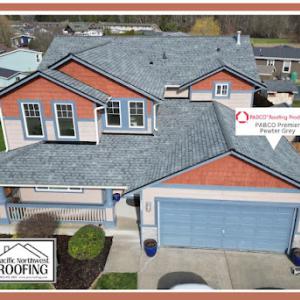
Pacific Northwest Roofing
Serving
4.9 from 45 reviews
Pacific Northwest Roofing provides roofing, windows, siding, gutters, home remodeling, and custom-built homes throughout Skagit and Whatcom County, WA.
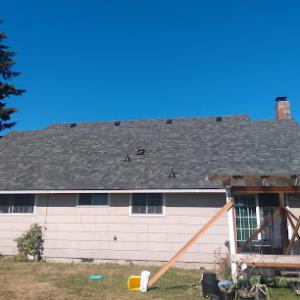
AJC Roofing & Construction
Serving
5.0 from 9 reviews
AJC Roofing specializes in many types of residential and commercial roofing throughout Skagit, Whatcom, Island, and Snohomish county. Senior Discount and Military Discount available 10-year craftsmanship warranty on all roofs 30-year warranty on materials with lifetime available also.
Ideal Roofing
(360) 755-3377 idealroofingwa.com
Serving
5.0 from 17 reviews
Ideal Roofing is a family owned company with over 15 years of roofing experience. No job is too big or too small. We pride ourselves in customer service and making sure getting your new roof is as painless as possible. We specialize in residential and commercial roofing. We install composition shingles, metal roofing, TPO, and even DaVinci Roofing products. Making your roof beautiful and functional again is our top priority.
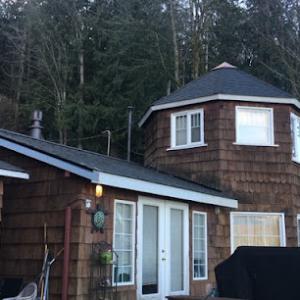
AMR Roofing & Construction
(425) 359-8417 www.amrroofingandconstruction.com
Serving
4.9 from 24 reviews
AMR Roofing specializes in metal roofing, composition roofing, Single-Ply TPO PVC Roofing, and commercial roofing installation. We also specialize in siding installation. We take pride in our work and use new and updated products to insure quality construction work for your home or business. The owner Vince Quillen has been installing roofs and working in construction for over 32 years and has been a licensed contractor for over 24 yrs.

Skagit Roofing
(360) 329-9918 www.skagitroofing.net
Serving
4.9 from 149 reviews
Skagit Roofing in Bow, WA delivers customized roofing solutions using top-rated products like Malarkey, Pabco, Certainteed, and IKO. With over 7,000 homes roofed, their highly trained staff and certified crews take pride in offering beautiful, long-lasting roofs tailored to each client's needs. They listen closely to customers, providing aesthetic, cost-effective solutions with free estimates, transparent pricing, and projects completed on time and on budget.
Peaks Northwest Roofing 🐐
(360) 333-8463 www.peaksnw.com
Serving
4.8 from 85 reviews
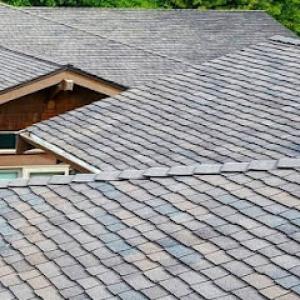
Licensed - Bonded - Insured - Certified. We are a PABCO Preferred PRO and Malarkey Emerald Premium Certified Roofing Contractor. Multiple time winner of the "President's Club" roofing award, we have over 30 years of experience serving Skagit, Whatcom, Island, San Juan and Snohomish with pride. We offer free estimates and Lifetime Warranty Roof systems. Asphalt composition and metal roofing experts. Financing options available!
A & G Roofing
(360) 842-6892 agroofingcontractor.com
Serving
5.0 from 12 reviews
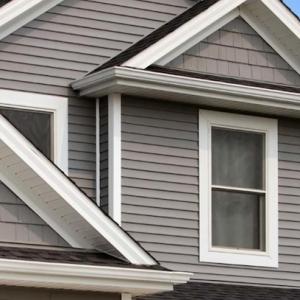
With A&G Roofing, you can rest assured you are working with a roofing company you can trust. From roof installation to leak repairs, we are the experts in Mount Vernon, WA. We have over 25 years of experience, and always strive to exceed our customers' expectations. Whether it's installing a new roof or fixing an old one, our duty is to ensure that the structure over your head does its job. For more information, including free quotes, contact us today!
Arrowhead Roof Cleaning
(360) 387-8740 www.arrowheadroofcleaning.com
Serving
4.8 from 22 reviews
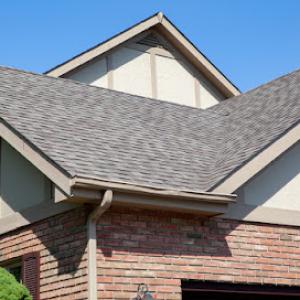
Arrowhead Roof Cleaning is Skagit Valley’s Most Trusted General Contractor for Exterior Restoration and Construction services. Our certified professionals can repair your roof, clean your driveway, install new gutters and more. We are local, dependable, and honest!
Skyline Roofing & Construction
(360) 398-6119 bellinghamskyline.com
Serving
5.0 from 50 reviews
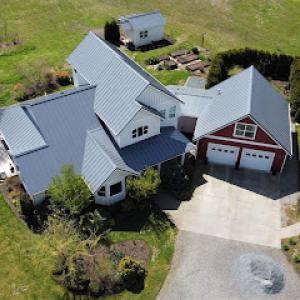
Full service roofing company in Bellingham Washington. We specialize in metal roofing, composition asphalt roofing and TPO.
Cruz Roofing Contractor
(360) 922-2317 cruzroofingcontractorwa.com
Serving
5.0 from 26 reviews
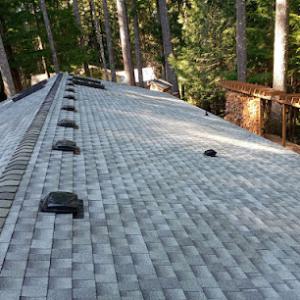
Cruz Roofing Contractor is a business that offers Roofing Services like Composition Shingle, Metal, TPO, Skylight Replacement, and all kinds of Roof Repair in Bellingham, WA. Contact us for free estimates.
Roy Metal Roofing
(360) 488-1743 www.roymetalroofing.com
Serving
4.8 from 39 reviews
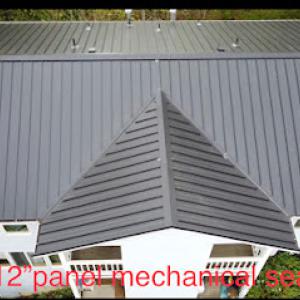
We do metal roof, siding, new construction, reroof, and roof repairs. Small details make a big difference.
Mountaintop Metal Roofing
(360) 837-7027 www.mountaintopmetalroofing.com
Serving
5.0 from 23 reviews
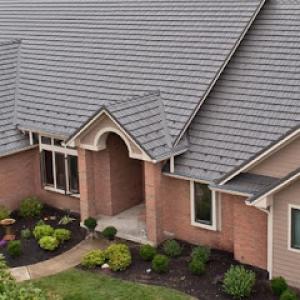
From Bellingham to Everett, we’ve got you covered. As your local metal roofing contractor, we provide professional, worry-free metal roofing installations and standard-setting customer support. If your roof is made up of materials unable to withstand the rigors of the PNW seasons, you could be looking at years of worrisome maintenance and upkeep. Why put yourself through all that — year after wet and blustery year? Protect your home with lifetime PermaLock aluminum shingles featuring Fluoroceram, a Premium Kynar 500 coating system. Consider our high-quality aluminum cedar shakes, a durable standing seam metal roof, or aluminum shingles — available in two finishes and hundreds of colors.
For reference, the base pricing you'll typically see in this area runs from 340 to 650 USD per square for asphalt shingles, 550 to 1000 for metal, 900 to 1800 for clay tile, 850 to 1700 for concrete tile, 550 to 1000 for wood shingles or shakes, and 450 to 900 for synthetic or composite shingles. Those ranges reflect the reality of Skagit Valley winters, where the moisture load and the shorter dry window can nudge costs upward. When you're evaluating bids, start by confirming a price per square that aligns with the material you want and then compare what each contractor includes beyond the base, such as tear-off, disposal, and underlayment upgrades.
In this market, costs can rise when contractors must work around frequent rain delays, moisture-sensitive tear-off conditions, and narrower dry-season scheduling windows. A project that should fit neatly into a long stretch of dry days can stretch into weeks if sudden showers interrupt work or if crews have to pause to protect damp rafters and decking. Those delays aren't just time lost; they can affect crew availability, equipment rental, and overtime rates. If you're choosing a replacement, consider scheduling during the late spring or early fall dry pockets, and build a buffer in your timeline and budget for weather-driven slowdowns.
Homes in this part of Skagit County often feature tree-related cleanup, moss removal, decking spot repairs, and flashing corrections that add cost beyond base material pricing. Moss and debris can veil problem spots, demanding more detailed surface preparation, roof-to-deck cleaning, and sometimes repair of rotten trim or fascia before a new roof goes on. Expect extra line-item charges for moss abatement, siding and gutter protection, and extra flashing work where branches repeatedly rub against the roofline. If your estimate doesn't itemize these, ask for a breakdown so you're not surprised later.
The local climate favors moisture management and durability over flashy aesthetics. Asphalt shingles stay the most cost-efficient, but metal and concrete tile offer longer lifespans with better moisture shedding and freeze-thaw resilience-useful in a valley setting prone to winter cycles. Clay tile looks premium but carries higher labor and fragility risks if roof geometry is complex. When weighing bids, factor in long-term maintenance, moss resistance, and the dry-window schedule. A higher upfront cost may pay off with fewer moss-related repairs and faster, cleaner installations when the weather cooperates.
In this area, a building permit is commonly required for a full roof replacement, with the permit typically submitted to the Skagit County Building Department. This isn't a formality for a reroof that looks like a simple cap over existing layers; a full replacement changes ventilation, flashing details, and roof underlayment, so that permit review helps ensure those elements meet code and the Skagit Valley's moisture realities. The process starts with a plan submittal that outlines roof dimensions, vent placements, and any changes to attic ventilation or attic access. Having a clear, those-are-the-details approach helps prevent backtracking once work begins and keeps the project on a predictable path through the permitting office.
Inspections are scheduled during construction and again upon completion to verify roofing installation, flashing, and ventilation rather than treating the job as a no-review reroof. Expect the inspector to check that the roof deck is sound, underlayment is properly installed, and that flashing around chimneys, walls, skylights, and vents is continuous and properly integrated with the ventilation system. Attic ventilation will be reviewed to confirm there is a balanced, operable system that helps manage moisture in the Skagit Valley's wet seasons. The final inspection typically confirms that the installation meets all applicable code requirements and that any correction items identified earlier have been addressed. Scheduling ahead with the contractor helps avoid delays, especially if weather limits daytime exterior work.
Weather-related restrictions can affect inspection timing and job sequencing, which matters in a city where rain can interrupt exposed-roof stages. The inspection window can shift if there's persistent wet weather, and critical stages-like installing underlayment, flashing, and ventilation before the final top layer-benefit from dry days. Coordinate with the contractor to stage the work so that the most weather-sensitive tasks occur during the drier portions of the week. If a rain front hits during a phase where interior or sheltered work is possible, use the downtime to complete documentation, ordering of materials, or securing permit corrections. Clear communication with the Skagit County Building Department and the roofing crew helps preserve the project timeline when moisture cycles extend over multiple days.
Given tree cover and the valley's microclimates, inspectors will pay attention to how the project handles debris management and protection of nearby vegetation. Ensure temporary containment is in place to minimize roof debris that could impact neighboring properties or clog drainage late in the season. Because moisture control is central to a durable Sedro-Woolley roof, plan a careful sequence that prioritizes proper underlayment and venting before any final shingle or tile installation. With these steps aligned, the permit process and inspections can proceed smoothly, keeping the project compliant and on track through Skagit County's review routine.
In this moisture-prone area, adjusters focus on the difference between sudden storm damage and long-term moisture intrusion. Moisture that has worked into the roof deck, moss-covered flashing, or deteriorating shingles from wet seasons can be scrutinized closely. Photos, maintenance records, and a roof report help distinguish weather-driven damage from pre-existing wear.
Keep a dated log of storm dates, leaking locations, and anything visible from ground level or attic access. Take clear photos after each rain event and before any temporary repairs. Collect prior maintenance notes, including previous moss control efforts and any roof-cleaning history. This documentation supports whether the issue arose during a storm or drifted into neglect.
Expect requests for photos, a roof report, and a history of maintenance. In moss-prone, wet environments, carriers may separate sudden storm damage from long-term deterioration. Having a current roof report, plus a record of timely maintenance, helps demonstrate condition at the time of the event and can influence coverage decisions.
Some carriers require licensed contractors and may apply depreciation or replacement-cost rules. If a claim involves damage that could be tied to moisture or maintenance, ensure the contractor can clearly document pre-existing conditions and the work needed to restore moisture-control integrity. Early, organized records simplify the review and reduce back-and-forth during the claims process.
In this valley climate, flashing around chimneys, skylights, and where roof planes meet walls can be the quiet gatekeeper of a roof's health. When sealants age or flashing metals corrode, leaks begin at the edges rather than the center of a panel. In local homes, you'll notice stained ceilings first, with water finding a path along rafter tails or into soffits. The consequence isn't just a stain; repeated intrusion invites rot and structural weakness. If you're evaluating a roof, look closely at where shingles terminate against step flashing and at any discreet gaps behind flashing metal. Replacing flashing early, before shingles fail, saves more invasive repairs later and reduces the chance of decking moisture damage.
Vent pipes, exhausts, and antenna mounts create natural vulnerability points. In this moist climate, penetrations are prone to wicking and slow seepage that you might not notice until significant damage has already occurred. A small overhead drip can indicate a compromised seal if you see condensed moisture around the nail lines or tar seals that have hardened. Without prompt attention, moisture can travel under shingles, soak underlayment, and undermine fasteners. Regular inspection after heavy rains or windstorms helps catch loose boot ligaments or cracked collars before interior staining shows up.
Moss and debris from nearby trees accumulate where water tends to linger-valleys, eaves, and shaded low spots. In Sedro-Woolley, that damp conditions trap moisture at shingle edges, accelerating wear and promoting granule loss. Debris blocks drainage paths, creating micro-sumps that keep the roof wetter longer than you might expect. The result is accelerated aging, localized rot, and more frequent patching needs in those zones. Address debris buildup promptly and consider enhanced valley and edge protection to slow wear.
Because winter storms can delay replacement schedules locally, older roofs are often patched through another wet season, increasing the chance of decking and underlayment damage before full replacement. Patching can mask deeper issues until dry-season access allows a proper repair or full roof replacement. If your roof shows recurrent leaks after storms, plan for a targeted assessment of decking and underlayment rather than relying on temporary fixes.