
Last updated: Apr 19, 2026
The Pacific Northwest pattern of long wet winters creates a continuous threat to exposed roof decking and underlayment during full replacements. In this climate, rain can arrive with little warning and linger for days, turning a planned tear-off into a risky, weather-driven project. The central planning issue is scheduling around likely wet spells, not around convenient calendar weeks. If the roof isn't properly protected during those heavy, persistent showers, moisture can invade decking seams and create hidden damage that only shows up after the new roofing is installed. Your project hinges on anticipating rain, coordinating access, and choosing a start date that minimizes deck exposure.
Milder, drier summer periods are typically the safest window for tear-off and replacement work in this area because crews have fewer rain interruptions. That said, the window is still finite and unpredictable, so readiness matters just as much as timing. A contractor should bring pre-arranged contingencies for sudden showers, including protected staging zones and quickly movable debris nets. If a storm rolls in mid-tear-off, stopping work promptly protects bare decking and underlayment from saturation. Delayed work due to wet weather isn't a failure; it's a prudent safeguard that prevents long-term moisture intrusion and later rework.
The city's frequent moisture exposure means homeowners should ask how contractors protect roof decks, staging areas, and open penetrations during stop-and-start weather. Deck protection must extend beyond the roof line to the edges of the work zone, with secure tarps or enclosure systems that resist wind-driven rain and blowing debris. Staging areas should be kept dry and clear of standing water, with materials stored on elevated surfaces or within waterproof containment. Open penetrations-like vent pipes, chimney flashings, and skylights-require temporary sealants or fastened, weatherproof closures that won't fail in a passing shower. A good plan includes rapid resealing once work resumes, so moisture cannot sit and penetrate beneath the new installation.
You should insist on a moisture management plan that accounts for the city's wet-season pattern. Ask for a clearly defined sequence of work that prioritizes decking and underlayment protection during every weather window, with explicit responsibilities for crew members when rain interrupts progress. Request daily weather checks, with a readiness list for quick tarp deployment, deck drying stations, and temporary coverings for exposed penetrations. Verify that staging and access routes remain dry and flow smoothly from the driveway to the roof, minimizing tracked moisture into living spaces. If a storm is forecast, confirm that the contractor has a contingency plan to pause, protect, and resume without sacrificing the integrity of the new roof system.
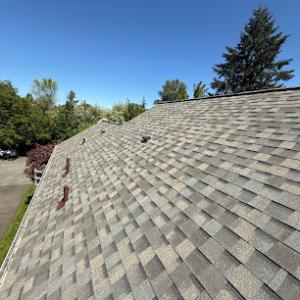
Roofscapes NW
(206) 752-3039 roofscapesnw.com
35716 20th Ave SW, Federal Way, Washington
4.9 from 129 reviews
Roofscapes NW is a full-service roofing company means that you have the expertise and capabilities to handle a wide range of roofing needs. From minor repairs to complete re-roofing projects, your services provide customers with comprehensive solutions for their roofing requirements. We are dedicated to quality workmanship and comprehensive services that will contribute to the overall well-being and value of your properties. We take pride in providing long lasting roof systems by serving as a roofing advocate for the families in our community to depend on. LOW & STEEP SLOPE ROOFS NEW CONSTRUCTION ROOFS · ROOF DECKS · COATING · REPLACEMENT ROOFS ASPHALT SHINGLES · TPO · METAL PANELS · SYNTHETIC SHINGLES
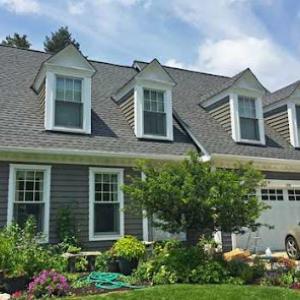
Seattle Pros
(206) 557-2170 www.seattleprosllc.com
31445 8th Ave SW, Federal Way, Washington
5.0 from 41 reviews
Seattle Pros is a Seattle‑focused roofing contractor providing roof replacement, leak repair, storm damage restoration, and free inspections. We serve Seattle, West Seattle, Capitol Hill, Ballard, Queen Anne, and nearby areas. Our team handles shingles, metal roofing, flat roofs, and emergency repairs with fast, reliable service. With 5‑star reviews and licensed, insured workmanship, we deliver durable results built for Northwest weather.
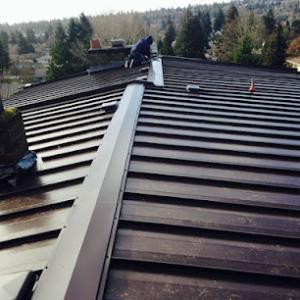
Allied Roofing Installation Service
(253) 263-1604 www.alliedroofingwa.com
190 S 312th St, Federal Way, Washington
4.9 from 81 reviews
Allied Roofing Installation Services is a leading roofer in the Federal Way, WA area. We serve clients in and around Federal Way, WA and we offer residential and commercial roofing services. Call our roofing team today to find out more about our services and to request a free quote on your roofing needs. Our services include: Roof Replacement, Roof Repair, Commercial Roof Replacement, Commercial Roof Repair, Siding Installation, Gutter Installation. Call us today
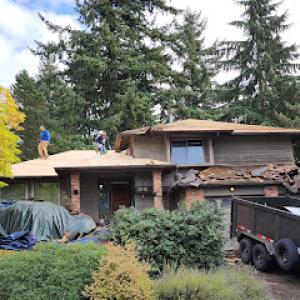
Fresh Start Home Exteriors
(253) 273-5040 freshstarthomeexteriors.com
2429 SW 326th St, Federal Way, Washington
5.0 from 35 reviews
Fresh Start Home Exteriors is your trusted local contractor for roofing, siding, gutter, and window replacement services in Federal Way, WA and surrounding areas. We specialize in roof replacement, roof repair, roof inspections, emergency roof service, roof cleaning, and new roof installations using premium shingle, metal, tile, and TPO roofing materials. Our team also offers professional siding replacement, James Hardie siding, vinyl siding, and window and door installation to enhance your home’s curb appeal and energy efficiency.
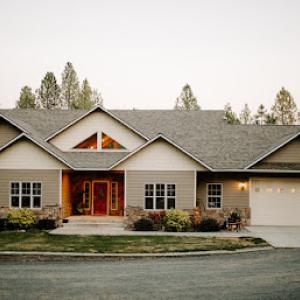
Apex Roofing
(253) 201-6767 www.apex-roofing.com
33710 9th Ave S Suite 10, Federal Way, Washington
4.7 from 64 reviews
Apex Roofing in Federal Way, WA specializes in professional roof replacements that protect homes and enhance curb appeal. In the Puget Sound region, heavy rainfall, moisture, and winter storms often lead to leaks, moss growth, and damaged shingles, making timely roof replacement essential. Our experienced team provides efficient tear-offs, high-quality installations, and durable roofing solutions built to handle the Northwest climate. With a strong reputation for reliability and craftsmanship, Apex Roofing is proud to be trusted roofing contractors Federal Way homeowners depend on for professional service and lasting results.
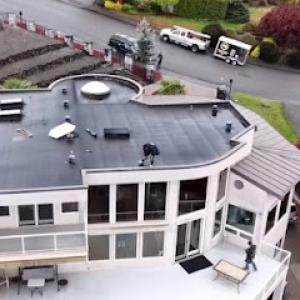
Tecate Roofing Service & Contracting
(253) 431-4696 www.tecateroofingllc.com
Serving
5.0 from 32 reviews
Tecate Roofing Service & Contracting provides residential and commercial roofing, siding, and gutter services throughout the greater Kent, WA area.
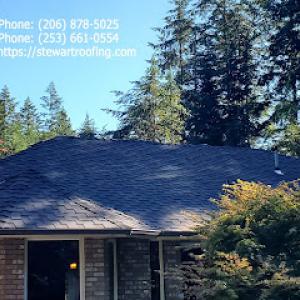
Stewart Roofing
(206) 878-5025 stewartroofing.com
Serving
5.0 from 33 reviews
Stewart Roofing, Inc. Roofing Contractors proudly serving Federal Way, Seattle, Auburn, and surrounding areas for over 40+ years. We are residential experts in roof install, repairs, inspections and certifications. New roof installation and repairs include chimneys, skylights and gutters. Roof Inspections include removal or re-covering of existing roof and inspection of the wood structure beneath the roof to determine structural repairs. We offer composition roofs, shingles, shakes, torch down, as well as smooth and granulated surfaces. We are Insured, bonded, licensed, A+ BBB rating, member of Master Builder's Assoc. We offer competitive pricing & referrals upon request. Get started with a free estimate today with Stewart Roofing!
North Creek Roofing
(253) 319-0210 northcreekroofing.com
Serving
5.0 from 46 reviews
Well established roofing company offering re-roofs, repairs, cleanings, gutters, and more.
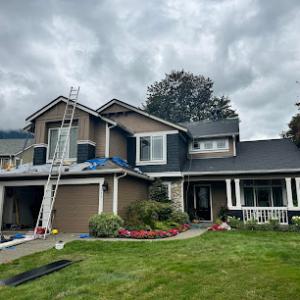
Jornada Roofing
(253) 893-3415 jornadaroofing.com
Serving
4.9 from 50 reviews
Jornada Roofing is a veteran-owned roofing contractor with over 20 years of experience serving the Western Washington community. Specializing in roof repair, roof replacement, and new roof installation, our services cater to both residential and commercial roofing needs, including metal roof installation and detailed roof inspections. Our expertise and commitment to quality ensure energy-efficient, weather-resistant roofing systems that stand the test of time. Partnering with local builders, we deliver exceptional craftsmanship and customer-first service. Contact us for a free estimate and experience the Jornada Roofing difference today.
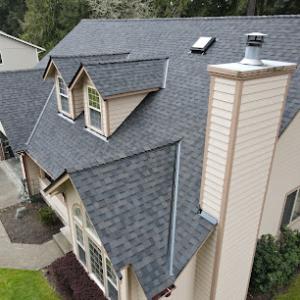
Bee Roofing & Exteriors
(253) 449-6948 beeroofingexteriors.com
Serving
4.9 from 185 reviews
Established in 2020, Bee Roofing & Exteriors specializes in providing exceptional roofing, siding, gutter, and exterior painting services across Tacoma and Seattle. Our family-operated business is driven by quality craftsmanship and a commitment to customer satisfaction. From durable roofing solutions to aesthetic exterior painting, our services are designed to enhance the functionality and curb appeal of your home. Trust our expert team for reliable, efficient, and comprehensive exterior services tailored to meet your unique needs. Contact us for a seamless experience and unparalleled results.
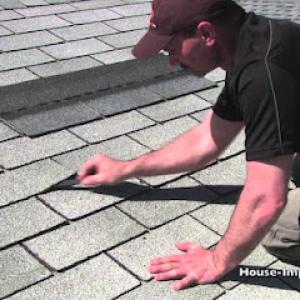
Reynolds Roofing & Repair
(253) 402-2572 reynoldsroofauburn.com
Serving
5.0 from 55 reviews
Reynolds Roofing & Repair provides reliable roofing services in Auburn for both residential and commercial properties. From leak repairs and storm damage restoration to full roof replacements, our experienced team uses high-quality materials and proven techniques to ensure lasting protection. We work with a variety of roofing systems, including asphalt shingles, metal, and flat roofs. Trust Reynolds for expert service and dependable results.
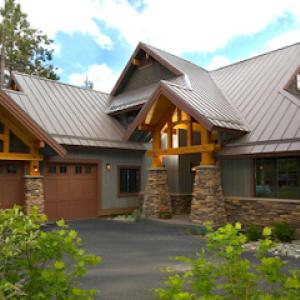
Nu-Ray Metal Products
(253) 833-7228 www.nuraymetals.com
Serving
4.7 from 83 reviews
FAMILY-OWNED FUTURE-FOCUSED Nu-Ray Metals is a regional leader in high-performance metal panel fabrication. We provide cutting-edge metal roofs, siding, and accessories to enhance the look and durability of your home.
Fall and winter storms in this area bring sudden downpours that can overwhelm aging roofs in a matter of hours. In Federal Way, active leaks during a rain event can escalate quickly because moisture readily travels from a small opening into insulation and roof decking. A tiny roof breach can become a saturated attic area in minutes, inviting mold, plywood rot, and widespread interior damage if not addressed fast. When a storm rolls in and rain is relentless, tarping becomes not just a precaution but a temporary shield that buys critical time until a full replacement can proceed. Plan ahead by keeping a simple tarp setup ready in a secure location and know where you can quickly access fasteners, anchors, and a ladder during a wet, windy window.
Storm season here carries gusts and hail that test both the roof surface and the underlying structure. Shingle edges can lift, flashing can loosen, and fasteners may loosen under pressure. Wind-driven hail creates impact zones that are easy to miss from ground level but visible from a ladder or roof-line inspection point. After a storm, inspect with a careful, methodical eye: look for lifted tabs, exposed underlayment, and damaged valleys. Post-storm inspection priorities shift toward protection of exposed openings, vents, and deck edges, since water can travel from a small breach to broader interior damage quickly. If you notice any new or expanding dark stains on ceilings or walls after a storm, treat it as a leak in progress rather than a nuisance, and pursue a temporary tarping strategy until a licensed roofer can assess.
In the immediate aftermath of a wet storm, safety is the first concern. If you discover active dripping, place a tarp securely over the affected area, anchoring it with weighted edges or rocks to prevent wind flaps that can cause further damage. Avoid walking on a wet, steep, or moss-covered roof unless absolutely necessary; if you must, use a sturdy ladder with a helper and secure footing. For roof-edge leaks, focus on sealing the most exposed entry points with temporary, water-impermeable barriers and ensure interior rooms affected by moisture are dried promptly to slow the spread into insulation. Document everything with photos from multiple angles and times-this helps in coordinating rapid temporary protection and can streamline the transition to a full replacement when the weather window opens.
After the rain stops, the priority shifts to rapid assessment and mitigation. Wind, rain, and hail can distort the roof's shape or reveal loose components that worsen with subsequent weather. Schedule a professional inspection as soon as feasible to determine structural integrity, the extent of deck moisture, and the condition of underlayment. In this market, the window to properly stage a repair or full replacement can shrink with each passing storm, so you want a clear plan in place for quick tarping, then a decisive inspection and execution timeline once conditions permit. Keeping a readily accessible contact list of local, reputable roofers who regularly handle wet-weather work helps ensure fast, targeted responses when storms hit.
Find local contractors experienced in assessing and restoring roofs after hail, wind, and severe weather events.
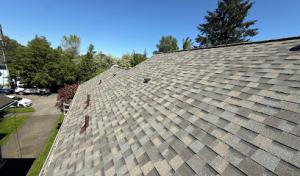
Roofscapes NW
(206) 752-3039 roofscapesnw.com
35716 20th Ave SW, Federal Way, Washington
4.9 from 129 reviews
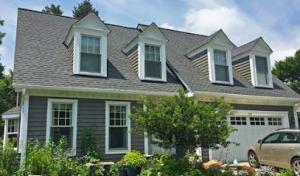
Seattle Pros
(206) 557-2170 www.seattleprosllc.com
31445 8th Ave SW, Federal Way, Washington
5.0 from 41 reviews
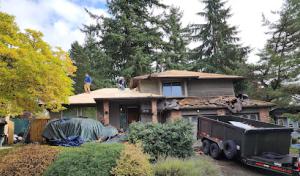
Fresh Start Home Exteriors
(253) 273-5040 freshstarthomeexteriors.com
2429 SW 326th St, Federal Way, Washington
5.0 from 35 reviews
Asphalt shingles dominate the local reroofing marketplace, and for good reason. The typical Federal Way home often has a roof structure that's well-suited to standard shingle installs, and the upfront budgets are more forgiving than high-end options. If you're planning a replacement during a wet season, asphalt can be staged in a way that minimizes deck exposure: schedule the tear-off and roof deck inspection during a dry window, and coordinate with a contractor who uses a layered underlayment and a well-sealed starter strip to reduce leaks during late-season showers. In neighborhoods with heavy tree cover, you'll want a shingle with good algae and moss resistance and a competent ventilation plan to keep attic moisture in check. The practical path is a reinforced underlayment, proper attic ventilation, and a careful waterproofing strategy around chimneys and dormers, all of which keep a moderate, steady performance through repeated wet seasons.
Metal is actively offered in Federal Way and tends to appeal to homeowners aiming for long-term durability in a marine climate. Metal panels shed rain quickly, resist surface moss when properly installed, and can be a good choice if your roof experiences frequent wet-season cycles. When choosing metal, consider the substrate and coating system for Seattle/Tacoma-area humidity: a corrosion-resistant finish, a solid sealant around fasteners, and a staggered panel layout to minimize water tracking. If the existing roof is being replaced, a metal installation should include a thorough deck moisture check and a careful assessment of any previous leaks that could affect fastener longevity or panel seal integrity. In practical terms, metal requires precise insulation at seams and penetrations, but it pays back with a low-maintenance, high-water-load tolerance that suits Federal Way's wet climate.
Tile, slate, and synthetic systems are available locally, but their added weight and installation complexity matter more on replacement projects where existing structure and tear-off conditions must be evaluated. Tile and slate bring notable aesthetic and longevity advantages, yet they demand a reinforced deck, robust framing, and careful delta- management to handle moisture and temperature swings. In a wet-season context, weight considerations become a practical constraint: if the existing roof framing isn't already upgraded, a tile or slate installation may require structural reinforcement before a tear-off. Synthetic shingles offer a middle ground-lighter than natural tile or slate and easier to retrofit on an average Federal Way home-yet still require attention to underlayment choices and flashing details around penetrations to prevent moisture intrusion during the region's frequent downpours.
If timing around wet-season leaks is the priority, asphalt remains the least disruptive option for many homes, paired with a robust underlayment and attention to attic moisture control. If durability and long-term performance during repeated wet seasons are the aim, metal should be considered with a plan for deck moisture verification and precise sealing at joints. For homes with structural capacity to support heavier systems, tile or slate can be attractive, but only after a thorough structural assessment and tear-off plan. Synthetic options offer a compromise that leans toward easier installation while preserving moisture management considerations.
When you plan a re-roof here, use these local ranges per square (100 square feet) as your budgeting anchor. Asphalt shingles run roughly from 350 to 550 USD per square, reflecting the broad mix of neighborhood homes and long wet seasons. Metal roofing tends to be higher, about 600 to 1100 USD per square, driven by coastal-grade coatings and heavier panel systems that stand up to marine moisture. Clay tile stretches from 1000 to 1800 USD per square, a choice you'll see on more upscale homes with Mediterranean styling or long-term durability in mind. Concrete tile sits around 900 to 1700 USD per square, offering excellent resilience in damp climates but with a heavier deck load to verify. Synthetic or composite shingles fall between 400 and 750 USD per square, providing a balanced option for durability without the higher weight. Slate commands the top end, roughly 1000 to 1900 USD per square, reflecting its premium installation requirements and natural beauty. In Federal Way terms, use these bands to sanity-check bids and avoid sticker shock when a contractor explains a premium under marine conditions.
Wet-season timing is a real factor here. Scheduling a replacement in the rain season can extend labor time because crews may need extra protection for scaffolding, tarping, and decking, plus drying time between events. You'll notice return visits for re-sealing, flashing checks, and moisture testing if the forecast breaks multiple times. Weather delays aren't just inconvenient; they adjust the calendar and can shift the project from a clean finish to a series of shorter, rain-friendly windows. If you pursue a late fall or winter start, plan for some flexibility in the timeline and factor in potential extended occupancy and material handling on damp surfaces. Your contractor will likely build in extra contingency for moisture-sensitive steps, such as deck moisture assessment and membrane installation, knowing the marine environment can keep wood and underlayment damp longer than drier regions.
To assemble a reliable project budget, pick a target material within the local ranges above and add a cushion for weather-related delays-think an extra 5 to 10 days of crew time spread across the project if timing falls in wet months. For very heavy materials like clay tile, concrete tile, or slate, confirm deck load capacity and soil drainage near the home; the added structural considerations can affect both cost and the project schedule in a marine climate. Finally, because full re-roofs in this area often involve thorough flashing and underlayment work to manage persistent moisture, include a line item for additional moisture testing or temporary drying measures as part of your upfront budgeting.
Don't let upfront costs delay a critical repair - these contractors offer payment plans to fit your budget.
Full re-roofs in this area require a building permit issued by the City of Federal Way. That means the project begins with a formal plan review rather than treating a full replacement as simple maintenance. Your approach to shingle or tile replacement should anticipate that structural considerations, ventilation, attic moisture management, and deck moisture controls will be evaluated for compliance with current codes. Allow time for the plan review process to align with the wet-season work window, since approvals can hinge on how the new roof integrates with underlayment, flashing details, and any necessary repairs to existing ridge lines or penetrations. If the house sits under crowded tree cover, plan for extra attention to moisture control details during the submittal, because plan reviewers will look closely at how the deck and eaves will shed seasonal wetness.
Once the permit is issued, two main inspections guide the project: an install-phase inspection and a final inspection. The install-phase inspection focuses on how the roof is being put on, including proper nailing patterns, underlayment installation, flashing around chimneys and skylights, venting, and the sequencing of components to minimize moisture intrusion while work progresses. The final inspection verifies code compliance and workmanship, ensuring the roof system integrates with the home's ventilation strategy and that attic moisture barriers perform under Federal Way's marine climate. Expect inspectors to check decking condition, drier-than-ideal framing, and any repairs made to deck planks or fascia that could influence long-term moisture performance. Keeping a clean, organized job site with clearly labeled components helps streamline both visits.
Because this region experiences heavy tree cover and persistent marine moisture, timing around wet seasons matters. Scheduling the re-roof to minimize exposure to prolonged rain helps protect interior spaces during replacements and reduces deck moisture risk mid-project. Coordinate with your contractor to ensure temporary waterproofing measures are in place as needed, particularly around eaves and valleys, where leaks tend to emerge first during heavy rains. If plan reviewers request additional details-such as revised attic venting calculations or flashing enhancements-address them promptly to avoid delays that can push work into the season with higher moisture risk. Remember that every re-roof in this area is tethered to a formal permit path, not a maintenance exemption, so keeping the permit and inspection steps clear helps protect your home from moisture intrusion and ensures the finished roof meets the city's expectations for performance in a marine climate.
In the Federal Way market, insurers commonly want documentation of roof condition, the scope of work, and adjuster verification of damage and completed installation. The local pattern of marine moisture and heavy tree cover means claims often hinge on moisture spread that shows up after the initial event, not just at the moment of damage. Documentation helps prevent unexpected gaps in coverage if your roof is older or has a mix of materials.
Before you reach out, compile clear, date-stamped records that illustrate the roof's history and the event that triggered the claim. Take wide and close-up photos that show signs of water intrusion, decking moisture, and any prior repairs. Save before-and-after images from the replacement or re-roof process, including contractor notes and material type. Photos should cover attic and underlayment areas when accessible. Keep a simple log with dates of storms, leaks, and temporary fixes so adjusters can trace the moisture path through the roof system.
Organize everything in a single, chronological bundle that an insurer or adjuster can review without backtracking. Include a written summary of the damage, the recommended scope of work, and verifiable verification from the contractor that the installation was completed to spec. If you know the roof age and the material type, note how those factors could affect coverage decisions. Clear labeling on each photo-what is shown and when it was taken-reduces back-and-forth and supports a timely settlement.
Skylight work is a meaningful specialty in Federal Way, reflecting how roof penetrations become leak-sensitive in the area's prolonged wet weather. When a skylight is planned or replaced, pay close attention to the flashing detail around the curb or shaft, and ensure the flashing integrates with adjacent decking moisture barriers. In practice, verify the skylight's curb height matches the deck slope and install a continuous driplines system to shed rain toward the roofing plane. For existing units, inspect the sealant joints on all four sides and test any vented or operable panes for wind-driven leaks after a heavy rain. If condensation migrates along the interior edges, reassess interior vapor barriers and ensure the skylight opening is properly flashed to the roofing membrane.
Low-slope sections deserve separate attention in Federal Way because standing moisture risk is more consequential in a rainy marine climate than on steep-slope areas. Before the wet season, confirm the roof-to-wall transitions at low-slope zones are sealed with compatible membrane and proper edge termination. Regularly check for ponding in debonded seams and address sheet-to-panel overlaps with field-verified sealants. When replacing low-slope panels, select materials with proven weather resistance and ensure sturdy fastening patterns that resist wind uplift while maintaining a continuous drainage path toward gutters and scuppers. During heavy winter rain, use temporary measures to direct runoff away from interior walls and to avoid deck moisture buildup in eaves and overhangs.
Chimney-adjacent flashing is a recurring homeowner concern in this market because water intrusion often shows up first at roof transitions and penetrations. Inspect the step and counter-flashing where the chimney meets the roof deck, and verify sealant contact with masonry is intact. If flashing shows corrosion, uplift, or loose joints, plan a careful reflash with corrosion-resistant metal and a sealed joint where stack meets shingles. In all cases, keep an eye on the transition zone after storms, and consider a gradual reflash or cap flashing to enhance the transition's resilience against prolonged moisture.
Find contractors experienced in skylight installation, flashing, and leak repairs to bring natural light into your home.
Roofscapes NW
(206) 752-3039 roofscapesnw.com
35716 20th Ave SW, Federal Way, Washington
4.9 from 129 reviews
Seattle Pros
(206) 557-2170 www.seattleprosllc.com
31445 8th Ave SW, Federal Way, Washington
5.0 from 41 reviews
Fresh Start Home Exteriors
(253) 273-5040 freshstarthomeexteriors.com
2429 SW 326th St, Federal Way, Washington
5.0 from 35 reviews