
Last updated: Apr 19, 2026
Kent's maritime climate brings long stretches of winter rain rather than extreme cold, so roofs here often fail from chronic moisture exposure before they fail from heat damage. That damp pattern means leaks creep in not during a dramatic storm, but through slow, persistent wetting of valleys, jacks, and eaves. If your roof is aging or has any shading from trees or nearby structures, you're dealing with a higher chance of sustained moisture under shingles, underlayment, and flashings. The result: hidden rot, compromised decking, and faster moss and algae growth that lifespans your roof more than a single heavy rain ever could. This is not a one-and-done problem; it's a long, damp season battle you must stay ahead of.
Moss and algae are a recurring roof-life issue in this area because damp shaded roof planes can stay wet for extended periods through fall, winter, and spring. Moss can lift shingles, trap moisture next to underlayment, and accelerate wear, especially on north-facing slopes and lower pitches where gravity keeps water lingering. If you notice dark streaks or green patches on shingles, tiles, or metal panels, treat it as a warning sign rather than a cosmetic issue. Left unchecked, moss can wick moisture into the substrate and underlayment, leading to accelerated aging and more frequent leaks after heavy rains. Prioritize safe removal with a plastic or wooden tool, keep the roof surface intact, and consider soft cleaning methods that preserve granules and finish. After cleaning, improve drainage by clearing gutters and downspouts so water doesn't back up onto the roof plane.
Freeze-thaw stress can still matter in Kent when saturated roofing components and underlayment go through winter temperature swings after repeated rain events. Even if freezes aren't severe, repeated thawing can cause minor shifts in shingles or tiles, loosening granules, and creating micro-cracks that invite water infiltration. The lesson: moisture control isn't seasonal in this climate; it's a year-round discipline. Pay attention to any lifting of edges, cracking, or curling shingles after wet spells, and review flashing around chimneys, vents, and skylights for gaps that invite water in during storms. If you're already seeing curled edges or bubbled underlayment after a wet week, treat it as a high-priority repair target before spring rains resume.
First, focus on drainage. Clear gutters and downspouts, and ensure water is directed away from the roofline and warranty-critical components. Then evaluate shading and vegetation control. Trim branches that overhang the roof to reduce daily moss exposure and eliminate sustained dampness on surface planes. Next, inspect flashings along rake edges, valleys, and around penetrations. If you spot lifted shingles, loose metal, or visible decking damage after a wet season, arrange a targeted repair rather than a full replacement unless the decking shows widespread deterioration. Finally, consider upgrading to better underlayment and venting where aging systems allow moisture to linger. A properly vented attic with an effective vapor barrier reduces interior condensation that exacerbates external moisture problems. Don't wait for the next storm to reveal failures; proactive checks save you from costly leaks and more moss growth when the next wet spell hits.
Your roof lives with wind-driven rain and rapid shifts between damp and dry in spring and fall. In this climate, a storm system can move through fast, leaving moisture trapped under shingles if you're caught with a tear-off during a weather lull that doesn't hold. Kent homeowners are more likely to deal with wind-driven rain, storm scheduling delays, and occasional hail-related damage in spring and fall than with large-scale catastrophe events. That means every project hinges on the moment you can safely work without inviting leaks that start the moment rain returns. Plan for the worst window you can realistically hold, and build your crew's schedule to respond to sudden shifts in forecast rather than a calendar date.
Because Kent projects often happen around active weather windows, temporary dry-in planning and moisture protection during tear-off are especially important. When you have to remove shingles or shake, you're exposing the roof deck to daylight and cool, damp air at the same time-ideal conditions for rapid moisture ingress if a storm rolls in. Lock in a strict dry-in strategy before the first tool hits the roof: tarps or durable temporary membranes, edge clips that seal to gutters, and a plan for rapid staging of fasteners and underlayment. If you anticipate a rain transition, ensure you've stocked fast-setting underlayment and compatible sealants that can tolerate mid-project showers. A two-hour lapse between deck exposure and temporary cover can save you days of dried-in repairs. In practice, that means coordinating with crews who can switch from tear-off to dry-in mode in minutes, not hours.
Local demand spikes after regional storm systems can tighten scheduling for quick-response roofers and inspection coordination. Have a contingency list of on-call crews who are familiar with the neighborhood patterns-West Hill, Valley floor, and the tree-covered blocks tend to retain moisture more than open avenues. Build in a short, prioritized inspection window after any rain event; identifying deck saturation, moss pockets, and fastener corrosion early saves you from broader failures later. If hail grazes the area, check for hail-dented shingles and potential granule loss as soon as the weather clears; aggressive inspection after the first dry stretch is worth the effort. Keep communications clear with your roofers about expected rain delays, priority zones on the house, and a rapid repair plan so small breaches don't become larger leaks.
Persistent winter moisture invites moss growth and accelerates aging of the roof deck. In spring and fall, your focus shifts to keeping moisture from lingering under flashing and in valleys. Regular moss control, careful cleaning, and ensuring proper slope drainage around perimeters can prevent water from pooling near eaves and penetrations. If you notice spongy decking, lifted shingles, or dark, mossy patches near vent stacks, treat promptly rather than letting problems compound with the next storm. In this climate, proactive maintenance paired with a robust dry-in plan is your best defense against leaks that begin at the drip edge and drift inward with the first heavy rain.
Find local contractors experienced in assessing and restoring roofs after hail, wind, and severe weather events.
RoofSmart
(206) 593-4328 www.getroofsmart.com
801 Central Ave N, Kent, Washington
4.9 from 155 reviews
Coleman Roofing Pros
(253) 313-7290 colemanroofkent.com
19226 66th Ave S suite 528, Kent, Washington
5.0 from 47 reviews
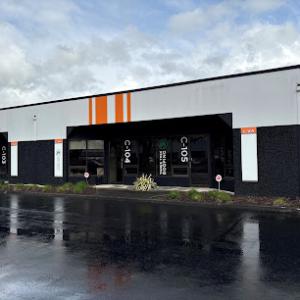
Three Tree Roofing
(206) 312-7663 www.threetreeroofing.com
19032 66th Ave S Ste C-104, Kent, Washington
4.9 from 207 reviews
Three Tree Roofing is proud to be a roofing company in Kent, providing homeowners and businesses with reliable solutions that keep properties safe and comfortable. From the start to full roof replacements, our team focuses on quality workmanship and honest communication every step of the way. We understand the challenges roofs face in the Northwest climate and use durable materials designed to last through heavy rain, wind, and moss growth. Whether you are considering a new installation, upgrading to metal, or looking for dependable maintenance, we take care of the details so you can have peace of mind. With friendly service and a commitment to doing the job right, we make sure every project delivers long-term protection and value.
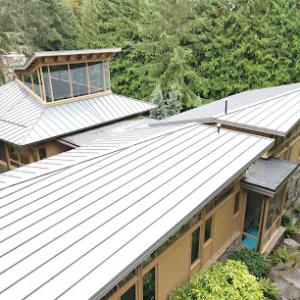
RoofSmart
(206) 593-4328 www.getroofsmart.com
801 Central Ave N, Kent, Washington
4.9 from 155 reviews
RoofSmart is about smart solutions to custom roofing challenges. We have the experience, professionalism, and integrity to make your project a success. Tearing apart your home is no small endeavor. Trust us with your most valuable sense of security - your shelter
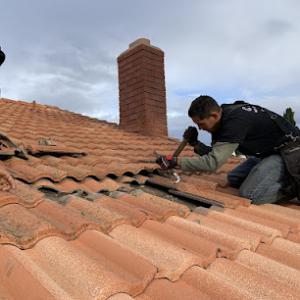
Coleman Roofing Pros
(253) 313-7290 colemanroofkent.com
19226 66th Ave S suite 528, Kent, Washington
5.0 from 47 reviews
Coleman Roofing Pros offers expert roofing services in Kent for both residential and commercial properties. Whether you need leak repairs, roof inspections, or a complete replacement, our skilled team delivers high-quality results using durable materials and proven techniques. We handle shingle, flat, and metal roofing systems with precision and care. Count on Coleman for reliable service and long-lasting roof protection.
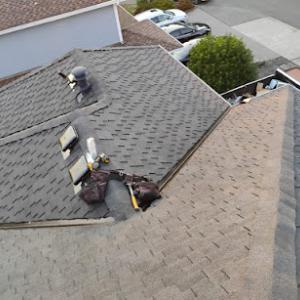
Roof Pros NW
28421 85th Ave S, Kent, Washington
4.8 from 79 reviews
At Roof Pros NW, we specialize in providing top-quality residential roofing services in Bellevue and the surrounding areas. Since our inception, we've been committed to delivering roofing solutions that blend craftsmanship, durability, and value. Our team of experienced roofing contractors is dedicated to serving homeowners with integrity and excellence, ensuring each project reflects our unwavering dedication to quality. Whether you're in need of roof repair, roof replacement, or roof inspection, Roof Pros NW is here to help. We understand that your home is your most significant investment, and we're committed to protecting it with a roof you can rely on. Our services also include gutter cleaning, moss removal, and siding replacement, a...
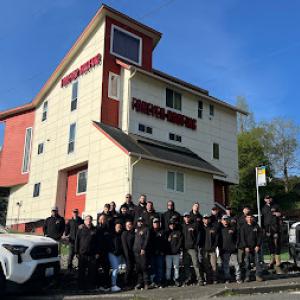
Forever Roofing
(206) 261-3683 www.foreverroofing.net
24418 98th Ave S, Kent, Washington
4.9 from 38 reviews
Kent roofer
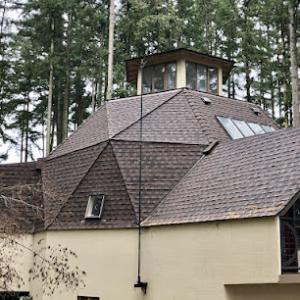
Old School Roofing
Kent, Washington
4.9 from 37 reviews
No matter what time you need service, we take calls 24 hours a day, seven days a week. Our roofing company is fully licensed, bonded and insured so you know your project is in good hands. We're GAF Certified Installers and recycle all materials. We also use local materials and professionals for all of our jobs, making our work more affordable for you. You'll never have to worry about how to replace a roof again after our work is done. Call us today for a free estimate in Oak Harbor, WA or a surrounding area at (360) 632-6046!
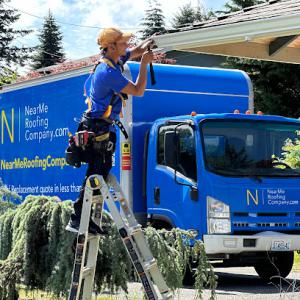
NearMe Roofing Company
(253) 238-0363 nearmeroofingcompany.com
1819 Central Ave S Suite C113, Kent, Washington
5.0 from 18 reviews
NearMe Roofing Company, serving Kent and the surrounding areas, is a trusted provider of residential roofing services, including roof replacements, repairs, and gutter installations. We are committed to offering the best in pricing, quality, and reliability, ensuring that every homeowner receives outstanding value and service. Whether it’s a small repair or a complete roof replacement, our experienced team delivers fast, dependable, and cost-effective roofing solutions.
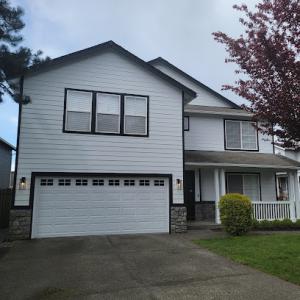
Team Roofing Northwest
(253) 277-4643 www.teamroofingnw.com
19226 66th Ave S suite l-102, Kent, Washington
4.7 from 76 reviews
We are a locally owned and operated company that values honesty and integrity, treating your home as if it were our own. We believe in respect and transparency, ensuring you receive desired results reliably and on time. Our competitive pricing and meticulous attention to detail set us apart. Our commitment to excellence, thoroughness, and integrity offers a refreshing change from the standard. We look forward to building lasting relationships and guarantee your satisfaction. We are helpful, patient, courteous, successful, and goal-oriented. We work together. We are a team!
Chet's Roofing & Construction
(877) 611-1514 www.chetsroofing.com
26301 79th Ave S, Kent, Washington
4.5 from 77 reviews
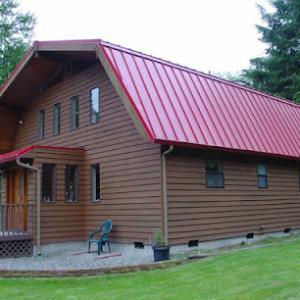
Chet’s Roofing & Construction was founded by Helen and Chet Chmielinski in 1999 with a single goal: to become a trusted source of home and roof repair for friends and clients throughout the Puget Sound region. They opened up their business in Kent, WA, used their reputation to attract some of the most accomplished local roofers for their team, and built a roster of happy customers. Although Chet’s Roofing & Construction has grown since we first opened, it has never ceased to be a family business, which stays as important to us today as it did 24 years ago. Contact us today for an estimate on your next project. Phone: (877) 611-1514 Email: office@chetsroofing.com
Roof Renew NW
(253) 600-4567 www.roofrenewnw.com
Kent, Washington
4.7 from 29 reviews
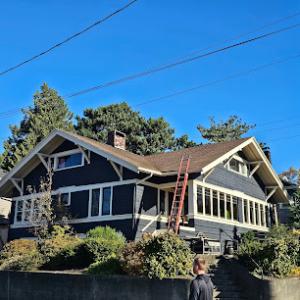
OUR ROOFING RENEW NW CONTRACTORS CAN BOLSTER YOUR ROOF IN THE PUGET SOUND AREA - STRENGTHEN YOUR SHINGLE ROOF TODAY! Get in touch with Roof Renew NW if the roofing system on your property is showing signs of wear. We offer an innovative roof rejuvenation and roof restoration solution as an alternative to re-roofing. Our roof renew treatment works best on asphalt roofs that are about ten years with aging shingles that are not yet curled up and brittle. We use a scientifically formulated roof renew solution derived from soybean oil. Coatings of this roof renew treatment help replenish the dried-out oil in the shingles, restoring their flexibility and shiny appearance. Call Roof Renew NW for a roof renew treatment on your property!
Rainy Day Exteriors
(360) 874-7663 www.rainydayexteriors.com
Serving
4.9 from 43 reviews
Rainy Day Exteriors is your local roofing contractor in Gig Harbor, Port Orchard, Silverdale, Bremerton, Poulsbo, & Tacoma, WA. We offer roof repair, roof replacement, & roof installation for residential roofing & commercial roofing customers. Free inspections & roofing estimates. Family-owned & operated roofers. A family-owned & operated roofing company, we stand behind our quality service and products backed by a complete workmanship warranty for the life of materials and as long as you own your home. Trust Rainy Day Exteriors to help you protect your biggest investment... your home.
Asphalt shingles are a dominant choice because they fit the area's large re-roof market and are commonly used on local residential homes. In a city with persistent winter rainfall and damp valleys, asphalt's layered protection offers reliable water shedding, straightforward maintenance, and a balance of cost and durability. When selecting asphalt in Kent, prioritize architectural or laminated shingles with proven wet-weather performance, a robust underlayment, and well-sealed flashing details around chimneys, vents, and valleys. Regular inspection after the heaviest rains helps catch early moss-anchored leaks before they spread.
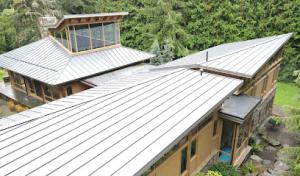
Metal roofing is relevant in Kent not just for longevity but because shedding water efficiently matters in a city with persistent winter rainfall. Metal panels or shingles provide fast runoff, a slick surface that moss finds harder to establish on, and strong wind performance when properly installed. If you have a lighter structure or a roof with complex angles, steel or aluminum options can be a good fit, provided the substrate is solid and the fasteners are corrosion-resistant. The key in moist climates is a thorough seal around seams, penetrations, and along eave lines, plus a capable underlayment to address any capillary moisture that climbs the roof edge.
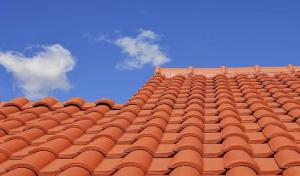
Tile, slate, and composite options in Kent need evaluation for structural load, roof pitch, and moisture management rather than heat resistance. Clay and concrete tiles are heavy; ensure the structure can support the weight without compromising framing or attic ventilation. Sloped pitches influence drainage efficiency and moss risk-steeper pitches shed water more quickly but can expose flashing to more weathering. Composite shingles can offer a middle ground, combining durability with lighter weight and good moisture tolerance. Regardless of material, install a continuous moisture barrier, proper attic ventilation, and a reliable moss prevention plan to avoid long-term moisture buildup.
In this climate, moss thrives where moisture lingers. Start with a clear roof line: remove loose moss and debris without gouging the surface, then address any tree shading that keeps the eaves damp. Apply moss inhibitors only after cleaning and follow with a periodic treatment plan aligned with the local rainy season. Pay attention to gutters and downspouts-blocked drainage accelerates leaks into roof edges and valleys. For any reroofing decision, verify that the chosen system integrates well with existing drainage, flashing, and the attic's moisture management strategy. A well-ventilated, well-sealed attic remains a crucial ally against long wet seasons.
The wet climate and persistent winter moisture in this valley influence every reroof project. Year-round rain, damp weeks, and frequent moss growth extend labor time and staging needs, which pushes a bid toward the higher end. In practice, budgeting should assume slower progress after the first cold snap and longer material handling, scaffold setup, and weatherproofing cycles.
Metal panels offer better moisture resistance and a longer service window during damp winters. Material and installed costs typically run 700 to 1100 USD per square. Immediate response crews during storm seasons can tighten scheduling but may raise per-square rates if rapid mobilization is needed.
Clay tile tends to be priced from 900 to 1800 USD per square, with concrete tile in a similar band or slightly lower for standard profiles. In this area, wet winters complicate handling and fastening on steep or tight roof areas, which lengthens cycles and can boost labor hours.
Synthetic or composite shingles usually range 450 to 800 USD per square, offering a lighter option with decent longevity. Slate sits higher, about 1200 to 2500 USD per square, and demands careful staging in damp conditions where chipped edges or fragile sheets can slow work.
Plan for moisture-influenced scheduling and the possibility of staged deliveries or extended site containment. Given the active reroof market, prices may move with storm-driven demand, so build in a contingency for crew availability and longer project durations.
In practice, a Kent reroof project often requires staged deliveries, weather contingencies, and coordinated driveway access to minimize disruption during the wet season and delays.
Get a clear picture of your project costs upfront - no commitment required.
Coleman Roofing Pros
(253) 313-7290 colemanroofkent.com
19226 66th Ave S suite 528, Kent, Washington
5.0 from 47 reviews
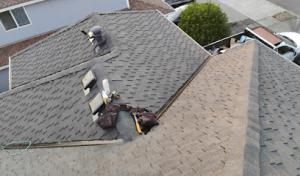
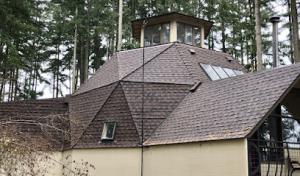
In Kent, a full re-roof typically requires a building permit through the City of Kent Building Department. The permit process is designed to confirm that the work aligns with local wind, snow, and moisture considerations, and that the roof will perform well under the area's damp winters. Before any shingle layers come off or new underlayment goes on, you'll want to have the project scoped and the permit application started. This is especially important when you're dealing with valley roofs, eaves, and exposed rake boards that can trap moisture if not done correctly. The building department provides the official checklist you'll follow, so understanding it early helps keep the project moving smoothly.
Kent inspections are used to verify underlayment, ventilation, and code-compliant nailing schedules during and after installation. The underlayment must meet local fire and moisture guidelines, and proper ventilation helps manage humidity that otherwise accelerates roof decking aging in this climate. Expect the inspector to check nailing patterns, fastener type, and the alignment of starter rows and edge fasteners. If moss or persistent moisture is a concern on the existing deck, the inspector will also expect evidence that the roof system is designed to drain and vent effectively. Scheduling the inspections so that critical stages-underlayment, installation of flashing, and final roof covering-are validated is essential for avoiding rework.
Final approval is required before the permit is closed, and some roofing work may need calendar coordination around available inspection windows. In practice, this means planning for weather contingencies-rainy days can delay drying times and push inspection appointments. If a roof is visible from neighboring properties, ensure the job site is safe and compliant with local nuisance rules so inspections can be conducted without delays. Keep a clear line of communication with the contractor and the Building Department, so any required corrections flagged by inspectors can be addressed promptly. A well-timed sequence that follows the approved plan reduces the risk of permit holds and keeps the project on track.
Before pulling the permit, gather roof plans, material specifications, and venting calculations to attach to the application. Mark potential inspection windows on the calendar and confirm availability with your contractor and the building department well in advance. If moisture issues persist on the existing roof, arrange a pre-inspection or a moisture assessment to anticipate required mitigations. Finally, maintain a clean, accessible work area to help inspectors move around the eaves, hips, and valleys without obstruction.
The damp maritime conditions around the Green River Valley mean water intrusion and moss-related aging often show up gradually. In this market, broad disaster declarations are uncommon, and many roof claims hinge on proving specific wind or hail damage rather than a blanket storm event. When a storm hits, use the narrow window to assess damage carefully and document what changes after the rain-heavy season begins.
Washington insurers commonly expect a solid set of visuals and measurements. Start with clear pre-loss photos if available, then capture post-loss images that show the exact areas of concern-missing shingles, lifted edges, and any visible moss pockets. An up-to-date, detailed roof estimate from a reputable contractor helps prove scope. Carriers may also request additional verification from the contractor or adjuster, so expect a needs-based follow-up and be ready to supply written scope notes or service summaries.
In this climate, separating storm-created damage from pre-existing moss, wear, or moisture aging matters because coverage can be limited for older deterioration. Focus on signs that appeared immediately after a storm: new shingle movement, punctures, or delamination that could be tied to wind or hail rather than gradual moss encroachment. When in doubt, document exact dates of the storm event and correlate with the condition timeline on the roof.
Collect the claim form, the insurer's required photos, the detailed estimate, and any recommended scope verification from the contractor or adjuster. Provide a concise narrative linking damage to a specific weather event, and annotate photos to highlight the affected bays or rows. If the adjuster questions pre-existing conditions, have moss assessments, moisture reports, and recent maintenance records ready for reference.
Keep repair access clear and secure, especially in wet months when moss can complicate footing. Maintain a straightforward, courteous line of communication with the insurer and contractor, and respond promptly to requests for additional information to avoid delays that can leave a roof exposed during the next wet spell.
In Kent's wet climate, skylight flashing and their surrounding valley-area roof deck are higher-risk leak points because they are exposed to repeated rain and prolonged moisture contact. Inspect flashing seams, step flashing, and end-caps during seasonal checks, especially after heavy storms. Look for hairline cracks in the sealant and any corrosion on metal flashings. When resealing, use a high-quality, weather-rated sealant compatible with the roofing material around the skylight curb. Ensure the curb sits above the roof plane with proper shingle or tile coverage to shed water away from the seam.
Flat and low-slope sections in Kent need careful drainage and membrane detailing since standing moisture is more consequential in this climate than in drier parts of the state. Verify that the transition from a steeper field to a low-slope area is protected by an integrated drip edge and an appropriately installed membrane. Pay attention to edge channels and scuppers. Regularly clear nearby debris that can trap water and encourage moss growth, which multiplies seepage risk at seams. Test with a hose at low angles after installation to confirm drainage paths stay clear during storms.
Mixed-roof homes in Kent often need leak diagnosis at penetrations and transitions rather than only at the main field shingles. Check chimney abutments, vent pipes, and vented skylights for proper counter-flashing. At roof intersections where different materials meet, ensure flashing integrates without creating a shadow line where water can puddle. Track aging around penetrations and plan targeted resealing or flashing upgrades before aging leaks appear.
Find contractors experienced in skylight installation, flashing, and leak repairs to bring natural light into your home.
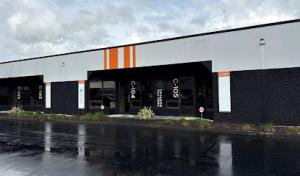
Three Tree Roofing
(206) 312-7663 www.threetreeroofing.com
19032 66th Ave S Ste C-104, Kent, Washington
4.9 from 207 reviews
RoofSmart
(206) 593-4328 www.getroofsmart.com
801 Central Ave N, Kent, Washington
4.9 from 155 reviews