
Last updated: Apr 19, 2026
Auburn's maritime pattern brings long wet stretches in winter, so tear-off scheduling has a bigger leak-risk impact here than in drier inland markets. When rain hangs around, exposed decking and fasteners can cave to moisture before the new roof is fully installed, turning a routine replacement into a flood-risk surprise. If you're planning a replacement, you must treat dry windows as sacred: aim to begin a tear-off only after a solid dry spell forecast, and bundle inspections, material staging, and crew mobilization into those reliable dry stretches. Waiting out a single rain event can push a project from a few days to a full week or more, with each delay increasing exposure and the chance of interior leaks.
Dry summer weather in this area usually allows faster installation windows, but crews still have to manage heat-sensitive adhesive behavior during warmer spells. Hot afternoons can soften shingles or compromise sealants, so schedule deliveries and roof work for mornings and early afternoons rather than the peak heat hours. Coordinate with roofing crews to block off long, uninterrupted stretches of dry days, and keep a backup plan for late-season heat spikes or unexpected lull days. The goal is to finish the exposed work before autumn rains resume, ensuring that underlayment and flashing are fully bedded and tested in dry conditions.
Winter rain and occasional snow can delay exposed-roof phases and extend the time under underlayment or temporary dry-in. If a project starts in late fall, expect longer durations and potential staging outside the main roof line while you wait for consecutive dry days. Have the contractor set a realistic schedule that accounts for wet setbacks, not just ideal conditions. Consider reinforcing protection for vulnerable areas like valleys, skylights, and chimneys during periods of shifting weather, and align your expectations with the prospect of shorter daytime work windows when temperatures dip or dampness rises.
You should communicate a rigid early-start plan with your crew: confirm dry-weather blocks two to three weeks out, align deliveries to those blocks, and build in buffer days for weather shifts. Keep edges clean and debris contained to prevent rain from washing debris into gutters and lower interiors during any pause. Have interior tarps and cameras ready to monitor potential leaks during any pause in exposed work. By prioritizing dry-season tear-offs and anticipating winter delays, you reduce leak exposure and keep the project on track when the next wet spell rolls through.
Spring and fall wind events in Auburn can create sudden shingle loss and lifted edges even when a roof looked serviceable beforehand. As wind roars through valley-to-hillside streets, loose or damaged shingles can peel away, leaving underlayment exposed. If a storm hits and then a quick downpour follows, moisture can rush into micro-tears and edge laps, turning a minor gust-driven lift into a drip by the next morning. The critical window is the first 24 to 48 hours after a storm; gaps and lifted tabs can become active leaks almost before the neighborhood dries out. Pay attention to trees brushing against the roofline during gusts, as even small impacts can nick shingles or loosen fasteners. If you hear or see adjacent homes venting storm debris, treat your roof as equally at risk.
Local claim activity in Washington spikes around wind or hail events, making post-storm inspections especially relevant after regional weather swings. If neighbors are filing pressure-filled claims, your roof deserves the same scrutiny. Start with a walkaround after any clear skies resume: look for lifted edges, missing granules, or darkened patches where moisture has penetrated. Do not assume a single storm was harmless because the surface looks fine; wind-driven damage can be hidden beneath ridge caps or at the transition between shingles and roof penetrations. A careful check from ground level to the edge of the eaves is essential, but do not climb if conditions are slick or you lack safe equipment.
Because Auburn roofs are often exposed to repeated rain soon after a storm, small wind damage can turn into active leaks quickly if not tarped or repaired. If you identify loose shingles or exposed underlayment, cover the area with a sturdy tarp secured on the uphill side to shed rain. Avoid stepping on damaged sections; warped or split shingles can fail under foot. For any sign of moisture intrusion inside the attic or ceiling, place a temporary bucket or containment device beneath the leak and protect interior surfaces with plastic sheeting. The goal is to slow water entry until a professional can assess and seal the breach.
If the storm left visible damage, or if water stains appear after a light rain, call a local roofing pro promptly. Timely temporary repairs, tarping, and a guided assessment can prevent further interior damage and reduce the risk of secondary leaks during the next wet spell. A nearby contractor who understands Auburn's exposure patterns can prioritize dry-season scheduling and missing-edge repairs that stem from recurring wind events. Trust a tech who will perform a thorough roof scan, including ridge lines, flashing joints, and chimney or vent connections, to ensure no hidden vulnerabilities linger.
Find local contractors experienced in assessing and restoring roofs after hail, wind, and severe weather events.
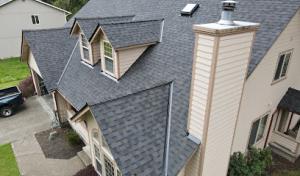
Bee Roofing & Exteriors
(253) 449-6948 beeroofingexteriors.com
3702 W Valley Hwy N #104, Auburn, Washington
4.9 from 185 reviews

Vanguard Roofing
(253) 391-8060 www.vanguardroofingllc.com
15 U St NE, Auburn, Washington
5.0 from 74 reviews

Guardian Roofing, Gutters & Insulation
(206) 222-1518 www.guardianroofing.com
4020 Auburn Wy N, Auburn, Washington
4.8 from 3031 reviews
Guardian Roofing, Gutters & Insulation, your trusted roofing contractor in Auburn, WA, specializes in comprehensive roofing services including roof repair, roof leak repair, and roof replacement. Serving the Pacific Northwest, our expert team provides emergency roof repair and reliable roof estimates, ensuring high-quality service for every project. Whether you're considering a new metal roofing system or need urgent repairs, our over 60 years of combined experience guarantees exceptional craftsmanship and customer satisfaction. Protect your home today with our top-tier services and enjoy peace of mind backed by our renowned expertise and commitment to excellence.
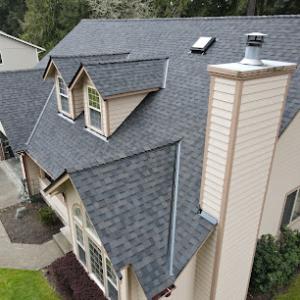
Bee Roofing & Exteriors
(253) 449-6948 beeroofingexteriors.com
3702 W Valley Hwy N #104, Auburn, Washington
4.9 from 185 reviews
Established in 2020, Bee Roofing & Exteriors specializes in providing exceptional roofing, siding, gutter, and exterior painting services across Tacoma and Seattle. Our family-operated business is driven by quality craftsmanship and a commitment to customer satisfaction. From durable roofing solutions to aesthetic exterior painting, our services are designed to enhance the functionality and curb appeal of your home. Trust our expert team for reliable, efficient, and comprehensive exterior services tailored to meet your unique needs. Contact us for a seamless experience and unparalleled results.
Auburn Roofers
Auburn, Washington
5.0 from 75 reviews
Best Roof Repair service in Auburn WA
Vanguard Roofing
(253) 391-8060 www.vanguardroofingllc.com
15 U St NE, Auburn, Washington
5.0 from 74 reviews
Vanguard Roofing is a local owned business. Veteran owned, we took the core values of Integrity, Service, and Excellence we learned during our service and apply them to every job we do. Secure Tomorrow, with a new roof today!
Graham Roof Repair
Auburn, Washington
5.0 from 64 reviews
Graham Roof Repair has been doing work within Graham ever since 2006, and with pride assists the 98338 zipcode and around zones We provide professional services in roofing contractor for the Graham region If you'd like help with roofing contractor inside the Graham region we're your guys We're based in Washington, located in Graham We are the highest quality at roofing contractor in 98338 Washington
Reynolds Roofing & Repair
(253) 402-2572 reynoldsroofauburn.com
110 2nd St SW ste 302, Auburn, Washington
5.0 from 55 reviews
Reynolds Roofing & Repair provides reliable roofing services in Auburn for both residential and commercial properties. From leak repairs and storm damage restoration to full roof replacements, our experienced team uses high-quality materials and proven techniques to ensure lasting protection. We work with a variety of roofing systems, including asphalt shingles, metal, and flat roofs. Trust Reynolds for expert service and dependable results.
PAC Roofing
(253) 258-5058 www.pacroofingllc.com
Auburn, Washington
4.9 from 56 reviews
Established in 2019, PAC Roofing serves Tacoma, WA and surrounding areas. We are committed to providing top-quality services that exceed our customers' expectations. With a focus on craftsmanship, reliability, and customer satisfaction, we specialize in roofing replacements, repairs, and maintenance. Customer satisfaction is our top priority, and we take pride in building long-lasting relationships with each and every client. From the initial consultation to the final installation, we are committed to providing personalized service, open communication, and a seamless experience from start to finish. When you choose PAC Roofing, you can trust that you're getting the best in quality, reliability, and professionalism. Contact us today!
Jornada Roofing
(253) 893-3415 jornadaroofing.com
1520 Pike St NW STE 5, Auburn, Washington
4.9 from 50 reviews
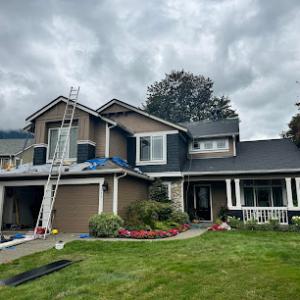
Jornada Roofing is a veteran-owned roofing contractor with over 20 years of experience serving the Western Washington community. Specializing in roof repair, roof replacement, and new roof installation, our services cater to both residential and commercial roofing needs, including metal roof installation and detailed roof inspections. Our expertise and commitment to quality ensure energy-efficient, weather-resistant roofing systems that stand the test of time. Partnering with local builders, we deliver exceptional craftsmanship and customer-first service. Contact us for a free estimate and experience the Jornada Roofing difference today.
Stewart Roofing
(206) 878-5025 stewartroofing.com
4318 S 360th St, Auburn, Washington
5.0 from 33 reviews
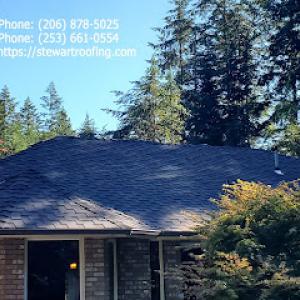
Stewart Roofing, Inc. Roofing Contractors proudly serving Federal Way, Seattle, Auburn, and surrounding areas for over 40+ years. We are residential experts in roof install, repairs, inspections and certifications. New roof installation and repairs include chimneys, skylights and gutters. Roof Inspections include removal or re-covering of existing roof and inspection of the wood structure beneath the roof to determine structural repairs. We offer composition roofs, shingles, shakes, torch down, as well as smooth and granulated surfaces. We are Insured, bonded, licensed, A+ BBB rating, member of Master Builder's Assoc. We offer competitive pricing & referrals upon request. Get started with a free estimate today with Stewart Roofing!
Tecate Roofing Service & Contracting
(253) 431-4696 www.tecateroofingllc.com
4340 S 321st St, Auburn, Washington
5.0 from 32 reviews
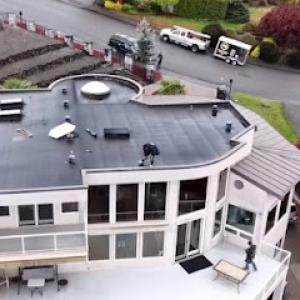
Tecate Roofing Service & Contracting provides residential and commercial roofing, siding, and gutter services throughout the greater Kent, WA area.
Rainy Day Exteriors
(360) 874-7663 www.rainydayexteriors.com
Auburn, Washington
4.9 from 43 reviews
Rainy Day Exteriors is your local roofing contractor in Gig Harbor, Port Orchard, Silverdale, Bremerton, Poulsbo, & Tacoma, WA. We offer roof repair, roof replacement, & roof installation for residential roofing & commercial roofing customers. Free inspections & roofing estimates. Family-owned & operated roofers. A family-owned & operated roofing company, we stand behind our quality service and products backed by a complete workmanship warranty for the life of materials and as long as you own your home. Trust Rainy Day Exteriors to help you protect your biggest investment... your home.
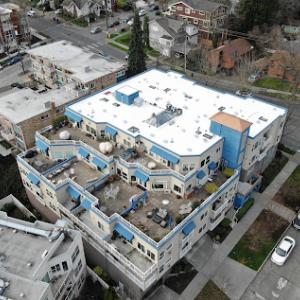
Flat Roof Pros — Roofing contractor for all types of roofs
(866) 404-7305 www.flatroofprosnw.com
3420 C St NE Suite 403, Auburn, Washington
4.8 from 67 reviews
Flat Roof Pros is a trusted roofing partner for commercial and residential properties serving Washington and Oregon State. We specialize in full-service roofing solutions — from leak-proof installations to proactive maintenance — for commercial buildings, multi-family properties, and government facilities. With certified crews, on-time delivery, and over 2,800 roofs protected, we help property managers, developers, and public institutions safeguard their investments with confidence. WA: FLATRRP824DO OR: 243213
Asphalt shingles dominate replacements in Auburn because they fit the area's large re-roofing market and broad range of residential home styles. For most neighborhoods around the valley-to-hillside transition, they strike a practical balance of ease of installation, repairability, and predictable performance across varying roof lines. The material handles the wet Puget Sound climate well when paired with a solid underlayment and proper flashing. If you're planning a tear-off, asphalt shingles are usually the path of least disruption to the existing structure, with compatible venting and insulation improvements that help stave off leaks during the wet months.
Metal is a strong local option for homeowners who want faster water shedding during prolonged rainy periods. In Auburn's climate, metal can reduce moisture retention on the roof surface and minimize ice-dams on steeply pitched sections, provided the installation is done with attention to overhangs and drainage. Metal's light weight supports older or marginal decking, but spans and fasteners must be sized for the existing structure. Consider accent options that complement rural and hillside home styles while planning for sound dampening and potential heat gain in attic spaces. A careful assessment of fastener type, ridge venting, and panel seams will pay off in reduced maintenance and longer service life.
Tile, slate, and synthetic systems appear in the Auburn market but require closer attention to structure, detailing, and contractor specialization than standard shingle re-roofs. These systems bring distinctive curb appeal and long-term durability, but they add substantial weight and demand a verified structural assessment. Clay and concrete tiles, along with slate, need a solid deck, accurate load calculations, and careful flashing around chimneys, skylights, and penetrations. Synthetic or composite alternatives can offer more manageable weights with similar aesthetics, but installation quality remains critical. Work with contractors who have proven experience with seismic considerations for hillside neighborhoods and with correctly integrated underlayment and drainage to prevent moisture from backing up into the attic during wet seasons.
For any of these options, ensure the chosen product matches your home's orientation, roofing pitch, and existing venting plan. In hillslope sections or re-roof projects that replace older decking, plan for a comprehensive assessment of attic insulation, ventilation, and moisture control. When leaning toward less common materials, verify contractor expertise, seam and flashing details, and compatibility with surrounding trim and gutters to maintain a durable, leak-resistant envelope through Auburn's wet seasons.
In this market, the re-roofing pace often shifts with regional wind or hail events. After a storm, you'll see more crews, tighter schedules, and higher short-term costs as demand spikes. If your home is due for replacement, plan for a window where the peak demand won't collide with your project start date. Tight timelines can push labor rates higher and lead to temporary dry-in costs if crews rush to finish before the wet season returns. Expect prices to reflect the local surge, even if your material choice stays within standard ranges.
Auburn's wet-season exposure makes dry-season work noticeably smoother. Scheduling during the protracted stretch of dry months helps production move faster and reduces the risk of weather-related delays. If a dry window opens, you can often secure a more predictable schedule and avoid extended disruptions from rain, which can complicate asphalt or shingle installs and increase the need for tarps, temporary flashing, or additional protection. For homes in hillside neighborhoods, wind can matter as much as rain, so early-season windows are worth prioritizing to keep crews on track and minimize leakage risk during progress.
Local material options span from asphalt shingles at 350 to 700 USD per square up to slate at 1200 to 2500 USD per square, with metal, clay tile, concrete tile, and synthetic/composite systems in between. Budget accordingly for the heavier systems if the local structure supports them, but balance long-term durability with upfront cost. For most Auburn homes facing typical Puget Sound climate demands, a practical plan pairs reliable underlayment and proper drainage with a mid-range material that still meets your performance needs. When comparing bids, verify that crews account for wet-season contingencies, such as extra tarping during rain-heavy periods and secure staging to keep the project progressing efficiently despite occasional showers.
Don't let upfront costs delay a critical repair - these contractors offer payment plans to fit your budget.
Vanguard Roofing
(253) 391-8060 www.vanguardroofingllc.com
15 U St NE, Auburn, Washington
5.0 from 74 reviews
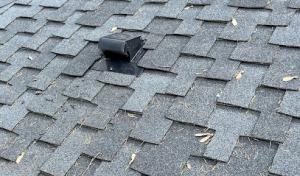
Gutter & Roof Solutions
(800) 883-4715 www.gutterroofsolutions.com
20 37th St NE Suite A, Auburn, Washington
4.5 from 245 reviews
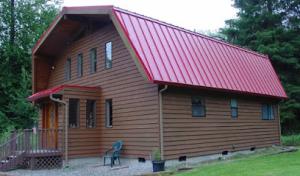
In Auburn, a full roof replacement typically requires a building permit through the City's Building and Planning Department. The plan review can take about 1 to 2 weeks depending on department workload, which can affect ideal dry-weather scheduling. Knowing this ahead of time helps avoid a rush that could push a replacement into the wet season. A contractor who understands the local workflow will line up inspections and approvals so that dry periods aren't squandered waiting for paperwork. If a project starts without a permit or with rushed timing, the risk of delays and rework rises significantly, potentially forcing awkward workarounds during wet stretches.
Auburn inspections are commonly scheduled at roof decking and final stages, so homeowners should confirm the contractor's sequencing before tear-off begins. Drying-in the roof surface too early or skipping a required decking inspection can create costly backpedaling if shingles go down and the deck isn't up to code or is structurally underscoped for the new system. Your contractor should coordinate with the building department to slot decking access when moisture risks are lowest, then pivot to a final inspection once interior penetrations, venting, and membrane details are complete.
Plan review in Auburn can take about 1 to 2 weeks depending on department workload, which can affect ideal dry-weather scheduling. Because the Puget Sound foothills bring persistent wet spells, the timing of your permit approval should align with a window of forecasted dryness. It's prudent to target the dry stretch for tear-off and new installation, but also to build in a contingency for a few extra dry days. If a late-season extension or a spillover into shoulder months occurs, your crew should have a rain plan - including rapid tarp setup, elevated staging, and interior protection - to prevent minor leaks from turning into major repairs.
Keep a single point of contact for permit questions, ideally the project supervisor, and request written confirmation of inspection dates. Confirm that the permit reflects the exact scope, including ventilation, underlayment, and flashing details that are crucial for the local climate. If weather looks questionable, document decisions and deviations in writing, so there's a clear trail for both inspections and future maintenance.
In this climate, the Washington insurance environment remains generally available for standard re-roofs, without a broad statewide pullback. This means when the existing roof is addressed with typical materials and methods, coverage is usually straightforward, provided the work aligns with policy expectations and typical wear-and-tear limits.
After wind or hail events, insurers commonly require photo documentation and may send an adjuster before approving the scope. Gather clear photos of damaged shingles, flashing, and any sagging or missing material from multiple angles. Track the date of the event and any temporary measures already in place, then share this with the insurer promptly to avoid delays in approval.
Because Auburn weather often brings more rain soon after a damaging event, documenting interior staining and arranging temporary mitigation quickly is especially important. Photograph any ceiling stains, wet insulation, or stained plywood, and implement temporary tarps or boards to limit additional leakage while awaiting full replacement. Keep receipts for these temporary measures as the insurer may request them.
If an adjuster is scheduled, prepare a concise summary of observed damage and be ready to point out roof sections that show accelerated wear or unusual moisture intrusion. On-site discussions with the adjuster should focus on the scope that protects the home from ongoing leaks through the next wet season.
Keep a running file of all communications, photos, and notes from any claims-related conversations. When you're ready to move forward, align the scope with typical material performance in this area and be prepared for a potentially staged process that minimizes exposure to rain during the project.
Skylights sit right where a roof deck ends and daylight begins, making flashing the most critical line of defense during the rainy season. In this market, skylight work is a meaningful specialty, and you will see many Auburn contractor profiles emphasizing careful flashing, proper pan installation, and reinforced seals. If a roof is aging or the flashing is older than the window itself, that skylight can become a stubborn source of leaks after heavy rains. Expect to see interior drips near ceiling lines or stain patterns that follow the skylight's footprint, especially after storms. Prompt, precise flashing repairs or replacements often prevent a small drip from becoming a big interior problem.
Chimneys are another recurring focus for local crews, because transition details age differently from the main roof plane. In older homes, flashing at the chimney and the chase often reveals gaps, rust, or shifting shingles. The wet climate accelerates wear around mortar joints and metal overlaps, so a delayed seal can escalate into water infiltration that tracks down through adjoining attic spaces. If you notice damp spots near the chimney wall or warped interior ceilings near the chimney line, that's a sign to have a qualified roofer inspect the pen-and-flash setup rather than waiting for a visible drip downstairs.
In this climate, penetrations become the first casualties of deferred maintenance. A small moisture stain, a missed wind-driven splash, or a hairline crack around a skylight or chimney can herald larger leaks after a few cold, wet days. Regular inspection of these points, especially after severe weather, helps keep fascia, decking, and attic insulation intact.
Find contractors experienced in skylight installation, flashing, and leak repairs to bring natural light into your home.
Guardian Roofing, Gutters & Insulation
(206) 222-1518 www.guardianroofing.com
4020 Auburn Wy N, Auburn, Washington
4.8 from 3031 reviews
Vanguard Roofing
(253) 391-8060 www.vanguardroofingllc.com
15 U St NE, Auburn, Washington
5.0 from 74 reviews
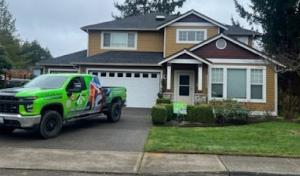
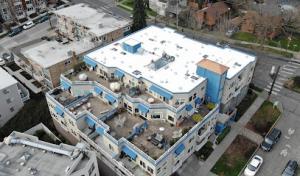
Flat and low-slope roofing is a notable Auburn specialty even though the city is heavily residential, indicating a real local need beyond steep-slope homes. You'll see this on porches, carports, and some ranch-style additions where the roof plane isn't markedly pitched. Understanding the edge details-drains, scuppers, and transitions to steeper sections-helps prevent trouble where the overall house envelope meets frequent moisture.
Auburn's extended wet periods make drainage performance and seam integrity more consequential on low-slope sections than in drier climates. In practice, that means prioritizing well-designed surface drainage, properly spaced and sized slope, and dependable seam seals. Look for continuous, watertight field seams and terminations at interface points with the main roof slope. Regular checks for ponding, feathered edges, and clogged outlets will save you delicate, expensive repairs later.
Mixed-roof homes in Auburn may need different replacement strategies for low-slope additions, porches, or garage sections than for the main pitched roof. When you replace or reseal these areas, treat the low-slope portion as its own drainage zone with dedicated flashing, edge detailing, and a compatible membrane or shingle-over system. Ensure transitions between the low-slope and steeper sections are protected against water ingress from both directions, especially at valleys or shared corners.
Keep low-slope areas clear of debris that can block drains and scuppers. Schedule proactive inspections after the wettest months and before the dry, windy season to catch seam cracks, worn flashings, or surface wear. Use sealants and coatings recommended for low-slope performance, and verify warranty coverage includes low-slope components. In homes with mixed rooflines, document every transition point to guide future maintenance and any potential retrofits.
Find specialists in TPO, EPDM, and built-up flat roofing systems for residential and commercial properties.
Reynolds Roofing & Repair
(253) 402-2572 reynoldsroofauburn.com
110 2nd St SW ste 302, Auburn, Washington
5.0 from 55 reviews
Flat Roof Pros — Roofing contractor for all types of roofs
(866) 404-7305 www.flatroofprosnw.com
3420 C St NE Suite 403, Auburn, Washington
4.8 from 67 reviews