
Last updated: Apr 19, 2026
Kirkland homeowners deal with wet winters that slow tear-off, deck drying, and installation sequencing. The way moisture behaves here means a roof project can stall not just because of rain, but because the deck and attic need proper drying time before and after removal, before new underlayment can be laid, and before final roofing materials can be secured. This isn't a single-day task; it's a sequence that hinges on dry periods long enough to carry out each step without inviting mold, wood rot, or ice-related damage once winter returns.
Dry-season installation windows are preferred locally because moisture and freeze-thaw cycles affect roof lifespan and replacement timing in this part of Western Washington. A longer stretch of dry days means tear-off can proceed without repeated weather-related pauses, and the roof can be fully dried and vented before the next wet spell. If you can schedule during a stretch of sustained sun and moderate temperatures, the installation sequence becomes smoother, and the final roof system can perform closer to its expected lifespan.
Spring wet weather can create scheduling backlogs in Kirkland as demand rises before the more reliable summer work window. That surge isn't a problem by itself, but it pushes projects into tighter calendars and can compress critical drying times between steps. If your project lands in late spring, prepare for a tighter schedule and potential extensions if storms arrive. Conversely, late summer through early fall often provides the steadier, longer dry spells that permit a more deliberate sequence and fewer postponements.
First, plan around a solid forecast for a concentrated dry spell. The tear-off should occur when a few dry days in a row are forecast to allow safe removal and to prevent moisture from soaking into the interior while the old roof is removed. After the deck is exposed, a careful inspection should confirm there is no hidden rot or damaged sheathing. Any issues found should be addressed promptly so they don't cascade into delays later in the project.
Next comes the drying phase. Ventilation becomes critical here to move moisture off the roof deck and into the attic or exterior adequately. In Western Washington, decks and sheathing can remain damp well into the early stages of the installation, so a few days of dry weather after removal can make the difference between a fragile underlayment setup and a robust, long-lasting seal.
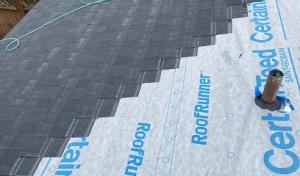
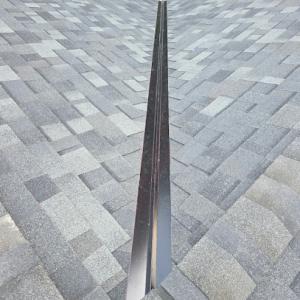
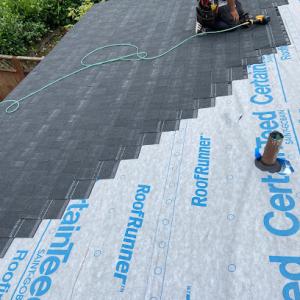
Then the underlayment and flashing work should proceed in a controlled, sequential manner. Installing underlayment on a dry surface minimizes the risk of trapping moisture beneath layers. Flashing around chimneys, valleys, and edges should be completed with proper sealants and a dry surface to ensure long-term performance. Any delay caused by intermittent rain should trigger a pause in adjacent tasks to avoid compromising the system.
Finally, the final layer installation-whether asphalt shingles, metal, or another material-should be performed during a stable period of dry weather. When possible, aim for a window with back-to-back dry days so that adhesive or fasteners can set without moisture interference, and so the roof can cure or set in place without flooding or pooling during rain events.
Coordinate with a local contractor who understands the local wet-season dynamics. Ask for a detailed sequencing plan that explicitly notes drying times, ventilation steps, and window targets for tear-off, underlayment, and final installation. Have a contingency plan for spring spikes in demand, including a few backup dates that are realistic given typical spring weather patterns. Remember that the timing you choose impacts not just the installation day, but the roof's long-term performance, energy efficiency, and the effectiveness of ventilation and underlayment in this climate. If you have a specific dry stretch in mind, lock in the sequence early to reduce back-and-forth scheduling as spring weather moves through the region.
Kirkland's proximity to Lake Washington means a roof lives in a perpetually damp environment compared to inland areas. That moisture is not a seasonal nuisance but a steady pressure that can creep into underlayment, flashings, and ventilation paths. Shingles may look fine on the surface, yet water can linger at eave lines, around chimneys, and where roof-to-wall junctures meet siding. The effect is cumulative: even minor seepage, left unchecked, invites rot, mold, and accelerated wear of protective layers. In this climate, drying performance matters as much as rain resistance, because a roof that can shed moisture efficiently will outlast a roof that merely sheds rain.
In this region, moisture-related wear is a more consistent roof concern than extreme heat. The goal is not to choose a shiny, heat-resistant option alone, but to pair that choice with a ventilation and underlayment strategy that dries quickly after wet spells. Materials that tolerate prolonged dampness without absorbing water or losing structural integrity perform better here. A reliable vapor barrier, coupled with an effective attic intake and exhaust balance, helps prevent condensation from forming within assemblies. You'll notice the difference in winter and shoulder seasons when the roof dries out between storms, not just when it's actively raining. Think about how a roof breathes: every ridge vent, soffit vent, and moisture control layer should be considered a system, not a single component.
Autumn in Kirkland can push water into vulnerable roof details with gusty winds and driving rain. Water can bypass poorly sealed step flashings, skim over damaged seals, or push under weakened ridges where tiles or shingles meet metal components. The result is moisture tracking along deck boards, attic walls, and interior ceilings even if the exterior looks superficially intact. This season demands extra vigilance: inspect for uplift-prone edges, confirm drip edges are intact, and ensure gutters and downspouts can carry water away without backing up against fascia. Proactive attention to these details reduces the chance that autumn storms will become maintenance crises in the months that follow.
Healthy drying performance starts with a tight, well-sealed underlayment and properly staged ventilation. If moisture sensitivity shows up as peeling interior paint at eaves, damp attic corners after a rain, or a musty odor inside, treat it as a signal to reevaluate the roof's moisture-management details. When planning replacements or major repairs, prioritize systems that emphasize continuous air movement and resilient moisture barriers. A roof in this climate should be tuned to stay dry between storms as much as possible, because a fast-drying roof is a longer-lasting roof.
Find local contractors experienced in assessing and restoring roofs after hail, wind, and severe weather events.
Casabella Roofing & Gutters
(425) 485-2470 www.casabellaroofing.com
570 Kirkland Way STE 100, Kirkland, Washington
5.0 from 77 reviews

Pro Roofing NW
(425) 814-7313 www.proroofingnw.com
12500 128th Ln NE Unit B571A, Kirkland, Washington
4.8 from 447 reviews
King Roof Care
(425) 543-8005 kingroofcare.com
11400 NE 132nd St, Kirkland, Washington
4.9 from 115 reviews
Diamond Roofing & Construction
(206) 973-6575 www.diamondconstructionwa.com
6421 Lake Washington Blvd NE #409, Kirkland, Washington
5.0 from 351 reviews
Full service roofing company providing top notch workmanship with best materials and warranties in the industry since 2006.We are a local Kirkland Roofer, but are your best choice for a Seattle Roofer, an Issaquah Roofer, a Bellevue Roofer, or a Sammamish Roofer! We are experts in residential roof replacements and roof repairs, as well as the perfect choice for your larger commercial roofing project. We also perform roof inspections, install/replace/repair skylights, and are experts at diagnosing and repairing leaks. We work with composition roofing, metal roofing, flat roofing (TPO, PVC, etc) and cedar shake. We pride ourselves on on roofing skills, but also on our great customer service. Call us today!
Casabella Roofing & Gutters
(425) 485-2470 www.casabellaroofing.com
570 Kirkland Way STE 100, Kirkland, Washington
5.0 from 77 reviews
Casabella Roofing & Gutters is a family-operated, locally-owned roofing contractor proudly serving Kirkland, WA. With over 20 years of industry experience, we specialize in residential and commercial roofing services, including roof installation, repair, and full roof replacement. Our team also provides expert gutter services to protect your property from water damage. At Casabella Roofing & Gutters, we’re committed to quality craftsmanship, honest service, and long-lasting results. Whether you're dealing with storm damage, a leaking roof, or planning a new construction project, we’re here to help. Trust our experienced crew for dependable roofing and gutter solutions in Kirkland and surrounding areas.
Roofing Formula
(425) 207-6016 www.roofingformula.com
8205 NE 142nd St, Kirkland, Washington
5.0 from 149 reviews
Welcome to Roofing Formula! 😊 We're your friendly neighborhood roofing experts who believe that a sturdy roof is the foundation of a happy home. Our team is passionate about providing top-notch solutions because we care about your shelter as much as you do! Whether it's a minor repair or a complete overhaul, we're here to make your roofing experience as smooth and stress-free as possible. Let's build something great together! 🏠

Pro Roofing NW
(425) 814-7313 www.proroofingnw.com
12500 128th Ln NE Unit B571A, Kirkland, Washington
4.8 from 447 reviews
When you need a new roof, turn to the expert Kirkland Roofers at Pro Roofing NW. The roofing company has proudly been serving all of King and Snohomish counties since 2006. While Pro Roofing NW can tackle any roofing job, the expert roofers specialize in removing old roofs and installing high-quality roofing systems using only the best materials. Some of the roofing brands the company uses include CertainTeed's Presidential, Presidential TL, and Landmark Series and Owens Corning's Oakridge, Duration, and Woodcrest and Woodmoor Series. In addition to high-quality roofing work, Pro Roofing NW also provides reliable gutter system installations, from K-style and wide bottom fascia-style gutters to leaf and needle-proof gutters.
King Roof Care
(425) 543-8005 kingroofcare.com
11400 NE 132nd St, Kirkland, Washington
4.9 from 115 reviews
King Roof Care is your trusted local roofing expert serving Kirkland, Bellevue, Redmond, Bothell, Woodinville, Seattle, and nearby areas. Our seasoned team excels in comprehensive roofing services, including roof replacement, roof repair, roof installation, gutter repair, and installation. We are fully licensed and specialize in tile, shingle, flat and metal roofs for residential and commercial properties. With a reputation built on service, safety, and dedication, King Roof Care is the name you can trust for all your roofing and gutter needs. Choose us, and experience the reliability of a local partner. Contact us at (425) 543-8005, and let us protect your investment with our expert roofing and gutter solutions.
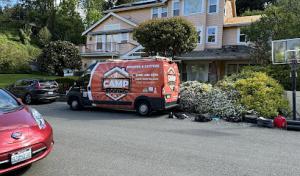
Camp Roofing
(425) 496-5570 camp-roofing.com
11410 NE 124th St #181, Kirkland, Washington
4.9 from 85 reviews
CAMP ROOFING is a licensed and insured roofing contractor serving Island County, including Oak Harbor, Coupeville, Langley, and Camano Island. We focus on roof repair, full roof replacement, storm damage restoration, and emergency tarping to protect your home when it matters most. Our team has experience with all types of roofing services, including asphalt shingles and flat roofs, and delivers lasting results with high-quality materials. Customers choose us for our quick response, clear communication, and reliable workmanship. Whether you need a small repair or a complete roof replacement, CAMP ROOFING offers free estimates and 24/7 emergency service to keep your home safe, secure, and ready for any weather conditions throughout the year.
Ferdi Roofing & Siding
(425) 671-7859 ferdiexteriors.com
13803 108th Ave NE, Kirkland, Washington
4.9 from 103 reviews
Ferdi Roofing & Siding is a premier exterior construction firm specializing in high-performance roofing systems, precision-engineered gutter installations, architectural siding, bespoke windows and doors, custom deck construction, and finely executed exterior finishes. Crafted with care, executed with precision, and built to endure, each Signature Package project is guided by a rigorous attention to detail, material integrity, and long-term performance. By uniting advanced technical expertise with disciplined craftsmanship, we deliver exterior environments that enhance structural resilience, elevate architectural character, and age with distinction.
Royal Bear Roofing
(425) 543-8100 royalbearroofing.com
611 4th Ave. #201, Kirkland, Washington
5.0 from 30 reviews
Royal Bear Roofing is a licensed, insured, and GAF-certified roofing contractor proudly serving the greater Seattle area. We specialize in high-quality residential and light commercial roof replacements and repairs, including full roof systems, skylight installations, storm damage repair, and more. Known for our clean, fast, and detail-oriented work, we treat every roof like it's our own—with integrity, transparency, and lasting craftsmanship. We offer 15-year workmanship warranties and up to 50-year product warranties. Locally owned and operated, we’re committed to quality, honesty, and exceeding expectations on every project.
Atrax Roof & Gutter
(425) 449-2878 www.atraxroofandgutter.com
11335 NE 122nd Way Suite 105, Kirkland, Washington
4.8 from 77 reviews
Atrax Roof & Gutter is your trusted, local roof repair, gutter cleaning & roof maintenance company serving the Seattle area. We take great pride in our experience, expertise, quality, and customer service that we provide to meet the consumers' needs. Our mission is to provide excellent quality and complete customer satisfaction on every project from start to finish. To understand the needs and expectations of our customers, we take great care to work and communicate with every customer professionally. We built our reputation on service, safety, and quality, regardless of how large or small the job.

NearMe Roofing Company
(425) 242-4795 nearmeroofingcompany.com
12650 120th Ave NE Suite #702, Kirkland, Washington
5.0 from 18 reviews
Near Me Roofing Company is a leading provider of residential roofing services, renowned for our expertise in roof replacements, repairs, and cleaning across King, Snohomish, and Pierce Counties. We are committed to delivering exceptional quality and competitive pricing, ensuring that our clients receive remarkable value and unparalleled service. Our skilled team understands that roofing needs can vary widely, which is why we offer tailored solutions to meet each client's specific requirements. Whether you're dealing with a minor leak that needs prompt attention or considering a full roof replacement to enhance your home’s protection and curb appeal, we are here to help.
Landmark Roofing & Siding
(855) 908-7663 www.landmarkroof.com
Serving
4.8 from 187 reviews
Landmark Roofing & Siding is a family-owned exterior contractor based in Redmond, serving residential and commercial properties in the surrounding areas. Since 2005, the company has specialized in roofing, siding, windows, doors, skylights, and gutter systems. The team provides installation, replacement, and exterior upgrade services using durable, high-quality materials and certified installation practices. Work is supported by manufacturer warranties and a transferable lifetime workmanship warranty. Landmark Roofing & Siding focuses on clear communication, accurate assessments, and dependable project execution to deliver long-lasting exterior solutions for homes and businesses.

Chinook Services
(425) 290-8635 chinookservices.com
Serving
4.8 from 134 reviews
As a fully licensed, bonded, and insured company, Chinook Services guarantees peace of mind with every project. We are a team of exterior cleaning professionals dedicated to the safety of your property and our crew. Our comprehensive services include: Roof Cleaning (including moss removal, treatment & prevention), Gutter Cleaning (with gutter whitening & front cleaning), Exterior Washing (house washing, building washing & soft washing), Pressure Washing (for driveways, decks & more), Window Cleaning (windows, skylights & solar panels), and Interior Cleaning (carpet, upholstery, couch & dryer vent cleaning). We provide top-quality service in Kenmore, Lake Forest Park, Juanita, Kirkland, Inglewood, and nearby areas. Get a free estimate today
In this area, the typical residential roofing palette includes asphalt shingles, metal roofing, clay tile, concrete tile, wood shingles or shakes, and synthetic or composite shingles. Each material brings its own balance of look, durability, and maintenance, but all share a common thread: moisture and drying performance matter more in Kirkland than heat tolerance alone. The wet winters and the surrounding Lake Washington climate mean water shedding, underlayment quality, and ventilation become central to roof longevity. When selecting a roof, consider how the material handles moisture movement, how well it sheds rain, and how it interacts with your attic's ventilation and insulation.
Asphalt shingles are prevalent because they pair well with standard underlayment and vented attics, offering predictable performance when paired with proper installation. In a wet climate, the key is ensuring a high-quality underlayment and adequate attic ventilation to prevent condensation from lingering in the roof space. Metal roofing provides excellent shedding when installed with an appropriate underlayment and a well-ventilated attic, plus strong resistance to freeze-thaw cycles. If you prioritize quick, cost-effective replacement with solid moisture management, asphalt and metal can be reliable options-provided the roof deck is sound and the ventilation plan is robust.
Clay and concrete tiles offer durability and a distinctive look that suits many Kirkland homes with stronger architectural styles. Their performance hinges on proper underlayment, lattice support, and a careful flashing plan around chimneys, skylights, and vents. Moisture handling is influenced by the roof's slope and the ability of the underlayment to shed water before it reaches the deck. Tiles require a well-executed ventilation strategy to prevent heat buildup in the attic and to maintain wood framing integrity during long wet seasons. Tile roofs typically demand a more meticulous installation process to control moisture pathways.
Wood shingles or shakes remain part of the local material mix, so moisture management is especially relevant for older or style-specific homes. Wood is porous and can absorb moisture, which makes a robust underlayment and continuous ventilation essential. Regular maintenance-checking for cupping, warping, and rot-protects the roof's performance against Kirkland's damp climate. Synthetic or composite shingles offer a lower maintenance alternative with moisture resistance advantages and easier sealing around joints. Regardless of material, ensuring a solid vapor barrier and balanced attic ventilation helps control condensation and extend roof life in this wet environment.
A full re-roof in Kirkland typically requires a building permit through the City of Kirkland building division. This means your project will be reviewed for code compliance before any work begins, and the permit status will drive inspections and documentation. The process centers on ensuring ventilation, underlayment performance, and flashing details meet local requirements that support moisture resistance in the Lake Washington climate. Plan to submit drawings or roof details that show attic ventilation, underlayment type, and reset or replacement of any vent stacks or flashing so the reviewer can evaluate how the finished roof will perform over time. Getting the permit lined up early avoids delays once crews are ready to start.
Kirkland's process generally includes plan review, permit issuance, an inspection after roof installation, and a final inspection. Plan review checks that the proposed roof system and its components align with current code and the conditions of the home. After approval, the permit is issued and work can start under the permit's supervision. Once the roofing is installed, an inspection occurs to verify that installation details-such as underlayment compatibility with the chosen roofing, proper nailing patterns, and correct venting-meet the code. A final inspection concludes the project, confirming that all permit requirements were satisfied and the system is ready to perform in Kirkland's moist seasons. The city's inspections are time-sensitive to the workload, so expect some variability in scheduling.
Local inspections are expected to verify underlayment, venting, and overall code compliance, and processing times can vary with city workload. Your contractor should arrange inspection appointments to align with key milestones: after underlayment and starter courses are in, after the full roof is laid, and after final flashing and venting are completed. Be prepared to provide any documentation the inspector requests, such as warranty cards for underlayment or details showing that attic ventilation remains adequate with the new roof. A successful inspection signals that moisture control measures are in place and that the installation conforms to Kirkland's standards.
Begin by coordinating with the contractor to ensure plan details are ready for submittal and that the project scope clearly addresses ventilation, underlayment, and flashing. Keep copies of all permit-related documents and inspection notices, and mark calendar reminders for plan review and each inspection stage. If delays occur, promptly respond to any city requests for additional information to keep the process moving. Remember that the permit process is not just a formality; it anchors the whole re-roof in a durable, code-compliant system designed to weather Kirkland's wet seasons.
Material Cost Snapshot
In this area, typical Kirkland material pricing runs about $550 to $900 per square for asphalt shingles, $800 to $1400 for metal, $1500 to $2600 for clay tile, $1200 to $2400 for concrete tile, $700 to $1500 for wood shingles or shakes, and $500 to $900 for synthetic or composite shingles. Those ranges reflect the local mix of homes and the moisture-driven wear patterns that show up on roof edges, penetrations, and underlayment. When you're budgeting, think in terms of a baseline plus a contingency for the heavier materials or more complex installations, especially if your home has irregular roof lines or multiple penetrations that affect labor time.
Timing around wet seasons
Moisture is a constant factor in this market. Costs can rise when wet weather stretches job duration or requires tighter scheduling around dry installation windows. In practice, that means your crew may need to stage work so critical tasks-like underlayment and roof deck drying-happen during narrow dry spells. If your roof is older or has ventilation questions, the crew will likely place extra emphasis on a careful moisture management plan to avoid repeated returns for fixes after rain events. Expect some fluctuation in daily rates or crew availability if the forecast shows extended wet periods.
Durability and underlayment considerations
With Lake Washington moisture as a backdrop, the performance of underlayment, ventilation, and flashing becomes a central driver of longevity. Asphalt and synthetic options typically install faster, but premium underlayment systems and properly vented eaves and ridge lines can add to upfront costs while paying dividends in longer life and fewer cold-season failures. Tile options (clay or concrete) demand precise deck prep and often heavier gauges, which drives both materials and labor costs upward-yet they can offer outstanding longevity in this climate when properly installed and vented. The right combination for a home in this region balances moisture control with energy diversification and maintenance accessibility.
Planning cues
As you map out a replacement, sketch the roof in sections if possible. This helps crews sequence work so that you maximize dry windows and minimize overtime. If your home has complex penetrations or skylights, factor in extra flashing materials and inspection-worthy detailing that can keep moisture out and extend the roof's usable life. Given the cost ranges and the climate realities, setting aside a budget cushion for contingencies during wet periods is a prudent move, as is aligning work with a trusted local contractor who understands how Kirkland's weather patterns influence scheduling and materials performance.
Don't let upfront costs delay a critical repair - these contractors offer payment plans to fit your budget.

Claims in this market generally follow standard Western Washington practices rather than a catastrophe-driven approach. In practice, that means your claim will be evaluated against typical wear, moisture-related aging, and storm events rather than large-scale emergency procedures. Insurers tend to focus on the roof's condition relative to the last maintenance or repair, so keeping a consistent record helps. Washington has not seen broad insurer pullback in this area, aside from occasional underwriting changes tied to wind or hail risk. That translates to steady claim handling for routine roof failures, provided documentation supports the claim.
Adjusters in this market may ask for prior damage records, photos, and contractor invoices when evaluating roof claims. Expect a request for a chain of evidence: recent inspections, any previous patches, and notes on attic moisture or ventilation changes. Photos should cover the exterior roof surface, along with attic evidence of moisture intrusion or condensation, ridge vents, soffits, and underlayment areas you suspect to be problematic. Contractor invoices or contact notes help establish a history of work and material quality. Have those documents organized by date and issue, so the adjuster can quickly verify timelines.
Create a single folder (digital and printed) with: recent inspection reports, dated photos (before and after any temporary repairs), invoices from licensed contractors, and any correspondence with the insurer or your agent. If you've had weather events during the wet season, archive weather advisories or service calls tied to those events. For ongoing moisture concerns, include ventilation improvements or underlayment replacements as part of the file, since these details often drive settlement decisions and future maintenance recommendations.
When a claim is opened, reference the moisture-prone climate in Kirkland and the typical Western Washington approach to repairs rather than replacements, unless the damage is clearly structural. Coordinate with your roofer to produce a concise damage summary and a durable, photo-backed estimate. Keep a steady line of communication with the adjuster, and promptly supply requested invoices and photos to avoid delays in decision-making.
Connect with contractors who help homeowners navigate the claims process from damage assessment to final approval.
King Roof Care
(425) 543-8005 kingroofcare.com
11400 NE 132nd St, Kirkland, Washington
4.9 from 115 reviews
Ferdi Roofing & Siding
(425) 671-7859 ferdiexteriors.com
13803 108th Ave NE, Kirkland, Washington
4.9 from 103 reviews
Lifetime Flat Roofs
(425) 475-1430 lifetimeflatroofs.com
11335 NE 122nd Way Suite 105, Kirkland, Washington
4.5 from 36 reviews
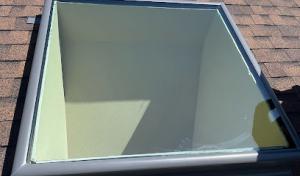
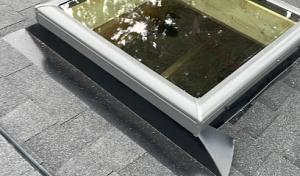
Skylights are a frequent homeowner concern in this market, where steady Lake Washington moisture and long wet seasons test every inch of roof detail. When a re-roof is done, flashing around skylights must be treated as a high-priority seam, not a cosmetic add-on. Poorly executed flashing or underlayment over these penetrations can lead to slow, creeping leaks that travel along the roof deck and show up far from the original point of entry. In Kirkland, repeated wet-season exposure makes this flaw more obvious, so expect the first year to reveal any subtle weaknesses that weren't obvious in dry, sunny months.
Chimney-related roof detailing is also a visible part of the local contractor landscape, and the combination of a chimney with skylight flashing creates a concentrated moisture path. If flashing around both features isn't integrated with a continuous weather barrier and properly vented underlayment, moisture can wick into attic spaces and onto interior framing. Look for contractors who tie chimney flashing into the overall roof envelope rather than treating it as separate patches. In a moisture-heavy climate, such coordination matters more than style or trim choices.
During a re-roof, ask to see the plan for continuous underlayment across all penetrations, with specific attention to skylights and chimneys. Have the contractor demonstrate how flashing transitions are sealed at corners and where skylight curbs meet the roof deck. After heavy rains, inspect attic access openings for signs of condensation or mildew near penetrations; early detection can save interior damage and avoid more invasive repairs later. If you notice staining, peeling interior paint near skylights, or musty odors, treat these as signals to re-evaluate the flashing and underlayment quality before the next wet season fully takes hold.
Find contractors experienced in skylight installation, flashing, and leak repairs to bring natural light into your home.
Diamond Roofing & Construction
(206) 973-6575 www.diamondconstructionwa.com
6421 Lake Washington Blvd NE #409, Kirkland, Washington
5.0 from 351 reviews
Camp Roofing
(425) 496-5570 camp-roofing.com
11410 NE 124th St #181, Kirkland, Washington
4.9 from 85 reviews
Ferdi Roofing & Siding
(425) 671-7859 ferdiexteriors.com
13803 108th Ave NE, Kirkland, Washington
4.9 from 103 reviews