
Last updated: Apr 19, 2026
Cold winters here regularly bring freeze-thaw cycling that targets shingles, flashing joints, sealants, and roof penetrations. When water infiltrates a seam or penetrant, a night-time drop below freezing can freeze that moisture and push apart weak points. As daytime temperatures rise, that ice melts and expands into micro-leaks that you don't notice until a heavy rain or a thaw reveals staining on ceilings or attic drips. In older neighborhoods with mixed-asphalt shingles and older flashing, those repetitive cycles create wear patterns that show up as curling edges, hairline splits, and more frequent tangles of sealant that no longer sticks where it should. This is not a one-time event; it's cumulative, and the consequences compound across seasons if the attic, deck, and penetrations aren't addressed with discipline and timely repairs.
The warm-season humidity combined with winter cold makes attic ventilation a recurring issue for roof performance and how damage is viewed after an incident. Poor attic ventilation traps moisture, raising the surface temperature of decking and increasing condensation on rafters and underside of shingles. That moisture feeds rot in decking and soft spots, particularly where old homes already show signs of prior patches. Insurance reviews often scrutinize ventilation upgrades after leaks; a well-vented attic is treated not as a luxury but as a critical failure-prevention measure. If air flow is constrained by soffit obstructions, stacked insulation too close to the deck, or blocked vents, you'll see faster deterioration of underlayment and flashing. In many cases, fixes are straightforward-clear intake vents, adjust insulation depth, and ensure continuous exhaust paths-but they must be prioritized before a leak compound becomes a claim trigger.
Older houses in these hillside neighborhoods frequently display cumulative flashing wear rather than dramatic single-event failures. Metal flashing can corrode at stair-step joints, end caps, and around dormers, while sealants lose elasticity after years of freeze-thaw cycling. Decking near penetrations often shows soft spots where moisture has penetrated and then re-frozen, weakening the structure beneath shingles. If flashing is painted over, corroded, or loose at rakes and valleys, you'll notice penetrations that begin to wicking water into the sheathing. The repeated patch histories typical in Fairmont-area homes signal that the roof has endured many small leaks that have been hurriedly patched rather than permanently repaired. This pattern is a red flag: long-term risk sits at the seams, the joints, and along the deck edges where ice wedging has stressed the materials over years.
Start with a careful attic inspection after a heavy melt and before the next cold snap. Look for condensation on underside of decking, dark staining along the attic's ridge line, and any damp wood near penetrations. In the attic, confirm that insulation does not block soffit vents and that vent pathways remain clear to maintain a steady air exchange. Inspect exterior flashing at chimneys, skylights, vents, and where the roof meets wall planes; press gently on metal edges to detect looseness or movement. If you observe peeling sealant, rusted flashing, or water staining that travels along the deck, treat these as urgent signals. Schedule timely professional evaluations to rework flashing, reseal penetrations, and address any decking soft spots before the next freeze-thaw cycle can magnify the damage.
If a leak is detected during heavy rain, identify the source from the attic footprint first, then minimize interior exposure by tarping or redirecting water away from the compromised area. Coordinate temporary measures with attention to safe access around steep or aged shingles, ensuring no further damage while arranging targeted flashing repairs, decking reinforcement, and sealing of penetrations. After a storm, a rapid dry-out protocol is essential: reduce indoor humidity, circulate air with fans, and remove any soaked insulation if it remains damp to prevent mold and further rot. In neighborhoods where repairs have long lead times, staging a careful, phased approach to flashing and deck restoration can prevent small leaks from becoming repeating occurrences during the next winter cycle.
Weather-related roof damage is a common insurance claim driver in this region, and homeowners should expect scrutiny that distinguishes sudden storm impact from pre-existing wear. In a county where winter freeze-thaw cycles stress shingles, flashing, and joints, adjusters will look closely at whether the damage happened in a single event or results from long-running deterioration. Knowing this distinction helps you present a credible claim rather than inviting questions that stall settlement.
In this market, visible shingle loss is only part of the picture. Adjusters commonly review attic ventilation and flashing details, along with the overall roof deck condition, when evaluating claim scope. Poor vent placement, undersized or blocked soffits, and compromised flashing around chimneys, skylights, and transitions can undermine a claim even if the surface looks superficially intact. That means a storm claim can hinge on issues you might not immediately associate with hail or wind.
Post-loss documentation matters more than most homeowners realize. Post-loss photo sets and documentation of roof condition before storms are especially important in Marion County because claim decisions often turn on maintenance history and visible aging. A well-kept attic, clear ventilation paths, and intact flashing tell a clearer story about what happened during the last storm. Conversely, a history of neglect or patchwork repairs can complicate coverage and delay outcomes, even when a newer impact is evident.
When a storm hits, gather photos that show the roof surface plus attic details such as vent integrity, ridge lines, and any signs of moisture intrusion from prior seasons. If possible, create a time-stamped record of your roof's condition before the event, including summaries from any recent inspections. In conversations with your insurer, emphasize both the immediate damage and any pre-existing vulnerabilities identified during routine maintenance. A clear narrative that links observed deterioration to specific storm exposure reduces the risk of disputes over coverage scope and helps protect the overall claim outcome in a hillside neighborhood where aging homes and variable slopes compound risk.
Connect with contractors who help homeowners navigate the claims process from damage assessment to final approval.

A1 General Contracting
(304) 460-3864 www.buildwitha1.com
601 Fairmont Ave suite 3, Fairmont, West Virginia
5.0 from 161 reviews
A1 General Contracting is a family-owned, GAF Certified Master Elite Residential Roofing Contractor committed to exceeding expectations since 2008. Specializing in top-quality roofing, we offer unparalleled expertise and the industry's best warranties for your peace of mind. As a family business, we treat every customer like one of our own, ensuring a professional, stress-free experience from start to finish. Beyond roofing, our team provides a comprehensive suite of exterior services including gutter installation, deck building, patio construction, and siding replacement—all "Under One Roof." We are fully licensed, insured, and dedicated to delivering superior craftsmanship on every project. Whether you need a full roof replacement, a new
Vulcan Roofing
(304) 244-1111 www.thevulcanroofing.com
Fairmont, West Virginia
4.9 from 21 reviews
At Vulcan Roofing, we’re proud to serve Morgantown, WV and surrounding areas with expert roofing solutions built to last. Whether you need a roof replacement, repair, inspection, or new installation, our team delivers reliable, high-quality craftsmanship with honest pricing and responsive service. As a locally owned and operated company, we understand the unique roofing needs of West Virginia homes and businesses. From asphalt shingles to metal roofing, we’re here to help with all your roofing needs. Call today for a free estimate and experience the Vulcan difference.
RENU Renovations
(304) 641-4783 www.renullcwv.com
Serving
5.0 from 48 reviews
We as a company started in 2014, but prior to that, for several years was part of a roofing contracting partnership. After being part of that, I knew that this was something I wanted to pursue, but I wanted to be able to use better quality accessories and do a higher level of general workmanship. Delivering a better end product for the client. Many roofing contractors know that pushing through jobs quickly produces the highest levels of income. Pushing through jobs quickly, often means A lot of things get covered up that will not be an issue for 10-15 years, but will most likely end up as an expensive repair at that point. We try to take the entire roof system and ventilation system into consideration so that everything can work together.
Ultimate Roofing
(304) 241-1978 getultimateroofing.com
Serving
4.8 from 546 reviews
Owens Platinum Preferred Contractor based in Morgantown, West Virginia, Ultimate Roofing has been serving WV, PA, MD, and OH since 2016. Specializing in residential and commercial roofing, siding, windows, doors, decks, and gutters, out work spans across homes and businesses throughout West Virginia, Pennsylvania, Maryland, and Ohio. With a commitment to quality craftsmanship, we pride ourselves on delivering reliable remedies to enhance exterior aesthetics while ensuring long-lasting protection against the elements.
Laurel Home Improvements/Roofing
(304) 296-2050 lhiwenailit.com
Serving
4.8 from 81 reviews
Morgantown’s roofing specialist for nearly 60 years. Family owned and operated from day one! On our third generation of the highest quality roofing services at the lowest prices. Don’t fall for the sales pitch from those other guys, call the guys who have been doing it the longest. “For a hole in you roof or a whole new roof” call Laurel Home Improvements!
Over The Top Roofing
(304) 629-4166 topbusinessesusa.top
1028 Brookside Dr, Fairmont, West Virginia
2.0 from 8 reviews
Over the Top Roofing is West Virginia’s premiere roofing operation, serving Morgantown, Rivesville and the surrounding communities. Our attention to detail and our customer-centered approach mean your satisfaction is guaranteed, every time, no matter what. While we specialize in installing metal roofs, such as standing seam and corrugated metal, our team truly does it all. Services include new roof installations, roof repairs and roof replacements. For your peace of mind, we are certified, licensed and insured in everything we do, and we work with trusted brands like Owens Corning. Call us today to learn more about what we can do for you and your home or to schedule our services.
Superior Roofing Company
(304) 669-4417 superiorroofingwv.com
Serving
5.0 from 110 reviews
Superior Roofing Company is your local independent contractor for quality roofing installation. We offer services in Clarksburg WV, and surrounding areas. Whether you want rubber, shingle, or standing seam roofing, you can count on a roof built to last. We provide a Quality Craftsmanship Warranty for 20 years on every new roof we install. Superior Home Improvement in Clarksburg, WV, also proudly offers military and senior discounts.
J an I roofing
18 Cricket Ln, Fairmont, West Virginia
2.3 from 3 reviews
Started this company to give customers a fair price on a new roof we also provide discounts to police officers, emt workers, firefighters, an hospital workers. We also offer repairs our goal is to go above an beyond to help our customers.
Eclipse Construction
(304) 803-7025 eclipse-construction.com
Serving
5.0 from 48 reviews
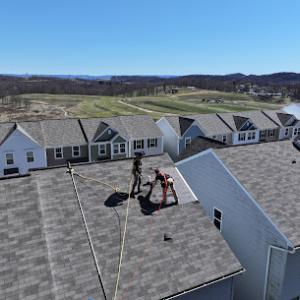
Eclipse Construction is a locally owned general construction company based in Morgantown, WV. We specialize in roofing, storm damage restoration, and complete exterior and interior projects for both homes and businesses. Our team is experienced in coordinating insurance-related restoration work, helping property owners manage repairs, supplements, and rebuilds. From roofing and gutters to siding, framing, and remodeling, every project is handled with precision, communication, and care. As certified Tamko Platinum Contractors, we install top-quality roofing systems backed by 50-year material and 30-year workmanship warranties. Whether you’re restoring after a storm or planning a renovation, Eclipse Construction delivers skilled artisanship.

Mighty Dog Roofing of Morgantown
(724) 213-7963 www.mightydogroofing.com
Serving
4.9 from 69 reviews
When it comes to your home’s exterior, Mighty Dog Roofing delivers top-of-the-line services matched with the neighborly customer care our clients have come to love. Our team of skilled experts will conduct a free, detailed inspection of your home, treating it as our own. Whether your home needs a simple repair or a full roof replacement, expect to receive the transparent guidance you deserve. Whatever the case, our team will work to meet your safety and budget needs. We take pride in operating with quality materials, hiring skilled roofers, and providing our customers with a high-quality experience. See for yourself; our reviews say it all. Schedule your free, home inspection today!
All American Roofing & Roof Coatings
(681) 285-5009 www.allamericanwv.com
Serving
5.0 from 33 reviews
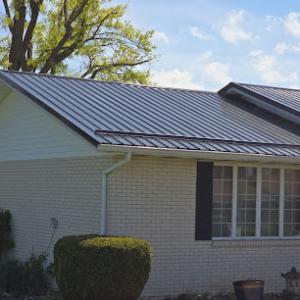
All American Roofing and Roof Coatings provides top-quality roofing solutions for your residential or commercial property. We specialize in a variety of roofing materials, including shingles, standard open fastener metal, standing seam metal roofs, flat roof applications, acrylic and silicone roof coatings and everything in between. Trust All American Roofing and Roof Coatings to deliver a long-lasting, reliable roof for your building.
Roofers Near Me
Serving
5.0 from 90 reviews
Roofing contractor specializing in full roof replacements, repairs, gutter and siding installation.
Asphalt shingles and metal roofing are the dominant practical choices in Fairmont, balancing local installation familiarity with performance through winter cycling and wet spring conditions. For many older homes with modest attic space and straightforward slopes, asphalt shingles offer reliable leak resistance when installed with careful valley flashing and proper nailing patterns. Metal roofing, on the other hand, shines where you want faster shedding during thaws and stronger wind resistance along hillside lines. In neighborhoods with frequent freeze-thaw cycles, metal's resilience against ice damming can be a real benefit, provided deck and underlayment are correctly matched to the roof slope and existing ventilation.
In hillside housing stock, ventilation matters as much as the shingles themselves. A well-vented attic helps keep decking dry across repeated freeze-thaw cycles, reducing the chance of moisture-driven warping and shingle deterioration. Pay attention to ridge vents, soffit intake, and any localized attic abnormalities that could trap humidity. Flashing integrity around chimneys, dormers, and skylights becomes a critical line of defense during wet springs when saturated eaves and valleys are most prone to leaks. When evaluating a roof, test for loose or corroded metal, insufficient sealant, or gaps that could funnel meltwater into the attic space during heavy rain events.
Heavier systems such as clay tile and concrete tile may require structural review in this market if the existing home shows framing or deck deficiency. Older neighborhoods often have framing that's not conditioned for extra weight, especially on mid-century dwellings with limited deck support. If a tile roof is contemplated, a professional load assessment should verify beam strength, deck spacing, and potential retrofits. In many cases, upgrading attic access and ensuring a solid, continuous underlayment becomes a prudent step before any heavy material is installed. If structure checks out, these tiles can offer exceptional longevity and a distinct curb appeal, but the balance between weight, maintenance, and annual freeze-thaw wear must be weighed against the original framing.
Synthetic/composite products can appeal where homeowners want the look of premium materials without the same structural burden on older Fairmont homes. These options often install more flexibly on varied slopes and can mirror the aesthetics of slate or wood without the same weight penalties. For hillside neighborhoods, this can translate into easier handling during installation and potentially lower risk of deck stress. Choose a product with a solid warranty and proven performance in freeze-thaw conditions, and confirm compatibility with existing ventilation and flashing details to preserve long-term leak prevention.
Start with a thorough inspection of flashing at all penetrations and along the valley lines. Confirm attic ventilation is balanced and unobstructed, and assess decking for signs of prior moisture damage or rot. If the home carries a history of seasonal leaks, align the choice with a system that prioritizes rapid shedding and robust underlayment, then plan for a precise installation sequence that preserves the integrity of hips, valleys, and eaves. For many homes in this area, a well-installed asphalt or metal roof paired with solid flashing and attentive ventilation offers dependable performance through winter and spring without overtaxing the structure.
Spring in Fairmont can bring storms and heavy rainfall that interrupt tear-off schedules and expose open roofs to weather delays. Weather windows tend to shift, so a replacement plan should build in extra days for potential rain days and wind events. If a roof is already showing signs of aging, aim to complete critical work before the wet season starts in earnest, but plan for contingencies if a major storm moves in mid-project. Warm, intermittent sun can help membranes set and flashing sealants cure, yet sudden showers can wash away fresh sealant and expose exposed decking. Expect temporary tarps to be standard practice during delays, and coordinate with crews who have on-site ladder access and secure fall protection to avoid wind-driven damage to exposed areas.
Summer heat and humidity affect adhesive behavior and installation conditions, making crew timing and material handling important during peak season. Asphalt and composite products benefit from dry, moderate temperatures, but excessive heat can soften underlayment and shingles, slowing the installation and increasing the risk of handling damage. Plan for cooler morning starts and shade considerations when possible, particularly on steep slopes where ladder and debris control becomes more challenging. Ventilation details matter on steep Fairmont bungalows and hillside homes; ensure attic and roof venting are accounted for so roof decks do not overheat during installation. Debris management is essential in late summer, when high humidity can accelerate adhesive tackiness and complicate nail gun calibration.
Autumn leaf drop increases debris accumulation and gutter loading locally, so late-fall projects often need more cleanup and drainage attention before winter. Leaves can clog valleys and downspouts, hiding early signs of roof or flashing failures. Schedule a thorough gutter and valley inspection before the final push to winter, and plan for mid-project cleanups if a heavy leaf fall coincides with installation. On sloped residences, ensure temporary containment and ladder stability as winds pick up in transitional weather. If shingles or tiles begin to curl or lose seal in late fall, prioritize repairs to minimize water intrusion during freeze-thaw cycles.
Persistent leaks after a storm, widespread curling or cupping on shingles, recurrent mixed-material leaks around flashing, and interior staining that tracks with wind-driven rain are practical indicators to evaluate roof integrity seriously. For aging exteriors on hillside homes, small penetrations or flashing gaps become costlier if left unattended across multiple freeze-thaw cycles. When the majority of roof surface shows wear or repeated patching is required, replacing the roof is the more predictable shield against future storms and winter stress. Schedule a seasoned inspection with a local roofer who understands how Marion County winters stress valley flashing and rafter ties.
Get a clear picture of your project costs upfront - no commitment required.
When planning a replacement, you'll want realistic expectations for the local material costs. Provided local cost ranges run from 350 to 550 USD per square for asphalt shingles, 600 to 1000 for metal, 1000 to 1900 for clay tile, 900 to 1700 for concrete tile, 450 to 800 for wood shingles/shakes, and 450 to 850 for synthetic/composite shingles. In practice, those numbers are a solid starting point when you're getting bids from area contractors who understand the Marion County hillside terrain and the way old housing stock in older neighborhoods responds to freeze-thaw cycles. For most Fairmont roofs with standard slopes, asphalt remains the most economical path, but steeper pitches and specialized tiles can push the price upward quickly.
Costs in this area can rise when steep older rooflines, multiple penetrations, chimney flashing work, or structural concerns are discovered during tear-off. The combination of long-standing homes with complicated silhouettes, valleys, dormers, and chimney stacks means extra labor, more precise flashing, and additional material waste. If a roof is deeply shadowed or partially shaded by mature trees, you may also see more moisture-related wear, which can influence shingle choice and nailing patterns. Plan for extra time and a contingency in your budget if the tear-off reveals underlayment or decking that needs replacement.
Demand spikes after regional storm events can tighten scheduling and labor availability in the market, affecting both pricing and project lead times. In a community with frequent freeze-thaw stress, crews stay busy repairing and replacing roofs that have endured winter cycles. If a storm hits during your replacement window, expect potential delays and a temporary rise in material and labor costs. Having a prepared plan and a clear project window helps minimize disruption and keeps the project on track when crews are in high demand.
As you compare bids, look for how each contractor accounts for steepness, penetrations, windows, and chimney work. Ensure the quote clearly itemizes underlayment, flashing, waste disposal, and any necessary structural repairs. In the Fairmont area, it's common for bids to reflect the added complexity of older decking and the need for careful slope management to resist future freeze-thaw damage. A detailed, walk-through-based estimate helps you gauge true replacement value and guards against surprises once tearing into the old roof starts.
Don't let upfront costs delay a critical repair - these contractors offer payment plans to fit your budget.
A1 General Contracting
(304) 460-3864 www.buildwitha1.com
601 Fairmont Ave suite 3, Fairmont, West Virginia
5.0 from 161 reviews
Full roof replacements in Fairmont/Marion County commonly require a permit filed with the local building department by either the contractor or homeowner. The permit helps ensure the work meets county and city code, particularly for the hillside neighborhoods where underlayment, flashing, and ventilation play a big role in longevity. Before any shingles come off, confirm with the contractor that the permit is in process and that the project scope matches what the permit will authorize. If you're handling it yourself, plan to submit the application in advance and line up a firm inspection schedule.
Inspections are typically scheduled during and after installation to verify underlayment, flashing, ventilation, and overall code compliance. In Marion County, inspectors will look for proper attic ventilation and adequate intake and exhaust, correct flashing around chimneys and skylights, and proper fastening patterns for sloped roofs. Expect at least one mid-project check to confirm the underlayment and nailing are up to spec, followed by a final inspection after the roof is complete. Keep access clear for inspectors and provide any requested documentation, such as warranty details and product specs, to avoid delays.
Heavier roof assemblies such as clay tile or some metal systems may trigger structural review when the existing structure shows signs of deficiency. If the house sits on aging or marginal framing, or if the slope and span demand more load-bearing capability, the building department may require a structural assessment before approval. If a structural addendum is needed, be prepared to coordinate with a structural engineer and to schedule additional inspections as the project progresses. This step helps prevent overloading joists or rafters, which is especially critical on the county's older, hillside housing stock.
Have your contractor or you file the permit before work begins, secure the required inspections, and maintain open lines of communication with the building department. Gather plan documents, material specs, and any prior repair records for quick reference. If a structural review is triggered, obtain the engineer's report early and share it with the inspector to keep the project moving smoothly.
Claims in hillside neighborhoods with heavy freeze-thaw cycles often hinge on documentation. State-level guidance shapes how repairs versus replacement are evaluated, so the quality of photos, invoices, and ventilation records can materially influence the adjustment outcome after a storm. A well-documented history helps separate pre-existing wear from storm damage, preventing disputes when a roof is opened for inspection in mid-winter thaw or during spring rain.
Because roof claims are common in this region, Fairmont homeowners benefit from keeping dated inspection photos, repair invoices, and ventilation records before any storm loss occurs. Store digital copies with clear timestamps and a basic description of what each image shows. Keep a simple file for each season: photos of flashing stages, attic vent conditions, and any visible shingle wear. A binder or cloud folder kept year to year reduces scrambling after a claim.
In this market, incomplete records on flashing condition, prior leaks, or attic moisture can weaken a homeowner's position during adjustment. Photograph suspect zones: flashing joints at chimneys and valleys, edge detailing, gutters, and soffits. Document any attic moisture, condensation patterns, or rust on metal vents. Keep notes on temperature and rainfall around the rain event. Photos should be timestamped and labeled by location.
A practical approach is to maintain a short, consistent log of every repair or moisture finding, with receipts and warranty cards filed next to related photos. When a storm hits, you will have a ready-to-submit trail that helps the adjuster see the roof's history rather than a single damaged snapshot. This preparation reduces surprises and supports fair, accurate settlement decisions.
Use a dedicated, weather-proof storage method for large photos and invoices. Label backups by year and storm event, and keep both digital and physical copies. Review records annually, especially after a harsh winter, so you are prepared before the next storm season arrives.