Last updated: Apr 19, 2026
Morgantown's cold, snowy winters create repeated ice-dam conditions that often show up first at eaves, valleys, and roof-to-wall transitions after snow events. The town's steep topography and multi-level homes magnify those patterns, producing uneven attic and roof temperatures that worsen freeze-thaw cycling and localized melt-refreeze cycles. That combination makes drainage and flashing compromises show up suddenly, especially after a heavy storm or a thaw followed by a cold snap. If your home sits on a hillside or steps down across multiple levels, the risk is compounded because warm attic air can migrate toward cold roof edges or valleys, pooling melted moisture right where it can back up under shingles, underlayment, or flashing.
You'll tend to notice ice dams first along the eaves, in roof valleys, and at the transitions where the roof meets exterior walls. A sudden ice buildup can form a dam that traps meltwater, which then refreezes into a rigid barrier against proper drainage. Watch for attic warmth: inconsistent temperatures between rooms, visible condensation, or frost patterns on underside of sheathing after a sunny-but-cold day. Inside, look for stains, damp spots, or a repeating drip pattern on ceilings in the uppermost rooms, particularly those that lie directly below flat or low-slope portions, transitions, or valley chases. On hillside homes, winter moisture often sneaks in at roof-to-wall connections where flashing has shifted or where snow piles up and refreezes against a corner or ledger. If you see ice along eaves that persists through the day, or meltwater seeping into soffits, treat it as a red flag for a deeper drainage and flashing issue.
Replacement planning in Morgantown often starts after winter leak discovery but major work is commonly pushed into late spring through early fall because cold temperatures and snow delay full tear-offs. This means you should build a proactive plan that accounts for a potential delay. As soon as you identify a leak issue, isolate the affected area and document where water enters, then map the likely paths along eaves, valleys, and roof-to-wall junctions. When work becomes feasible, prioritize flashing repairs and attic ventilation improvements to reduce recurring ice dam formation. Consider staging projects so interior repairs can be synchronized with exterior work to minimize the exposure window of your home to ongoing freeze-thaw cycles. Coordinate with a contractor who understands Morgantown's slope-driven drainage nuances and can assess where snow piles up and how meltwater travels toward vulnerable transitions.
Clear sufficient drainage routes along eaves and around roof penetrations, taking care not to damage shingles or underlayment. Temporarily reduce heat loss from the attic by ensuring baffles and vents are free of obstructions and that insulation is evenly distributed to discourage warm attic air from reaching cold roof edges. If ice dams are forming, create a controlled melt path by carefully applying calcium chloride pellets in a fan-shaped pattern along the dam, never directly on the roof surface, and never near vegetation or gutters in disrepair. Protect interior ceilings with towels or buckets in rooms beneath affected areas, and relocate valuables if water intrusion is predicted to reach through walls or ceilings.
A durable cure hinges on a combination of robust attic ventilation, proper insulation, and durable flashing details at valleys and roof-to-wall transitions. For hillside homes, prioritize addressing heat loss irregularities that create hot zones near eaves or transitions. Consider upgrading to flashing systems designed for high-slope exposure and installing snow guards or diverters where appropriate to control snow flow. If wood, slate, or metal components are involved, ensure the roof assembly is designed to withstand Morgantown's freeze-thaw regime and that underlayment choices align with hillside environmental exposure. Regular inspections after major winter events can catch shifting flashings and compromised seals before leaks become widespread.
In Morgantown, regular spring rain is a bigger scheduling and leak-exposure issue than an extreme hail environment, so homeowners often need fast temporary drying-in rather than immediate full replacement. When a leak is discovered after a storm, focus first on stopping active intrusion and protecting interior finishes. Move valuables away from the drip line, place clean buckets under the leak, and use plastic over the most vulnerable area to keep rain off carpet and drywall while a contractor evaluates next steps. For steep hillside homes, prioritize secure tarping or temporary flashing up the slope to divert water away from the interior until a permanent fix can be arranged.
Ice dams and winter moisture are persistent concerns in hillside neighborhoods where roofs tilt and snowmelt flows toward vulnerable edges. Even with spring rains, lingering ice or clogged gutters can cause slow leaks that travel along roof deck seams and into soffits. Check for stained ceiling patches near exterior walls and any softened decking near eaves. If you notice icicles forming along the lower roof edge during a thaw, address drainage Blockages promptly-clean gutters and downspouts and inspect for sagging or displaced flashing that could let rainwater intrude. A practical plan is to schedule a mid-season roof check that confirms proper slope drainage and flashing seals before storm fronts hit again.
Local insurers generally operate in a stable market, but adjusters still expect detailed photos and documentation separating sudden storm damage from older wear on aging roofs. When documenting, capture wide exterior shots that show the roof plane, gutters, and flashings, then close-ups of damaged areas, fasteners, and any ponding or water staining inside the attic. Take timestamps from weather reports and note the storm dates, rain intensity, and wind speeds if available. For transitions from sustained wear to new damage, create a simple before-and-after sequence: images of the roof prior to the storm (if available), and then the condition after, with annotations that identify shingles slipping, flashing gaps, or interior water trails. Organize the file set so an adjuster can distinguish a recent event from long-term deterioration that may influence coverage decisions.
Begin with a temporary drying-in plan that aligns with winter remnants and spring rainfall. Document all temporary measures-tarps, plastic barriers, roofing cement, and any shingle replacements-so the adjuster sees a proactive response rather than a delay. Next, secure written estimates from qualified local roofers who can attest to the cause-and-effect relationship between the storm and subsequent interior leakage, especially when aging materials show mixed conditions from prior seasons. If a contractor identifies underlying issues such as degraded flashing or improper ventilation contributing to the leak, request a separate assessment to separate immediate emergency work from longer-term repairScope. Finally, keep a running log of all communications with the insurer, contractor, and any adjuster visits, including dates, names, and summarized outcomes, to help prevent misinterpretation of the claim as it moves through the process.
Find local contractors experienced in assessing and restoring roofs after hail, wind, and severe weather events.
Eclipse Construction
(304) 803-7025 eclipse-construction.com
355 Brockway Ave, Morgantown, West Virginia
5.0 from 48 reviews
Titan Roofing
(304) 244-9292 www.titanroofingwv.com
5 Pixler Hill Rd, Morgantown, West Virginia
4.9 from 132 reviews

Ultimate Roofing
(304) 241-1978 getultimateroofing.com
2300 Smithtown Rd, Morgantown, West Virginia
4.8 from 546 reviews
MHI Roofing WV
1251 Canyon Rd Suite #4, Morgantown, West Virginia
4.9 from 587 reviews
MHI Roofing has been a trusted roofing contractor since 1979, serving Morgantown, Fairmont, Sabraton, Wheeling, and nearby areas in Monongalia & Fayette County. We specialize in Shingle Roofing, Roof Repairs, Roof Inspections, and Seamless Gutters. Call us now for a free estimate!
Eclipse Construction
(304) 803-7025 eclipse-construction.com
355 Brockway Ave, Morgantown, West Virginia
5.0 from 48 reviews
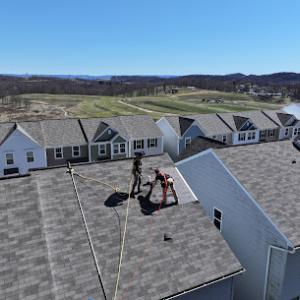
Eclipse Construction is a locally owned general construction company based in Morgantown, WV. We specialize in roofing, storm damage restoration, and complete exterior and interior projects for both homes and businesses. Our team is experienced in coordinating insurance-related restoration work, helping property owners manage repairs, supplements, and rebuilds. From roofing and gutters to siding, framing, and remodeling, every project is handled with precision, communication, and care. As certified Tamko Platinum Contractors, we install top-quality roofing systems backed by 50-year material and 30-year workmanship warranties. Whether you’re restoring after a storm or planning a renovation, Eclipse Construction delivers skilled artisanship.
Elite Roofing-Morgantown
(304) 202-6161 www.eliteroofingwv.com
3456 University Ave, Morgantown, West Virginia
4.9 from 95 reviews
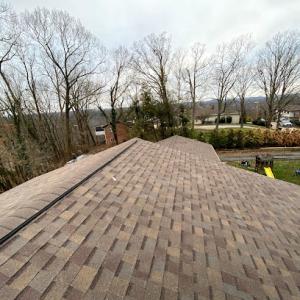
Welcome to Elite Roofing, a full service commercial and residential roofing company that services Morgantown, Fairmont, Clarksburg, Bridgeport, Kingwood, Grafton, Terra Alta , Buckhannon , and much more of West Virginia. If you are looking for a high-quality, experienced, and affordable roofing contractor for your home or business, choose the Elite West Virginia roofers. We offer instant onsite estimates, insurance claims assistance, and a great referral program to boot! Give us a call to get your free roofing estimate in West Virginia.
Titan Roofing
(304) 244-9292 www.titanroofingwv.com
5 Pixler Hill Rd, Morgantown, West Virginia
4.9 from 132 reviews
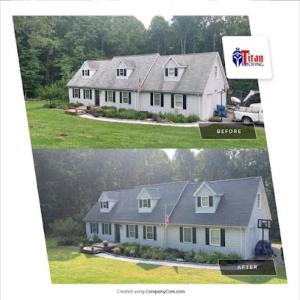
Titan Roofing is a leading contractor in and all around Morgantown, West Virginia. We service all of NCWV, Garrett County MD, and now Martinsburg WV and the entire Eastern Panhandle offering high-quality roofing and siding services to local homeowners and commercial businesses. The company is a GAF Master Elite Contractor, a distinction held by only 2% of roofers in North America.

Ultimate Roofing
(304) 241-1978 getultimateroofing.com
2300 Smithtown Rd, Morgantown, West Virginia
4.8 from 546 reviews
Owens Platinum Preferred Contractor based in Morgantown, West Virginia, Ultimate Roofing has been serving WV, PA, MD, and OH since 2016. Specializing in residential and commercial roofing, siding, windows, doors, decks, and gutters, out work spans across homes and businesses throughout West Virginia, Pennsylvania, Maryland, and Ohio. With a commitment to quality craftsmanship, we pride ourselves on delivering reliable remedies to enhance exterior aesthetics while ensuring long-lasting protection against the elements.
All American Roofing & Roof Coatings
(681) 285-5009 www.allamericanwv.com
54 Foster Rd, Morgantown, West Virginia
5.0 from 33 reviews
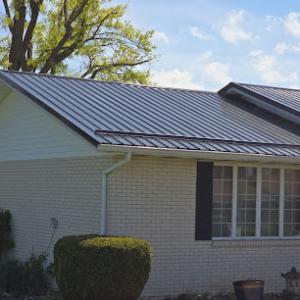
All American Roofing and Roof Coatings provides top-quality roofing solutions for your residential or commercial property. We specialize in a variety of roofing materials, including shingles, standard open fastener metal, standing seam metal roofs, flat roof applications, acrylic and silicone roof coatings and everything in between. Trust All American Roofing and Roof Coatings to deliver a long-lasting, reliable roof for your building.
Sutherlands Exteriors
(304) 406-7433 www.sutherlandsexteriors.com
7300 Willie G Ave, Morgantown, West Virginia
4.9 from 44 reviews
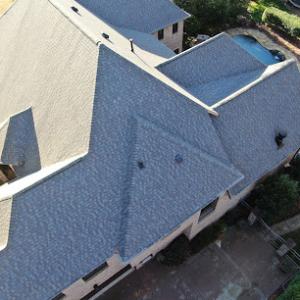
Roofing, siding, & gutter replacement. Storm Damage Insurance claims Free Estimates
Laurel Home Improvements/Roofing
(304) 296-2050 lhiwenailit.com
34 Delta Rd 39, Morgantown, West Virginia
4.8 from 81 reviews
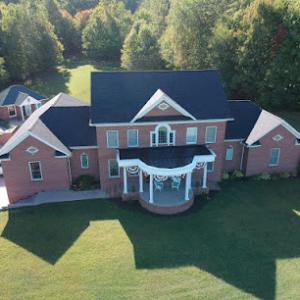
Morgantown’s roofing specialist for nearly 60 years. Family owned and operated from day one! On our third generation of the highest quality roofing services at the lowest prices. Don’t fall for the sales pitch from those other guys, call the guys who have been doing it the longest. “For a hole in you roof or a whole new roof” call Laurel Home Improvements!
Sentinel Industrial Roofing
(304) 902-0659 coveredbysentinel.com
180 Chancery Row, Morgantown, West Virginia
5.0 from 20 reviews
Sentinel Industrial Roofing / Commercial Roofing Repairs, Maintenance, Replacements, Coatings Call today for your Free Assessment Serving WV, PA, MD, and more areas
Sinay Roofing
(304) 276-4304 www.sinayroofingwv.com
305 Fayette St, Morgantown, West Virginia
4.7 from 47 reviews
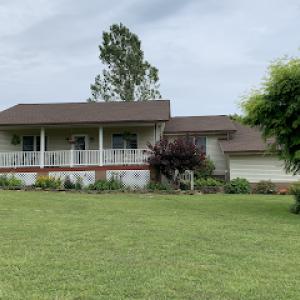
Roofing contractor, Roof installation, roof repairs .
Shield Roofing & Construction
(304) 344-7663 shieldroofing.biz
3174 Earl L Core Rd, Morgantown, West Virginia
4.5 from 64 reviews
When it comes to the protection of your home, our specialists are determined to get you the best value for your money. Whether is roofing, siding or any of the many services we offer, you can count on Shield to be there for you whenever you dial our number.

Goldline Roofing & Exteriors
(304) 317-7979 goldlineroofing.com
937 Canyon Rd, Morgantown, West Virginia
4.2 from 5 reviews
Since 1984, Goldline Roofing & Exteriors has stood for quality, dependability, honesty, and responsiveness. Our team is built of experienced roofers, contractors, and exterior construction experts that have deep knowledge of how homes and commercial properties are built. We pride ourselves on our responsiveness and doing what we say we’re going to do when we say we’re going to do it. This means peace of mind for you the property owner, knowing that your home or investment is in good hands. We are based in Morgantown WV and serve the surrounding communities in Monongalia, Marion, Harrison, and Preston counties in West Virginia. Don’t trust your home to the lowest bidder – you deserve better service. You deserve Goldline service.
Asphalt shingles and metal roofing are the most practical fits for much of Morgantown because they align with the city's common reroofing market and handle repeated wet-weather cycles better than more niche materials on many homes. On steep, hilly lots with frequent freeze-thaw cycles, asphalt provides a dependable, cost-conscious option that sheds winter moisture relatively well when paired with proper underlayment and adequate attic ventilation. Metal roofing offers excellent snow shed and rapid shedding of meltwater, which helps keep drainage patterns from backing up along steep slopes. In neighborhoods where the roof runs long on an east-west axis and channels runoff toward vulnerable eaves, metal can reduce ice dam formation when installed with a solid sealant and continuous edge flashing.
Slate remains relevant in Morgantown because older regional housing stock can support it, but repairs and replacement are far more specialized and expensive than standard shingle work. If a historic home already has slate, keeping it in good shape can pay off in durability, but it requires licensed slate technicians for any replacement or repair. The weight of slate and the need for precise flashing details demand careful assessment of the structure, attic space, and drainage geometry. For most modern reroof projects on hillside homes, slate is a consideration reserved for those with the right support, complex flashings, and a willingness to invest in skilled labor. Where slate is not feasible, high-quality asphalt or metal paired with upgraded underlayment still offers strong winter performance and reliable drainage.
Warm, humid summers in Morgantown increase attention to attic ventilation, underlayment performance, and flashing details because moisture load matters almost as much as winter snow. A well-ventilated attic reduces condensation that can travel into the roof deck during shoulder seasons, lowering the risk of hidden ice dams forming under the roofing seams. Choose underlayment rated for exposure to long wet periods and ensure that eave-to-peak ventilation pathways remain unobstructed by insulation or interior finishes. In metal roofs, consider through-fastened or standing-seam designs with careful integration of ridge vents and soffit intake to maintain a dry attic. Flashings around chimneys, skylights, and transitions must be continuous and free of gaps that allow meltwater to infiltrate along cold surfaces and freeze.
On Morgantown's steep hillside homes, drainage planning is critical to prevent wet-weather intrusion during freeze-thaw cycles. Roof geometry, hip vs. gable configurations, and nearby tree cover influence how meltwater travels across the surface. Ensure that drainage is directed away from valleys and penetrations, with properly sealed joints and high-quality flashing at roof penetrations. If choosing asphalt, look for granule adhesion and a shingle with good wet-weather performance, recognizing that consistent maintenance and timely replacements help avert ice dam formation. For metal roofs, verify correct panel laps and sealant choices at edges and transitions to maintain a dry, continuous barrier during rapid temperature swings.
When you price a reroof in this hilly town, use these local ranges per square: asphalt shingles 350 to 750, metal 600 to 1300, clay tile 900 to 1700, concrete tile 900 to 1600, wood shingles or shakes 450 to 900, and slate 1800 to 3500. Those figures reflect Morgantown's mix of steep streets, older housing stock, and occasional slate-ready roofs. If you're comparing bids, ask for a per-square breakdown that mirrors these ranges and includes waste disposal and staging allowances. Steeper pitches push crews to bring in extra safety gear and longer setup times, which can nudge prices upward on your specific project.
Costs in Morgantown rise on steep hillside lots, difficult access streets, and homes with complex rooflines where staging, tear-off logistics, and debris handling are harder than on flat suburban sites. A roof with multiple valleys, dormers, or a brick chimney can require additional flashing and careful maneuvering, which shows up as line items on the bid. If your street is a narrow hillside with limited parking, anticipate longer delivery windows for lumber and shingles and a need for extra tarping and containment. These factors can add hundreds to thousands of dollars beyond the base material price, depending on roof complexity.
Pricing pressure can increase after winter damage is discovered and during the late spring through early fall work window, when most homeowners try to schedule replacements in drier conditions. Freeze-thaw cycles in Morgantown can worsen existing damage before crews can start, pushing bids higher as crews assess ice dam potential, moisture intrusion, and the need for improved underlayment. If ice dams were a concern, expect additional moisture-protection upgrades and attention to attic ventilation in your scope, which can alter the overall square-foot price.
Asphalt remains the most budget-friendly option for a typical Morgantown roof, but steep pitches and historic homes sometimes justify stepping up to metal or tiles for longer life and better drainage on hillside lots. Clay and concrete tiles offer excellent longevity but carry heavier installation demands and higher upfront costs, especially where framing or roof supports must be reinforced. Slate presents the highest upfront investment, yet its cold-weather durability suits long-term performance on select structures. In every case, ensure bids reflect local terrain factors, access challenges, and a clear plan for staging and debris management.
Get a clear picture of your project costs upfront - no commitment required.
MHI Roofing WV
1251 Canyon Rd Suite #4, Morgantown, West Virginia
4.9 from 587 reviews
Eclipse Construction
(304) 803-7025 eclipse-construction.com
355 Brockway Ave, Morgantown, West Virginia
5.0 from 48 reviews
Elite Roofing-Morgantown
(304) 202-6161 www.eliteroofingwv.com
3456 University Ave, Morgantown, West Virginia
4.9 from 95 reviews
In Morgantown, most full reroofs require a building permit through the City of Morgantown Building Department. That permit is not a box to check off after the work begins; it governs the entire project from planning through completion. If you try to shortcut the process, you risk delays, penalties, or having to tear back into a finished roof when inspectors catch gaps. The department expects a clear plan for the reroof and an understanding of how the work will handle the local climate, steep lots, and winter moisture realities.
The local process typically involves submitting a project description, paying a fee, and coordinating inspections during and after the work. A concise description should outline the roofing material, roof surface area, any changes to ventilation or attic access, and details about securement on the steep hillside streets that characterize many Morgantown neighborhoods. After submission, a plan review usually precedes any permit issuance, and inspections are scheduled to align with major milestones-installation of underlayment, nailing patterns, flashing details, and the final completed roof. Expect a window of review time; planning ahead helps prevent weather-related backlogs.
City inspections commonly focus on nailing, flashing, ventilation, and overall workmanship. In practical terms, this means inspectors will verify that nails are correctly spaced, fastened through the proper deck, and protected from exposure along rake and hip lines where ice dams and winter moisture intrusion are most likely to occur. Flashing around chimneys, valleys, skylines, and roof-to-wall transitions gets scrutinized to resist leakage during thaw cycles. Ventilation checks ensure attic moisture doesn't accumulate, which is critical on steep, hillside homes that experience rapid temperature shifts. On more complex roof types, the department may ask for updated plans or added detail to demonstrate how the installation will stand up to Morgantown's freeze-thaw cycle and spring rains.
To keep the permit and inspection process moving, coordinate proactively with your roofer to assemble the required descriptions and any additional detail the department requests for specialized materials or configurations. If a contractor proposes unusual flashing methods, multi-ridge systems, or slate-capable assemblies, anticipate the need for extra documentation. Clear communication with the Building Department reduces the chance of inspections stalling, which is especially important after heavy snows when window crews or weather windows narrow. A timely, compliant submission protects you from weather-driven surprises once the first thaw hits.
Morgantown is not an unusually high-claim roofing market, so homeowners should not assume every leak or shingle issue will be treated as a storm-loss replacement. Insurance companies in this area evaluate damage like any other mid-Atlantic market: they weigh the age of the roof, the type of damage, and how long moisture has been present. Older roofs raise renewals risk, but that doesn't mean every leak will trigger full replacement. The practical path is to document what is happening and respond with measured, timely repairs rather than waiting for a storm to force a claim.
Carriers in this part of West Virginia often review replacement cost versus actual cash value closely, especially on older roofs. If a claim is filed for wind, hail, or moisture intrusion, expect the insurer to separate what it would cost today to replace versus what the roof is currently worth. The decision can hinge on whether the damage is isolated or shows widespread aging. A clear, objective assessment from a reputable roofer that identifies what is damaged versus what is due to aging can help clarify how the claim will be settled.
Some insurers have tightened underwriting on aging roofs or higher-mileage properties, making roof age and photo documentation more important before renewal or after a claim. Build a simple file: dated photos of shingles, flashing, and any interior signs of moisture, plus a written note of when leaks began. If possible, secure a professional roof evaluation that confirms the roof's condition and any components that are near end of life. This reduces uncertainty during renewal windows and speeds the claim review if a loss occurs.
If a leak appears during wet periods, address it promptly with temporary measures to protect interior spaces while you gather documentation. Delay can be read as deterioration rather than sudden damage, complicating a claim. After a major event, photograph the roof from multiple angles, focusing on damaged areas, and keep receipts for any temporary repairs. Clear, consistent records help the adjuster determine whether the history supports replacement versus repair.
On steep hillside homes, moisture intrusion can travel unevenly and flashings can fail in corners and valleys where runoff concentrates. Be proactive about maintaining gutters and downspouts, and track where ice dams form in winter. These patterns matter to insurers because they illustrate whether moisture is a recurring issue tied to aging or to a specific weather event. A well-documented, conditioned assessment supports a smoother discussion with the insurer and helps you plan repairs that address both current needs and future risk.
In Morgantown's wet spring and snowy winter pattern, leak complaints often concentrate at penetrations and transitions rather than only in open field shingle areas. Skylights and masonry chimneys sit at the crossroads of roof planes, valleys, and parapets, where ice, wind-driven moisture, and melting snow flow can back up against flashing. When a roof is reroofed, every penetration becomes a potential breeding ground for dampness if the flashing isn't treated like a high-priority system. The consequence is not just a quick drip, but hidden rot that creeps into sheathing and interior ceilings before a homeowner notices.
Older homes common in the region often have masonry chimneys and more complicated roof intersections that demand careful flashing work during reroofing. The chimney base, step flashing, and transition to a flat or low-slope top plateau require precise cuts, continuous metal, and back-dedication of sealants that can withstand freeze-thaw cycles. If flashing around skylights sits under a heavy, layered snowpack or experiences rapid temperature swings, ice dams can sculpt under the flashing lip and push water laterally into the roof deck. City inspections that check flashing and workmanship make detail work around skylights and chimneys especially important on your reroofs.
When preparing for a reroof, insist on continuous, properly integrated flashing that ties into the drip edge and fascia without gaps. Skylights should have side flashing that overlaps the curb and a purpose-built boot or flashing collar that resists condensation pooling. Chimneys demand stepped flashing that follows the chimney's masonry joints and a cap flashing that seals against mortar joints rather than relying on caulk alone. The goal is a unified water-shedding system where every incline and transition directs moisture away from deck, insulation, and interior spaces.
During the first thaw cycles, inspect around skylights and chimneys for any dampness along the flashing seams. Look for hairline stains that hint at slow leaks, and test for wind-driven moisture after heavy rain or heavy snowfall. Clean debris from ridge lines so vented moisture doesn't back up into flashings, and address any sealant wear promptly. A careful homeowner notice at these penetrations can catch issues before they become costly repairs.
Find contractors experienced in skylight installation, flashing, and leak repairs to bring natural light into your home.
MHI Roofing WV
1251 Canyon Rd Suite #4, Morgantown, West Virginia
4.9 from 587 reviews
Titan Roofing
(304) 244-9292 www.titanroofingwv.com
5 Pixler Hill Rd, Morgantown, West Virginia
4.9 from 132 reviews