
Last updated: Apr 19, 2026
Harrisonburg sits in the Shenandoah Valley, where wind and hail events are a common driver of roofing claims compared with purely coastal or urban Virginia markets. The valley's mix of summer thunderstorms, fall wind exposure, and the heavy debris from surrounding maples and oaks means shingles can lift, flashing can separate, and gutters can clog in ways that don't always show up right away. This combination increases the risk of water intrusion after each storm, even when the damage isn't obvious from ground level. Storms arrive quickly, then leave you with a trail of clues-dimples in shingles, bent flashing, granules in gutters, and damp rafters in the attic. In short, the next wind or hail event can expose weaknesses that were already developing in the roof system.
Wind-driven leaks often start at the edges of shingles or at step-flashings where the roof plane meets walls and chimneys. In this market, wind can peel away tabs on asphalt or ripple metal panels enough to allow rain to track along the decking. Tree debris from valley-covered hills can nick shingles, create pocked damage, or wedge under flashing during a storm, delivering moisture into the eaves and attic. If you notice dark spots on the ceiling after a storm or musty odors that persist, don't wait to inspect. In this climate, a small breach today can become a large headache tomorrow, especially when cold snaps return and drive condensation into otherwise dry pockets.
Because insurers in this market often require detailed proof before approving replacement, you need date-stamped photos, interior leak evidence, and documentation of shingle, flashing, and gutter damage soon after a storm. Start with frontal and roof-line photos showing hail strikes, missing granules, and lifted edges. Capture attic shots where daylight sneaks through decking gaps or where dripping has stained framing or insulation. Keep a simple storm diary: note the exact date and time of the storm, wind speeds if you know them, and what you observed inside within 24 hours. If you can, photograph surrounding trees and property debris that could have contributed to the damage. Organized evidence that traces the path from exterior impact to interior intrusion helps keep the claim focused and reduces back-and-forth with adjusters.
In this valley climate, quick action matters. If you suspect roof damage, arrange a thorough inspection with a local roofer who understands how wind and hail behave on Harrisonburg homes. Request a temporary shield if leaks threaten insulation or ceilings, and document the setup with photos. Do not delay addressing active leaks, even if the weather looks clear for a few days-the combination of sun and rain can stress a compromised roof further. When scheduling repairs, prioritize decking and flashing since these components bear the brunt of wind exposure and are common failure points after a major storm. Maintaining clear records and timely communication with your contractor can keep repairs from escalating into more costly problems later in the season.
Find local contractors experienced in assessing and restoring roofs after hail, wind, and severe weather events.
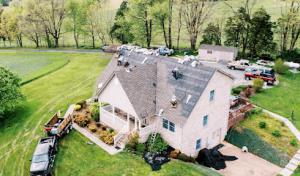
Valley Roofing & Exteriors
(540) 820-2705 www.valroofing.com
5200 S Valley Pike, Harrisonburg, Virginia
4.9 from 712 reviews
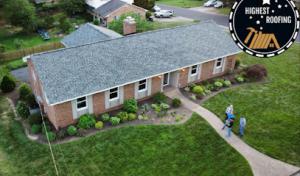
Highest Roofing & Exteriors
(540) 560-9727 www.highestroofing.com
4030 S Main St, Harrisonburg, Virginia
5.0 from 147 reviews
Senger Roofing
(540) 216-0233 www.sengerroofing.com
1910 Erickson Ave Suite 18, Harrisonburg, Virginia
4.8 from 100 reviews
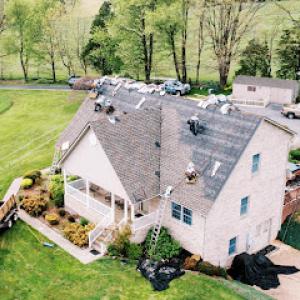
Valley Roofing & Exteriors
(540) 820-2705 www.valroofing.com
5200 S Valley Pike, Harrisonburg, Virginia
4.9 from 712 reviews
Valley Roofing & Exteriors delivers high-quality exterior remodeling services that last a lifetime. From roofing, gutters and skylights to windows, doors, sunrooms and siding, our range of services protect your property and investment. We proudly serve residential and commercial customers living in Harrisonburg, Staunton, Stuarts Draft, Charlottesville and throughout the Shenandoah Valley. When it’s time to tackle your next exterior remodeling project, make it last a lifetime with Valley Roofing & Exteriors.
Highest Roofing & Exteriors
(540) 560-9727 www.highestroofing.com
4030 S Main St, Harrisonburg, Virginia
5.0 from 147 reviews
Highest Roofing & Exteriors is a leading professional roofing, siding, & contractor in the Harrisonburg, Virginia & surrounding areas. If you need experts in shingle roofs, metal roofing, roof repairs, vinyl siding or gutters, look no further. Our trained professional team is ready to install a new roof, new gutter system or new siding that will look great or repair any damages while adding incredible value to your home in the Harrisonburg, Virginia and surrounding areas. We use the highest-quality materials, customizable to fit your aesthetic, and we guarantee your satisfaction.
Helmuth Roofing
(540) 733-3010 helmuthroofing.com
25 N Liberty St suite F, Harrisonburg, Virginia
4.9 from 84 reviews
Helmuth Roofing of Virginia brings you the best residential and commercial roofing solutions in the valley. Offering roof replacement, roof repair, and metal roofing as one of the top companies in the Harrisonburg, Charlottesville, Winchester, and Staunton areas of VA. Being a top contractor to serve our community is our highest priority! We also specialize in skylights, gutters, and attic insulation.
Senger Roofing
(540) 216-0233 www.sengerroofing.com
1910 Erickson Ave Suite 18, Harrisonburg, Virginia
4.8 from 100 reviews
Senger Roofing provides expert roofing, siding, window, and gutter services—plus specialized roofing solutions for homes and businesses. Proudly serving the Shenandoah Valley, VA.
Skyline Roofing
2389 Grace Chapel Rd, Harrisonburg, Virginia
4.4 from 37 reviews
At Skyline Roofing, we provide complete commercial roofing services anywhere in Virginia. Our services include budgeting & bidding services and warranty options to help our Clients find the right roofing solution for their goals and budget. From new construction to re-roof, flat roofs or pitched, tried and true products to cutting edge Green Building Systems, Skyline Roofing can help you with all phases of your roofing needs. We also offer guttering services for any project.
Novaroof Commercial Solutions
(540) 534-5020 www.novaroof.com
30 Baxter Dr STE 150, Harrisonburg, Virginia
5.0 from 8 reviews
Nova Roof Commercial Solutions caters to businesses around the Harrisonburg, Virginia area offering expert advice to prolong the lifespan of your roofs by decades. Is your aging commercial roof experiencing leaks? Are you concerned about weak spots, rust, or deterioration? Would you like to improve the energy efficiency of your building? You don't need to replace your roof to get the job done! Nova Roof contractors conduct 12-point inspections, covering every aspect of the roof, and recommend cost-effective and durable repairs. We give you valuable advice on extending the life of your roof and only recommend replacements when absolutely necessary. Our services include TPO roofing, Consultation, Repair, Maintenance, and Replacement.
Garlands Roofing
(540) 478-6329 www.garlandsroofing.com
2825 Pin Oak Dr, Harrisonburg, Virginia
5.0 from 7 reviews
Backed by over 40 years in business, Garland's Roofing has served clients throughout the Shenandoah Valley and all surrounding areas. Whether you’re concerned about hail or weather damage, looking to update your roof’s look, or installing a roof for new construction, we can handle your roofing needs!
Topline Roofing & Restoration Systems
3520 S Main St, Harrisonburg, Virginia
5.0 from 1 review
Commercial-Industrial-Residential Roofing Services
Titan Roofing & Exteriors
(540) 290-3783 titanroofingva.com
Serving
4.9 from 94 reviews
Looking for a trusted roofing contractor in Linville, VA? JDM Repairs & Renovations has you covered! Specializing in a wide range of services including roof repairs, roof replacement, metal roofs, shingle roofs, and flat roof installations, we ensure quality for both residential and commercial properties. Whether you're dealing with roof leaks, storm damage, or just need a thorough roof inspection, our team is ready to provide reliable solutions. Call JDM Repairs & Renovations today for all your roofing needs and experience peace of mind with a roof built to last!
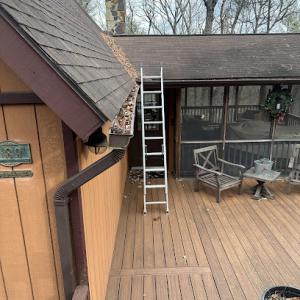
Elevex Exteriors
(540) 202-5190 www.elevexexteriors.com
Serving
5.0 from 19 reviews
Elevex Exteriors provides dependable exterior home services, specializing in gutters, roofing, siding, windows, and doors. Our team handles everything from seamless gutter installation and repairs to gutter cleaning, guard systems, roofing projects, and exterior upgrades. We proudly serve Rockingham County, Harrisonburg, Augusta County, and the surrounding Shenandoah Valley, focusing on quality workmanship, durable materials, and reliable service to protect your home and enhance curb appeal. As a trusted local exterior contractor, we deliver long-lasting solutions homeowners can rely on.
Burns Builders Roofing
(540) 607-6911 burnsbuildersinc.com
Serving
4.7 from 52 reviews
Burns Builders Roofing is a professional roofing contractor and construction company that provides residential clients with superior roofing and gutter installation services. Owner Bruce Burns holds the highest license contractor class, Class A #270515297. With many years of combined experience, Bruce and his team provide quality work to all customers, and we look forward to serving you next! Need a new roof? We offer high quality GAF shingles and a 50 year warranty as well as many different financing options. We serve the surrounding areas of Harrisonburg, Waynesboro, Staunton, Bridgewater, Grottoes and all of Rockingham and Augusta Counties! Licensed and insured - let us get you covered today!

Manuel Gonzalez Roofing
(540) 271-6512 manuel-gonzalez-roofing.business.site
Serving
4.3 from 6 reviews
We offer: Free estimates, roofing repairs and installations-shingle and metal.
Harrisonburg's Shenandoah Valley climate brings hot summers, cold winters, and moderate precipitation, making spring through fall the preferred replacement window. The timing matters because dry days and reasonable temperatures reduce moisture exposure on decking and help shingles set properly. In this climate, a well-planned window minimizes the chance of shingle shingling delays caused by sudden rain or heat waves that can bake sealants too quickly. Understanding the rhythm of the valley-from late spring storms to early autumn warm spells-helps homeowners coordinate with crews and stay ahead of wind-driven leaks that tend to show up after harsh fronts.
Winter conditions raise the risk of snow load, ice dams, and flashing stress, especially around eaves and roof transitions. When snow accumulates, any weak point becomes a potential leakage path once meltwater flows beneath fasteners or under flashing. A full replacement in winter requires attention to deck inspection, frost-related board movement, and careful sequencing to avoid overburdening gutters and vents. If a storm hits and the roof is compromised, anticipate shorter work spans and prioritization of critical areas first, such as flashing around chimneys, skylights, and valley joints. Clear communication with the contractor about snow days and contingency scheduling helps keep the project on track.
Spring rains can delay tear-off and dry-in schedules locally, while summer heat can affect crew timing and material handling during installation. In practice, this means lining up a plan that blocks typical spring downpours with shorter, more frequent material deliveries and protected staging zones on the ground. Materials should be staged in dry areas, with tarps ready to cover exposed decking during any unexpected shower. Crews may adjust start times to capitalize on cooler mornings, reducing heat exposure for both workers and shingles. Regular channeling of the project milestones-roof deck inspection, flashing replacement, underlayment installation, and final vent checks-helps minimize weather-related delays.
Frequent wind-driven storm claims shape how a local roof is built back up. Strong winds stress ridge lines, rake edges, and transitions around dormers and skylights. A replacement should emphasize wind-resistance features like properly sealed starter courses, adherence of underlayment, and fastening patterns that meet expected local loads. During a storm season, ask for a detailed wind mitigation plan: where to place extra fasteners, how to secure edge details, and how to protect vulnerable penetrations until permanent flashing is in place. Proactive water testing of the completed roof, once dry, helps confirm that the wind-related concerns were addressed before the next storm season.
When planning, align the project with typical valley weather patterns: target spring through fall windows, check for dry days in advance, and schedule contingencies for rain interrupts. Ensure the contractor commits to a thorough inspection of the deck, proper ventilation, and precise flashing around transitions. Document storm damage promptly, and maintain a simple record of weather during critical installation phases to support any future insurance discussions. A well-timed replacement done with local conditions in mind reduces the chance of rework and delivers a roof that stands up to the Shenandoah Valley's seasonal shifts.
In this valley climate, the roof you choose has to stand up to freeze-thaw cycles, spring moisture, and frequent wind-driven storms. Asphalt shingles remain a practical default for many homes, but the way they're fastened, backed, and flashed matters a lot when the wind howls off the Shenandoah Valley and ice forms on eaves. Local crews know that a solid underlayment, well-sealed flashing at hips, valleys, vent pipes, and Chimneys, plus careful nail placement, make the biggest difference in a long-lasting install. The right fasteners and proper spacing aren't cosmetic details here-they're what keeps wind-driven leaks from sneaking in as temperatures swing from the 20s to the 80s.
Asphalt shingles can cover a broad range of homes in this market, and they're familiar to many crews who have seen every wind pattern and storm track along the valley. But the key is not choosing the shingle alone-it's making sure the fastening pattern matches your roof's exposure, especially on sun-exposed ridges and steep pitches. Underlayment should be moisture- and ice-guard rated in areas where ice dams form, and flashing around penetrations needs to be continuous and well-sealed to resist wind uplift around vents and chimneys. In homes with older decking, a careful replacement of any rotten boards and attention to attic ventilation can prevent hidden failures from weeks of freeze-thaw cycling.
Metal roofing has become unusually prominent among local contractors, reflecting homeowner interest in durability through temperature swings and storm exposure. The panels' fasteners, sealants, and panel seams are all critical in a windy, wet season. A proper metal installation prioritizes continuous decking support, sealed panel overlaps, and accurate alignment at edges and chimneys to avoid heat buildup and ice-related issues. The material's longevity rides on a disciplined edge detail and accurate snow load calculations, which are especially relevant on steeper, wind-exposed roofs where gusts can push panels and cause rattle if not fastened tightly.
Tile options exist in this market, but their heavier weight requires structural verification and precise moisture management to prevent deck sagging during freeze-thaw cycles. Wood shakes add character but demand meticulous sealing and ventilation to resist moisture uptake and warping in spring rains. Synthetic or composite shingles offer a lighter option that can mimic other materials while reducing some maintenance needs, yet they still rely on solid flashing details and a robust underlayment system to handle valley winds and ice exposure. Across these choices, the city's winter pattern emphasizes careful assessment of how well the roof system manages moisture, dries quickly after storms, and resists wind-induced movement at joints and transitions.
Explore specialists in steel, aluminum, and standing seam metal roofs built to last 50 years or more.
Valley Roofing & Exteriors
(540) 820-2705 www.valroofing.com
5200 S Valley Pike, Harrisonburg, Virginia
4.9 from 712 reviews
Highest Roofing & Exteriors
(540) 560-9727 www.highestroofing.com
4030 S Main St, Harrisonburg, Virginia
5.0 from 147 reviews
Helmuth Roofing
(540) 733-3010 helmuthroofing.com
25 N Liberty St suite F, Harrisonburg, Virginia
4.9 from 84 reviews
In Harrisonburg, typical local pricing runs about 350 to 650 USD per square for asphalt shingles, 700 to 1100 for metal, 1000 to 1700 for clay tile, 900 to 1500 for concrete tile, 600 to 1000 for wood shingles or shakes, and 500 to 900 for synthetic or composite shingles. Those ranges reflect everyday conditions and common housing stock around the Shenandoah Valley. If a job uses higher-end profiles or big-box labor isn't available, you can see prices push toward the upper end quickly. For a straightforward replacement with standard asphalt, expect the low end near 350 and the high near 650 per square, installed. Complex roofs or unusual pitches will drift higher.
Costs in Harrisonburg can rise after regional wind or hail events when demand spikes across the Shenandoah Valley and scheduling tightens. When a storm hits, crews, materials, and even inspectors all get booked up, so timely estimates and clear sequencing become essential. If your roof is inspected after a storm and a more thorough tear-off is advised, the project may stretch beyond a simple re-cover. In practice, storm-driven demand tends to widen the pricing band by a tier or two, especially if plywood decking needs replacement or if a leak is found that wasn't obvious from ground level. The result is a tighter window for weather-friendly work and a higher likelihood of add-ons from the crew.
City-flagged items during inspection can add to final project cost, even when the roof material itself is straightforward. A tear-off may reveal decking repairs that weren't visible from above, and that repair work adds labor and material costs. Ventilation or wind-resistance corrections flagged during inspection can also move the bill upward modestly, particularly on older homes or those with atypical attic geometry. Plan for the possibility that decking repairs and upgraded ventilation components are necessary to meet local climate demands, especially in exposed ridge lines or newer wind-resistance expectations.
Begin with the material cost ranges for your preferred choice and then build a contingency for possible decking work and ventilation upgrades. Getting three detailed bids helps because each contractor may interpret storm readiness differently. If your roof has a steep pitch or multiple valleys, set aside additional cushion for labor and safety equipment. In climate conditions like Shenandoah Valley winters and springs, a careful estimate that accounts for potential weather-driven delays can keep your project on track without surprises.
Don't let upfront costs delay a critical repair - these contractors offer payment plans to fit your budget.
Helmuth Roofing
(540) 733-3010 helmuthroofing.com
25 N Liberty St suite F, Harrisonburg, Virginia
4.9 from 84 reviews

For a full roof replacement, permits are typically required rather than treating it as simple maintenance. The City of Harrisonburg Building Department expects a permit application with clear project details before any shingle tear-off or decking work begins. Processing time can vary with department workload, so planning ahead is essential, especially when spring storms or wind events push schedules tight. Skipping this step or assuming it's unnecessary can lead to stop-work orders or penalties and can complicate insurance documentation if a claim is later filed.
Inspections may occur during and after installation to verify ventilation, decking condition, and wind-resistance compliance before the job is closed out. In Harrisonburg, the inspection process prioritizes proper attic ventilation and roof deck integrity to mitigate freeze-thaw damage and wind-driven leaks common in the Shenandoah Valley climate. A responsible contractor will coordinate the inspection timeline and keep you informed about any issues that could require adjustments mid-project. Delays or failed inspections can extend the project and increase exposure to weather during vulnerable replacement windows.
When you hire, confirm the permit submission and the anticipated inspection schedule in writing, and ask for a copy of the permit card once issued. Before work begins, have the roof deck inspected if you suspect warping, rot, or moisture intrusion, especially after spring wet seasons. During installation, ensure the contractor addresses ventilation adequacy and wind-resistance standards tied to local building codes, since a failure in these areas can undermine the new roof's performance in the next storm. After completion, keep all permit documentation and inspection reports accessible for any future insurance review or potential claims related to storm damage or wind-driven leaks. If anything seems out of spec or timelines slip, contact the Building Department early to avoid a last-minute scramble that could jeopardize coverage or compliance.
Storms in the Shenandoah Valley bring frequent wind and hail events that trigger inspections and potential replacements. The local climate shapes when homeowners see a claim move from "possible" to "needed." Wind-driven leaks, hail-damaged shingles, and blown-off flashings are not rare events, and the resulting claim trail often starts with a seasonal pattern rather than a random incident. Understanding that pattern helps you prepare for the process rather than react to it after the damage is evident.
Carriers serving this area often send adjusters to verify storm damage before approving replacement. That makes the quality and organization of your documentation critical. Photograph the entire roof from multiple angles after a storm, including close-ups of damaged edge shingles, lifted granules, and any interior signs of water intrusion. Keep a dated record of tiles or metal panels that show loosening or deformation, and collect notes from any non-biased third parties, like a trusted local roofer, who can attest to the condition and likelihood of ongoing leaks. A well-documented claim can shorten the approval window and reduce back-and-forth with an adjuster.
Coverage outcomes can vary by policy and roofing material, which matters here where homes feature asphalt, metal, tile, and wood products. Wind can exploit gaps and flashing laps differently depending on the substrate, so the documentation should reflect those material-specific vulnerabilities. If a storm claim is supported by clear evidence-consistent wind damage patterns, step-cracks in reflective metal, or hail denting on clay or concrete tiles-the path to approval tends to be smoother. However, expect some degree of policy interpretation and potential mitigation requirements before a full replacement is authorized.
Connect with contractors who help homeowners navigate the claims process from damage assessment to final approval.
Helmuth Roofing
(540) 733-3010 helmuthroofing.com
25 N Liberty St suite F, Harrisonburg, Virginia
4.9 from 84 reviews
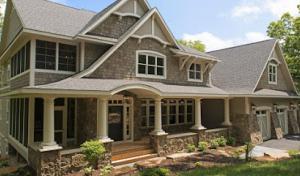
In Harrisonburg, winter ice damming can shorten the life of flashing and edge details, especially where meltwater refreezes along colder eaves. When snow melts on sunny afternoons and refreezes after dark, the resulting ice backstops water under shingles and into the fascia, exposing fasteners and valley flashing to repeated freeze-thaw cycles. This wears point of purchase sealant and can lift shingles at edges. To reduce risk, ensure edge metal and kickout flashings are properly sized and sealed, and have a professional inspect for gaps where shingles meet the wall line. If you notice water staining on the ceiling after a thaw, arrange a quick inspection of drip edges, valley metal, and the first row of shingles. Proactive edge maintenance and timely flashing upgrades can prevent costly leaks during mid-winter thaws.
Spring moisture and repeated wetting in the valley climate can expose weak underlayment, aging pipe boots, and compromised decking during replacement. In homes with valleys or roof penetrations, a delayed dry-out allows rot to creep into decking and reduces the effectiveness of underlayment layers. A local approach favors staging inspections that follow the snowmelt period: check for damp spots in the attic, test for moisture around pipe boots and chimney seams, and verify that underlayment appears continuous and properly lapped. If decking appears soft or darkened, plan a targeted replacement rather than a full roof when possible. Addressing underlayment and boot leaks early helps prevent slow, hidden leaks that develop during the next moisture cycle.
Fall winds and debris are a recurring local problem for exposed shingles, ridge components, and roof penetrations, particularly on homes with nearby tree cover. High gusts scratch and lift shingles, while fallen limbs can crack ridge caps and jostle vents. Regular seasonal checks of ridge vents, boot seals, and nearby tree limbs reduce the chance of debris-induced leaks. Keep gutters clear and inspect for loose granules or lifted tabs after windy days. Early reinforcement of exposed edges and resealing vulnerable penetrations saves on storm-season repairs and keeps the roof guarding the home during windy, debris-heavy periods.
Find contractors experienced in skylight installation, flashing, and leak repairs to bring natural light into your home.
Valley Roofing & Exteriors
(540) 820-2705 www.valroofing.com
5200 S Valley Pike, Harrisonburg, Virginia
4.9 from 712 reviews
Helmuth Roofing
(540) 733-3010 helmuthroofing.com
25 N Liberty St suite F, Harrisonburg, Virginia
4.9 from 84 reviews
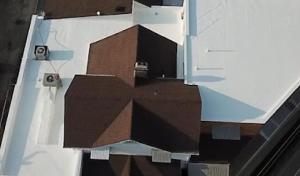
Steep residential roofing dominates the neighborhood, but the local contractor pool still includes firm flat-roof specialists for porches, additions, and mixed residential-commercial structures. Flat or low-slope sections in this area rely on careful drainage and robust seam detailing to weather spring rains and winter freeze-thaw cycles. Transitions between main pitched roofs and low-slope additions are a common leak point, especially during storm events and snowmelt. Expect flashing of these transitions to be a focal point when inspecting or planning a project.
In this climate, keep low-slope sections dry at the edges and center. Ensure the drainage plan features well-graded slopes toward rain leaders and scuppers, with no ponding beyond 48 hours after rainfall. For membrane systems, select a weather-tight cap sheet or fully adhered membrane that resists hail impact and temperature swings common to Shenandoah Valley springs. The seam detailing must be continuous across parapets and transitions, with matching internal and external angles to reduce seam blowout risk during storms.
If an addition ties into a pitched roof, insist on a continuous flashing path that covers the junction without gaps. Local storms and rapid snowmelt stress flashing at hips and ridges, so photos and written warranty language should emphasize material compatibility and wind resistance. At the interface where a low-slope roof meets a larger roof plane, use a pre-formed drip edge and a compatible termination bar. Loose or misaligned flashing is the most common source of leaks after heavy rain or a fast warm spell.
During routine checks, look for signs of ponding, blistering, or irregular flashing along the seams and at transitions. Verify fasteners penetrate securely through all layers and into solid decking, with proper sealant at seams. In spring, inspect for water staining at parapets and around penetrations, as these areas gather the most risk from freeze-thaw cycles and wind-driven moisture. If any doubt arises, a local flat-roof specialist can verify membrane adhesion and edge detailing to protect longer-term performance.
Find specialists in TPO, EPDM, and built-up flat roofing systems for residential and commercial properties.
Novaroof Commercial Solutions
(540) 534-5020 www.novaroof.com
30 Baxter Dr STE 150, Harrisonburg, Virginia
5.0 from 8 reviews
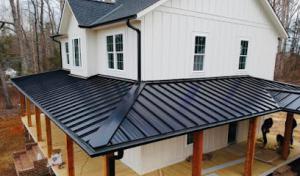
Local hiring patterns show homeowners in Harrisonburg strongly value quick response, which fits a market with frequent leak calls after wind and hail events. When a storm hits, the first 24 hours matter: a contractor who can be on the roof for a quick tarp, identify wind-driven leaks, and start a documented assessment reduces further damage. You should expect a clear plan for immediate temporary measures, plus a written timeline for the full repair. Ask for a dedicated point of contact, and confirm they'll relocate crews if weather blocks access. In practice, a contractor that can mobilize fast often wins the trust of neighbors who have already dealt with storm calls.
Affordability and re-roofing experience stand out in this city, suggesting many homeowners are balancing full replacement needs against budget pressure rather than shopping only for premium upgrades. Look for a contractor who can explain the trade-offs between shingle life, deck condition, and wind resistance in plain terms. Prioritize crews with a track record of staged solutions when a full replacement isn't immediately feasible, and request project histories from similar homes in town. A practical approach is to compare seasoned crews who explain options clearly, show proven performance in valley winters, and offer reliable workmanship without high-pressure upsells.
Cleanup is a major local expectation, indicating that homeowners here notice jobsite discipline and debris removal as part of contractor quality. Expect daily containment, damaged-material haul-off, and magnet sweeping for nails. A responsible crew should seal off gutters and landscaping during work, protect driveway surfaces, and leave the site visibly tidy at day's end. Before signing, confirm a written cleanup checklist, and request photos from the finish of each workday. This adherence to cleanliness is not optional here; it's part of the baseline professionalism that neighbors rely on after a storm season.
Storm claims demand organized documentation. A reputable contractor gives you a clear, itemized before-and-after narrative, with dated photos of wind-driven damage, shingles missing or lifted, and evidence of moisture intrusion. You want a repair plan that frames the claim against the actual conditions found on the roof, plus a straightforward process to share these documents with your insurer. In practice, effective contractors help you compile the evidence and coordinate any necessary follow-up inspections without dragging things out.