Last updated: Apr 19, 2026
Spring hail and thunderstorms are a primary roofing trigger in this area, and they often create sudden surges in repair and reroof demand. When those storms hit, shingles can crack, granules can shed, and edges can lift just enough to compromise long-term protection. In Aniston's foothill climate, a quick response matters: delaying a roof repair after a hail burst can allow leaks to take hold and lead to more extensive damage down the line. Expect the pace to ratchet up the moment the first hail reports come in and keep in mind that wind-driven impacts can expand the scope of what's considered storm-related once an insurer gets involved.
In this market, wind and hail claims are common enough that insurers often ask for detailed estimates, proof of roof age, and close-out documentation before finalizing payment. That means you'll want a plan to present a complete file: dated photos showing gradual wear plus fresh storm damage, a record of roof age and previous repairs, and a line-by-line estimate from a reputable local contractor. If a claim is filed, expect adjusters to request third-party quotes and contractor validation of the damage. Having that documentation ready speeds up the process and reduces the chance of dispute over what qualifies as storm-related versus pre-existing condition.
Because replacement timing is closely tied to adjuster inspections and contractor availability after severe weather, the decision calendar in this region hinges on when an adjuster can view the roof and when a trusted local crew can begin work. Do not wait for a "perfect" window-storm seasons in this area can create narrow windows between hail events and rain. The key is to establish contact with a roofer who can accompany you on the adjuster visit, provide a detailed scope, and line up material lead times. If a storm has recently passed, expect a backlog of calls; getting in early with a reputable contractor can prevent a delay that would stretch into weeks.
Adjusters will evaluate whether the damage is isolated to recently hit areas or part of a broader wear pattern. They'll verify the roof's age, assess underlayment integrity, and check for interior signs of weather intrusion. In practice, this means you should prepare a clear map of damaged sections, note any previous repairs, and be ready to discuss the roof's service life. A thorough, coherent presentation reduces the chance of "patchwork" arguments and helps ensure the claim reflects the full scope of necessary work.
Act quickly to document damage with date-stamped photos from multiple angles, both from ground level and attic if safe. Contact your insurer and request guidance on the claims process, then secure a local, licensed roofer to perform a comprehensive assessment. Ask the contractor to provide a detailed, line-item estimate that supports the scope of storm-related damage and to document any age-related wear that might influence coverage decisions. During the adjuster visit, bring the contractor to discuss specifics and to help translate observed damage into a defensible claim. Finally, keep close track of all communications, estimates, and approvals, because insurer decisions often hinge on timely, well-supported documentation.
Spring storms and fall weather windows shape when roofing windows get installed in this market. Projects are commonly planned for spring or fall to avoid peak summer heat and to reduce weather-related installation disruptions. If a hail event or wind damage triggers a roof replacement, align window work with the reroof timeline to keep crews from juggling multiple phases. Planning ahead matters: choosing a window type that complements your shingles or metal panels helps avoid mismatched appearances once the new roof is in place. For a homeowner with a slated spring project, you may want to schedule window detail work early in the sequence so the roofer can finish ventilation and flashing around the opening before shingle or panel installation ramps up.
In east-central Alabama, the window selection should balance energy efficiency, ventilation, and resistance to weather-induced wear. Skylight and roof-penetrating windows with curb-mounted frames tend to perform best when properly flashed, but they require precise installation to resist wind-driven rain. If hail is a concern, consider reinforced glazing and impact-rated glass where available, especially for larger skylight panels. A common approach is pairing a tempered or laminated inner pane with a shatter-resistant outer layer. For homes with attic routes and limited attic space, a vented roof window can improve air flow, but ensure the vent mechanism is rated for hot summers and high humidity. In a reroof scenario, matching the window flash to the new roofing material reduces the number of penetrations and potential leak points.
Summer heat and humidity slow crews, affect shingle handling, and make attic conditions more difficult during tear-off and installation. When planning roof windows, pick a time of day for flashing work that avoids the hottest afternoon window. In hot months, crews appreciate shade and a clear path from the ladder line to the attic access. Attic temperatures spike quickly, so consider temporary cooling measures or scheduling window work early in the project to minimize thermal stress on sealants and flashing tapes. Proper ventilation of the attic during and after installation reduces odor buildup and protects foam gaskets and sealants from drying out too fast. For homes with shallow roof pitches, extra care is needed to prevent window frames from bowing during expansion in heat. Ensure fasteners penetrate solid sheathing and not just single-ply layers, and verify that underlayment transitions around the curb are continuous to prevent leaks.
Spring storm damage and insurance-driven reroof timing influence when roof windows are installed. If hail or wind damage prompts a roof replacement, align window installation with the sequence so that the structure is dry before final flashing. Insurance-driven schedules can compress decision timelines, so demand a written scope that includes window flashing, curb installation, and any necessary refinishing around the opening. Winter pauses are possible but rare; freezes can delay certain installations and delay inspection scheduling. When a winter pause happens, keep windows secure with temporary coverings and plan to resume after a thaw to re-evaluate flashing and sealant performance. Coordinate closely with the roofing crew to ensure that window flashing aligns with the selected roofing system, preventing mismatches in color or texture that would stand out after the roof is complete.
After installation, inspect the window flashing after heavy spring rains and after major hail events. Look for condensation between panes or unusual drafts, which can indicate flashing or sealant issues at the curb. Clean gutter lines and ensure flashing drip edges are directing water away from the curb opening. In this climate, routine checks every couple of seasons help catch sealant wear before it leaks, especially at joints where the curb meets the roof and around any vented units. A well-chosen roof window that is properly flashed and sealed can provide refreshing daylight without inviting moisture, even amid Anniston's spring storm cycle.
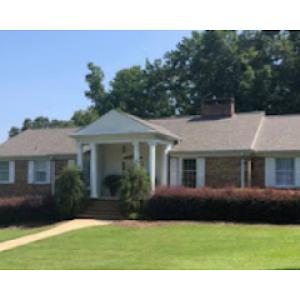
Hollingsworth Roofing
(256) 689-0515 www.hollingsworthroofingco.com
1966 Iron City Rd, Anniston, Alabama
5.0 from 181 reviews
Roofing Specialists in the Anniston, AL area with 5-Star Reviews Your Local source for your roofing needs We are the premier roof replacement company in the Anniston, Alabama area. Our 5-Star reviews show that we are the trusted local choice for your roofing replacement and repairs. Since 2009, Hollingsworth Roofing has been guaranteeing high-quality work and using the best roofing and siding materials. Along with roof installation and repair, we offer siding and gutter installation as well. We work with various roofing types, including asphalt shingles, metal and flat roofs.
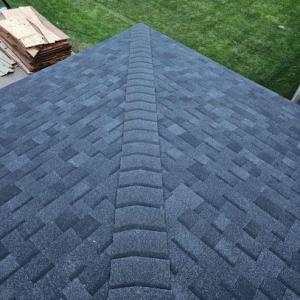
Southern Elite Roofing & Remodeling
(256) 403-0279 southerneliteco.com
301 S Quintard Ave Suite 3, Anniston, Alabama
4.9 from 37 reviews
Your local experts dedicated to providing top-tier roofing solutions. With years of industry experience, our skilled team specializes in residential roofing services, including repairs, replacements, installations, and maintenance. We prioritize quality and customer satisfaction above all else. We use only the highest quality materials and advanced techniques to ensure lasting durability and performance for every project. Our personalized approach means we tailor our services to meet your specific needs and preferences, ensuring a seamless experience from start to finish. Trust us to protect your property with expert, transparent communication and a commitment to safety and professionalism. Call to feel the southern elite difference.

Oxford Quality Roofing
(256) 342-4923 oxfordqualityroofing.com
Anniston, AL
4.8 from 17 reviews
29 years in business, serving Anniston/Oxford and the surrounding area. We install shingle, metal, and flat single ply. Save money with roof repairs!
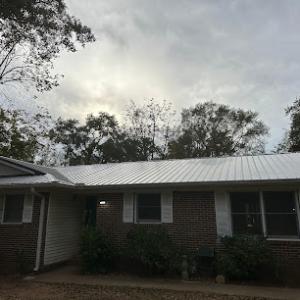
S&S Roofing & Remodeling
67 Clara Sears Dr, Anniston, Alabama
5.0 from 10 reviews
With years of experience, professional craftsmanship, top-quality materials, top-quality work and affordable pricing, our roofing and Remodeling company stands out as a trusted choice for all your home improvement needs. ✅ local & family owned ✅ license bonded & insured ✅ 30+ years experience ✅ affordable prices guaranteed ✅ Free estimates & Inspections ✅10% veteran / active military discount

Top Tier Roofing
(256) 454-3686 toptierroof.com
Serving
4.9 from 82 reviews
Top Tier Roofing is a licensed and insured roofing contractor located in Oxford, Al serving the greater Birmingham area. We specialize in roof replacement, repairs, inspections, and storm damage restoration for residential and commercial properties. With a commitment to quality and reliability, we’re your trusted choice for roofing in Oxford and surrounding areas. ✅ Available 24/7 | ✅ Insurance Experts | ✅ Locally Owned & Operated

Bar-B Windows & Roofing
(256) 792-6073 www.barbroofing.com
Serving
4.7 from 172 reviews
"Serving both commercial and residential clients, we specialize in repairing, replacing and installing metal, shingle, flat and hydro-stop roofs. We provide exceptional warranties, while all our work is guaranteed for your satisfaction. Our company is fully licensed and insured to ensure the protection of your property as well as employees or family members. Contact us today to receive your free estimate on any roofing service you require. We're here to diagnose the problem and come up with a comparable solution."
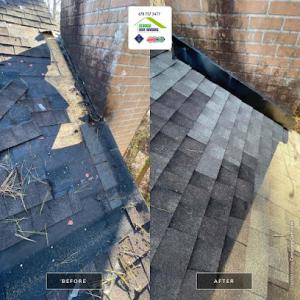
Superior Roofing & Home Care
(256) 865-0206 superiorroofingalabama.com
Serving
4.9 from 39 reviews
Partner with the Top-Rated Roofing Company in Oxford Storm and impact damage can significantly degrade the quality of your roof. Your property may be overdue for maintenance if you notice leaks inside the home, mold or algae accumulation on shingles, or stains on your ceilings. Hire our professional team to protect your home before these hidden problems compromise the structural integrity of your roof. When your roof needs work, you want a team that responds quickly to requests and provides professional recommendations during every visit. Feel confident knowing that our contractors will take the time to assess your home thoroughly. You can enjoy personalized strategies for all your roof repairs.
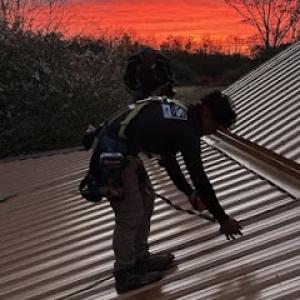
E & Y Roofing & Construction
(256) 770-9219 eandy-roofingandremodeling.com
Serving
4.8 from 23 reviews
E&Y Roofing and Remodeling is a trusted roofing and siding contractor serving Oxford, Alabama. Our team specializes in metal roofing, storm damage repair, and other roofing services for residential and commercial properties. With our expertise in roofing with metal, we provide top-quality craftsmanship and exceptional customer service. Contact us for all your Oxford roofing needs.
Roof Revivers
(256) 847-4099 roofreviversllc.com
Serving
4.7 from 40 reviews
We provide high quality roof restoration services to the communities in and around Alexandria, AL. Our team has years of experience repairing and washing roofs to make homes look brand new. Call today for shingle repair, pressure washing, and roof washing.
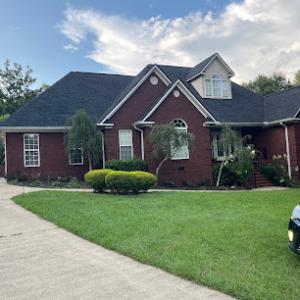
Storm Proof Exterior Construction
(256) 645-9721 stormproofal.com
Serving
5.0 from 19 reviews
Alabama Roofing License #31650. Storm Proof Exterior Construction is a professionally owned and operated Roofing Contractor located in Calhoun County Alabama. We are dedicated to keeping your family protected from the elements. Our goal is customer satisfaction guaranteed. We strive for excellence no matter how big or small the project is. Our craftsman are highly trained professionals ready to keep your family safe whatever the cost.
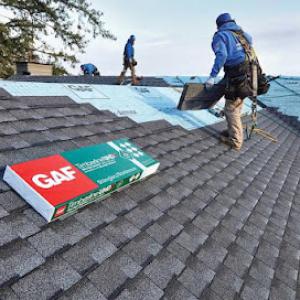
Seamless Roofing
(256) 310-6096 www.seamlessroofal.com
Serving
5.0 from 7 reviews
Free Estimates Shingle roofs Shingle repairs Metal roofs Metal repairs Storm damage and inspection Insurance specialists TPO roofs

D&G Roofing
(256) 295-8950 dgroofingcontractorsal.com
Serving
5.0 from 23 reviews
Established in 1992, D&G Roofing Contractors has been providing roofing installation and repairs for homeowners and businesses across Central Alabama. We will closely evaluate your insurance claim and work with your insurance company to pay the amount you need to fix the damage. We are proud to have been with the Better Business Bureau for over 10 years with zero complaints. As your storm damage specialist, we will repair any roof damaged by wind or hail quickly and accurately. Roof Renovations Roof Replacements Processing Insurance Claims Repairing Storm Damage To sum it all up, we provide everything it takes to protect your most important investment – your home. Contact us to get started with an estimate.
In this part of Alabama, the roof is more than a curb appeal feature-it's a shield against heavy spring storms, hail, and long, humid summers. Asphalt shingles and metal roofing stand out as the practical backbone of most homes in this area. Asphalt shingles pair well with the typical residential framing you'll find in the region, and metal roofing offers robust wind resistance and fast shedding of storm-driven rain. For a homeowner watching the reroof market, these two options hit a useful balance between performance under hail, ease of maintenance, and the realities of getting a quick, reliable replacement when a storm takes a bite out of the roof.
Anniston's foothill exposure means more wind-driven rain and occasional hail during spring storms. The material you choose should emphasize impact resistance, solid fastening, and a rain-shedding profile that minimizes water intrusion during heavy downpours. Asphalt shingles with good underlayment and sized-tab designs tend to perform reliably in scorching summers because their layered composition helps resist heat buildup and cracking. Metal roofs, on the other hand, excel at shedding water quickly and resisting wind uplift, which makes them a strong choice when a storm edge or misaligned shingles threaten the roof's integrity. When evaluating options, focus on surface hardness, fastener tightness, and roofing systems that maintain a weather-tight seal throughout long, humid periods.
Clay tile, slate, copper, and fiber cement appear in the market, but they are far less common. If a higher-end option is on the table, consider how these materials align with the house's structure, especially the roof's load-bearing capacity. Clay tile and slate bring distinctive aesthetics, but they require careful assessment of rafters, decking, and supports to handle their weight. Copper offers exceptional longevity and a unique aging look, yet its cost and weight demand precise detailing in fastening and flashing. Fiber cement shingles provide durability and a broader texture palette, but installation precision matters to prevent cracking under temperature swings and wind. In weather-heavy neighborhoods, any premium choice should be paired with a reinforced underlayment and a careful assessment of the roof deck's ability to carry the load without sagging.
With frequent storms, fastening quality becomes a top concern. You want fasteners that resist loosening under vibration and temperature cycles, with proper spacing and sealing to prevent water migration around edges and penetrations. Water-shedding performance matters as much as raw appearance; a low-slope approach or misfit flashing can turn a weather-tight roof into a recurrent moisture problem after the first severe storm. For any non-asphalt option, verify supplier support for replacement parts and color-matching materials, since local sourcing can influence long-term upkeep. In practice, a sound choice balances storm resilience, ease of repair, and predictable performance across the season's heat, humidity, and wind.
Local reroof pricing is affected by storm-driven demand spikes, especially after spring hail events when contractor schedules tighten across Anniston and Calhoun County. In those windows, you'll notice lead times lengthen and estimates tighten as crews shift to high-priority hail repairs. This helps explain why timing can push price up a bit, even before material choice.
Across typical residential roofs, asphalt shingles sit in a practical middle ground, with costs around 350 to 650 USD per square installed. Metal roofing tends to run 600 to 1,000 USD per square, offering durability against the foothill weather but at a higher upfront price. If you're considering premium systems, clay tile runs roughly 750 to 1,500 USD per square, slate from 1,200 to 2,600 USD per square, copper from 1,800 to 4,200 USD per square, and fiber cement shingles from 500 to 900 USD per square. These figures reflect how storms and local demand shape bids in our market.
Costs in Anniston can rise when homeowners choose premium systems like slate, copper, or clay tile because those materials need more specialized installation than the area's standard shingle reroof work. In practical terms, a premium system may require skilled framers, closer attention to drainage transitions, and longer installation timelines, all of which translate to higher labor costs and tighter schedules during peak demand after hail events.
Seasonal timing matters locally: spring and fall are preferred installation windows, so pricing and lead times can shift when many homeowners try to book work in those milder periods. If a hail claim drives a surge in projects right after spring storms, you'll often see quicker starts but higher bids, especially for premium materials. Keep an eye on forecasted weather windows and plan accordingly to balance price and scheduling.
Don't let upfront costs delay a critical repair - these contractors offer payment plans to fit your budget.
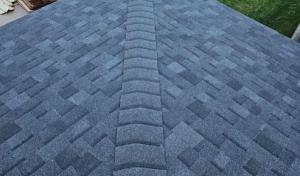
Southern Elite Roofing & Remodeling
(256) 403-0279 southerneliteco.com
301 S Quintard Ave Suite 3, Anniston, Alabama
4.9 from 37 reviews

When planning a full reroof in this area, the project is not something to handle on the sly. A full reroof in this jurisdiction requires a building permit rather than informal replacement without review. Skipping the permit step can lead to delays, fines, or a stop-work order that disrupts spring storm repairs right when you need protection from wind and hail. The permit process is not a barrier to getting back on track; it's a safeguard that helps ensure the roof, decking, and flashing are installed to withstand the region's typical storm patterns.
Applicants are expected to file with the city or county building department and provide contractor license information along with the project scope. In practice, this means your chosen roofing team should deliver a clear description of the replacement, the materials to be installed, and the timeline. Have the contractor's license, insurance, and any required endorsements ready, because they will be part of the official records. If the project scope broadens midstream-such as adding insulation or upgrading underlayment-an additional review can become necessary. Staying ahead of that paperwork helps avoid hold-ups during a season when storm damage can push timelines.
Inspections are scheduled during and after the work, with final release issued only after installed materials and workmanship meet the approved plan and code requirements. Expect at least a rough-in check while the installation is underway, focusing on flashing, substrate condition, and proper nailing patterns. A mid-project inspection helps catch moisture exposure or decking concerns early, which is critical after a harsh winter or spring storm sequence. The final release hinges on adherence to the approved plan, verification of the selected materials, and confirmation that the installation aligns with local codes and the city or county's specific requirements. Failing to pass the final inspection means delays, additional work, and the risk that your new roof won't be fully protected when the next storm arrives.
Keep all permit-related documents in a central spot, and coordinate with your contractor to schedule inspections promptly. If weather or material supply issues push the timetable, notify the building department and your roofer so rescheduling doesn't become a scrambles-and-stress situation. Knowing you have the right permits and an aligned inspection plan helps ensure your reroof process proceeds with fewer surprises when calendar storms loom and the demand for timely repairs spikes.
In a roof-claim environment where wind and hail losses are common, insurers pay close attention to roof age and material type. The way a claim is handled in spring storms can hinge on the narrative your paperwork tells about condition history and replacement timing. Missing or muddled records can slow decisions or lead to insufficient coverage being approved. A clear trail helps adjusters see the full picture, not just the latest damage.
Keep dated photos that show the roof's condition before and after events, with timestamps and weather notes if possible. Retain prior replacement or major repair records, including contractor invoices and warranty documents. Contractor close-out documents matter, because adjusters may review material history, shingle type, and the roof's age against the claim. Store everything in a single, organized folder-digital copies backed up off-site reduce the risk of loss. If you switch contractors between storms, preserve the handoff notes and any remaining warranty details.
Material choice can affect insurability and premium treatment in this region, especially when older roofs or storm-vulnerable systems are involved. Some materials weather hail and high winds differently, and insurers scrutinize whether a roof can reasonably withstand the next spring's storms. If a roof is nearing the end of its expected life or uses a track record prone to hail impact, expect closer reviews and possibly stricter adjustment parameters. Being proactive about documenting ages, upgrades, and maintenance helps you navigate those conversations with fewer surprises.
Create a folder labeled with your address and storm season year. Photograph the shingles, flashing, and hips or ridges from multiple angles after every significant storm. Before any reroofing, collect a full set of contractor-closeout documents and a detailed scope of work. Share a copy with your insurer and keep the originals in a secure place. This preparation reduces friction when a claim hits the desk during the busiest spring weeks.
Connect with contractors who help homeowners navigate the claims process from damage assessment to final approval.
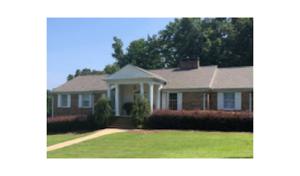
Hollingsworth Roofing
(256) 689-0515 www.hollingsworthroofingco.com
1966 Iron City Rd, Anniston, Alabama
5.0 from 181 reviews
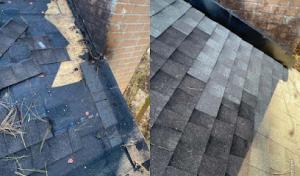
Although Anniston is primarily a residential pitched-roof market, local contractor signals show a meaningful niche for flat and low-slope roof work that should not be treated like standard shingle reroofing. Expect more frequent coordination for drainage, flashing transitions, and membrane options. In practice, that means you should plan for a detailed drainage plan, with clearly defined high and low points, and verify that the chosen system can handle the seasonal Alabama downpours without creating hidden ponding. When a contractor pitches a low-slope job, insist on a written sequence that outlines carton-by-carton material transitions, flashing details, and edge terminations. Avoid shortcuts on edge detailing or curb penetrations, because a small leak in a low-slope area can mimic a much larger issue once moisture travels along the deck.
Frequent storms and heavy rain events in this part of Alabama make drainage details especially important on low-slope sections. Inspect the roof before a plan is finalized for any areas where water sits longer than a typical ridge run, and ask for a testing protocol that mirrors Alabama rain patterns. Ensure that transitions between flat sections and adjacent pitched areas are integrated with a continuous waterproofing layer. Pay attention to penetrations where flashing meets the membrane; missteps here can lead to slow leaks that only show up after several storms. If a low-slope area sits near a valley or gutter line, add a secondary catch mechanism or an internal scupper detail to route water efficiently off the surface.
Skylight work appears as a smaller specialty in the local market, suggesting homeowners with older roof penetrations may need targeted repair expertise rather than a general reroof crew. When a skylight is involved, verify the contractor's track record with both the flashing envelope and the retrofit glazing. Consider requesting a dedicated skylight technician to assess flashing wear, sealant aging, and any frame corrosion, rather than bundling this into a full-coverage reroof crew. If an older shaft shows water marks around the glazing bay, treat it as a targeted repair priority before larger roof work.
Find specialists in TPO, EPDM, and built-up flat roofing systems for residential and commercial properties.
Hollingsworth Roofing
(256) 689-0515 www.hollingsworthroofingco.com
1966 Iron City Rd, Anniston, Alabama
5.0 from 181 reviews