
Last updated: Apr 19, 2026
Summer thunderstorms in this area deliver sudden downpours that can overwhelm roofs in minutes. A shingle lift, torn flashing, or a loose vent boot can turn a small leak into an attic soaking before you can reach the interior. If you notice dripping, discoloration on ceilings, or damp insulation, treat it as an active leak and act fast. Start by locating the fastest ingress point from the attic or exterior and plan a temporary stopgap to protect valuables below-heavy contractor-grade tarps or sturdy plastic sheeting anchored with boards or bricks can buy critical hours. Do not delay calling a local storm-focused contractor when roof metabolism looks compromised after a driving rain.
Auburn's weather pattern makes roof vulnerable not just to wind but to moisture-driven issues that mimic more serious failure. Look for lifted edges, curling shingles, or loose flashing around chimneys, skylights, vents, and dormers. Autumn winds in east-central Alabama can push shingles up and back, especially on roofs that were sealed poorly during installation. If you recently had a new roof, inspect sealant lines and batten details for gaps or irregularities. In the attic, check for fresh batts of insulation pushed aside by wind-driven infiltration or for signs of water staining that trace back to a specific flashing seam or vent. The goal is to identify the likely entry path so a contractor can prioritize repairs without guessing.
When a leak is active, prioritize safety and quick stabilization. Move valuables away from the affected area and place a bucket or container under the drip to reduce water damage. If you are comfortable climbing, cautiously reseal exposed seams with temporary tape or waterproof membrane, but avoid creating additional damage by forcing material back into place. If you cannot control the source, avoid tarping over a live electrical panel or equipment. In many Auburn neighborhoods, storm-focused crews offer rapid-response emergency repairs to cover the most critical gaps, reducing interior damage until a long-term fix can be completed.
The local contractor signal mix indicates storm damage and emergency repair are the most prevalent specialties. When choosing help, verify that the contractor can demonstrate recent, relevant storm work and can document a clear scope of needed repairs. Prioritize firms with strong references for rapid deployment, transparent communication, and a plan for wind-related uplift and flashing repairs. Confirm they will perform a temporary hold-down if winds threaten exposed areas and that they have the materials on hand for quick re-sealing after a storm event. A capable storm-focused contractor will arrive with a clear triage plan, a tarp and fast-sealing kit, and a path to a permanent fix that addresses both shingles and flashing.
Storm events in this area commonly require documentation to support insurance claims. Gather a dated record of the damage, including timestamps from the storm, weather reports, and photos that highlight the most vulnerable areas-edges, valleys, flashing seams, and penetrations. Create a simple map of the roof showing problem spots and mark any temporary repairs. Save all receipts for emergency materials and contractor visits, and keep a log of communications with insurers, including dates, names, and promised timelines. If a claim is filed, insurers frequently request a scope of repairs, so the contractor should provide a detailed estimate that itemizes damaged components and proposed remediation. Share this information promptly with your insurer to avoid delays.
After the immediate leak is controlled, plan a thorough roof assessment that includes shingle condition, flashing integrity, and vent or chimney connections. In light of autumn wind uplift concerns, ensure proper sealing and fastening methods were used on your early-installed roof if it was installed during a period of marginal sealing conditions. A well-documented, prompt response not only minimizes interior damage this season but also fortifies the structure against the next storm surge. Stay in touch with a trusted local contractor who understands the Auburn storm cycle and can coordinate both rapid emergency repairs and the subsequent, comprehensive roof replacement or repair plan.
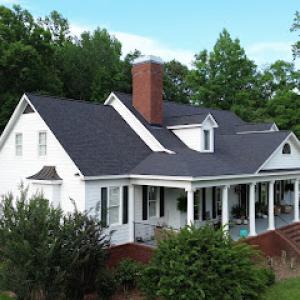
Perimeter Roofing Auburn
(334) 500-3802 perimeterroofing.com
1452 Opelika Rd # E, Auburn, Alabama
4.9 from 76 reviews
At Perimeter Roofing, we pride ourselves on being Auburn's go-to roofing company for all residential and commercial roofing needs. With a focus on quality craftsmanship, exceptional customer service, and timely project completion, we offer a full range of services, including inspections, repairs, installations, and maintenance, using only the highest quality materials and industry-leading techniques. Our team is equipped to handle everything from routine inspections to large-scale installations, making us the best roofing company for both residential and commercial clients in Auburn.
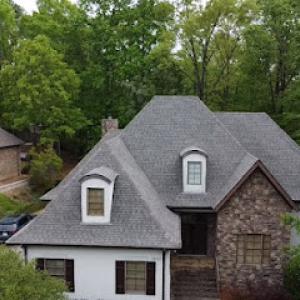
Galactic Roof Company
(334) 332-1967 www.galacticroof.com
2105 Keystone Dr, Auburn, Alabama
5.0 from 34 reviews
At Galactic Roofing, we understand the significance of a sturdy, reliable roof. That's why it's our steadfast mission to deliver nothing short of the highest quality products and services to our valued customers. As a family-owned and operated business, we infuse every project with a personal touch, taking immense pride in our workmanship and our ability to meet the unique needs of each homeowner. Honesty, integrity, and hard work form the cornerstone of our values here at Galactic Roofing.
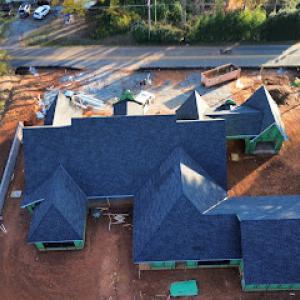
National Restoration
(404) 271-3254 nationalrestorationatl.com
1986 Thistle Ln, Auburn, Alabama
5.0 from 20 reviews
National Restoration tackles both home renovations and new builds in Alabama. Their licensed contractors are experts in roof repair and replacement, and can also bring your dream home to life from the ground up. Whether you need a leaky roof fixed or a custom floor plan designed, National Restoration offers the experience and skill to transform your vision into reality.
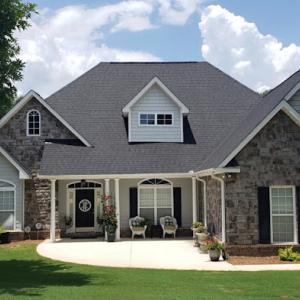
Preferred Roofing
(334) 748-7663 preferredroofing.org
2415 Moores Mill Rd Suite 265-108, Auburn, Alabama
4.9 from 30 reviews
Preferred Roofing is your go-to roofing company, specializing in roof repair and roof replacement in your area. As leading roofing contractors near you, our team offers top-notch roofing services including metal roofing, gutter installation, and roof leak repair. We understand the urgency of emergencies and provide prompt emergency roof repair services to protect your home or business. Whether it's commercial roofing or residential projects, our expert team ensures quality craftsmanship and customer satisfaction. Choose Preferred Roofing for reliable, efficient, and affordable roofing solutions. Contact us today to experience exceptional service from the top roofing contractors near you!
All-V Roofing & Restoration
(334) 319-2759 www.allvroofing.com
Unmanned Location, 1550 Opelika Rd Suite 6 Box 296, Auburn, Alabama
4.9 from 30 reviews
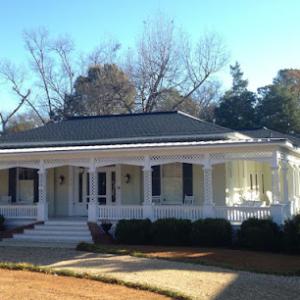
ALL-V Roofing specializes in asphalt shingles, metal roofing, roof coatings, and flat/low slope applications on both residential and commercial buildings.
Caldwell's Roofing Auburn & Opelika
(334) 332-7799 caldwells-roofing.com
1780 Hyden Park Ln, Auburn, Alabama
4.8 from 22 reviews
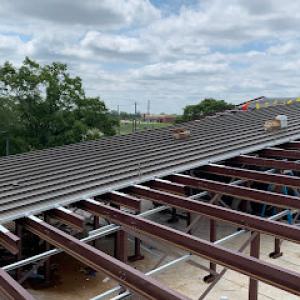
For more than fifteen years, Caldwell's Roofing Auburn & Opelika has been the trusted name for residential and commercial roofing across East Alabama. We specialize in expert installation of shingles, standing seam metal, copper, slate, and flat membrane systems such as TPO and PVC. Our crew brings training and certifications from leaders like GAF Residential/Commercial, IB Roof Systems, McElroy Metal, and the Slate Roofing Contractors Association, ensuring the highest standards of craftsmanship. Every reroof and repair is completed with care, attention to detail, and materials designed to withstand Auburn and Opelika’s climate. With Caldwell’s Roofing, you get a roof that is durable and professionally installed.
G.R.Roofing
(334) 758-3625 grroofing.online
425 Webster Rd lot 701, Auburn, Alabama
5.0 from 4 reviews
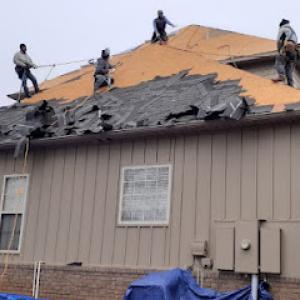
G.R.Roofing. We offer High quality service. Roofing replacement. Roof repair. Metal roof. Shingle. Also we Remodeling. SIDING. Painting. Flooring. And more.
Ultimate Roofing Company
2594 Capri Way, Auburn, Alabama
5.0 from 1 review
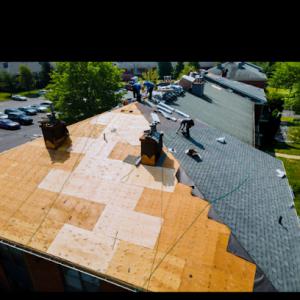
Ultimate Roofing is locally owned and operated with a commitment to meeting the roofing needs of our local community. Our roofing company of professionals have installed shingle roofs, flat roofs, and metal roofs in the Auburn area. Our community-minded approach and our reputation to deliver a quality product in a professional manner keeping this roofing company at the forefront. Providing roofing inspections, roof repairs, and roofing maintenance to your neighbors should give you the confidence to choose us as your “go-to” roofing company, Auburn, AL.
SRS Contracting
(334) 739-8958 www.srscontracting.net
Serving
5.0 from 2 reviews
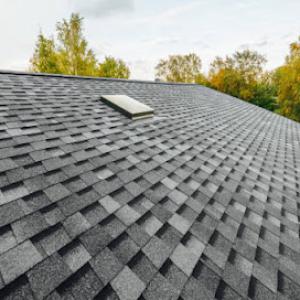
"Whether Your Looking For A New Roof, Storm Damage Assistance, Roof Repair, or A Roof Inspection, SRS CONTRACTING Is Your Go-To Team Serving Auburn, AL & All Surrounding Areas!"
JWC Roofing
(334) 614-9652 jwc-roofing.com
Serving
5.0 from 66 reviews
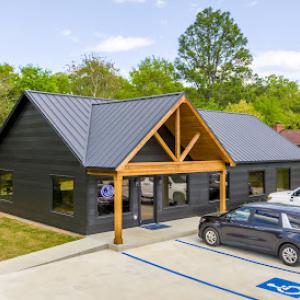
Licensed & Insured with over 10 years experience. JWC Roofing holds over a decade of on-the-job experience, bringing an unparalleled wealth of knowledge to every project. My commitment to precision installation, in strict accordance with manufacturer specifications, ensures that each roofing system meets the highest standards.
Opelika & Auburn Roofing
(334) 749-3160 www.oaroofing.net
Serving
4.6 from 48 reviews
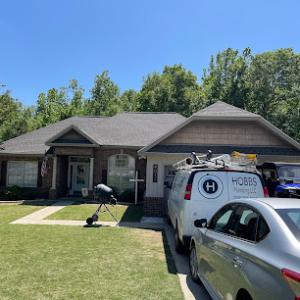
Established in 1946, Opelika & Auburn Roofing is a family-owned and operated roofing contractor serving Opelika and Auburn, Alabama. We specialize in asphalt shingle and metal roof installations, ensuring quality that surpasses industry standards.
USA Roofing
Serving
4.2 from 5 reviews
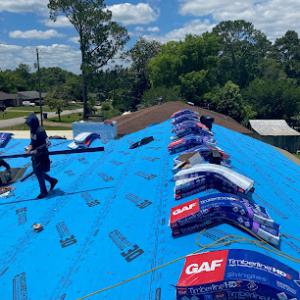
USA Roofing A Locally owned and operated company based in Opelika Alabama. Fully Licensed, Bonded, and Insured. Give us a call today for a Free comprehensive roof inspection! Ask about our $99 dollar a month roof replacement package!
Auburn homeowners are in a Southeast insurance environment where wind and hail claims are common and carriers often require strong photo documentation and date-specific evidence. After a storm, you should act quickly to capture the scene before residents and weather make changes-new granule loss on shingles, dented metal edging, or displaced chimney caps. Take dated photos that show the overall roof, any visible damage from multiple angles, and close-ups of shingles, underlayment, and flashing. Keep a simple photo log noting the exact time and weather conditions when each image was taken. This approach helps prevent later disputes about when the damage occurred, especially after a busy storm season when adjusters may see dozens of similar files.
Because severe weather claims are frequent in Alabama and the broader Southeast, document elevations, soft metal impacts, interior leaks, and any emergency tarping immediately after a storm. Elevation views show which sections of the roof are most affected, while close-ups of soft metal impacts (like dented vents, collapsed curb mounts, or bent drip edges) provide tangible evidence of force. Interior leaks merit careful notes: date-stamped photos of water staining on ceilings, walls, and attic insulation, plus a simple sketch indicating where the water entered. If tarping is necessary, photograph the tarps in place and any gaps around them. This visible record helps an adjuster see the severity beyond a casual complaint, reducing the risk of a partial or delayed payment.
Local contractor activity shows insurance-claims assistance is a meaningful specialty in Auburn, reflecting how often homeowners need help navigating adjuster inspections and scope disputes. If a claim begins to stall or a scope feels unclear, seek a contractor or public adjuster familiar with Southeast weather patterns and common roofing assemblies. A trusted advisor can help translate what the carrier is asking for, point out where the damage may extend beyond the visible surface, and ensure that the scope includes roofing components that respond to wind uplift, hail impact, and moisture intrusion. Start with a vendor who has a track record of reviewing claims with adjusters to avoid conflicting reports about yardage, ridge lines, or attic space.
When the adjuster arrives, present the photo log and a concise list of affected areas, including dates of the storm events. Have the roof's known materials in mind, so you can discuss typical failure points for that system and align expectations about what the scope should cover. If there are early warning signs-soft spots, granule leakage, or recurring leaks across multiple seasons-bring those observations to the table so the adjustment reflects the full scope, not just the most obvious punch points. This approach protects the home's long-term resilience after the next storm season.
Connect with contractors who help homeowners navigate the claims process from damage assessment to final approval.
Perimeter Roofing Auburn
(334) 500-3802 perimeterroofing.com
1452 Opelika Rd # E, Auburn, Alabama
4.9 from 76 reviews
Galactic Roof Company
(334) 332-1967 www.galacticroof.com
2105 Keystone Dr, Auburn, Alabama
5.0 from 34 reviews
National Restoration
(404) 271-3254 nationalrestorationatl.com
1986 Thistle Ln, Auburn, Alabama
5.0 from 20 reviews
Auburn's hot, humid summers and frequent rain make moisture management, attic ventilation, and algae resistance especially important when selecting roofing materials. The roof not only shields you from storms but also must shed moisture quickly and stay dry inside the attic. Materials with good moisture tolerance and wind resistance perform better in this environment, and proactive maintenance helps prevent faster aging from humidity and algae growth.
Asphalt shingles and metal roofing are the most practical mainstream choices in this climate. Asphalt shingles are forgiving, easy to repair, and work well with standard attic ventilation setups common in Auburn homes. When choosing asphalt, prioritize a laminated/architectural profile and a visible algae-resistant (AR) coating to curb green staining on humid days. Metal roofing offers excellent wind and rain performance and tends to shed moisture efficiently, which helps in storms and heavy downpours. Look for panels with a standing-seam design or interlocking panels and a reflective coating to reduce heat gain in the attic. For both options, ensure the roof deck stays well-ventilated above a properly vented soffit-and-ridge system to minimize condensation and mold risk.
Tile and wood products can be durable if installed and maintained with extra attention to moisture exposure. Clay and concrete tiles bring a long service life but add significant weight and require a sturdy underlying structure. Verify structural load capacity and consider underlayment choices that resist moisture migration. Concrete and clay tiles perform best when attic and roofline ventilation is robust, as heat and humidity can loosen fasteners and accelerate sealant degradation. Wood shingles or shakes demand a meticulous maintenance schedule in Auburn's humidity; untreated wood can swell with moisture and invite leaks. If choosing wood, select pressure-treated or naturally resistant species and pair with a quality underlayment and a regular treatment plan to manage moisture and algae growth.
Spring and fall are generally the most favorable roofing seasons in Auburn because summer heat can affect adhesive performance and winter conditions can narrow installation windows for some products. Plan installations to avoid peak heat when adhesives cure slowly or drying times are extended, and schedule inspections after the spring thunderstorm season to catch storm-related damage early. For rapid leak response, set up a straightforward process to document and communicate with your insurer and contractor after a storm, focusing on attic ventilation checks, moisture ceilings, and signs of algae or mold on the roof deck.
Storm-driven demand spikes shape pricing in this market, especially after regional wind and hail events when reroofing schedules tighten and crews are scarce. In practical terms, that means a quick surge in lead times and a bump in material and labor costs if a homeowner delays. Expect price awareness to rise in the wake of a major storm, and be prepared for swift contractor turnarounds that prioritize urgent leaks and widespread damage.
Material choice matters sharply here. Asphalt shingles sit at the lower end of the market, while tile systems carry the highest price tag due to labor intensity and structural considerations. The typical cost range per square (one roofing square equals 100 square feet) reflects this spread: asphalt shingles 350-700, metal 700-1300, clay tile 1400-2600, concrete tile 1000-1800, wood shingles/shakes 600-1200, and synthetic/composite shingles 500-900. When choosing, balance upfront material cost with long-term performance, weight, and roof geometry. A steeper or more complex roof often amplifies labor hours, particularly for tile or metal systems.
Homes in Auburn range from standard residential reroofing projects to more complex roofs tied to newer subdivisions and university-area housing, which can affect tear-off scope, access, and cleanup needs. A straightforward replacement on a simple roof may tighten timelines less, but a large or multi-level design with multiple pitches can extend job duration and disposal requirements. Subdivisions and university-area properties sometimes require tighter staging to minimize disruption for student tenants, so communication and a clear access plan matter.
If storm damage is suspected, start with a documented assessment and photo log, then contact your insurer and a few local roofers for written estimates reflecting the storm market. Prioritize leak mitigation and temporary containment to prevent interior water intrusion. When selecting materials, weigh both initial installed cost and expected life, plus response time for tear-off, haul-away, and reinstallation. Finally, coordinate with the chosen contractor on access routes, daytime work windows, and waste containment to keep driveways and landscaping intact during cleanup.
Don't let upfront costs delay a critical repair - these contractors offer payment plans to fit your budget.
Superior Roofing Auburn
(334) 821-8411 www.superiorroofingcompany.net
224 B N College St, Auburn, Alabama
5.0 from 263 reviews
Galactic Roof Company
(334) 332-1967 www.galacticroof.com
2105 Keystone Dr, Auburn, Alabama
5.0 from 34 reviews
A full roof replacement in this area follows a clear path through the City of Auburn Building Department. The process typically begins with a permit that signals the project meets local safety and zoning standards before any shingles come off or new underlayment goes on. Because the weather here can swing from humid rainstorms to dry heat, securing the permit early helps prevent delays caused by weather windows or inspection backlogs. Your best move is to confirm, before any work starts, who actually pulls the permit and who will be listed as the primary permit holder on the application. This clarity avoids last-minute questions when the inspector arrives or if the city needs to verify installation specifics.
Auburn's permit process includes inspections scheduled through the city, with a final inspection required to verify code compliance and installation details such as ventilation and underlayment. The inspections are designed to catch common issues that could lead to leaks after storm season, like improper attic ventilation, inadequate drip edge, or missing underlayment seams. Your contractor should be coordinating these inspections, but you should also plan to be available or designate a representative to be present when inspections occur. The final inspection serves as the official green light that the roof meets the local standards for both safety and performance in our climate.
Because final approval is part of the local process, homeowners should confirm who is pulling the permit and whether the contractor will be present for any required inspection. If the contractor isn't on site for the final inspection, you'll want a clear itinerary for who represents the project and how questions about ventilation, underlayment, and flashing will be addressed on the spot. In practice, many Auburn crews bring the paperwork and are prepared to demonstrate installation details to the inspector, but it helps to know in advance who will accompany the inspector and how to access the attic space or roof access points if the inspector needs to verify ventilation baffles or ridge vent placement.
Keep a copy of the permit number and any inspection notices in a central file, and set reminders for follow-up inspections if weather or scheduling issues arise. Before the job starts, confirm the scope with the city's permit office so there are no surprises about ventilation requirements or drip edges specific to Auburn's climate. If a storm or wind event has prompted the project, document any incidental damage and communicate promptly with the permit holder to avoid delays in the final clearance. Staying organized helps ensure the roof not only looks good but also stands up well against Auburn's seasonal deluges and wind gusts.
Auburn's climate makes metal roofs a notably active specialty, with demand oriented toward systems that shed heavy rain and endure long, hot seasons. Metal panels provide fast leak resistance when fasteners and sealants are sound, but they demand correct attic ventilation and proper panel laps to avoid wind-driven water entry after a thunderstorm. If a house has a dormer or porch with a metal transition, ensure flashings are continuous and well-sealed against edge water. In practice, a metal roof should have a documented set of fasteners, properly sized clips, and color-matched sealant at penetrations to maintain the system's warranty and performance.
Although the market leans toward pitched roofs, some homes, additions, porches, and commercial-adjacent structures include low-slope sections that require different drainage and membrane detailing. On these areas, attention to proper slope, edge drains, and transitional detailing is essential to prevent ponding and membrane creep. In Auburn's thunderstorm patterns, aging low-slope membranes may show micro-leaks at curb flashes or around skylights; plan for robust edge detailing and compatible seam adhesives. If a low-slope area exists, verify that the membrane substrate is clean, dry, and free of punctures before applying any coating or overlay.
Roof coatings appear as a smaller but real specialty, offering restoration strategies on qualifying low-slope or aging roof systems rather than full replacement. Coatings can bridge small leaks and extend life when applied to clean, soundly prepared substrates. In practice, select a coating that remains compatible with existing membranes and metal transitions, and perform a thorough substrate prep to avoid peeling or blistering during Auburn's humid cycles.
When a severe thunderstorm strikes, start with a safe visual check from ground level, then inventory obvious damage to metal panels, flashings, and low-slope seams. Photograph the roof edge, penetrations, and any interior staining near ceilings. Create a simple cornice-to-ridge leak map noting date, wind direction, and observed flow. Contact the insurer with this record, including repair notes from a qualified roofer, and schedule prompt, targeted inspections for fast leak control. For any suspected lift, ripple, or degraded sealant, prioritize professional assessment to prevent widespread water intrusion during the next storm.
Schedule a fall-early spring inspection to verify sealants, panel fasteners, and flashings remain tight after wind events. Clean gutters and downspouts to maintain proper drainage from metal and low-slope sections. Keep an eye on coatings for wear or chalking, and recoat only when the substrate shows clean, sound adhesion and the coating is compatible with the existing roof system. This localized approach helps sustain performance through Auburn's mix of humidity and rain.
Explore specialists in steel, aluminum, and standing seam metal roofs built to last 50 years or more.
Galactic Roof Company
(334) 332-1967 www.galacticroof.com
2105 Keystone Dr, Auburn, Alabama
5.0 from 34 reviews
All-V Roofing & Restoration
(334) 319-2759 www.allvroofing.com
Unmanned Location, 1550 Opelika Rd Suite 6 Box 296, Auburn, Alabama
4.9 from 30 reviews
Preferred Roofing
(334) 748-7663 preferredroofing.org
2415 Moores Mill Rd Suite 265-108, Auburn, Alabama
4.9 from 30 reviews
Spring and fall are generally Auburn's best roofing windows because they avoid the worst summer heat and provide more stable installation conditions. In these seasons, humidity is manageable, days are longer but not scorching, and crews can move through tear-off and underlayment without the delays that a midsummer heat wave can bring. If you can plan around a window with mild temperatures and moderate rainfall, the shingles tend to seat better and the adhesive has a steadier set.
Summer thunderstorms and heavy rainfall in Auburn can delay tear-off schedules and expose open roof decks to sudden weather interruptions. If a storm rolls in, be prepared for brief work stoppages and the need to tarp exposed areas to protect the interior. Shingle crews often shift to secondary tasks during thunderstorm gaps, so expect some pauses even on projects that start on a clear day. Versatility in scheduling helps keep the project on track.
Hot, humid summer conditions can affect shingle adhesive behavior and material handling, while cooler winter periods can limit installation performance on some products. In extreme heat, panels may expand slightly and nails can back out if not driven properly; in cold snaps, sealants may take longer to cure and certain products become stiffer. A seasoned local crew will adjust nail torque, ventilation, and staging to minimize these effects and maintain roof integrity across Auburn's seasonal swings.
Coordinate start dates to land in spring or fall whenever possible, and build buffers for potential rain delays typical of summer storms. Have a clear plan for securing ladders and decking if a storm is forecast, and discuss product-specific install tolerances with the contractor so winter and summer conditions are accounted for in the schedule.
Residential work dominates the local market, so dependability and proven reroofing experience should guide every decision. Look for crews with clear storm-response protocols, because quick tarp or temporary protection can prevent further damage after a thunderstorm. Ask for recent project photos, especially reroofs completed after heavy rain events, and verify references from neighbors who faced similar weather challenges. Cleanup matters in a city with active university housing stock; insist on a crew that leaves no nails or debris and that takes responsibility for dumping and disposal of old materials. Favor operators with a stable job history, not just flashy ads, and be wary of the lowest bid if it means questionable equipment or insufficient supervision on site.
Auburn sees frequent thunderstorm rain that can trigger urgent leak repairs and rapid reroof decisions. Your chosen contractor should offer a documented plan for shock leaks, temporary tarping, and a safe, orderly removal process. Confirm that the crew will protect landscaped beds and siding during work, and that daily cleanup includes securing loose shingles and nails to prevent injuries for families and pets in close-quarter neighborhoods. Since homeowners often prioritize speed, insist on realistic timelines tied to weather forecasts, with a clear communication channel for weather-driven delays. A reputable team will provide progress updates and a written finish-up checklist to ensure no post-storm surprises linger.
With a mix of affordable operators and long-established companies in the local landscape, ensure bids spell out scope, materials, labor, and warranty terms in plain language. Scope clarity helps compare bids without guessing what's included for storm-related repairs, debris removal, or re-seaming vulnerable roof sections after a wind event. Ensure responsibilities for post-install inspection, potential warranty work, and follow-up service are clearly stated. This reduces the risk of scope creep when a repair needs to tie into a larger reroofing plan after a storm.