
Last updated: Apr 19, 2026
Trussville homeowners face frequent spring and fall storm interruptions that can turn small shingle or flashing damage into interior moisture problems before crews can return. The rhythm is fast: a brief shower or gusty squall can lift a few shingles or snap a corner flashing, and if the attic vents or decking aren't fully intact, rain can race through into the attic space in hours. The humid Birmingham-area climate compounds that risk, so timing matters. When rain lingers or a storm hits while crews are already backing up from a prior job, the window to keep interior spaces dry narrows quickly. Recognize that a seemingly minor shingle curl, loose nail line, or lifted edge near a chimney is not cosmetic-it's a doorway for water intrusion if left untreated.
In this region, wind-driven rain from autumn storms often targets the roof's vulnerable seams first: step-flashed corners, pipe penetrations, and the flashing around chimneys or dormers. Shingle lift near gutters or rake edges can create an unwelcome path for water that travels under decking and into the attic. A typical scenario: you notice a handful of lifted shingles after a heavy squall; a few days later, damp spots appear along the ceiling or in the attic baffles. If a roof deck becomes compromised, the clock starts ticking on interior moisture problems, especially with the humidity that tracks through Trussville homes. Pay special attention to butt joints on flat or low-slope sections, where even small drips can widen into active leaks during a late-season Nor'easter-style wind event that travels this far inland. And don't forget the fall storm pattern that often overlaps with the broader hurricane season-wind gusts can be strong enough to peel back edge shingles on more exposed elevations, even if the house isn't obviously "exposed" to open sky.
Storm-related claim work is a large portion of the local contractor signal mix, so having solid documentation is essential. Start by cataloging damage while it's fresh: date-stamped photos of shingles, flashing, gutters, and any interior staining. Note any hail marks, punctures, or granule loss, and capture attic conditions showing moisture or staining. Keep a written log of storm dates, rainfall intensity if known, and any temporary measures you applied (tarps, plywood, or ice-and-water shielding). When contacting a contractor or insurer, present this record in a concise, chronological package. The aim is to show a clear sequence: initial damage, interim measures, and the sequence of storms that exacerbated the issue. If an adjuster visits, your organized notes can speed the process and prevent back-and-forth that delays permanent repairs during wet seasons.
Given the local climate and storm cadence, you should conduct targeted self-inspections after each significant storm and before the next season ramps up. Inspect edges and ridges for lifted shingles or loose metal corner pieces. Look at the flashing around chimneys, vents, and skylights for lifted or corroded sections. In the attic, check for softened decking, dark staining along trusses, and damp insulation. If any of these signs appear, arrange a professional roof inspection promptly-earlier detection minimizes interior moisture risk and reduces the chance of last-minute emergency repairs during or after a rain event. When scheduling inspections, request a careful check of decking, underlayment integrity, and flashing continuity, since these elements are central to surviving the next storm without leaks.
Autumn storm activity overlapping with broader hurricane season raises wind-related concern even this far inland, making post-storm roof checks especially relevant. After major wind events, perform a quick, thorough exterior scan and a cautious interior moisture check within 24 to 48 hours if rain is ongoing or has just ceased. If you detect signs of moisture, do not delay-wind-driven roof damage can escalate quickly in the wet months, and waiting for a convenient window often leads to more expensive, invasive repairs later. Coordinate with a trusted local roofer who understands how to document storm damage for insurance and to align repair timing with the city's heavy storm cadence, so you're not left exposed through the next round of weather.
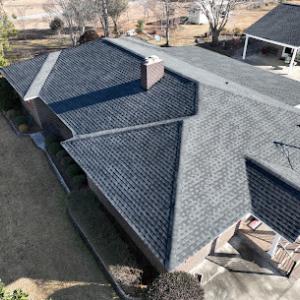
Whitaker Roofing Company
6838 Gadsden Hwy, Trussville, Alabama
5.0 from 35 reviews
Whitaker Roofing Company is a trusted roofing contractor serving Trussville, Alabama, and surrounding areas. We specialize in roof repair, roof replacement, roof inspections, and storm damage repair. Our team of experienced roofers is dedicated to providing high-quality roofing solutions for residential and commercial properties. We use top-grade materials and offer competitive pricing, ensuring your roof's longevity and durability. Contact us for a free roof inspection and free estimate. Let us protect your home or business with a reliable roofing system.
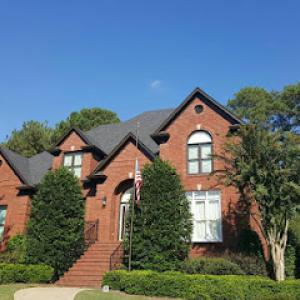
USA Roofing & Gutters
(205) 655-7663 www.usaroofing.us
1110 N Chalkville Rd Suite 116, Trussville, Alabama
4.7 from 66 reviews
USA Roofing & Gutters, LLC. is a local Trussville Alabama roofing company that specializes in roof replacement, roof repair, gutter installation, & gutter guards. We are dedicated to providing the best customer service. We have been performing quality work for 20 years in Central & North Alabama. We are a fully licensed, bonded, & insured roofing company & gutter company, with a BBB A+ accredited rating. We have earned the highest certification in the industry as a Platinum Preferred Contractor with Owens Corning which allows us to offer extended warranties backed by the manufacturer. We offer free roof estimates & free gutter estimates for property owners in our service areas. Visit our website or give us a call at (205)-655-ROOF today!
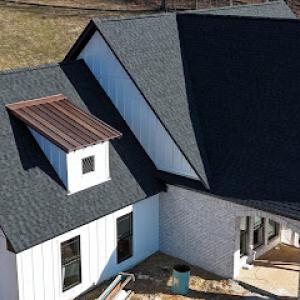
Top of the Line Roofing
(205) 265-1018 topofthelineroof.com
5211 Kirby Ln, Trussville, Alabama
4.8 from 42 reviews
We have been servicing roofing needs for over 20 years and are proud to say we are experts in this field. Our team is dedicated to providing high-quality roofing services to the community. We offer any type of roof replacement - metal, shingles, flat. We are a licensed home builder and have our roofers license. We are in the program to be a master elite company for the biggest shingle company in the US (GAF).
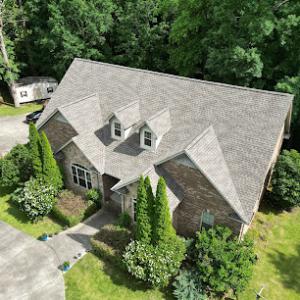
Alabama Roofing Professionals
Serving
4.9 from 376 reviews
Alabama Roofing Professionals provides commercial and residential roofing services to South and Central Alabama.
Qpc
Trussville, Alabama
5.0 from 1 review
Rely on QPC for all your drywall needs. Based in Trussville, AL, we are proud to serve residential and commercial clients throughout the area.
Blue Angels Roofing Birmingham
(205) 810-1418 www.blueangelsroofing.com
Serving
4.8 from 438 reviews
We are here to satisfy all your needs for a roof repair and replacement in Birmingham, Alabama. We have matchless experience when it comes to any roofing services such as installing, maintaining, inspecting and repairing every type of roofing and waterproofing system. Since before we have worked on any structure that would have a roof like building, houses, establishments any size and any height. From the smallest local roof projects to some of the largest roofing and gutter installations, we could have thought of, we ensure every type of roof and project is within our capabilities.
Elevated Roofing
(205) 266-3583 elevated-roof.com
Serving
5.0 from 112 reviews
At Elevated Roofing, we know that a solid roof is one of the most important elements of your property, which is why working with a reliable roofing team is essential for the quality and longevity of your roof. We are a factory-certified and professional roofing company with versatile solutions for your residential or commercial roof. Whether you need a roof inspection, are in the market for professional roof replacements, or need an estimate on your next commercial roofing project, we’ve got you covered. As a licensed, insured, and bonded roofing contractor with over 35 years of combined experience, we’ve become Alabama’s go-to team for dependable residential and commercial roofing solutions.
Eagle Roofing & Construction
(205) 703-0344 eagledoesitright.com
Serving
5.0 from 186 reviews
Eagle Roofing & Construction is Alabama’s leading roofing and construction company, proudly serving Birmingham, Hoover, and nearby communities. With over 20 years of experience, we specialize in roof replacements, repairs, emergency leak fixes, gutter services, and storm damage restoration. Our licensed and insured team is dedicated to quality workmanship, fast turnaround, and honest pricing. We help homeowners with insurance claims and offer free roof inspections to ensure your home stays protected. Whether you need asphalt shingle roofing, gutter installation, or exterior repairs, Eagle Roofing & Construction delivers trusted results with a commitment to excellence. Eagle Does It Right -call us today for a free estimate and experience
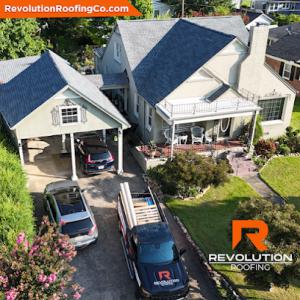
Revolution Roofing
(205) 352-9711 revolutionroofingco.com
Serving
5.0 from 761 reviews
Revolution Roofing is a Locally Owned & Operated Roofing Company that specializes in Roof Replacement and Roof Repair. Call to schedule your Free Roof Inspection.
Alabama Discount Roofing
(205) 821-7247 alabamadiscountroofing.com
Serving
5.0 from 72 reviews
Alabama Discount Roofing is a full service roofing company serving Birmingham and central Alabama. We are licensed, insured, and have an A+ rating with the BBB. Satisfaction guaranteed.
Brock Roofing & Remodeling
Serving
5.0 from 95 reviews
Brock Roofing & Remodeling provides residential roofing and siding. We handle roof installations, replacements, storm repairs, and exterior home updates. Our team is experienced and focused on providing reliable, quality work for our customers.
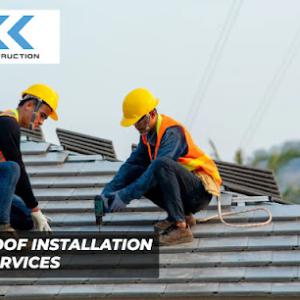
HK Construction
(205) 518-9598 hkwecanhelp.com
Serving
5.0 from 18 reviews
HK Construction, a trusted local company since 2019, is committed to enhancing the aesthetics and functionality of your home. With a wide range of services including roofing, painting, deck building, fence construction, siding installation, and fire and water damage restoration, HK Construction has your needs covered. Rooted in family values and boasting a reputation for skilled craftsmanship, superior materials, and exceptional customer care, HK Construction brings a personalized touch to every project.
After a major storm, the region's activity around roofing claims can surge. In Trussville, insurers may ask for a roof condition report, photos, and wind-mitigation details during claim review. The moment the weather window closes is when the picture gets real for your claim file. Take clear photos from multiple angles-both the overall roof and close-ups of any lifted shingles, flashing gaps, or visible deck exposure. If possible, capture eave underlayment, ridge lines, and any hail marks or punctures. Keep a dated log of the events and the symptoms you observe, such as leaks or attic stains. This documentation builds a straightforward narrative for the adjuster and helps prevent back-and-forth questions that slow the process.
When you contact your insurer, describe the damage in concrete terms: where it started, how it expanded, and when you first noticed leaks or moisture. Provide your storm date, the roofing materials you have, and any prior work that might affect the claim. In this market, wind-mitigation details can matter-include whether your roof has implemented measures like upgraded fasteners, taped seams, or sealed penetrations, if applicable. If a contractor has already issued an assessment, share that report and the photos with your insurer promptly. The aim is to keep the story consistent across all documents and to avoid gaps that could lead to unnecessary questions or delays.
Because storm claims are common in this climate, timing reroof work around the wet seasons matters. During wet periods, temporary repairs may be necessary to stop leaks, but such fixes should be reported to the insurer and documented with photos before any permanent work begins. If weather forces a repair delay, keep the adjuster in the loop so the claim timeline remains aligned with the actual conditions on the roof. When the window opens for re-roofing, coordinate closely with both your insurer and the contractor to ensure the scope aligns with the claim's allowance and that the decking, underlayment, and flashing meet the standards that your area inspections anticipate.
City inspections and the insurer's review process emphasize the integrity of decking, underlayment, and flashing. Expect questions about the roof's age and material type, since these factors influence replacement decisions after a storm. If your decking shows damage or soft spots, this will typically be a focal point in the claim. Likewise, flashing around hips, chimneys, and vents should be closely examined for wind-driven leaks. Be prepared to show the progression of damage from the time of the storm to the present, including any temporary repairs and the materials used.
Keep all correspondence organized: claim numbers, adjuster contacts, and summaries of conversations. Save every photo, every report, and every receipt associated with temporary repairs or mitigation steps. If a contractor's assessment is part of the claim, ensure that the report matches the insurer's requested format and spelling of your address. In this market, clear, contiguous records reduce confusion and help streamline approvals, especially when weather windows narrow and multiple storms vie for attention.
Connect with contractors who help homeowners navigate the claims process from damage assessment to final approval.
Whitaker Roofing Company
6838 Gadsden Hwy, Trussville, Alabama
5.0 from 35 reviews
USA Roofing & Gutters
(205) 655-7663 www.usaroofing.us
1110 N Chalkville Rd Suite 116, Trussville, Alabama
4.7 from 66 reviews
Top of the Line Roofing
(205) 265-1018 topofthelineroof.com
5211 Kirby Ln, Trussville, Alabama
4.8 from 42 reviews
Spring in this area brings fast-moving storms and heavy rainfall that can derail a tear-off mid-progress. If you're coordinating a reroof, you'll want to align the schedule to a dry window of several consecutive days, with a contingency day built in for storm delays. Watch short-term forecast trends, not just the day-by-day outlook, because a single strong squall line can soak exposed decking and create moisture exposure risk if work starts during an unstable stretch. When a storm system is likely to linger, postpone the tear-off and focus on securing the site: cover exposed decking, protect valuables, and keep gutters clear so a rain event won't cascade into open underlayment or newly exposed edges.
Because Trussville's humidity and spring rains can show up quickly, the timing decision should also consider underlayment life and flashing installation. If a roof replacement begins just as a front is rolling through, moisture can compromise plywood or OSB, and flashing work done in damp air can lose seal quality. Target a stretch of dry, still air for overnights and early mornings when temperatures aren't pushing moisture-laden air across your roofline. This approach protects newer underlayment and helps ensure shingles or metal profiles seat properly, reducing the chance of wind-driven leaks once the storm system passes.
Hot, humid summers in central Alabama shorten safe, productive work windows. During peak heat, crews may struggle to maintain consistent adhesive performance on certain products and can face increased risk of heat-related fatigue. Plan reroofing for early mornings or late afternoons when sunlight is less intense and shingles or panels aren't baking on the deck. If temperatures remain stubbornly high for multiple days, consider rescheduling the tear-off to a cooler duration, with ample shade and hydration plans on site to preserve quality and safety.
Winter freezes and abrupt temperature swings can affect how underlayment performs and how fasteners seat. In cold snaps, moisture in the roof deck can freeze and expand, stressing seams during installation. In milder spells, moisture from rain can linger and delay sealant cures. Target a stretch where daytime temperatures are comfortably above freezing and the nights aren't dipping below the dew point.
A practical approach is to lock in a preferred window based on a calm week forecast, then monitor the forecast for a two-week horizon. Have a backup plan for deck protection and temporary weatherproofing if an unexpected storm interrupts the schedule. Clear communication with the crew about expected weather patterns and access needs helps keep the project moving when conditions allow, while preserving workmanship quality during the wetter, storm-prone seasons.
Average material pricing in Trussville runs about $350-$550 per square for asphalt shingles, $700-$1100 for metal, $900-$1800 for clay tile, $900-$1500 for concrete tile, $1400-$3000 for slate, and $420-$750 for fiber cement shingles. When you compare options, think about the long-term durability against our humid Birmingham-area springs and falls, where storm winds and heavy rainfall can stress roofs quickly. For typical local homes, asphalt shingles are the most common entry point, while metal offers longer life and better wind resistance in exposed ridge lines. If your roof slopes and framing support are solid, clay and concrete tiles bring distinct aesthetics but require careful deck and underlayment planning due to weight. Slate is often chosen for heritage homes or high-end remodels, with pricing reflecting its labor-intensive installation. Fiber cement shingles provide a middle ground in both price and resilience, especially for low- to mid-slope roofs common on many neighborhood houses.
Storm-driven demand surges in the Trussville market can push scheduling pressure and reroof pricing, especially when many homeowners are trying to replace roofs after the same weather event. In practice, you may see tighter lead times after a big storm, and crews may need to coordinate with existing flashing and ventilation work that was damaged or displaced. Having pricing and timeline options prepared ahead of a storm can help you lock in a window before the peak rush. If a storm hits during a busy season, expect some increase in material and labor variability as crews prioritize safety and necessary deck and flashing inspections.
Given the local climate, selecting a roof with durable underlayment and robust flashing matters. Asphalt remains cost-efficient and is straightforward to install, but metal often proves superior in wind tolerance. Tile options require structural checks for weight and proper attachment to prevent lift during heavy squalls. Fiber cement shingles can offer a practical balance if rapid timelines are needed. Track your budgeting against the listed ranges, then align material choice with your home's framing, slope, and long-term maintenance expectations to avoid surprises when the weather turns.
Asphalt shingles are the dominant choice in this market, and many homes in the area still rely on them for reliable, straightforward reroofing. In the hot, humid summers that push through the Birmingham metro area, the lower-end asphalt products tend to wear faster than they would in cooler, milder climates. That means a practical homeowner strategy is to consider the local blend of shingles that balances wind resistance, tear strength, and long-term performance, rather than defaulting to the lowest-cost option. When evaluating asphalt shingles, pay attention to the warranty, the granule adhesion under heavy afternoon sun, and how well the underlayment and flashing are integrated with the decking. A well-installed asphalt roof can still deliver solid service, but the weather swings-especially spring storms-make quality control at installation even more important.
Metal roofing has meaningful local contractor support in this market, and it is often considered by homeowners looking for better wind performance and lower moisture sensitivity than standard shingles. In areas prone to fast-moving spring storms, metal can offer a more robust defense against gale-force gusts and flying debris. The metal profile also tends to shed rain quickly, which can help during the wet seasons that peak in this region. However, metal requires precise detailing at hips, ridges, and penetrations, and the fasteners must be chosen and sealed to resist corrosion over time. Because weather exposure is intense here, look for a local contractor who is adept at coordinating decking, underlayment, and flashing with metal systems to avoid moisture traps and to maintain a clean, long-lasting seal.
Premium options such as clay tile, concrete tile, slate, and fiber cement are present in the market, but their weight and the intricacies of installation demand careful planning. These materials bring distinctive aesthetics and excellent longevity, yet they demand structural checks for load tolerance and a nuanced approach to flashing around chimneys and rooftop penetrations. In this climate, repair sequences for premium roofs can be more complex, so contractor selection should emphasize experience with your chosen material, accurate decking evaluation, and a clear plan for addressing storm-related impact or damage. A trusted local roofer will discuss not only the material benefits but also how weather-driven maintenance cycles, seasonal inspections, and timely flashing refreshes fit into a durable, move-in-ready roof.
Explore specialists in steel, aluminum, and standing seam metal roofs built to last 50 years or more.
Top of the Line Roofing
(205) 265-1018 topofthelineroof.com
5211 Kirby Ln, Trussville, Alabama
4.8 from 42 reviews
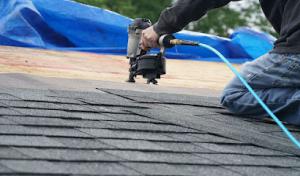
A full reroof in Trussville typically requires a building permit issued by the City of Trussville Building Department. Begin the process before any shingles come off, or the city will not issue final approval and you may face delays or rework. The permit establishes the project scope, time frame, and the required inspections. Make sure the permit lists the correct project address and your contractor's license information before work starts, or you risk inspection misunderstandings that stall the project.
Inspections in this city are not optional hurdles; they are part of the process to keep decks, underlayment, and flashing up to code. Shortcuts here show up later as leaks or failed approvals. Plan for multiple inspections: a decking-and-underlayment check early in the rebuild, a flashing and penetrations check mid-project, and a final inspection when the roof is complete. Expect inspectors to verify fastener patterns, underlayment seams, nail penetrations, and flashing around chimneys, vents, and skylights. Being prepared for these visits can prevent expensive backtracking and moisture problems after a storm season.
Homeowners should confirm that the contractor is licensed and that the permit paperwork accurately reflects the project address. An incorrect address or an unlicensed contractor can trigger rejection at the final inspection and complicate storm-damage claims later. Keep copies of the permit, inspection notices, and change orders on site. If a revision is needed-whether it's a larger deck, different underlayment, or amended flashing details-get it processed through the Building Department promptly to avoid delays during a wet season.
Repeated moisture exposure from the humid climate and frequent rain events makes underlayment, flashing, and decking condition more consequential than homeowners may realize from a ground-level inspection. Shingle edges may look fine, but the layers beneath can soak up moisture, leading to softened decking or rusted flashing channels. When storms hit hard, small leaks quickly become big problems if moisture has already breached multiple layers. You can suspect trouble if you notice peeling edge sealant, warped plywood, or a persistent musty odor in attic spaces after rain. In this climate, attention to the state of underlayment and flashing before every reroof helps avoid concealed leaks.
Weather-driven delays in this area can leave partially exposed roof areas vulnerable if staging and dry-in are not managed tightly during reroof projects. A sudden shower mid-project can drive water into vents, valleys, and seams that were supposed to be protected, compromising decking and attic insulation. Tight sequencing is essential: you need a continuous dry barrier from eave to ridge and secure temporary covers that won't blow away in gusts. When spring storms loom or fall fronts push in, crews should adjust schedules to minimize open deck exposure, and homeowners should plan for contingencies to keep interior spaces dry.
The city's inspection emphasis on decking and flashing aligns with the failure points most likely to create hidden leak paths after storm seasons. That means alerting yourself to soft spots in the attic floor, staining on interior ceilings, or rust around flashing nails reflects more than surface wear. Proactive verification during reroofing-and after storms-helps ensure that valleys, step flashing, and chimney transitions are properly sealed. If inspecting yourself, compare roof line returns and eave detail with the previous installation to catch misalignments early. Missing those signs invites slow drips that show up after the next storms, right when you least expect it. Keep notes for records and claim purposes.
In Trussville, storms hit fast in spring and fall. When evaluating roofers, look for contractors who advertise rapid deployment and debris cleanup as part of the package. A crew that can secure tarps, cover leaks, and protect the interior without delaying insurance documentation helps reduce exposure to weather. Favor firms that bring a dumpster, ground sheets, and protective barriers so driveways and landscaping stay intact.
The market here centers on homes, not big commercial projects. Expect firms to market directly to neighbors needing reroofs and repairs after a storm. Check whether the contractor treats your project like a neighbor's home, with punctual arrivals, smoke-free work zones, and careful ladder and gutter care that avoids unnecessary property damage. A local crew that understands common Trussville roofing assemblies earns trust.
Long-established, licensed, and insured positioning appears repeatedly, and matters when permit compliance and inspection readiness are part of the reroof process. Verify a current license, verifiable local references, and a written warranty. Ask about a pre-installation decking and underlayment assessment, and whether the contractor records and shares the inspection-ready file your insurer may request after a storm.
When you call, expect questions about storm work, timeline, and cleanup. Ask for proof of license and insurance, plus recent local references. Request a detailed scope covering decking, underlayment, flashing, and ventilation checks, with a clear sequence to minimize rain exposure. Insist on a precise completion window and a post-installation walkthrough. Include a written warranty and a contact for aftercare support.