
Last updated: Apr 19, 2026
Storm season in this area brings frequent severe spring storms and lingering tropical remnants that slam through with wind-driven rain and sudden leaks. The combination of high humidity, warm temperatures, and rapid moisture uptake means what starts as a small drip can turn into a soaking problem in a matter of hours. You may notice shingle edges peeled back, granules scattered across the yard, or a sudden waterfall from an attic vent after a gusty line of storms. Until you address it, the risk isn't just interior staining or warped decking-water can find its way into electrical gaps, insulation, and ceiling joints, compounding damage quickly.
In this market, reliable contractors pivot fast to emergencies. Homeowners here often rely on tarping, temporary sealing, and rapid post-storm assessments rather than waiting for a full roof replacement. If a storm rolls through and a leak appears, the goal is to secure the roof first, then confirm what's damaged beneath and around it. Tarps should cover the vulnerable opening and extend several feet beyond any obvious breach, weighted down and secured to prevent wind lift. A quick, thorough inspection of the attic right after a rain-feeling for damp insulation, checking for fresh water trails, and listening for active drips-can save you from a bigger bill and longer disruption.
Given the humid storm corridor, damage often isn't just shingles missing from the ridge line. Shingle loss may sit alongside moisture intrusion that hides behind fascia, underlayment, or around vents and chimneys. Look for darkened streaks or mold growth on interior ceiling corners, especially adjacent to roof valleys or dormers. Inside the attic, check for damp insulation, crushed or compressed areas, and any light showing through from the underside of the roof deck. Even if the exterior looks mostly intact, warm, damp conditions can accelerate wood rot and deck delamination once water has entered. Do not assume a quiet ceiling means everything is dry-hidden pockets can still be soaking through, inviting hidden mold and structural trouble.
First, seal the most obvious openings with a temporary tarp or heavy-duty roofing membrane, ensuring it extends well beyond the damaged area. Secure tarps with heavy rocks or screws, preventing wind from peeling them off. Next, document the damage with clear photos and a dated note of where water came from and how it progressed during the storm. This supports any later insurance documentation and helps a contractor prioritize the most critical spots first. Contact a local roofer promptly for a same-day or next-day assessment, focusing on missed shingles, lifted edges, and potential underlayment damage behind the visible surface. If access to the attic is safe, take measurements and mark any suspicious moisture zones to guide the assessment.
When you call your insurer, describe the exact sequence of events: the date and intensity of the storm, the rainfall pattern, and the specific areas where leaks were first noticed. Share the photos and the attic observations you gathered, especially any damp insulation or new water trails. Ask for an expedited inspection if you're facing ongoing leaks or active dripping-a common situation after those mid-season tropical leftovers. Expect the contractor to prioritize a rapid tarping and a focused wind-driven-rain mitigation plan, followed by a more comprehensive fix once the moisture is controlled and the interior is stabilized.
Create a simple storm-action kit: a sturdy tarp, a roll of repair tape, a utility knife, a flashlight, extra fasteners, and a basic measurement log for roof areas that show wear. Keep emergency contact information handy for a local roofer who can respond within hours rather than days. In a climate like this, a proactive plan-paired with immediate containment when storms hit-limits interior damage and keeps the repair timeline focused and manageable. When a storm window closes, the prompt transition to a thorough roof assessment and targeted fix becomes your best defense against a cascade of moisture problems.
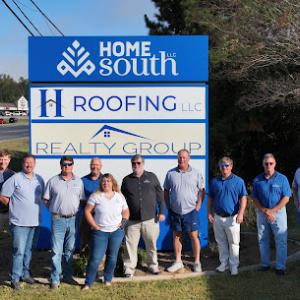
Homesouth Roofing
(334) 202-3975 www.homesouthroofing.com
3996 US-231, Wetumpka, Alabama
4.8 from 97 reviews
At Homesouth Roofing, we pride ourselves on providing homeowners and businesses throughout Alabama and the Panhandle of Florida with professional roofing services that last. Our hometown of Wetumpka is a city of natural beauty, and we do our part to ensure the homes and buildings in our region add to the beauty our area is known for with tasteful and professional roofs. Contact us for all your residential, commercial, and emergency roofing needs.
Old South Construction
2327 US-231, Wetumpka, Alabama
5.0 from 4 reviews
Residential & Commercial Roofing Services
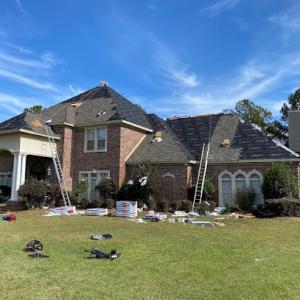
IG Construction
(334) 452-1121 www.igconstructionllc.net
Serving
4.8 from 33 reviews
IG Construction, a locally owned and operated company since 2004, provides comprehensive residential and commercial roofing solutions to Montgomery, Alabama, and surrounding areas. Their experienced professionals are dedicated to delivering superior workmanship, ensuring your property's protection, aesthetics, and longevity. With a commitment to exceptional customer service, they strive to make every roofing project a seamless and satisfying experience for their valued clients.
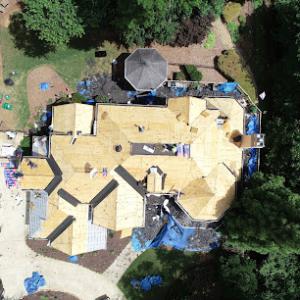
RoofTeck
Serving
4.9 from 95 reviews
Now proudly serving Alabama and West Georgia.
Capitol City Roofing
(334) 277-3311 www.capitolcityroofing.com
Serving
4.7 from 221 reviews
Capitol City Roofing, LLC offers a wide range of residential and commercial roofing services in the Montgomery, AL area. Our roofing contractor has the team, tools and experience needed to install shingle, metal and all flat roofing systems. We have been in buisness since 2003 with a tried and true record. We can offer financing for most jobs and have a awesome showroom at our location.
Erie Home
Serving
4.7 from 65 reviews
Since 1976, Erie Home has manufactured, supplied, and installed the best-performing roofing on the market. By providing ironclad warranties and convenient financing, we ensure that every homeowner we work with receives top quality service and value for their homes and properties. Erie Home professionals are the roofing company of choice in the greater Montgomery, AL area. Whether you need roof inspections or roof damage repair services, Erie Home has been the go-to roofing contractor for nearly 50 years because of our attention to detail and dedication to making sure our customers are satisfied with their results. Contact us today for a quote and see why we're the trusted roofing company Montgomery counts on.
Correo Roofing
Serving
5.0 from 29 reviews
We’re a local roofing company specializing ln metal and shingle roofing. Our team is a small. Honest group of professionals who treat each other-and our clients- like family we proudly serves home throughout the river region ofering free stimates Correo roofing is fully licensed insured and bonded we look forward to hearing from you and helping with you roofing needs

Innovative Roofing Pros
(855) 529-7663 iconstructionpros.com
Serving
4.8 from 85 reviews
Innovative Construction Pros, based in Montgomery, AL, but also serving all of Florida and Georgia, is your trusted expert in Residential and Commercial Roofing and Repairs. Recognized for our comprehensive services, we handle everything from installation to repair, trusted even by insurance carriers for our reliability. Specializing in commercial roofing, we offer thorough inspections, accurate quotes, and effective solutions for all roofing challenges. Choose us for top-notch service and expertise in roofing and pressure washing, enhancing the integrity and appearance of your property.
Smart Choice Roofing
(334) 554-3352 www.smartchoiceroofingalabama.com
Serving
4.9 from 29 reviews
Smart Choice Roofing is a trusted roofing contractor in Montgomery, providing reliable roofing services for homeowners and businesses. Based in Montgomery, AL, we handle roof installations, repairs, replacements, and inspections with a focus on quality and customer satisfaction. Our team works efficiently to protect your property from weather damage and extend your roof’s lifespan. Whether you need routine maintenance or urgent repairs, we’re committed to delivering durable results that meet your needs. With our dependable service and attention to detail, we help ensure your roof stays secure and long-lasting. Contact Smart Choice Roofing today to schedule your roofing service!
Wright's Roofing & Contracting
(334) 657-4475 wrightsroofingandcontracting.com
Serving
4.8 from 56 reviews
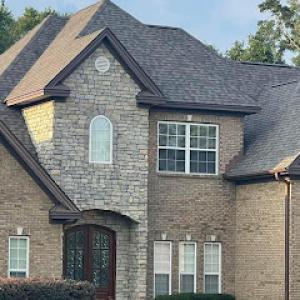
With 24 years in business, Wright's Roofing & Contracting proudly serves Montgomery, Millbrook, Prattville, Wetumpka, and surrounding areas. The owner brings over 39 years of roofing industry experience. Our company has grown due to our commitment to quality and customer satisfaction. At Wright's Roofing, we focus on being the best rather than the biggest, aiming to do the job right the first time. We work with all insurance companies and are licensed, bonded, and fully insured for your protection.
Guyette Roofing & Construction
(334) 279-8326 www.guyetteroofing.com
Serving
4.9 from 235 reviews
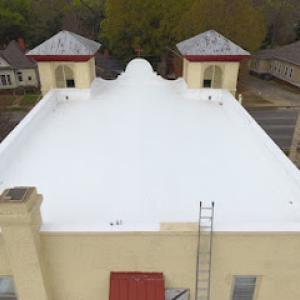
A family owned and operated roofing company serving the Montgomery Tri-County area. We specialize in all commercial and residential roof applications. Since, 1982 Bill Guyette Sr. has been doing construction work in the Montgomery, AL area. Quality control and customer service are the life blood of our business. Call or contact us through our website for a free roof estimate.
DND Roofing
(334) 489-1821 dndroofingllc.com
Serving
5.0 from 55 reviews
At DND Roofing, LLC, we pride ourselves on delivering professional roofing services to the Prattville community and beyond. Our team focuses on providing high-quality roof installation in Prattville, ensuring your home or business is well-protected against the elements. Whether you're constructing a new home or looking to replace an old roof, we offer reliable solutions tailored to meet your needs. We understand the local climate and use this knowledge to enhance the durability and longevity of your roof. Choose DND Roofing, LLC for your roofing projects, and experience the dedication and craftsmanship that sets us apart. Reach out today to discuss your roofing needs!
After a severe wind or hail event, you'll want to document what happened while the memory is fresh. In Alabama, insurers commonly scrutinize wind and hail exposure, and Wetumpka homeowners should expect adjuster site visits and requests for detailed roof-condition documentation before replacement is approved. Start by safely inspecting the roof from the ground if possible, noting missing shingles, lifted edges, dented gutters, and any granule loss. If you can access the attic without risking more leaks, check for staining, staining patterns, or daylight streaks that indicate interior leaks. Preserve any temporary patches or tarps and photograph them thoroughly before they're removed. Schedule the inspection promptly, since storm-related demand spikes can slow processing if damage isn't reported quickly. Keep a running record of when the storm occurred, when you notified the insurer, and when the claim was assigned. In Wetumpka, storms can arrive with little warning and produce rapid changes in damage visibility, so timely documentation matters.
Photograph every slope of the roof, not just the most obvious problem areas. Close-ups of damaged shingles, torn underlayment, and metal flashing are essential, but wide shots showing the entire roof plane and its relation to nearby trees or utility lines help the adjuster gauge exposure. Photograph interior leaks as soon as you notice them, even if a temporary repair is in place. The goal is to show the full sequence: storm event, visible roof damage, interior intrusion, and the condition of any temporary stabilization. If a contractor has already performed a quick repair, don't remove evidence; instead document what was done and when. The timing of the storm in relation to the report can influence decisions, so keep the date stamps on all photos and gather any weather reports or emergency declarations from that day.
Expect a site visit where the adjuster documents observed conditions and requests supporting evidence. Be ready with your photo log, the roof's age, and any maintenance records that show prior conditions. For Wetumpka, where local flood and drainage patterns can influence interior leaks after roof damage, include notes about attic ventilation and any existing attic moisture. If interior damage is found, keep receipts for temporary repairs and note how long the temporary patch remained in place. Since storm demand spikes can create backlogs, reporting damage early helps avoid elongated waits for inspections and claim processing. If a dispute arises over what constitutes covered damage, prepare a concise narrative that ties the storm event to visible signs of impact on the roof and interior, supported by your photos and weather data.
Connect with contractors who help homeowners navigate the claims process from damage assessment to final approval.
Homesouth Roofing
(334) 202-3975 www.homesouthroofing.com
3996 US-231, Wetumpka, Alabama
4.8 from 97 reviews
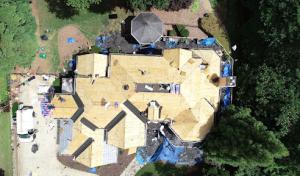
In Wetumpka, the roof market reflects a blend of conventional residential homes and buyers seeking better performance under heat, rain, and storm exposure. Asphalt shingles and metal roofing dominate the local scene, offering familiar installation methods and readily available service if repairs are needed after the area's frequent spring-to-fall storms. The mix means most contractors you encounter are comfortable with these two systems, so you'll find reliable guidance and support when choosing materials or addressing a leak.
Asphalt shingles are the workhorse for many Wetumpka homes because they balance cost, installability, and repairability. They handle the hot, humid summers reasonably well, especially when paired with proper underlayment and attic ventilation. Metal roofing, meanwhile, has a strong following for its weather resistance and longer service life. In a climate with heavy rainfall and thunderstorm risk, metal can offer superior protection and a cooler attic, provided it's correctly installed with a breathable, moisture- managing system underneath. If durability under heat and storm exposure matters most, metal is worth strong consideration, particularly on newer or updated homes.
Wetumpka's hot, humid summers accelerate shingle aging and can promote algae staining on asphalt and metal surfaces if the attic and roof assemblies aren't well vented. A robust attic ventilation strategy reduces heat buildup that can shorten shingle life and degrade insulation. Ensure the underlayment selected for your chosen roof type is a good match for moisture control and temperature fluctuations. On metal roofs, condensation control and proper sealing at penetrations become even more critical, since heat differentials can drive moisture movement under the panels.
Tile, wood, and synthetic products do exist in the local market, but they're less common here. Homeowners choosing these options may face a smaller pool of installers with routine experience compared to asphalt and metal systems. If considering tile or wood, verify installers' credentials, confirm they can navigate Wetumpka's weather demands, and plan for maintenance needs specific to those materials (for example, wood's susceptibility to humidity and tile's need for careful expansion gaps and fastener selection). Synthetic shingles can offer resilience and a lighter footprint, but ensure the product you pick has proven performance in your area's heat and storms and that local crews are familiar with it.
When weighing options, think about how each roof type handles heat gain, algae growth, and storm exposure in this river-valley climate. A well-ventilated attic, reflective or cooling roof surface, and reliable flashing detail dramatically influence long-term performance across all materials. For many homes, sticking with asphalt or metal simplifies maintenance and repairs, keeps installation and service straightforward, and aligns with the majority of Wetumpka installations you'll encounter locally. If a nontraditional option is appealing, partner with a contractor who has recent, verifiable local jobs and can show you a portfolio of successful installations in similar weather conditions.
In Wetumpka, a storm-drenched spring or late-summer blowback can tighten the market quickly. When central Alabama gets hit hard, crews get booked out, supply lines strain, and prices push upward for a stretch of weeks. If your roof needs replacement after a severe event, expect a tighter window and possible premium quotes compared to calmer stretches. The most active materials here-asphalt shingles and metal-tend to see the most pronounced movement in price and availability during surge periods, so budgeting with a little runway is wise.
Asphalt shingles are the go-to for most homes, and their economies show up in Wetumpka bids. In practice, you'll often see prices in the lower to mid range of the local market during normal times, with material and labor creeping up when demand spikes after storms. Metal roofing, another popular choice in this area, can stay competitive because metal crews and material pipelines are well established locally. Less common systems, like clay or concrete tiles, tend to require longer lead times and fewer local installers, which can push both price and scheduling further out. If you're balancing cost with long-term durability in a storm-prone valley climate, asphalt and metal remain the most straightforward paths to timely, predictable bids.
Scheduling for a full replacement in this region often hinges on weather windows. After a damaging event, a quick-response crew might be scarce, which can delay tear-off and re-roof timelines even when the materials are available. If a contractor can line up a crew promptly, the estimate will reflect an accelerated pace, potentially saving days of on-site downtime. When you compare bids, pay attention to the estimated number of days for tear-off, decking inspection, and reroof, not just the per-square rate. In many Wetumpka neighborhoods, a typical house sits in the 20-30 squares range, translating to multi-day projects with coordinated material deliveries and disposal logistics.
From the city's active market, the typical cost per square (100 square feet) falls into these ranges: asphalt shingles generally 350-550 USD per square, and metal roofing 600-950 USD per square. If a homeowner leans toward clay tile or concrete tile, expect higher ranges-900-1600 USD and 800-1300 USD per square respectively-while wood or synthetic shingles sit roughly in the 450-850 USD ballpark. In practice, Wetumpka homeowners can expect cheaper quotes for asphalt and metal during non-storm periods, with broader spreads and longer lead times when storm-driven demand spikes.
Don't let upfront costs delay a critical repair - these contractors offer payment plans to fit your budget.
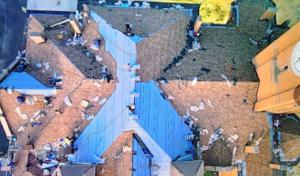
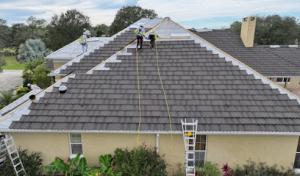
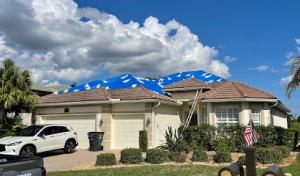
In Wetumpka, a full roof replacement typically requires a building permit. The processing might come through the City's Building Department or through Elmore County if the property sits outside city jurisdiction. That nuance matters, because the entity issuing the permit can influence the timing, required forms, and the exact steps you'll need to follow before any shingles start flying. Before a single nail goes in, verify which office is handling the permit for your address so you know who to contact for questions and receipts.
The local process commonly includes plan review and scheduled inspections rather than a simple over-the-counter reroof approval. Plans aren't just a formality; they help ensure the replacement components meet local requirements and protect against future leaks in the region's humid, storm-prone environment. You should expect a review of the proposed material, ventilation, underlayment, and flashing details. When the project moves from approval to execution, inspections are typically scheduled at key milestones to verify compliance at different stages of the build.
One practical safeguard is to confirm who is pulling the permit and who is responsible for the inspection log. If a contractor handles the permit in their name, request copies of the submission, inspection notices, and any required amendments in writing. If the homeowner is the permit holder, keep the official records organized and accessible. Misalignment between the permit holder and the contractor can create delays, re-inspections, or questions at closeout that complicate payment and insurance documentation.
Inspectors may require documentation detailing the roof replacement scope, including materials used, ventilation changes, and anchor-fastening methods. They'll verify installation matches code as it exists in the permit package and current amendments. Expect twice or more visits for different stages, and keep a clear file of every inspection result. A thorough closeout helps cement proof of compliance for final payment, warranty alignments, and insurance claims after severe weather events.
Once inspections pass, the permit closeout becomes a crucial part of the project's records. The final paperwork confirms that the replacement was done under the approved plan and to code, which insurance adjusters often request after a storm. Keep the permit card, inspection reports, and any amendments together with the contract and receipts. This bundle will support smoother claims and future maintenance needs, especially when the next round of storms threatens the region.
Spring in Wetumpka often brings both storm damage volume and high humidity, which can delay tear-offs and make contractor calendars fill quickly. After a big storm, assess for visible leaks, shingle lift, or displaced flashings, and prioritize interior checks in attic spaces where humidity can hide early leaks. When scheduling repairs, expect crews to balance cleanup, dry-out needs, and weather gaps-humidity can slow material installation and ventilation work. If shingles were damaged, document every affected area with photos and note the date of the storm for insurance conversations, as bulk work tends to cluster as the season progresses.
Summer roof work in Wetumpka is affected by intense heat and UV exposure, which can slow crews and change how some materials are handled on the roof deck. Plan more light-duty days or early-morning sessions to minimize heat exposure, and be prepared for short interruptions if heat advisories come through. Material warranties may shift handling guidelines under extreme heat, so verify with the crew how deck aging or adhesive products behave in July and August. Clear the property of shade blockers and keep pets and kids away during hot installs to reduce risk and keep the project moving.
Fall can still bring heavy rain and hurricane remnants into central Alabama. Schedule windows tend to shrink as storms move through, so have a flexible plan and temporary protection ready for high winds and downpours. Roofers will prioritize water intrusion fixes to prevent interior damage, then stage more extensive repairs as weather permits. Keep drainage paths clear and ensure attic ventilation remains functional to prevent moisture buildup during slow-updates.
Winter rain and occasional freezes can interfere with shingle installation timing. Freeze-thaw cycles may delay adhesive set and surface preparation, so allow extra scheduling buffers and monitor forecast changes closely. If a leak exists, address it with temporary measures to minimize interior damage while awaiting dryer conditions for full repair. A steady, well-ventilated interior environment helps preserve decking and reduces the likelihood of future moisture-related issues.
In this area, metal roofing shows up more often than in many small markets, driven by a mindset toward storm resilience and long-term protection. Metal panels handle high-wind events and hail better than many traditional options, which matters when frequent spring-to-fall storms roll through. Asphalt shingles, by contrast, remain the familiar choice for quick quotes and broad contractor competition, especially when a homeowner wants a straightforward bid process.
Wetumpka's humid climate challenges roofing materials differently. Metal tends to shed water quickly and can resist erosion from heavy rains, but it may require careful panel sealing and appropriate underlayment to prevent condensation-related issues in hot, humid summers. Shingles rely on a solid seal and underlayment to prevent leaks; in humid seasons, proper attic ventilation and drip edge details help keep moisture from compromising the roof deck, especially around eaves and penetrations.
The decision often comes down to whether lower initial replacement cost or a system built to withstand repeated severe weather matters more to you. Metal roofs offer standout durability and longer replacement cycles, which can translate into fewer mid-life repairs after storms. Asphalt shingles provide a familiar installation path with many bidding options, enabling homeowners to compare profiles, warranties, and installation timelines more readily.
Consider the existing roof deck's condition and the surrounding housing stock when weighing options. If a storm-season workload is anticipated, metal can be a proactive upgrade for extended protection, while asphalt shingles keep a broader contractor pool and faster bid-to-install timelines. In practice, homeowners here often balance these factors with the home's value, energy considerations, and the typical roofing crew's familiarity with each system.
Explore specialists in steel, aluminum, and standing seam metal roofs built to last 50 years or more.
Homesouth Roofing
(334) 202-3975 www.homesouthroofing.com
3996 US-231, Wetumpka, Alabama
4.8 from 97 reviews
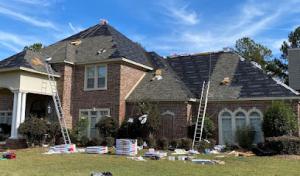
The Wetumpka market shows strong homeowner preference for quick response and cleanup-included service, so post-storm contractor selection often centers on who can stabilize the home fast and leave the property clean. In practice, that means asking not only for a timetable but for what happens the moment crews arrive: debris containment, tarping, and a clear plan to minimize further interior exposure. A fast initial stabilization can prevent secondary damage from leaks and wind-driven rain, but speed should not trump quality. Look for crews that outline a concrete sequence for temporary protection, once that sequence is agreed, they should follow through without excuses.
A meaningful share of local contractors market themselves as long-established, which matters in a storm-repair environment where homeowners want someone likely to still be available for follow-up issues. In practice, that means checking how many years the company has been operating, whether they have a local office or a stable address you can reach, and whether they maintain ongoing relationships with suppliers and subcontractors. Choose a team that can be counted on to return for touch-ups, warranty work, or fiber-wrap inspections after the first heavy rain event.
Because insurance-related roofing is common in Wetumpka, homeowners should verify that the contractor can document damage thoroughly and coordinate inspections rather than simply offer the lowest bid. Ask for a detailed written damage report, photos of pre-storm conditions, and a proposed scope of work tied to observed issues. The right contractor will help you schedule and accompany insurance adjusters during inspections, provide independent estimates when needed, and keep a clear trail of communications. Avoid relying on a bid alone; a comprehensive documentation workflow reduces miscommunication and speeds up approvals for repairs.
Be cautious of contractors who push for rapid contracts without permitting a second, independent assessment. If a team dodges questions about warranties, expects payment upfront, or offers unusually aggressive timelines that skip careful surface and attic inspections, step back. In a market where cleanup-included service is common, the best choice blends immediate stabilization with thorough documentation and a track record of steady, reliable post-storm support.