
Last updated: Apr 19, 2026
In the valley's long, blazing summers, roofs take a direct hit from relentless sun. The notorious Sonoran heat pushes up temperatures high enough to bake shingles and, more critically, to break down underlayment beneath tile systems. Tile looks sturdy, but the membrane and flashing right beneath it live in a heat oven, and once that underlayment starts aging, even minor impacts or hairline leaks can turn into big problems fast. The result is a roof that ages more quickly than you'd expect, with shingles becoming brittle, fasteners loosening, and waterproof layers losing their grip. This is not theoretical here; it's daily reality after a few hot seasons. If a roof has seen multiple summers without timely attention, the odds of hidden damage climbing sharply with each monsoon cycle are high.
From July through September, Goodyear's skies can pivot from calm to destructive in a heartbeat. Hail, heavy rain, and strong winds don't just test a roof-they reveal weaknesses that were easy to ignore in the cooling months. An aging roof with heat-stressed underlayment and worn seals can spring leaks the moment a storm hits. The combination of brittle roof components and sudden water intrusion creates a domino effect: damaged underlayment allows moisture to reach the deck, fasteners rust, a tile shifts, and water finds its way through to attic spaces or living areas. The urgency here is real: a small, seemingly cosmetic issue can become a palpable leak overnight when storm season arrives. Regular inspections after a monsoon event are not optional; they're essential to stopping a slow drip from becoming a flood.
Replacement timing in this climate is a strategic choice. With extreme temperatures affecting material handling and installation performance, cooler months are the practical window for major work. Scheduling replacement in fall or early winter often means better material handling, more precise sealant cures, and fewer heat-driven setbacks during commissioning. For tile systems, this timing helps ensure the underlayment and flashing mate correctly to a stable substrate, reducing the chance that heat-induced expansion and contraction will loosen seams or seams crack under stress. If a roof shows signs of accelerated aging, planning a project for the off-peak season minimizes the risk from heat during installation and sets the stage for a longer, more reliable life after the monsoon blows by. A proactive approach buys you years of protection and keeps water where it belongs-outside the living areas.
Spot issues early: lift a few shingles or tiles after a heavy storm to check for moisture in the deck or attic, and look for curling, missing granules, or loose fasteners. Maintain optimal ventilation to relieve heat buildup in the attic, and verify that flashing around chimneys, vents, and skylights remains tight after each monsoon round. When a repair is needed, prioritize solutions that restore a continuous water barrier and accommodate the high heat cycle without sacrificing performance in the next storm. For tile systems in particular, ask about underlayment upgrades that tolerate heat better and wind-driven rain, because the weakest link in this climate often isn't the tile itself but what lies beneath it. Stay vigilant, stay proactive, and treat the heat and storms as ongoing performance tests rather than one-off events.
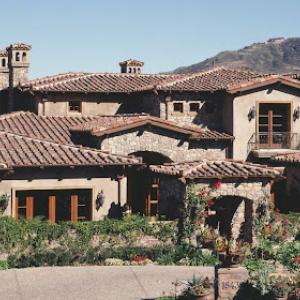
In this desert climate, clay tile and concrete tile are the dominant roof types for newer master-planned neighborhoods and older Southwestern-style homes alike. The appearance you see from the street hides a more nuanced picture up under the tiles: heat-age and monsoon wear take their toll on the underlayment, flashing, and ventilation while the tile itself often still looks serviceable. That means many roof issues in this area start below the tile, with underlayment and flashing details failing first long before the surface tiles show obvious wear. When planning a reroof, expect the scope to closely examine those hidden system components rather than chase visible tile wear alone.
Heat in the Sonoran summer cooks the underlayment and any synthetic underlayment beneath the tile. In Goodyear, you will commonly see underlayment delamination, cracking, or reduced permeance from prolonged heat exposure, especially in older homes or those with marginal ventilation. Flashings around chimneys, vents, valleys, and roof-to-wall transitions also age out in this climate, prompting leaks even when tile surfaces appear intact. The metal in flashing can corrode or warp, and sealants degrade, creating weak points that let moisture migrate into the attic or interior spaces. These problems are not dramatic from ground level; they require targeted inspection to uncover.
Because local inspections often verify underlayment, ventilation, and flashing details, reroof scope tends to center on system components you cannot see from the ground. A thorough evaluation starts with attic access or a removal of minimal tiles to confirm underlayment condition and continuity of the roof deck. Look for heat-stressed or brittle underlayment, lifted edges, or cupping joints where tiles rely on a stable, waterproof layer beneath. Ventilation is critical in our heat-heavy climate, so check soffit, ridge, and gable vents for blockages or insufficient intake and exhaust rates. Flashing should be examined at all terminations and transitions; any gap, loose fasteners, or mismatched sealant can become the introduction path for moisture. If visible tiles are not the root cause, expect the report to recommend remedial work on the underlayment or flashing rather than a full tile replacement.
In this market, a reroof plan is typically guided by what you cannot see. Expect the specification to address underlayment type and condition, deck integrity if any rot or soft spots are found, and the continuity of flashing systems around chimney stacks and penetrations. The goal is to restore a tight moisture barrier across the roof, not merely refresh the tile surface. If underlayment and flashing are sound, the tile layer's life may extend beyond what simplistic wear suggests; conversely, a marginal underlayment or compromised flashing can shorten the effective life expectancy of a tile roof even when the surface looks fine.
For ongoing performance, prioritize keeping attic ventilation robust and free of obstructions, particularly near ridge and soffit areas. Ensure flashings remain sealed after any seasonal storms, and consider periodic underlayment checks when tiles are removed for maintenance. In areas with heavy monsoon activity, a targeted storm-season inspection can catch movement or minor leaks before they widen. When you plan a reroof or major repair, coordinate a focus on underlayment and flashing details to maximize the system's resilience to heat and wind-driven rain.
Find contractors who specialize in clay and concrete tile roofs, known for their durability and curb appeal.
YM Roofing
(602) 550-6369 www.ymroofing.com
13419 W Almeria Rd, Goodyear, Arizona
5.0 from 79 reviews
United Legends Roofing
(623) 248-6031 unitedlegendsroofing.com
16357 W Yuma Rd, Goodyear, Arizona
5.0 from 33 reviews
Advanced Quality Roofing
(602) 918-5446 www.advancedqualityroofingaz.com
Goodyear, Arizona
4.8 from 36 reviews
YM Roofing
(602) 550-6369 www.ymroofing.com
13419 W Almeria Rd, Goodyear, Arizona
5.0 from 79 reviews
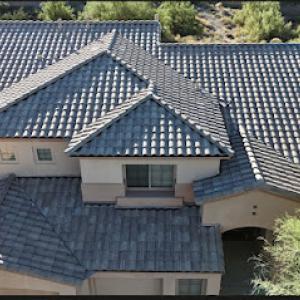
Residential/Commerical roof installations, re-roofs, and maintenance. Over 25 years of experience in the roofing industry. Call or text for a free quote today: (602) 550-6369 ROC#329681
United Legends Roofing
(623) 248-6031 unitedlegendsroofing.com
16357 W Yuma Rd, Goodyear, Arizona
5.0 from 33 reviews
United Legends Roofing is an established company with 27 years of experience serving nationally. Our team is dedicated to providing high-quality roofing and following industry guidelines; our values are loyalty, trustworthiness, and a positive attitude. We excel at multi-tasking to complete overlapping projects, create detailed project plans, manage material orders, sales, bidding, and coordinate manpower nationwide. Count on us for all your roofing needs, even in the most physically demanding situations and extreme weather conditions.
Advanced Quality Roofing
(602) 918-5446 www.advancedqualityroofingaz.com
Goodyear, Arizona
4.8 from 36 reviews
Advanced Quality Roofing, a roofing company in Wittmann, AZ, helps clients all across the Phoenix area with their roofing needs. Whether you have a complicated large-scale project or a small-scale roofing repair, our BBB-accredited company can help. With two generations of roofing experts and partnerships with the top names in roofing, you can count on us for all your needs. We even specialize in servicing tiled roofs. You'll always work directly with the business owners, and our roofers understand how to adjust our services to your unique roof as well as how to install the best products possible with care and concern. And we offer an excellent warranty for your peace of mind!
A1 Roofing Solutions
(480) 349-9726 a1roofingaz.com
1300 S Litchfield Rd #110-A, Goodyear, Arizona
4.5 from 46 reviews
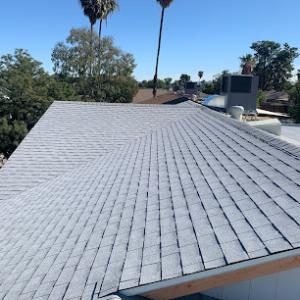
Arizona's Premier Roofing Contractor. A+ rated with the Better Business Bureau.-1 Roofing is a family-owned and operated and specializes in Residential and Commercial roofing services including Shingle Re-Roofs, Tile Re-Roofs, Roof Coatings, Repairs and much more. We Service all of Arizona including Scottsdale , Phoenix, Buckeye and Mesa
Socorro's Roofing
(602) 702-5363 socorrosroofingaz.net
2601 185th Dr, Goodyear, Arizona
5.0 from 9 reviews
At Socorro’s Roofing, we’ve built our reputation as a trusted local roofing company serving residential and commercial clients across Goodyear and nearby areas. With more than two decades of experience, our skilled team has successfully completed hundreds of installations, repairs, and maintenance projects—always with precision, honesty, and craftsmanship.
Crew Contracting & Roofing
(602) 695-2827 crewcontractingllc.com
Serving
4.9 from 77 reviews
Looking for top-quality roofing and exterior services in Arizona? At Crew Contracting, we specialize in New Roofing, Re-Roofing, Torch Down Roofing, Modified Bitumen, Shingle Installation, Tile Roofing, and Timberline Solar by GAF. We also provide Exterior Painting services for residential and commercial properties. Fast & reliable service Free roof inspections & insurance claim assistance High-quality materials with up to 50 years of warranty Serving Phoenix, Avondale, Tucson, Prescott, Yuma & nearby areas Whether you need a new roof installation, roof replacement, or expert exterior painting, we handle everything for you! Call us today for a free consultation and protect your home or business with Arizona’s trusted roofing experts.
West Side Roofing
Serving
4.1 from 16 reviews
Experienced and reliable roofing contractor. Licensed. Bonded. Insured QUALITY AT AFFORDABLE RATES WE STAND BEHIND OUR WARRANTY. NO EXCUSES.
Estrella Roofing
(602) 373-4313 www.estrellaroofing.com
Serving
4.7 from 137 reviews
Estrella Roofing in Phoenix, Arizona is a residential and commercial roofing company. As a full service roofing company, we handle everything from basic roof repairs to complete re-roofing projects. We specialize in shingle, tile, and metal flat roofs. We also install walk decks and work to preserve them from our Arizona sun with our walk deck coating services. As a family owned and operated company, the owner Juan Lopez, handles all project bids and oversees all roof installations as he has done for the last 25+ years. For affordable pricing, excellent customer service, and high quality work, Estrella Roofing is Phoenix’s established and trusted roofing company.
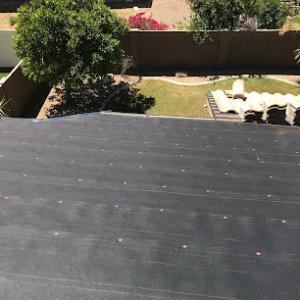
Goodyear Roofing Company
(623) 300-1033 www.goodyearroofingcompany.com
Serving
5.0 from 14 reviews
When you need a proper top on your house, we go above and beyond to treat you like family. It all starts with a friendly voice over the phone when you call in to discuss your roof's issues. Perhaps it's a small leak over your patio, or maybe just a few broken tiles. From small repairs to complete replacement, we can handle any job you throw our way, and you'll be pleasantly surprised with our excellent prices and service. We've been serving the Valley for decades now, and we know just what it takes to be the company you want walking and working on top of your home. Call us today for a free quote. You won't be disappointed.
Premier Roofing Contractors
(480) 387-7649 www.fixazroofs.com
Serving
4.9 from 42 reviews
Premier Roofing Contractors, a family-owned and operated company established in 2023, is dedicated to delivering exceptional roofing solutions. With a focus on quality, experience, and integrity, we bring unparalleled expertise to every project. Our commitment to client satisfaction and safety ensures a reliable and trustworthy experience from start to finish. We stand by our work, providing knowledgeable and professional service that upholds our core values.
Goodyear Roofing Repair & Replacement
(623) 303-1909 www.roofing-goodyear.com
Serving
5.0 from 20 reviews
Goodyear Roofing has been providing professional roofing contractor services to Goodyear AZ for many years. We are one of the most established and trusted names for roofing services in the valley, and are accredited by the Better Business Bureau. We offer some of the best roofing warranties in Goodyear, because we stand behind the quality of our work. Goodyear Roofing is the best choice for commercial roofing projects in Goodyear AZ. With over 25 years in the roofing business, we know the pros, cons, strengths, and weaknesses of every type of commercial roofing and commercial roofing system available to protect your Goodyear AZ business. We have a dedicated Goodyear AZ roof leak repair team standing by when Goodyear gets wet. We will re
Rapid Roofing Plus
(623) 628-6372 rapidroofingplus.com
Serving
4.5 from 49 reviews
Rapid Roofing Plus, a family-owned and operated company, has been providing exceptional roofing services in Goodyear, AZ, and surrounding areas since 2008. With a team of experienced tradesmen and dedicated management, we take great pride in delivering high-quality, durable roofs that homeowners can trust. Our focus is on ensuring customer satisfaction, which is why we maintain a smooth, safe, and clean job site. From repairs to roof replacements, we offer comprehensive roofing solutions. Contact us today to learn more about our services and experience the Rapid Roofing Plus difference.
During monsoon season, a narrow, high-risk window tightens around your roof. Hail, wind-driven rain, and gusts slam exposed surfaces, and the combination can crack or dislodge tiles, dent metal flashing, and lift shingles or underlayment edges. In a hot climate like this, underlayment ages rapidly when repeatedly wetted or heated, so a previously minor vulnerability can become a leak in a matter of days after a storm. Pay close attention to ridges, vent flashing, and transitions where a single storm can expose multiple failure points. If you notice granule loss on asphalt shingles or dark patches that weren't there before, treat it as a warning sign that the roof's protective layers are compromised and need a professional evaluation promptly.
West Valley springs bring strong, dusty winds that push debris-even small branches, cactus fragments, and gravel-across roof planes. This debris can abrade surface materials, loosen fasteners, or clog valleys, and it can complicate active reroof work by masking damage beneath a layer of dust. When wind storms subside, inspect for loosened flashing, displaced fasteners, or lifted edge shingles. Debris debris can also trap moisture against underlayment, accelerating deterioration in heat-stressed substrates. If you're planning or in the middle of reroofing, establish a cleanup routine that removes debris quickly after storms and keeps work areas protected against wind-driven exposure.
Roof-related claims spike after hail events or strong winds, so solid documentation is essential. After a storm, walk the roof with a binoculars-assisted view from safe ground, and photograph potential damage from multiple angles. Capture lintels, protrusions, and transitions where flashing seals exist. Note the time and date of each observation, and keep a written log of any changes you observe in the days that follow. When coordinating with your insurer or a contractor, present clear, dated photos, a storm timeline, and any prior maintenance history to support repairs and avoid disputes. In Goodyear, prompt documentation can make the difference in getting timely help for a damaged roof.
Find local contractors experienced in assessing and restoring roofs after hail, wind, and severe weather events.
Advanced Quality Roofing
(602) 918-5446 www.advancedqualityroofingaz.com
Goodyear, Arizona
4.8 from 36 reviews
A1 Roofing Solutions
(480) 349-9726 a1roofingaz.com
1300 S Litchfield Rd #110-A, Goodyear, Arizona
4.5 from 46 reviews
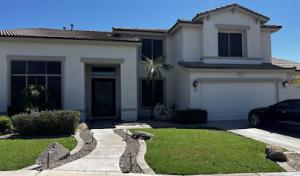
In this desert climate, material choices drive the bottom line more than you might think. Asphalt shingles sit at about 350 to 650 USD per square, a common starting point for budget-conscious remodels. Clay tile commonly runs from 700 to 1200 USD per square, reflecting both material and ballast upcharges when retiling a full roof. Wood shakes land around 800 to 1500 USD per square, pulling the higher end when you factor in the added speed and care required for installation in heat and wind. Concrete tile tends to fall between 600 and 1100 USD per square, a solid mid-range option that still carries the labor weight of tile handling and precise underlayment. Metal roofs generally range from 500 to 1000 USD per square, offering durability but still influenced by profile and installation specifics. Synthetic or composite shingles sit around 500 to 900 USD per square, often chosen for lighter weight and ease of installation. In short, Goodyear cost expectations vary widely by material, from asphalt shingles at about 350 to 650 USD per square up to clay tile at about 700 to 1200 USD per square and wood shakes at about 800 to 1500 USD per square.
Goodyear's housing stock leans toward tile systems, and when tiles wear or crack, replacement isn't a simple surface swap. Replacing often involves underlayment, flashing, and tile handling rather than just a surface facelift. If your roof is tile-heavy, plan for the added cost of removing old tiles, inspecting and upgrading underlayment, and reinstalling with proper ventilation and fasteners. This isn't a case of patching a shingle roof; it's a roof system overhaul, and the budget reflects that reality.
Monsoon season brings spikes in urgency for repairs and reroofs, and that can push scheduling timelines and pricing. When storms roll through, local crews swing from routine prep work to quick, full replacements, which can tighten availability and shift labor costs upward. If a reroof is on the list, it's wise to build in a buffer for potential weather-driven delays and the resulting pricing variability that follows a heavy storm period.
Get a clear picture of your project costs upfront - no commitment required.
YM Roofing
(602) 550-6369 www.ymroofing.com
13419 W Almeria Rd, Goodyear, Arizona
5.0 from 79 reviews
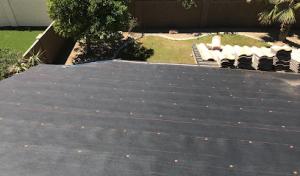
A full reroof in Goodyear typically requires a building permit through the City of Goodyear Building Department. This ensures that the roof replacement meets local codes for wind resistance, fire safety, and energy efficiency-crucial considerations given the area's intense heat and monsoon activity. The permit process helps verify that underlayment, ventilation, and flashing details are sized and installed correctly to stand up to the desert climate and seasonal storms.
In this market, the roofing contractor commonly applies for the permit and coordinates required inspections with the city. This arrangement streamlines the workflow and helps ensure the project stays aligned with city expectations for workmanship and safety. If you ever question who is responsible for the paperwork, confirm with the contractor in writing early on, so there are no delays as the tear-off approaches or wrap-up happens.
Local inspections occur at key milestones including after tear-off and after completion, and the city may require verification of underlayment, ventilation, and flashing details. The tear-off inspection confirms that the old roof has been removed cleanly and that the deck is prepped for the new installation. The final inspection checks that the entire system-the underlayment, vents, flashing, fasteners, and edge details-meets the specific Goodyear standards for wind uplift and moisture control. Expect a short window for each inspection, and plan access so inspectors can reach attic spaces, roof edges, and penetrations without obstruction.
Before inspections, gather documentation showing the scope of work, materials, and any manufacturer requirements relevant to products chosen for the project. In a climate like Goodyear's, confirm that underlayment type and roof ventilation strategies align with current codes, because heat and monsoon exposure can stress these components differently than in other regions. If the city requests a sample or note on flashing details, have the installation plan ready to reference, including how step and counter flashing integrate with parapets and roof-to-wall transitions.
Tight alignments between flashing, drip edges, and sealants matter more when high heat cycles and sudden storms test the roof's envelope. Ensure that approved fastening patterns accommodate the chosen material and local wind speeds. A well-documented inspection trail not only keeps the project moving but also provides a durable record for future maintenance, particularly important after extreme heat seasons or monsoon events.
You should expect the claims process to lean heavily on documentation. In Goodyear, insurers often ask for roof age, any prior damage, and the current condition of the system. After a hail or strong wind event, ready yourself with a clear record of when the roof was installed, what has happened to it previously, and what you observe now. This helps insurers separate fresh damage from wear and tear and can influence how a claim is viewed.
Carriers serving this area may request photos and third-party estimates to support your claim. Take wide exterior shots of the roof, then close-ups of damaged shingles, tiles, underlayment, flashing, and vents. Photograph any granule loss, lifted or curled shingles, or cracked tiles. Have a reputable contractor provide an itemized third-party estimate that details both repair and replacement options. Early, thorough documentation reduces back-and-forth and speeds decisions after monsoon storms.
Wind mitigation and hail adjustment considerations can influence coverage and deductibles for homeowners deciding between repair and replacement. If your system shows frequent wind-driven damage or persistent heat-induced deterioration, insurers may push toward replacement in lieu of patchwork repairs. Understanding how your roof's age and construction affect these adjustments helps you navigate the claim with fewer surprises.
Start with a careful inspection and note the date of the event, then secure temporary protection if needed. Contact your insurer promptly, present your documentation, and keep a running record of conversations and notices. If a dispute emerges, having organized photos, a current condition report, and a third-party estimate on hand strengthens your position when evaluating whether to repair or replace.
Connect with contractors who help homeowners navigate the claims process from damage assessment to final approval.
YM Roofing
(602) 550-6369 www.ymroofing.com
13419 W Almeria Rd, Goodyear, Arizona
5.0 from 79 reviews
Advanced Quality Roofing
(602) 918-5446 www.advancedqualityroofingaz.com
Goodyear, Arizona
4.8 from 36 reviews
A1 Roofing Solutions
(480) 349-9726 a1roofingaz.com
1300 S Litchfield Rd #110-A, Goodyear, Arizona
4.5 from 46 reviews
Flat and low-slope roofing is an active specialty in this market, reflecting local demand beyond the city's dominant pitched tile neighborhoods. In the desert sun, coatings and flat assemblies face intense heat and UV exposure. A durable coating can dramatically extend the life of the roof by reflecting heat, slowing material degradation, and reducing cooling loads. When you plan a flat or low-slope install, prioritize materials designed for heat resistance and reflectivity, not just price or appearance.
In the desert sun, heat exposure is the main enemy of coatings and underlayers. You should expect a shorter service life for uncoated or poorly protected membranes. Look for coatings with high solar reflectance, elastomeric formulations, and good modulus retention in high temperatures. A properly applied reflective coating will help keep attic temperatures down and reduce thermal stress on seams and penetrations. Maintenance should include regular inspection of flashings, edge detailing, and any vents that can trap heat and moisture.
Monsoon rain and wind can quickly expose drainage, seam, and penetration weaknesses on low-slope roofs in the West Valley. After storm events, inspect for lifted edges, compromised seams, and clogged drains. A proactive approach involves resealing seams, refreshing edge caulk, and verifying flashings around HVAC curbs, skylights, and penetrations. Consider a protectant or surface sealant that resists wind-driven rain and helps shed water quickly.
Develop a seasonal inspection routine that targets heat-exposed areas first: membrane edges, drip edges, and any repair work from previous seasons. When you notice micro-cracks, loose granules, or standing water, schedule timely attention before the next extreme heat or monsoon window. For coatings, ensure surface cleaning prior to any reseal and follow product cure times closely to maximize longevity.
Find specialists in TPO, EPDM, and built-up flat roofing systems for residential and commercial properties.
Advanced Quality Roofing
(602) 918-5446 www.advancedqualityroofingaz.com
Goodyear, Arizona
4.8 from 36 reviews
In this climate, the intense sun makes every penetration a potential weak point. Solar equipment and skylights sit atop roofs that heat unevenly, and fasteners, seals, and flashing around these penetrations are stressed by daily high temperatures. Material choices matter: lighter-colored surfaces reduce heat gain, while appropriate sealing around mounting feet prevents vinyl, metal, or sealant degradation from UV exposure. When a tile or underlayment is compromised near a solar panel rack or skylight curb, heat cycles can accelerate deterioration. Plan for extra protection at these spots, and expect that a replacement or retrofit will require precise, heat-aware detailing to maintain a tight, long-lasting seal.
Reroof projects in this area demand careful coordination around existing penetrations because inspections often verify flashing continuity and attachment methods. The presence of skylights or mounted equipment means more flashing surfaces, more joints, and more potential failure points if the old details aren't preserved or accurately replicated. A common pitfall is duplicating past shoddy flashing under new roofing. The goal is to reproduce a clean, continuous line of defense around every penetrating element, with compatible flashing materials that resist expansion and contraction from blistering heat. If reusing curbs or mounts, ensure their bases receive proper surface prep and a compatible bedding layer to prevent leaks at the interface.
Monsoon winds drive rain with force, and that pressure shifts can expose weak flashing at skylights and mounted rooftop components more quickly than in dry periods. Soft or cracked sealants, loose fasteners, and marginally seated flashing become leak paths under wind-driven rain events. Before closing up a reroof, test the entire system's performance under simulated moisture pressure around penetrations. Consider upgrading surrounding flashing with wind-rated metal or reinforced membranes, and verify that fasteners resist pull-out when gusts travel across the ridge and eave zones. The goal is a durable, wind-resilient seal that remains watertight through season-shifting conditions.
Find contractors who integrate solar panels or solar shingles into your roof for long-term energy savings.
United Legends Roofing
(623) 248-6031 unitedlegendsroofing.com
16357 W Yuma Rd, Goodyear, Arizona
5.0 from 33 reviews
Advanced Quality Roofing
(602) 918-5446 www.advancedqualityroofingaz.com
Goodyear, Arizona
4.8 from 36 reviews
After a storm, roofs endure prolonged heat, West Valley monsoon winds, and hail exposure. In this market, you'll notice quick response, reroofing capability, affordability, and cleanup priorities. That combination isn't just convenience; it reflects how local homes endure extreme heat stress on tile, underlayment, and fast-drying roof decks. A practical roofer will explain how underlayment and tile life shorten under repeated heat cycling and storm impact, and how a fast, complete reroof minimizes future calls. That approach also means you want crews who protect landscaping and minimize disruption when tarping vents and gutters after a storm.
Family-owned and long-established firms are common in this market, making reputation and reliability tangible. When talking with contractors, look for references from nearby neighborhoods with similar tile types and underlayment. Ask how they handle heat-dressed underlayment and venting compatibility with clay, concrete, or composite tiles common here. Expect a candid assessment of whether your roof needs staged work or a full replacement to withstand the next monsoon. Clear communication about project scope, anticipated debris, and a plan for weather delays helps you compare options without surprises, especially if heat events push schedules.
Because full reroofs are coordinated through the city, confirm who handles permit submission and milestone inspections. A solid plan includes a realistic schedule, staged milestones, and field supervision during extreme heat. Ensure the crew's trucks and debris containment won't become a windblown mess after a monsoon storm. Reputable teams also lay out handling of material delivery windows, access needs, and how they protect interior spaces during tile removal and install.
Watch for overpromising on speed at the expense of ventilation and ventilation under tiles. Ask about attic insulation, radiant barrier upgrades, and the impact of heat on underlayment longevity. In Goodyear, choosing a contractor who understands the local mix of tile types-clay, concrete, and synthetics-helps ensure you're not paying for a temporary fix that will fail in the next season. Look for firms that document wind and hail considerations, warranty coverage on underlayment, and a cleanup plan that leaves your yard intact after the last tile is set.