
Last updated: Apr 19, 2026
In this climate, the attic is the hidden stress test for the roof. The combination of extreme daytime heat and low relative humidity outside hides a hotter, humid attic that rapidly accelerates aging of underlayment and deck materials when ventilation is inadequate. If attic intake and exhaust vents are clogged, or soffit vents are blocked by insulation, you'll notice faster degradation of the underlayment and more frequent heat-related issues in the roofing system. A practical rule is to verify that attic ventilation is balanced: enough intake to feed the exhaust path, with unobstructed soffits, ridge vents, or attic fans doing the work. When the attic runs hot, you not only shorten the life of the underlayment, you also force the roof covering to work harder, which can cascade into cracked tiles or accelerated granule loss on asphalt shingles.
Homeowners in this area typically plan major roof work for fall or spring. Summer surface temperatures push tools and materials into uncomfortable, hard-to-handle territory and can complicate installation processes. Fall often provides cooler days and better working conditions, allowing for safer tile handling and more reliable sealant performance. Spring offers a window before the summer heat spikes again and before the monsoon season fully arrives. If you anticipate a replacement, aim for a window with moderate surface temperatures and lower humidity to avoid thermal expansion issues and to reduce the risk of sealant curing problems on day-one installations. Scheduling within these shoulder seasons also helps you address any reinforcing needs, such as improved attic ventilation or upgraded underlayment, without competing with peak heat or storm activity.
The local weather pattern blends long, intense UV exposure with a defined monsoon season that can bring sudden rain and strong winds. That combination stresses underlayment, flashing, and edge details. Underlayment that already shows signs of wear-wrinkles, drying cracks, or exposed fibers-will fail more quickly when a sudden downpour hits. The wind can lift edges or loosen flashing, inviting leaks that hide behind clay or concrete tile. When planning maintenance or replacement, consider the monsoon calendar: anticipate that the months of July through September demand additional attention to sealants, ridge lines, and step flashings. If a roof is nearing the end of its life or if underlayment is visibly aged, address it before the monsoon hits rather than after a leak appears.
Heat and sun are not just a comfort concern-they are a structural aging factor. In this climate, the lifespan of the roof's hidden layers hinges on attic ventilation quality and timely replacement, particularly ahead of or outside the peak heat and monsoon period. By coordinating ventilation improvements, choosing the right replacement window, and keeping flashing and underlayment in good condition, you can extend the roof's service life and reduce the risk of weather-driven damage during the monsoon season.
Clay tile and concrete tile dominate the roofscape around here, and it's easy to assume a tile roof is solid just because the surface looks intact. In practice, the underlayment beneath those tiles often bears the brunt of Gilbert's desert heat and the yearly monsoon cycles. The sun bakes the underlayment, moisture from sudden downpours sneaks in, and repeated heating and cooling can cause the material to break down well before you notice a visible issue. The lesson is practical: a roof can look serviceable on the outside while the underlayment has already lost its integrity. When tiles shift, crack, or become misaligned due to wind or thermal movement, you're not just replacing the cap; you're evaluating the layer that keeps the interior dry. An underlayment that has deteriorated can allow slow leaks that show up years later as staining, soft spots in attic sheathing, or unexpected attic heat buildup.
In this market, tile roofing is a strong beacon for homeowners seeking targeted repair and replacement expertise. The specialty knowledge required isn't just matching the look of the tile; it's about understanding tile-to-underlayment interfaces, fastener patterns, and the way underlayment fabric ages under high heat and occasional humidity. A contractor who treats tile as a system will pull back a few tiles to assess the substrate, check for moisture intrusion, and verify that the underlayment remains watertight even where tile laps or cresting faces higher wind loads. Because the underlayment's condition often drives the decision to repair or replace, you'll notice that tile-focused crews routinely offer more precise diagnostics and better long-term protection than generic roofing teams. Expect conversations that emphasize the condition of flashing, valley membranes, and edge details, since these elements interact directly with the underlayment's ability to shed water efficiently.
Wind resistance is a critical factor in this climate, and underlayment plays a pivotal role in how a roof performs during gusts and storms. On tile systems, fastener patterns and the way underlayment seals against roof edges become a more influential part of the overall wind performance. A full roof replacement often triggers a closer look at these details because the underlayment has to work with new tile configurations and improved edge flashings. This is especially true in areas where the monsoon season can drive heavier winds and sudden downpours. When a contractor talks through a full replacement, you will hear emphasis on ensuring the new underlayment is compatible with tile and can tolerate the expected heat loads without premature aging. If a project includes attic ventilation upgrades, expect a thorough discussion about how improved airflow can reduce heat buildup that accelerates underlayment degradation.
Start with a careful inspection plan that prioritizes access to attic spaces and any visible entry points around vents, chimneys, and skylines. Ask for a documentation trail: photos of the underlayment at critical seams, evidence of moisture or staining, and notes on any previous repairs in the attic sheathing. When discussing replacements, request a cause-and-effect explanation for any underlayment changes-why a certain membrane type is preferred, how it will interact with existing tiles, and what wind-rated details will be integrated. Remember that the underlayment is the unsung line of defense in Gilbert's climate: it may not be seen from the street, but its condition determines how well the tile roof keeps the interior dry through heat waves and rain bursts. A well-versed tile-focused contractor will treat the underlayment as a core element of the project, not an afterthought.
Find contractors who specialize in clay and concrete tile roofs, known for their durability and curb appeal.
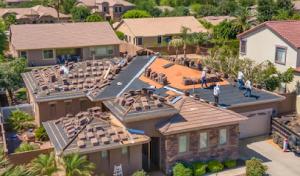
Canyon State Roofing & Consulting
(480) 369-4778 canyonstateroofs.com
847 E Bruce Ave, Gilbert, Arizona
5.0 from 123 reviews

Weather-Tite Roofing & Construction
(480) 702-1121 www.roofweathertite.com
1220 W Houston Ave ste 2, Gilbert, Arizona
5.0 from 131 reviews
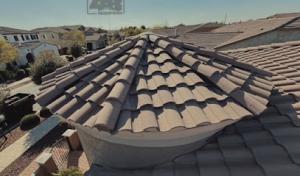
State 48 Roofing
(480) 698-4828 www.state48roofing.com
1381 N Pioneer St, Gilbert, Arizona
4.9 from 607 reviews
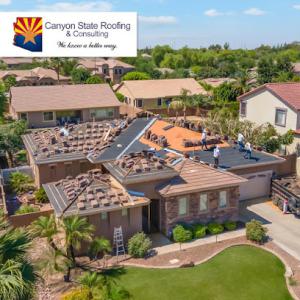
Canyon State Roofing & Consulting
(480) 369-4778 canyonstateroofs.com
847 E Bruce Ave, Gilbert, Arizona
5.0 from 123 reviews
We offer the best residential and commercial roofing services in Arizona. When you need a roof replacement, roof repair or a new roof installation, give us a call and schedule a complimentary consultation. If you are a business owner, property manager or homeowner in Arizona, give us a call and schedule a complimentary consultation. We offer roof replacements, roof repairs, and new roof installations. We install commercial roofing systems that come with up to a 15-Year Warranty, and we provide LIFETIME Warranties on each of our Residential Roofs! The types of roofs that we work on are: Shingle Roofs Tile Roofs Metal Roofs Foam Roofs Flat Roofs

Weather-Tite Roofing & Construction
(480) 702-1121 www.roofweathertite.com
1220 W Houston Ave ste 2, Gilbert, Arizona
5.0 from 131 reviews
Weather-Tite Roofing & Construction has been restoring and remodeling home exteriors for over 30 years. We are a fully licensed general contractor that specializes in residential and commercial roofing. Licensed, insured, bonded, and certified. We believe better building creates better living. We restore trust in the contracting experience by taking care of people, restoring their property, and improving lives. See why Weather-Tite Roofing & Construction is your contractor. Call today!
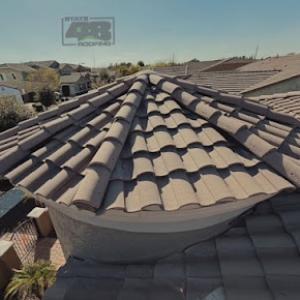
State 48 Roofing
(480) 698-4828 www.state48roofing.com
1381 N Pioneer St, Gilbert, Arizona
4.9 from 607 reviews
We are a locally owned and operated roofing repair and installation company operating out of Gilbert, Arizona and serving the surrounding communities. We are your local roofing experts. We specialize in roof replacements, roofing installation, residential roofing, and commercial roofing. No job is too big or too small. When it comes to roofing we do it all!
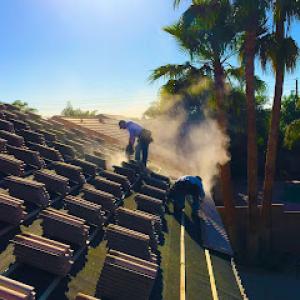
TRM Roofing
(480) 629-5244 costeffectiveroofing.com
2200 E Williams Field Rd Suite 200, Gilbert, Arizona
4.9 from 158 reviews
TRM Roofing – now part of Five Guys Roofing – is the #1 Phoenix Commercial & Residential Roof Specialist. Known for honest, upfront roof inspections and clear answers, our team takes a different approach: we focus on repair and restoration first, then provide full roof replacement options when necessary. From storm damage repairs to preventative maintenance, we deliver reliable solutions for homeowners and businesses across Phoenix, Scottsdale, Chandler, Gilbert, Mesa, Peoria, and Glendale. With the added support of Five Guys Roofing, customers benefit from a bigger team, more resources, and the same trusted service. Schedule your free roof inspection today.
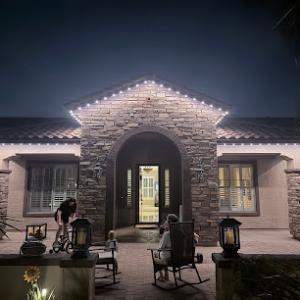
All Storm Roofing
(602) 806-6806 www.allstormroofing.com
2162 E Williams Field Rd Suite #111, Gilbert, Arizona
4.9 from 98 reviews
We love to help homeowners find programs where they don't have to pay full retail cost on a roof!
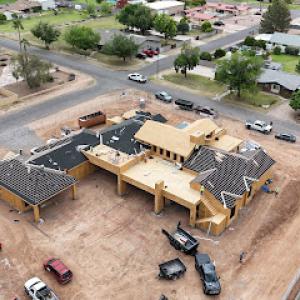
Black Wolf Roofing
(602) 818-5364 www.blackwolfroofingco.com
1255 N Mondel Dr, Gilbert, Arizona
4.9 from 130 reviews
At Black Wolf Roofing, we are committed to delivering top-notch roofing solutions for residential and commercial projects. Our team of skilled professionals brings unmatched expertise, attention to detail, and a customer-focused approach to every job. Whether it's a small repair, a custom installation, or a large-scale commercial project, we pride ourselves on quality craftsmanship and integrity. As a GAF-certified contractor, we provide industry-leading warranties, ensuring our clients receive peace of mind along with superior results. At Black Wolf Roofing, we don't just build roofs; we build trust, protect homes, and create lasting partnerships. Let us show you the Black Wolf difference—where quality meets dependability.
Advanced Roofing
(602) 350-4052 advancedroofingaz.com
137 E Elliot Rd unit 2262, Gilbert, Arizona
4.9 from 76 reviews
Advanced Roofing, LLC is a top-rated Gilbert roofing company with industry-leading roofing contractors who are qualified to provide a variety of roofing services for both commercial and residential customers. Licensed, bonded, and insured, Advanced Roofing is family owned and operated and properly equipped to handle a roofing job of any size and scope. Our trusted roofers offer a wide range of high quality roofing services including roof repairs, maintenance and installations on a variety of roofing materials including shingle, tile, foam, metal, roof coatings and more. From emergency roof repairs to new roof installations, Advanced Roofing has over 10 years of experience servicing commercial and residential roofs throughout the Valley.
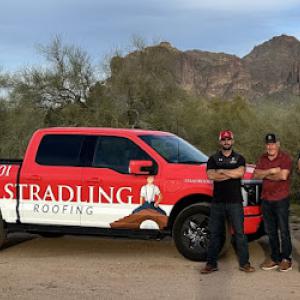
Stradling Roofing
(480) 901-6901 www.stradroofing.com
4365 E Pecos Rd Building 3, Suite 107, Gilbert, Arizona
4.9 from 96 reviews
Stradling Roofing offers premier roofing services to the Phoenix, Arizona area. We specialize in both residential and commercial roofing in the following applications: Tile, Shingles, Flat, Foam, Silicone, EDPM, TPO, Cool. We also do general contracting.

Eco Roofing Solutions
(480) 695-7736 www.ecoroofaz.com
75 W Baseline Rd #19, Gilbert, Arizona
4.8 from 296 reviews
Led by the third-generation roofer, Eric Perry, Eco Roofing Solutions has a big vision: To change the way roofing is done in our industry. How do we do this? By implementing environmentally cautious roofing solutions with a central focus on sustainability in EVERY roofing package. We take the time to educate our customers on the various options that can be incorporated into their roofing package that will provide more longevity to their roof system. Call us today!

Efficient Roofing
(480) 671-5769 www.efficientroofingaz.com
636 W Commerce Ave, Gilbert, Arizona
4.8 from 200 reviews
Efficient Roofing is a trusted, family-owned roofing company serving Phoenix, Mesa, Gilbert, Chandler, Scottsdale, and nearby areas. Since 2010, we’ve delivered quality roof repairs, replacements, and maintenance built for Arizona’s desert climate. Founded by Arizona native Justin Loflin, we’re known for honest service, dependable craftsmanship, and long-term customer care. We work with tile, shingle, foam, TPO, and silicone roofing systems. Our licensed and insured team ensures clean, timely work and clear communication from start to finish. We take pride in doing things right the first time and building relationships that last. Contact us today for a free estimate and experience roofing done right with a team that treats you like family.
Maverick Roofing & Exteriors | Gilbert, AZ
(480) 703-2584 maverickroofingaz.com
3248 E Isaiah Ct, Gilbert, Arizona
5.0 from 40 reviews
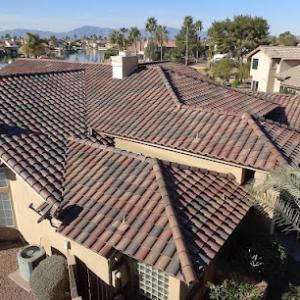
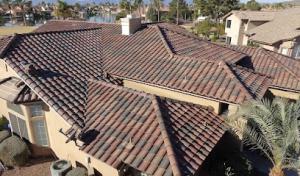
Maverick Roofing & Exteriors is a family owned roofing company proudly serving Gilbert, AZ and surrounding areas. Founded by JT Fulton, who began his career in 2015, our business was built on genuine relationships, quality workmanship, and a deep commitment to our community. We specialize in roof repairs, new roof installations, and tile underlayment replacement for both residential and commercial properties. With every project, we focus on communication, craftsmanship, and care delivering results that stand the test of time.

First Response Roofing
(480) 924-4444 www.firstresponseroofingaz.com
1371 E Indigo St, Gilbert, Arizona
4.9 from 59 reviews
Our nearby roofing company takes great pride in helping our friends and neighbors in Gilbert, Chandler, Scottsdale and the surrounding Arizona communities with their residential roofing replacement, maintenance and repair needs. First Response Roofing AZ offers access to the highest quality products and materials, and our craftsmen undergo continuous training to ensure our customers get only the best roofing products and services. As leaders in Arizona roofing, we provide light commercial roofing, multi-housing roofing and residential roofing services. Whether you’re interested in roof repairs, re-roofs or simple maintenance service for Tile, Shingle, Foam, or Patios we have a solution for you. We also install new seamless gutter systems!
Gilbert's summer monsoon season brings sudden, heavy rain and gusty winds that can slam a roof in minutes. Concrete and clay tile homes soak up heat and push seasonally stressed underlayments to the limit. When a storm hits, rain can intrude through compromised underlayment or flashing, even if the visible tiles look intact at first glance. The risk isn't just water intrusion-shifting soils, expanded metal, and blown debris can loosen edges and create micro leaks that worsen quickly in the heat. Understanding how these storms interact with your tile roof helps you act fast before interior damage starts.
After a storm, you should not wait for discoloration or a visible drip to react. You need a rapid temporary cover to deter further rainfall: heavy-duty tarps secured with battens or plywood sheathing over exposed roof valleys, with roof cement or silicone sealant applied to any flashing seams. If shingles or tiles were shifted, re-sealment and temporary underlayment patches become essential to keep moisture from seeping into the attic. Your goal is to buy time while a professional assesses underlayment wear, tile integrity, and flashing details that could fail in the next round of heat and wind.
Storm damage and emergency repair are both highly active specialties in Gilbert, reflecting real homeowner demand after seasonal weather events. If you notice sudden attic warmth, persistent damp spots, or a ceiling stain that expands after a storm, treat it as an urgent condition. Do not delay small fixes that could become major leaks-porous underlayment in the summer heat can degrade in a single monsoon cycle, accelerating the need for full roof repair or replacement. A swift assessment from a contractor who understands tile systems and underlayment fatigue will guide you toward temporary protection and a prioritized repair plan.
Arizona insurers commonly evaluate wind and hail impacts after storms and may request photos and invoices for roof work completed in Gilbert. Take clear, dated photos from multiple angles before and after any temporary repairs. Keep receipts for materials and dates of service, and note any observed soft spots, curled tiles, or torn underlayment. When you file a claim, present a concise timeline: storm date, damage observed, temporary measures taken, and the scheduled follow-up repair. Clear documentation speeds decisions and reduces back-and-forth, helping you secure timely coverage for essential fixes.
When you can't wait, these contractors offer fast response times to stop leaks and prevent further damage.
Advanced Roofing
(602) 350-4052 advancedroofingaz.com
137 E Elliot Rd unit 2262, Gilbert, Arizona
4.9 from 76 reviews
Maverick Roofing & Exteriors | Gilbert, AZ
(480) 703-2584 maverickroofingaz.com
3248 E Isaiah Ct, Gilbert, Arizona
5.0 from 40 reviews

Five Guys Roofing
(480) 892-5311 fiveguysroofing.com
1275 W Houston Ave, Gilbert, Arizona
4.6 from 651 reviews
In this market, the dominant mix includes asphalt shingles, metal roofing, clay tile, concrete tile, synthetic/composite shingles, and slate. Tile and metal options commonly push costs higher than basic shingle systems. For planning, expect asphalt shingles in the lower range of costs, while concrete or clay tiles and metal will sit toward the upper end. The provided typical ranges per square (one 100 square feet) help set expectations: asphalt shingles often land around 350 to 650, metal around 700 to 1,200, clay tile 900 to 1,800, concrete tile 800 to 1,600, synthetic/composite shingle 500 to 900, and slate 1,200 to 2,500. These figures reflect Gilbert's heat, dust, and the load of occasional monsoon activity.
Gilbert's extreme heat and seasonal downpours accelerate wear on tile underlayment and test attic ventilation. The underlayment scope can be as influential as the visible roofing-adequate ventilation helps move heat and moisture from the attic, potentially extending the life of both underlayment and the roof covering. When you replace, expect upgrades to underlayment and ventilation to be part of the plan if previous setups showed signs of heat degeneration, air leakage, or insufficient airflow. In practice, tile systems often demand heavier underlayment and more robust ventilation details than asphalt shingles, nudging overall costs upward.
Local scheduling pressure can push costs higher when homeowners try to avoid peak summer installation conditions or rush work after monsoon storms. Waiting for cooler months can soften labor demand and sometimes stabilize rates, but it may compress the window for completion if monsoon events arrive. If storms trigger sudden repairs or temporary measures, that can add surge charges or expedited labor fees. Plan for a realistic window and discuss a staged timeline with the contractor to minimize rush pricing.
If the goal is long-term durability in this climate, tile and metal are compelling despite higher upfront costs. Clay tile and concrete tile deliver elevated durability and a distinct appearance, but installation complexity rises with underlayment and ventilation needs. Synthetic/composite shingles offer a middle ground with better heat resistance than some organic shingles, while slate provides premium longevity at the top end of the cost spectrum. Use the ranges above to build a material-by-material budget, then factor in underlayment upgrades and ventilation improvements to arrive at a comprehensive replacement plan.
Get a clear picture of your project costs upfront - no commitment required.
All Storm Roofing
(602) 806-6806 www.allstormroofing.com
2162 E Williams Field Rd Suite #111, Gilbert, Arizona
4.9 from 98 reviews

Eco Roofing Solutions
(480) 695-7736 www.ecoroofaz.com
75 W Baseline Rd #19, Gilbert, Arizona
4.8 from 296 reviews

Efficient Roofing
(480) 671-5769 www.efficientroofingaz.com
636 W Commerce Ave, Gilbert, Arizona
4.8 from 200 reviews
In Gilbert, a building permit is typically required for a full roof replacement. The process starts with submitting plans that show more than just the new covering. The Building Division reviews underlayment choices, attic ventilation plans, and wind resistance details before issuing a permit number. This scrutiny isn't just bureaucratic: the Sonoran Desert heat and the summer monsoon can exploit weak underlayment and insufficient ventilation, so the city wants to see a credible plan for how the roof will perform in those conditions. If the plan doesn't clearly address those elements, delays happen and you may find yourself reworking details to meet expectations.
Gilbert's reviewers focus on three interconnected areas: underlayment durability, ventilation adequacy, and wind resistance. Underlayment must be rated for the local climate and anticipated moisture exposure, not a generic standard. Ventilation is evaluated for attic air exchange and moisture control, since overheating can accelerate wear on underlayment and decking. Wind resistance is checked so that fasteners and roof geometry won't fail during monsoon gusts. Understanding that combination helps you prepare a stronger project application and reduces the chance of back-and-forth revisions that hold up the permit.
Inspections are scheduled at key milestones, not as a single end-point check. Typical milestones include after roof decking and underlayment installation, after the roof is fully covered, and after final ventilation and flashings are in place. Some projects may need added documentation, such as wind mitigation confirmations or energy-code-related attestations, to prove compliance with local expectations. Missing or incomplete documentation can trigger delays or resubmittals, so plan for a few extra days in the schedule.
Coordinate with your contractor to align material choices with Gilbert's expectations for underlayment and ventilation. Have the project site ready for inspectors-clear access to attic hatches and ventilation openings makes the walkthrough smoother. If wind mitigation or energy-code confirmations are anticipated, discuss those requirements early with the contractor so the right forms and tests are prepared alongside the standard permit package. Haste at the front end often becomes costly rework later when the city reviews for wind and moisture resilience in the desert heat.
In this market, insurance decisions around roofing are often shaped by post-storm wind and hail evaluations rather than by statewide market withdrawal pressures seen in some other states. The combination of Sonoran Desert heat, heavy dust, and summer monsoons means a roof is tested in many ways at once. When a storm hits, adjusters focus on visible damage, attic ventilation status, and whether the underlayment has shown signs of wear from rapid temperature swings. A roof that looks fine from the curb may still carry hidden stress in underlayment or flashing that can complicate claims later on.
Keep dated photos taken before and after storms, contractor reports, and invoices for any repairs or replacements. Insurers commonly ask for documentation to verify the sequence of events and the condition of the roof when the claim is filed. If possible, have a local, licensed roofer assess hail hits on tiles or metal coping and note any wind-driven edge damage. This evidence helps you substantiate the claim and can influence post-storm settlements.
Arizona carriers may use roof age and wind mitigation information when setting premiums or discounts for Gilbert homes. Your policy may reflect how recent a reroof is, the presence of modern underlayment, and features that reduce wind uplift. Understanding how these factors interact with a monsoon season helps you anticipate future adjustments and plan for timely replacement before a major failure.
If damage is suspected, contact your insurer promptly and follow their inspection timeline. Hire a local roofer to document condition changes and to provide a clear restoration path that restores resilience against heat and dust, as well as the next monsoon burst. Stay proactive between monsoon seasons.
Connect with contractors who help homeowners navigate the claims process from damage assessment to final approval.
Weather-Tite Roofing & Construction
(480) 702-1121 www.roofweathertite.com
1220 W Houston Ave ste 2, Gilbert, Arizona
5.0 from 131 reviews
State 48 Roofing
(480) 698-4828 www.state48roofing.com
1381 N Pioneer St, Gilbert, Arizona
4.9 from 607 reviews
All Storm Roofing
(602) 806-6806 www.allstormroofing.com
2162 E Williams Field Rd Suite #111, Gilbert, Arizona
4.9 from 98 reviews
Flat-roof systems and roof coatings are a meaningful portion of the area's homes and additions, reflecting a practical approach to space and cost. Because low-slope roofs in subdivisions can behave differently than tile roofs, maintenance planning needs to prioritize surface integrity, edge details, and proper drainage. In hot, dusty conditions, you'll want coatings that resist chalking and early age cracking, while ensuring a continuous seal around transitions and penetrations.
The intense sun in this desert environment makes reflective coating discussions particularly relevant for low-slope roofs and rooftop transitions. A reflective, UV-stable coating can help reduce surface temperatures and slow asphalt fatigue on newer membranes, but it must be compatible with the underlayment and any insulation encountered at roof edges. Choose coatings with proven adhesion to the existing substrate and with a track record of long-term performance under high-heat cycles and monsoon rain exposure.
Solar roofing is an active specialty in this area, and that matters because penetrations and mounting details need to be coordinated with the roof system during replacement or retrofit. If a solar array is present or planned, ensure the chosen flat-roof assembly accommodates mounting hardware, ensures watertight penetrations, and preserves ventilation and damming at perimeter details. A well-planned sequence prevents later resealing challenges and keeps the system operating efficiently during the hottest months.
Underlayment life on flat or low-slope roofs tends to shrink when exposed to repeated monsoon downpours and scorching heat. Proactive planning focuses on edge flashing, seam integrity, and rapid response to any ponding. In areas where transitions-such as where the roof meets parapets or mechanical curb openings-become hard to seal, periodic inspections with a focus on adhesion and blistering will help extend the life of the surface and protect the interior from leaks.
Find specialists in TPO, EPDM, and built-up flat roofing systems for residential and commercial properties.
Canyon State Roofing & Consulting
(480) 369-4778 canyonstateroofs.com
847 E Bruce Ave, Gilbert, Arizona
5.0 from 123 reviews

Stradling Roofing
(480) 901-6901 www.stradroofing.com
4365 E Pecos Rd Building 3, Suite 107, Gilbert, Arizona
4.9 from 96 reviews
Eco Roofing Solutions
(480) 695-7736 www.ecoroofaz.com
75 W Baseline Rd #19, Gilbert, Arizona
4.8 from 296 reviews
Re-roofing is a strong market signal in this area, so many homeowners are replacing old roofs rather than making only minor repairs. When you notice frequent leaks, widespread granule loss, or visible tile failures after a monsoon season, start evaluating contractors promptly. The goal is to secure a solid roof before the next heat spike and monsoon storm window.
In this market, contractors often highlight quick response times and thorough cleanup as standard. Look for a company that commits to arriving within a defined window and finishing each project with meticulous debris removal. Monsoon-driven urgency means crews should address weather-ready staging and protect your landscape from drifting dust and debris. A clear post-project walkthrough helps confirm all debris is gone and gutters are free of obstruction.
Your home likely features concrete or clay tile, and that demands a contractor with tile-specific experience. Long-established, family-owned firms are a common and meaningful trust signal here, especially for complex tile work, underlayment choices, and long-term warranty reliability. Ask for at least three references from other tile-heavy projects and verify they delivered on-time, with minimal breakage and coordinated cleanup.
Tile compatibility, underlayment durability, and attic ventilation are critical in this climate. Seek contractors who can clearly explain their underlayment type, how it performs under extreme heat, and the way they protect ventilation pathways in the attic during removal and installation. A transparent plan for mitigating dust, heat exposure to your attic, and seasonal inspection once the roof is complete helps ensure lasting performance.
When reviewing bids, favor those that provide a detailed scope, a realistic project timeline, and a straightforward warranty outline. Check that the proposal includes controlled removal, careful tile handling, and a defined cleanup protocol. For most subdivisions with HOA considerations, ask how the crew coordinates access, working hours, and site protection to minimize neighborhood disruption.