
Last updated: Apr 19, 2026
Think of the Sonoran Desert as a relentless test rig for your roof. Prolonged high-elevation desert sun scorches surfaces, baking shingles, tiles, and underlayment until they begin to fail well before a milder climate would see the same issues. In this climate, surface granules shed faster, seals dry out, and flashing corners crack under heat cycles. That accelerated aging doesn't just fade aesthetics; it cuts moisture resistance and can turn a seemingly solid roof into a slow leak waiting to happen. If your roof is already showing curled shingles, granule loss in gutters, or age-related staining, the clock is ticking sooner than you think. You need a plan that aligns with the actual heat window your roof faces, not a generic lifespan.
July through September brings Scottsdale's monsoon season with heavy rain, hail, and strong wind gusts that can flip a marginal roof into a leaky, name-brand problem overnight. Even minor preexisting vulnerabilities-loose shakes, compromised underlayment, or aging seals-can fail catastrophically under a sudden downpour or a hail strike. The risk isn't a quiet evening storm; it's a rapid onset of water intrusion that travels from attic to living space in hours. If a roof is near the end of its life, the monsoon season becomes a sprint toward substantial, costly damage. The window to replace before monsoon onset is narrow, and delays can compound problems with weather-driven scheduling and workforce availability.
In this market, replacement planning hinges on two hard constraints: avoiding peak heat and avoiding the monsoon window. Start your planning cycle in late winter or early spring, when the desert sun isn't at its most brutal and storm chatter is minimal. Prioritize a replacement schedule that completes before early to mid-spring, giving you a full cure period before the heat ramps up. If a project slips toward late spring, you risk pushing installation into the peak heat of June, which creates safety hazards for workers and increases the chance of asphalt or underlayment degradation during installation. If the roof is already aging, a pre-mummer pre-schedule is essential to avoid monsoon-season delays entirely.
First, have a trusted local roofer conduct a candid, no-nonsense assessment of underlayment condition, drip-edge integrity, and flashing. Scottsdale-specific wear indicators tend to show up as accelerated granule loss, exposed deck fibers, and popped seam tapes that were previously tight. If damage is present, map out a replacement plan that prioritizes weather-resilient systems suited for extreme sun and gusty winds-systems with robust underlayment, impact-resistant materials, and proven wind resistance. Next, lock in a start date well before the late spring stretch, and book contingency windows for potential heat-related work stoppages. Communicate clearly with the contractor about ventilation needs, roof access during monsoon season, and the sequence of work so that interior spaces stay dry during critical weather swings.
Choosing a roof system that can endure two major stressors-heat and storms-requires matching materials to the climate cadence. In practice, higher-grade tiles or composites with reflective properties and dense underlayment tend to outlast standard options when exposed to intense sun. If asphalt shingles are on the table, insist on UV-stabilized granules and a breathable, moisture-accurate underlayment. For tile options, prioritize products with proven impact resistance and secure fastening systems designed for repeat wind cycles. The right combination extends service life beyond what a casual climate forecast would predict and reduces the chance of a mid-monsoon replacement scramble.
Your roof's longevity hinges on proactive timing. Do not wait for a visible leak to act. Schedule a professional evaluation now, set a firm replacement target before peak heat, and build a weather-aware plan that navigates away from the July-September monsoon rush. A measured, timely approach this season is the most reliable way to avoid "active leak source" scenarios when the monsoon arrives.
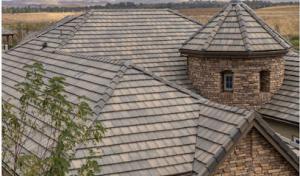
Clay and concrete tile are especially relevant in this market because Southwestern and upscale desert architecture define most homes here. That defining look isn't just cosmetic: it guides how roofs wear, why certain components age differently, and what signals a roof needs attention. On many tile roofs, the visible surface can outlive the layer beneath, so underlayment failure becomes a more common replacement trigger than tile wear alone. If your tiles still look good but you notice leaks, the issue is often not the tile itself but what's under it.
In this climate, the sun's UV exposure and the monsoon schedule push underlayment materials to work harder. You may find a roof that appears sound while the underlayment has delaminated or lost its waterproofing purpose. After a heavy storm or several consecutive scorch days, check the eaves, hips, and valleys first for damp spots, soft spots, or dark staining that signals moisture intrusion behind the tiles. If you hear a constant whisper of wind-driven rain under the tiles, that's a sign the underlayment has suffered and should be evaluated before deciding on a full tile replacement. Plan for a targeted inspection of the underlayment when you notice any new interior staining, even if tile surfaces look intact. A practical rule is to treat underlayment as the probable failure point if leaks occur without obvious tile cracks.
Storms and foot traffic can crack individual tiles, and repairs often hinge on matching profile and color on homes where appearance standards matter. Natural wear, microfractures, or chipped edges disrupt the roof's protective seal and can accelerate water infiltration if left unattended. The Scottsdale aesthetic emphasizes consistent color and profile, so color-matched or profile-matched replacements are not a cosmetic option but a functional one. When a tile breaks, you may need to replace not just the broken piece but nearby tiles to preserve the look and interlock of the system. Expect the replacement process to include careful cleaning of debris, reseating tiles, and resealing fasteners to maintain wind resistance during the next monsoon season.
Start with a post-storm walkthrough to identify cracked or displaced tiles and any interior signs of moisture. Keep a light schedule for annual or biannual checks, focusing on valleys, roof penetrations, and edge details where wind-driven debris concentrates damage. If tiles remain in good cosmetic shape but you suspect underlayment wear, coordinate a targeted evaluation of the roof deck and flashing. For repairs, prioritize matching the exact tile profile and color to preserve the home's curb appeal, even if it requires sourcing from a close tile family or approved stock. In homes with a lot of visible tile work, plan repairs in a way that preserves uniformity across the roofline, because mismatches can stand out more than you expect on Scottsdale's sunlit streets.
Find contractors who specialize in clay and concrete tile roofs, known for their durability and curb appeal.
Tip Top Roofing Service
(480) 877-1643 tiptoproofingservice.com
6830 E 5th Ave Suite #205, Scottsdale, Arizona
5.0 from 106 reviews
Roofs Arizona
(602) 463-0805 roofsarizona.com
Scottsdale, Arizona
5.0 from 219 reviews
Roofs Arizona is a licensed commercial and residential roofing contractor dedicated to workmanship, reliability, and your satisfaction. We are located in Fountain Hills, Arizona and provide roof inspections, and full-service roof installation and repairs throughout the Phoenix area.
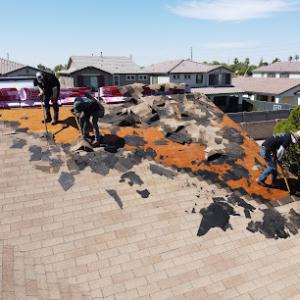
Tip Top Roofing Service
(480) 877-1643 tiptoproofingservice.com
6830 E 5th Ave Suite #205, Scottsdale, Arizona
5.0 from 106 reviews
At Tip Top Roofing Services, we provide a full range of roofing solutions, including installation, repair, and maintenance. Our experienced technicians are trained to address any roofing concern, from fixing leaks and replacing shingles to conducting thorough inspections. We use high-quality materials and advanced techniques to ensure your roof is durable, secure, and visually appealing. With our satisfaction guarantee, you can trust that your roof is in excellent hands and built to last. Contact Tip Top Roofing Services today to schedule your roofing service and experience the reliability and peace of mind that comes with a strong and well-maintained roof.
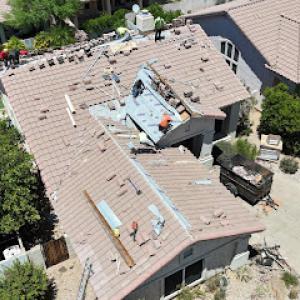
Roof Boyz
(480) 256-8736 callroofboyz.com
Scottsdale, Arizona
5.0 from 129 reviews
Facing roofing challenges in Arizona? Roof Boyz have your back.. and your roof! We are your trusted local expert, dedicated to protecting your home. Specializing in tile, shingle, and flat roofs, we offer comprehensive solutions from minor repairs to full replacements. Their licensed team understands the unique demands of Arizona's climate, providing thorough inspections and quality workmanship to combat sun damage and monsoon storms. For honest service, a fast response, and dependable roofing, choose Roof Boyz.
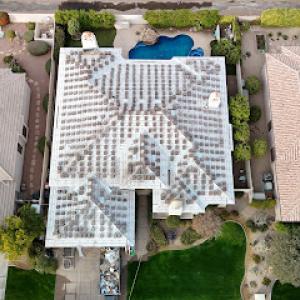
Scottsdale Roofing & Gutters
(480) 426-0885 www.scottsdaleroofingandgutters.com
8075 E Morgan Trail, Scottsdale, Arizona
5.0 from 125 reviews
Award-Winning Roofers in Scottsdale with Years of Experience Performing Roofing Repairs & Replacements. At Scottsdale Roofing and Gutters, we provide full-service re-roofing and roof repairs to homeowners and building owners throughout Arizona. Licensed and bonded, our roofing contractors combine the latest technology, highest quality materials, and most advanced techniques with decades of industry-leading, client-recommended service. As an industry leader, the Scottsdale Roofing And Gutters Team sets the standard of excellence in roofing. We are dedicated to providing peace of mind to our customers, employees, and community. We do this by delivering quality workmanship, continuing our education, and creating a safe work environment.
Kore Roofing
(480) 470-5848 www.koreroofing.com
4241 N Winfield Scott Plaza #201, Scottsdale, Arizona
4.9 from 211 reviews
Kore Roofing is Arizona's leading roofing company, Kore specializes in new roofs, repairs, and insurance claims.
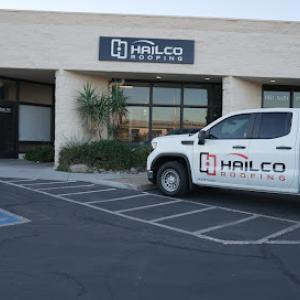
Hailco Roofing
(480) 582-3122 hailcoroofing.com
7655 E Redfield Rd STE 130, Scottsdale, Arizona
4.9 from 226 reviews
Hailco Roofing specializes in storm restoration for residential and commercial properties in Scottsdale, AZ. Our experienced team is dedicated to repairing and replacing roofs damaged by severe weather. We pride ourselves on quality materials, exceptional workmanship, and tailored solutions that meet your unique needs. Contact us today for reliable storm restoration services that keep your property safe and secure.
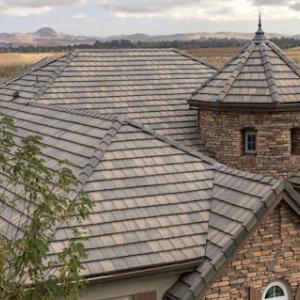
United Roofing & General Contracting
(602) 962-8428 www.unitedcontractinggroup.com
7729 E Greenway Rd # 100, Scottsdale, Arizona
4.9 from 269 reviews
United Roofing and General Contracting is a leading roofing company in Scottsdale, Arizona, known for honest service, rapid response, and lasting results. Whether you need leaky roof repair, emergency roof repair, residential roofing, or full roof replacement, we’re the team to trust. We work with insurance carriers to speed approvals and reduce hassle. Available 24/7 with quick turnaround times, we back every job with a strong warranty, leaving you confident in your new or repaired roof. As a BBB Torch Awards finalist, our integrity speaks volumes. With trusted service and proven results, it’s always a slam dunk, making us the #1 choice when searching for a “roofing company near me.” Visit our website or call us now for a free estimate!
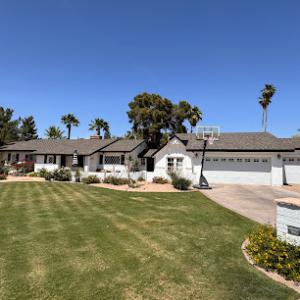
Apex Roofing Systems
(480) 808-7663 apexroofsystems.com
8165 E Indian Bend Rd # 103, Scottsdale, Arizona
4.9 from 111 reviews
Apex is the roofing company Phoenix, Payson, Prescott, and Sun City residents trust for expert roof installation and roof repair. Our roofers come with years of experience and a commitment to building quality roofing solutions that last. We are committed to serving our community’s roofing needs, as roof protection is of the utmost importance in a desert climate. Not only do we provide exceptional roof construction and installation, but we provide certified inspections, and efficient repairs when needed.
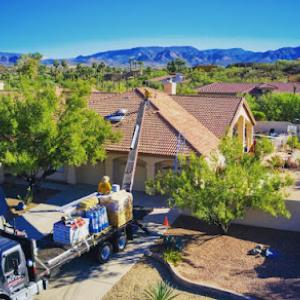
Acclaimed Roofing
(480) 454-7033 acclaimedroofingaz.com
6619 N Scottsdale Rd #7, Scottsdale, Arizona
4.9 from 108 reviews
Acclaimed Roofing has been providing quality roofing in Scottsdale and the greater Phoenix AZ area for over 15 years. We are an Owens Corning Preferred Contractor, offering our customers only the best selection of the highest quality roofing materials available on the market. Our installers have decades of experience to make sure your new roof is installed with care and quality craftsmanship. We also offer a 5-year workmanship warranty for all of our products and services. We are always available to handle any issue that may arise.
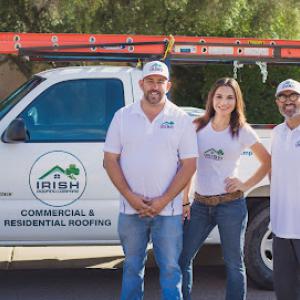
Irish Roofing Company
(480) 613-8815 www.irishroofingcompany.com
7377 E Doubletree Ranch Rd a 280, Scottsdale, Arizona
4.9 from 171 reviews
Irish Roofing Company is a trusted Scottsdale roofing company specializing in high-quality roofing services for both residential and commercial properties. Our expert roofers in Scottsdale provide a wide range of solutions, including tile roof installation and replacement, shingle roof installation and replacement, and metal roof installation and replacement. We also offer comprehensive services such as roof repair, roof maintenance, and thorough roof inspections to ensure the longevity and safety of your roof. Additionally, our team is skilled in commercial roofing, flat roofing, rolled roofing, and TPO roofing, as well as roof coating to extend your roof’s lifespan and improve energy efficiency.
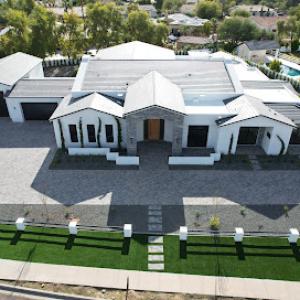
Raven Development
(480) 766-8844 www.ravenwebuild.com
15955 N Dial Blvd Suite 1A, Scottsdale, Arizona
4.8 from 59 reviews
ABOUT RAVEN We are proudly Veteran-owned and operated with an honorable five years of experience in the profession. We have already expanded throughout the valley and established ourselves as a top-performing company in the area. We specialize in new high-end luxury Construction Builds as well as helping homeowners during the process of getting a new roof system after a storm. We hold customer relations and excellence in craftsmanship as our top priorities. With years of working with various insurance companies and contracting experience, you’ll be confident in your overall experience with Raven Development
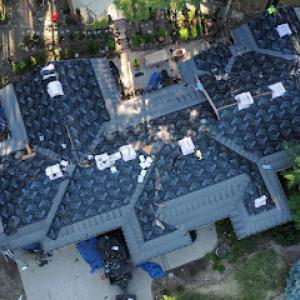
Paragon Contracting
(928) 414-7353 www.paragonbuiltaz.com
20715 N Pima Rd Suite 108 #1101, Scottsdale, Arizona
4.9 from 104 reviews
Paragon Contracting, LLC in Scottsdale, AZ provides expert roof replacement services built to withstand Arizona’s harsh desert climate. Our team specializes in replacing worn or sun-damaged roofs, helping homeowners protect their properties from extreme heat, monsoon storms, and UV exposure common in the Valley. We focus on precision, durability, and aesthetic appeal with every project, ensuring long-term protection and value. Known for professionalism and quality craftsmanship, Paragon Contracting, LLC is the trusted roofing contractor Scottsdale residents rely on for dependable service and lasting results.
The desert monsoon can turn a sunny afternoon into a high-stakes roofing moment in a hurry. Wind and hail from passing cells travel fast, and roofs that looked fine in the morning can show damage by sundown. The typical pattern here isn't a long winter weather event that lingers; instead, it's a sequence of sudden hits followed by a dry spell. That shift means aging roofs can go from tolerable to compromised in a single storm season, and the timing of replacements often lines up with how recently a roof was hit rather than a fixed calendar. In practice, this means homeowners should expect their roof to be evaluated more frequently after monsoon activity, especially if a new cell rolls through or clusters of cells linger over parts of the Valley.
Insurers in this market commonly want thorough storm documentation. After a weather event, prepare to gather photos that show both previous and current roof conditions, and keep notes on any temporary measures taken to protect interior spaces. Your file should include dates, specific observations (such as exposed underlayment or cracked tiles), and names of any contractors who performed temporary repairs. This level of detail helps establish the sequence of events and supports the claim if a subsequent storm hits the same area. If you're coordinating a claim, expect requests for additional documentation as adjusters may want to confirm wind speeds, hail sizes, or the extent of damage across multiple roof planes.
Because claim activity is weather-driven, post-storm contractor demand can spike locally after monsoon cells move through the Valley. That surge can affect inspection and repair timelines, pushing appointments further out than anticipated. It's smart to line up reliable local contractors before a major storm hits and to maintain a short list of preferred professionals who understand the nuances of common Scottsdale roofing materials, such as tile and synthetic options that handle desert sun but react differently to hail. When scheduling, build in a buffer for possible delays caused by high demand, and communicate clearly with your insurer about preferred inspection windows to reduce back-and-forth.
After a storm, prioritize safety and surface integrity: avoid stepping on damaged sections and document any interior leaks or staining quickly. If you suspect hidden damage under tiles or shingles, arrange a professional roof inspection promptly; delayed detection can complicate claims and extend repair timelines. For ongoing monsoon seasons, consider periodic preventative checks-especially after heavy rains or aggressive winds-so you're not surprised by accelerated aging or unseen vulnerabilities when the next storm arrives.
Connect with contractors who help homeowners navigate the claims process from damage assessment to final approval.
Scottsdale Roofing & Gutters
(480) 426-0885 www.scottsdaleroofingandgutters.com
8075 E Morgan Trail, Scottsdale, Arizona
5.0 from 125 reviews
Kore Roofing
(480) 470-5848 www.koreroofing.com
4241 N Winfield Scott Plaza #201, Scottsdale, Arizona
4.9 from 211 reviews
Flat and low-slope roofs are a meaningful Scottsdale category, especially on Southwestern-style homes, additions, patios, and some commercial-residential hybrid designs. The lack of a steep pitch means heat and UV exposure act directly on the membrane, coating, and seam details. Over time, this accelerates wear, ages coatings faster, and increases the likelihood of minor hail or wind-driven damage showing up as leaks after the monsoon season.
In the desert climate, low-slope systems endure relentless sun and heat cycling. UV rays degrade coatings and elastomeric sealants, causing micro-cracks and loss of elasticity. You may notice whitening or chalking on surface coatings, followed by micro-permeation that doesn't show up as a full roof failure right away. A practical approach is to schedule a mid-year inspection after the peak heat of July and August, then again after the monsoon can cause rapid drainage shifts. Regular maintenance of flashings and transitions helps keep the roof watertight as coatings age.
Monsoon ponding and drainage performance matter more on Scottsdale flat roofs because intense seasonal rain can expose weak seams, scuppers, and transitions quickly. Confirm that surface grading directs water toward primary drainage routes and that scuppers remain clear enough to handle sudden runoff. During dry stretches, inspect for surface deformities or blistering that could compromise drainage during a summer downpour. If you see standing water after a rain, address it promptly, as prolonged exposure to moisture can soften membranes and accelerate wear.
Begin with a thermal inspection after the hottest month and again before the monsoon season so you catch heat-induced deformations early. Gently clean debris from parapet walls and edge details to prevent moisture buildup around seams. Check edge metal, sealants, and any transitions between flat roof sections and vertical walls. If coatings show signs of aging, plan a targeted re-coating or sealant refresh before the next heat cycle, focusing on high-traffic edge zones and drainage paths. Keep scuppers and internal drains clear of leaves and sediment; install rain diverters if you notice excessive ponding near transitions. Lastly, document all changes and schedule proactive refreshes as part of your annual roof health routine.
Find specialists in TPO, EPDM, and built-up flat roofing systems for residential and commercial properties.
Tip Top Roofing Service
(480) 877-1643 tiptoproofingservice.com
6830 E 5th Ave Suite #205, Scottsdale, Arizona
5.0 from 106 reviews
The Sonoran Desert sun hits rooftops with a relentless intensity, accelerating wear on materials that might otherwise perform fine in cooler climates. Asphalt shingles tend to show granule loss and color fading faster when exposed to continuous UV, while metal roofs can develop surface chalking if coatings aren't high quality. Tile options-clay or concrete-often resist heat better, but long-term color fade and expansion-contraction cycles can still affect joints and sealants. The dominant residential materials in this market do not age equally under desert sun, so choosing a material that tolerates high attic heat and frequent sun exposure can meaningfully extend service life.
Material choice in Scottsdale is shaped less by snow or freeze-thaw concerns and more by solar exposure, attic heat load, wind resistance, and how the roof handles monsoon-driven rain events. Lighter-weight options may reduce structural load and ease replacement, but they can trade off durability under heat if not properly insulated or vented. Clay and concrete tiles handle heat well and create low interior heat gain when installed with proper underlayment and attic ventilation; however, they are heavier and may require structural evaluation before installation. Metal roofs offer excellent heat reflectivity and wind resistance when finished with a reflective coating, yet color choices and panel design matter for longevity. Synthetic or composite shingles can bridge the gap by providing ease of installation and decent UV resistance, though performance varies by formulation. The key is to match the roof's thermal behavior with the home's attic design and ventilation strategy to avoid excessive cooling costs and premature material aging.
Monsoon storms bring sudden wind and downpours that stress edge flashings, penetrations, and the roof-to-wall transitions. Clay and concrete tiles can shed water efficiently when installed with a continuous, well-sealed underlayment and proper lapping, but broken or cracked tiles during wind events can create leaks quickly if gaps allow water infiltration. Asphalt shingles may suffer from wind-driven uplift if the roof edge details aren't upgraded with high-wield fasteners and sealant. Metal roofs, with seam systems and flashing, can perform exceptionally during storms when the fastener pattern and sealant choices are geared for moisture movement and wind uplift. In all cases, a well-sealed attic with balanced ventilation reduces heat push toward roofing materials, helping continents of aging progress more slowly and providing a buffer against monsoon-related water intrusion.
The city's architecture often favors tile visually, but homeowners also compare lighter-weight options when structure, budget, or replacement speed matter. Tile still dominates for a reason: its dimensional appearance and weathered texture suit desert tones, while concrete tiles can offer more durable color stability in bright sun. Clay tile typically carries classic aesthetics and strong heat resistance but demands roof framing capable of handling weight. Wood shakes deliver a distinctive look but can be vulnerable to sun-induced drying and wind uplift unless well maintained. Synthetic or composite shingles provide a compromise, offering varied textures and quicker installation with easier handling, while still aiming to resist UV degradation. The choice should align with the home's overall design language, while ensuring the roof's insulation, ventilation, and flashing are up to the task of Scottsdale's sun and storms.
The most popular roofing material in the US. Find pros who install, repair, and replace asphalt shingles.
Irish Roofing Company
(480) 613-8815 www.irishroofingcompany.com
7377 E Doubletree Ranch Rd a 280, Scottsdale, Arizona
4.9 from 171 reviews
Sampson Roofing
3010 N 67th Pl suite#106, Scottsdale, Arizona
4.9 from 94 reviews
Sky Shield Roofing Company
(602) 856-2915 www.skyshieldroofingcompany.com
1211 N Miller Rd UNIT 218, Scottsdale, Arizona
5.0 from 35 reviews
You'll see average cost ranges cited for commonly used materials: asphalt shingles 300-650 USD per square, metal 550-1100, clay tile 800-1600, concrete tile 700-1400, wood shingles/shakes 450-1000, and synthetic/composite 400-900 per square. Those figures reflect the local mix of housing styles and the demand rhythms brought on by intense sun and monsoon cycles. When planning, expect the lower end for budget replacements in older homes and the upper end where premium tile, higher labor content, or more complex layouts drive up the bill.
Tile-heavy housing stock is common here, and that matters beyond material cost. Tear-off comes with more debris management, underlayment decisions, and careful handling of broken or cracked tiles. Replacement pieces-from curved clay to concrete tile segments-need precise fit and matching color or finish, which adds time and parts cost. Labor-intensive steps translate directly into higher per-square pricing versus simpler shingle jobs, even if the installed roof footprint is modest.
Seasonal demand spikes after monsoon storms and during the hottest stretches of summer can squeeze labor availability. In practice, that means longer wait times for start dates, tighter scheduling windows, and potential premium days if crews are in high demand. Planning ahead for a window that avoids peak heat and after-storm backlogs can reduce latency costs and help avoid weather-related delays that often push projects into tighter quarters.
Extreme sun ages components faster-underlayment, flashing, and fasteners all face accelerated wear. If replacement timing is pushed later by schedule pressures or material shortages, the total project cost can shift upward due to additional prep work or the need for premium underlayments. Weigh the choice of tile type, color-reflective options, and warranty terms against the typical ranges to protect long-term performance in this climate.
Get a clear picture of your project costs upfront - no commitment required.
Kore Roofing
(480) 470-5848 www.koreroofing.com
4241 N Winfield Scott Plaza #201, Scottsdale, Arizona
4.9 from 211 reviews
United Roofing & General Contracting
(602) 962-8428 www.unitedcontractinggroup.com
7729 E Greenway Rd # 100, Scottsdale, Arizona
4.9 from 269 reviews
Sampson Roofing
3010 N 67th Pl suite#106, Scottsdale, Arizona
4.9 from 94 reviews
A full re-roof in Scottsdale typically requires a permit through the City of Scottsdale Building Development. The permit process is designed to confirm that your roof meets local wind, fire, and structural requirements amid the Sonoran Desert's blazing sun and the summer monsoon cycle. Before any shingle or tile removal begins, your contractor should submit the project scope, roofing material type, and any structural or ventilation changes for review. Expect the permit to specify the exact sequence of work and to require inspections as milestones are met, rather than a single end-point approval.
Scottsdale inspections are commonly performed at the deck or underlayment stage and again at final. Inspectors will look for code compliance in several critical areas that are particularly relevant in this climate. Underlayment installation must align with local wind and UV exposure expectations, with attention paid to seams and fastener corrosion resistance. Nailing patterns are checked to ensure adequate hold during monsoon wind gusts and heat cycling. Ventilation is evaluated to avoid heat buildup under the roof deck that can accelerate aging of the underlayment and attic components. Final inspections verify that roofing ballast, flashing, penetrations, and vent details are properly integrated with the building envelope to resist both heavy rain and high daytime temperatures.
Plan review and inspection scheduling lead times can affect project start dates in Scottsdale, so homeowners should not assume a roof can be replaced immediately after signing a contract. The calendar for plan review depends on current workload at the Building Development department, the complexity of the roof, and any required plan corrections. Weather windows matter too; Scottsdale's monsoon season can tighten scheduling as crews shift to protect interior spaces in storm events. Coordinate with your contractor to align permit approvals, weather contingencies, and inspection slots so the project proceeds with predictable timing.
Skylight work is a meaningful specialty in Scottsdale's contractor market, reflecting the prevalence of roof penetrations that need careful flashing in a high-UV climate. The desert sun ages seals and flashing quickly, so a seemingly simple skylight project can become a long-term reliability issue if not handled by someone who understands how reflections, heat, and expansion affect materials here. When a skylight is installed or resealed, the goal is a seamless surface that keeps heat out and water in check, not a hurried patchwork.
On Scottsdale roofs, penetrations often become leak points during monsoon downpours if flashing, sealants, or surrounding underlayment have aged under desert sun. The combination of intense sun, high heat, and rapid cooling can create micro-cracks in sealants and brittle underlayment. After a blistering summer, a sudden storm can stress these spots enough to reveal hidden failures. If a leak appears, the instinct to delay can backfire; waiting through the heat of a season and the next storm cycle only increases damage risk.
Tile and low-slope roof designs common in Scottsdale can make penetration detailing more specialized than on a simple steep-slope shingle roof. Tile projects require precise flashing transitions to accommodate curved surfaces, and low-slope areas demand meticulous waterproofing to prevent capillary wicking. In practice, this means choosing flashing materials and sealants rated for the sun and for the specific slope, plus ensuring that surrounding underlayment is continuous and undisturbed during any penetration work. The result should be a robust, heat-resilient seal that survives the next wind-driven monsoon.
Find contractors experienced in skylight installation, flashing, and leak repairs to bring natural light into your home.

Circle G Roofing
(602) 791-6415 circlegroofing.com
7349 N Vía Paseo Del Sur #515, Scottsdale, Arizona
4.9 from 96 reviews
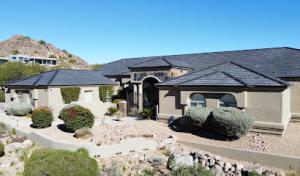
Because Scottsdale has a strong re-roofing and emergency-repair market, homeowners will encounter many companies advertising fast response after storms. In this environment, contractor fit matters more than choosing a generalist by default. Look for teams with demonstrated experience in tile-heavy homes, asphalt and composite options, and the ability to coordinate quickly with insurance adjusters after monsoon damage. A bidder should present a clear plan for storm sequencing, debris removal, and a documented warranty that stands up to desert sun and wind.
Tile roofing, storm damage, flat roof work, insurance claims help, and warranty-backed projects are all notably active specialties in Scottsdale, so contractor fit matters. Ask specifically about prior Scottsdale projects, including tile and flat-roof repairs after monsoon events. Request evidence of proper underlayment choices for extreme heat and UV exposure, plus details on how crews protect finished landscaping, pools, pavers, and curb appeal that HOA rules often emphasize. A capable contractor will tailor the approach to each roof type rather than pushing a one-size-fits-all method.
Cleanup expectations are high in this market, which is especially relevant on Scottsdale properties with finished landscaping, pools, pavers, and HOA-sensitive curb appeal. Confirm a written cleanup plan, including wind-generated debris containment, garage and yard protection, and disposal of old materials. Insist on daily site tidiness during the job and a final walkthrough to verify no nails or loose fasteners remain. A meticulous crew prevents HOA issues and protects your investment from post-storm liability.
Contact at least three locally active contractors with storm-repair track records. Compare response times, provisional work scopes, and warranty terms. Visit a completed local project or request a recent reference and photos from similar homes. Ensure the scheduling aligns with your post-storm urgency and that the contractor can coordinate with insurance if needed.
The Scottsdale insurance environment is shaped by hail and wind claim activity, so roofing decisions are often made with future documentation needs in mind. High sun exposure accelerates material aging, and monsoon storms can arrive with little warning, increasing the likelihood of wind-driven damage. Knowing that insurers frequently review a documented roof history after a storm helps you plan from day one, not after a claim is filed. When choosing materials, weight factors, warranty length, and proven performance in desert heat matter just as much as initial appearance.
Proper paperwork, roof condition records, and storm photos can affect how insurers evaluate coverage, deductibles, and any available wind-mitigation considerations in the Scottsdale area. Build a simple, organized file that follows the roof from installation through every inspection, repair, and closeout. Include photos taken before and after major storm events, notes from routine inspections, and copies of any contractor reports. This isn't about paranoia; it's about having clear, chronological evidence that helps adjusters understand the roof's true condition and aging curve in this climate.
Homeowners in Scottsdale should keep records of inspections, repairs, and permit closeout because insurers and adjusters may ask for a documented roof history after a storm. After a hail or high-wind event, take comprehensive photos from multiple angles, document any denting or missing shingles, and obtain a written assessment from a licensed roofer. A well-maintained history can streamline claims, support wind-mitigation considerations, and reduce back-and-forth during settlement negotiations.
Connect with contractors who help homeowners navigate the claims process from damage assessment to final approval.
Scottsdale Roofing & Gutters
(480) 426-0885 www.scottsdaleroofingandgutters.com
8075 E Morgan Trail, Scottsdale, Arizona
5.0 from 125 reviews
Kore Roofing
(480) 470-5848 www.koreroofing.com
4241 N Winfield Scott Plaza #201, Scottsdale, Arizona
4.9 from 211 reviews