
Last updated: Apr 19, 2026
The combination of extreme summer heat and a defined monsoon window makes roof work here more crash-test than casual project. Asphalt shingles age faster under the southeast Phoenix metro sun, and heat-related brittleness plus granule loss show up sooner than in milder markets. That means choosing the right time to replace a roof isn't cosmetic-it's about prolonging the replacement's life in conditions that want to shorten it. Planning around cooler months and monsoon reliability reduces the risk of early damage, call-backs, and avoidable delays.
Fall through early spring is the practical sweet spot for a full roof replacement. Starting in late September through March aligns with cooler days, less intense UV exposure, and a lower risk of heat-driven material problems during installation. This timing also helps crews work at a comfortable pace and reduces the likelihood of heat-related fire or equipment stress. If a spring window is necessary, aim for late February or March to complete the dry-in before the heat ramps up again. The goal is a dry-in that's secured before the first big monsoon sweep of the year.
Extreme sun exposure accelerates asphalt shingle aging more than in milder markets, so choosing materials and a replacement schedule that tolerate heat is essential. In practice, that means coordinating delivery and staging so the roof isn't left exposed to peak sun for long stretches during installation. Materials that resist heat-induced brittleness should be prioritized, and crews should plan for ample ventilation and heat breaks during the day. If a replacement is rushed through in summer, expect more granule loss at the edges and faster curling or cracking in the shingle surface, which can shorten the life of a new roof.
Monsoon storms in Chandler bring fast wind-driven rain, hail, and sudden work stoppages. The window from July through September is not ideal for dry-in during a typical full-roof replacement. Planning must assume potential rain events that halt progress, complicate tarping and staging, and create back-to-back days of drying-in and re-sealing. That makes pre-project weatherization and sequence planning critical: confirm that the underlayment and flashing details are installed to withstand a sudden rain event, and ensure the roofing crew has a clear plan for securing temporary coverings if a storm rolls through mid-project. If the project is paused by storms, a reliable timetable and contingency backups for material storage and crew scheduling help keep the project on track once the weather clears.
Residential roofs in this market often feature tile or composite systems that respond differently to heat and moisture. A well-structured replacement plan keeps underlayment and flashing fully protected during transit and installation, especially in dusty, windy conditions that can accompany monsoon patterns. Expect short, decisive shifts in the workday-when a gusty monsoon front approaches, crews pause, tarps go up, and skylights are shielded. This discipline reduces the chance of moisture intrusion and wind-driven damage to exposed sections of a new roof.
Coordinate with the contractor to lock in a replacement start date during the fall window, with a clear contingency plan for late-winter or early-spring starts if weather or material timing shifts. Ask about the sequence of tasks-roof removal, deck inspection, underlayment, flashing, and final sealant-and confirm who is responsible for securing tarps and protecting adjacent exterior elements during a rain risk. Clarify the dry-in milestones and weather-related holdbacks so the schedule doesn't slip after a storm belt has passed. Finally, ensure a post-install inspection focuses on heat-affected edges, granule retention, and flashing integrity, which are the areas most stressed by Chandler's summer sun and monsoon activity.
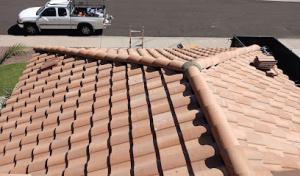
Clay and concrete tile are the visual standard in many neighborhoods, where desert Southwest subdivision design guides the overall look. That architectural choice means your roof surfaces contribute heavily to curb appeal and long-term performance. The tiles themselves are durable in the heat, but the true story in this climate is how the system beneath carries the load. When the attic or roof deck is not correctly prepared, the tile surface can hide subtle failures that show up as leaks or premature wear years later. The contrast between sun-scorched surfaces and cooler, shaded interiors often masks problems until a heavy rain or a high-wind event arrives.
In practice, many tile roofs fail most often because the underlayment has aged beyond its ability to protect the deck. When heat, dust, and UV exposure accumulate, the underlayment's fibers or synthetic layers can dry out, crack, or separate from the decking. If the underlayment is compromised, even perfectly seated tiles won't stop moisture from reaching the structure. You may notice blistering or staining on interior ceilings, or you might detect a soft feeling when you press on the roof edge from the attic space. A careful inspection should verify that the underlayment remains continuous, properly fastened, and free of dry rot or embedded debris. If you've lived in homes with tile roofs for a long time, plan ahead for underlayment replacement as part of any major reroofing decision, rather than treating it as an afterthought.
The city's intense sun and monsoon winds can expose weak flashing and displaced field tiles, particularly on older homes. Flashing around chimneys, vents, and skylights must remain watertight under heavy rain and blowing dust. Look for loose or lifted tiles at roof penetrations, and check the flashing boots for cracking or movement. In high-wind events, field tiles can fracture or slide, leaving vulnerable gaps that quickly invite moisture. A proactive approach is to re-seal and secure flashing, replace any chipped or broken tiles, and ensure that the tile pattern remains aligned. These steps protect not only the roof but also the interior and attic spaces from weather-driven stress.
Monsoon cycles bring sudden, intense bursts that test roofing systems beyond the usual daily heat load. The combination of wind-driven dust and heavy downpours makes it clear why underlayment and flashing quality matter more than the surface appearance. Seasonal checks, performed before monsoon onset, should verify that valley channels are clear, gutters are free of debris, and ridge tiles are intact. During the season, vigilant homeowner checks after storms help catch dislodged tiles or minor flashing gaps before they become larger leaks. If a storm exposes gaps or gives you the sense that moisture has penetrated beneath the tiles, a professional evaluation is wise, because the real weak link may be the substrate or underlayment rather than the tile itself.
You can run a focused exterior check after heavy winds or monsoon rain. Look for signs of displaced field tiles, cracked surfaces, or dark streaks on the soffit and fascia that indicate moisture travel. Inspect the vent and chimney flashings at the attic access or in the garage, paying attention to any staining around penetrations. Interior signs to watch for include small damp patches on ceilings, bulging drywall, or musty odors near the attic access. If you notice any of these indicators, treat them as urgent prompts for a professional roof assessment to determine whether underlayment, flashing, or tile replacement should occur sooner rather than later.
Find contractors who specialize in clay and concrete tile roofs, known for their durability and curb appeal.
Discount Roofing
(602) 736-6001 discountroofingllcaz.com
1787 E Carla Vista Dr, Chandler, Arizona
4.9 from 184 reviews

VHB Roofing
4980 S Alma School Rd #2-411, Chandler, Arizona
4.9 from 423 reviews
Venzor Roofing
(480) 930-0900 venzorroofing.com
Chandler, Arizona
5.0 from 247 reviews
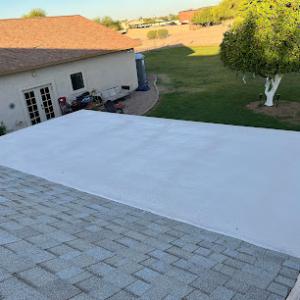
As specialists in residential roofing repair services, we are dedicated to providing customer service that is second to none. With 10 years of experience, we will work with you and adhere to your personal needs, and then we'll be in contact through the whole project. We strive to save you both time and money by combining roofing knowledge, the highest quality parts, and equipment, as well as dedication to delivering exceptional service. We will not leave the job until it is finished and you are satisfied with the results. Reach out today!

Discount Roofing
(602) 736-6001 discountroofingllcaz.com
1787 E Carla Vista Dr, Chandler, Arizona
4.9 from 184 reviews
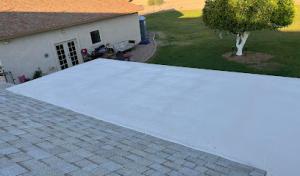
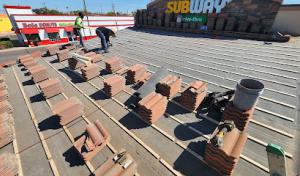
Discount Roofing has proudly served the greater Phoenix, Arizona area since 2020, delivering top-rated roofing services tailored to meet the unique needs of the desert climate. Specializing in shingle replacements, tile replacements, flat roof replacements, and comprehensive roof repairs, Discount Roofing is dedicated to providing durable, high-quality solutions for residential and commercial properties alike. Customer satisfaction is at the heart of the company’s mission, reflected in its consistent 5-star reviews and a growing list of loyal clients. Discount Roofing takes pride in offering transparent pricing, prompt communication, and efficient service, making the roofing process smooth and stress-free for homeowners and businesses
VHB Roofing
4980 S Alma School Rd #2-411, Chandler, Arizona
4.9 from 423 reviews
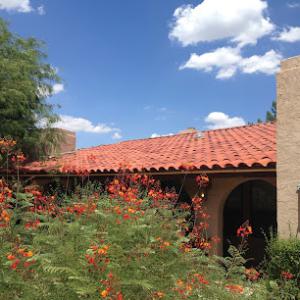
Our mission is to provide you with the most cost-effective roofing solutions that are unmatched in quality and safety. We value your needs, time and money. Our experienced team works tirelessly to make your roofing project as worry-free as possible. We promise no salesmen and no gimmicks. Deal directly with the owner throughout the entire process. No payment required until the job is complete and you the owner are 100% satisfied.
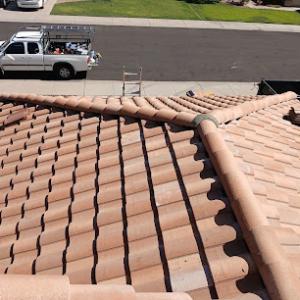
Real Roofing
(602) 329-8402 www.realroofingofficial.com
481 N Arizona Ave, Chandler, Arizona
4.9 from 306 reviews
Real Roofing is a licensed and trusted roofing company based in Chandler, AZ, providing professional residential and commercial roofing services throughout Arizona. We specialize in roof repair, roof replacement, and new roof installation for homes and businesses of all sizes. Our experienced team works with all roofing systems including: tile roofs, shingle roofs, metal roofs, TPO, PVC, EPDM, foam roofs, roof coatings, wood shake, slate, composite, built-up roofing, and flat roofs. Known for quality workmanship, clear communication, and reliable service. Serving Chandler, Gilbert, Mesa, Phoenix, Scottsdale, Tempe, Queen Creek, and surrounding areas. Contact Real Roofing for a professional consultation and dependable roofing solutions.
White Leaf Roofing
(480) 470-6504 whiteleafroofing.com
3210 S Gilbert Rd # 1, Chandler, Arizona
5.0 from 86 reviews
White Leaf Roofing is a roofing contractor that serves Chandler, Gilbert, Sun Lakes, Gold Canyon, Mesa, and the East Valley of Phoenix, AZ. We provide roof replacement services and roof repairs. With our lean and efficient team, we can offer the most honest and competitive price possible without cutting corners or using poor-quality materials. Call or text for a free estimate and quote. You will speak with the owner/founder Andy Johnson when you call. No pushy salesman guaranteed. We give you a pressure-free quote with multiple options to choose from. Our team is comprised of professionals who take pride in their work. We treat your home as if it were our home giving you the best experience from start to finish.

MSW Contracting
(602) 284-8542 www.roofarizona.com
2875 W Ray Rd Suite 6 #246, Chandler, Arizona
4.9 from 101 reviews
MSW Contracting llc is a roofing company specializing in all types of roofs including flat and foam roofs servicing the Phoenix metro area including Chandler, Scottsdale, Mesa, Tempe, fountain hills, Gilbert, Apache Junction,

Roof Medics
(480) 602-9001 www.theroofmedics.com
Chandler, Arizona
4.9 from 97 reviews
The Roof Medics, LLC's dedicated team of licensed, bonded, and insured roofing contractors provide exceptional residential and commercial roof repair and replacement services to the Phoenix, AZ metropolitan community. We offer complimentary roof inspections, FREE estimates, and competitive prices. Financing and warranties are available.
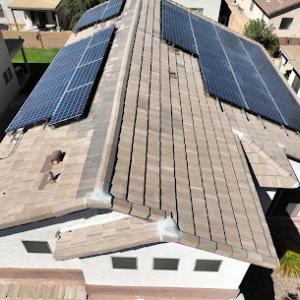
Gurr Brothers
(480) 826-7759 www.gurrbrothers.com
1710 E Germann Rd #10, Chandler, Arizona
4.7 from 668 reviews
Arizona's #1 Water Damage Reconstruction, Fire Damage Repair, Commercial Restoration & TI, Home Renovation & Remodeling, Roofing, and Solar General Contractors!

Rob’s Roofing
(480) 687-5215 www.robsroofingaz.com
805 E Warner Rd # 104, Chandler, Arizona
5.0 from 38 reviews
With over 30 years of roofing experience, Rob’s Roofing is a group of highly trained professionals who take pride in delivering top-quality workmanship to every customer. Our commitment to excellence ensures that you receive the best possible roofing services, backed by attention to detail and customer care. Here’s what you can expect when you choose us: • Roofing crews and vehicles that maintain a clean and professional appearance. • A well-organized, efficient process for roofing preparation, installation, or repair, ensuring minimal disruption to your property. • A thorough clean-up, leaving your property spotless and free of any roofing debris once the job is completed.
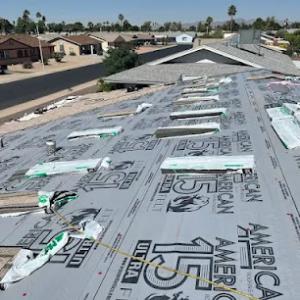
Roofing All Stars
(602) 456-5955 www.roofingallstars.com
2840 E Germann Rd #1011, Chandler, Arizona
4.9 from 37 reviews
Roofing All Stars is a family-owned, licensed, bonded company and a proud member of the BBB, offering expert roofing services including shingle replacement, fire and storm damage repair, wood deck replacement, skylight installation, fascia board work, and complete roofing systems. Whether it’s a small fix or an emergency response, we deliver top-quality workmanship and trusted expertise on every project. We use the most in-demand roofing materials and provide free, no-obligation assessments through our website, with financing options available. At Roofing All Stars, honesty, reliability, and quality service come standard—we’ve got your home covered.
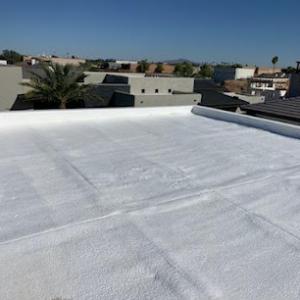
Porter Roofing
(480) 460-7602 www.porterroofinginc.com
3738 W Commonwealth Ave #6, Chandler, Arizona
4.8 from 92 reviews
Welcome to Porter Roofing, Inc. Porter Roofing, Inc. has been Family owned and operated in Arizona for 30+ years. We Specialize in Tile, Asphalt Shingle, Sprayed Foam, and Rolled Roofing, including New, Replacement and Repairs We install more than roofing solutions. We install confidence.
Gryphon Roofing
Chandler, Arizona
4.8 from 55 reviews
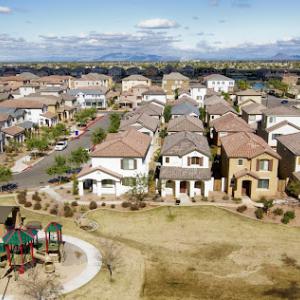
Phoenix Roofing Company serving Arizona for over 30 years. Our owner, Russ Hyman, is a 5th generation Arizonan that knows what your home needs to stay cool, stay dry, and stay protected. Your roof whether tile, shingle, or flat is the first line of defense against the sun, monsoons, and weather in getting into your home. Let us help you fix your leaks and protect your investment! We will be there to replace your roof when the time comes, or do a simple roof repair to push it along a few more years. We offer long leak free warranties too! Hire us, a premiere Phoenix roofing company.
Seasonal Risk Snapshot: Summer in this area blends blistering heat with sudden monsoon storms. The highest acute roof risk comes during monsoon season, when wind-driven rain can turn small flashing or underlayment failures into interior leaks very quickly. A roof that looks fine in the morning can seep overnight if a gust tears open a seam or loosens a valley flashing. Preparation now saves headaches later.
During the monsoon, shingles may lift, flashing corners shift, and metal edge trims can buckle from wind and hail. Tile roofs, common here, crack and dislodge under pressure, and synthetic underlayment can puncture. When rain arrives with force, those small weak points become pathways for water. If you notice damp spots or attic warmth after a storm, treat it as urgent and start documenting.
Spring dust storms and monsoon outflows in the East Valley can leave debris on roofs and in valleys, increasing drainage problems before the heaviest summer rains arrive. Debris blocks vents and clogs downspouts, creating standing water near penetrations. Clean gutters and review valley metal and boot flashing after storms, but do not climb on a slick roof during or after wind.
Because storm-related claims are common in this region, homeowners benefit from immediate photo documentation after wind or hail events before temporary repairs or cleanup alter the evidence. Take wide shots of the entire roof, close-ups of flashing, vents, and gutter intersections, and timestamp them. If safe, note any interior indicators like ceiling stains or peeling paint. Store photos in a cloud backup and share with your roofer promptly to guide a rapid assessment. Share images with your insurer or adjuster immediately too.
When a leak is suspected, address ingress fast: cover active drips with a tarp anchored away from wind, locate the likely source, and minimize attic exposure. Do not delay calling a local roofer who can prioritize emergency triage, especially after sudden storms. Your goal is to protect insulation and interior finishes while a lasting repair plan. Urgent action now reduces the risk of mold, costly drywall damage, and extended downtime from a weather-driven leak.
When you can't wait, these contractors offer fast response times to stop leaks and prevent further damage.
Discount Roofing
(602) 736-6001 discountroofingllcaz.com
1787 E Carla Vista Dr, Chandler, Arizona
4.9 from 184 reviews
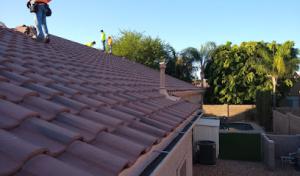
Supply Solutions Roofing
(480) 242-5346 www.supplysolutionsroofing.com
2056 N 91st Pl, Chandler, Arizona
4.8 from 44 reviews
Asphalt shingles remain common in Chandler, but the city's prolonged UV exposure and summer roof temperatures can shorten their lifespan compared with cooler climates. If asphalt is chosen, expect more rapid granule loss and faster curling on east- and west-facing slopes. To maximize life, choose a multi-tab or architectural profile with a good UV stabilizer, install with a breathable underlayment, and ensure proper attic ventilation to reduce peak rooftop temperatures. A careful edge detail and high-quality sealant around penetrations help resist heat-induced wear. Regular inspections after the monsoon season catch shingle degradation early, before water intrusion starts.
Metal roofing can perform well in Chandler's heat and sun, but detailing for expansion, flashing, and noise expectations matters in a market where tile remains the more familiar residential choice. Choose metal with a reflective finish or cool-coat option and verify that fasteners and panel laps are sealed to resist dust and monsoon moisture. Expect some added rooftop noise during summer rain if the attic is not well insulated or if a solid deck is used beneath the metal. When pairing metal with rest of the envelope, ensure the edge details and parapet transitions are designed to shed dust and resist wind-driven debris from the monsoon events.
Synthetic and composite products are relevant in Chandler because homeowners often want a lighter-weight alternative that still fits desert-home aesthetics without the full weight of traditional tile. Look for products with good UV resistance, color stability, and a warranty that accounts for desert temperatures. These materials can provide a middle ground between weight, cost, and performance, and they often install with familiar methods. Pay attention to the compatibility of synthetic options with existing roof contours and attic ventilation to prevent heat buildup that shortens service life. In areas with heavy dust, select a product proven to resist staining and maintain surface integrity under sun exposure.
Chandler's dominant tile market pushes project complexity above a basic shingle tear-off. Homes often require tile handling, underlayment replacement, and careful flashing work, which adds labor time and material cost beyond a straightforward asphalt job. In practice, a full replacement tends to sit higher on the price ladder than a similar-sized roof in milder markets, because every tile tear and re-install needs precision to avoid leaks in the desert heat and the coming monsoon season.
If your home already has tile, the bid isn't just about removing old shingles and laying new underlayment. A tile roof requires careful removal, possible tile re-use or replacement, and precise flashing around chimneys, vent pipes, and roof penetrations. That work drives costs up compared with asphalt-only projects. Given the market, you may see a tilt toward clay, concrete, or synthetic options depending on your home's slope, wind exposure, and attic ventilation. The listed ranges reflect the added labor and special handling these assemblies demand, with tile and related underlayment work often pushing bids toward the higher end of the spectrum.
Costs can rise during or just after monsoon damage surges, when East Valley demand spikes for emergency dry-in, repairs, and full re-roofs. If a storm hits and your roof is compromised, you'll face not only materials but expedited schedule pressure, which can elevate labor rates and shorten available install windows. In practical terms, that means choosing a replacement window with a cushion for delays and potential higher air-conditioning loads during the install. Expect bid timings to compress and crews to be booked weeks out in peak monsoon periods.
Labor planning in Chandler is affected by extreme summer heat, which can reduce productive installation hours and make cooler-season scheduling more attractive for major projects. If you're weighing options, consider starting the project in late fall or early winter when daily temperatures are friendlier for long days on the roof. While some projects push into spring, the heat can still limit daily progress and require more crew rotations, nudging total cost upward. Use this window to compare bids carefully and confirm you're getting tile-safe handling, proper underlayment replacement, and solid flashing work.
Asphalt shingles run roughly from 350 to 900 USD per square, metal 650 to 1500, clay tile 800 to 1800, concrete tile 750 to 1500, wood 800 to 1700, and synthetic 600 to 1200 per square. In Chandler, a tile-heavy replacement that involves careful flashing and underlayment will sit toward the higher end of these ranges. When you request bids, ask for a breakdown: removal, underlayment, tile handling or replacement, flashing, and disposal. Confirm whether a mock-up dry-in is included and verify crew experience with the specific tile system your home uses.
Get a clear picture of your project costs upfront - no commitment required.
VHB Roofing
4980 S Alma School Rd #2-411, Chandler, Arizona
4.9 from 423 reviews
White Leaf Roofing
(480) 470-6504 whiteleafroofing.com
3210 S Gilbert Rd # 1, Chandler, Arizona
5.0 from 86 reviews

MSW Contracting
(602) 284-8542 www.roofarizona.com
2875 W Ray Rd Suite 6 #246, Chandler, Arizona
4.9 from 101 reviews
A full residential re-roof typically requires a building permit rather than being treated as minor maintenance. In this city, plan review and on-site inspections are the standard path for re-roof projects, not a paperwork shortcut. The permit process ensures that underlayment, flashing, and ventilation are installed to withstand Sonoran Desert heat and the coming monsoon season. If the project includes structural changes such as deck or rafter modification, additional filings may be required beyond a straightforward re-roof permit. Skipping or rushing the permit can lead to penalties, delays, and the need to reopen work later.
During the plan review, the building department checks for compliance with local wind and heat considerations, as well as adequate access for future maintenance. On-site inspections occur at key milestones: installation of underlayment, flashings around chimneys and vents, and final inspection after the roof is completed. Inspections verify that attic ventilation continues to function, which protects decking and helps energy performance in extreme heat. Expect a few coordination points with the contractor as weather windows narrow in the heat of summer and the monsoon season approaches.
If a project includes structural changes such as deck or rafter modification, additional filings may be required beyond a straightforward re-roof permit. Some homes with older framing or unique layouts demand extra review to ensure load paths and ventilation aren't compromised. Communicate any planned changes early with the contractor and the building department so that timelines align with monsoon season and peak heat.
Weather can cause inspection delays, especially when sudden storms sweep through. Permit holders should build in a buffer for monsoon-related scheduling shifts and coordinate with the contractor to avoid late-stage hold-ups that could expose sheathing to sun and rain.
In Chandler, monsoon-related wind and hail activity shapes roof claim patterns more than snow, ice, or hurricane losses. That means sudden gusts and hail dents can drive a spike in roof-focused claims after summer storms, even when the rest of the house seems fine. If your roof shows granular loss, lifted shingles, or cracked tiles, expect an insurer to scrutinize the damage for weather-related cause and prior maintenance history. The pattern is technical, not speculative, and your claim may hinge on precise condition notes from the roofline to the attic.
Insurers serving this part of Arizona may ask for detailed photos, scope notes, and updated cost documentation before approving roof-related claim decisions. Photos should capture entire elevations, close-ups of damaged areas, and any signs of leak progression inside the home. A clear scope that lists material specifications, estimated repair extents, and contractor qualifications can streamline approvals. Updated cost documentation helps ensure rehab plans reflect current material availability and labor conditions common to local roofs after monsoon events.
Coverage is still generally available for standard re-roofs in Chandler, but some carriers have tightened underwriting in recent years across this region. That tightening often translates to higher expectations for documentation, better evidence of preexisting conditions, and proof that the replacement plan addresses the actual storm-driven damage rather than preexisting wear. If a claim is denied, ask for a detailed written rationale and a path to resubmission that aligns with the monsoon exposure your home regularly faces.
Capture weather-accurate timestamps for every storm, maintain color-accurate photos, and retain contractor assessments that tie damage to wind and hail events. When meeting adjusters, have a concise scope of work ready, with materials and installation methods appropriate for hot, dusty climates. Understanding these specifics helps avoid delays and helps ensure the replacement path reflects Chandler's unique climate stresses.
Connect with contractors who help homeowners navigate the claims process from damage assessment to final approval.
Real Roofing
(602) 329-8402 www.realroofingofficial.com
481 N Arizona Ave, Chandler, Arizona
4.9 from 306 reviews
Gurr Brothers
(480) 826-7759 www.gurrbrothers.com
1710 E Germann Rd #10, Chandler, Arizona
4.7 from 668 reviews
Porter Roofing
(480) 460-7602 www.porterroofinginc.com
3738 W Commonwealth Ave #6, Chandler, Arizona
4.8 from 92 reviews
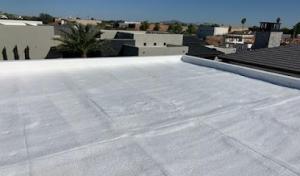
In this market, flat-roof and low-slope work is a steady through-line, driven by patio covers, home additions, and a number of modern or commercial-style structures that pop up in residential neighborhoods. The mix means many Chandler properties rely on built-up assemblies, single-ply membranes, or adhered alternatives. Expect more exposure to direct sun on these surfaces, which accelerates aging of underlayment, ballast conditions, and edge details. When a flat roof starts showing wear, small problems-drips near penetrations, membrane seams, or flashing gaps-can balloon quickly if not addressed, especially after a monsoon season.
Roof coatings are a meaningful Chandler service category because intense sun exposure makes restoration and reflective surface maintenance especially relevant on low-slope assemblies. A high-quality coating can extend service life by improving UV resistance and reducing surface temperatures, which helps neighboring components and sealants last longer. For flat and low-slope roofs, coatings also provide a convenient path for minor repairs without a full tear-off. Key focus areas include edge detailing, penetrations, drain; keep an eye on ponding water, which can undermine coating adhesion and promote localized failures if left unattended.
Skylight leak risk in Chandler often rises during monsoon rain events, when wind-driven water tests curb, flashing, and seal details more aggressively than routine dry-weather conditions. When inspecting skylights, prioritize flashing continuity, curb height, and the sealants around glazing units. In older installations, glaze failures or misaligned flashing can become visible only after heavy downpours. Consider proactive resealing or flashing upgrades during dry periods to reduce post-storm surprises.
Heat and monsoons combine to shorten the window between maintenance cycles. Plan proactive inspections after peak summer heat and before the onset of the monsoon season, focusing on flat roofs, coatings, and skylights. Routine checks should emphasize edge details, membrane integrity, and drainage efficiency to minimize the risk of wind-driven water intrusion and accelerated material wear.
Find specialists in TPO, EPDM, and built-up flat roofing systems for residential and commercial properties.
Discount Roofing
(602) 736-6001 discountroofingllcaz.com
1787 E Carla Vista Dr, Chandler, Arizona
4.9 from 184 reviews
Real Roofing
(602) 329-8402 www.realroofingofficial.com
481 N Arizona Ave, Chandler, Arizona
4.9 from 306 reviews
MSW Contracting
(602) 284-8542 www.roofarizona.com
2875 W Ray Rd Suite 6 #246, Chandler, Arizona
4.9 from 101 reviews