
Last updated: Apr 19, 2026
Tempe's relentless desert heat and intense year-round sun accelerate drying, brittleness, and thermal aging in asphalt shingles and any roofing components left exposed to the sun. Asphalt shingle granules can wear thin faster, and the underlying asphalt can oxidize, leading to accelerated curling, cracking, and loss of protection. This isn't about a single hot day; it compounds year after year, turning seemingly minor weathering into a material with noticeably shorter service life. When inspecting an asphalt roof in a tile-heavy neighborhood, look for brittle edges, cupping, or loosening granules that spell trouble well before a leak shows up. If the shingles or flashing appear chalky or fractured after a routine clean-out, that's a sign to plan proactive maintenance before summer returns and magnifies the damage.
In Tempe's many tile-roof neighborhoods, the visible clay or concrete tile often outlasts the underlayment beneath it, making leak risk more about the waterproofing layer than the tile itself. The tile acts like a shield, but heat and sun still bake the underlayment and any fabric or synthetic layer that sits between deck and tile. If the underlayment dries out, degrades, or loses its adhesive grip, small perforations or micro-tears can become paths for moisture during the monsoon. A roof that looks solid from the outside can harbor a compromised barrier underneath. Routine checks should include lifting a few tiles carefully to peek at the underlayment edge condition, any exposed nails, and the integrity of the tear-resistant seams. If brittle underlayment or visible deterioration is found, addressing it early can prevent a more invasive renovation and reduce the risk of leaks during the big desert storms.
Replacement timing in Tempe is commonly planned around avoiding both peak summer heat and the July to September monsoon window, when rain and wind can interrupt tear-off and dry-in. The summer heat can make roofing work uncomfortable and dangerous, while the sudden onset of moisture during monsoon can complicate installation, drying times, and adhesive performance. A sensible schedule targets the shoulder season, when temperatures are moderate and storm patterns are more predictable. For tile and flat roofs alike, coordinating roof work outside the core monsoon months helps ensure a clean tear-off, proper drying, and a solid seal before the next heat cycle begins. Coordination with a trusted contractor who understands Tempe's monsoon timing reduces the risk of delays and rework.
A practical inspection cadence in this climate is more frequent than in milder areas, especially after the monsoon window closes and before the next summer begins. Visual checks for lifted or cracked tiles, worn underlayment seams, flashing around chimneys, vents, and skylights, plus any signs of staining or mold on interior ceilings, are essential. In addition to exterior checks, pay attention to attic ventilation and the presence of any condensation or heat buildup that might indicate compromised venting or underlayment. A proactive approach-airing out and resealing vulnerable zones after monsoon season and before the peak heat return-helps sustain the roof's waterproofing integrity.
Begin with a seasonal walk-around: remove debris from tile ridges and valleys, test for loose or cracked tiles, and inspect the edge and drip components where water ingress is most likely. If a roof has visible wear on the underlayment or evidence of moisture intrusion inside the attic during or after heavy rain, plan a targeted underlayment replacement or reinforcement rather than a full roof overhaul. When replacing components, choose materials that are well-matched to the substrate and environmental exposure, ensuring a durable seal that can withstand Tempe's drying cycles and sudden downpours. And finally, document the condition with photos each season; the trend lines tell a clearer story than a single snapshot and guide when a full refresh becomes prudent.
The summer monsoon carries rain that falls in sheets and gusts that yank at edges, flashing, and ridge lines. In Tempe, strong wind gusts can lift shingles and shove tiles out of place long before you notice it on the ground. As soon as a storm clears, inspect for lifted shingles, displaced tiles, or areas where granules have started to shed. Pay close attention to the valleys and along roof edges, where the combination of heavy rain and wind concentrates damage. A quick, cautious walk around the perimeter after a storm can reveal the first signs of trouble before leaks sneak inside your attic or ceiling.
Dust storms leave a particulate trail that loves to settle around penetrations, inside valleys, and along low-slope drainage paths. That debris can mask micro-leaks or clog scuppers, making leaks harder to diagnose after the rain ends. After a dust storm, you want eyes on the entire roof line and around any vents, pipes, and skylights. If you see dark staining, damp spots, or unusual shingle curling, treat it as a warning sign rather than a cosmetic issue. Clear visible debris from the roof and ensure valleys and drainage paths are free for efficient runoff. Delays in clearing can turn a minor seep into a costly problem as moisture finds its way toward the attic.
Arizona's hail and wind events drive a spike in roofing claims, and Tempe homeowners benefit from documenting the damage promptly. Photograph roof surfaces, ceilings, and exterior elevations as soon as it's safe to do so after a storm. Focus on dented metal flashing, chipped or cracked tiles, and any odd lines or gaps in the ridge and drip edge. Take interior photos of ceilings near the most exposed walls or rooms directly under the roof deck; small, early leaks often show up there first. Keep a dated photo log and share it with a trusted local roofer to gauge whether rapid repair is needed or a more thorough assessment is warranted.
If you notice lifted shingles, displaced tiles, or staining after a monsoon or hail event, avoid delaying a professional assessment. Climb with caution, use binoculars from ground level to spot obvious issues, and schedule an evaluation if any suspect areas are found. Ask your roofer to check underlayment integrity, as repeated exposure to sun and monsoon moisture can wear it out long before shingles show visible wear. A focused, timely inspection can prevent rapid deterioration from becoming a costly, full-system replacement later.
Find local contractors experienced in assessing and restoring roofs after hail, wind, and severe weather events.
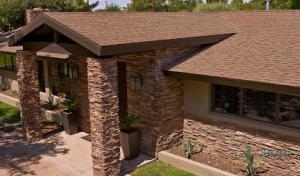
Healthy Structures Roofing & Construction
(480) 396-6760 healthystructuresinc.com
1404 E Lemon St, Tempe, Arizona
5.0 from 36 reviews
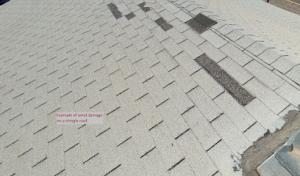
Mighty Dog Roofing East Valley
(480) 530-6076 www.mightydogroofing.com
60 E Rio Salado Pkwy #900, Tempe, Arizona
4.9 from 33 reviews

Storm Pro Roofing LLC Tempe, AZ
(855) 625-5800 stormproroofing.net
510 S 52nd St #108, Tempe, Arizona
4.6 from 76 reviews

Gryphon Roofing & Remodeling
2128 E Cedar St, Tempe, Arizona
4.9 from 774 reviews
Phoenix Roofing Company serving Arizona for over 30 years. Our owner, Russ Hyman, is a 5th generation Arizonan that knows what your home needs to stay cool, stay dry, and stay protected. Your roof whether tile, shingle, or flat is the first line of defense against the sun, monsoons, and weather in getting into your home. Let us help you fix your leaks and protect your investment! We will be there to replace your roof when the time comes, or do a simple roof repair to push it along a few more years. We offer long leak free warranties too! Hire us, a premiere Phoenix roofing company. Our mission is to provide a superior roofing and remodeling experience to our customers through excellent communication and superb customer service.
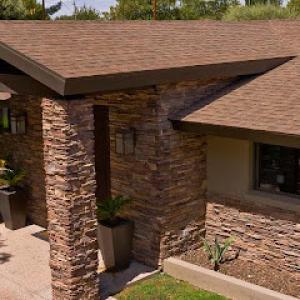
Healthy Structures Roofing & Construction
(480) 396-6760 healthystructuresinc.com
1404 E Lemon St, Tempe, Arizona
5.0 from 36 reviews
The reliable experts in roofing and remodeling in the greater Phoenix valley.
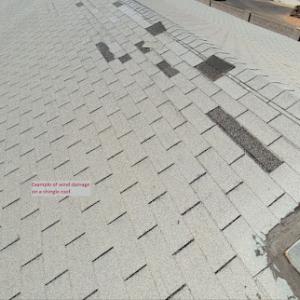
Mighty Dog Roofing East Valley
(480) 530-6076 www.mightydogroofing.com
60 E Rio Salado Pkwy #900, Tempe, Arizona
4.9 from 33 reviews
When it comes to your home’s exterior, Mighty Dog Roofing delivers top-of-the-line services matched with the neighborly customer care our clients have come to love. Our team of skilled experts will conduct a free, detailed inspection of your home, treating it as our own. Whether your home needs a simple repair or a full roof replacement, expect to receive the transparent guidance you deserve. Whatever the case, our team will work to meet your safety and budget needs. We take pride in operating with quality materials, hiring skilled roofers, and providing our customers with a high-quality experience. See for yourself; our reviews say it all. Schedule your free, home inspection today!

Storm Pro Roofing LLC Tempe, AZ
(855) 625-5800 stormproroofing.net
510 S 52nd St #108, Tempe, Arizona
4.6 from 76 reviews
We strive to create life long relationships with our customers through excellent, quality service, because this is the foundation of our business. We are a licensed, bonded and insured roofing company based in the Phoenix and Tucson areas. We provide the highest quality roof, that will weather the most extreme monsoon seasons. We strive to raise our standards each and every day to meet our customer’s needs.

Shamrock Roofing Services
(480) 888-6648 www.shamrockroofingservices.com
201 E Southern Ave UNIT 215, Tempe, Arizona
4.4 from 43 reviews
Shamrock Roofing Services specializes in residential reroofing and repair in central Arizona. With over 30 years of experience we offer quality workmanship and outstanding customer service. We can help repair your tile, shingle, or flat roofs! Call today for a free, no commitment estimate.
Mesa Roofing - Roof Repair & Replacement
(480) 506-0680 www.roofing-mesa.com
Serving
5.0 from 26 reviews
Welcome to Mesa Roofing, your go-to destination for top-notch roofing services in Mesa. Our dedicated team specializes in Mesa roofing, encompassing a wide range of solutions, including roof repair and roof replacement. At Mesa Roofing, we understand the importance of a reliable and resilient roof for the protection of your property. Our skilled professionals bring years of experience to every project, ensuring that your roofing needs are met with expertise and precision. From minor repairs to complete replacements, Mesa Roofing is committed to delivering results that stand the test of time. Our team uses high-quality materials and employ cutting-edge techniques to ensure better roofing. Contact us today for a consultation.
Prospect Roof Company
(602) 920-7012 www.prospectroofco.com
Serving
5.0 from 78 reviews
At Prospect Roof Company, we protect what matters most—your home, your investment, and your peace of mind—with high-quality roofing built on trust, referrals, and a reputation for doing things the right way. We specialize in full roof replacements, tile underlayment systems, and real estate-ready repairs—delivered with clear communication, clean worksites, and consistent, high-quality results. We’re the company neighbors recommend — known for leaving nothing behind but confidence.

LoveOurRoof, an Xcel Company
Serving
4.8 from 43 reviews
For all roofing needs, we serve the Phoenix Metro area. Free inspections before you add solar can help you avoid other long term roof issues. We are involved in your community through Habitat for Humanity and other great charitable organizations. We help realtors, insurance agents and homeowners with their roofing and siding needs. We would love a chance to be a part of your exterior contracting project - roofing, siding, gutters and windows.

Express Roofing
Serving
4.9 from 117 reviews
Guaranteed And Affordable Residential Roof Installation Need an experienced roofer? Work with the ones who focus on integrity and safety. Call (877) 419 8468 today for a free estimate in the Mesa, Gilbert, Chandler, Tempe, Scottsdale, and Phoenix markets.
Vertex Roofing
(480) 418-4237 vertexroofing.com
Serving
4.9 from 73 reviews
At Vertex Roofing, we’re a proud family-owned and locally rooted business, our mission is to provide top-quality roofing services with unwavering integrity and dedication. We operate with humility, respecting every customer and every home we work on. Guided by our core values of doing the right thing and continuously seeking improvement, we are committed to delivering excellence without the pressure of door knocking or scheming tactics. Our focus on high standards and genuine character sets us apart, ensuring that every project reflects our dedication to quality and trustworthiness. We strive to be the roofing professional you can count on, built on a foundation of honesty, skill, and community spirit. It’s the Vertex Difference.
Stout Roofing, Inc. | Mesa
(480) 660-3360 stoutroofing.com
Serving
5.0 from 175 reviews
Serving Arizona, Utah and Nevada since 1998. Stout Roofing is your trusted expert for all types of roof repairs and replacements. As a company operated by second and third generation roofers, we bring decades of experience and industry knowledge to every project. We specialize in both commercial and residential roofing, offering expert solutions for all roofing applications. Call us today at 480-660-3360
Supply Solutions Roofing
(480) 242-5346 www.supplysolutionsroofing.com
Serving
4.8 from 44 reviews
Complete roofing solutions. From new construction to Reroof, we offer turnkey solutions.
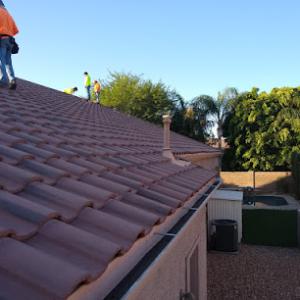
Tempe's housing stock features a strong prevalence of Southwestern-style homes with concrete or clay tile. That combination means broken field tiles, slipped tiles, and aged underlayment show up on service calls more than you might expect elsewhere. When a tile shifts or cracks, water can reach underlayment quickly, especially where tiles butt against parapets, chimneys, or vents. In practice, this means you'll often find hairline cracks in field tiles, misaligned rows after a season of heat cycling, or faded underlayment layers that have absorbed more sun and monsoon moisture than anticipated. A routine inspection should focus on tile alignment, broken or loose units, and any signs of moisture intrusion around penetrations and valleys.
The desert sun ages underlayment fast, and the monsoon adds a regular stress test each summer. In Tempe, heat after monsoon storms can cause underlayment seams to open or degrade, especially when tiles are older or subject to repeated foot traffic during repairs. On low-slope transitions, where tile meets flat sections or low-slope patios, underlayment wear can show up as edge cracking, blisters, or sags that trap water instead of shedding it. The combination of UV exposure and sudden, heavy rainfall during monsoon season accelerates aging, so expect more frequent checks of underlayment condition around flat-to-tile interfaces, kickouts, and any newly adjacent flat surfaces.
Low-slope areas are not an afterthought in Tempe. Patios, additions, and some multifamily builds commonly use a low-slope or flat roof interface with tile or elastomeric surfaces. Drainage and ponding management become critical during monsoon rains; even small areas of standing water can work against a tile system if underlayment is compromised. Pay attention to edge drains, scuppers, and transitions where water may back up toward underlayment seams. In many homes, the best approach blends tile patterns with carefully detailed transitions to adjacent flat roofs, ensuring a clean feed into drainage paths and preventing moisture wicking into vulnerable sublayers.
Because tile roofs are heavy and repair methods differ from shingle systems, Tempe homeowners often need contractors who routinely work with both tile details and adjacent flat or low-slope transitions. When selecting a contractor, confirm experience with field tile replacement, broken tile re-seating, and proper resealing around penetrations and curbs. Ask about experience with underlayment types common to tile systems and how they address venting, valley lining, and kickout flashing at the interface with low-slope sections. A meticulous approach to these details reduces the likelihood of recurring calls after a repair. Regular, targeted inspections after the dry season and again after the first monsoon pulse can catch issues before they escalate.
Find contractors who specialize in clay and concrete tile roofs, known for their durability and curb appeal.

Gryphon Roofing & Remodeling
2128 E Cedar St, Tempe, Arizona
4.9 from 774 reviews
Mighty Dog Roofing East Valley
(480) 530-6076 www.mightydogroofing.com
60 E Rio Salado Pkwy #900, Tempe, Arizona
4.9 from 33 reviews

Shamrock Roofing Services
(480) 888-6648 www.shamrockroofingservices.com
201 E Southern Ave UNIT 215, Tempe, Arizona
4.4 from 43 reviews
When budgeting a roof replacement, you'll see the local pricing ranges expressed per square. Asphalt shingles run roughly from $350 to $700 per square, metal roofing from $600 to $1100 per square, clay tile from $900 to $1800 per square, concrete tile from $950 to $1900 per square, wood shingles or shakes from $700 to $1200 per square, and synthetic or composite shingles from $500 to $900 per square. Those figures give you a practical baseline for Tempe projects, not abstract nationwide averages. You'll notice the higher end of the range more often in neighborhoods with unique profiles or older homes where matching existing details matters.
Tile roof work is frequently more expensive in this area because repairs and replacement involve tile handling, underlayment-focused tear-off, and matching issues on established neighborhoods with older roof profiles. If you're replacing clay or concrete tiles, expect labor to include careful removal and replacement to preserve the visual rhythm of your roof line and to avoid breaking nearby pieces. Underlayment choices and wind-driven debris considerations also factor in, since the Sonoran Desert climate accelerates wear on fabrics and flashing.
Project costs in Tempe can rise with permit fees, inspection scheduling, summer labor constraints, and monsoon-season demand spikes after wind or hail events. The summer heat and sudden storms drive both material stress and scheduling pressure, so a quick turnaround after a major storm tends to push upgrade and labor costs upward. If a replacement or substantial repair is timed near peak monsoon activity, you'll see tighter windows for crews and potentially premium rates for expedited service.
If you're weighing options, asphalt shingles offer the most modest starts, while clay and concrete tiles carry the premium for durability and aesthetics, especially on older structures with complex layouts. Wood shingles or shakes bring a distinct look but carry higher maintenance questions in the exposure-heavy Tempe sun. Synthetic or composite shingles sit in the middle for cost and typically provide good wind resistance, which is a pragmatic consideration given monsoon gusts.
Begin with a solid estimate that separates tear-off, underlayment, and tile handling from the actual cover material. Expect any additional labor to reflect underlayment repairs and careful matching to existing profiles, especially in neighborhoods with longstanding roof lines. If possible, align replacement timing with the shoulder seasons to minimize labor bottlenecks and weather-driven price spikes.
Get a clear picture of your project costs upfront - no commitment required.
Mighty Dog Roofing East Valley
(480) 530-6076 www.mightydogroofing.com
60 E Rio Salado Pkwy #900, Tempe, Arizona
4.9 from 33 reviews
Shamrock Roofing Services
(480) 888-6648 www.shamrockroofingservices.com
201 E Southern Ave UNIT 215, Tempe, Arizona
4.4 from 43 reviews
A full roof replacement in Tempe requires a permit through the City of Tempe Building Safety Department. This is not a bureaucratic hurdle to hide behind; it's how you ensure that a roof built to endure the desert sun and the early-monsoon humidity will actually perform when you need it most. The permit process is designed to verify that the chosen materials, flashing details, and fasteners meet local codes and are compatible with the city's climate realities. Skipping this step can leave you vulnerable to rework, unsafe installations, and potential penalties.
Tempe typically performs inspections at project milestones, including rough or underlayment and final inspection. That means contractors must plan tear-off, dry-in, and any ventilation work around city signoffs, not the other way around. If the signoff is delayed, it can stall the entire project, extending exposure to weather during the hottest months and increasing the risk of moisture-related issues under the deck and in the attic. A clear, contract-driven schedule that aligns tear-off with upcoming inspections helps you avoid unnecessary delays and protects you from costly rework later.
Expect a permit to involve some level of plan review, especially for larger or more complex replacements. This review looks at roof slope compatibility, alignment with existing drainage, and compatibility with surrounding structures. In Tempe, accurate measurements, a complete materials list, and confirmation of underlayment and flashing choices are critical. Incomplete submittals or missing details can trigger questions, push back your start date, or require corrections before work can proceed. Preparing documentation in advance reduces the chance of last-minute changes being flagged during the review.
Because inspections hinge on milestones, you should coordinate with your contractor to pin down a realistic timeline that accommodates the City's review cadence. If summer rain or fall wind events are in the forecast, having a contingency plan for critical phases-tear-off versus dry-in-can make the difference between a smooth permit clearance and weather-driven setbacks. Keep communication lines open with both the contractor and the Building Safety Department, and document every inspection milestone so you know exactly where the project stands at any given moment.
Arizona is an active wind and hail claim environment, and Tempe homeowners should expect insurers to want thorough photo documentation and clear storm-date records. The monsoon season can blur the line between storm-created damage and long-standing wear, so the claim process expects crisp evidence that ties observations to a specific event. This means taking wide-angle shots of the entire roof and close-ups of damaged or delaminated underlayment, flashing, and tile edges after a storm and before anything is repaired.
Because claim support often depends on proving storm-created damage rather than age-related wear, Tempe homeowners need inspection notes that distinguish monsoon or hail impacts from sun-driven deterioration. An inspector should note color fading, asphalt granule loss, or blistering tied to heat as separate from impact cracks, displaced tiles, or punctures caused by hail. Keep a simple log of dates when storms occurred, what was observed, and any temporary fixes applied in the days following the event.
Arizona insurers have tightened underwriting in some risk categories, so Tempe homeowners replacing older roofs should keep records on materials, installation date, and final inspection completion. When filing, include product specifics, warranty terms, and a complete sequence of replacement steps. Having this packet ready can help demonstrate responsible maintenance and reduce back-and-forth questions during the claim review.
Store digital copies of all roof-related receipts, inspection reports, and correspondence, and keep them organized by storm date. If a roof is aging or near the end of its expected life, coordinate replacements and inspections with documentation that clearly shows upgrades and the timeline of work completed. Inconsistent records or vague notes can slow a claim and increase pushback during settlement discussions.
Connect with contractors who help homeowners navigate the claims process from damage assessment to final approval.
Gryphon Roofing & Remodeling
2128 E Cedar St, Tempe, Arizona
4.9 from 774 reviews
Storm Pro Roofing LLC Tempe, AZ
(855) 625-5800 stormproroofing.net
510 S 52nd St #108, Tempe, Arizona
4.6 from 76 reviews
Shamrock Roofing Services
(480) 888-6648 www.shamrockroofingservices.com
201 E Southern Ave UNIT 215, Tempe, Arizona
4.4 from 43 reviews
On tile roofs common in this area, skylight installations demand material-specific flashing and careful tile layout adjustments rather than generic shingle methods. You'll want to pair the skylight frame with a flashing kit designed for the tile type, and plan the surrounding tile pattern to minimize cutting and breakage. In Tempe, the combination of relentless sun and seasonal monsoons makes the seal between flashing and tile critical; any gap or misalignment invites heat-driven expansion and water intrusion. Regularly inspect the flashing apron, mortar joints (where applicable), and the fasteners for corrosion or loosening after monsoon storms.
Tempe's strong solar adoption potential means many reroof projects must account for existing or planned rooftop solar attachments and flashing details. When mounting PV rails or a roof-mounted inverter cabinet, ensure the penetrations through the underlayment and tile are sealed with high-heat, UV-resistant sealant choices and matched flashing boots. Solar racking should sit on top of or integrate with the tile field without forcing excessive tile cutting. Where rails cross atop clay or concrete tiles, consider raised standoffs and integrated membrane transitions to protect against wind-driven rain and thermal cycling.
High heat and UV exposure in Tempe elevate the importance of inspecting penetrations around skylights and solar mounts as part of routine maintenance. Look for cracked tile, lifted edges, or deteriorated sealant at joints after peak summer heat or monsoon wind events. Pay special attention to the ridge line near any skylight flashings, where heat cycling can loosen seals. If a roof has multiple penetrations, map each one to ensure any future repairs preserve a continuous, weather-tight seal around every flashing assembly.
Find contractors who integrate solar panels or solar shingles into your roof for long-term energy savings.
Storm Pro Roofing LLC Tempe, AZ
(855) 625-5800 stormproroofing.net
510 S 52nd St #108, Tempe, Arizona
4.6 from 76 reviews
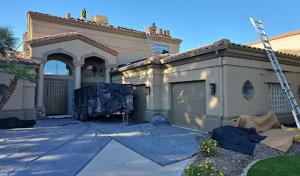
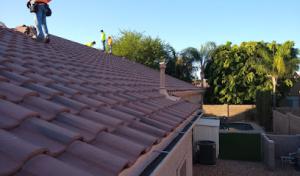
In a market with a dense field of re-roofing crews, you gain reliability by prioritizing teams with strong tile and storm-response experience. Flat-out generic exterior contractors often lack the nuance needed to handle underlayment concerns exposed by Tempe's summer monsoons and relentless sun. Look for crews that routinely work with clay or concrete tile, know how to protect valley details, and can adapt fast when sudden downpours interrupt progress. Ask for recent project notes that show how they handled underlayment staging in a heat-accelerated season and how they mitigated weather risk without delaying other trades on the schedule.
Local hiring priorities lean toward quick response, thorough cleanup, and established residential service. A reputable Tempe crew will outline a clear plan for staggered work windows to minimize heat exposure for materials and crew, and they should commit to daily site cleanup so you aren't left with debris piling up in the driveway during monsoon season. Confirm how they protect adjacent landscaping, outdoor equipment, and neighboring properties when working on tile installations or shingle overlays. If a storm event interrupts the job, you want a team that can resume promptly and provide visible progress notes, not a vague timeline.
Given the city's inspection cadence and the complexity of modern underlayment systems, favor contractors who routinely manage city inspections and can explain underlayment-stage scheduling clearly. Ask who will coordinate with inspectors, what documentation to expect, and how they document each stage from tear-off to final review. A reliable crew will assign a single point of contact for questions, provide written checklists for each phase, and deliver a concise post-installation summary that highlights underlayment condition, tile or shingle alignment, and any follow-up recall items.